Religious & Devotional music
Religious music spans 3,000 years: temple chant, psalms, spirituals, gospel, qawwali, nasheed, kirtan and worship pop. How each tradition sounds and grew.
138 genres
Since around -1000
Genres
138
In this family
Branches
17
Main subgenres
Since
around -1000
Chant, recitation and ritual
Timeline
Era by era
From the first sparks to today. Select a dot to read the story behind it.
- Chant, recitation and ritual
-1000 to 1500
- Psalters, hymns and congregations
1500 to 1800
- Revivals, shape notes and spirituals
1800 to 1900
- Records and the golden age of gospel
1900 to 1965
- Jesus music, CCM and world-music devotion
1965 to 1999
- Worship pop, nasheed and streaming
2000 to 2026
Eras
Moments
- 1 Chant, recitation and ritual, -1000 to 1500
- 2 Psalters, hymns and congregations, 1500 to 1800
- 3 Revivals, shape notes and spirituals, 1800 to 1900
- 4 Records and the golden age of gospel, 1900 to 1965
- 5 Jesus music, CCM and world-music devotion, 1965 to 1999
- 6 Worship pop, nasheed and streaming, 2000 to 2026
around -1000
Chant, recitation and ritual
Temples, synagogues, mosques and monasteries each fixed their own sung prayer: Buddhist and Shinto chant, cantillation, Quranic recitation, Byzantine kontakia, Sufi sama and bhakti song.
- 540Romanos the Melodist and the kontakionThe sung sermon-poem of Byzantine churches, tied to Romanos the Melodist, shapes later Orthodox chant.
- 800Shomyo reaches JapanBuddhist liturgical chant is established at Tendai and Shingon temples and becomes the base of Japanese sacred singing.
- 1300Amir Khusrau and early qawwaliTradition credits the Delhi poet-musician with shaping qawwali at Sufi gatherings around the Nizamuddin dargah.
around 1500
Psalters, hymns and congregations
The Reformation put singing in the hands of the congregation: the Genevan Psalter of 1562, then Isaac Watts and the English hymn, while kirtan spread through Bengal and North India.
- 1500Chaitanya popularises sankirtana in BengalGroup devotional singing of divine names becomes a mass practice, the seed of modern kirtan.
- 1562Genevan Psalter completedThe Calvinist psalm book gives congregations metrical psalms with set melodies.
- 1707Isaac Watts publishes Hymns and Spiritual SongsFreely composed hymns enter English congregational singing.
around 1800
Revivals, shape notes and spirituals
Camp meetings, singing schools and shape-note books such as The Sacred Harp spread sacred song across the US South; enslaved Black communities made spirituals, and the Fisk Jubilee Singers took them abroad.
- 1801The Easy Instructor introduces shape notesNotation by note shape lets rural singing schools teach sight-reading fast.
- 1844The Sacred Harp is publishedThe Georgia shape-note book becomes the centre of a living singing tradition.
- 1867Slave Songs of the United States appearsThe first major printed collection of spirituals documents songs from the Sea Islands and elsewhere.
- 1871Fisk Jubilee Singers form in NashvilleStudents raise money for their university and bring concert spirituals to the US and Europe.
1900
Records and the golden age of gospel
Disc and radio carried cantors, quartets and choirs beyond their congregations. Thomas Dorsey, Mahalia Jackson and Sister Rosetta Tharpe shaped gospel as a professional art form.
- 1909Fisk quartet records Swing Low, Sweet ChariotAn early disc of a spiritual, later added to the US National Recording Registry.
- 1912Yossele Rosenblatt becomes cantor in HarlemOhab Zedek in New York puts the best-known hazzan of his day before American audiences.
- 1932Dorsey writes Take My Hand, Precious LordThe same year he co-founds the Gospel Choral Union of Chicago, forerunner of the National Convention of Gospel Choirs and Choruses.
- 1938Sister Rosetta Tharpe records Rock Me for DeccaGospel songs with electric guitar reach the pop market.
- 1947Mahalia Jackson records Move On Up a Little HigherThe single sells in the millions and makes her the best-known gospel voice of her era.
- 1954Hammond B-3 organ launchedIts sound becomes standard in many Black churches and in gospel recordings.
- 1957Sam Cooke goes pop with You Send MeA gospel star of the Soul Stirrers crosses to secular music.
- 1963Vatican II allows vernacular liturgySacrosanctum Concilium opens Catholic services to local languages and new congregational music.
around 1965
Jesus music, CCM and world-music devotion
Folk-rock Jesus music became a contemporary Christian industry, Edwin Hawkins and Aretha Franklin brought gospel to pop audiences, and Real World introduced qawwali to Western listeners.
- 1969Edwin Hawkins Singers release Oh Happy DayA choir arrangement of an old hymn becomes a pop hit worldwide.
- 1972Aretha Franklin records Amazing Grace live in churchThe live album recorded at a Los Angeles Baptist church becomes a best-selling gospel record.
- 1982Amy Grant releases Age to AgeThe first platinum contemporary Christian album.
- 1989Nusrat Fateh Ali Khan releases Shahen-Shah on Real WorldThe album brings qawwali to Western world-music listeners.
- 1991Hillsong Music founded in SydneyA church label starts exporting congregational songs worldwide.
- 1997Kirk Franklin and God's Property release StompHip-hop rhythm and a choir cross gospel over to the pop audience.
2000
Worship pop, nasheed and streaming
Hillsong, Bethel and Maverick City made worship songs that travel by YouTube and streaming; Sami Yusuf and Awakening Music built a global nasheed audience.
- 2003Sami Yusuf releases Al-Mu'allimThe debut album launches Awakening Music and modern English-language nasheed.
- 2016Hillsong Worship releases What a Beautiful NameThe song becomes one of the most-sung worship songs worldwide.
- 2021Elevation Worship and Maverick City release Old Church BasementA live worship collaboration that reaches a wide audience online.
Roots
Roots and offspring
Religious
Led to (9)
Facts
| Genres in the family | 138 |
| Main branches | 16 |
| Emerged | Ancient |
| Tempo | 50 to 155 BPM |
Religious music is song made for worship, ritual and devotion, from Buddhist chant and synagogue cantillation to gospel, qawwali, nasheed, kirtan and today’s worship pop.
It is as old as organised religion and is still growing: each faith fixed its own sung prayer long before recording existed, and the 20th century carried those voices out of temples and congregations onto records, radio and screens. Western church plainchant and the art-music mass are filed under classical music; this page covers the wider devotional field.
Origins and early chant, to 1500
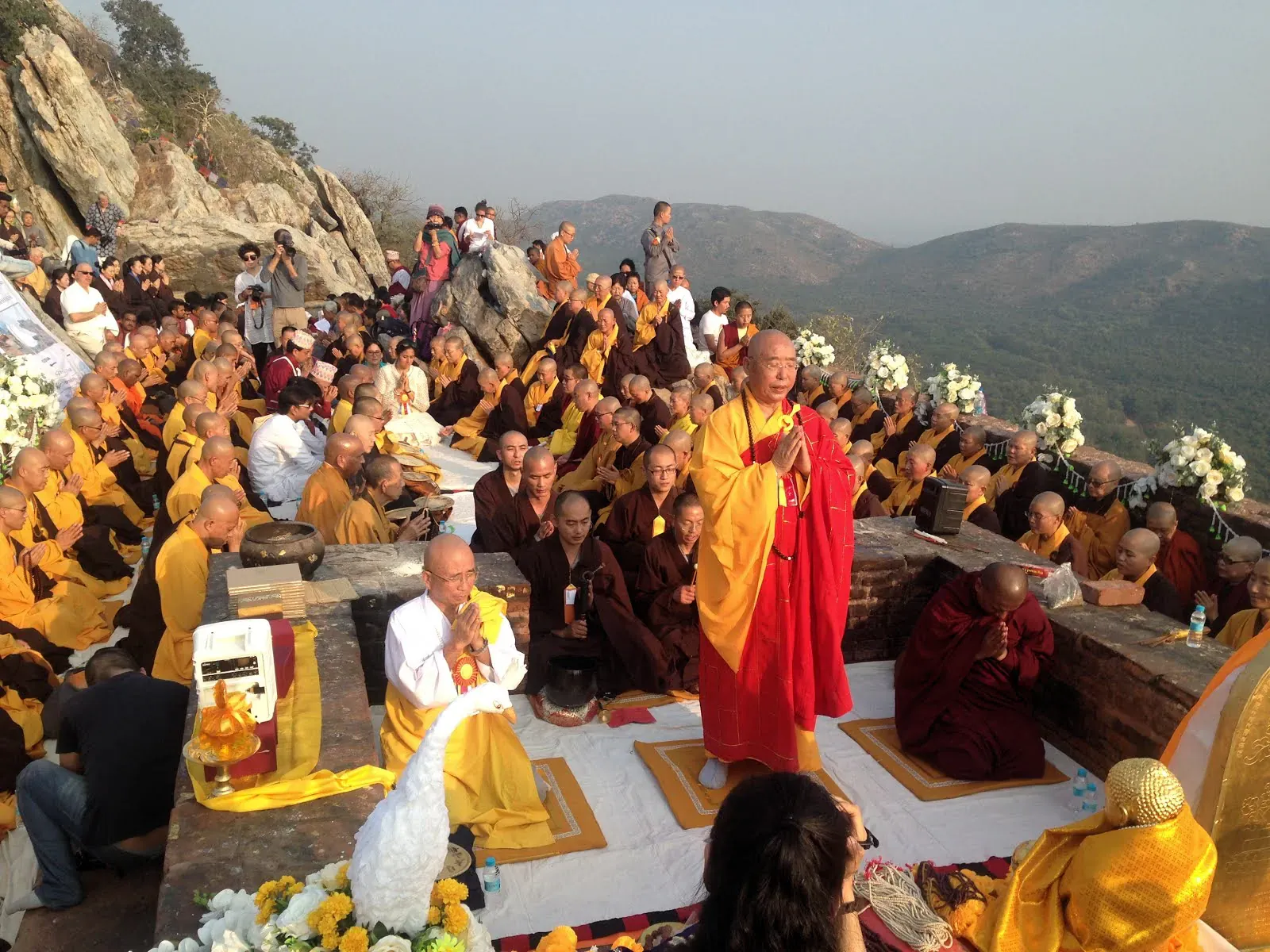
The oldest layer is sung scripture. Japanese shomyo, the chant of the Tendai and Shingon Buddhist schools, is recorded at an early ceremony for the Great Buddha at Todai-ji in 752, and the Heian-period founders Saicho and Kukai each brought chanting styles back from China.

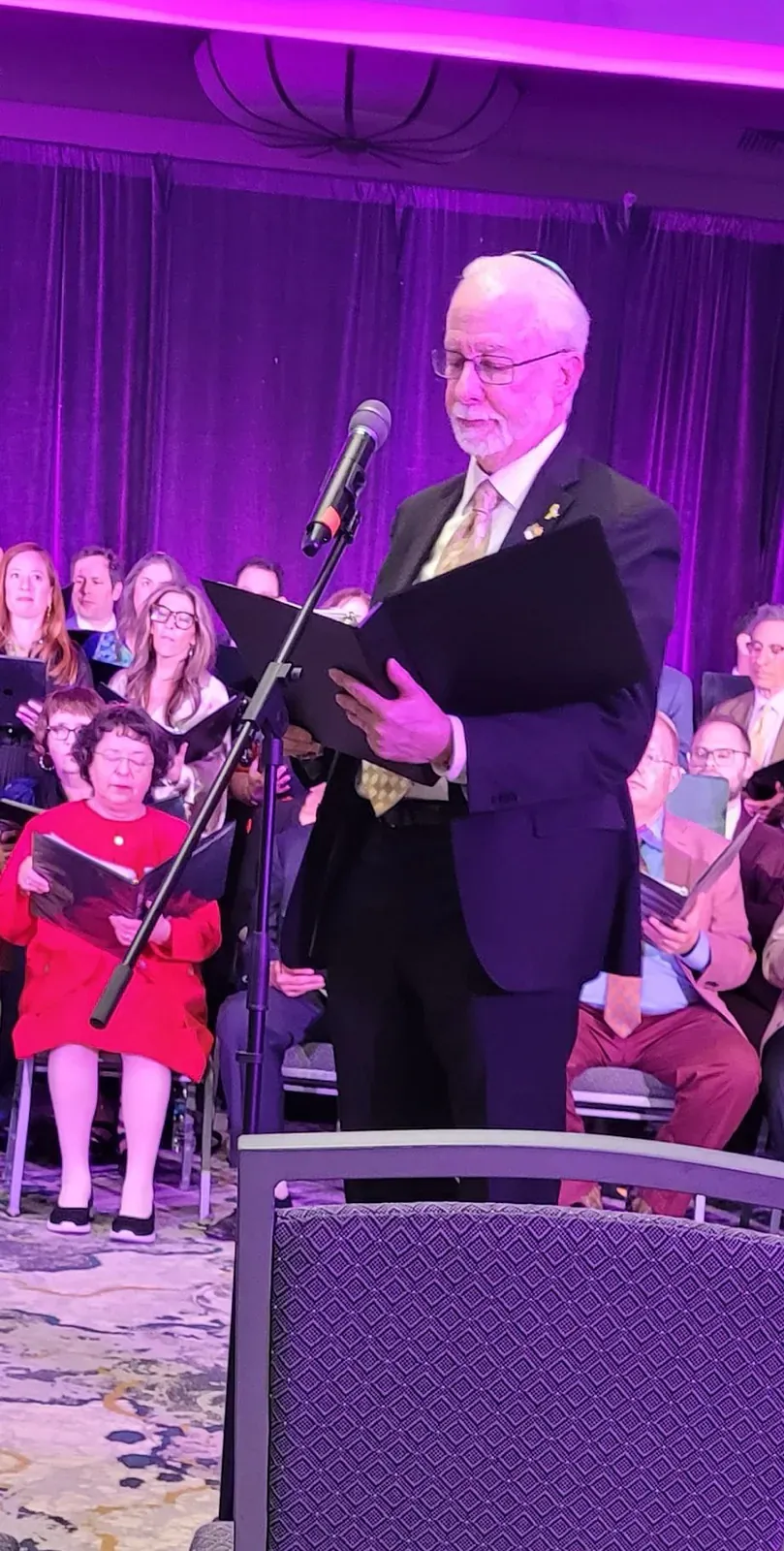
In synagogues, scripture is chanted with cantillation marks, and by the medieval period the prayer leader, the hazzan, had become a trained singer. Muslim reciters follow strict rules of pronunciation and melody when reciting the Quran, and many Muslims distinguish this recitation from music. In Byzantine churches, Romanos the Melodist, working in the 6th century, perfected the kontakion, a sung sermon-poem of 18 to 30 stanzas.
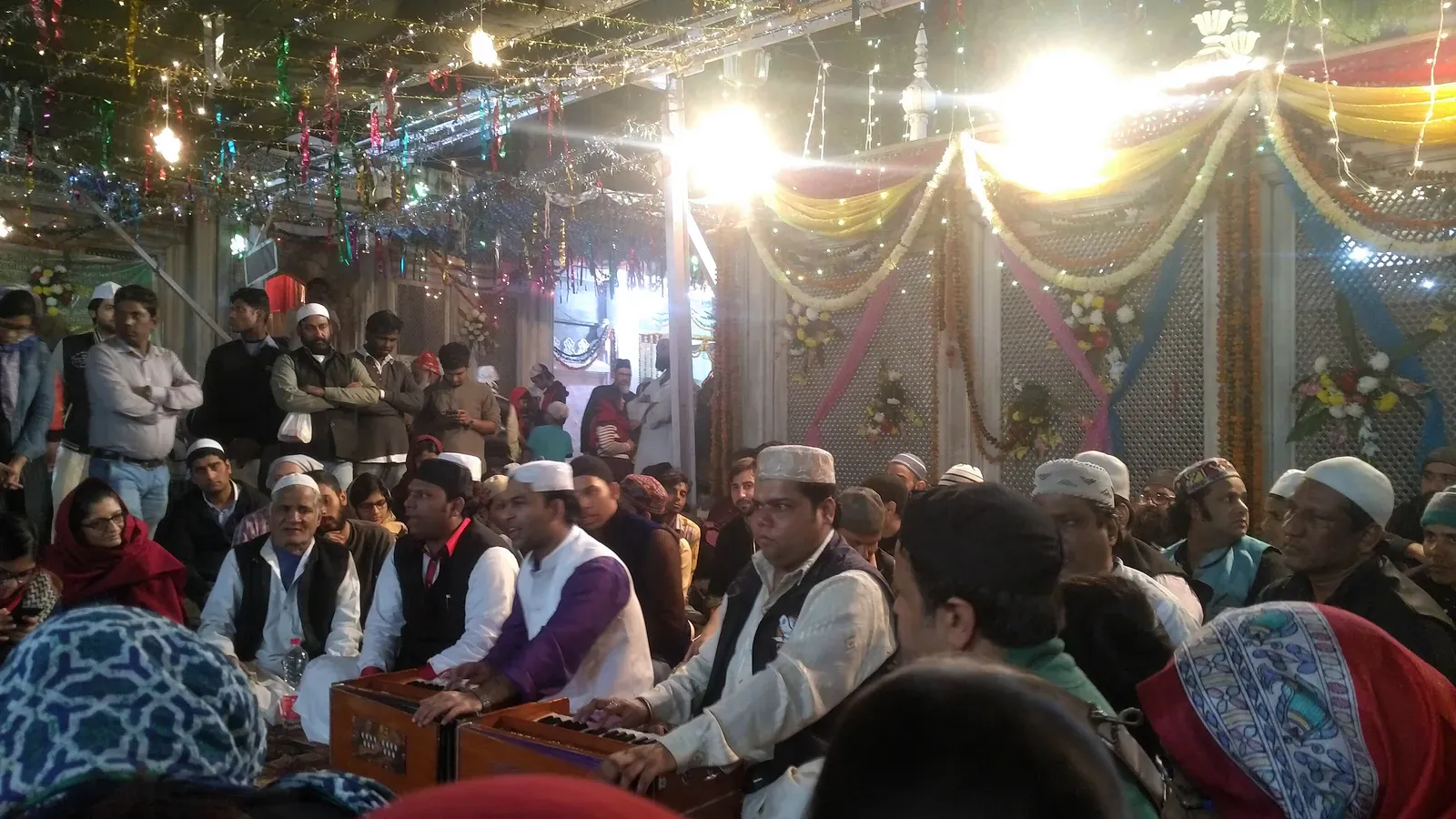
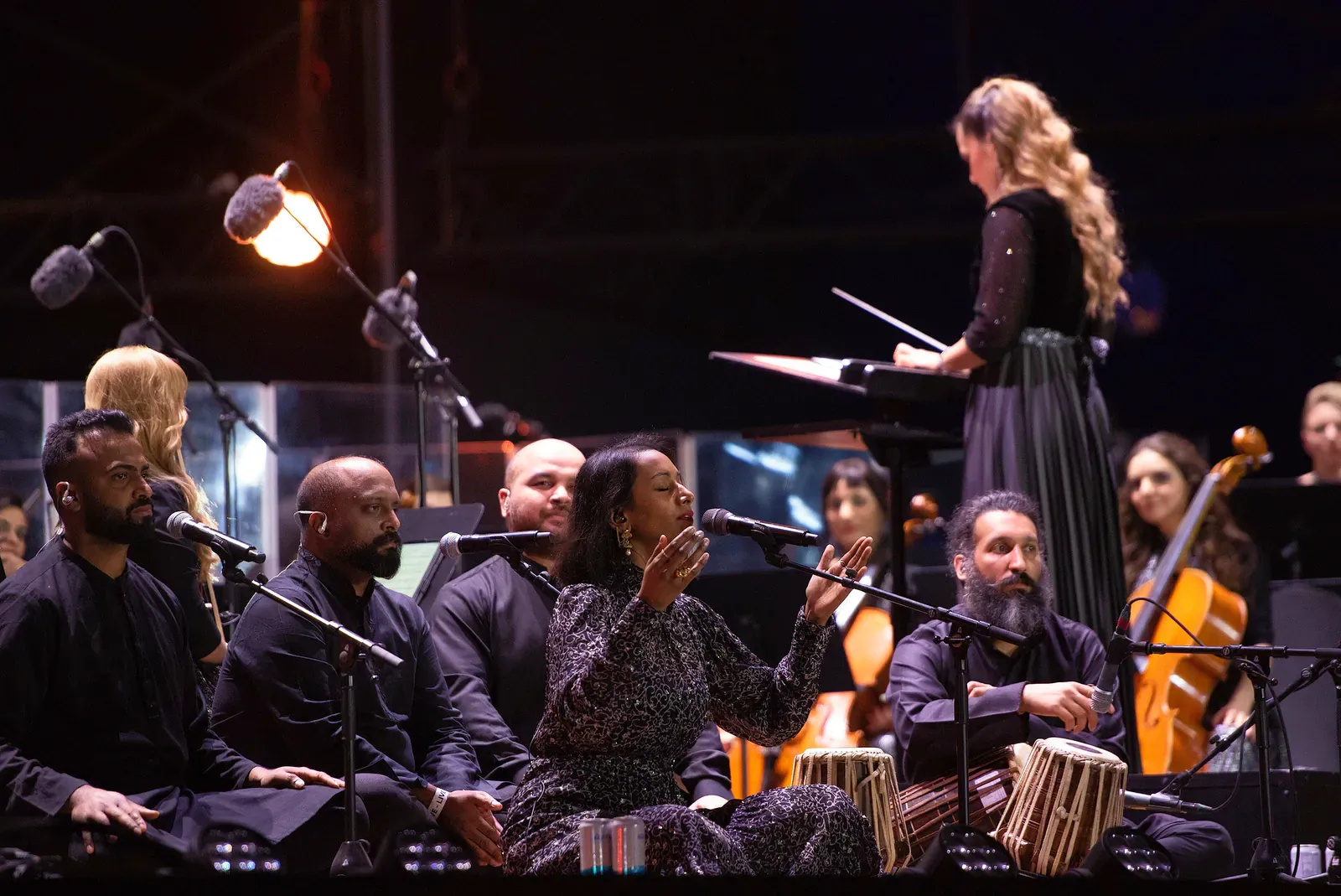
In South Asia, the Delhi poet-musician Amir Khusrau, a follower of the Chishti saint Nizamuddin Auliya, is credited with shaping qawwali in the 13th century from Indo-Persian poetry and music. Its setting was the mehfil-e-sama, a listening assembly intended to bring remembrance of God.
Psalters, hymns and congregations, 1500 to 1800
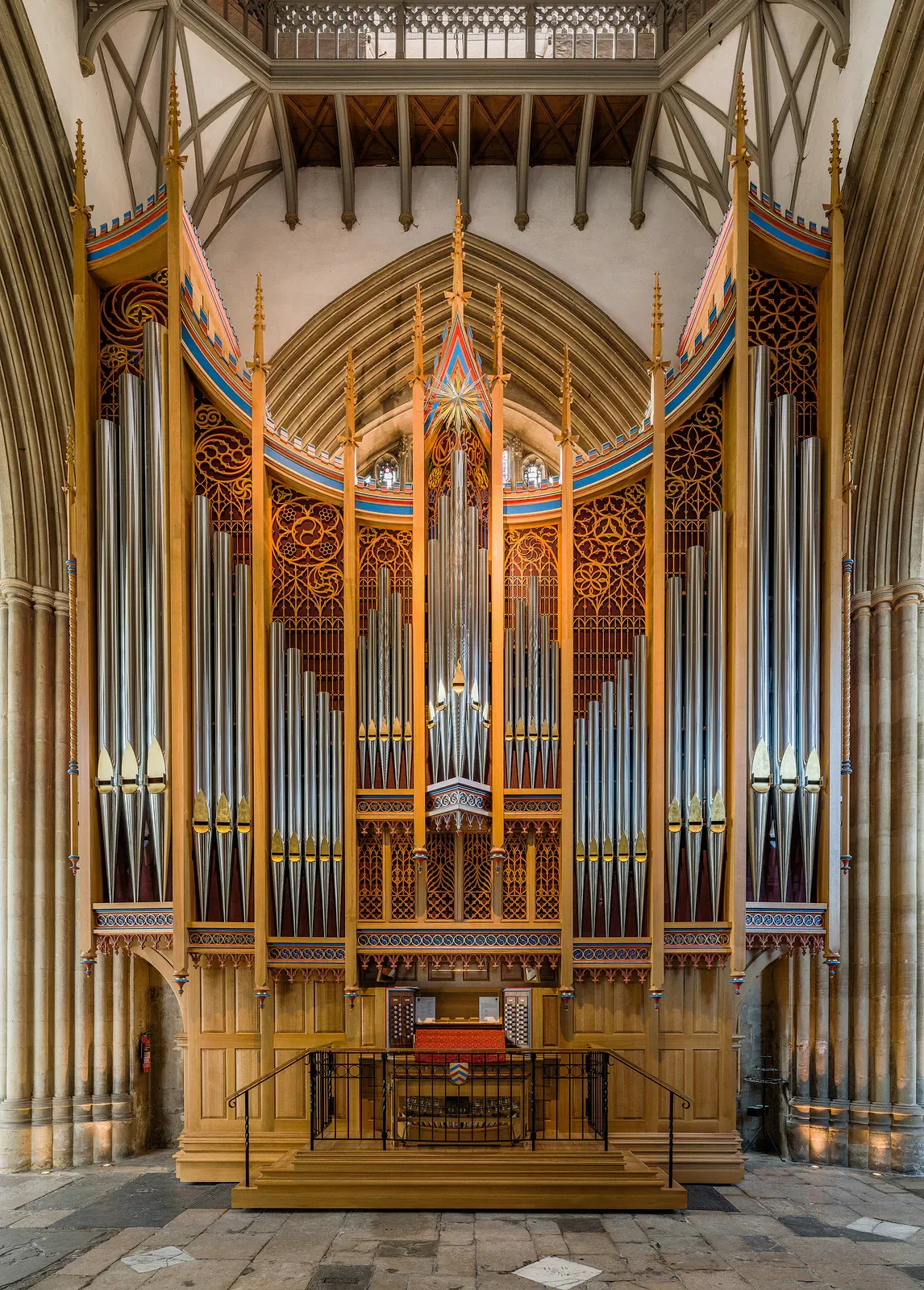
The Reformation put singing into the hands of ordinary worshippers. John Calvin believed the whole congregation should sing praise, and the Genevan Psalter, finished in 1562, gave churches metrical psalms with set melodies by composers such as Louis Bourgeois, including the Old Hundredth. The singing was unison and unaccompanied. English congregations sang only metrical psalms until Isaac Watts published “Hymns and Spiritual Songs” in 1707, adding freely composed hymns, among them “When I Survey the Wondrous Cross”.
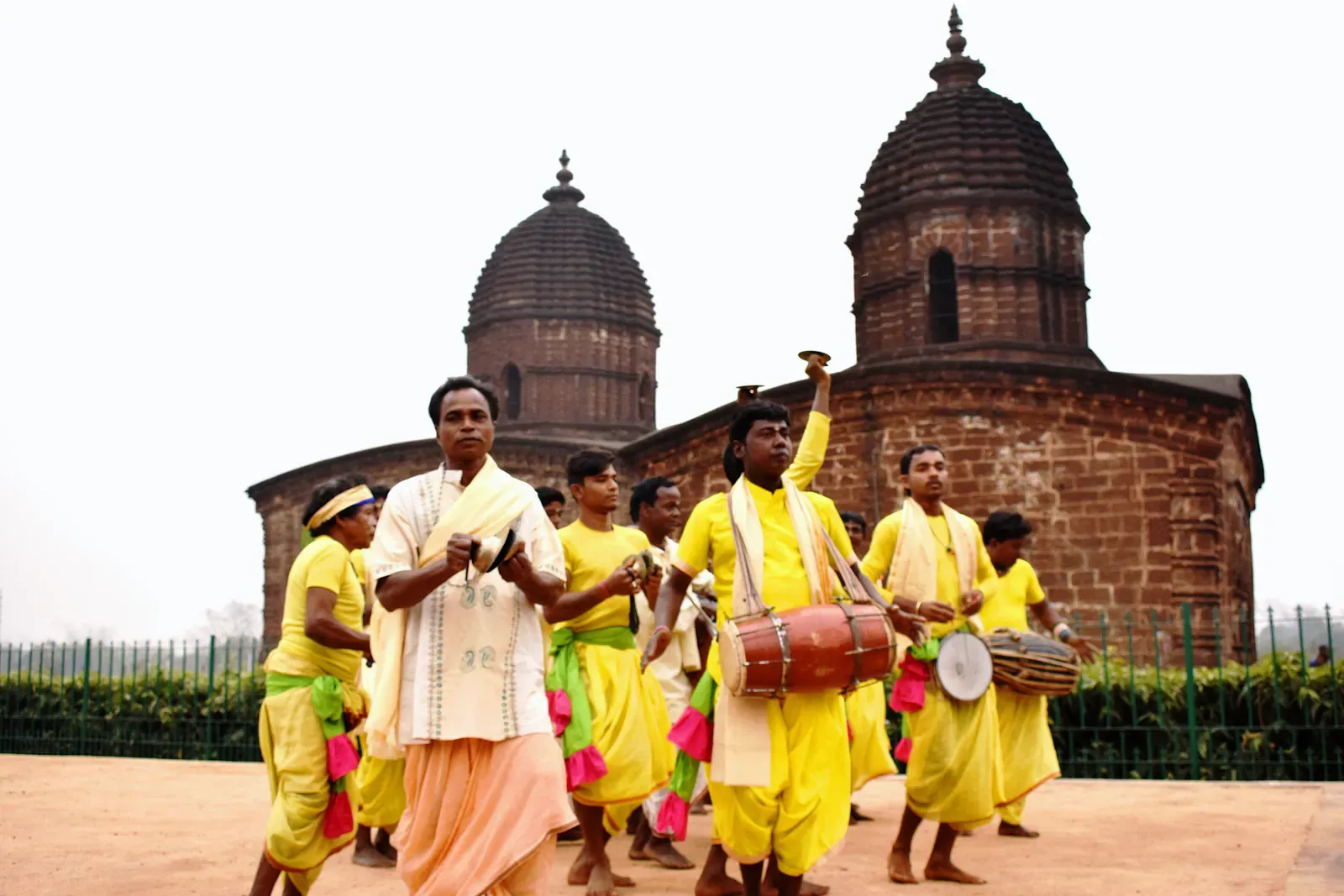
Meanwhile devotion in India moved to group song. The 16th-century saint Chaitanya Mahaprabhu popularised sankirtan, shared singing of divine names, across Bengal. Sikh kirtan took a different route, setting the Guru Granth Sahib to raga and performing it at the gurdwara.
Revivals, shape notes and spirituals, 1800 to 1900
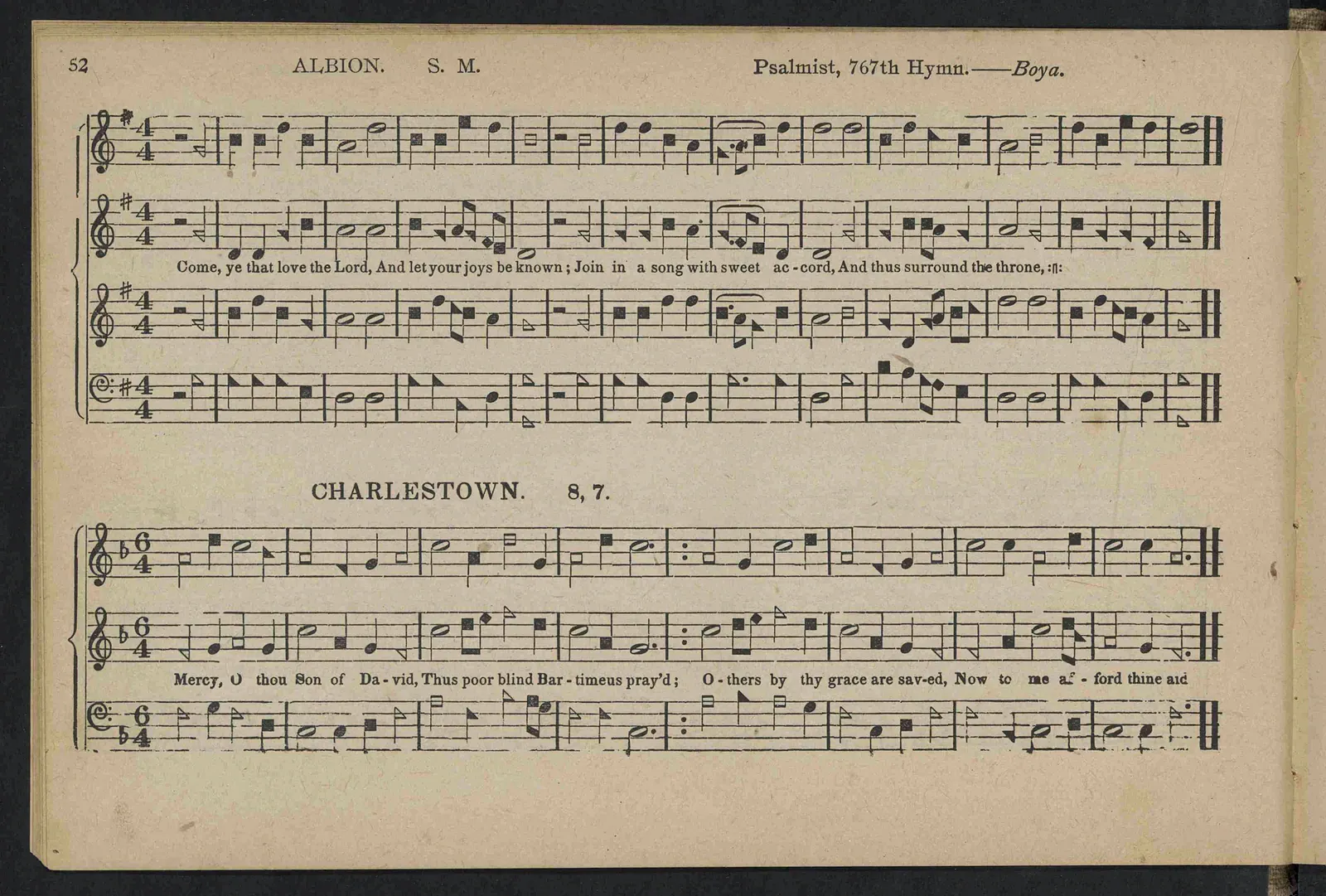
In the American South, camp meetings and singing schools spread a new notation. Shape notes, introduced in “The Easy Instructor” in 1801, printed each pitch in a distinct shape so rural singers could read music without teachers. The Georgia-based book “The Sacred Harp” (1844), compiled by Benjamin Franklin White and Elisha J. King, used four shapes and became the base of an all-day singing tradition in which singers face each other in a hollow square. Groups now sing from it in the UK, Germany and Australia.
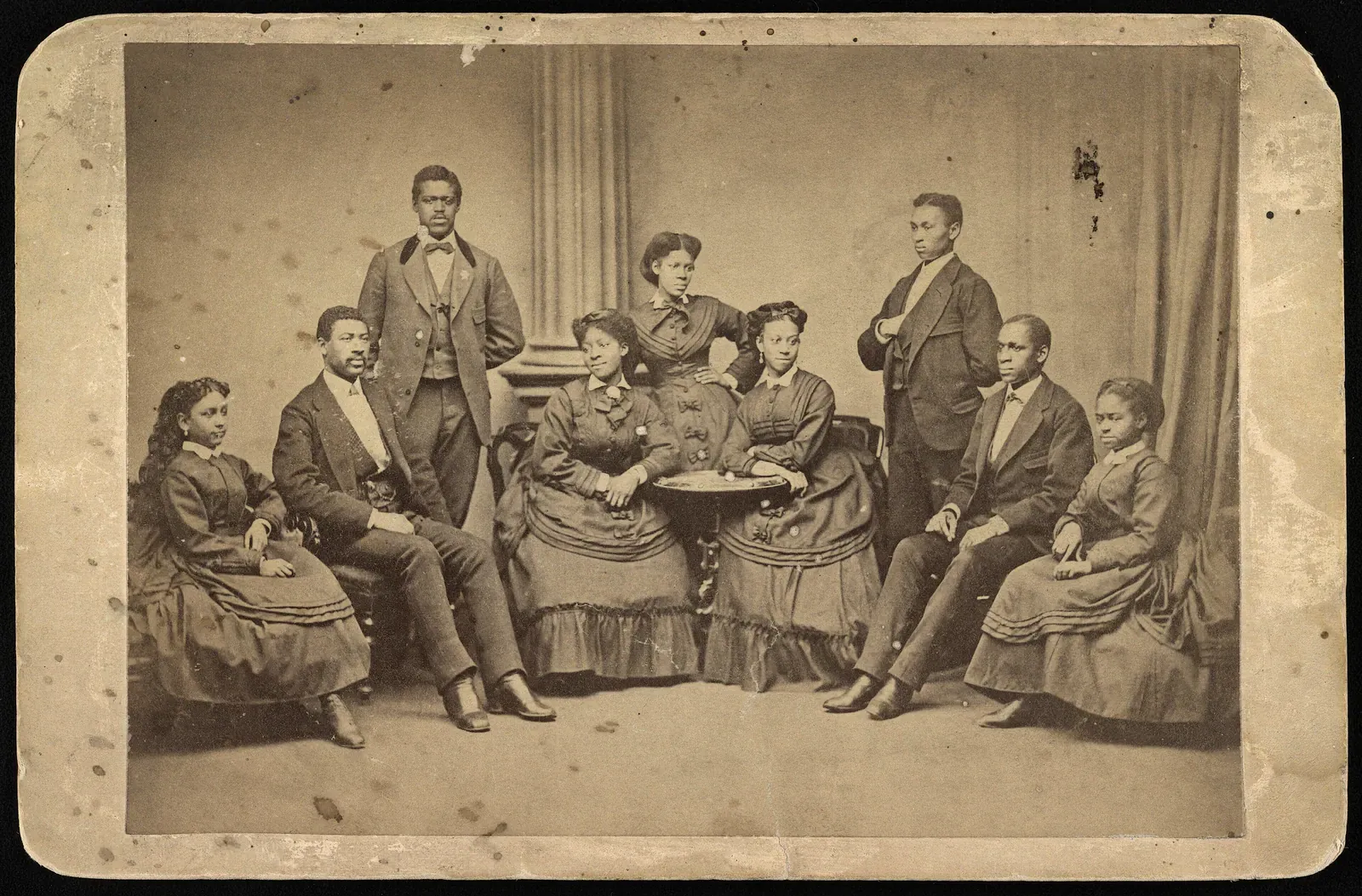
Spirituals came from enslaved African Americans, who combined African musical habits such as call and response with Christian teaching. “Slave Songs of the United States” (1867) was the first major printed collection. In 1871 the Fisk Jubilee Singers formed at Fisk University in Nashville to raise money for the school. They raised about $40,000 on early US tours, sang for President Ulysses S. Grant in 1872 and Queen Victoria in 1873, and funded Jubilee Hall, the university’s first permanent building. The original group disbanded in 1878.
Records and the golden age of gospel, 1900 to 1965
Recording brought spiritual and sacred song to homes. A 1909 disc of “Swing Low, Sweet Chariot” by a Fisk quartet was added to the US National Recording Registry in 2002. Cantors also entered the 78 rpm catalogue: after he became cantor at Ohab Zedek in Harlem in 1912, Yossele Rosenblatt was one of the best-known hazzanim in the world, and the interwar years are often called the golden age of cantorial recording, with Gershon Sirota and Zavel Kwartin.
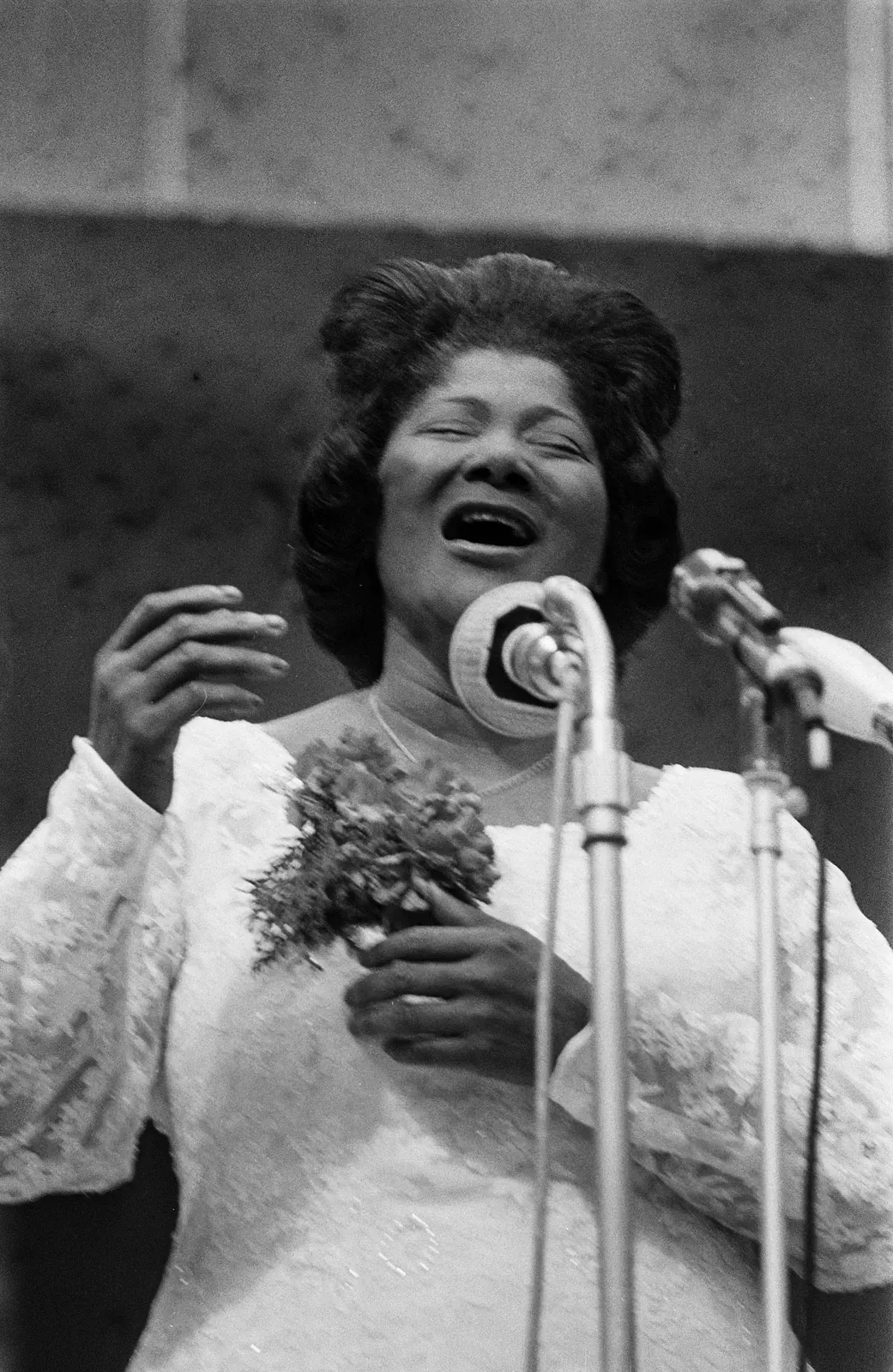
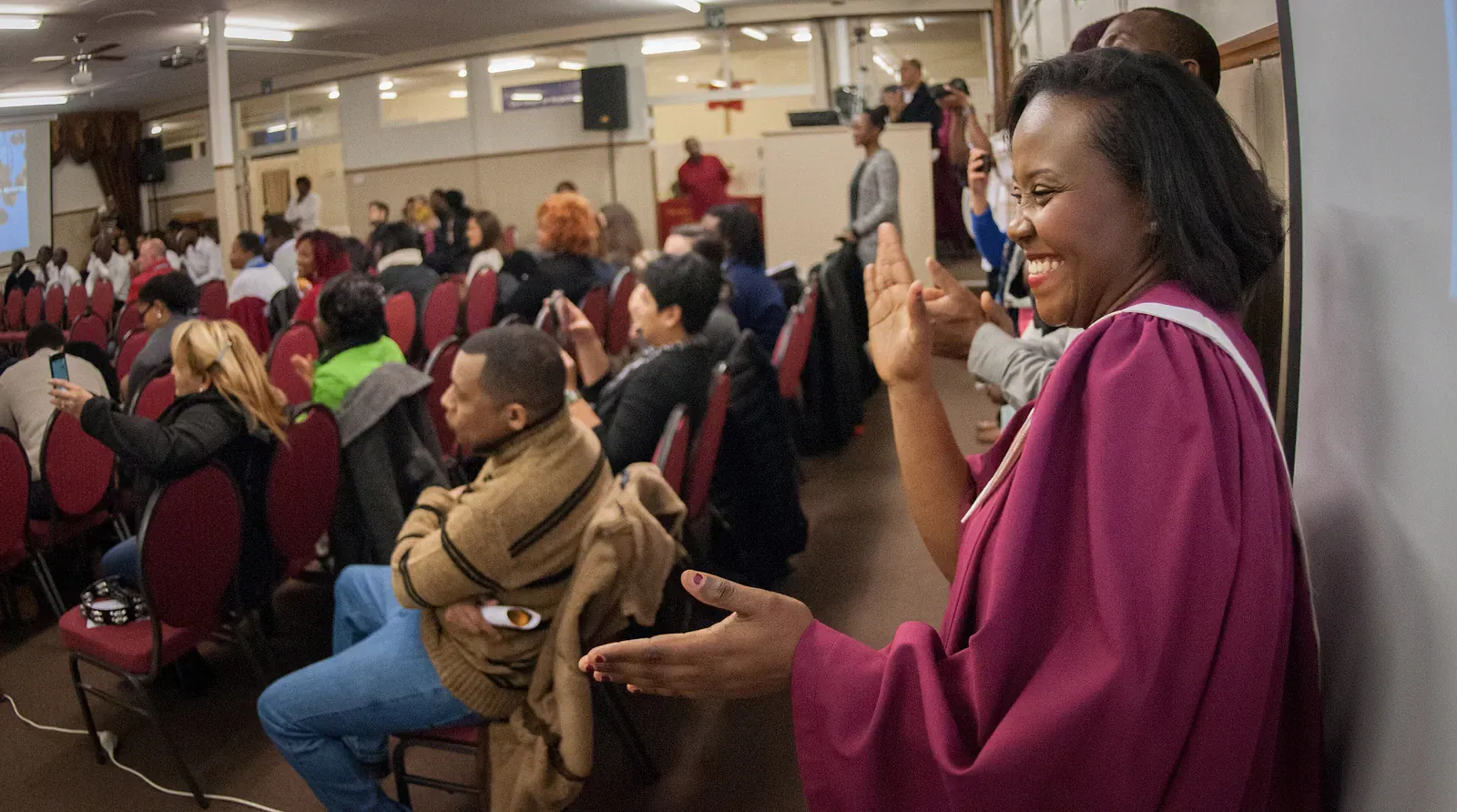
Gospel took shape in Chicago. Thomas A. Dorsey, a former blues pianist, wrote “Take My Hand, Precious Lord” in 1932 and co-founded a gospel choir union that same year. Sister Rosetta Tharpe, who recorded “Rock Me” for Decca in 1938, brought electric guitar to the form. Mahalia Jackson, who trained under Dorsey, sold two million copies of “Move On Up a Little Higher” in 1947, and in 1954 became the first gospel artist to sign with Columbia. In 1963 she sang at the March on Washington at Martin Luther King Jr.’s request.
Independent labels carried the sound. Specialty recorded the Soul Stirrers with Sam Cooke, Peacock the Dixie Hummingbirds, and Nashboro many Southern gospel groups; Savoy and Vee-Jay also made gospel records. The Hammond B-3 organ, launched in 1954, became standard in many Black churches. Gospel’s stars soon crossed to soul and R&B: Cooke moved to pop in 1957.
Jesus music, CCM and world-music devotion, 1965 to 1999
The Second Vatican Council’s constitution on the liturgy (1963) opened Catholic services to local languages and new congregational music. Gospel reached pop charts in 1969, when the Edwin Hawkins Singers’ “Oh Happy Day,” recorded in 1967, reached number four on the Billboard Hot 100 and won a Grammy in 1970. Aretha Franklin recorded “Amazing Grace” live in a Los Angeles Baptist church in January 1972 for Atlantic. The double album sold over two million copies and is the best-selling live gospel record.
Among young Christians, the Jesus movement produced Jesus music, from Larry Norman’s rock to Andrae Crouch, and the Dove Awards began in Memphis in 1969. Labels followed: Sparrow Records in 1976, the Hosanna! tapes that grew into Integrity Music, and Amy Grant’s “Age to Age” (1982), the first platinum contemporary Christian album. Kirk Franklin brought hip-hop rhythm to a choir with “Stomp” in 1997.
Outside the churches, Real World released Nusrat Fateh Ali Khan’s “Shahen-Shah” in 1989, introducing qawwali to Western world-music audiences, and kirtan reached the West in the 1960s through ISKCON. Archive labels such as Smithsonian Folkways keep field recordings of religious song in print; see also the South Asian family.
Characteristics
Almost every tradition sings its scripture first: chant, recitation and cantillation come before instrumental styles. Call and response links spirituals, gospel, qawwali and kirtan, and the last two start slowly and speed up toward a climax. Gospel adds melisma and the repeated vamp, Protestant hymn singing the practice of lining out, and shape-note singing the four-syllable fa-sol-la-mi scale.
Instruments and production
The organ holds hymn singing in churches, and the Hammond B-3 with a Leslie speaker became the voice of many Black church services. Qawwali and kirtan rest on harmonium, hand drums such as dholak, tabla and mridanga, and hand cymbals or clapping. Modern worship bands often run click and backing tracks from Ableton Live.
Worship pop, nasheed and streaming, 2000 to 2026
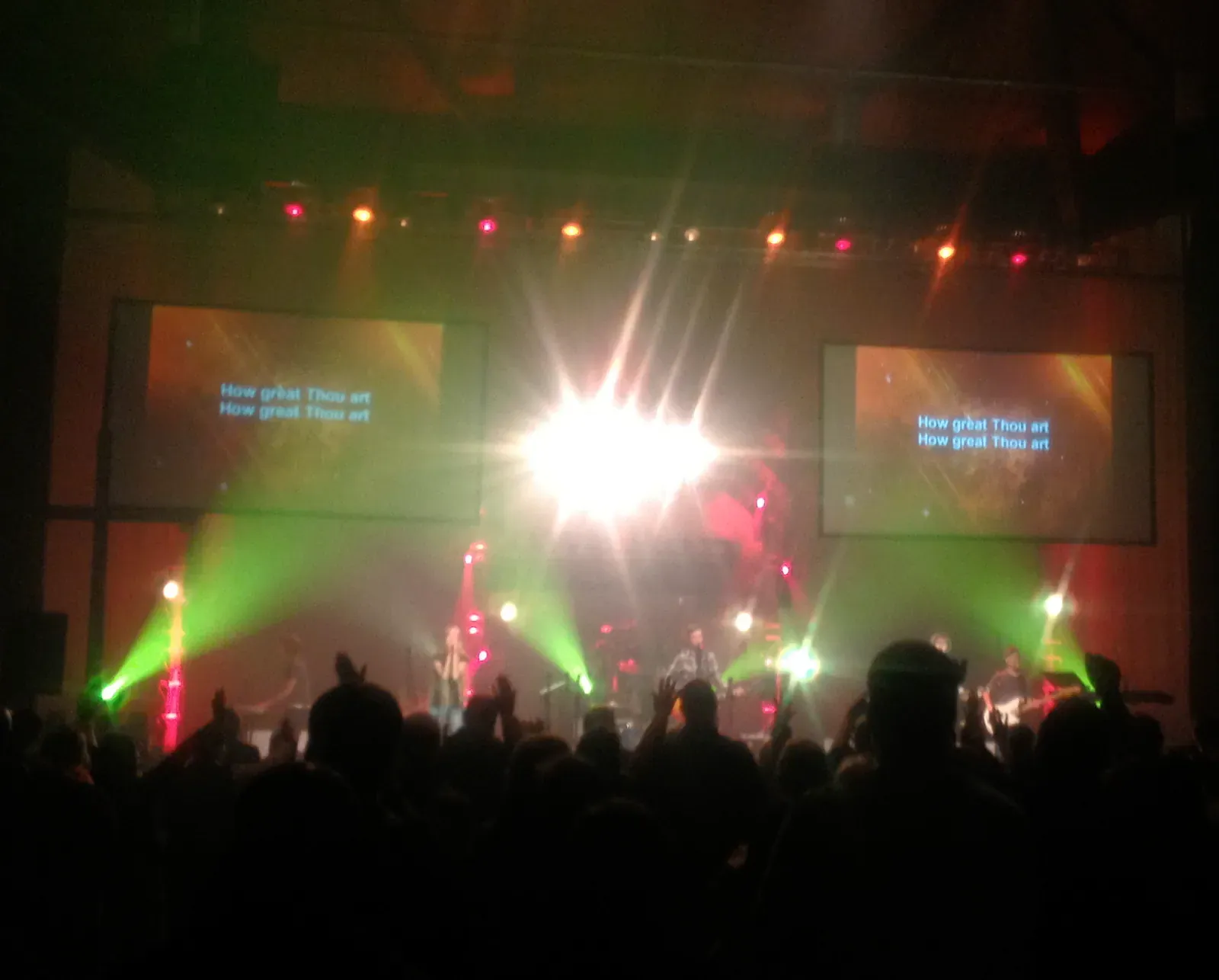
A church label can now export a song. Hillsong Music in Sydney, founded in 1991, spread “Shout to the Lord” in 1996 and “What a Beautiful Name” in 2016, which won the 2018 Grammy for Best Contemporary Christian Music Performance/Song. Bethel Music in Redding, California, and Maverick City Music in Atlanta, founded in 2018, followed. Maverick City won four Grammys at the 2023 ceremony. YouTube, launched in 2005, spread worship, nasheed and kirtan videos globally.
In Islamic music, Awakening Music launched in London in 2000, and Sami Yusuf’s “Al-Mu’allim” (2003) brought English-language nasheed, with strings and percussion, to a global Muslim audience. Maher Zain’s “Thank You Allah” followed in 2009. Nasheed can be unaccompanied or use instruments, and Muslim scholars hold different views on instruments; the nasheed field includes both. More on this tradition is on the Middle East and North Africa page.
Culture
The audience is usually a worshipping community, not a market. Gospel choirs trained in Black churches, and Sacred Harp singers gather for the singing and the friendships. Cantors train in nusach, the prayer melodies, and cantillation; since 1975, when Barbara Ostfeld-Horowitz was ordained, women have served as cantors in non-Orthodox movements.
Misconceptions
Religious music is not all Christian. The oldest written traditions include Buddhist chant, Jewish cantillation and Byzantine kontakia, and qawwali, kirtan and nasheed have their own histories, instruments and audiences.
Spirituals were not all secret maps. Some carried messages, but scholars debate how many did. They were first of all religious songs, built on call and response, that enslaved people used to sustain faith and community.
Muslims do not uniformly reject music. Scholars across the four main legal schools have long debated instruments, and classical texts give mixed guidance. The result is a range: unaccompanied nasheed on one side, orchestrated releases on the other, with Quranic recitation treated separately from music by many Muslims.
Frequently asked questions
What is the difference between gospel and contemporary Christian music?
Gospel grew out of the Black church in the 1930s, with Dorsey, Jackson and the quartets. Contemporary Christian music grew from the white youth Jesus movement of the late 1960s and became an industry in Nashville. Their sounds overlap, and urban contemporary gospel and worship collectives now share stages.
What is qawwali?
Qawwali is Sufi devotional singing from South Asia, usually performed by a lead singer with a chorus that claps and repeats lines, plus harmonium and hand drums. It is traditionally linked to Amir Khusrau and the Chishti order. Nusrat Fateh Ali Khan took it to world audiences in 1989.
What is the difference between a hymn and a spiritual?
A hymn is a composed devotional song for a congregation, such as those by Isaac Watts. A spiritual is a religious folk song created by enslaved African Americans and passed on by ear. Both are religious music, but their origins differ.
Subgenres
Genres in the family
17 main branches. Names with their own page are links.
- Afro-diasporic ritual music
1650, 2 branches
-400, 16 branches
- Christian chant traditions
300, 17 branches
1969, 3 branches
1958, 6 branches
1874, 15 branches
1520, 14 branches
630, 11 branches
- Jewish religious music
-900, 16 branches
1970, 2 branches
- Salvation Army band
1878
- Shamanic music
-3000, 3 branches
- Shape-note singing
1801, 5 branches
- Shinto music
500, 4 branches
1700, 8 branches
- Taoist music
200
- Zoroastrian music
-1000
Sound
What it sounds like
Tempo
- Overall50-155
- Traditional black gospel80-155
- Urban contemporary gospel85-155
- Contemporary worship music65-150
- Contemporary Christian music80-150
- Spirituals50-125
- Hymnody70-110
- Islamic devotional music80-135
- Jewish religious music75-150
- Buddhist music65-105
Drums and percussion
- Dholak
- Tabla
- Mridanga
- Drum kit
Synths and software
- Hammond B-3
- Ableton Live
Techniques
- Call and response
- Lining out
- Melisma
- Vamp
- Cantillation
- Gradual acceleration
Keys and modes
Minor pentatonic. Core scale of spirituals, with lowered thirds and sevenths as blue notes.
Four-shape fa-sol-la-mi scale. Shape-note hymns are sung to fa, sol, la and mi before the words.
Maqam. Melodic modes of Arabic and Near Eastern recitation and liturgical song.
Raga. Melodic frameworks for qawwali, kirtan and Sikh hymns.
Vocals
Unison chant, congregational part-singing, call-and-response choirs and solo recitation; qawwali and kirtan add a lead voice with a clapping chorus.
Hallmarks
- ritual and liturgical function
- congregational or monastic performance
- text-led melody
- oral and notated transmission
Instruments
- Hammond B-3 organ
Standard keyboard of many Black church bands and gospel recordings.
- Pipe organ
Anchors hymn singing in cathedral and church worship.
- Harmonium
Drone and chordal support for qawwali, kirtan and bhajan.
- Dholak
Barrel drum that drives the rhythm of qawwali and kirtan.
- Daf
Frame drum used in Sufi and nasheed performance.
- Shofar
Ram's horn sounded in Jewish services at Rosh Hashanah and Yom Kippur.
- Tambourine
Hand-held rhythm in gospel and Pentecostal worship.
- Singing bowl
Struck bowl used to mark chanting in many Buddhist settings.
Technology that shaped it
- 1801Shape-note notation
Note shapes taught sight-singing in rural singing schools.
- 190978 rpm disc
Brought spirituals and cantorial singing to home listeners.
- 1954Hammond B-3
Electric organ that defined church and gospel sound.
- 2005YouTube
Spread worship, nasheed and kirtan videos globally.
Essential records
- 1909Swing Low, Sweet Chariot
Fisk Jubilee Quartet. An early disc of a spiritual by the Nashville university ensemble.
- 1945Strange Things Happening Every Day
Sister Rosetta Tharpe. A gospel record that climbed the Billboard race records chart.
- 1947Move On Up a Little Higher
Mahalia Jackson. Her million-selling signature, which set the standard for solo gospel singing.
- 1951Jesus Gave Me Water
The Soul Stirrers. Sam Cooke leading a quartet, the sound he took into soul.
- 1969Oh Happy Day
Edwin Hawkins Singers. A gospel choir single that charted in pop around the world.
- 1972Amazing Grace
Aretha Franklin. A live church recording and a gospel sales landmark.
- 1982Age to Age
Amy Grant. The first platinum contemporary Christian album.
- 1989Shahen-Shah
Nusrat Fateh Ali Khan. The record that introduced qawwali to many listeners outside South Asia.
- 1993Kirk Franklin and the Family
Kirk Franklin. A choir album that made urban contemporary gospel a mainstream sound.
- 1996Shout to the Lord
Hillsong Worship. Gave Hillsong international prominence and a song sung in many languages.
- 2003Al-Mu'allim
Sami Yusuf. Opened a global audience for English-language nasheed and spiritual pop.
- 2016What a Beautiful Name
Hillsong Worship. A Grammy-winning worship song and one of the most-sung of the decade.
Scenes
Where it happened
Where and when the sound lived: one bar per city on a shared timeline.
Asia
North America
Oceania
Europe
Active scenes
Peak 7, 2018-2025
Dorsey, Mahalia Jackson and the first gospel choir convention made the city the capital of gospel.
From the Fisk Jubilee Singers to the contemporary Christian music industry.
Cantors such as Yossele Rosenblatt filled synagogues and the 78 rpm catalogue.
The Nizamuddin shrine area is the historic centre of qawwali.
Birthplace of Nusrat Fateh Ali Khan, whose family tradition took qawwali worldwide.
Hillsong Church turned a Sydney congregation into a worship-song exporter.
Bethel Church generated a worship label and songwriter collective.
Maverick City Music started here from songwriting camps.
Awakening Music made the city the base of global nasheed pop.
Glossary
Terms on this page
A leader sings a line and the group answers, common in spirituals and gospel.
The cantor who leads Jewish prayer in song.
Call-and-response chanting of divine names in Indian devotional traditions.
A leader chants each hymn line before the congregation repeats it.
Islamic vocal song, often unaccompanied or with frame drum, praising faith.
Contemporary congregational singing led by a band, with simple repeated lyrics.
Sufi devotional singing with handclaps and harmonium, led by a lead singer and chorus.
A religious folk song created by enslaved African Americans.
Families