Indian jazz
Indian jazz is jazz played in India since the 1920s, from Bombay and Calcutta hotel bands and Goan film arrangers to raga-jazz and the modern festival scene.
Bombay (Mumbai), 1925
Jazz family
Born
1925
Bombay (Mumbai)
Subgenres
2
Documented branches
Links
4
Genres it drew on or shaped
Tempo
100-160 BPMLineage
Family tree
Timeline
Era by era
From the first sparks to today. Select a dot to read the story behind it.
- First hotel bands
1920 to 1934
- Golden age of the hotel ballrooms
1935 to 1959
- Nightclubs and raga-jazz
1960 to 1977
- Festivals and the modern scene
1978 to today
Eras
Moments
- 1 First hotel bands, 1920 to 1934
- 2 Golden age of the hotel ballrooms, 1935 to 1959
- 3 Nightclubs and raga-jazz, 1960 to 1977
- 4 Festivals and the modern scene, 1978 to today
around 1920
First hotel bands
Jazz reached Calcutta and Bombay in the early or middle 1920s, played by African-American musicians touring to escape racial discrimination at home.
- 1925Jazz arrives in Calcutta and BombayRegular jazz performance is traced to the early or middle 1920s in the two port cities.
1935
Golden age of the hotel ballrooms
From Leon Abbey's 1935 Bombay band, Goan players filled hotel ballrooms at night and Hindi film studios by day, bringing swing into film songs.
- 1935Leon Abbey brings an eight-piece band to BombayThe American violinist's winter 1935 visit opened the city's jazz age.
- 1945Chic and the Music Makers win Green's HotelChic Chocolate's band beat 12 others for the contract at the hotel owned by the Taj Mahal Hotel.
- 1958Mera Naam Chin Chin Chu releasedGeeta Dutt's cabaret number for Howrah Bridge, a 1958 Hindi film hit.
- 1958Dave Brubeck plays Venice in BombayVenice, the nightclub of the Astoria Hotel, also hosted Duke Ellington in 1963.
1960
Nightclubs and raga-jazz
Bombay and Calcutta clubs hosted resident bands and visiting stars, and Shankar-Jaikishan's 1968 Raga Jazz Style set ragas in a jazz band setting.
- 1960Chris Perry's band holds a regular gig at VeniceThe Astoria Hotel club on Churchgate Street was known as the jazz man's jazz club.
- 1968Raga Jazz Style recordedShankar-Jaikishan and arranger Sebastian D'Souza set eleven ragas for a jazz-and-sitar band.
- 1971Louis Banks settles in CalcuttaThere he formed the Louis Banks Brotherhood with Pam Craine and Braz Gonsalves.
- 1977Amar Akbar Anthony names a hero after Anthony GonsalvesThe Hindi film takes its Goan Christian lead's name from the arranger and violin teacher.
1978
Festivals and the modern scene
The Jazz Yatra festival from 1978 and players such as Louis Banks built a scene that now spans Mumbai, Delhi, Kolkata, Pune, Bengaluru and Goa.
- 1978First Jazz Yatra festival in BombayFounded by Niranjan Jhaveri; it ran until 2003 and became the longest-running jazz festival outside the US and Europe.
- 1979Indo-Jazz Ensemble formedLouis Banks and saxophonist Braz Gonsalves composed on Indian scales with ghatam and thavil.
- 2008Miles from India nominated for a GrammyBanks co-produced and arranged the Miles Davis tribute, nominated for Best Contemporary Jazz Album.
Listening path
Start listening
A short path from an easy way in to the deep end. Thumbnails come from YouTube; the player loads only when you press play.
- 01
Geeta Dutt, 1954
O. P. Nayyar's Aar Paar number, a Hindi film song with a swing band feel.
- 02
Shankar-Jaikishan, 1968
Ragas played by a jazz band with sitar, saxophone and rhythm section.
Facts
| Family | Jazz |
| Origin | Bombay (Mumbai), India |
| Emerged | 1920s onward |
| Status | Active |
| Tempo | 100 to 160 BPM |
| Subgenres | 2 |
Indian jazz is jazz played and arranged in India, a tradition that began in the 1920s in Bombay (now Mumbai) and Calcutta (now Kolkata), where African-American bandleaders performed in hotel ballrooms.
Goan musicians learned the style and carried it into Hindi film music, and the tradition continues in festivals and clubs in Mumbai, Delhi, Kolkata, Pune, Bengaluru and Goa. It belongs to the jazz family and descends from swing.
Origins
Jazz was probably first performed regularly in Calcutta and Bombay in the early or middle 1920s. The first players were American. Leon Abbey, Creighton Thompson, Teddy Weatherford (who recorded with Louis Armstrong) and Rudy Jackson, among others, toured India to escape the racial discrimination they faced at home. In the winter of 1935 Leon Abbey, a violinist from Minnesota, brought the first eight-piece band to Bombay.
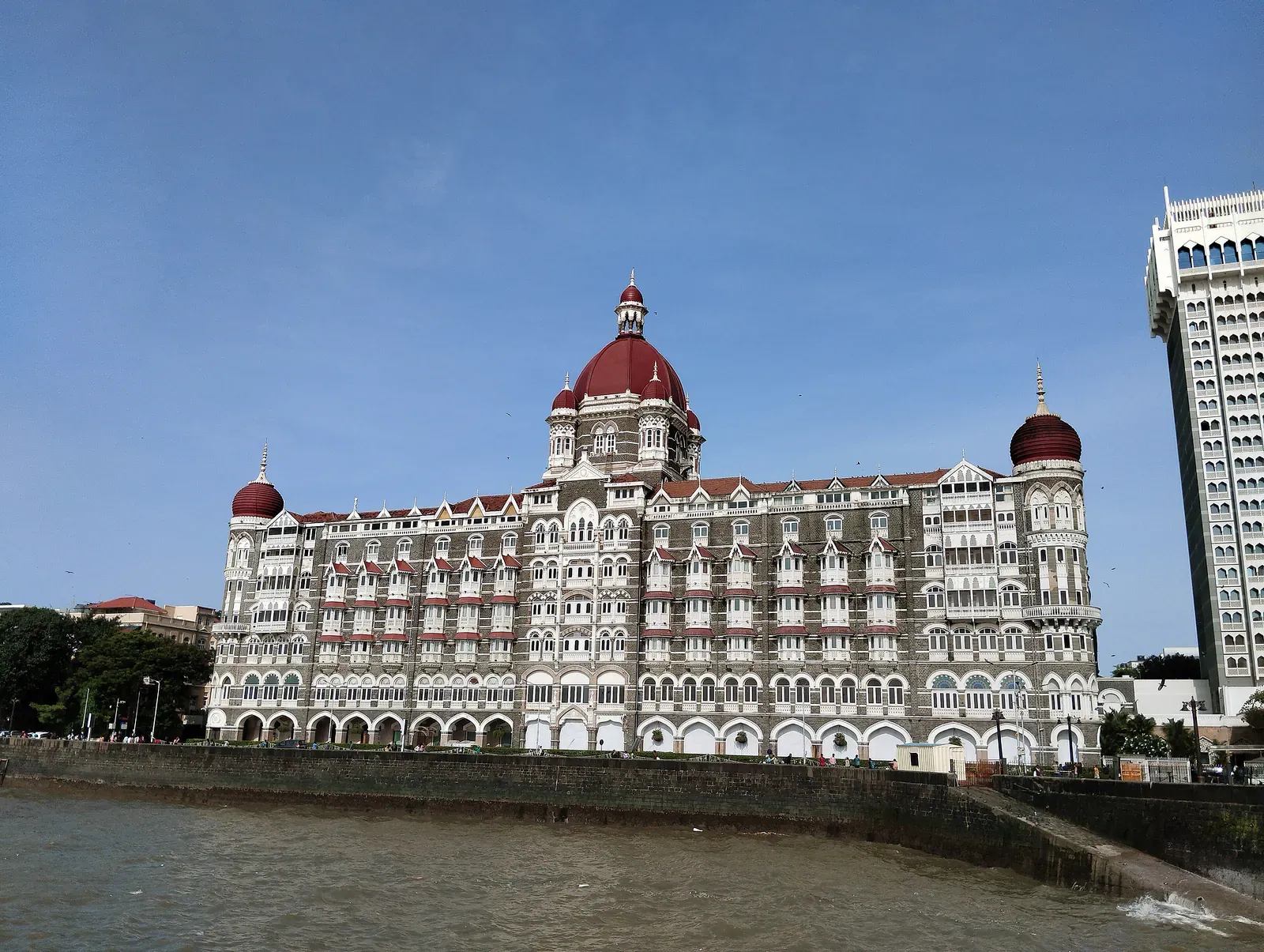
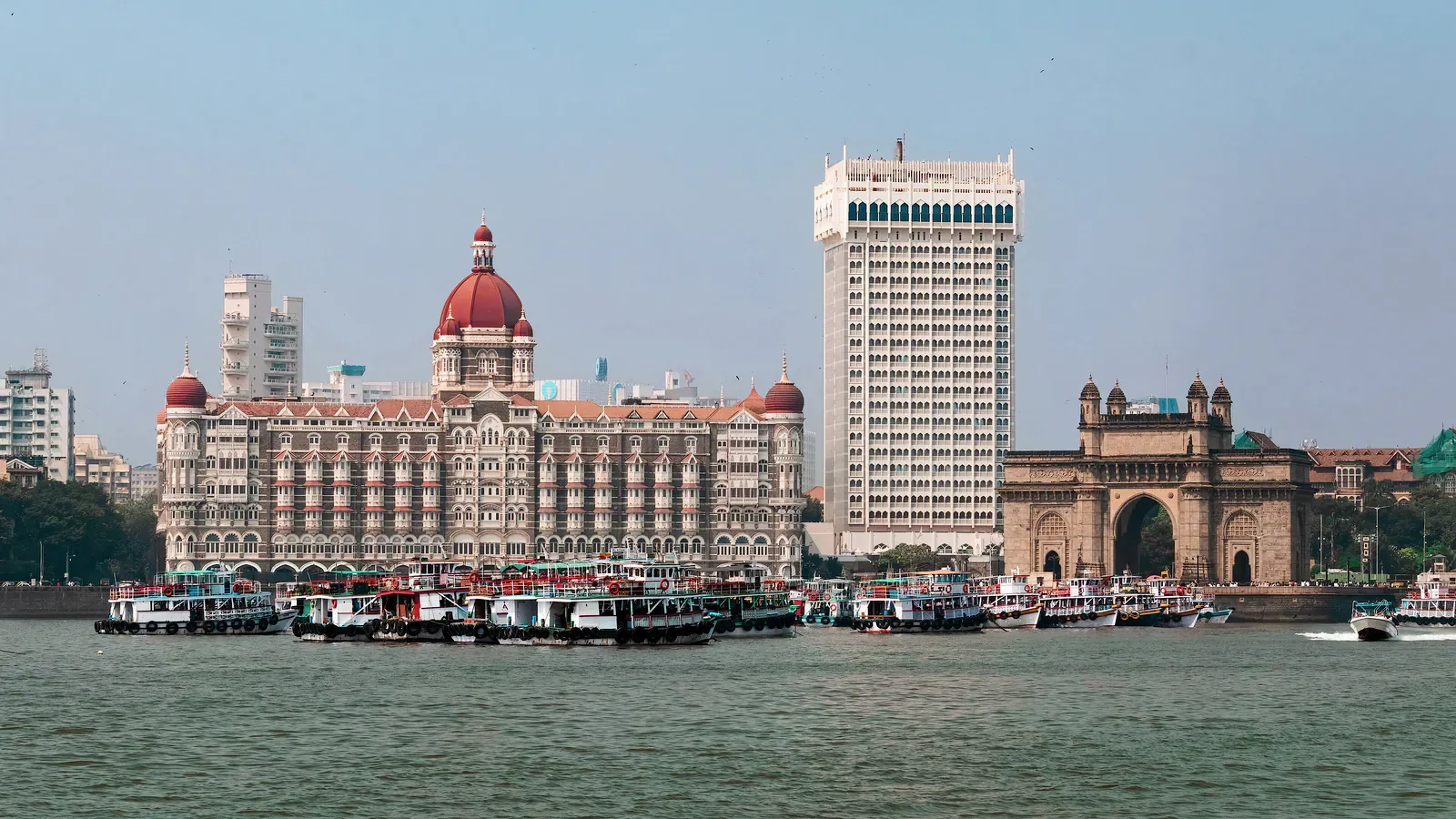
The setting was the hotel ballroom. The 1930s were the years of India’s freedom struggle, Bombay was a rising metropolis, and the five-star hotels and nightclubs of the big cities became the jazz centres. They served the European and Indian elite, and the Taj Mahal Hotel ballroom was the point where European and Indian musical ideas crossed.
Bombay and Calcutta, 1935-1959
The 1930s to the 1950s are often called the golden age of jazz in India. Local players took over from the visitors: Chic Chocolate, Frank Fernand, Micky Correa, Rudy Cotton (a Parsi), Pamela McCarthy and Chris Perry led the Bombay scene. Second-level rooms such as the Bristol Grill, the Ritz Roof Garden and the YMCA kept the bands working.
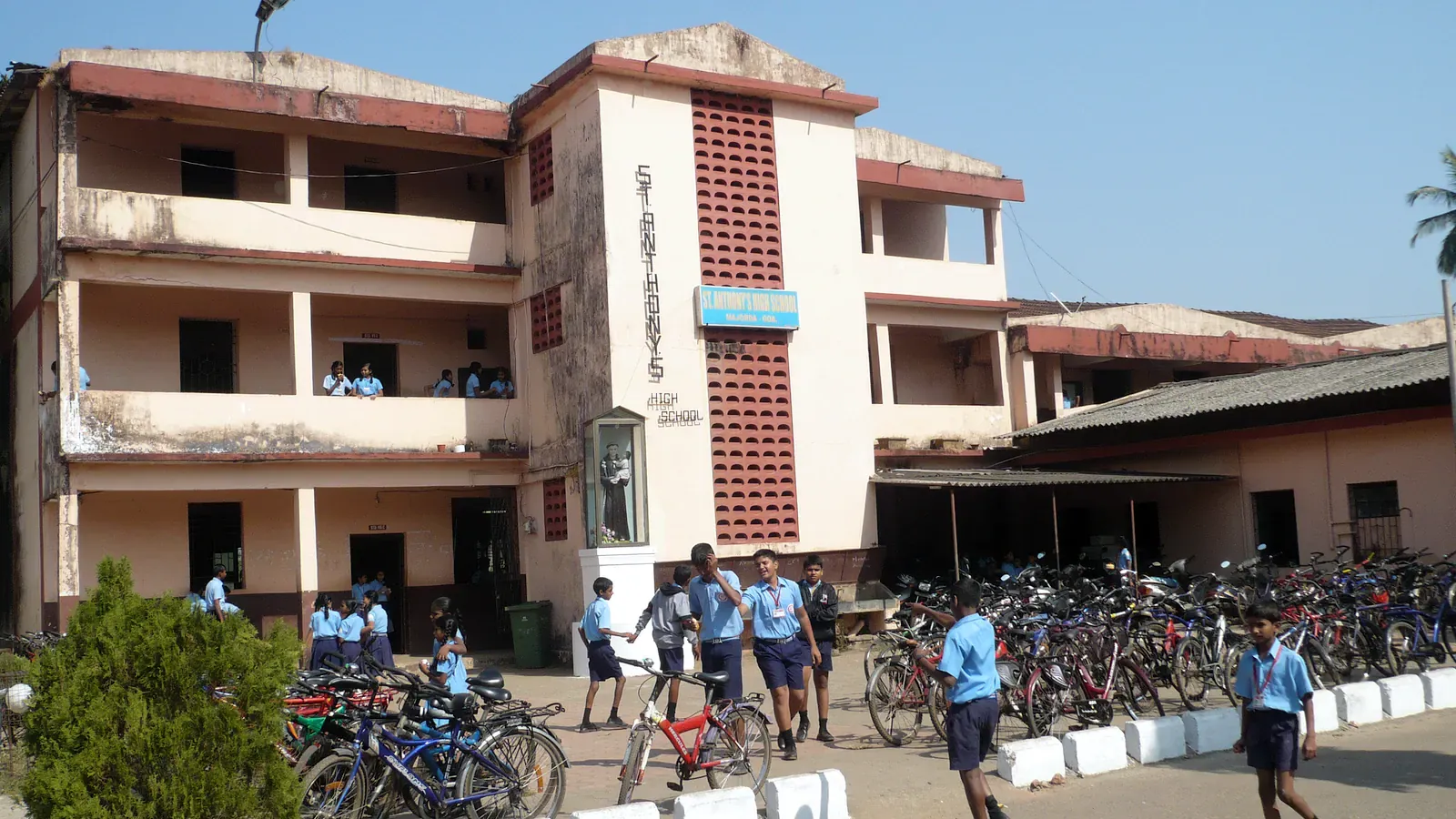
Many of these players were Goans. Goa was under Portuguese rule, and Goans learned Western music and notation there. Most Goan jazz musicians also worked in the Hindi film industry. They spent evenings in the ballrooms and days in the film studios, and they introduced jazz and swing into film songs.
Chic Chocolate shows how the two lives fitted together. By 1945 he had his own group, Chic and the Music Makers, which won the contract at Green’s Hotel, owned by the Taj Mahal Hotel, over twelve other bands. In 1951 he began working as a music director with the film Nadaan, and he is credited with the swing in tunes the composer C. Ramchandra is known for, among them “Gore Gore O Banke Chore” and “Shola Jo Bhadke”. Anthony Gonsalves, a violinist who started in Naushad’s orchestra in 1943, taught Pyarelal Sharma of the Laxmikant-Pyarelal duo, and the 1977 film Amar Akbar Anthony took its hero’s name from him.
Chris Perry, born in Margao, grew up in Goan tiatr theatre, played trumpet and saxophone, and blended traditional Goan music with jazz. Through the late 1950s he moved between Bombay and Calcutta. In Calcutta, Goan musicians met each morning at Alfred’s restaurant, where anyone with an event that evening could order players at 15 rupees each.
Nightclubs and raga-jazz, 1960-1977
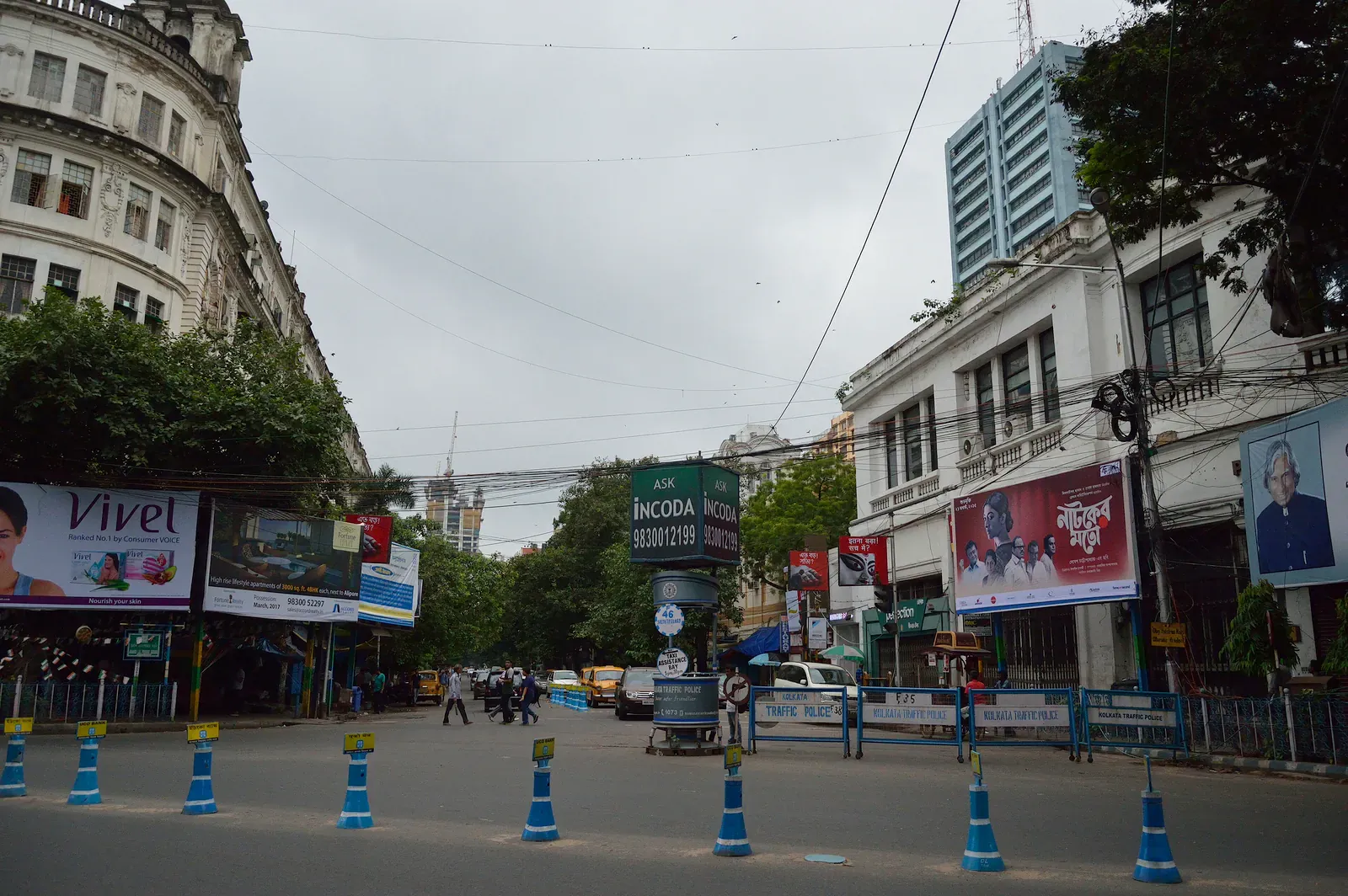
In the late 1950s Bombay was a cosmopolitan city, and its best restaurants offered dance floors and jazz bands. Chris Perry’s band entered Bombay through La Bella in the Fort district, and by 1960 it had a regular gig at Venice, the nightclub of the Astoria Hotel on Churchgate Street. Known as the jazz man’s jazz club, Venice drew musicians from across India and hosted Dave Brubeck in 1958 and Duke Ellington in 1963.
The film industry’s jazz players also pushed toward Indian classical music. Frank Fernand and Anthony Gonsalves are credited with linking jazz to classical Indian music as well as bringing Western sound into the studios. The clearest result is the 1968 album Raga Jazz Style, credited to the composer duo Shankar-Jaikishan and coordinated by the arranger Sebastian D’Souza, who is known for fusing Indian music with European harmony. It set eleven ragas, from the morning raga Todi to the longing of Shivranjani, for sitar, saxophone, trumpet, flute, electric guitar, piano, bass, drums and tabla.
Meanwhile the keyboardist Louis Banks played the Soaltee Hotel in Kathmandu in the late 1960s and moved to Calcutta in 1971. There he formed the Louis Banks Brotherhood with the singer Pam Craine and the saxophonist Braz Gonsalves, played the Hindustan Hotel and then the Blue Fox club.
Festivals and the modern scene, 1978 onward
The Jazz Yatra opened in Bombay in 1978, founded by Niranjan Jhaveri. Its first edition ran for seven days with nineteen groups from eleven countries, hosted by the broadcaster Willis Conover, and foreign governments paid the visiting artists. The festival ran until 2003 and became the longest-running jazz festival outside the United States and Europe.
Louis Banks moved to Mumbai in 1977 at the invitation of R. D. Burman and spread live jazz through the city’s nightclubs. In 1979 he and Braz Gonsalves formed the Indo-Jazz Ensemble, composing on Indian classical scales and jazz rhythms with the ghatam and thavil. In February 1980 he played in the jazz quartet in the orchestra for Ravi Shankar’s suite Jazzmine at the Jazz Yatra. The Miles Davis tribute Miles from India, which he co-produced and arranged, was nominated for a Grammy in 2008.
Today the scene is not tied to one city. New bands have appeared in Pune, Bengaluru, Delhi, Mumbai, Shillong, Kolkata and Goa, and activity picked up after the pandemic. Established names include Louis Banks, Dhruv Ghanekar and Gary Lawyer, with Sivamani and Ranjit Barot among prominent players. Venues such as the NCPA in Mumbai, Piano Man in Delhi and Skinny Mo’s in Kolkata host jazz shows regularly.
Characteristics
Indian jazz covers two overlapping streams. The older one is the dance-band and film-studio tradition, which kept the swing idiom: brass and reed sections, a rhythm section, and arrangements wrapped around Hindi film melodies. Brassy fanfares and scat-like vocal interjections turn up in cabaret numbers such as “Mera Naam Chin Chin Chu”.
The second stream starts from the similarity between the two systems. Both Indian classical music and jazz rely on improvisation, and both build melody on modes (ragas in Indian music). Raga-jazz and the later Indo jazz keep the structure and patterns of Indian music and lay jazz improvisation over them. The tempo of recorded examples spans about 100 to 160 beats per minute.
Instruments and production
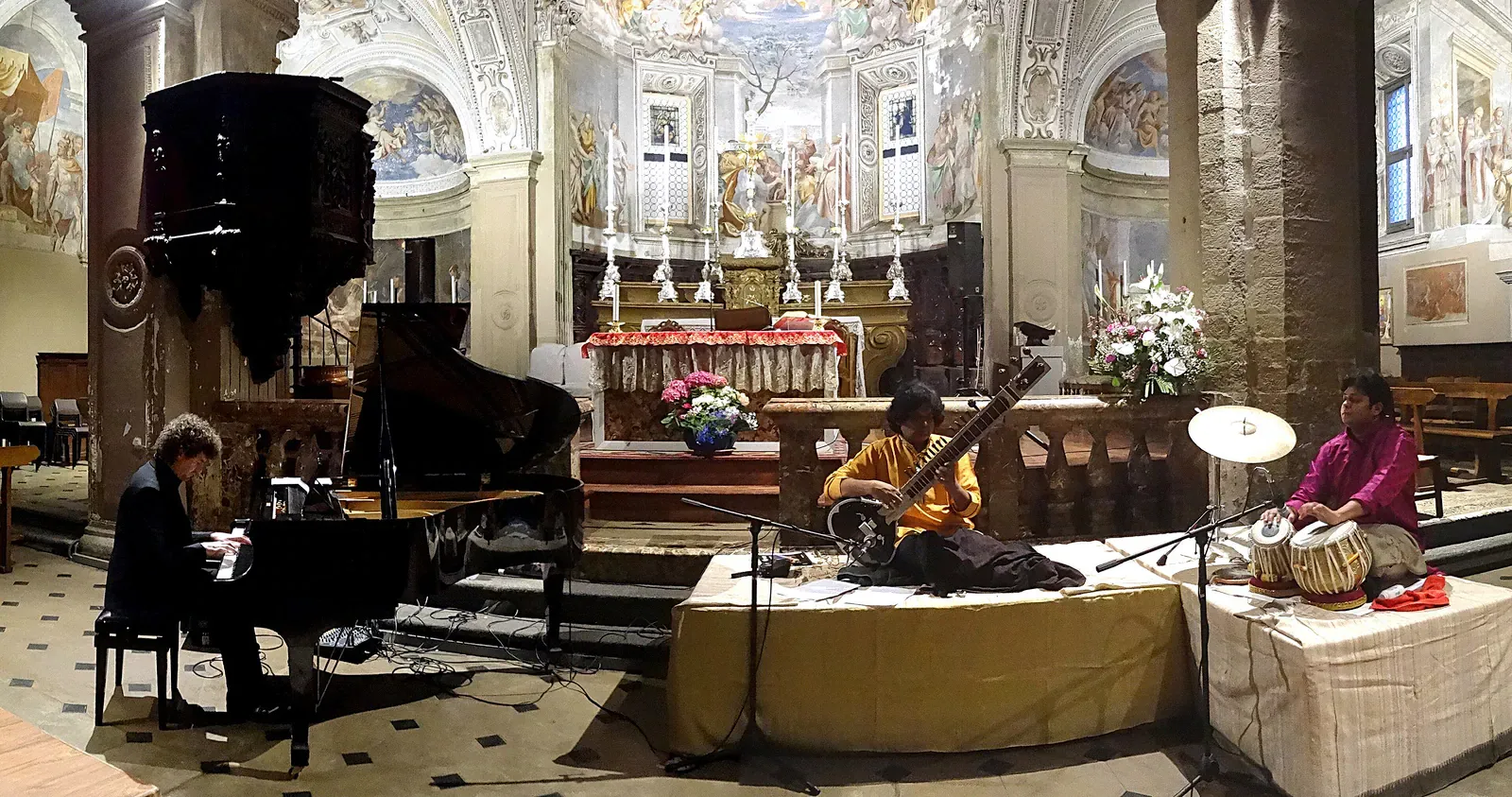
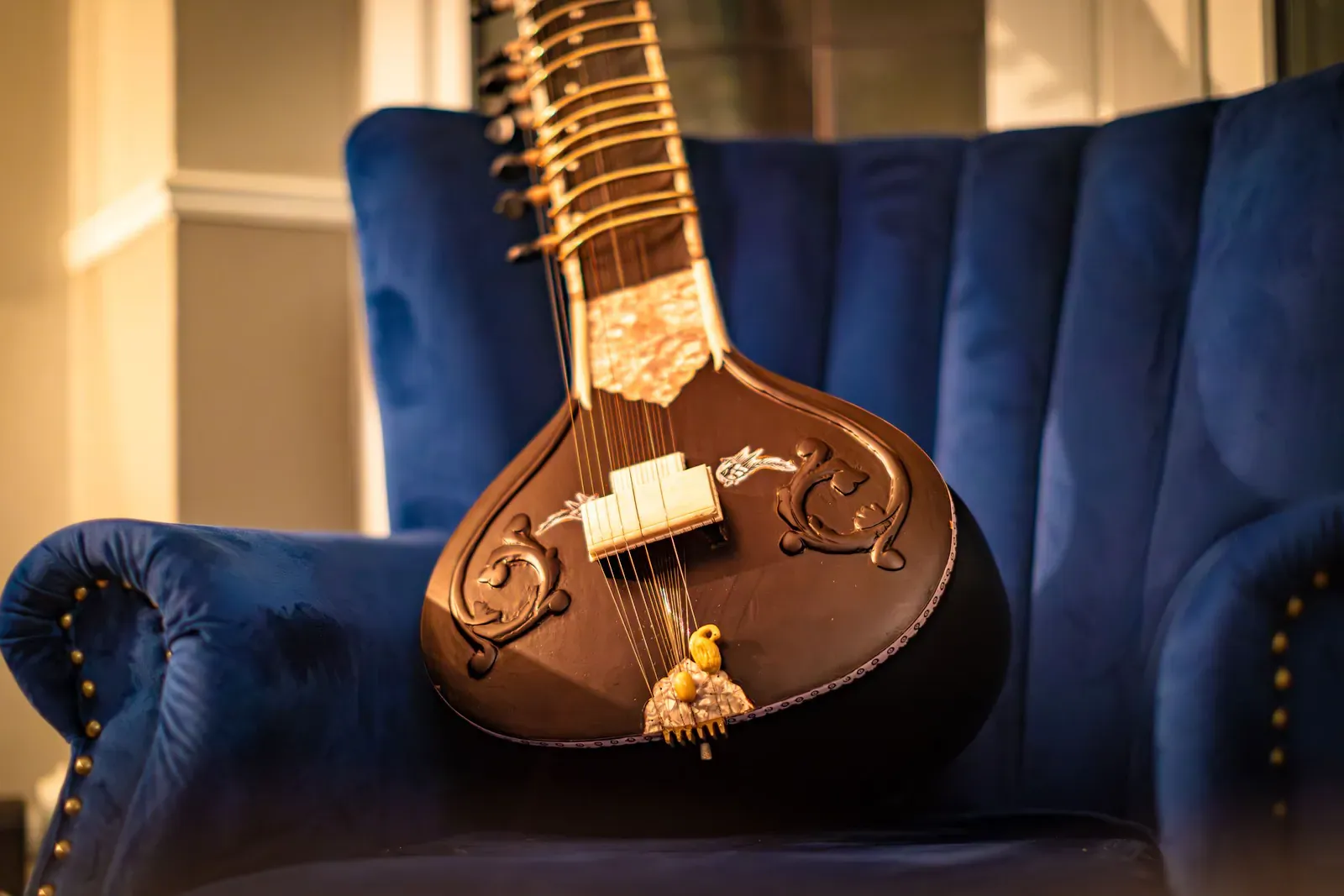
Trumpet and saxophone carried the Goan bands, and the violin appears in the hands of Leon Abbey and Anthony Gonsalves. In raga-jazz settings the sitar, played on Raga Jazz Style by Rais Khan, sits next to electric guitar, piano and a drum kit, and the tabla joins the rhythm section. The saxophonist Manohari Singh and the drummer Leslie Godinho played on that record. Banks’s Indo-Jazz Ensemble added the ghatam and thavil.
Mainstream success
Indian jazz reached a mass audience through cinema, not through jazz records. Jazz began as entertainment for the elite, then reached the working class and entered Hindi films. “Mera Naam Chin Chin Chu”, sung by Geeta Dutt for the 1958 film Howrah Bridge, was composed by O. P. Nayyar with words by Qamar Jalalabadi. It was the first major hit for the dancer Helen and revived Geeta Dutt’s career. The Raga Jazz Style album came out on EMI, whose Indian catalogue is now held by Saregama.
Notable recordings
Raga Jazz Style is the best-documented case. Shankar-Jaikishan, a film-music duo active from 1949 to 1971, worked with the arranger Sebastian D’Souza and Bombay players including the guitarists Anibal Castro and Dilip Naik, the trumpeter John Pereira and the tabla player Ramakant. “Mera Naam Chin Chin Chu” shows the cabaret end of the same studios.
Culture
Hotel ballroom nights were the social setting, and dancers such as Helen carried the idiom to cinema audiences in film cabaret numbers. The tiatr theatre of Goa fed performers such as Chris Perry.
Legacy
The Goan arrangers changed the sound of Hindi film songs, and Louis Banks, called the Godfather of Indian jazz, spread live jazz through Mumbai’s clubs. The tradition links to filmi music and to Hindustani classical music.
Misconceptions
Indian jazz is sometimes taken to mean fusion of jazz with Indian classical music. That fusion, called Indo jazz, is one branch, and its collaborations began in the 1940s; the older tradition of hotel bands dates to the 1920s.
A second belief is that jazz reached India only through imported records. Visiting African-American bands played in hotels from the 1920s, and Goan musicians absorbed the style live.
A third is that jazz stayed an elite pastime. It began in ballrooms for the elite but reached the working class and Hindi films.
Frequently asked questions
When did jazz begin in India?
Jazz was probably first played regularly in Calcutta and Bombay in the early or middle 1920s, and the golden age ran from the 1930s to the 1950s.
Why were so many Indian jazz musicians Goan?
Goans learned Western music under Portuguese rule, so many of the early players and arrangers came from Goa, and most of them also worked in the Hindi film industry.
What was the Jazz Yatra?
The Jazz Yatra was a Bombay jazz festival founded by Niranjan Jhaveri in 1978 that ran until 2003, the longest-running jazz festival outside the United States and Europe.
Who is called the Godfather of Indian jazz?
The keyboardist Louis Banks, who formed the Indo-Jazz Ensemble with Braz Gonsalves in 1979.
Sound
Sound sheet
Signature sounds
- Brass fanfares and scat-like vocal interjections in film cabaret numbers
- A raga theme with jazz improvisation laid over it
- Sitar, flute and tabla beside brass and drum kit
Drums and percussion
- Tabla
Techniques
- Raga-based jazz improvisation
- Swing arrangements for film songs
- Cross-genre blending
Keys and modes
Raga Todi. Opens the Raga Jazz Style album as a morning raga in a jazz band setting.
Raga Malkauns. Played in the same album's raga-jazz arrangements.
Vocals
Hindi film playback singing, with scat-like cabaret vocals in numbers such as Mera Naam Chin Chin Chu.
Scenes
Where it happened
Where and when the sound lived: one bar per city on a shared timeline.
Asia
Active scenes
Peak 3, 1925-2025
Bombay's hotel ballrooms, nightclubs and film studios made it the centre of Indian jazz; the Taj Mahal Hotel ballroom was its hub.
Calcutta musicians such as Chris Perry and Louis Banks worked its restaurants, where Goan bandleaders hired players every morning.
Goa, under Portuguese rule, taught Western music to many of the players who staffed Bombay's jazz bands.
Venues and places
Mumbai, 1935 to today. The hub of Bombay's jazz scene from the 1930s, with Leon Abbey, Chic Chocolate and others playing there.
Mumbai, 1945 to today. Owned by the Taj Mahal Hotel; Chic Chocolate's band won its contract in 1945.
Mumbai, 1958 to today. Churchgate nightclub that hosted Dave Brubeck in 1958 and Duke Ellington in 1963.
Kolkata, 1971 to today. Calcutta club known for live Western music, where Louis Banks's band played after the Hindustan Hotel.
Culture
Culture markers
- Hotel ballroom nights
Five-star hotel ballrooms were the main jazz venues, first for the elite and later for a wider public.
Dance - Film cabaret numbers
Brass-driven songs picturised on dancers such as Helen carried jazz into Hindi cinema.
Dance
Media
Key media
- 1958Howrah Bridge
by Shakti Samanta. Carried Mera Naam Chin Chin Chu, composed by O. P. Nayyar and sung by Geeta Dutt.
Film - 1977Amar Akbar Anthony
by Manmohan Desai. Its hero Anthony Gonsalves is named after the Goan arranger of Hindi film music.
Film
Glossary
Terms on this page
A band of Goan players, trained in Western notation under Portuguese rule, who played hotels at night and film studios by day.
A fusion of jazz, classical and Indian influences with jazz improvisation laid over Indian structures.
The Bombay jazz festival founded in 1978 and run until 2003.
A style that sets ragas to a jazz band, as on the 1968 Raga Jazz Style album.
Goan musical theatre that Chris Perry grew up in before blending Goan music with jazz.
Jazz family