Acid jazz
Acid jazz is a dance-oriented fusion of jazz, funk, soul and hip-hop that began in London clubs in the late 1980s and reached the charts in the early 1990s.
London, 1987
Jazz family
Born
1987
London
Subgenres
1
Documented branches
Links
19
Genres it drew on or shaped
Tempo
90-120 BPMLineage
Family tree
Timeline
Era by era
From the first sparks to today. Select a dot to read the story behind it.
- Rare groove and jazz DJs
1985 to 1989
- Labels, bands and the charts
1990 to 1996
- Electronic competition and dispersal
1997 to 2009
- Catalogue and revival
2010 to today
Eras
Moments
- 1 Rare groove and jazz DJs, 1985 to 1989
- 2 Labels, bands and the charts, 1990 to 1996
- 3 Electronic competition and dispersal, 1997 to 2009
- 4 Catalogue and revival, 2010 to today
around 1985
Rare groove and jazz DJs
London DJs tied to the rare groove movement played obscure soul jazz, jazz-funk and fusion records in clubs and on pirate radio, creating the taste that the genre grew from.
- 1987Acid Jazz Records is foundedGilles Peterson and Eddie Piller start the London label whose name came to describe the genre.
- 1988Totally Wired compilationThe label's first release collects obscure 1970s jazz-funk tracks with new recordings.
1990
Labels, bands and the charts
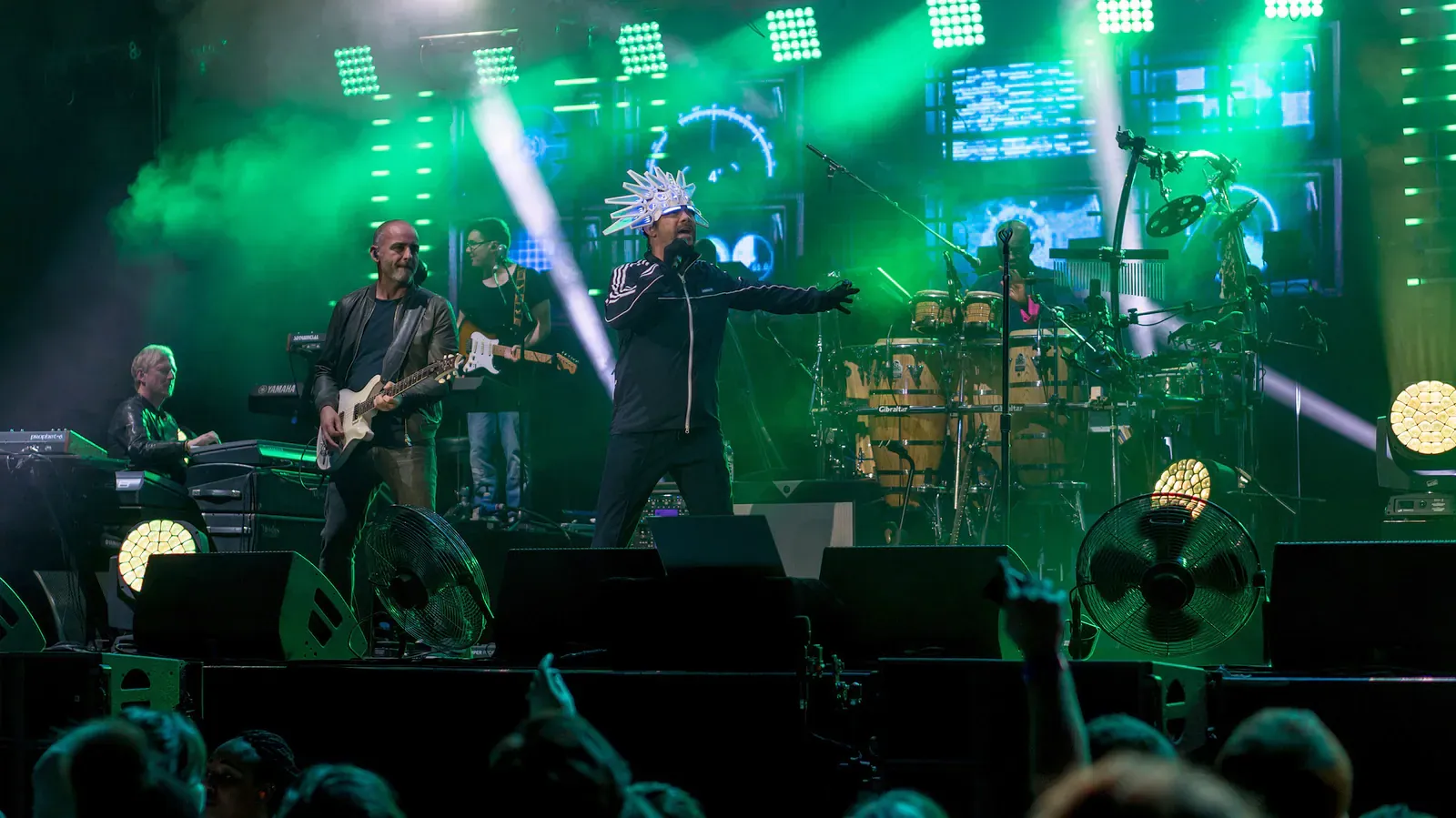
Acid Jazz Records and Talkin' Loud signed live bands and producers; The Brand New Heavies, Young Disciples, Us3, Incognito and Jamiroquai reached the pop charts while the sound spread to New York.
- 1990Talkin' Loud is foundedPeterson leaves Acid Jazz to start a Phonogram label named after his Dingwalls club night.
- 1990The Brand New Heavies debutThe band's self-titled debut album appears on Acid Jazz Records.
- 1990Groove Academy opens in New YorkA club night at Giant Step in the Metropolis Cafe carries the style to the United States.
- 1991Apparently Nothin'Young Disciples' single becomes the first big Talkin' Loud release.
- 1991Mainstream breakthroughWith a new deal at FFRR, The Brand New Heavies score hits with Never Stop and Dream Come True.
- 1992CantaloopUs3 release Cantaloop (Flip Fantasia), built on Blue Note samples.
- 1992When You Gonna LearnJamiroquai's debut single appears.
- 1993Emergency on Planet EarthJamiroquai's debut album is released.
- 1996Virtual InsanityJamiroquai's single from Travelling Without Moving becomes a worldwide hit.
around 1997
Electronic competition and dispersal
Electronic club music took the dance floor, interest fell and acts were reclassified as jazz-funk, neo soul, jazz rap or nu jazz.
- 1997Electronic dance music takes overElectronic club music pulls the record-buying public away from acid jazz.
2010
Catalogue and revival
Acid Jazz Records still releases new records, bands from the first wave tour, and the style survives in jam bands and nu jazz.
Listening path
Start listening
A short path from an easy way in to the deep end. Thumbnails come from YouTube; the player loads only when you press play.
- 01
The Brand New Heavies, 1991
The song that brought the live-band side to the charts; listen for the horn lines over a funk groove.
- 02
Us3, 1992
A jazz sample, a rap verse and a trumpet solo, the template of jazz-rap acid jazz.
- 03
Incognito, 1992
Jazz-funk dance floor energy built on a Stevie Wonder cover.
- 04
Jamiroquai, 1996
The genre's biggest global hit, with a slow, jazzy groove.
Facts
| Family | Jazz |
| Origin | London, United Kingdom |
| Emerged | Late 1980s |
| Status | Active |
| Tempo | 90 to 120 BPM |
| Meter | 4/4 |
| Grew out of | Soul jazz, Jazz-funk |
| Subgenres | 1 |
Acid jazz, also called club jazz or groove jazz, is a dance-oriented music that combines jazz harmony and improvisation with funk rhythm, soul vocals and hip-hop production. It began in London clubs in the late 1980s, grew out of the rare groove scene and reached the pop charts in the early 1990s.
Its markers are danceable grooves, long repeated vamps, horn sections and a close link between DJs and live bands. The name plays on acid house, but the music has no relation to the Roland TB-303 sound of that genre.
Origins
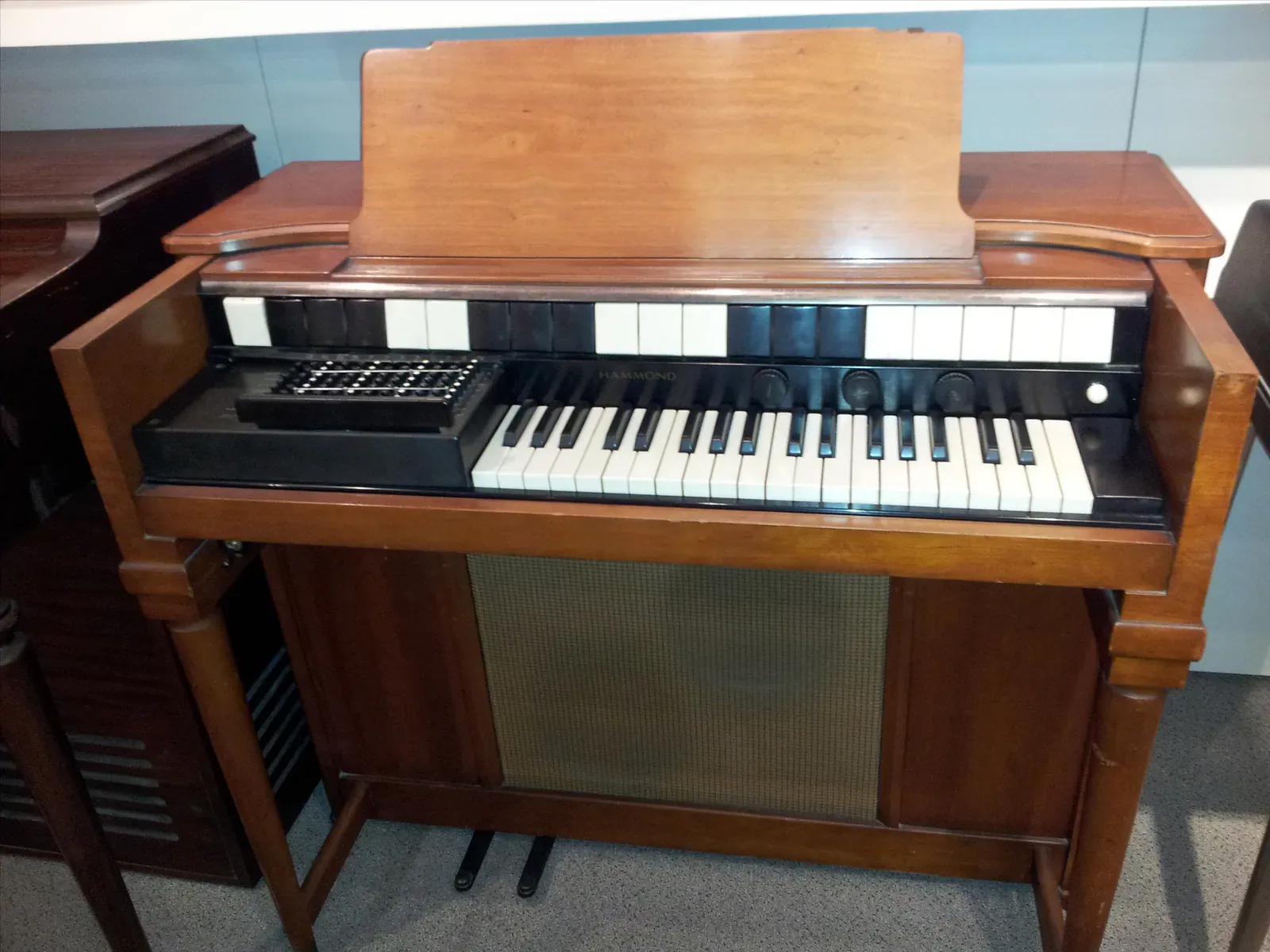
Acid jazz belongs to the jazz family, and it descends from soul jazz and jazz-funk, with strong input from funk and hip-hop. Its direct precursor was rare groove, a London club movement of the 1980s in which DJs sought out obscure 1960s and 1970s funk, soul and jazz records. Records from the Blue Note catalogue were especially important, because their Hammond organ grooves and horn lines worked on a dance floor.
The movement had two strands. In the first, DJs and producers laid percussion and electronic dance beats over jazz tracks of the 1960s and 1970s. In the second, bands inspired by those records built new music on the same groove. Both met in the clubs. Gilles Peterson, a DJ who started on pirate radio and later moved to Kiss FM, held residencies at several London venues, and in 1987 he and Eddie Piller founded Acid Jazz Records. The label’s name is usually credited to Peterson and became the label for the genre. Other accounts credit the members of Young Disciples, who ran a club with acid house on one floor and jazz on another, but their claim dates from a 1992 interview, years after the label existed.

London, 1987-1990
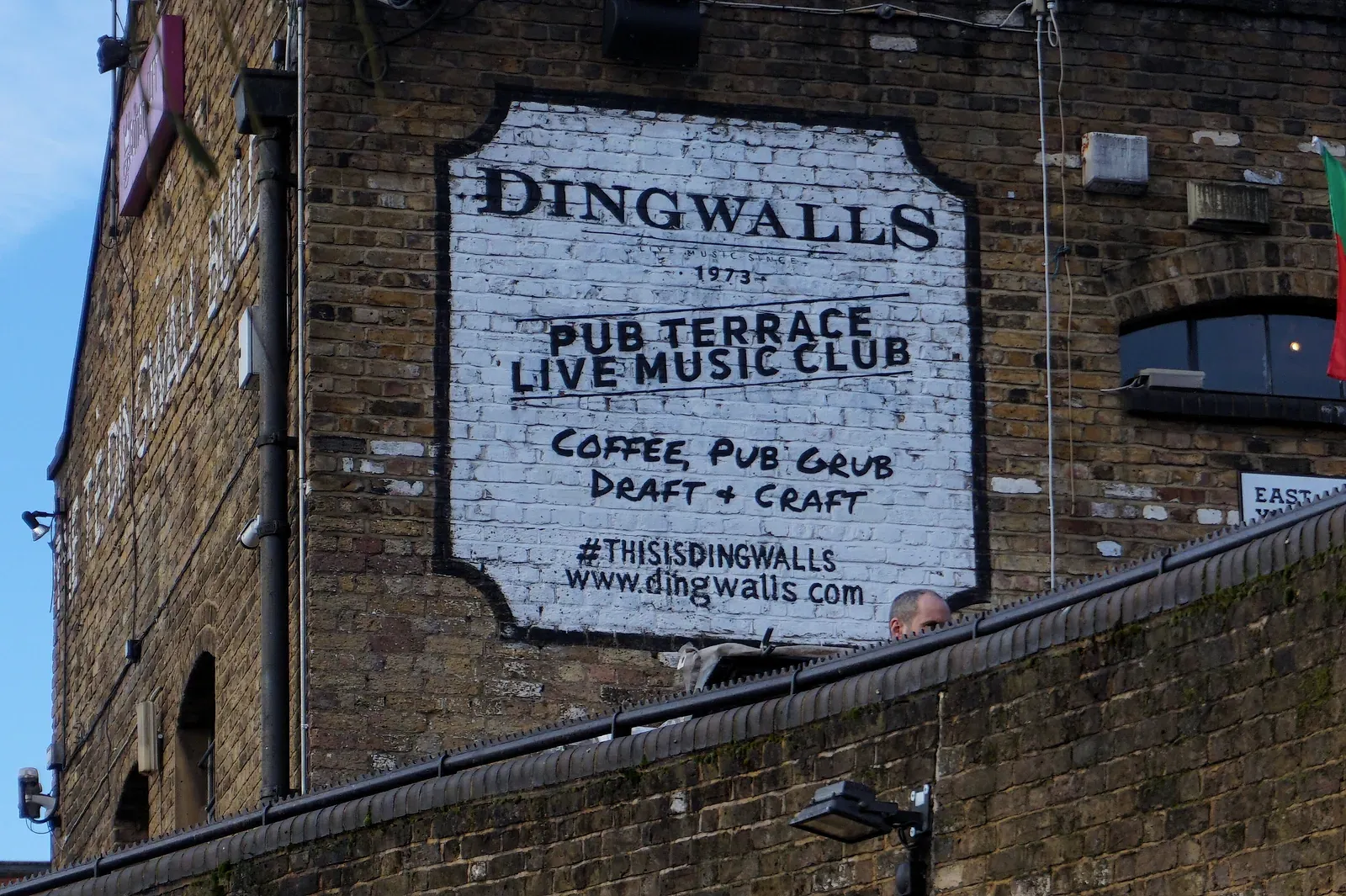
The label’s first release, the compilation Totally Wired, paired rare 1970s jazz-funk with new recordings. In 1990 Peterson left to start Talkin’ Loud at Phonogram, named after his club night at Dingwalls in Camden. The label signed Galliano, Young Disciples and Urban Species. A third imprint, Fourth and Broadway, started a compilation series called The Rebirth of Cool in the same year.
Breakthrough, 1990-1996
Acid jazz reached the mainstream in 1991. The Brand New Heavies released their debut album on Acid Jazz Records in 1990, then signed to FFRR and scored hits with Never Stop and Dream Come True. Young Disciples had a success with Apparently Nothin’ on Talkin’ Loud, which launched the singer Carleen Anderson’s solo career. Incognito, a jazz-funk group active since 1979, joined the wave with Inside Life in 1991 and Don’t You Worry ’Bout a Thing in 1992, and the James Taylor Quartet kept an organ-led live sound going.
Us3 took the genre in a different direction. The producer Geoff Wilkinson built Cantaloop (Flip Fantasia) on samples from Blue Note records, with a rap and a trumpet solo, and it became the biggest hit of the genre. The project signed to Blue Note itself. Jamiroquai, an early Acid Jazz Records act fronted by Jay Kay, released When You Gonna Learn in 1992 and Emergency on Planet Earth in 1993, then signed to Sony and sold worldwide with Virtual Insanity in 1996.
The sound crossed the Atlantic. In 1990 the British promoter Maurice Bernstein and his partner Jonathan Rudnick opened Groove Academy at the Giant Step club in New York, which became a record label as well. Guru recorded the Jazzmatazz series with jazz musicians, and Digable Planets and Branford Marsalis’s Buckshot LeFonque won a Grammy with a 1993 single. Other scenes grew in San Francisco, Los Angeles, Japan, Germany and Poland. United Future Organization from Tokyo signed an American deal in 1994.
Characteristics
The style rests on long, repetitive compositions and a steady groove. A typical band has horns, a rhythm section of bass guitar, drum kit and extra percussion, a vocalist who sings or raps, and often a DJ. Live bands such as The Brand New Heavies played the groove with instruments, while producers such as Us3 built it from samples. Tempos sit between 90 and 120 beats per minute, slower than most dance music of the period, and the pulse is a funk or hip-hop backbeat rather than a four-on-the-floor kick. Because it relies on performance and percussion, it sometimes sits closer to jazz than other dance music does, though its emphasis on groove puts it nearer funk and hip-hop.
Instruments and production
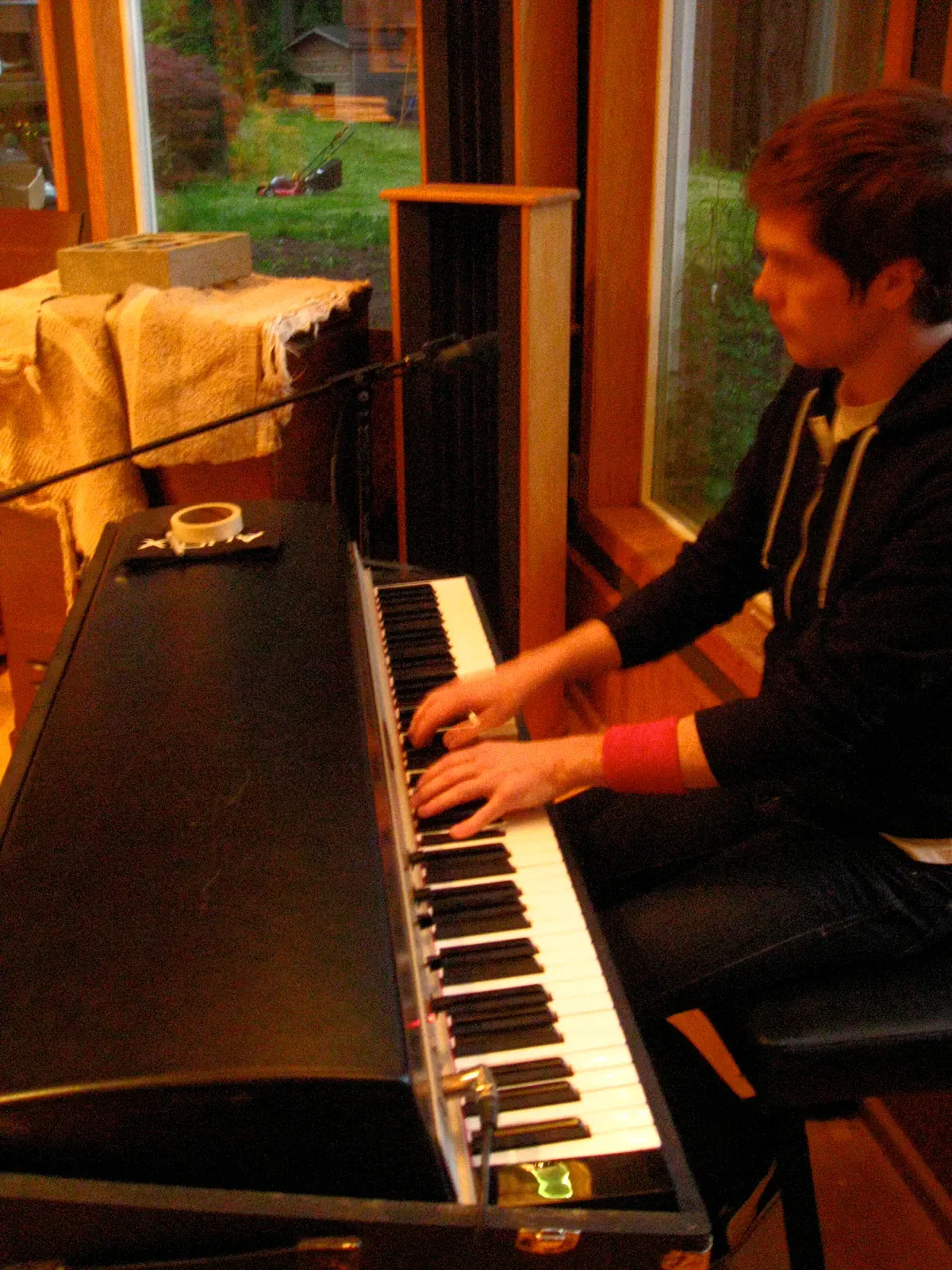
The Hammond organ and the Rhodes-style electric piano are the signature keyboards. They supply chords, bass lines and the warm tone that separates the genre from synthesiser-based club music.
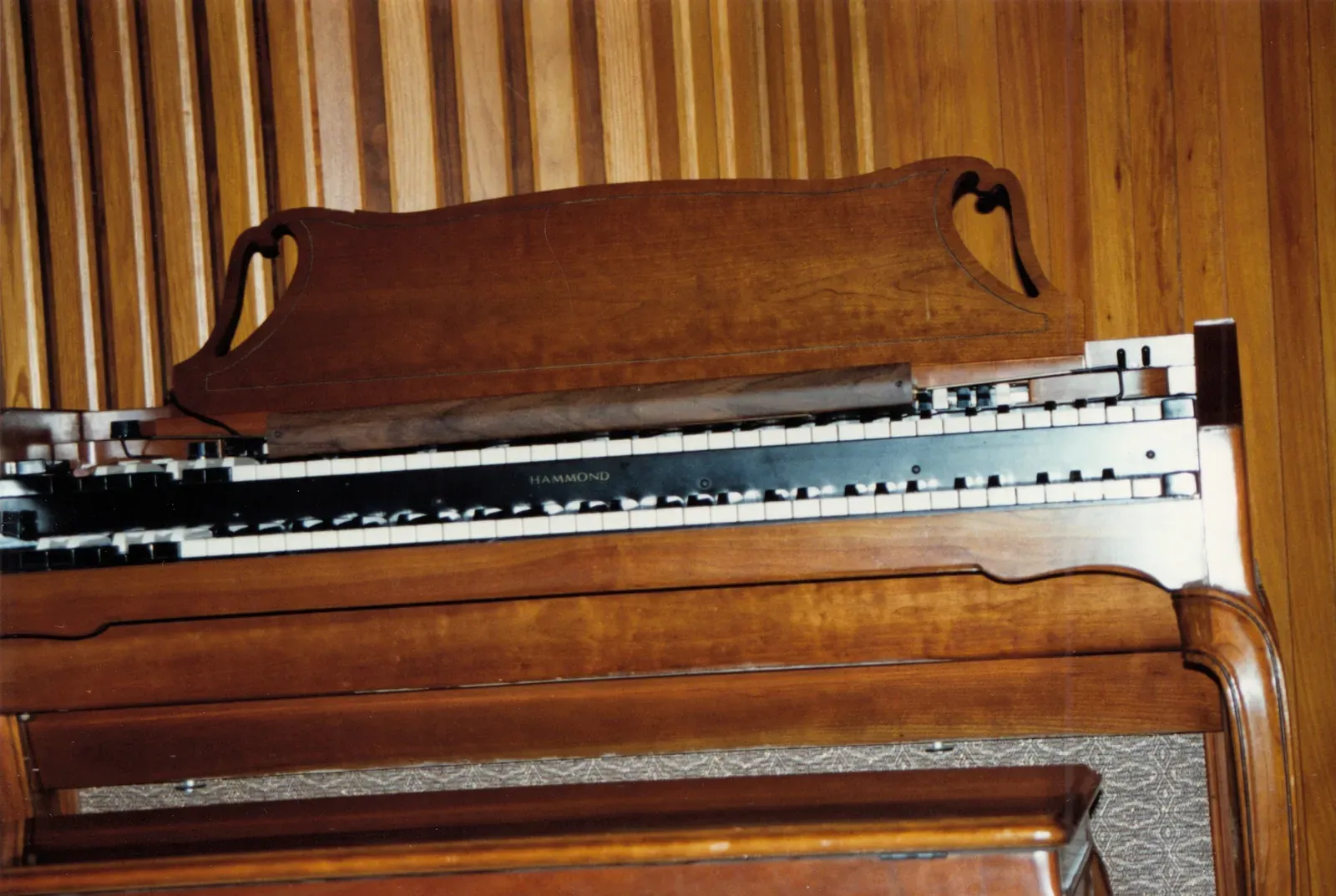
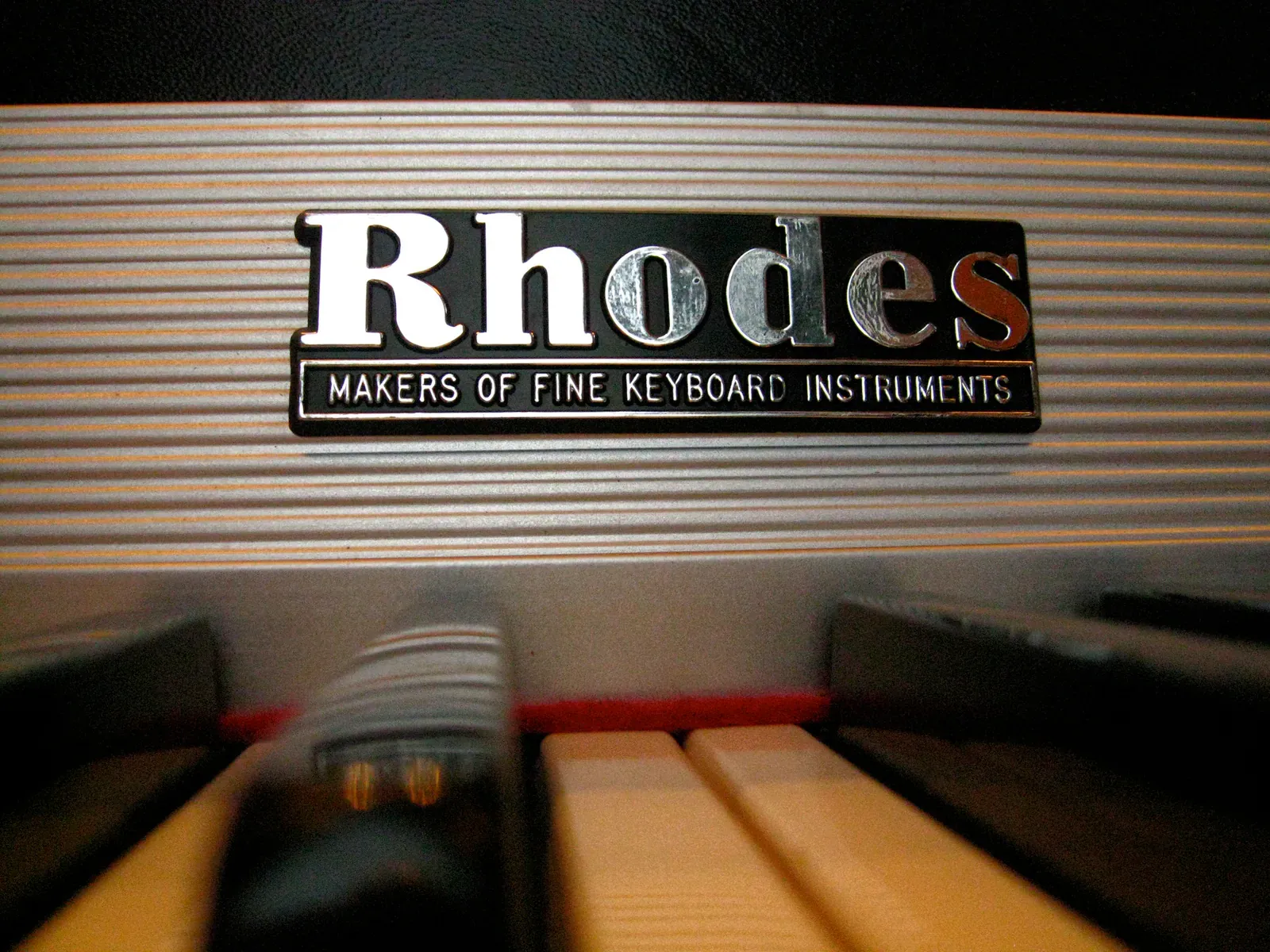
Production varied by approach. Band records were tracked live with horns and percussion. Sample-based records, such as those of Us3, looped jazz recordings and added rap, and DJ-led tracks added beats to old records. Horn stabs, solos over a single chord and extended outros were the standard devices.
Mainstream success
The Brand New Heavies, Us3 and Jamiroquai put acid jazz in the charts. Cantaloop was the genre’s biggest hit, and Virtual Insanity carried Jamiroquai to a global audience. The success brought a wave of compilations that left the public unsure what the term covered.
Notable recordings
The Brand New Heavies’ 1990 debut gave Acid Jazz Records its first major act. Cantaloop took a jazz sample, a rap verse and a trumpet solo and proved that jazz could work as a hip-hop loop. Virtual Insanity brought the slow, jazzy groove of the genre to a pop audience.
Culture
Club nights mixed DJ sets with live bands, a format that defined the scene and spread from London to New York. The genre’s identity was tied to labels: Acid Jazz Records and Talkin’ Loud acted as scenes and brands as well as publishers.
Decline and legacy
Electronic club music took over the dance floor in the mid to late 1990s, and interest fell. In the twenty-first century the term lost its sharp meaning, and many acts once called acid jazz are now filed under jazz-funk, neo soul or jazz rap. Its influence runs through nu jazz, jazz-house and the jam band movement, where acts such as Medeski, Martin and Wood and The Greyboy Allstars used it for extended improvisation. Acid Jazz Records still releases new music, including recent albums and collections of African records. A comparison with trip hop, which also mixed jazz samples with hip-hop beats in Britain, shows how close the two scenes were.
Misconceptions
Acid jazz is not an electronic genre and is not related to acid house or acid techno, which depend on the TB-303 bass synthesiser. It is also not simply jazz played for dancing: the music draws as much on funk, soul and hip-hop as on jazz. And it was not only a British phenomenon, since scenes appeared in New York, San Francisco, Tokyo, Germany and Poland within a few years.
Frequently asked questions
What is acid jazz?
Acid jazz is a dance-oriented fusion of jazz, funk, soul and hip-hop that started in London clubs in the late 1980s. It features danceable grooves, long vamps and horn sections.
Who were the main acid jazz artists?
The Brand New Heavies, Jamiroquai, Us3, Incognito and the James Taylor Quartet were the leading names, with Young Disciples and Galliano on Talkin’ Loud. In the United States, Guru and Digable Planets are linked to the style.
Why is it called acid jazz?
The name plays on acid house, then popular in British clubs. It is usually credited to Gilles Peterson and the label he founded with Eddie Piller, though the music has no connection to acid house.
How fast is acid jazz?
Typical tracks run between 90 and 120 beats per minute.
Sound
Sound sheet
Anatomy of a track
| # | Part | Bars |
|---|---|---|
| 1 | Intro groove | 8 |
| 2 | Verse or rap over the vamp | 16 |
| 3 | Horn or organ solo | 16 |
| 4 | Extended outro vamp | 16 |
Signature sounds
- Long repetitive vamps
- Horn stabs and organ
- Sampled jazz loops under rap or soul vocals
- Live rhythm section with a DJ
Drums and percussion
- Drum kit
Synths and software
- Hammond organ
Techniques
- Jazz sampling
- Horn stabs
- Extended vamping
- Rapped verses over jazz loops
Keys and modes
Dorian and minor vamps. One or two static chords carry long grooves.
Tuning
12-TET, A=440
Vocals
Soul singing or rapping over a groove, often with instrumental breaks.
Scenes
Where it happened
Where and when the sound lived: one bar per city on a shared timeline.
Europe
North America
Asia
Active scenes
Peak 3, 1994-2025
Home of the rare groove DJs, both founding labels and nearly every first-wave band.
Groove Academy and Giant Step brought the sound to American clubs and fed Jazzmatazz and Brooklyn Funk Essentials.
United Future Organization signed a US deal in 1994, leading a Japanese scene with Mondo Grosso.
Venues and places
London, 1988 to today. Camden venue of Gilles Peterson's Talkin' Loud and Sayin' Something night, which named the label.
New York, 1990 to today. Basement club in the Metropolis Cafe on Union Square where Groove Academy ran.
Culture
Culture markers
- DJ and live band club nights
Bands with horns, rhythm section, a vocalist or rapper and a DJ played the dance floor.
Ritual - The name
Coined in play on acid house, though the music has no link to the Roland TB-303.
Slang
Media
Key media
- 1988Totally Wired
by Various. First release on Acid Jazz Records, mixing rare 1970s tracks with new ones.
Compilation - 1990The Rebirth of Cool
by Various. Fourth and Broadway series that framed jazz, hip-hop and soul together.
Compilation
Glossary
Terms on this page
Alternative name for the genre, also groove jazz.
1970s style joining jazz improvisation to funk rhythm, a main source of the sound.
London club movement of the 1980s that revived obscure 1960s and 1970s funk, soul and jazz records.
Reusing a recorded excerpt as a loop or hook; Us3 sampled Blue Note records.
A short chord pattern repeated as the base of a long groove.
Jazz family