Nu jazz
Nu jazz, also called future jazz or jazztronica, blends jazz with electronic production. It took shape in Europe and Japan in the 1990s and peaked around 2000.
United Kingdom, Germany, France, Norway, Japan, United States, 1993
Jazz family
Born
1993
United Kingdom, Germany, France, Norway, Japan, United States
Links
18
Genres it drew on or shaped
Tempo
80-140 BPMLineage
Family tree
Grew out of
Derived from
- Jazz-funk
Derived from
Influenced by
United Kingdom, Germany, France, Norway, Japan, United States, 1993
Nu jazz
Timeline
Era by era
From the first sparks to today. Select a dot to read the story behind it.
- Electric and club roots
1970 to 1992
- Club and downtempo jazz
1993 to 1999
- Breakthrough and crossover
2000 to 2007
- Absorbed into a wider scene
2008 to today
Eras
Moments
- 1 Electric and club roots, 1970 to 1992
- 2 Club and downtempo jazz, 1993 to 1999
- 3 Breakthrough and crossover, 2000 to 2007
- 4 Absorbed into a wider scene, 2008 to today
around 1970
Electric and club roots
Electric jazz, Herbie Hancock's electro experiments and the jazz sampling of hip-hop and house prepared the ground for a jazz shaped by studio production.
- 1983Future ShockHerbie Hancock and Bill Laswell blend jazz with electro and hip-hop rhythms.
1993
Club and downtempo jazz
St Germain, Jazzanova, Compost, Jazzland and Ninja Tune acts built jazz around beats, with labels in Munich, Berlin, Oslo and London.
- 1993St Germain's first EPsLudovic Navarre issues the Motherland and French Traxx EPs, the start of the jazz-house of St Germain.
- 1993Compost Records is established in MunichMichael Reinboth's label becomes known for downbeat dance and nu jazz and for the Future Sounds of Jazz series.
- 1995Jazzanova forms in BerlinA collective of DJs and producers begins to remix and release jazz-based club music.
- 1996Bugge Wesseltoft founds JazzlandThe Oslo label is set up to release his New Conception of Jazz.
- 1997New Conception of JazzWesseltoft's album joins improvisation with electronic beats and textures.
- 1997KhmerNils Petter Molvær releases the ECM album that sets trumpet over drum and bass rhythms.
- 1997Sonar Kollektiv is foundedJazzanova start their Berlin label for downtempo and club jazz.
- 1999MotionThe Cinematic Orchestra's first album appears on Ninja Tune.
2000
Breakthrough and crossover
Tourist sold in the millions, The Cinematic Orchestra and Jazzanova released their defining albums, and Koop took the sound to wider audiences.
- 2000TouristSt Germain's Blue Note album brings sampled jazz and house to a mass audience.
- 2002In BetweenJazzanova's debut album gathers vocalists and live players over broken beat and house.
- 2006Koop Island BluesThe Swedish duo Koop reaches a wide audience with a swing-era sound and an Ane Brun vocal.
2008
Absorbed into a wider scene
The name faded as the sound spread into downtempo, house and contemporary jazz, while labels such as Compost and Jazzland kept releasing.
- 2019To BelieveThe Cinematic Orchestra return with their fourth studio album.
Listening path
Start listening
A short path from an easy way in to the deep end. Thumbnails come from YouTube; the player loads only when you press play.
- 01
Nils Petter Molvær, 1997
Listen for the live trumpet floating over the drum and bass break.
- 02
St Germain, 2000
A jazz sample and a house groove make the easiest way into the style.
- 03
Jazzanova feat. Vikter Duplaix, 2001
Broken beat and soulful vocals from the Berlin collective.
- 04
The Cinematic Orchestra, 2002
Strings, piano and a Fontella Bass vocal over a slow break.
- 05
Koop, 2006
Swing-era jazz in song form with an electronic frame.
Nu jazz, also spelled nü jazz and known as future jazz, jazztronica or electro-jazz, is a fusion of jazz and electronic music that took shape in Europe and Japan during the 1990s.
It combines jazz harmony, live horns and improvisation with programmed beats, sampling and studio editing, and the track as a whole matters more than any single soloist. It belongs to the jazz family and sits close to acid jazz and downtempo.
Origins
The groundwork came from jazz musicians who plugged in. Miles Davis and Herbie Hancock used electric instruments in the 1970s, and Hancock’s 1983 album Future Shock, made with Bill Laswell, brought electro and hip-hop rhythms into jazz. In the late 1980s hip-hop groups mined jazz records for samples, and house producers drew on post-bop and jazz-funk.
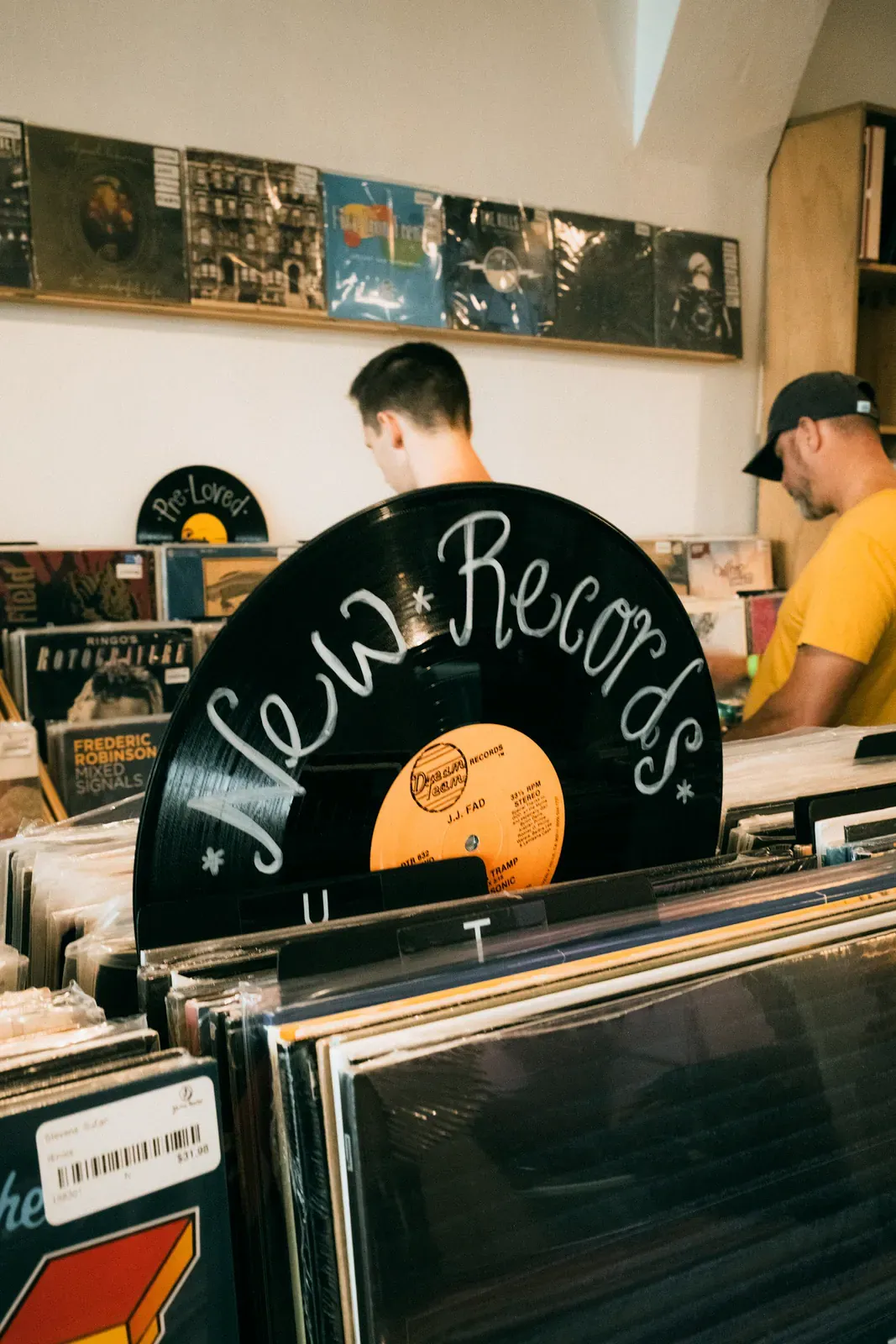
In the early 1990s downtempo and club producers pushed further. St Germain, the project of French producer Ludovic Navarre, issued its first EPs in 1993. In Munich, Compost Records opened the same year and began the Future Sounds of Jazz compilation series, which still continues. In 1995 Jazzanova formed in Berlin as a team of DJs and producers.
Scandinavia and the future jazz branch, 1996-2000
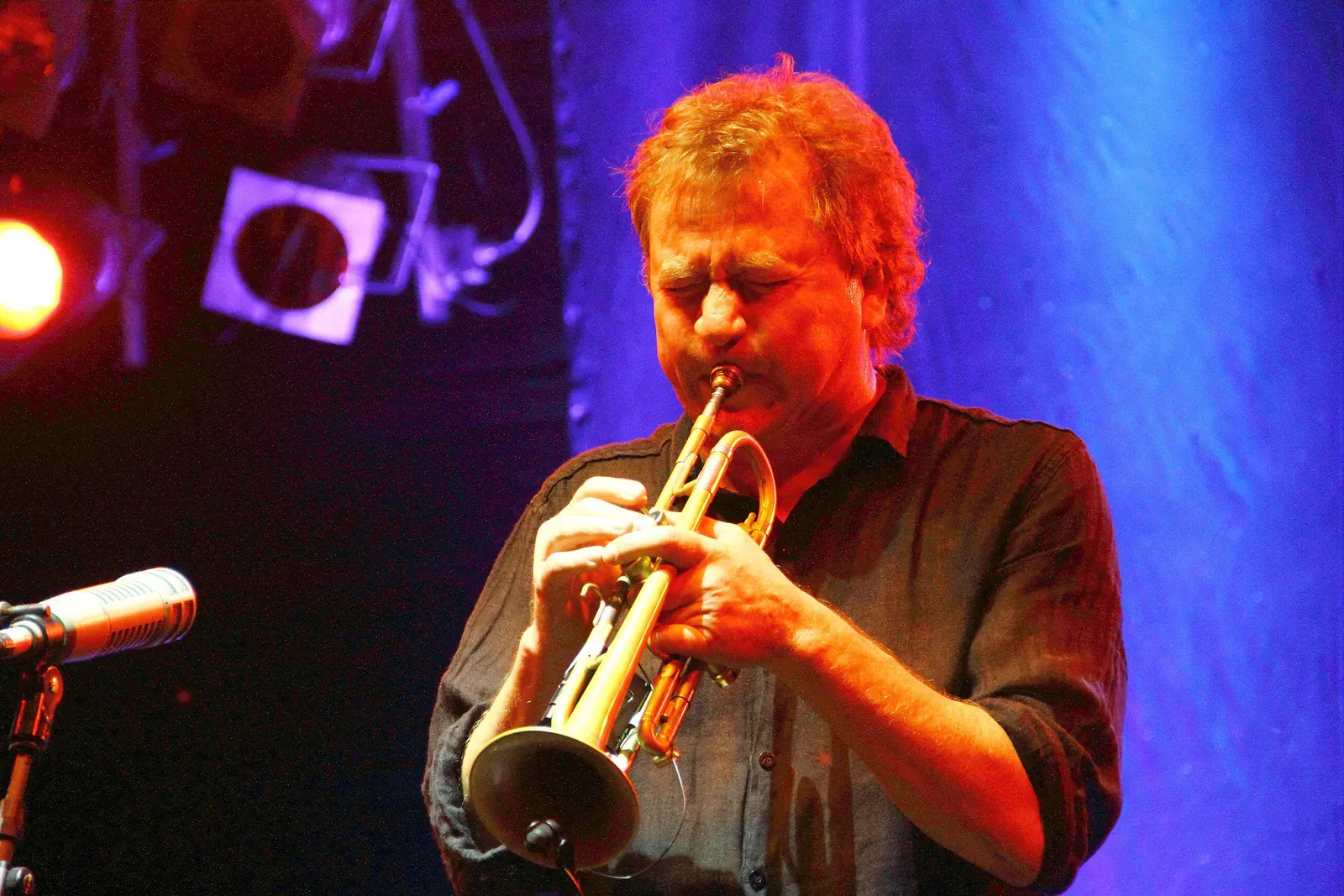
A second root grew in Norway. Pianist Bugge Wesseltoft founded Jazzland in Oslo in 1996 to release his New Conception of Jazz, which appeared in 1997 and joined improvisation to electronic beats and textures. In the same year trumpeter Nils Petter Molvær released Khmer on ECM. The album set a live trumpet, processed with electronics, over drum and bass rhythms, and the remix album Khmer: The Remixes followed in 1998.
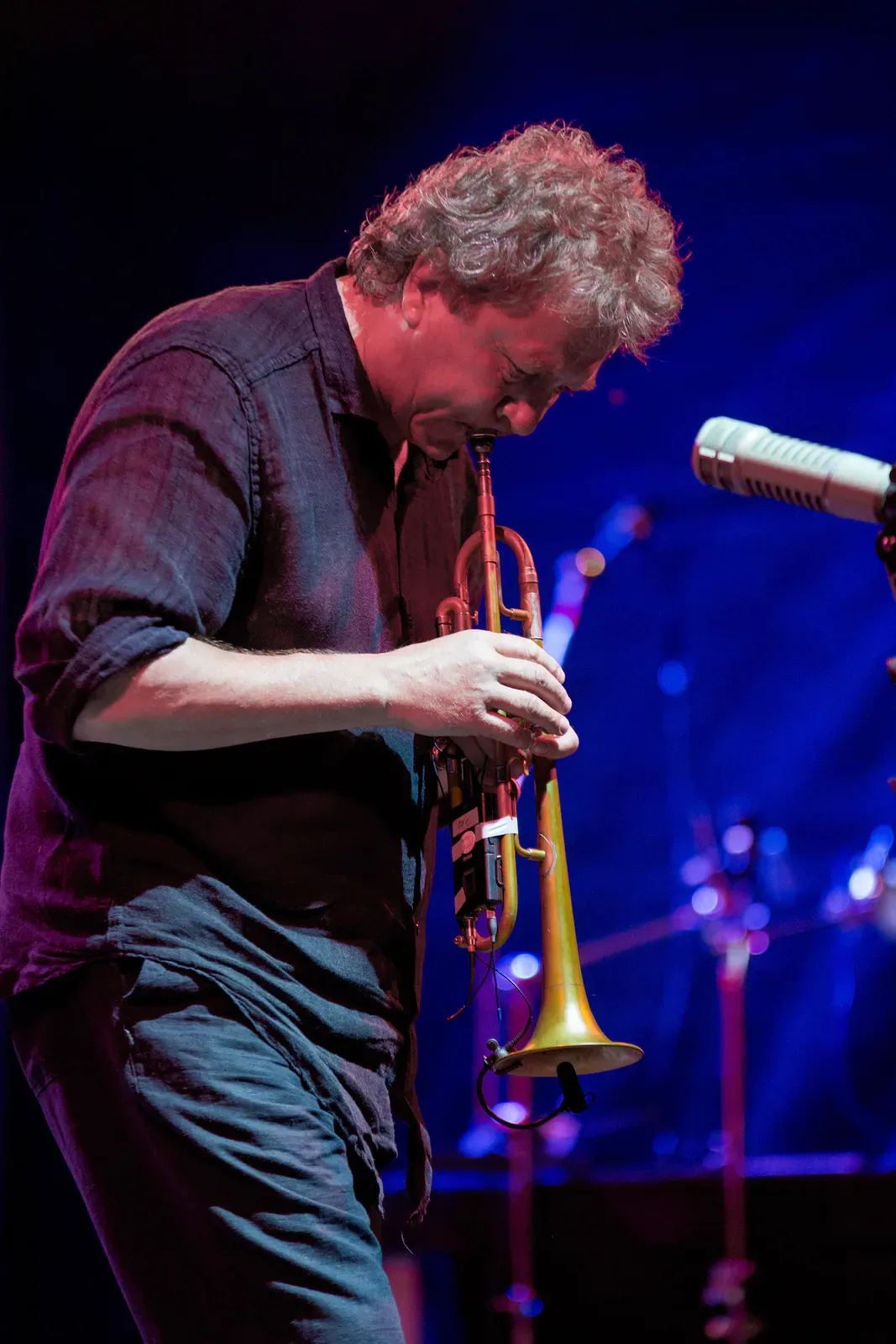
This branch is usually called future jazz. It stays closer to improvisation than the club-oriented strand and often keeps a cold, spacious sound. Swiss-French trumpeter Erik Truffaz took a related route on Blue Note with Bending New Corners in 1999, adding hip-hop and dance rhythms to a trumpet quartet.
Berlin, London and Paris
In Berlin, Jazzanova founded Sonar Kollektiv in 1997 as an independent label and publisher for their own and related work. The collective’s four members built their name on remixes and on broken beat, house and soul-jazz productions, and their 2002 album In Between gathered live players and guest vocalists. Their 2001 single That Night, with singer Vikter Duplaix, became a club favourite.
In London, Jason Swinscoe formed The Cinematic Orchestra in 1999 and signed to Ninja Tune, where their debut Motion appeared the same year. Their sound leaned on strings, piano and slow breaks, and Every Day in 2002 included All That You Give with singer Fontella Bass. In 2003 the group released Man with a Movie Camera, a score to the 1929 silent film. A follow-up, To Believe, came in 2019.
Characteristics
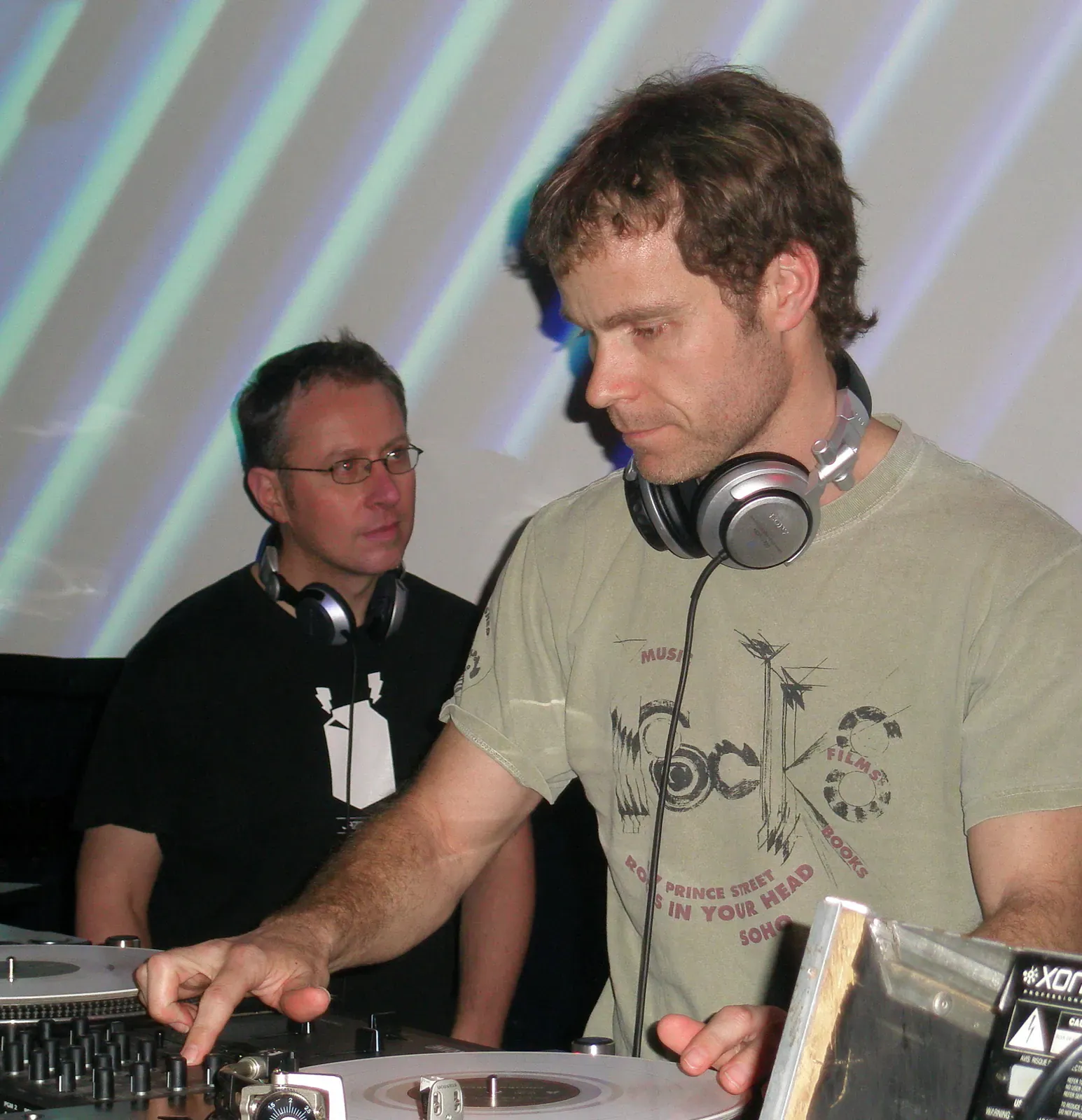
Tempos mostly sit in the downtempo and house range, from about 80 to 140 BPM, with a 4/4 pulse. The harmony usually comes from jazz: extended minor chords, modal vamps and long loops. Producers rework jazz recordings by sampling and editing, while live players add horn lines, piano or double bass. Electronic drum programming, often borrowed from house, broken beat or drum and bass, replaces or sits beside a live kit. Vocals are frequent in the club strand and rare in the future jazz strand.
Instruments and production
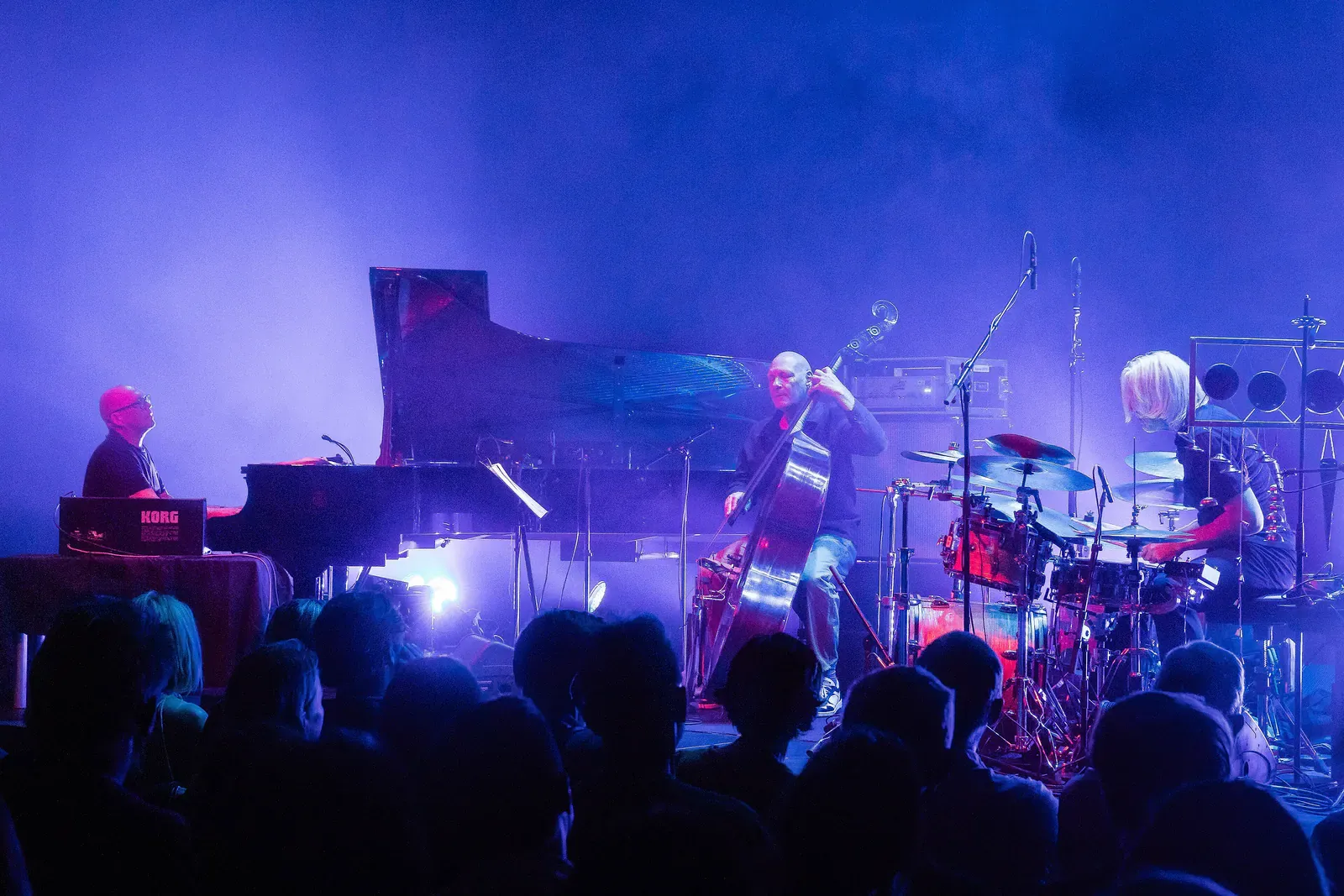
The instrument line-up reflects the two sides. Trumpet, saxophone, piano and electric piano supply melody and harmony, usually with effects and processing, while upright or electric bass keeps the groove. Samplers and sequencers turn recordings into loops and arrange the finished track. Because the studio is the main instrument, arrangements often follow the structure of a dance or downtempo record, with a groove intro, a theme, a break and a return, instead of a head, solos and a last chorus.
Mainstream success
The breakthrough came in 2000 with St Germain’s Tourist on Blue Note, which sold about 1.5 million copies and carried the single Rose Rouge. Its mix of samples and live jazz players over house grooves made the style legible to listeners outside clubs. In the same period Koop, a Swedish duo of Magnus Zingmark and Oscar Simonsson, reached wide audiences with swing-era arrangements and, in 2006, with Koop Island Blues, sung by Ane Brun. In Japan, Ryota Nozaki’s Jazztronik worked in a similar club-jazz vein from 1998.
By the late 2000s the label nu jazz had faded as a marketing term, because its methods had moved into downtempo, house and contemporary jazz. The labels continued: Compost issued Future Sounds of Jazz volume 16 in 2026, and Jazzland and Sonar Kollektiv were still releasing that year.
Notable recordings
Khmer is the reference for future jazz: a restrained trumpet over a restless drum and bass pulse, recorded for a label better known for chamber and acoustic jazz. Tourist is the reference for the club side, and Rose Rouge shows its method in miniature, with a looped jazz phrase, a steady house pulse and live elements laid on top. All That You Give shows the third route, where slow breaks, strings and a soul vocalist produce something closer to a film score.
Culture
The scene has no single dress code or dance. Its culture lives in compilations, remix albums and club nights, and in its many names: nu jazz, future jazz, club jazz and jazztronica. Remix culture is central, since Khmer and its follow-up Solid Ether were each reworked in separate remix releases. Film is another reference point, from The Cinematic Orchestra’s silent-film score to the cinematic titles of many tracks.
Legacy
Nu jazz helped place jazz inside electronic listening, and it gave improvising musicians a way to enter club and downtempo audiences. Its methods remain in contemporary jazz, where sampled beats, loops and studio editing are normal. Its labels remain active, and its main records are still reissued and reworked.
Misconceptions
Nu jazz is often treated as the same thing as acid jazz. Acid jazz began in London clubs in the late 1980s around funk and soul-jazz grooves, while nu jazz goes further into electronic sound and drops much of the blues-based feel.
It is also assumed to be background music for cafes. That holds for some downtempo-leaning work, but Khmer, with its processed trumpet and breakbeat pulse, is intense and exposed.
A third assumption ties it to one country. The first records came from France, Germany, Norway, the UK and Japan within the same few years, and no one city can claim it.
Frequently asked questions
What is nu jazz?
Nu jazz is jazz combined with electronic production, such as programmed beats, sampling and editing, with live instruments often layered on top.
What is the difference between nu jazz and acid jazz?
Acid jazz grew from funk, soul and hip-hop grooves in London clubs in the late 1980s, while nu jazz leans further into electronic sound and downtempo or house rhythms.
Who are the main nu jazz artists?
The best-known names are St Germain, Jazzanova, Bugge Wesseltoft, Nils Petter Molvær and The Cinematic Orchestra, with Koop, Erik Truffaz and Jazztronik also associated with the style.
What tempo is nu jazz?
Most tracks run between about 80 and 140 BPM, in 4/4, from slow downtempo breaks to house-paced grooves.
Sound
Sound sheet
Anatomy of a track
| # | Part | Bars |
|---|---|---|
| 1 | Loop or groove intro | 8 |
| 2 | Theme with live horn or vocal | 16 |
| 3 | Improvised or filtered break | 16 |
| 4 | Return and fade | 8 |
Signature sounds
- Live horn over programmed beat
- Sampled or played jazz chords looped
- Broken beat or house drum pattern
- Track-focused arrangement over solo showcase
Drums and percussion
- Acoustic drum kit
- Programmed breakbeats
Techniques
- Sampling jazz records
- Live horns over programmed beats
- Live electronics processing
- Remixing
Keys and modes
Minor and modal harmony. Extended minor seventh chords and modal vamps over loops are common.
Tuning
12-TET, A=440
Vocals
Often instrumental, with guest soul or jazz vocalists on selected tracks.
Scenes
Where it happened
Where and when the sound lived: one bar per city on a shared timeline.
Europe
Active scenes
Peak 4, 1997-2025
Jazzanova and the Sonar Kollektiv label built a club jazz scene around broken beat and house.
Bugge Wesseltoft's Jazzland and Nils Petter Molvær made Norway a centre of electronic jazz.
St Germain made jazz-house in Paris and reached a wide audience with Tourist.
Ninja Tune and The Cinematic Orchestra tied jazz to downtempo and film-score ideas.
Culture
Culture markers
- Club jazz and jazztronica
The scene itself is known by several names, including nu jazz, future jazz, club jazz and jazztronica.
Slang - Remix albums
Khmer: The Remixes (1998) and the Solid Ether remix series show how producers reworked jazz records.
Artwork - Live film scoring
The Cinematic Orchestra's Man with a Movie Camera (2003) scores a 1929 silent film.
Artwork
Glossary
Terms on this page
A syncopated, non-4/4 club rhythm from West London that influenced Berlin and London nu jazz producers.
Danceable jazz-based music, with house and broken beat rhythms, made for DJs.
Slow, atmospheric electronic music that nu jazz often overlaps with.
A name for the more experimental, improvisation-led branch of the style, often linked to Scandinavian artists.
An alternate name for nu jazz, joining the words jazz and electronica.
Jazz blended with electronic production, where the track and its sound matter more than solo virtuosity.
Jazz family