Surf rock
Surf rock is Californian rock and roll tied to beach culture, split between reverb-soaked instrumental guitar and vocal-harmony surf pop, born around 1958-1961.
Southern California, 1958
Rock family
Born
1958
Southern California
Subgenres
4
Documented branches
Links
24
Genres it drew on or shaped
Tempo
140-175 BPMLineage
Family tree
Grew out of
Derived from
- Instrumental rock
Derived from
Derived from
Influenced by
Southern California, 1958
Surf rock
Led to (7)
Timeline
Era by era
From the first sparks to today. Select a dot to read the story behind it.
- Reverb and the first records
1958 to 1961
- The surf craze
1962 to 1964
- British Invasion and fade
1965 to 1979
- Rediscovery and surf punk
1980 to 1993
- Pulp Fiction and indie surf
1994 to today
Eras
Moments
- 1 Reverb and the first records, 1958 to 1961
- 2 The surf craze, 1962 to 1964
- 3 British Invasion and fade, 1965 to 1979
- 4 Rediscovery and surf punk, 1980 to 1993
- 5 Pulp Fiction and indie surf, 1994 to today
1958
Reverb and the first records
Instrumental guitar bands in Tacoma and Southern California turn up the treble and reverb. The Ventures chart in 1960, then the Bel-Airs and Dick Dale cut the first surf records in 1961.
- 1954Dick Dale's family moves to CaliforniaThe Boston-born teenager takes up surfing and later fuses it with Middle Eastern melody and percussive picking.
- 1958The Ventures form in TacomaDon Wilson and Bob Bogle start a guitar duo that becomes the best-selling instrumental group of all time.
- 1960The Ventures release Walk, Don't RunA guitar reworking of a jazz tune by Johnny Smith reaches the national top ten and sells over a million copies.
- 1960Dick Dale starts drawing crowds at the Rendezvous BallroomSurfers pack the Balboa Peninsula hall to hear his loud, rapid-fire instrumental guitar.
- 1961The Bel-Airs record Mr. MotoA South Bay teen band cuts a flamenco-tinged instrumental that many name the first surf single.
- 1961Dick Dale's Let's Go Trippin'Issued on the small Deltone label, it is widely called the first surf rock instrumental and peaks at number 60 on the national chart.
- 1961The Beach Boys release Surfin'Their first single, on the independent Candix label, is a regional hit and starts the vocal side of surf.
1962
The surf craze
Instrumentals such as Pipeline and Wipe Out reach the top five while the Beach Boys and Jan and Dean put harmonies on the beach. Capitol, beach-party films and local scenes carry the sound nationwide and to Australia.
- 1962Dick Dale's Misirlou and the album Surfers' ChoiceHis tremolo-picked take on a Middle Eastern folk tune becomes his signature song.
- 1962The Beach Boys sign to Capitol RecordsTheir second single for the label, Surfin' Safari, starts a run of national hits.
- 1963Dick Dale's King of the Surf Guitar on CapitolCapitol had distributed Surfers' Choice nationally and signed Dale, who then issued his second album.
- 1963The Chantays' Pipeline reaches number fourA keyboard-flavored instrumental becomes one of the landmark surf hits.
- 1963The Surfaris' Wipe Out reaches number twoIts drum solo becomes one of the best-remembered of the era.
- 1963The Beach Boys' Surfin' U.S.A.The single and album make harmonized surf pop a national sound.
- 1963Jan and Dean's Surf CityA falsetto-led national hit that brings vocal surf harmonies to the radio.
- 1963Beach Party starts American International's beach movie cycleAmerican International's teen film features Dick Dale and the Del-Tones performing.
- 1963Surf instrumentals take off in AustraliaSydney bands such as the Atlantics and the Denvermen score hits.
- 1964The British Invasion ends the crazeTeens follow the Beatles, and many American surf bands reinvent themselves or break up.
1965
British Invasion and fade
The British Invasion empties the dance halls. the Surfaris split, and the Beach Boys move on to studio pop. Surf guitar lives on in garage rock and later punk.
- 1966The Surfaris disbandThe band behind Wipe Out calls it quits in 1966.
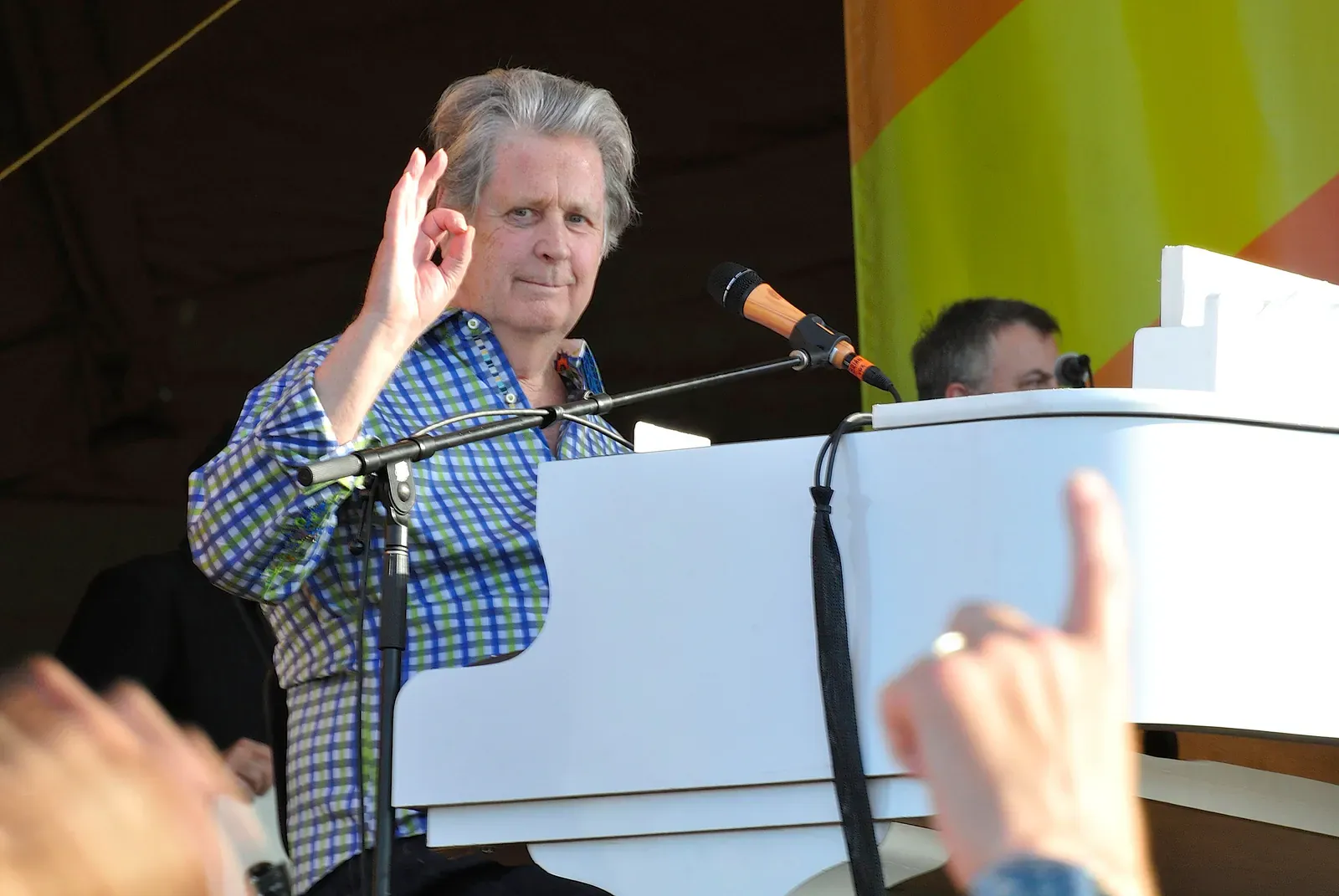
- 1966Pet Sounds takes the Beach Boys beyond surfBrian Wilson's studio masterwork marks the end of the group's beach image.
around 1980
Rediscovery and surf punk
Retro-minded audiences and new wave bands rediscover the sound. Original players return to the stage, Dale and Stevie Ray Vaughan record Pipeline in 1987, and punk bands borrow surf riffs.
- 1980A first revival waveYoung listeners rediscover retro rock and roll while new wave rises, and original surf players return to stages.
- 1987Dale and Stevie Ray Vaughan record PipelineTheir version for the film Back to the Beach earns a Grammy nomination for rock instrumental.
1994
Pulp Fiction and indie surf
Misirlou opens Pulp Fiction in 1994 and a new audience finds the genre. Instrumental surf survives in a worldwide club scene, and its reverb and tremolo reach indie, garage and lo-fi bands.
- 1994Pulp Fiction opens with MisirlouQuentin Tarantino's film puts Dale's song and other surf tracks in front of a new generation.
- 2019Dick Dale dies at 81The King of the Surf Guitar was still touring in his final years.
Listening path
Start listening
A short path from an easy way in to the deep end. Thumbnails come from YouTube; the player loads only when you press play.
- 01
The Beach Boys, 1963
The easy way in: the hit that took harmonized surf pop to the mainstream.
- 02
The Surfaris, 1963
The instrumental that went to number two and made its drum solo well known.
- 03
The Chantays, 1963
A signature instrumental of the scene that reached number four.
- 04
Dick Dale and His Del-Tones, 1962
The tremolo-picked signature that later opened Pulp Fiction.
- 05
Dick Dale and His Del-Tones, 1961
The deep cut that started it, widely called the first surf rock instrumental.
Facts
| Family | Rock |
| Origin | Southern California, United States |
| Emerged | Late 1950s to early 1960s |
| Status | Revival |
| Tempo | 140 to 175 BPM |
| Meter | 4/4 |
| Grew out of | Rock and roll, Instrumental rock, Rockabilly |
| Subgenres | 4 |
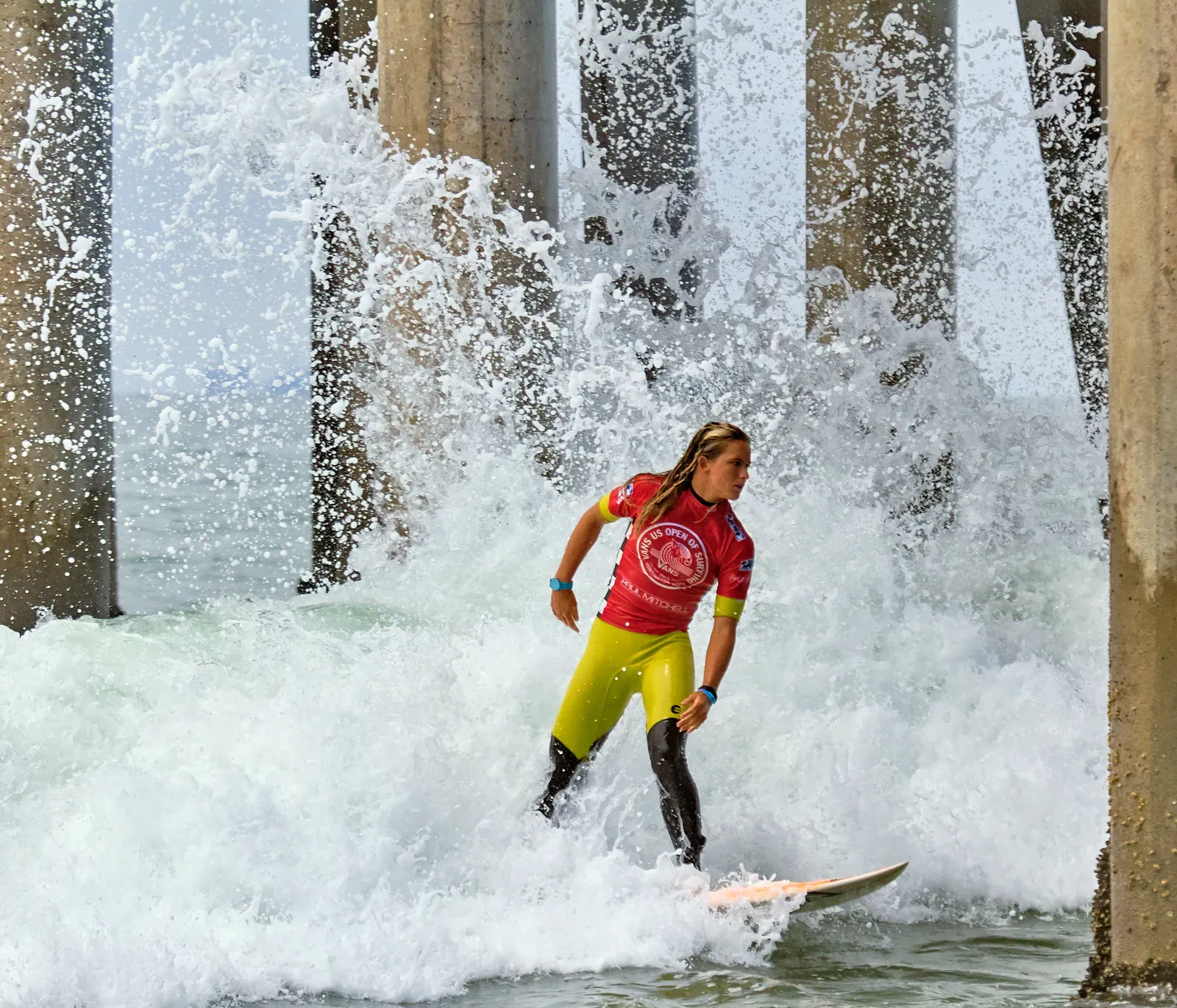
Surf rock is a branch of rock and roll tied to the surfing culture of Southern California, which took shape between about 1958 and 1961.
It has two sides: instrumental guitar music drenched in spring reverb and played with rapid tremolo picking, and vocal surf pop built on close harmonies and lyrics about the beach. It grew from rockabilly and instrumental rock and belongs to the rock family.
Origins
The first instrumental bands did not start on a beach. The Ventures formed in Tacoma, Washington, in 1958, when Don Wilson and Bob Bogle began playing together as a guitar duo, and their “Walk, Don’t Run” reached the national top ten in 1960 on Dolton Records. It sold over a million copies and gave teenage guitarists a template for the guitar-led band.
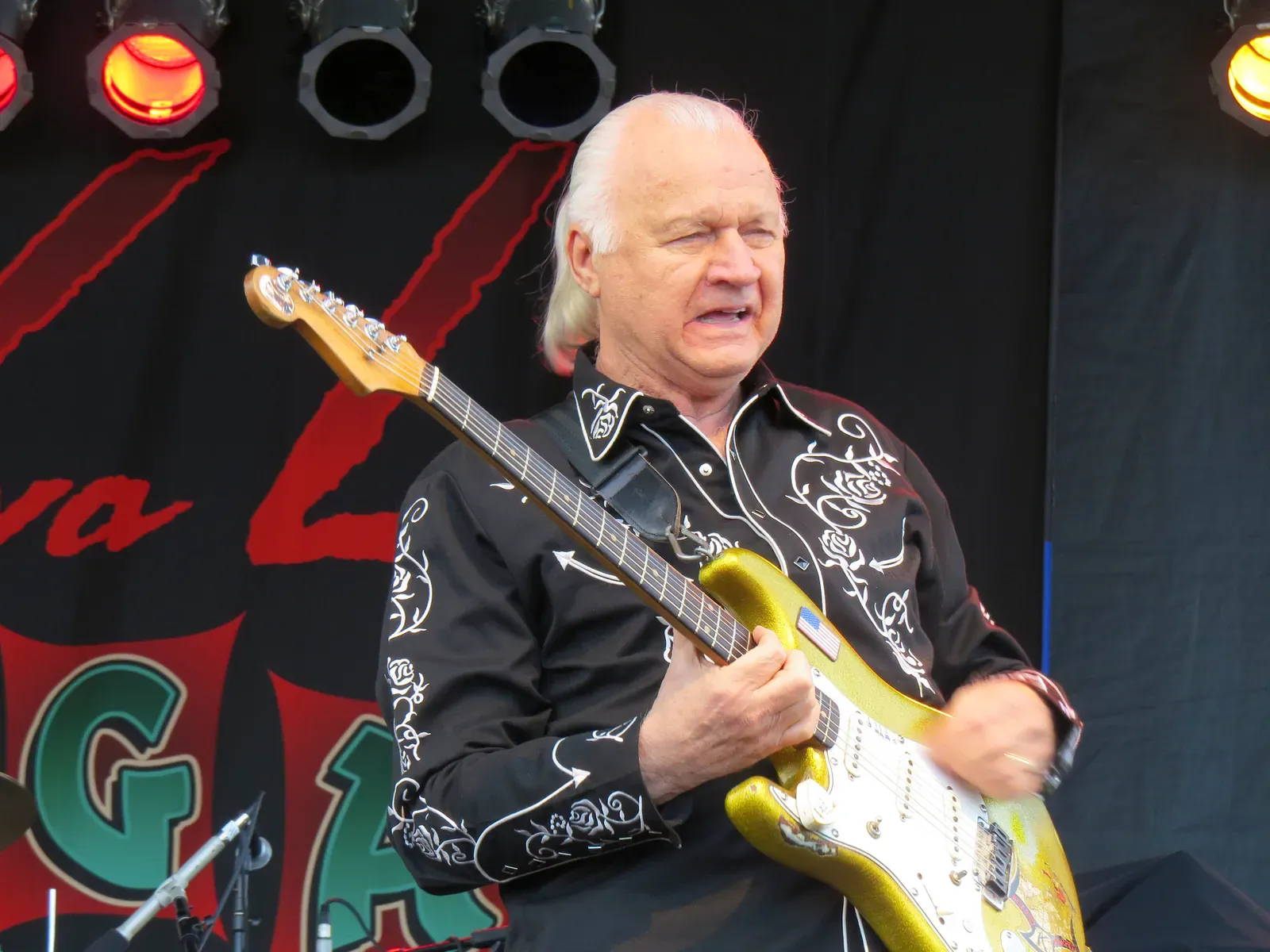
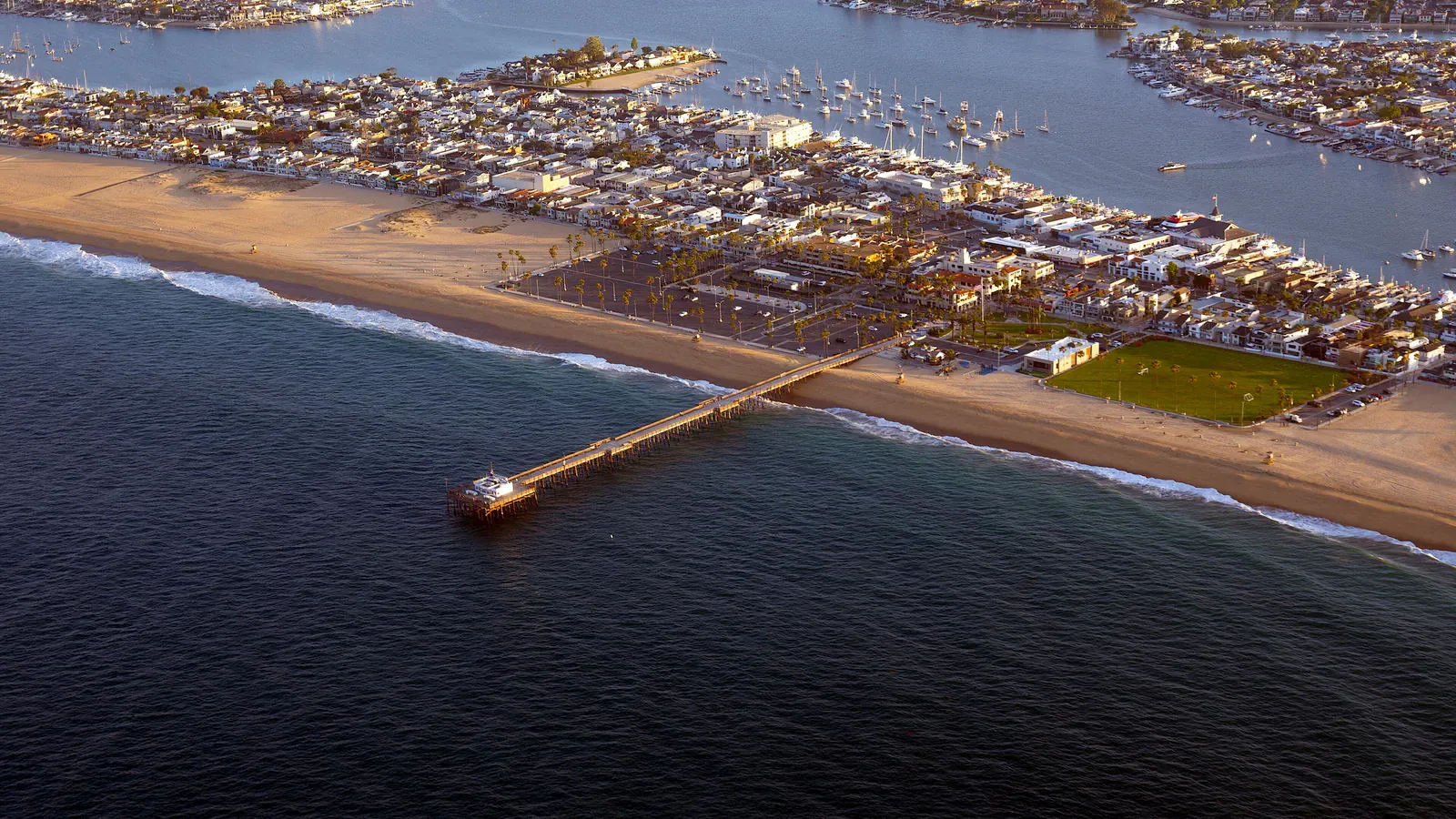
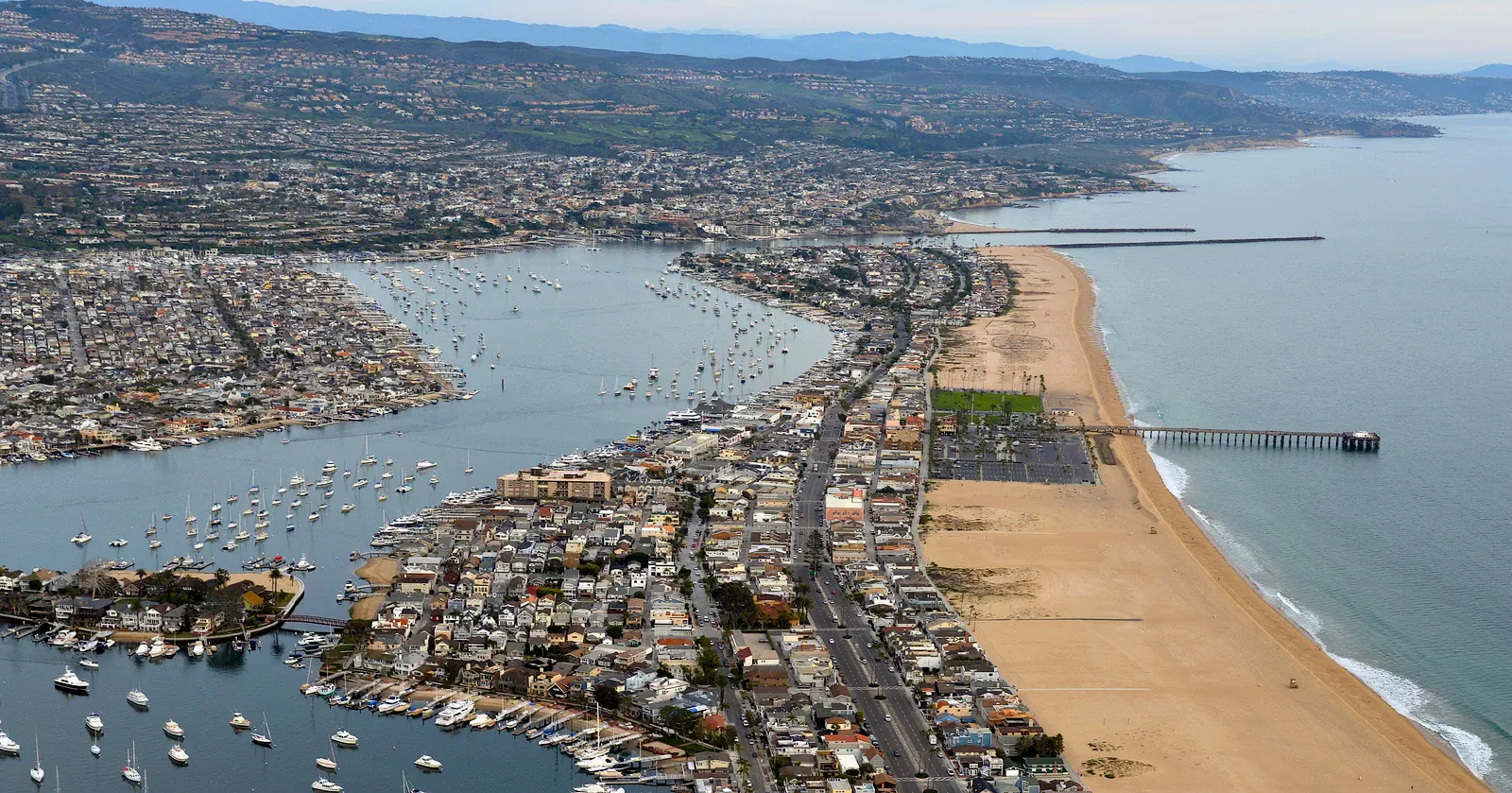
The California sound was louder and more physical. Dick Dale, a Boston-born guitarist who had moved to California in 1954 and taken up surfing, began drawing surfers to the Rendezvous Ballroom on the Balboa Peninsula in the early 1960s. He fused rapid, percussive picking with Middle Eastern melody, and the crowds who stomped through his sets gave the scene its dance.
Reverb and the first records, 1958-1961
The first surf records arrived in 1961. A South Bay teenage band, the Bel-Airs, cut “Mr. Moto”, a flamenco-tinged instrumental that many name the first surf single. Dale’s “Let’s Go Trippin’”, issued on the small Deltone label, is widely called the first surf rock instrumental and charted nationally. The same year the Beach Boys released “Surfin’” on the independent Candix label, a regional hit that opened the vocal side of the genre.
The surf craze, 1962-1964
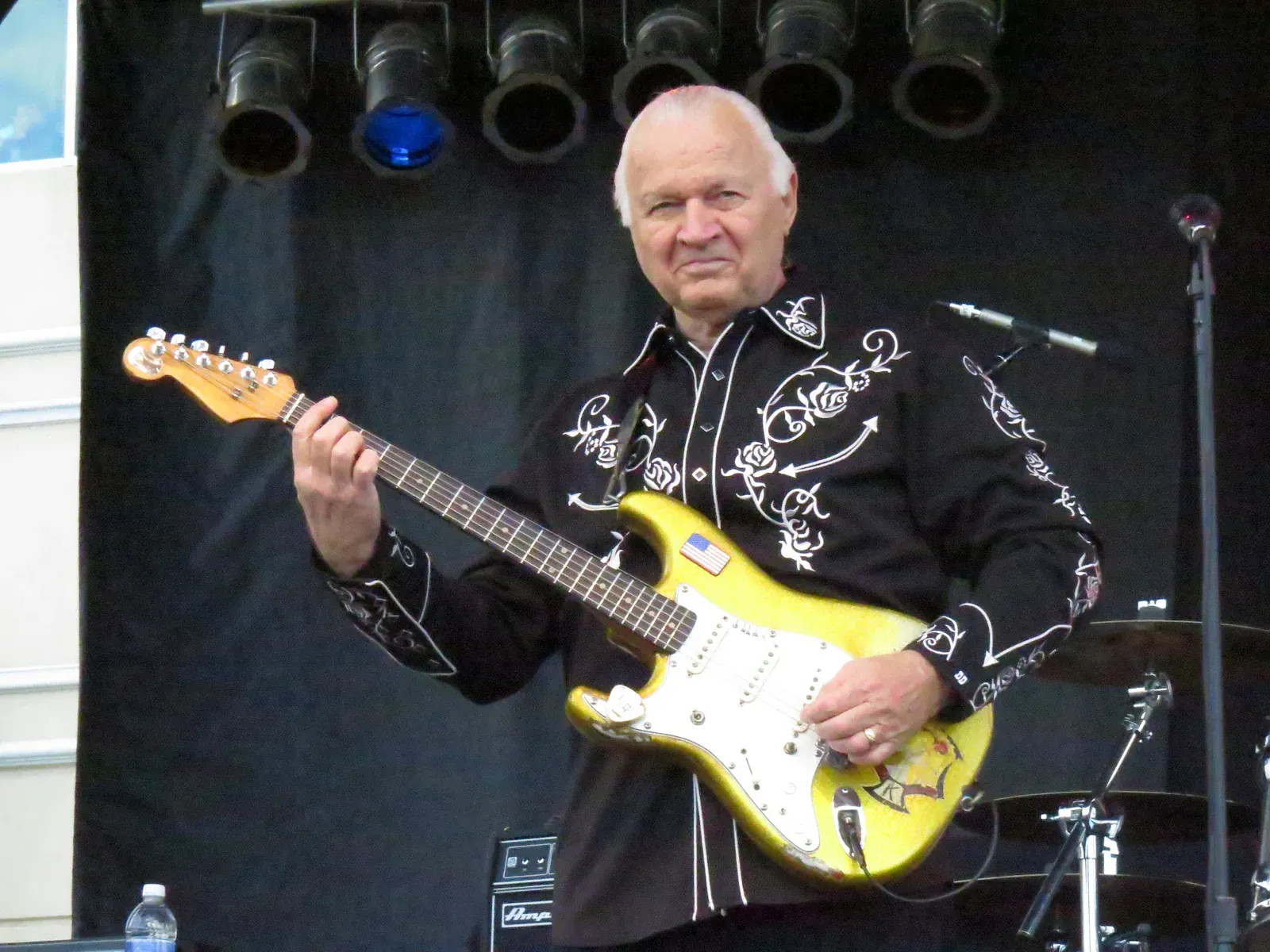
In 1962 Dale recorded “Misirlou”, a tremolo-picked treatment of a Middle Eastern folk tune, along with the album Surfers’ Choice. Capitol Records distributed the album nationally, signed Dale, and issued his second album, King of the Surf Guitar, in 1963. The same year the Beach Boys, signed to Capitol in 1962, scored with “Surfin’ U.S.A.”, and Jan and Dean reached the radio with the falsetto-led “Surf City”.
Instrumentals crowded the charts as well. In 1963 the Chantays’ “Pipeline”, a cascading, keyboard-flavored tune, reached number four, and the Surfaris’ “Wipe Out” reached number two, both picked up for national release by Dot Records. The drum solo that opens “Wipe Out” is one of the best-remembered of the era. American International’s film Beach Party, also from 1963, featured Dale and the Del-Tones on screen and began a cycle of beach movies. Surf instrumentals took off in Australia too, with Sydney bands such as the Atlantics and the Denvermen scoring hits, while the Astronauts carried the sound to landlocked Boulder, Colorado.
British Invasion and fade, 1965-1979
By 1964 teenagers were following the Beatles, and the American surf bands either reinvented themselves or broke up. The Surfaris disbanded in 1966, and the Beach Boys left the beach for studio pop: Brian Wilson’s Pet Sounds in 1966 ended the group’s surf image.
Surf guitar did not vanish. Its reverb and its fast picking carried on into garage rock and then into punk.
Rediscovery and surf punk, 1980-1993
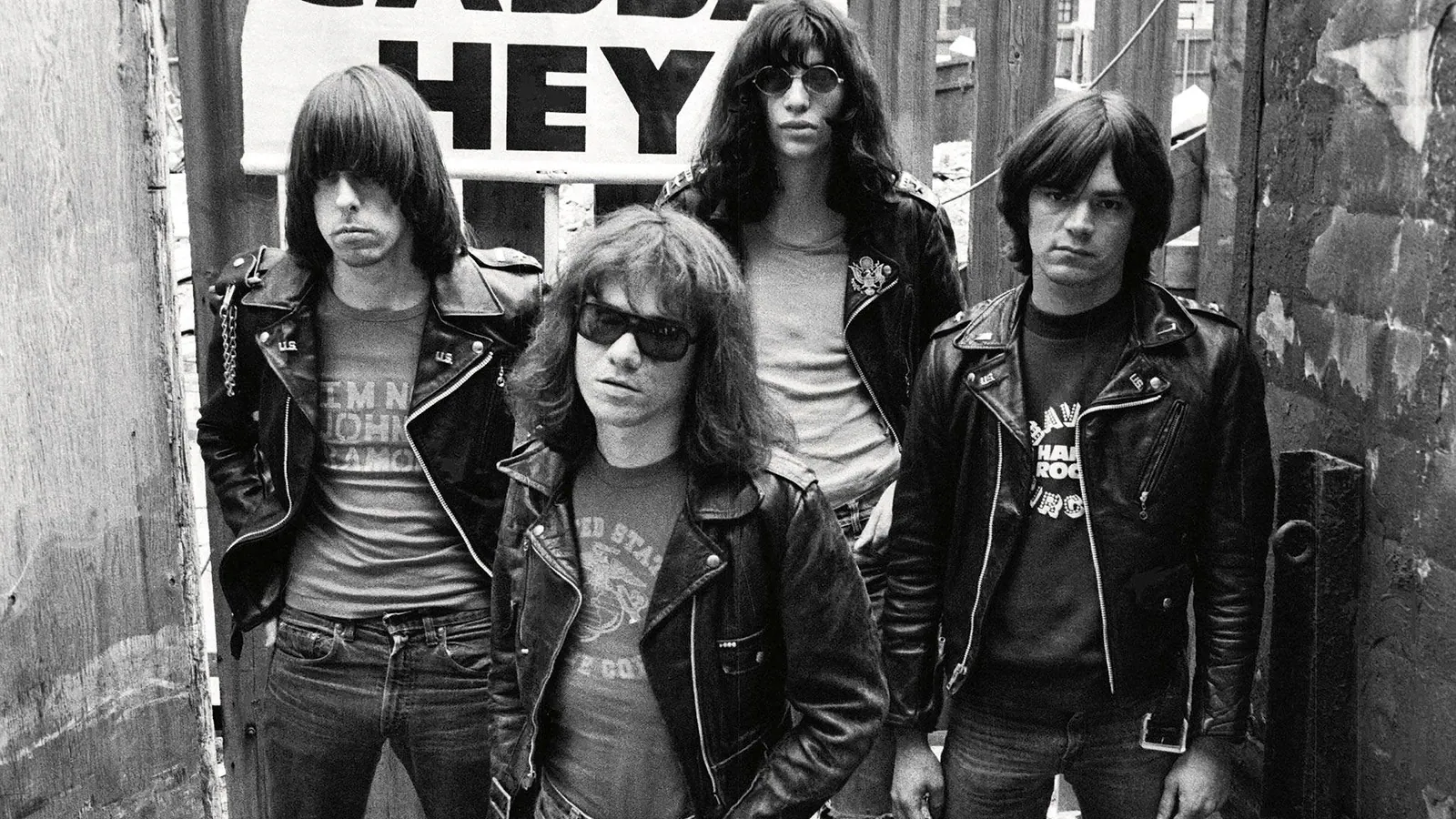
Around 1980 young listeners rediscovered retro rock and roll while new wave rose, and original surf players returned to stages. Punk bands borrowed surf riffs, and the resulting fusion, often called surf punk, left traces in Ramones records and later punk bands. In 1987 Dale and Stevie Ray Vaughan recorded “Pipeline” for the film Back to the Beach, and the track earned a Grammy nomination for rock instrumental.
Pulp Fiction and indie surf, 1994 onward
Quentin Tarantino opened Pulp Fiction in 1994 with “Misirlou”, and the film and its soundtrack put Dale and other surf bands in front of a new generation. Instrumental surf has since survived in a small worldwide club scene, and its reverb and tremolo reached indie, garage and lo-fi bands. Dale remained a touring act until his death in 2019.
Characteristics
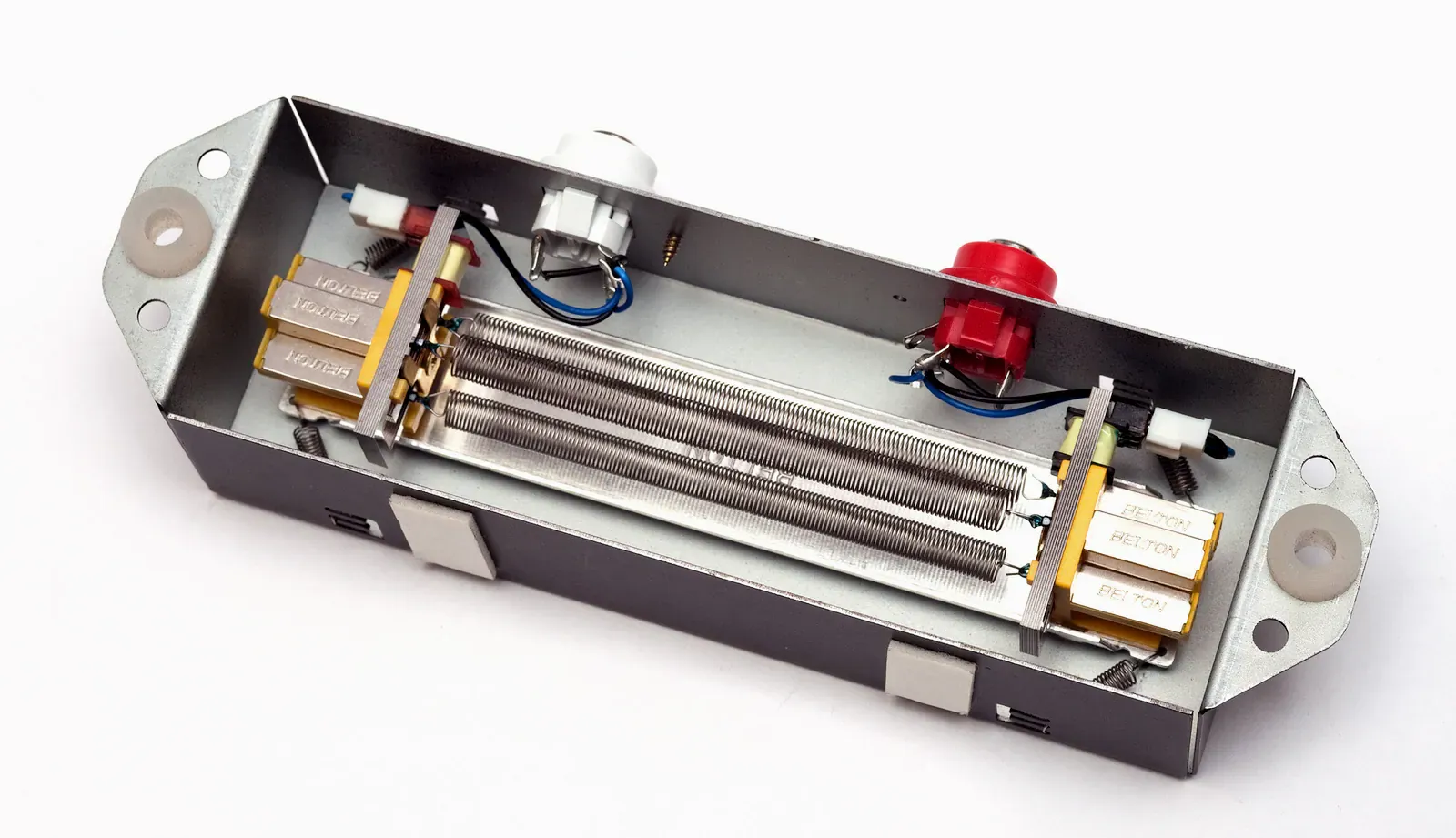
The defining sound is a guitar tone called wet or drippy, made by driving a spring reverb hard until each note splashes. Melodies lean on tremolo picking and on long slides up and down the neck, giving a surging, wave-like motion that suits the name. Staccato single-note attack, associated with Dale, adds a percussive edge. The drums are more than timekeeping: a featured break or solo, as in “Wipe Out”, often carries the tune.
The vocal branch swaps that for close, high harmonies and falsetto leads, usually about cars, girls and the beach. A related offshoot, hot rod music, took the same harmonies to car themes in the early 1960s.
Instruments and production
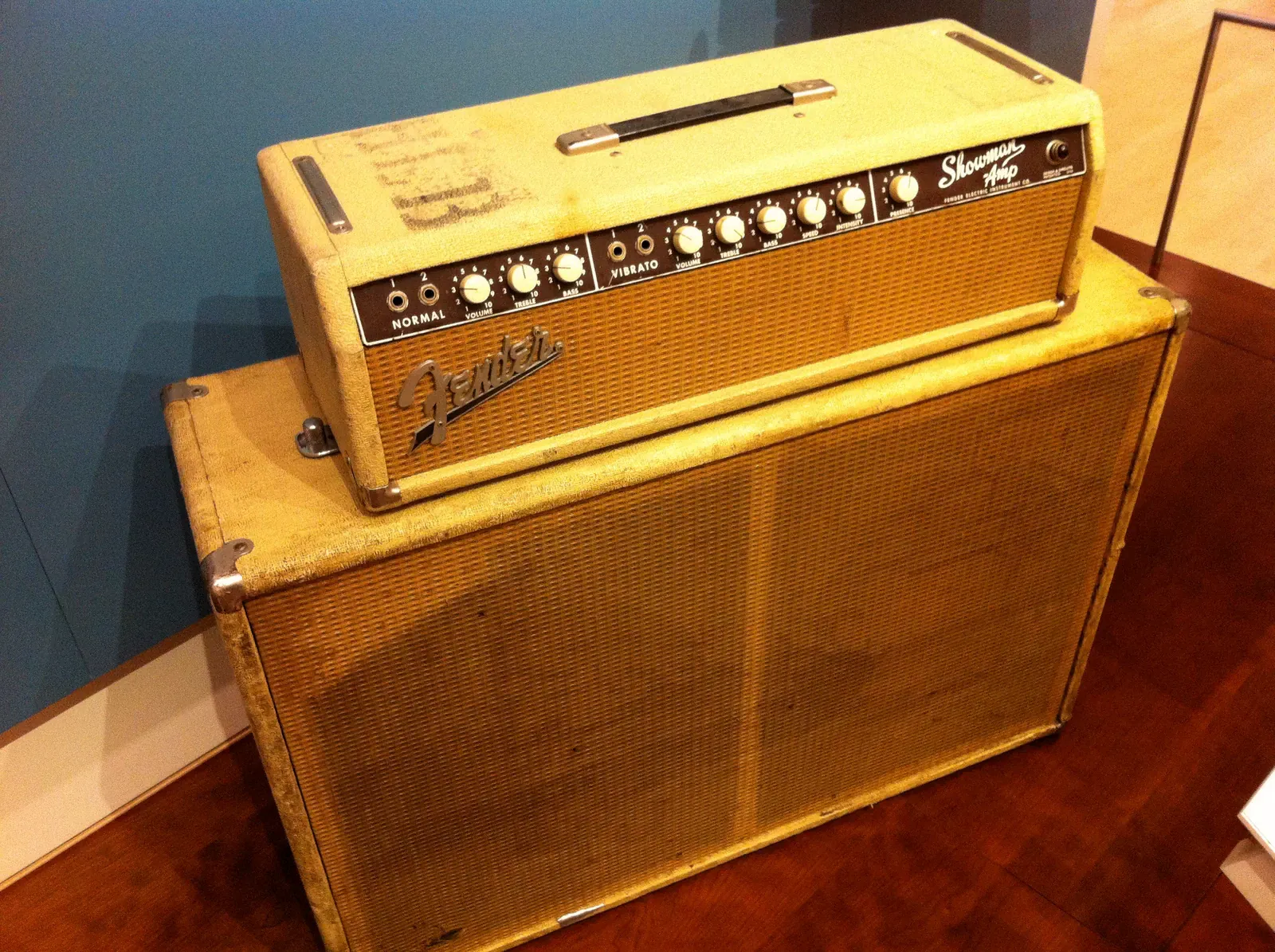
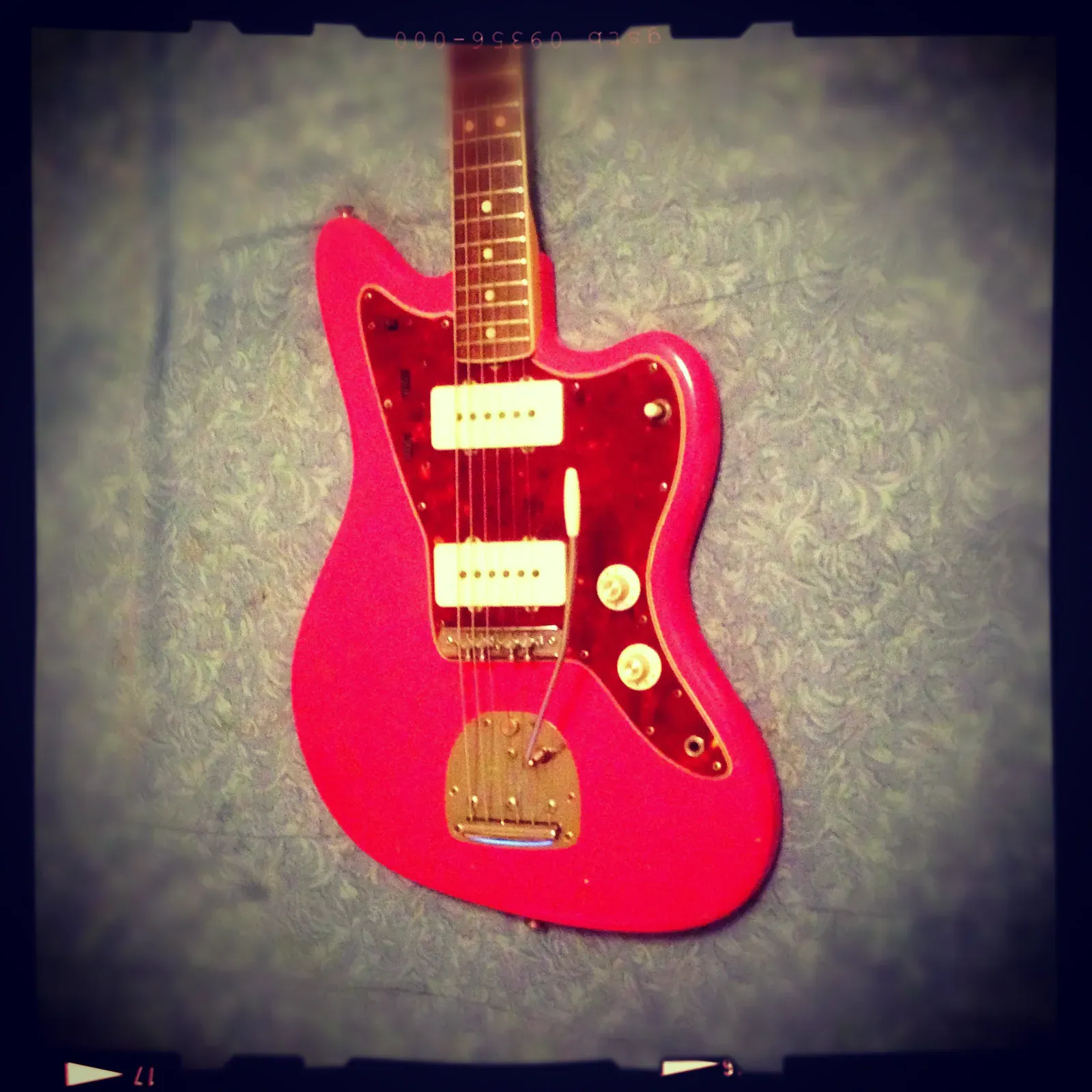
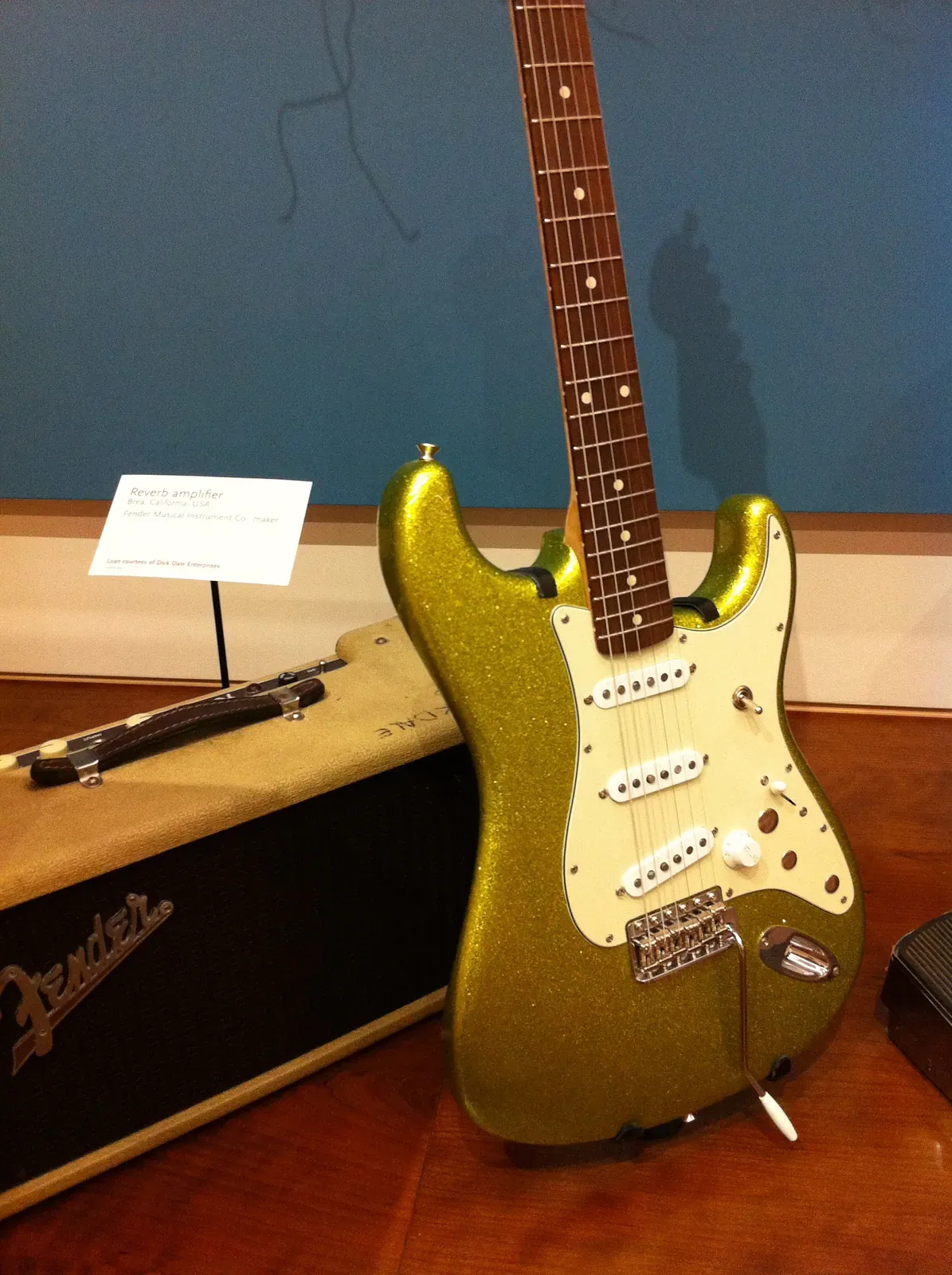
Surf was an electric-guitar music built around Fender products. The Stratocaster, introduced in 1954, became the standard lead guitar through Dale, who played one left-handed and upside down with heavy strings. The Jazzmaster, introduced in 1958 for jazz players, became the surf guitar of the early 1960s and was used by the Ventures, while the Jaguar followed in 1962. Amplification mattered as much as the guitars: a Showman and an outboard Fender reverb unit gave the genre both volume and its wet tone.
Notable recordings
“Let’s Go Trippin’” matters for its priority: the record widely called the first surf rock instrumental and the one that launched the craze. “Misirlou” matters for its afterlife, since a 1962 take on a folk tune became the opening of a 1994 film and the point of entry for a new audience. “Wipe Out” ties the genre to the drum kit: a record whose solo outlived the band that made it, which split in 1966.
Culture
Surf music came from the beaches and the dance halls near them. Dale’s Saturday crowds at the Rendezvous Ballroom stomped, and the events were called stomps. Surfers themselves preferred the instrumental side, and insiders still use the shorthand “instro”. American International’s beach movie cycle, which began with Beach Party in 1963, carried the imagery of boards, cars and parties to cinema audiences who had never seen a Pacific wave.
Legacy
Surf rock set the template for the guitar band as an instrumental unit and gave rock one of its most recognizable guitar sounds. Its tremolo and reverb run through garage rock, punk and indie rock, and its vocal branch made the Beach Boys a national act.
Misconceptions
One myth holds that surf rock means the Beach Boys. They released their first single in 1961 and made vocal surf a national sound, but the instrumental style, led by Dale, the Ventures and the Bel-Airs, came first and was the one surfers preferred.
A second holds that Pulp Fiction created the genre’s revival. Dale recorded “Misirlou” in 1962, a first revival wave was already under way around 1980, and Dale and Stevie Ray Vaughan had recorded “Pipeline” in 1987. The film brought a new audience in 1994 rather than a new sound.
A third holds that surf music is purely Californian. Its model band, the Ventures, came from Tacoma, the Astronauts played it in landlocked Boulder, Colorado, and Australia built its own instrumental surf scene in Sydney.
Frequently asked questions
What is surf rock?
Surf rock is a style of rock and roll that came out of Southern California around 1958-1961. It has an instrumental form built on reverb and tremolo-picked guitar and a vocal form built on harmonies and beach lyrics.
Who invented surf rock?
Dick Dale is usually credited with the first surf rock instrumental hit, “Let’s Go Trippin’” (1961), though the Bel-Airs’ “Mr. Moto” from the same year has a claim as the first surf single. The Ventures prepared the ground in 1960 with “Walk, Don’t Run”.
What is the difference between instrumental and vocal surf?
Instrumental surf, called instro by fans, is guitar-led and loud, centered on reverb and fast picking. Vocal surf puts harmonies and lyrics about the beach in front, as in the Beach Boys and Jan and Dean.
Which song opens Pulp Fiction?
Pulp Fiction opens with “Misirlou” by Dick Dale and His Del-Tones, a tremolo-picked 1962 recording of a Middle Eastern folk tune that brought surf rock to a new audience in 1994.
Sound
Sound sheet
Signature sounds
- Spring-reverb guitar with a wet, drippy tone
- Rapid tremolo-picked melody lines
- Staccato single-note picking
- Single-coil Fender guitars through loud amps
- Drum break or solo as a showpiece
- Close vocal harmonies in the vocal-surf style
Techniques
- Tremolo picking
- Spring reverb drip
- Staccato single-note picking
- Guitar slides
- Drum break
Keys and modes
Middle Eastern scales. Dale built Misirlou and other lines on Arabic-style scales drawn from folk tunes.
Vocals
Mostly instrumental; the vocal side uses close, high harmonies and falsetto leads, as in the Beach Boys and Jan and Dean.
Scenes
Where it happened
Where and when the sound lived: one bar per city on a shared timeline.
North America
Oceania
Active scenes
Peak 5, 1963-1964
Dick Dale and the Rendezvous Ballroom crowds defined the loud Orange County instrumental style.
South Bay teen bands such as the Bel-Airs played dances in halls and hotels.
Home of the Ventures, whose guitar sound became a model for surf bands.
Australia's own surf instrumental scene produced the Atlantics and the Denvermen.
The Astronauts brought surf music to landlocked Colorado with Baja.
Venues and places
Balboa Peninsula, Newport Beach, 1960 to 1966. Dick Dale's Saturday crowds made this dance hall a cradle of instrumental surf.
Culture
Culture markers
- The stomp
Dale's ballroom dances were called stomps, after the crowds stomping along to his sets.
Dance - Wet and drippy
Terms for the wet, reverb-heavy guitar tone of surf music.
Slang
Media
Key media
- 1963Beach Party
The first American International beach movie, with Dick Dale and the Del-Tones on screen.
Film - 1987Back to the Beach
The comedy where Dale and Stevie Ray Vaughan performed Pipeline.
Film - 1994Music from the Motion Picture Pulp Fiction
by Various. The soundtrack that put Dale and other surf bands before a new audience.
Compilation - 1994Pulp Fiction
Quentin Tarantino's film opens with Misirlou and spurred the 1990s revival.
Film
Glossary
Terms on this page
Car-themed offshoot of surf music from the early 1960s, popularized by the Beach Boys.
Insider shorthand for instrumental surf, the guitar-led style preferred by surfers over vocal surf pop.
Name for Dale's ballroom dances, where crowds stomped along to his sets.
Fusion of surf riffs with punk, whose influence is heard in Ramones records and later punk bands.
Rapid alternate picking of a single note, used to produce the frantic shimmer of Misirlou.
The side of the genre built on harmonies and lyrics about beach life, led by the Beach Boys and Jan and Dean.
A heavily reverberated, drippy guitar sound made by pushing a spring reverb hard.
Rock family