Hyperpop
Hyperpop is maximalist electronic pop that exaggerates pop tropes with pitch-shifted vocals and distorted synths, begun around PC Music in London in 2013.
London, 2013
Pop family
Born
2013
London
Subgenres
5
Documented branches
Links
27
Genres it drew on or shaped
Tempo
70-170 BPMLineage
Family tree
Grew out of
- Bubblegum bass
Derived from
- Electropop
Derived from
Influenced by
London, 2013
Hyperpop
Led to (5)
Timeline
Era by era
From the first sparks to today. Select a dot to read the story behind it.
- PC Music and bubblegum bass
2013 to 2018
- Playlists and the 100 gecs wave
2019 to 2021
- After the label
2022 to today
Eras
Moments
- 1 PC Music and bubblegum bass, 2013 to 2018
- 2 Playlists and the 100 gecs wave, 2019 to 2021
- 3 After the label, 2022 to today
2013
PC Music and bubblegum bass
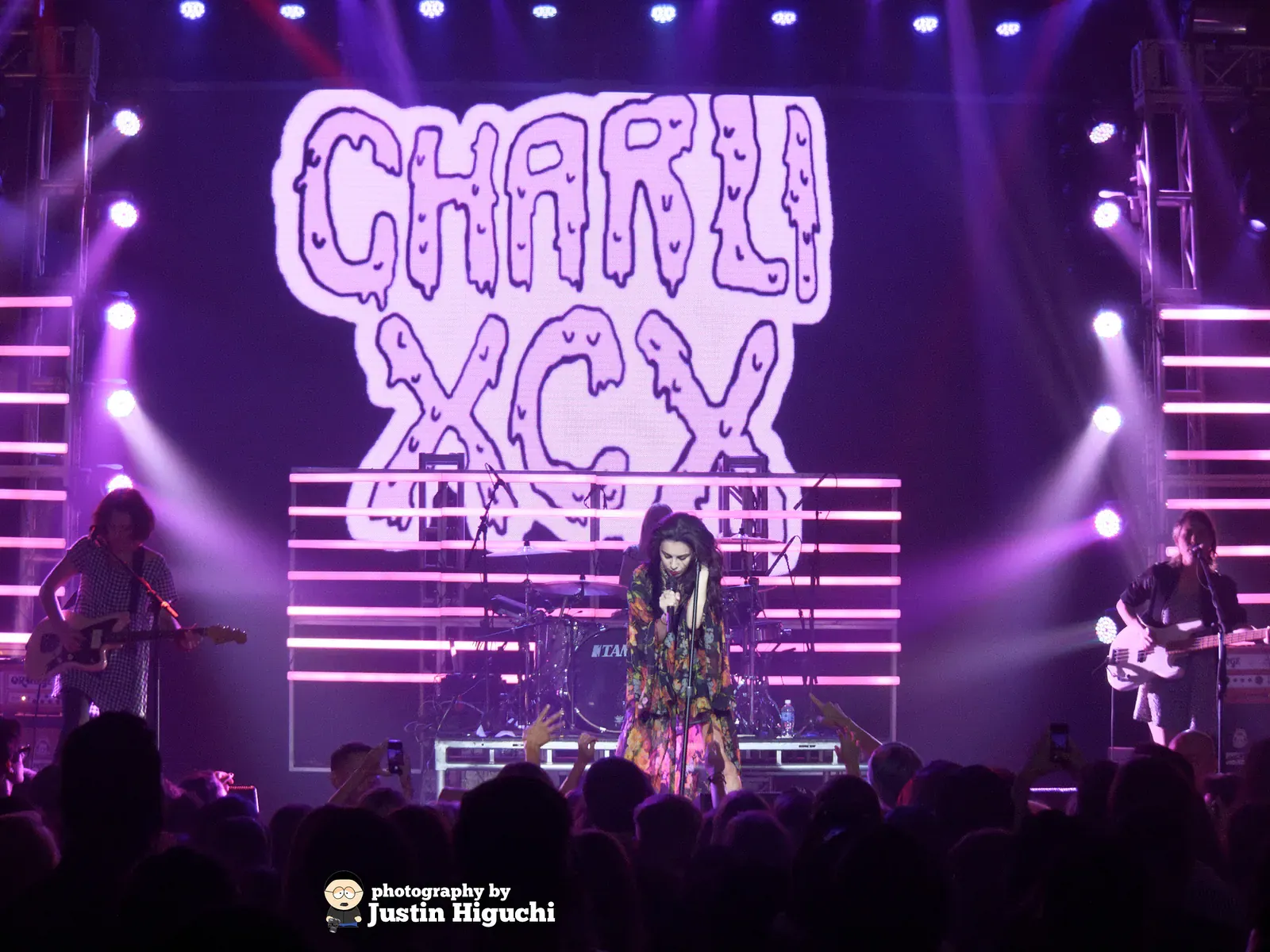
A. G. Cook's London label and collective builds an exaggerated, glossy pop sound, with SOPHIE and Charli XCX as close collaborators.
- 2013PC Music founded in LondonA. G. Cook starts the label and art collective, posting its first releases to SoundCloud.
- 2013Hannah Diamond's Pink and BlueThe debut single on PC Music, released on 30 October 2013, sets the label's hyperreal, cute-but-sincere look.
- 2013SOPHIE's BippThe producer's first widely heard single, with its rubbery bass and plastic textures, becomes a reference point for bubblegum bass.
- 2016Charli XCX's Vroom Vroom EPReleased on 26 February 2016 with production by SOPHIE and A. G. Cook, it sets a template for pop made with PC Music methods.
- 2017Charli XCX's Pop 2 mixtapeA mixtape with production by A. G. Cook, SOPHIE, Umru and Easyfun, built around a mission to give pop a modern facelift.
- 2018SOPHIE's Oil of Every Pearl's Un-InsidesReleased on 15 June 2018, the debut album brings the style to wide critical attention, including a Grammy nomination.
- 2018Hyperpop tag enters Spotify metadataData analyst Glenn McDonald adds the label to the platform's genre data, having first seen it in 2014 for PC Music.
2019
Playlists and the 100 gecs wave
1000 gecs and a Spotify playlist named Hyperpop give the style a name and a mass audience, boosted by lockdown-era TikTok.
- 2019100 gecs' 1000 gecsReleased on 31 May 2019, the debut album's viral single money machine starts the second wave of the style.
- 2019Spotify launches the Hyperpop playlistThe playlist, edited by Lizzy Szabo and launched in August, fixes the term on a fast-growing scene.
- 2020how i'm feeling now and AppleCharli XCX's lockdown album and A. G. Cook's Apple appear on critics' year-end lists.
- 2021SOPHIE diesThe producer dies on 30 January 2021, aged 34.
- 2021ElyOtto's SugarCrash! goes viralThe song is used in over 5 million TikTok videos, a measure of the style's reach on the platform.
- 2021Charli XCX asks whether hyperpop is deadA post in August 2021 asking 'rip hyperpop? discuss' prompts artists to distance themselves from the label.
2022
After the label
Artists reject the term, PC Music stops new releases in 2023, and the sound feeds online microgenres such as sigilkore and krushclub.
- 2023PC Music stops new releasesIn June 2023 the label announces it will focus on archival projects and reissues.
Listening path
Start listening
A short path from an easy way in to the deep end. Thumbnails come from YouTube; the player loads only when you press play.
- 01
Charli XCX, 2016
An easy way in: a pop single with production by SOPHIE and A. G. Cook.
- 02
SOPHIE, 2018
Listen for the pitch-shifted vocal and the shifts of texture mid-song.
- 03
100 gecs, 2019
The viral single of the second wave: distorted bass, trap hats and a shouted hook.
- 04
Dorian Electra, 2019
A camp, queer pop song that shows the style's theatrical side.
Facts
| Family | Pop |
| Origin | London, United Kingdom |
| Emerged | Early-late 2010s |
| Status | Active |
| Tempo | 70 to 170 BPM |
| Meter | 4/4 |
| Grew out of | Bubblegum bass, Electropop |
| Subgenres | 5 |
Hyperpop is an electronic music movement, and a loosely defined style of pop, that began in the United Kingdom in the early 2010s. It takes an exaggerated, maximalist view of twenty-first-century pop: pitch-shifted vocals, saturated synths, catchy choruses and abrupt changes of texture.
Its origins are traced to the London label and art collective PC Music, founded by A. G. Cook in 2013.
Origins
The style grew out of bubblegum bass, the sugary, synthetic dance pop that PC Music released from 2013. Hannah Diamond’s Pink and Blue, issued on 30 October 2013, set the template: a heavily produced, cute surface held in tension with a sincere voice. A. G. Cook, the label’s founder, is credited with developing and popularising the sound, and the producer SOPHIE, whose single Bipp appeared in 2013, is described as pioneering it.
Other ingredients came from outside that circle. The style borrows from emo rap, cloud rap, trap, trance, dubstep and chiptune, and it overlaps with nightcore and deconstructed club. The word itself is older than the music. It appeared in print in 1988 in a piece about the Cocteau Twins, and in the late 2000s it was used as a tag within the nightcore scene before it attached to the PC Music circle.
London, 2013-2018
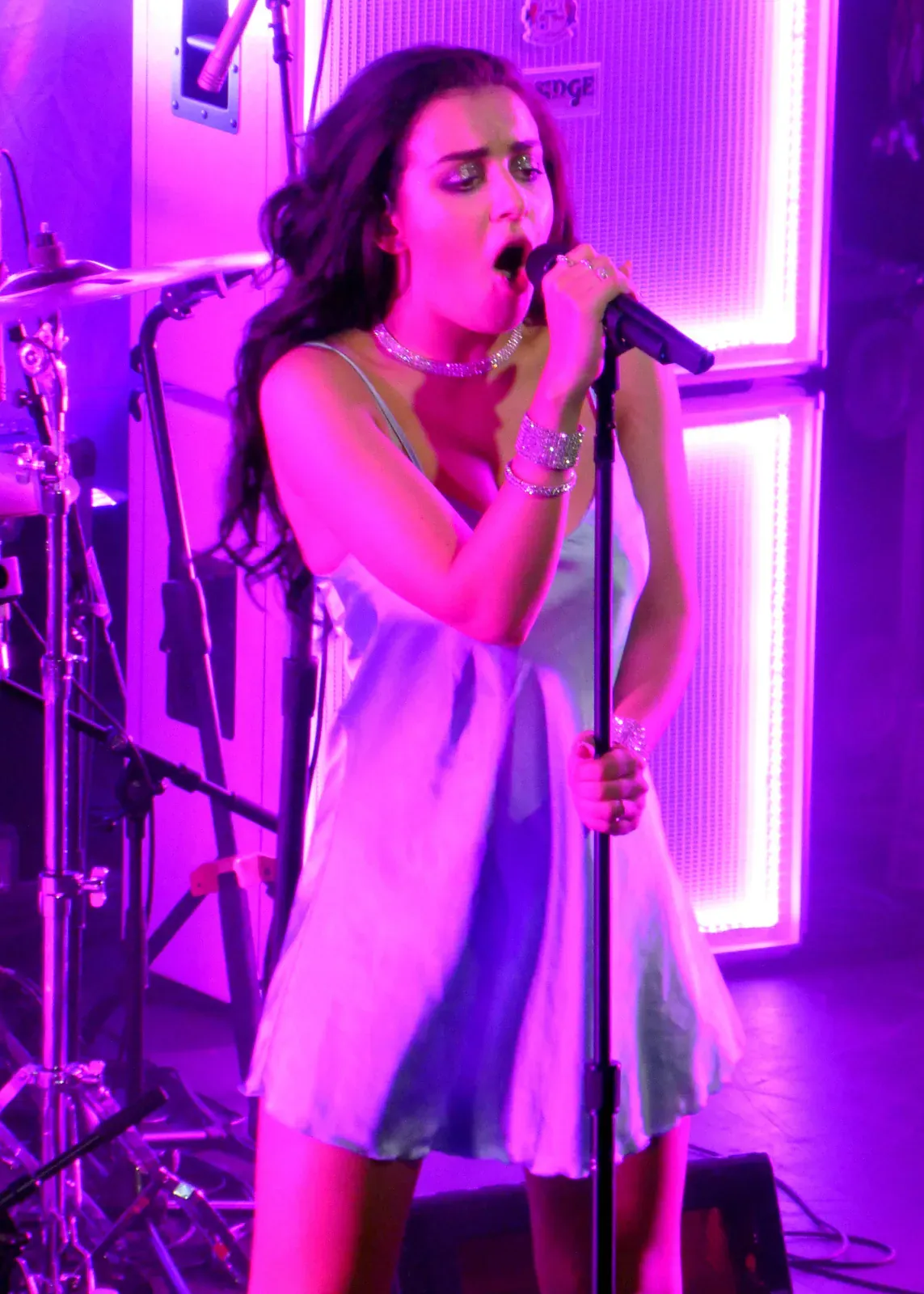
The first era belongs to PC Music and its close collaborators. Charli XCX released the EP Vroom Vroom on 26 February 2016, with production by SOPHIE and A. G. Cook, and followed it with the mixtape Pop 2 in 2017, which brought in Umru and Easyfun as well. Both are cited as setting a template for the sound, built on a stated mission to give pop a facelift for the modern age.
SOPHIE’s debut album, Oil of Every Pearl’s Un-Insides, appeared on 15 June 2018 and carried the approach to a wider critical audience, including a Grammy nomination. In the same year the data analyst Glenn McDonald, who runs a genre-mapping project, added the tag “hyperpop” to the streaming platform’s metadata. He had first seen the word in 2014 in connection with PC Music, but did not treat it as a microgenre until 2018.
The 100 gecs wave, 2019-2021
The second wave began in 2019. The St. Louis duo 100 gecs, Dylan Brady and Laura Les, released 1000 gecs on 31 May 2019, and its single money machine went viral. The duo took the style to its most extreme and catchy conclusions: trap beats distorted to near-destruction, overwrought emo vocals and cascades of ravey arpeggios.
In August 2019 Spotify launched a Hyperpop playlist, edited by Lizzy Szabo, which later took guest curation from 100 gecs and others. The playlist gave the term a mass audience and a roster that included A. G. Cook, Slayyyter, Caroline Polachek, Hannah Diamond and Kim Petras. The following year, lockdowns pushed the style further. Charli XCX’s how i’m feeling now and A. G. Cook’s Apple appeared on critics’ year-end lists, and the sound spread among younger listeners on TikTok, particularly the community known as Alt TikTok. In July 2021 ElyOtto’s SugarCrash! was used in over 5 million videos there.
After the label, 2021 onward
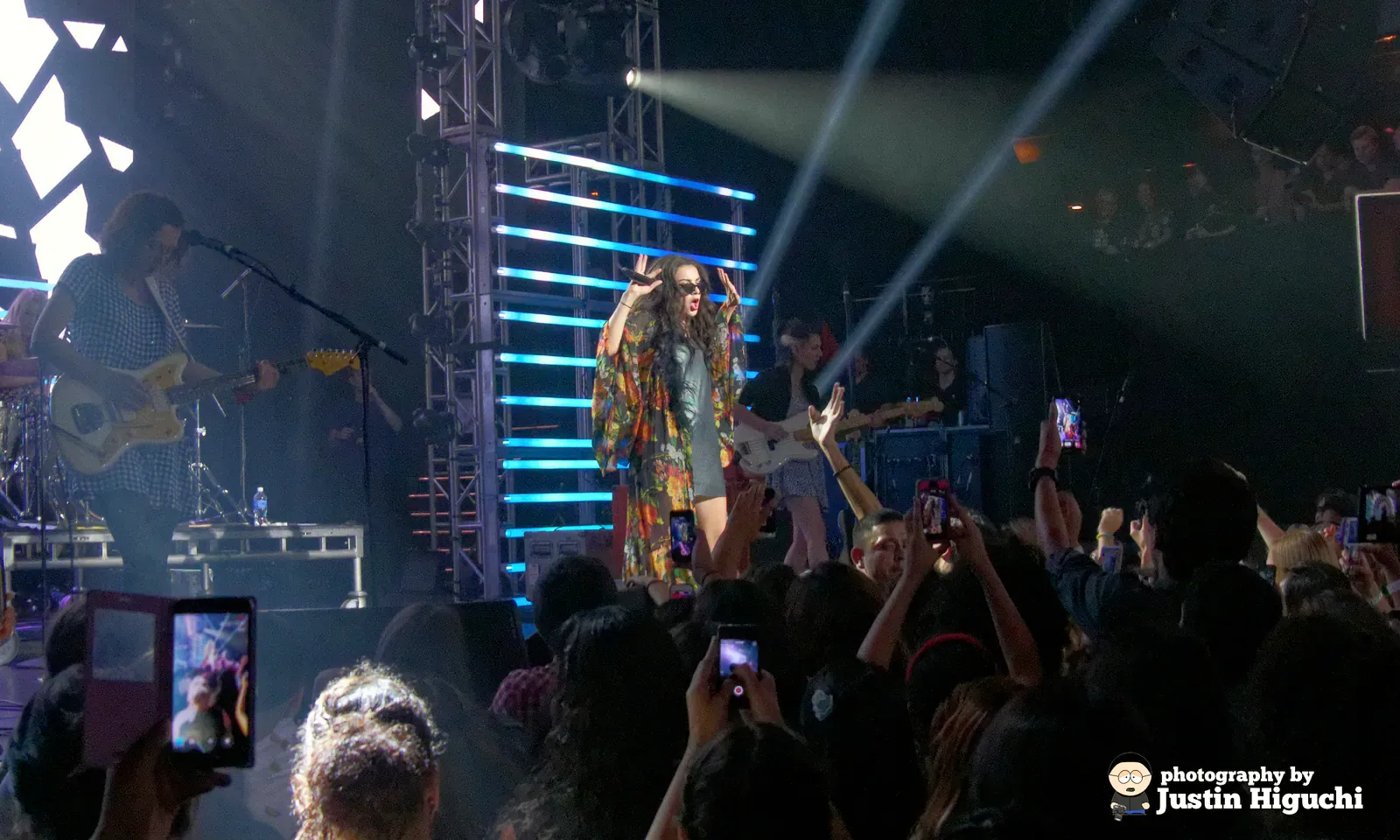
Success brought a backlash against the name. In August 2021 Charli XCX posted “rip hyperpop? discuss”, and several artists associated with the scene said they had outgrown the label or that it no longer meant anything. Critics noted that the term had become a catch-all for any extreme, internet-born pop. Some artists said that streaming algorithms had hardened the style into conventions, which slowed further development.
PC Music announced in June 2023 that it would release no more new music and would turn to archival projects and reissues. The sound continued in online microgenres, among them sigilkore, jerk, rage, hexD and krushclub, while related scenes such as digicore, glitchcore and dariacore overlap with it or sit beside it.
Characteristics
Typical features are heavily processed vocals, metallic and melodic percussion, pitch-shifted synths, catchy choruses and short song lengths. The surface is often shiny and cute while the lyrics are anxious or ironic. Tempo has no fixed range: measured recordings run from about 70 beats per minute for slow, half-time pieces to around 170 for fast ones.
The scene is closely associated with the LGBTQ+ community, and several leading artists are gay, non-binary or transgender. Vocal modulation lets artists explore gender presentation and androgyny in their voices, and SOPHIE and 8485 are among those who treat gender fluidity in their lyrics.
Instruments and production
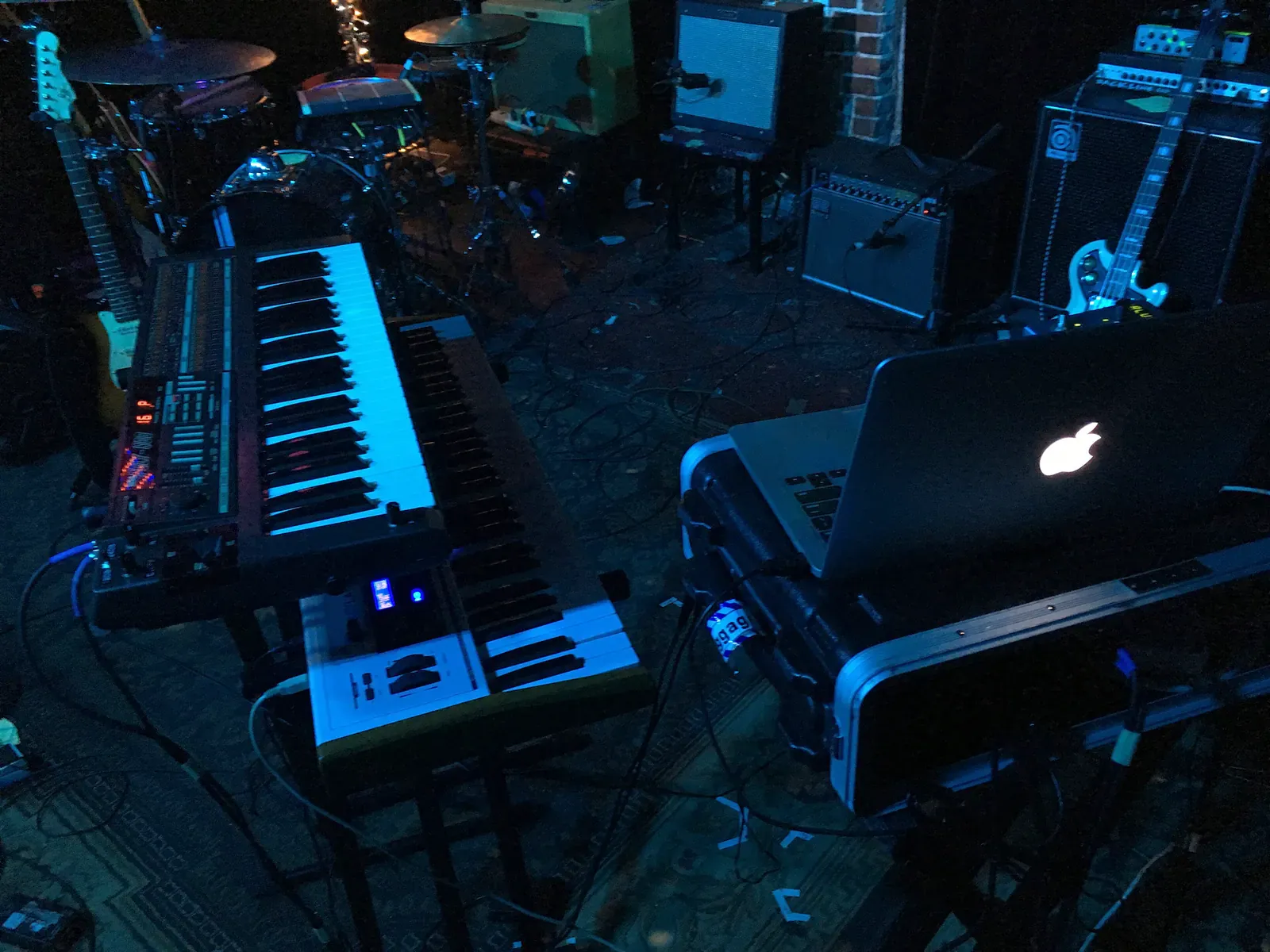
Production is laptop-based. Producers push pitch correction past its intended use, so that it becomes a visible texture rather than a repair, and then compress and distort synths and drums until they clip. Drum sounds draw on trap hi-hats, but also on pitched, bell-like and metallic hits. Songs are short and change direction quickly, with a verse that may collapse into a different tempo or genre within seconds.
Notable recordings
Vroom Vroom is the easiest way into the style: a pop single whose production by SOPHIE and A. G. Cook shapes its synth sound. SOPHIE’s Immaterial, from the 2018 album, shows how vocal pitch-shifting and sudden changes of texture can carry a song. money machine by 100 gecs is the second wave’s signature track, with distorted bass, trap hats and a shouted hook. Dorian Electra’s Flamboyant, released in 2019, shows the theatrical, camp side of the style.
Culture
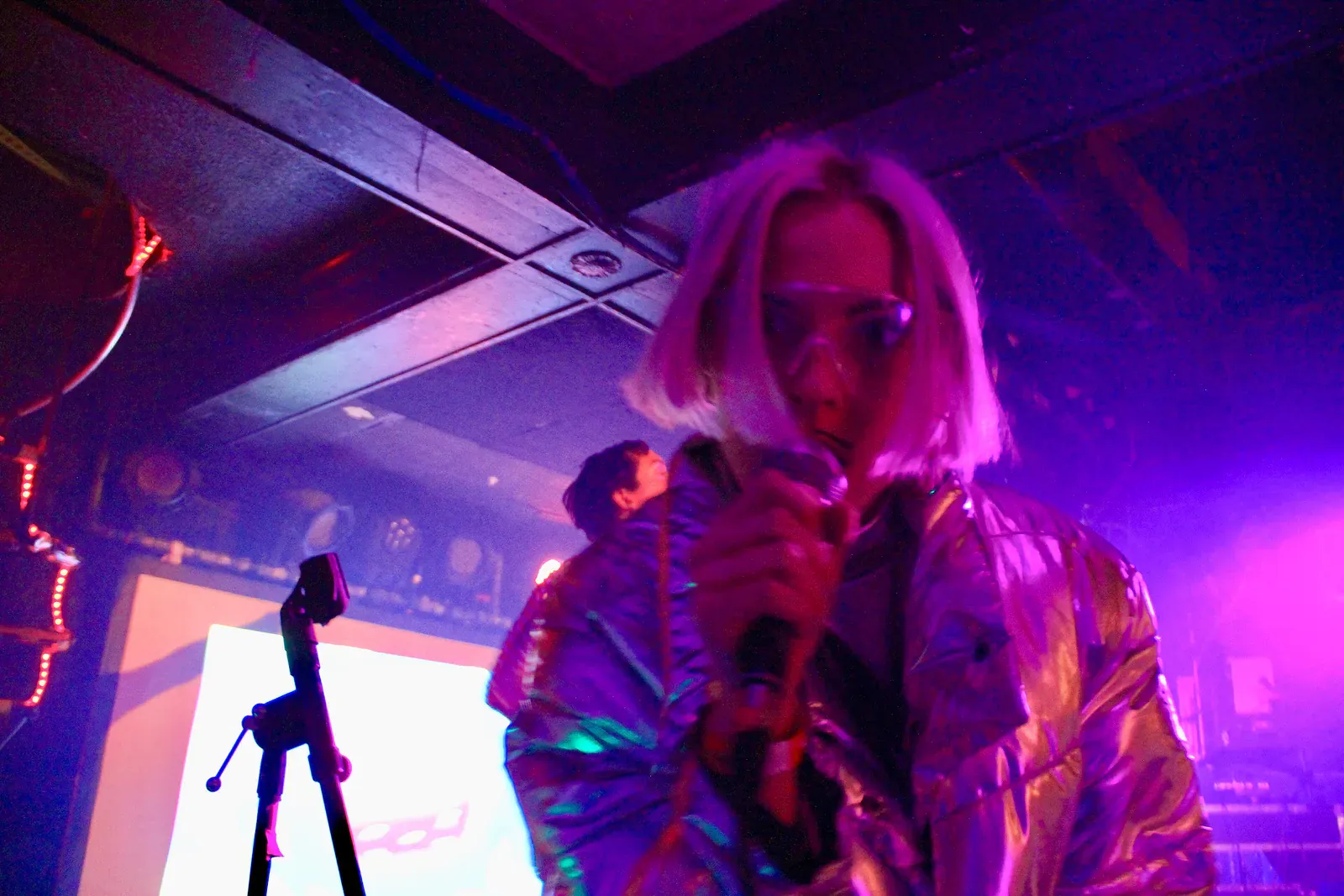
The visual side mattered as much as the sound. PC Music’s covers and videos used a hyperreal, heavily produced cuteness, and the scene’s fashion is queer and gender-nonconforming. Lockdown moved the community onto video calls: Los Angeles-based “Subculture” raves began as six-hour Zoom parties that drew over 1,000 guests at their peak, and later became live events in cities across the United States.
Legacy
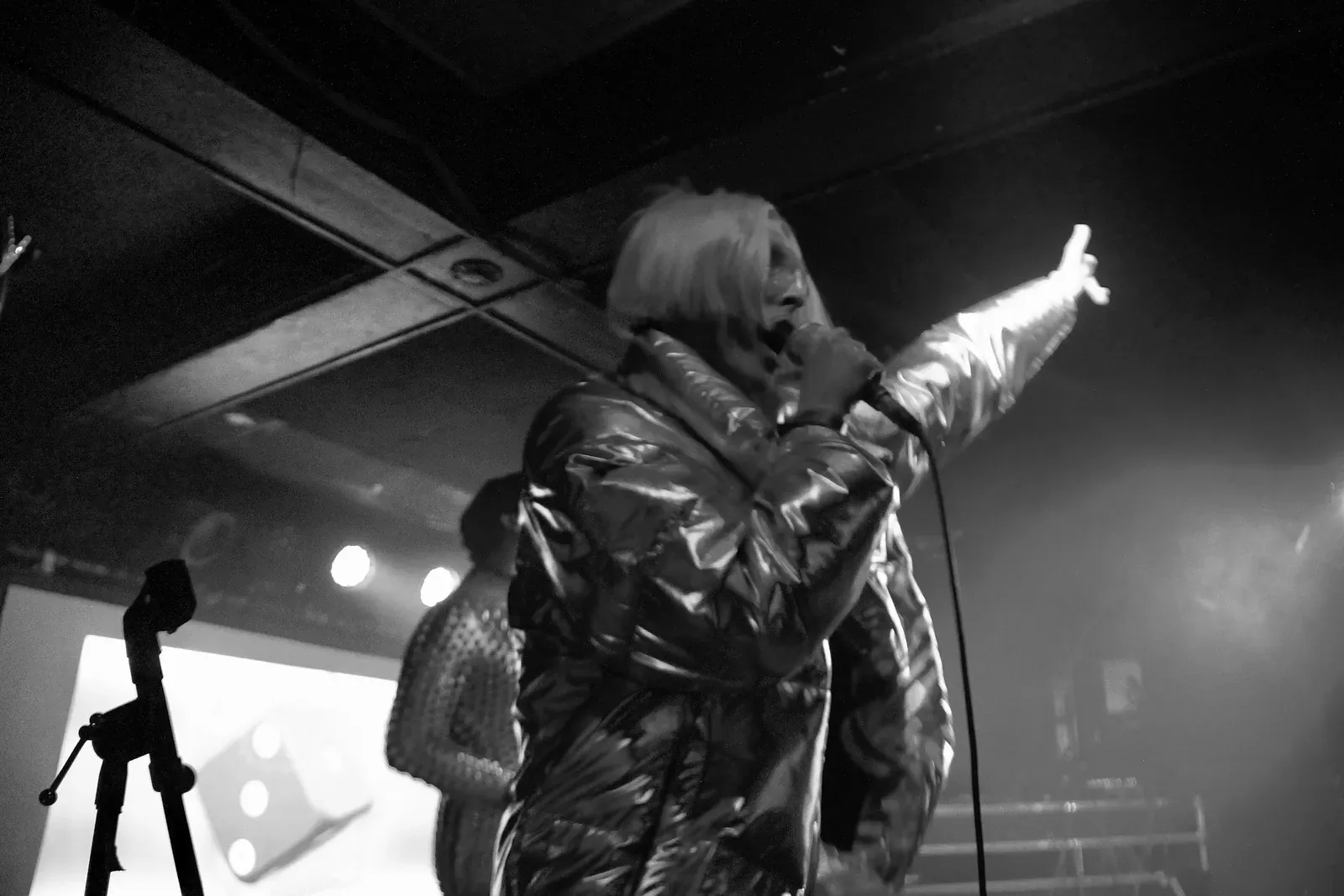
Hyperpop widened what mainstream pop could sound like. Ideas first heard on PC Music records, such as processed vocals and abrupt structure, now appear in chart pop, and the 2020s have seen a revival of related styles. The scene also set a model for artists who build audiences online first and through labels second.
Misconceptions
It is often said that Spotify invented the term. The word appeared in print in 1988, was used as a descriptor in the nightcore scene in the late 2000s, and was added to the platform’s metadata in 2018, after which the playlist made it widely known.
Hyperpop is sometimes treated as one sound. The label has been applied to extreme pop, rap-influenced SoundCloud music and rock-tinged hybrids alike, and many artists given the tag say it does not describe their work.
It is also described as a phase that ended in 2021. Artists did declare the name dead that year, but the sound carried on through new microgenres and through pop records that borrow its vocal and production habits.
Frequently asked questions
What is hyperpop?
Hyperpop is maximalist electronic pop that exaggerates pop conventions with pitch-shifted vocals, distorted synths, catchy hooks and abrupt structure. It began around the PC Music label in London in the early 2010s.
Who started hyperpop?
A. G. Cook and PC Music are credited with starting it in 2013, with SOPHIE and Charli XCX as key collaborators. 100 gecs led a second wave in 2019.
How fast is hyperpop?
There is no single tempo. Measured recordings range from about 70 to about 170 beats per minute, often in 4/4.
Is hyperpop the same as digicore?
No. Digicore is a related online scene that mixes hyperpop production with emo rap and trap, and it is documented as a separate microgenre.
Sound
Sound sheet
Signature sounds
- Pitch-shifted, Auto-Tuned lead vocal
- Metallic, melodic percussion
- Distorted, heavily compressed synths
- Short songs with abrupt switches of style
Techniques
- Vocal pitch-shifting
- Distortion and compression
- Metallic melodic percussion
- Abrupt structural switches
Tuning
12-TET, A=440, with vocals and synths often pitch-shifted
Vocals
Auto-Tuned and pitch-shifted hooks, from sung choruses to shouted, rapped or ironic delivery.
Scenes
Where it happened
Where and when the sound lived: one bar per city on a shared timeline.
Europe
North America
Active scenes
Peak 3, 2020-2025
Home of PC Music and the first wave of bubblegum bass producers.
Where 100 gecs formed, the duo behind the 2019 breakout.
Base of the Subculture raves, first held as Zoom parties during lockdown.
Culture
Culture markers
- Hyperreal, glossy visuals
Cover art and videos use heavily produced cuteness in tension with sincerity.
Artwork - Queer and gender-nonconforming styling
The scene is closely tied to LGBTQ+ culture, and vocal modulation is used to explore gender presentation.
Fashion - Zoom raves
Lockdown-era online raves drew over 1,000 guests and later moved to live events.
Ritual - The -core microgenres
Scenes name themselves with suffixes such as glitchcore, digicore and sigilkore.
Slang
Media
Key media
- 2015PC Music Volume 1
by Various. The label's first compilation, gathering its early artists.
Compilation - 2019Spotify Hyperpop playlist
by Spotify. The playlist that gave the style its name and a mass audience.
Mix - 20201000 gecs and the Tree of Clues
by 100 gecs. A remix album that widened the duo's circle of collaborators.
Compilation
Glossary
Terms on this page
The early 2010s PC Music style of sugary, synthetic dance pop from which hyperpop developed.
A related online scene mixing hyperpop production with emo rap and trap.
Production that stacks distortion, compression and extreme effects until the pop original is exaggerated.
A narrow, internet-born style, often named with a -core suffix, such as glitchcore or sigilkore.
The London label and art collective run by A. G. Cook, regarded as the root of the style.
Pop family