Soundtrack
Soundtrack albums collect the music of a film, series or show, as score, songs or both. The format began with Snow White in 1938 and now spans streaming.
United States, 1937
Stage and screen family
Born
1937
United States
Subgenres
8
Documented branches
Links
3
Genres it drew on or shaped
Tempo
70-175 BPMLineage
Family tree
Grew out of
United States, 1937
Soundtrack
Led to (8)
Timeline
Era by era
From the first sparks to today. Select a dot to read the story behind it.
- First soundtrack albums
1938 to 1957
- LP era and television themes
1958 to 1976
- Blockbuster soundtracks
1977 to 1999
- Compilation awards and streaming
2000 to today
Eras
Moments
- 1 First soundtrack albums, 1938 to 1957
- 2 LP era and television themes, 1958 to 1976
- 3 Blockbuster soundtracks, 1977 to 1999
- 4 Compilation awards and streaming, 2000 to today
1938
First soundtrack albums
Disney's Snow White set in 1938 starts the format, a Jungle Book album in 1942 brings the first orchestral score, and the 1956 Wizard of Oz release puts film dialogue on disc.
- 1938Snow White albumSongs from Walt Disney's Snow White and the Seven Dwarfs becomes the first commercially released soundtrack album.
- 1942The Jungle Book score albumMiklos Rozsa's music for Alexander Korda's Jungle Book is the first soundtrack album of a film's orchestral score.
- 1956The Wizard of Oz albumThe first Oz soundtrack album, issued for the film's first telecast, carries enough dialogue to follow the plot.
1958
LP era and television themes
Henry Mancini's Peter Gunn wins the first Album of the Year Grammy, West Side Story tops the stereo chart for 54 weeks, and Easy Rider and American Graffiti make compiled pop songs a film selling point.
- 1959The Music from Peter GunnHenry Mancini's television album, released by RCA Victor in January, is the first album to win the Grammy for Album of the Year.
- 1961West Side StoryThe film soundtrack spends 54 weeks at number one on the stereo albums chart and wins the 1962 Grammy for Best Sound Track Album.
- 1969Easy RiderABC-Dunhill issues a compilation of existing rock songs that reaches number six on the Billboard 200 and goes gold by January 1970.
- 1975JawsJohn Williams's two-note shark motif anchors an MCA LP that reaches number 32 and wins an Academy Award, a Golden Globe and a Grammy.
1977
Blockbuster soundtracks
Star Wars, Saturday Night Fever, Purple Rain, The Bodyguard and Titanic turn soundtrack albums into some of the best-selling records of their decades, driven by hit singles and music videos.
- 1977Star Wars20th Century Records releases the London Symphony Orchestra score as a double LP in June; it peaks at number two and becomes the best-selling symphonic album.
- 1977Saturday Night FeverRSO's double album leads the Billboard chart for 24 weeks from January 1978 and sells over 40 million copies.
- 1984Purple Rain and Darling NikkiThe Purple Rain album spends 24 weeks at number one; the lyrics of Darling Nikki draw complaints that feed into Parental Advisory labelling.
- 1992The BodyguardArista's album tops the Billboard 200 for 20 non-consecutive weeks and is the first album to sell a million copies in a week under SoundScan.
- 1994Pulp FictionMCA releases an album with no commissioned score that mixes rock, surf and soul songs with dialogue snippets from the film.
- 1997TitanicJames Horner's score album from Sony Classical sells over 32 million copies, the highest for a primarily orchestral soundtrack.
2000
Compilation awards and streaming
A Grammy category for compilation soundtracks starts in 2000, and Frozen, Guardians of the Galaxy and Encanto show playlist-style and animated-musical albums reaching number one.
- 2000Grammy soundtrack album categoryThe Grammys present Best Soundtrack Album in 2000, later renamed Best Compilation Soundtrack for Visual Media.
- 2013FrozenWalt Disney Records releases the album on 25 November; it leads the Billboard 200 for 13 non-consecutive weeks and is certified Diamond.
- 2014Guardians of the Galaxy: Awesome Mix Vol. 1The first soundtrack made up entirely of previously released songs to top the Billboard 200.
- 2021EncantoWalt Disney Records' album spends nine weeks at number one, and We Don't Talk About Bruno tops the US Hot 100.
Listening path
Start listening
A short path from an easy way in to the deep end. Thumbnails come from YouTube; the player loads only when you press play.
- 01
Henry Mancini, 1963
A jazz-band theme from a film score album that became a pop hit in its own right.
- 02
John Williams, London Symphony Orchestra, 1977
The orchestral fanfare from the best-selling symphonic album.
- 03
Bee Gees, 1977
A disco single from the double album that made songs the selling point.
- 04
Vangelis, 1981
A synthesizer theme that turned a film score into a chart hit.
- 05
Whitney Houston, 1992
The ballad that drove The Bodyguard album to number one in 21 countries.
Facts
| Family | Stage and screen |
| Origin | United States |
| Emerged | 1930s onward |
| Status | Active |
| Tempo | 70 to 175 BPM |
| Meter | 4/4 |
| Subgenres | 5 |
A soundtrack is an album that documents the music of a film, television series, show or game, whether original score, licensed songs, or both. It is a release format rather than a musical style: the music inside can be a symphonic score, a disco double album or a mixtape of old hits.
The format began with Disney’s Snow White and the Seven Dwarfs in 1938 and sits in the stage and screen family, next to film score and musical theatre.
Origins
Music written for the screen is older than the album. In 1908 Camille Saint-Saens composed the first score written for a motion picture, L’assassinat du duc de Guise. Recordings of songs from films became common in the 1930s, and the first commercially released soundtrack album was Walt Disney’s Snow White and the Seven Dwarfs in 1938.
The first soundtrack album of an orchestral score followed in 1942, for Alexander Korda’s Jungle Book with music by Miklos Rozsa. The Wizard of Oz album of 1956, issued for the film’s first telecast, carried enough dialogue to follow the plot, and many albums kept such speech snippets until home video spread in the 1980s.
Television and the LP, 1958-1976
Before the 1970s most soundtrack albums came from musicals, with cast members or cover artists performing the songs. Henry Mancini changed the commercial picture. His album The Music from Peter Gunn, released by RCA Victor in January 1959 from the television series, became the first album to win the Grammy for Album of the Year. The theme rests on a piano and guitar ostinato under jazz brass, and Mancini described it as closer to rock and roll than to jazz. He was the first composer to have a widespread hit with a song from a soundtrack.
The film West Side Story, with music by Leonard Bernstein, produced an album that spent 54 weeks at number one on the stereo albums chart in 1961 and won the 1962 Grammy for Best Sound Track Album. In 1969 the Easy Rider album, issued by ABC-Dunhill, took a different route: it gathered existing rock songs chosen as a commentary on the film, reached number six on the Billboard 200 and went gold by January 1970. The compiled-songs soundtrack was now a commercial template.
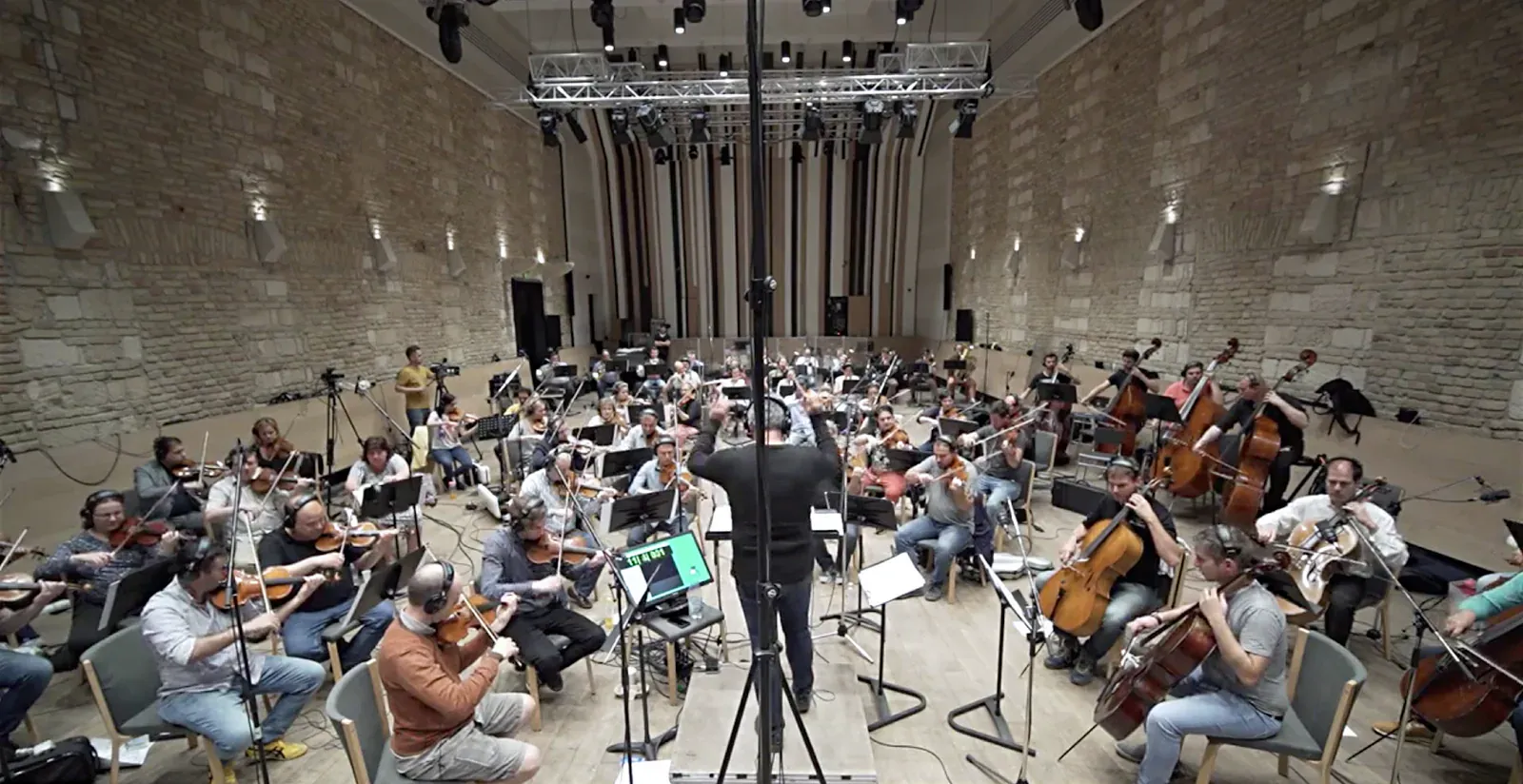
Blockbuster albums, 1977-1999
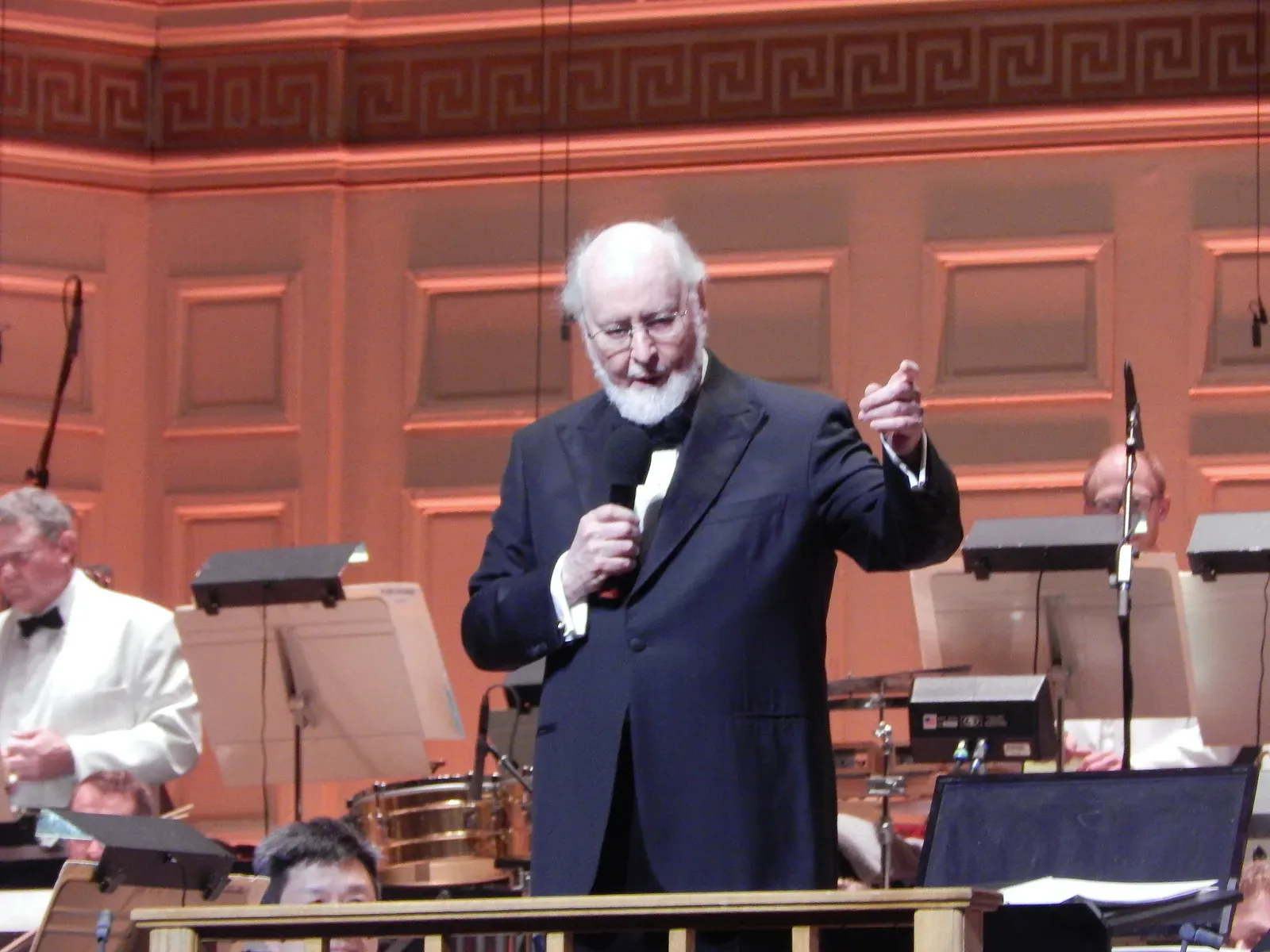
The late 1970s turned soundtrack albums into some of the biggest records in the world. John Williams’s Star Wars score, played by the London Symphony Orchestra and recorded in March 1977, came out on 20th Century Records as a double LP in June, peaked at number two on the Billboard 200 and became the best-selling symphonic album. The same autumn a disco arrangement of its theme by Meco reached number one on the US singles chart. Williams had already shown the format’s reach with Jaws in 1975, where the cues were expanded and rearranged for the MCA LP so the music held together without the picture.
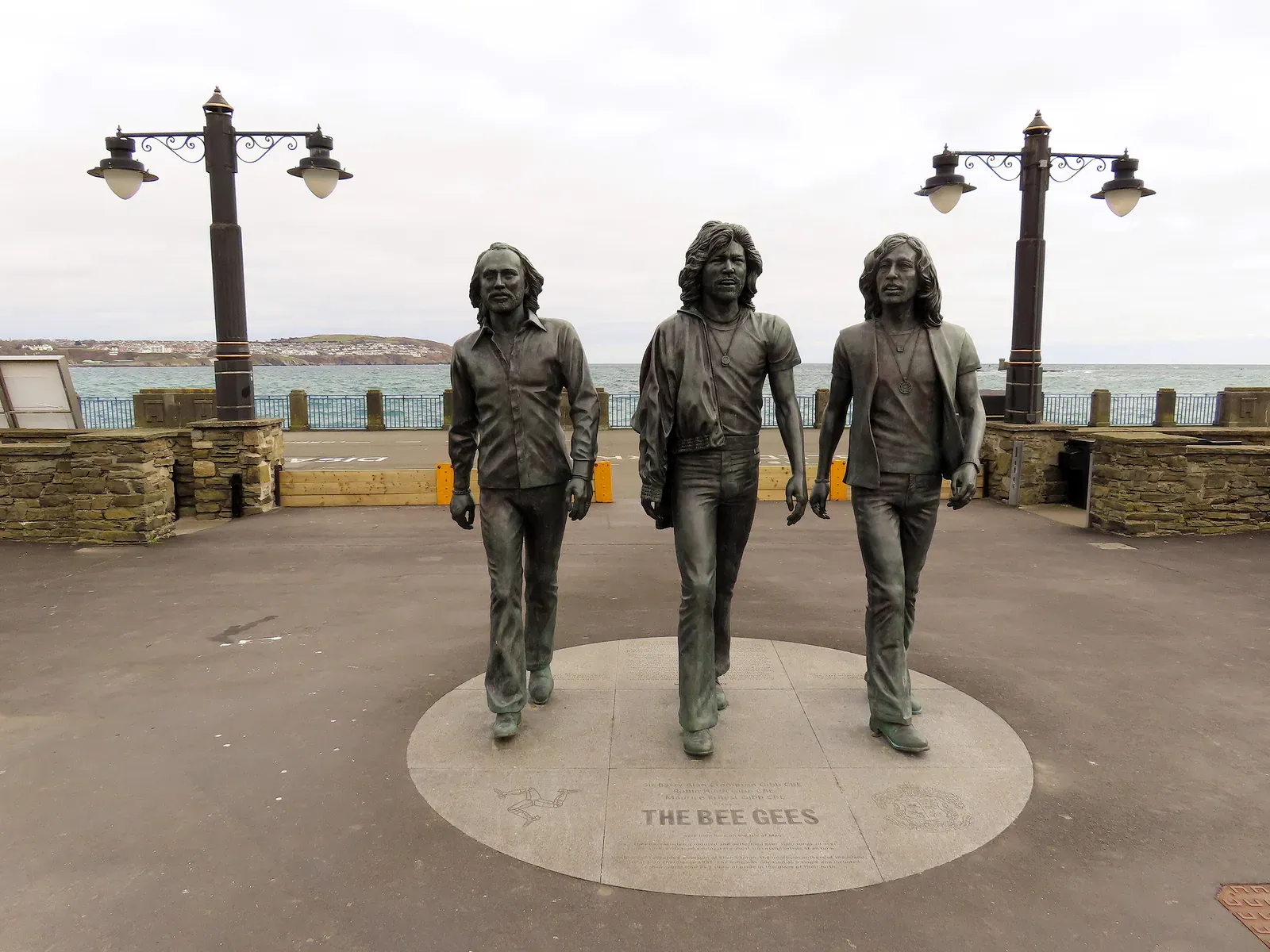
Saturday Night Fever, released by RSO Records on 15 November 1977, was the song-led counterpart. The double album held the top of the Billboard chart for 24 weeks from January 1978, produced number one singles in the Bee Gees’ How Deep Is Your Love, Stayin’ Alive and Night Fever and Yvonne Elliman’s If I Can’t Have You, and sold over 40 million copies. Until Thriller it was the best-selling album in history, and it fixed disco in the public mind on both sides of the Atlantic.
Prince’s Purple Rain, released on 25 June 1984 by Warner Bros. as the album of the film, spent 24 consecutive weeks at number one and 167 weeks on the chart, with When Doves Cry and Let’s Go Crazy both topping the Hot 100. Complaints about the lyrics of Darling Nikki fed the campaign that led to Parental Advisory labels on record sleeves. In 1992 The Bodyguard turned a film into a Whitney Houston album: Arista’s Clive Davis pressed for more songs in the script, and the record reached number one in 21 countries, stayed on top of the Billboard 200 for 20 non-consecutive weeks and sold a million copies in a single week under SoundScan, a first.
Not every success followed that formula. Pulp Fiction, released by MCA on 27 September 1994, had no commissioned score at all. Its album mixed rock, surf and soul songs with dialogue snippets from the film, left out seven songs used on screen, and peaked at number 21. Titanic, released by Sony Classical on 18 November 1997, went the other way with James Horner’s orchestral score and sold over 32 million copies, the highest total for a primarily orchestral soundtrack.
Characteristics
Three kinds of content define the format. A score album contains only the composer’s music, usually resequenced from cues. A compilation soundtrack gathers songs, whether licensed from existing records or written for the production. A third group collects music inspired by a production that never appears in it, included for promotion. Many releases mix the types: Frozen in 2013 combined eight songs by Robert Lopez and Kristen Anderson-Lopez with 22 score pieces by Christophe Beck, and listed two versions of Let It Go, one sung by Idina Menzel in the film and one by Demi Lovato over the credits.
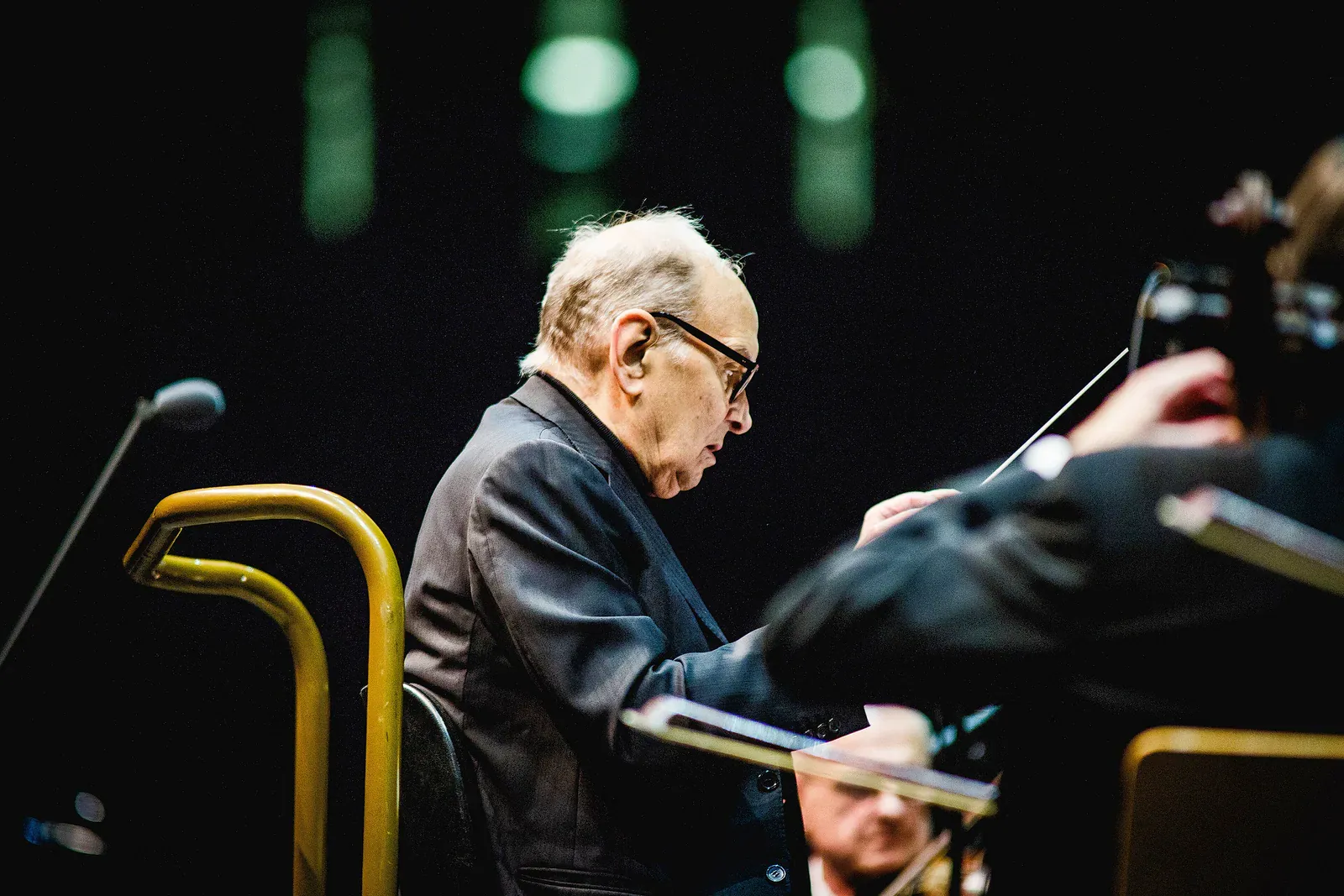
Because the content is whatever suits the production, no tempo, instrumentation or harmony marks the format. What it shares is purpose: music timed to a story, from recurring themes tied to characters to a hit single released before the film. Scores lean on leitmotif and ostinato, as in the two-note Jaws shark motif, while song albums depend on licensing and radio.
Streaming and awards, 2000 onward
The Grammys began presenting an award for compilation soundtracks in 2000, first as Best Soundtrack Album and since 2012 as Best Compilation Soundtrack for Visual Media; music supervisors became eligible in 2019. Frozen led the Billboard 200 for 13 non-consecutive weeks and was certified Diamond. In 2014 Guardians of the Galaxy: Awesome Mix Vol. 1, released by Hollywood Records on 29 July, became the first soundtrack made up entirely of previously released songs to reach number one on the Billboard 200, while a separate album carried Tyler Bates’s score.
Disney’s Encanto in 2021 showed the same reach for an animated musical. Lin-Manuel Miranda wrote eight songs rooted in Colombian styles such as vallenato, cumbia and bambuco, Germaine Franco contributed 27 score pieces, and the album was released in 44 languages besides English and Spanish. It spent nine weeks at number one, and We Don’t Talk About Bruno topped the US Hot 100 and the UK singles chart.
Legacy
Soundtrack albums gave film and television a second life in the record shop. They launched hit singles, gave film composers a public name through the albums of John Williams and Ennio Morricone, and created a market for reissues, expanded editions and vinyl pressings of old scores. Television music and video game music now use the same format.
Misconceptions
Many listeners assume a soundtrack album reproduces everything heard in the film. In practice albums are edited products: Pulp Fiction left seven of its on-screen songs off, and Jaws was rearranged by Williams for the LP, so the track order differs from the cues in the film.
A second assumption is that a soundtrack means a score. The best-selling albums of the format, Saturday Night Fever and The Bodyguard, are mostly songs, and some releases hold music that never plays on screen at all. A third is that a soundtrack is the same as a cast album. A cast recording documents a stage musical performed by its stage company; a soundtrack comes from the film or series, even when it adapts a musical, as West Side Story did.
Frequently asked questions
What was the first soundtrack album?
Disney’s Snow White and the Seven Dwarfs in 1938 is the first commercially released soundtrack album. The first album of an orchestral film score was Miklos Rozsa’s Jungle Book, released in 1942.
What is the difference between a soundtrack and a film score?
A soundtrack is the album, which may hold songs, score or both. A film score is only the original music composed for the picture. Many albums, such as Star Wars, are score albums; others, such as Saturday Night Fever, contain no score.
What is the best-selling soundtrack album?
Saturday Night Fever, released in 1977, has sold over 40 million copies. Titanic, from 1997, sold over 32 million and is the highest-selling primarily orchestral soundtrack.
Is a cast recording a soundtrack?
No. A cast recording is made by the original stage cast of a musical and is usually recorded in a studio or at a live performance. A soundtrack is taken from a film or television production, which is why the two are often confused in shops.
Sound
Sound sheet
Anatomy of a track
| # | Part |
|---|---|
| 1 | Title song or main theme |
| 2 | Songs in order of appearance |
| 3 | Score cues |
| 4 | Dialogue snippets (older LPs) |
Signature sounds
- Music tied to a production's story
- Hit single released ahead of the film
- Recurring themes for characters
Techniques
- Leitmotif
- Scoring to picture
- Ostinato
- Needle-drop licensing
Keys and modes
Tonal major and minor. Song-led albums follow popular-song harmony; scores range from tonal to modal and atonal.
Vocals
Ranges from none on pure score albums to star pop vocals and character songs.
Scenes
Where it happened
Where and when the sound lived: one bar per city on a shared timeline.
North America
Europe
Active scenes
Peak 2, 1977-2025
Home of the major studios; Snow White premiered at its Carthay Circle Theatre in December 1937.
The London Symphony Orchestra recorded the Star Wars score near the city in March 1977.
Culture
Culture markers
- Disco floor routines
Saturday Night Fever's dance scenes and album epitomized the disco phenomenon on both sides of the Atlantic.
Dance - OST
Fans' shorthand for original soundtrack, used for albums of every medium.
Slang - Parental Advisory label
Complaints about Purple Rain's Darling Nikki fed the labelling stickers now printed on album covers.
Artwork
Media
Key media
- 1977Saturday Night Fever
by John Badham. The film behind the Bee Gees' double album.
Film - 1984Purple Rain
by Albert Magnoli. The film that Prince's number one album accompanied.
Film - 2014Guardians of the Galaxy
by James Gunn. Built its story around a mixtape of 1970s songs.
Film
Glossary
Terms on this page
An album of existing or newly commissioned songs used in a production, with little or no score.
A single piece of score timed to a scene, usually the unit a score album is sequenced from.
Tracks credited to a production that never appear in it, included for promotion.
A stage musical recorded by its stage cast; often shelved beside soundtracks but a separate format.
Music composed specifically for the film, show or game, as opposed to licensed songs.
Stage and screen family