Jingle
A jingle is a short sung or instrumental tune made for advertising, built to fix a brand name in memory. The first radio jingle aired in December 1926.
United States, 1926
Stage and screen family
Born
1926
United States
Subgenres
2
Documented branches
Links
5
Genres it drew on or shaped
Tempo
85-135 BPMLineage
Family tree
Timeline
Era by era
From the first sparks to today. Select a dot to read the story behind it.
- Radio sponsorship
1926 to 1945
- Postwar boom
1946 to 1969
- Pop crossover
1970 to 1989
- Licensed songs take over
1990 to 2011
Eras
Moments
- 1 Radio sponsorship, 1926 to 1945
- 2 Postwar boom, 1946 to 1969
- 3 Pop crossover, 1970 to 1989
- 4 Licensed songs take over, 1990 to 2011
1926
Radio sponsorship
The first sung radio commercial airs in 1926 and sales prove the method. Wheaties, Pepsi-Cola and Chiquita Banana show that a tune can carry a brand name into every home.
- 1926First radio jingle for WheatiesThe first radio commercial jingle airs in December 1926 for the General Mills cereal Wheaties.
- 1929Wheaties sales prove the jingleA sales spike where the song aired, the Twin Cities, led General Mills to buy national airtime instead of dropping the cereal.
- 1937Aeroplane Jelly jingle recordedAn Australian jingle voiced by five-year-old Joy King, later played over 100 times a day on radio in the 1940s.
- 1939Pepsi-Cola Hits the SpotA radio jingle set to the old hunting tune D'ye ken John Peel.
- 1944Chiquita Banana jingleWritten for the United Fruit Company and sung by Patti Clayton; later aired thousands of times a week on radio.
around 1946
Postwar boom
The jingle peaks around the 1950s economic boom, moving to television and selling cereals, sodas, tobacco and beer. Mail-in contests let the public write them.
- 1955Mail-in jingle contestsCompanies outsource jingle writing to the public through contests, with proof of purchase required for entry.
- 1963Oscar Mayer Wiener SongRichard Trentlage's contest entry is selected in 1963 and runs in advertising until 2010.
- 1966Steve Karmen enters jinglesKarmen writes a Girl Scouts commercial and goes on to write more than 2,000 jingles.
1970
Pop crossover
Jingles are written by working songwriters and recorded by pop acts. Ad songs such as We've Only Just Begun and the Hilltop Coca-Cola song become hit singles.
- 1970Bank ad becomes a pop hitThe song written for a California bank commercial is recorded by Carpenters and reaches No. 2 on the Billboard Hot 100.
- 1971Hilltop Coca-Cola adI'd Like to Buy the World a Coke is re-recorded without Coke references and becomes a hit for the New Seekers and the Hillside Singers.
- 1971Like a Good Neighbor, State Farm Is ThereBarry Manilow writes the State Farm jingle, used in some form ever since.
- 1977I Love New YorkKarmen writes the tourism campaign song; New York State adopts it as its state song in 1980.
around 1990
Licensed songs take over
Advertisers shift to older and recent pop songs. A sample of US national commercials shows 153 jingles in 1998 and only 8 in 2011.
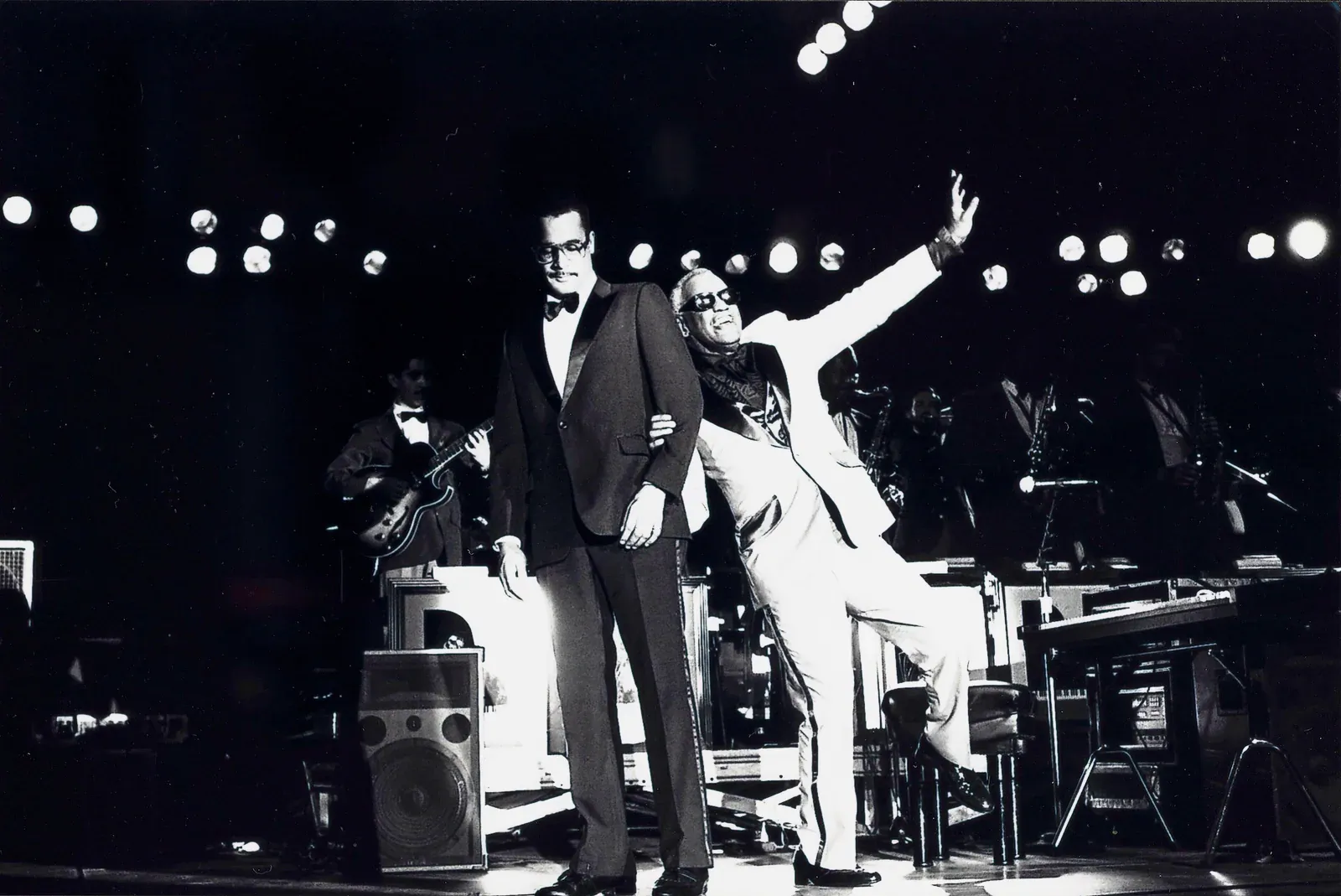
- 1991Ray Charles for Diet PepsiThe You Got the Right One, Baby, Uh-Huh campaign puts a soul star in a jingle and is named Campaign of the Year.
- 2011Jingles all but vanish from national adsJingles fall from 153 of 1,279 national US commercials in 1998 to 8 of 306 in 2011.
Listening path
Start listening
A short path from an easy way in to the deep end. Thumbnails come from YouTube; the player loads only when you press play.
- 01
Carpenters, 1970
A song written for a bank commercial that became a hit single.
- 02
The New Seekers, 1971
The full-length hit version of the Hilltop Coca-Cola jingle.
Facts
| Family | Stage and screen |
| Origin | United States |
| Emerged | 1926 onward |
| Status | Historical |
| Tempo | 85 to 135 BPM |
| Meter | 4/4 |
| Subgenres | 2 |
A jingle is a short song or tune written for advertising, with one or more hooks that promote a product or service, usually through a slogan. The form began on United States radio in December 1926 with a spot for Wheaties cereal and peaked in the 1950s.
It all but disappeared from national American commercials after the 1990s, when licensed pop songs replaced it. It belongs to the wider world of stage and screen music and is a close relative of television music.
Origins
Radio in the 1920s was mostly a medium for entertainment, and the dominant network, NBC, tried to keep direct advertising off the air. A song could get around that: it named the product inside what sounded like programming. The first radio commercial jingle, “Have You Tried Wheaties?”, aired in December 1926. General Mills had considered ending Wheaties production in 1929 because of poor sales. Then the song ran in the Minneapolis and St. Paul market, where 40,000 of 53,000 cases sold went, and the advertising manager noticed that this was the only place it aired. The company bought national airtime, and the cereal became a national brand.
Other advertisers followed. A sung slogan could place a brand name in a listener’s head without fitting the usual definition of an advertisement, and the rise of the jingle is often treated as a milestone in the development of modern marketing.
Radio sponsorship, 1926-1945
Local and national brands alike commissioned tunes. In 1939 a Pepsi-Cola jingle went on the air to the tune of the old English hunting song “D’ye ken John Peel”. In 1944 the United Fruit Company introduced “Chiquita Banana”, sung by Patti Clayton, which was aired thousands of times a week by 1945. Australia produced its own long-running example: the Aeroplane Jelly jingle was recorded in 1937 with the voice of five-year-old Joy King, and some stations played it more than 100 times a day in the 1940s. The recording was added to the National Film and Sound Archive’s Sounds of Australia registry in 2008.
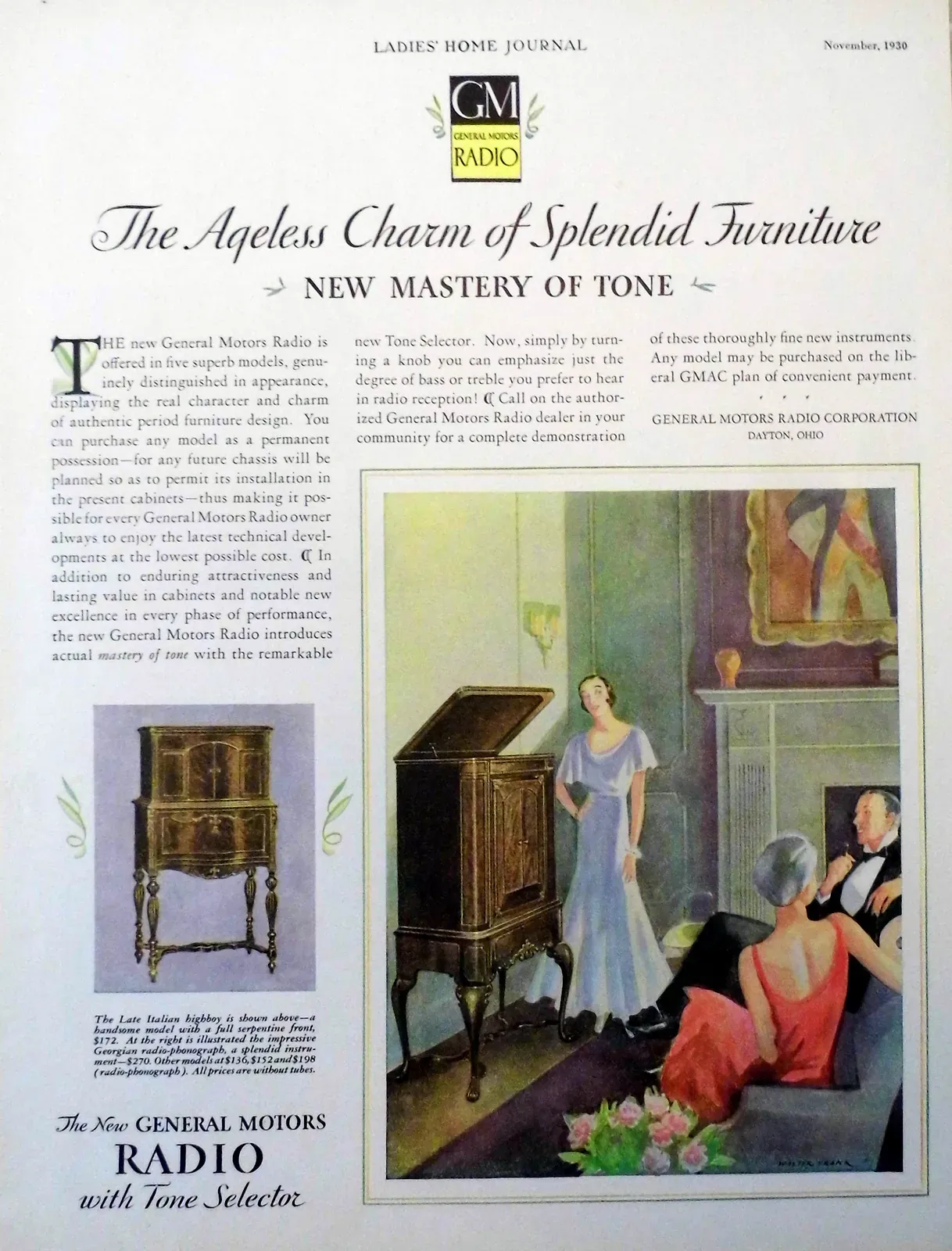
The postwar boom, 1946-1969
The art of the jingle peaked around the economic boom of the 1950s. Breakfast cereals, candy, snacks, soda, tobacco and beer were sold with songs, and so were cars, deodorants, mouthwash, shampoo, toothpaste and detergent. Television brought pictures to the tune but did not displace it.
Many small companies handed the writing to the public. In the 1950s, and less so in the 1960s, mail-in contests asked for entries accompanied by proof of purchase, and winners took home prizes such as a car or a supply of soap. A small but notable group of American housewives made a side income from them, and one, Evelyn Ryan of Defiance, Ohio, supported her family of twelve this way.
Professionals worked beside the amateurs. In 1962 the Chicago writer Richard Trentlage heard that Oscar Mayer was holding a contest and wrote “Oh, I wish I were an Oscar Mayer wiener” the day before the deadline. He recorded the demo with his banjo ukulele, his wife on standup bass and his two children singing. The company picked it in 1963, and it ran in advertising until 2010.
Characteristics
A jingle is short, usually built for a 30-second or shorter slot, and it carries the brand name or slogan in its most memorable phrase. The slogan repeats so it sticks after one hearing, and the tune stays within an ordinary singing range. The same piece is edited to several lengths so it fits different ad slots. Station identification works the same way: a radio jingle is recorded in a studio by session singers, with the station name and frequency set to music, and sent to stations in several time variations to be edited locally before it is aired between songs or around commercial breaks. Television stations later built their own audio signatures, such as the melodic motifs of Channel 4 and the BBC One idents.
Instruments and production
Jingles used whatever fit the budget: a few session singers, a rhythm section, a piano, sometimes a full band or orchestra. The Oscar Mayer demo was recorded with a banjo ukulele and a standup bass, and the 1991 Diet Pepsi commercials put Ray Charles at the piano. The sound is meant to be clean and forward, with vocals clear enough that the brand name is never lost.
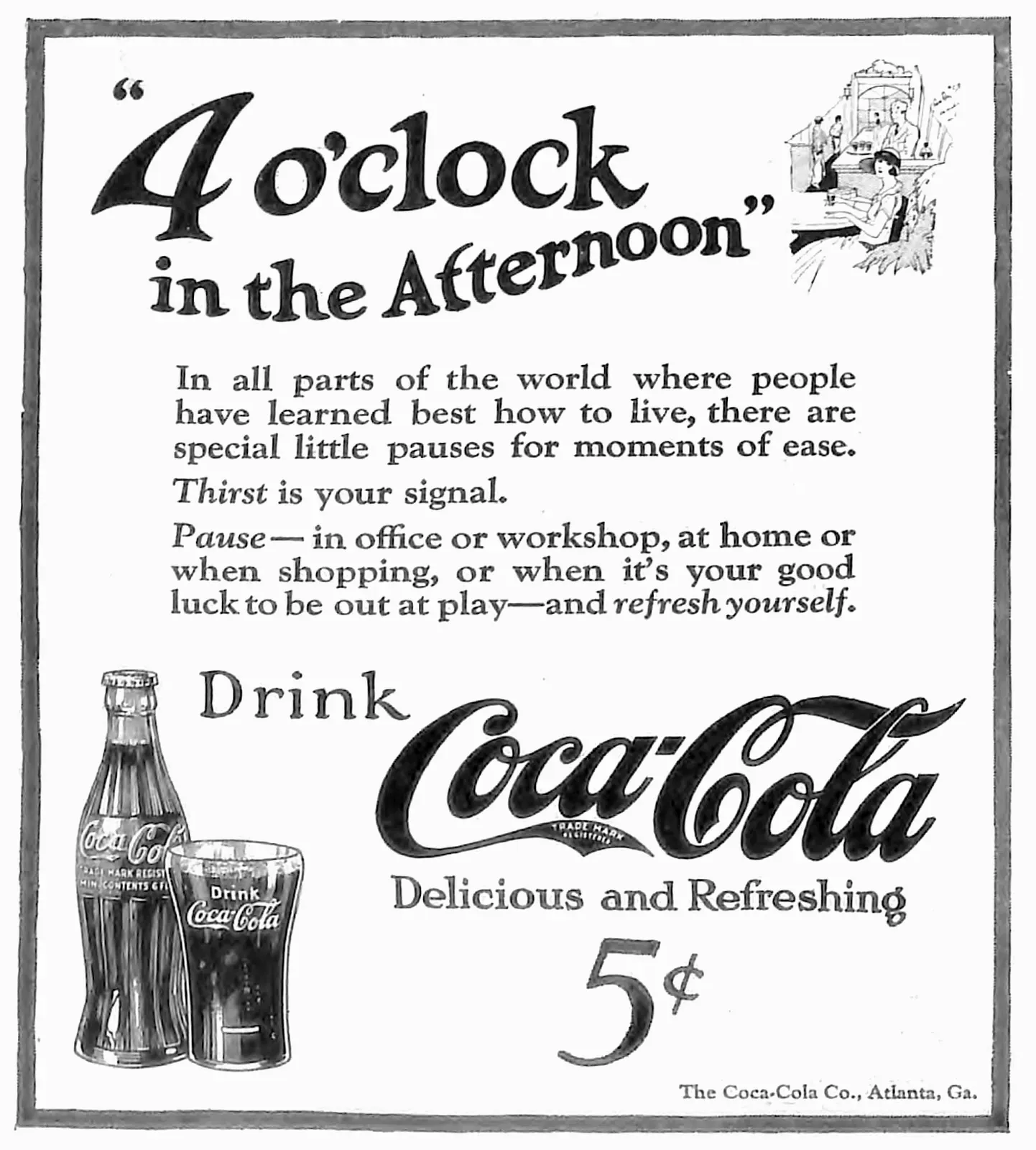
Mainstream success
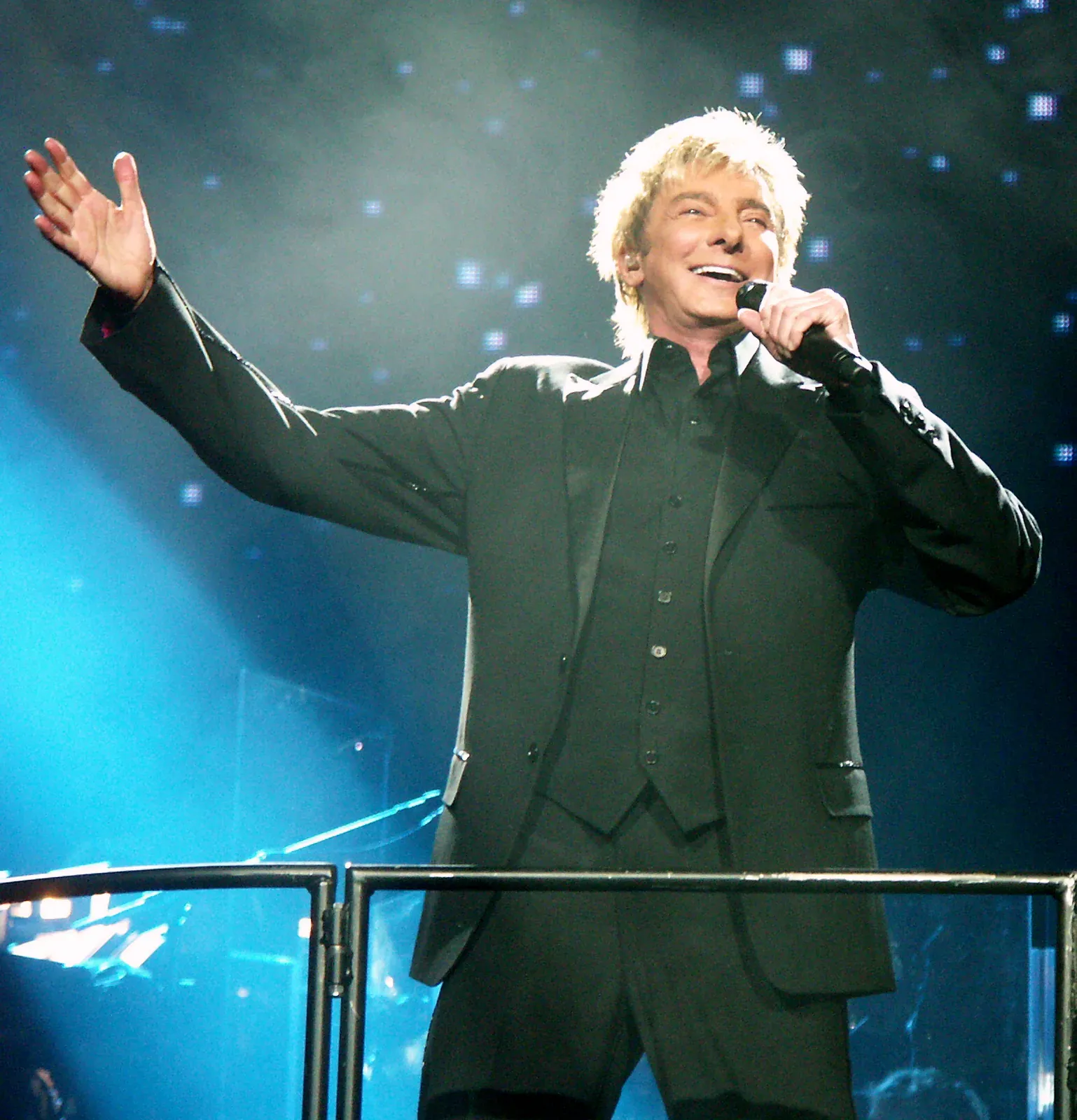
For decades the jingle was the main sound of American commerce, and writers made careers from it. Steve Karmen, a Bronx-born composer, wrote his first commercial, for the Girl Scouts, in 1966 and went on to write more than 2,000 jingles, including “I Love New York” in 1977. He gave that song to New York State for free, and in 1980 it was declared the state’s anthem. Barry Manilow, before his own hits, wrote “Like a Good Neighbor, State Farm Is There”, in use in some form since 1971.
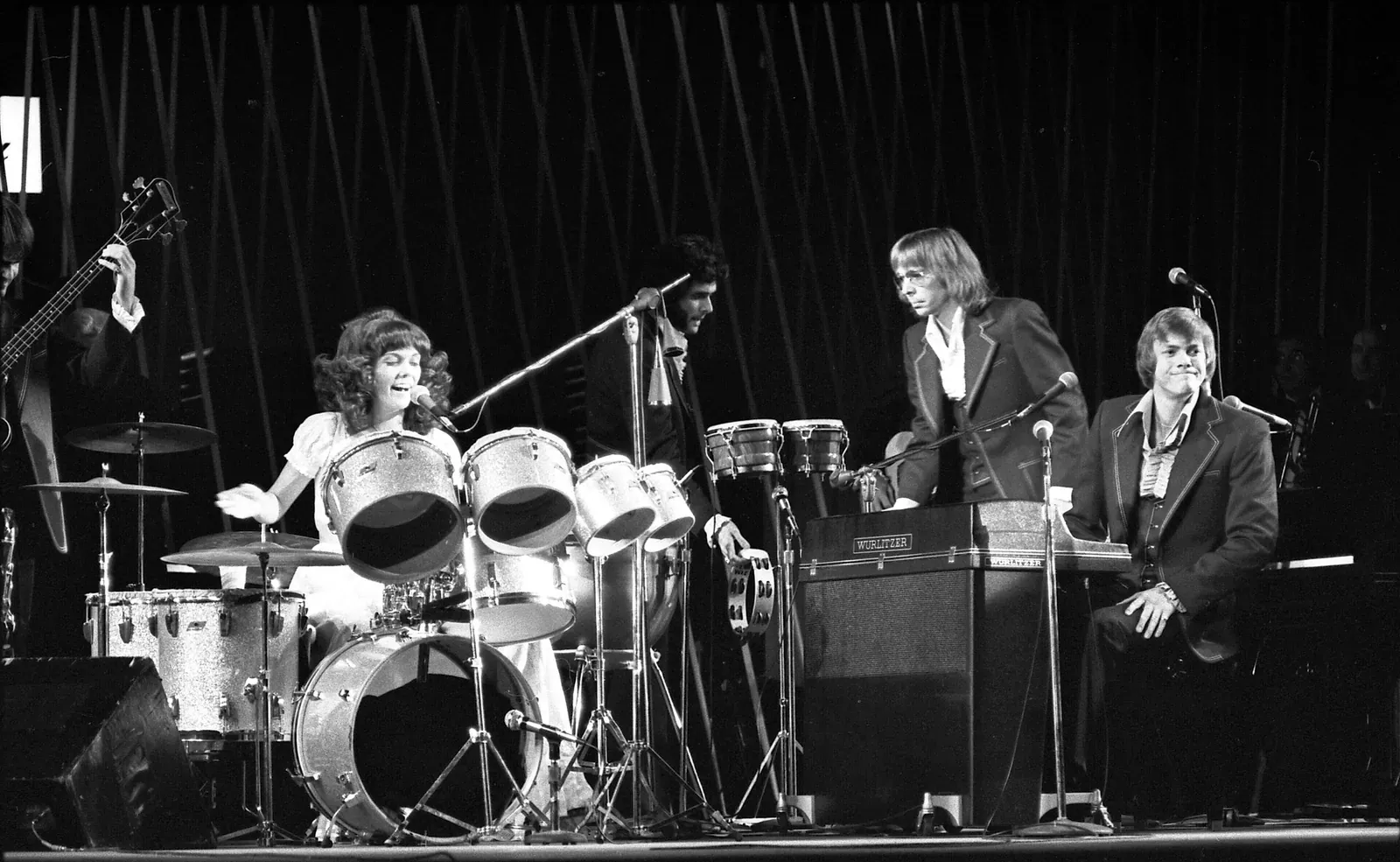
The line between jingle and pop song also blurred. A California bank commercial in 1970 used a song by Paul Williams and Roger Nichols that Richard Carpenter heard on television and had his sister Karen sing; “We’ve Only Just Begun” reached number two on the Billboard Hot 100. In 1971 the Coca-Cola “Hilltop” commercial turned “I’d Like to Buy the World a Coke”, written by Roger Cook, Roger Greenaway, Bill Backer and Billy Davis, into a pop single once the Coke references were taken out. The Hillside Singers’ version reached number 13 in the United States, and the New Seekers’ version reached number one in the United Kingdom and number seven in the United States.
In 1991 Diet Pepsi built a campaign around Ray Charles and the line “You got the right one, baby, uh-huh”, which a leading magazine named campaign of the year. It was one of the last big jingle campaigns of its kind.
The decline
In the United States, a sample of national commercials counted 153 jingles in 1998 and only eight in 2011. Advertisers moved to a mixture of older and recent pop songs, which brought instant recognition without the cost of commissioning a new tune. Sound branding itself did not go away: it narrowed into brief sonic logos and station idents, and the Hilltop commercial found new life in the 2015 finale of the television drama Mad Men.
Culture
Jingles became a shared memory. They were played hundreds of times, hummed by children and parodied. Top 40 radio uses parody jingles for countdown shows and other branding. The book The Prize Winner of Defiance, Ohio, by Terri Ryan, recounts her mother’s career writing contest jingles. Steve Karmen’s memoir, Me and Bobby D, published in 2003, tells of his friendship with Bobby Darin and his own path from calypso singer to jingle writer.
Legacy
The jingle left several descendants. The radio station jingle package and the sonic logo, the very brief instrumental or vocal signature of a brand or broadcaster, both come from it, while library music, catalogued for licensing to media, serves a related purpose without lyrics. Songwriters who learned their craft writing 30-second songs, such as Barry Manilow, took the discipline of the hook into pop.
Misconceptions
One belief is that jingles began with television. They began on radio: the first one aired in December 1926. A second holds that Prince wrote the Diet Pepsi song. It was written by the brand’s creative director Alfred Merrin and the jingle writer Peter Cofield, and Prince later sampled Ray Charles from the commercial in a recording of his own. A third says the Carpenters wrote “We’ve Only Just Begun”. Paul Williams and Roger Nichols wrote it for a bank commercial, and Richard Carpenter heard it on television and chose to record it.
Frequently asked questions
What was the first jingle?
The first radio commercial jingle was “Have You Tried Wheaties?”, which aired in December 1926 for the General Mills cereal Wheaties.
What makes a jingle different from a song?
A jingle is short and built to promote a product, with a hook and a slogan that name the brand. A song written for a commercial can become a full-length song, as “We’ve Only Just Begun” did in 1970, but the jingle itself is the short version made to sell.
Who wrote the Oscar Mayer jingle?
Richard Trentlage, a Chicago jingle writer, wrote it for a contest in 1962. Oscar Mayer selected it in 1963 and used it in advertising until 2010.
Why are there fewer jingles today?
Advertisers in the United States replaced them with licensed popular songs. A sample of national commercials showed 153 jingles in 1998 and eight in 2011.
Sound
Sound sheet
Anatomy of a track
| # | Part |
|---|---|
| 1 | Hook with product name |
| 2 | Sung slogan |
| 3 | Closing tag |
Signature sounds
- Brand name sung in the hook
- Repeated slogan
- Cuts in several lengths for different ad slots
Techniques
- Product name in the hook
- Repeated slogan
- Multiple time cuts
Keys and modes
Major keys. Bright, singable hooks that sit easily in voice range.
Vocals
Session singers or children in unison or close harmony, with the brand name sung clearly.
Scenes
Where it happened
Where and when the sound lived: one bar per city on a shared timeline.
North America
Europe
Active scenes
Peak 4, 1971-2025
The Twin Cities market where the Wheaties jingle first aired and sales jumped.
Home of the big agencies and of writers such as Steve Karmen, who was born in the Bronx.
Trentlage's Oscar Mayer jingle was recorded here, and his firm Adver/Sonic Productions worked in the city.
Songwriters Roger Cook and Roger Greenaway and the New Seekers turned the Coca-Cola Hilltop song into a hit.
Culture
Culture markers
- Mail-in jingle contests
In the 1950s and 1960s companies collected entries with proof of purchase and awarded prizes to the winning writers.
Ritual
Media
Key media
- 2003Me and Bobby D
by Steve Karmen. Memoir of the jingle writer and his friendship with Bobby Darin.
Book
Glossary
Terms on this page
A radio jingle element supplied in several time lengths for local stations to edit.
The memorable melodic or lyrical phrase meant to fix the brand in the listener's head.
A short song or tune for advertising, with hooks that promote a product or service, usually through a slogan.
The short promotional phrase a jingle repeats, such as Like a good neighbor.
The use of music and sound to identify a brand; jingles are one form.
A musical or sung identification of a radio or television station, also called an ident.
Stage and screen family