Luk thung
Luk thung is Thai country music that emerged after World War II, pairing rural-life lyrics and vibrato singing with brass, electronics, khaen and phin.
Thailand, 1903
Southeast Asian family
Born
1903
Thailand
Links
7
Genres it drew on or shaped
Tempo
90-150 BPMLineage
Family tree
Timeline
Era by era
From the first sparks to today. Select a dot to read the story behind it.
- Thai sakon and ramwong
1903 to 1944
- First generation and golden age
1945 to 1969
- Musical films
1970 to 1984
- Electronic luk thung and concerts
1985 to today
Eras
Moments
- 1 Thai sakon and ramwong, 1903 to 1944
- 2 First generation and golden age, 1945 to 1969
- 3 Musical films, 1970 to 1984
- 4 Electronic luk thung and concerts, 1985 to today
1903
Thai sakon and ramwong
Western-style Thai song (phleng Thai sakon) grows from the royal court, the first luk thung record appears in 1938, and the state sponsors ramwong circle dances in 1944.
- 1903First Thai sakon songWaltz Pleumchit is recorded as the first Thai sakon song, the Western-influenced style luk thung grew from.
- 1938Mae Sao Chao Rai on radioWritten by Hem Vejakorn for Kamron Samboonnanon, it is counted as the first recording considered luk thung.
- 1939Eua Sunthornsanan forms the Suntharaporn bandThe first Thai sakon band, drawn from classically trained musicians who had lost royal posts.
- 1944Ramwong standard dances issuedThe Fine Arts Department issues ten circle dances to compete with Western dance music.
1945
First generation and golden age
Phleng talat and phleng chiwit songs spread through temple markets, Suraphol Sombatcharoen sets the template, and television gives the music its name in 1964.
- 1954Nam Ta Lao WiengSuraphol Sombatcharoen's first hit marks the emergence of luk thung.
- 1964The name luk thung is coined on televisionChamnong Rangsikul's Channel 4 show Phleng Luk Thung gives the genre its name and starts a run of similar shows.
- 1966First Royal Golden Disk for a luk thung artistSomyot Thassanaphan wins with Chor Tip Ruang Tong, composed by Payong Mookda.
- 1968Suraphol Sombatcharoen is shot deadHe is killed after a show in Nakhon Pathom; the motive remains unknown.
1970
Musical films
Monrak Luk Thung in 1970 starts a run of luk thung films that makes stars of singers such as Sangthong Seesai, while many songs attack government corruption.
- 1970Monrak Luk Thung filmThe Rangsi Thatnopyak film with Mitr Chaibancha and Petchara Chaowarat spreads the music nationwide and sparks a wave of luk thung films.
- 1984Death of Sangthong SeesaiThe hit singer of the film era dies in a road accident whose circumstances remain disputed.
1985
Electronic luk thung and concerts
Pumpuang Duangjan builds a dance-ready electronic style, haang kreuang dancers become standard on stage, and later stars carry the sound onto YouTube.
- 1985Hue Hue! Lor JangPumpuang Duangjan's album from the years she pioneered electronic luk thung.
- 1992Death of Pumpuang DuangjanThe Queen of Luk Thung dies of lupus at 30, and the illness becomes known in Thailand as Pumpuang's disease.
- 2001Monrak TransistorPen-Ek Ratanaruang's film uses Suraphol Sombatcharoen's Mai Luem and returns luk thung to the screen.
- 2006Takkatan Chollada joins Grammy GoldThe GMM Grammy affiliate signs a new generation of female luk thung stars.
- 2018Google Doodle for Pumpuang DuangjanThailand marks what would have been her 57th birthday with a Doodle.
Listening path
Start listening
A short path from an easy way in to the deep end. Thumbnails come from YouTube; the player loads only when you press play.
- 01
Pumpuang Duangjan (Phumphuang Duangchan), 1985
Track from the album Hue Hue! Lor Jang, where her electronic, dance-ready luk thung took shape.
- 02
Takkatan Chollada, 2022
Official video showing the modern Grammy Gold production style, with dancers and a driving beat.
- 03
Takkatan Chollada, 2023
A mid-tempo luk thung ballad from a leading present-day voice.
- 04
Takkatan Chollada, 2024
Recent official video showing how the genre sounds and looks today.
Facts
| Family | Southeast Asian |
| Origin | Thailand |
| Emerged | Post-WWII |
| Status | Active |
| Tempo | 90 to 150 BPM |
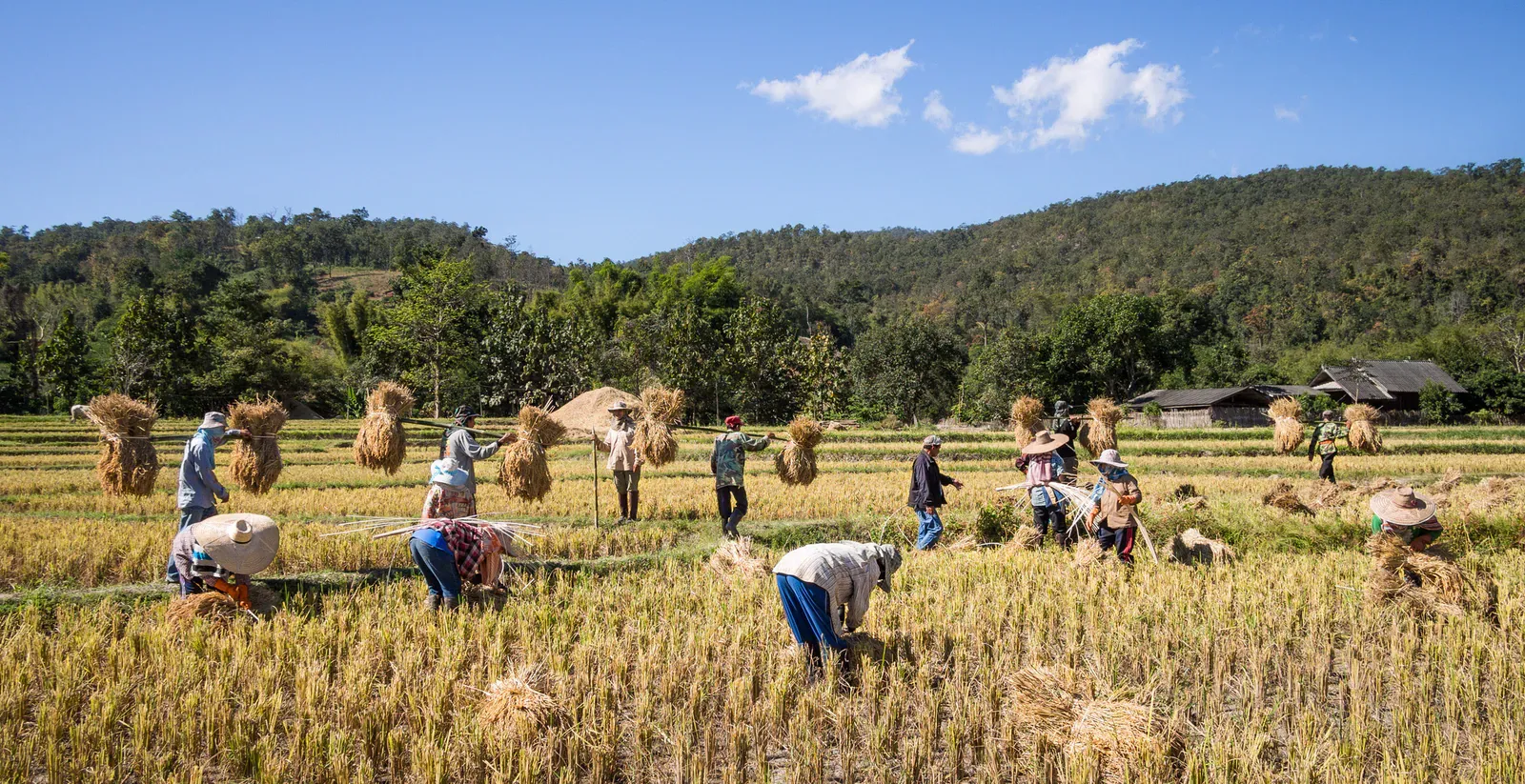
Luk thung (Thai for “child of the field”) is a genre of Thai popular music that emerged in central Thailand after World War II.
It sets poetic lyrics about rural life, love and social conditions to vibrato-heavy singing in a country accent, accompanied by Western brass and electronic instruments alongside Thai instruments such as the khaen and phin. Part of the Southeast Asian family, it grew out of Western-influenced Thai song and drew heavily on mor lam and the northeastern Isan language.
Origins
Luk thung descends from phleng Thai sakon, a style that took on Western orchestral and electronic characteristics from the reign of King Rama IV onward. Waltz Pleumchit, recorded in 1903, is counted as the first Thai sakon song. In 1939 Eua Sunthornsanan formed the first Thai sakon band, Suntharaporn, from classically trained musicians who had lost royal posts after the 1932 coup. During Plaek Phibunsongkhram’s government the style became a vehicle for the state’s modernization message.
A second root was the ramwong, a circle dance and song form. In 1944 the Fine Arts Department issued ten standard ramwong dances to compete with Western dance music, and the fashion brought northeastern performers, among them singers born in Ubon and Roi Et, into the Thai music industry. That opened the way for the heavy northeastern influence that shaped luk thung when it emerged.
The first recording considered luk thung is Mae Sao Chao Rai, written by Hem Vejakorn for Kamron Samboonnanon in 1938 as part of a radio drama. After the war, the new style split into rural luk thung and urban luk krung, the “child of the city”. Its earliest names were phleng talat, “market music” popular at temple markets and festivals, and phleng chiwit, “life music” about people’s circumstances.
First generation and golden age, 1945-1969
Suphan Buri province became the center of the music and produced many of its major artists. Suraphol Sombatcharoen, born there, had his first hit in 1954 with Nam Ta Lao Wieng, a song that marks the emergence of the genre. He composed more than 100 songs, including Sao Suan Taeng, Mong and Khong Plom, and earned the title King of Luk Thung. His best-known late song, Siphok Pi Haeng Khwam Lang, is about the end of a 16-year marriage, and the figure of sixteen years has since taken on numerological meaning for many Thais. He was shot dead after a performance in Nakhon Pathom in 1968, and the motive has never been established.
The name luk thung dates only from 1964. Chamnong Rangsikul’s television show, first called Phleng Chao Baan and then renamed Phleng Luk Thung on Channel 4, gave the genre its label. The show won a wide audience, started a run of similar programs and sent the number of new artists and songs climbing. In 1966 Somyot Thassanaphan became the first luk thung artist to win the Royal Golden Disk Award, for Chor Tip Ruang Tong, composed by Payong Mookda.
Musical films, 1970-1984
In 1970 the film Monrak Luk Thung, directed by Rangsi Thatnopyak and starring Mitr Chaibancha and Petchara Chaowarat, popularized the music across the country. A wave of luk thung musicals followed, including Mae Sri Phai and Thung Setti, and it gave openings to a new group of artists. Sangthong Seesai, who appeared in the film Tone, recorded energetic, fast-paced songs such as Lung Sang Thong. He died in a road accident in 1984, and the circumstances remain a matter of speculation.
Under Thanom Kittikachorn’s government many songs turned against official corruption. Buppha Saichol drew attention with Yom Mabarn Jao Ka, a song that took an opposing view of the government, and became one of the most successful singers of the period. Yodrak Salakjai, a police corporal who built a parallel career as a singer and actor from the early 1970s, was another leading male voice of these years.
Electronic luk thung and concerts, 1985 to present
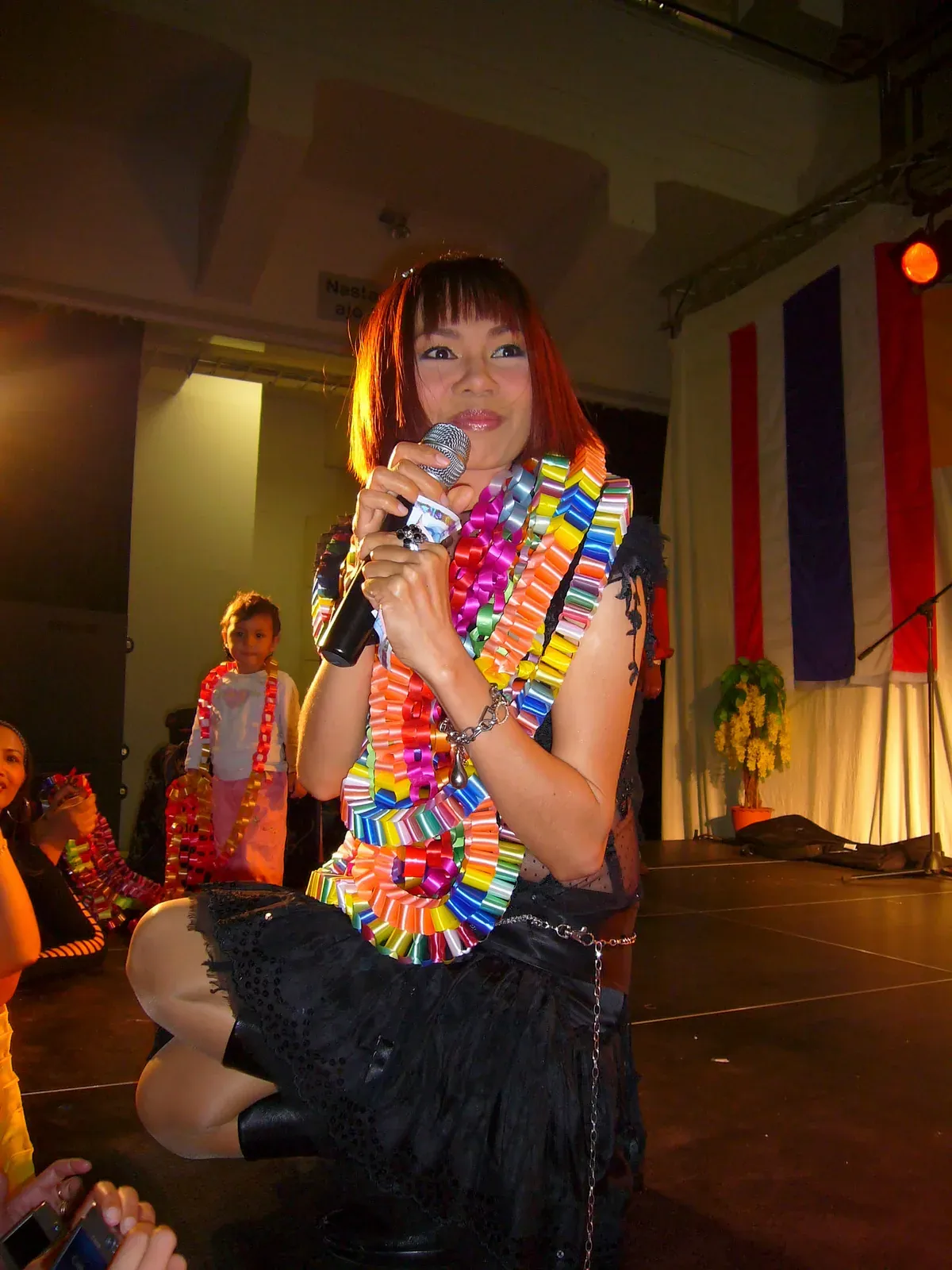
Pumpuang Duangjan, who became known as the Queen of Luk Thung, turned the music toward the dance floor. The daughter of poor farmers from Suphan Buri, she had two years of schooling and cut sugar cane before a visiting band led by Waiphot Phetsuphan noticed her at 15. She added string music to luk thung to produce what is called electronic luk thung, and albums such as Hue Hue! Lor Jang in 1985 and Pumpuang ’31 in 1988 were central to the sound of the decade. Lupus ended her life at 30 in 1992, and the disease is colloquially known in Thailand as Pumpuang’s disease.
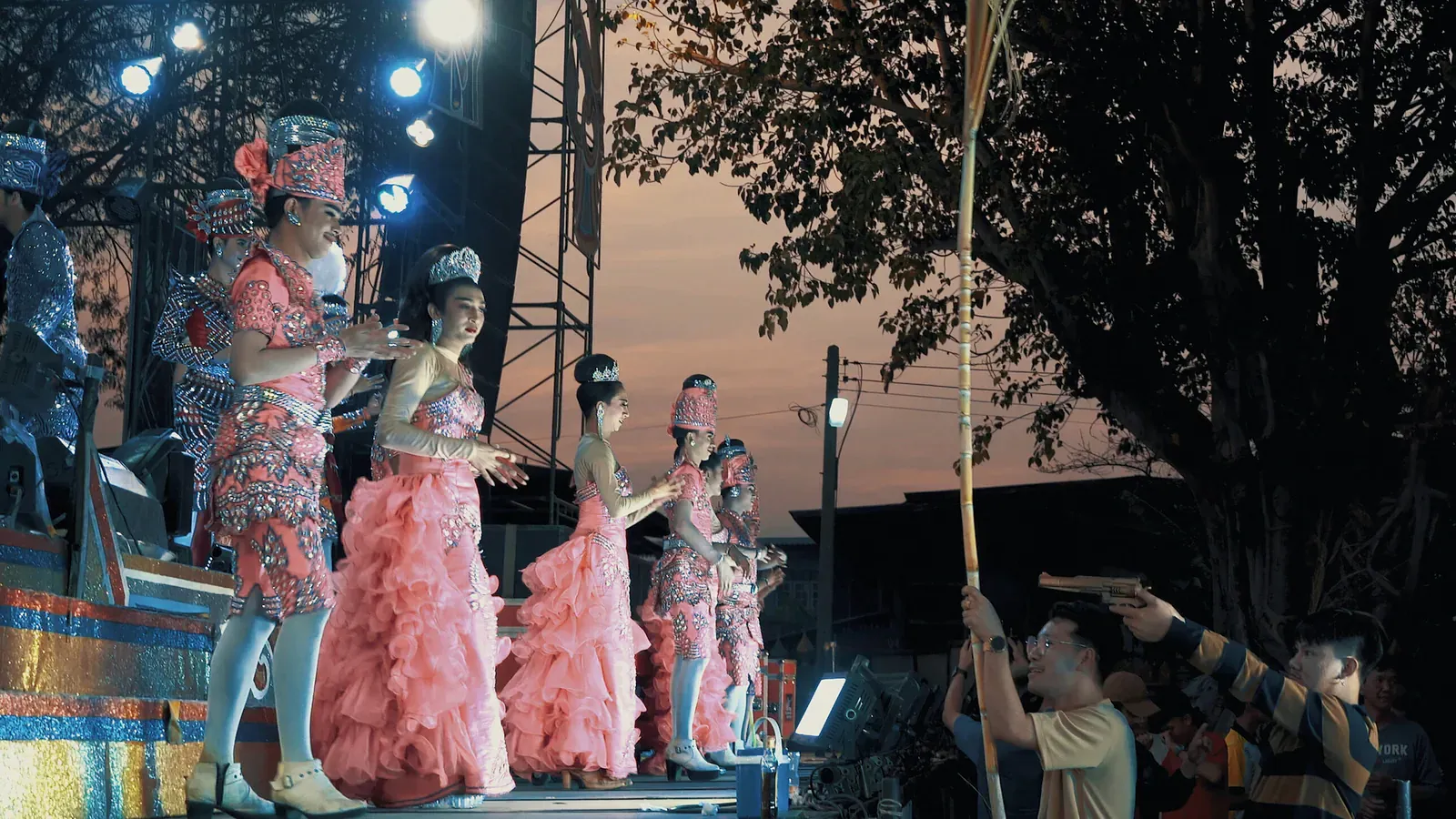
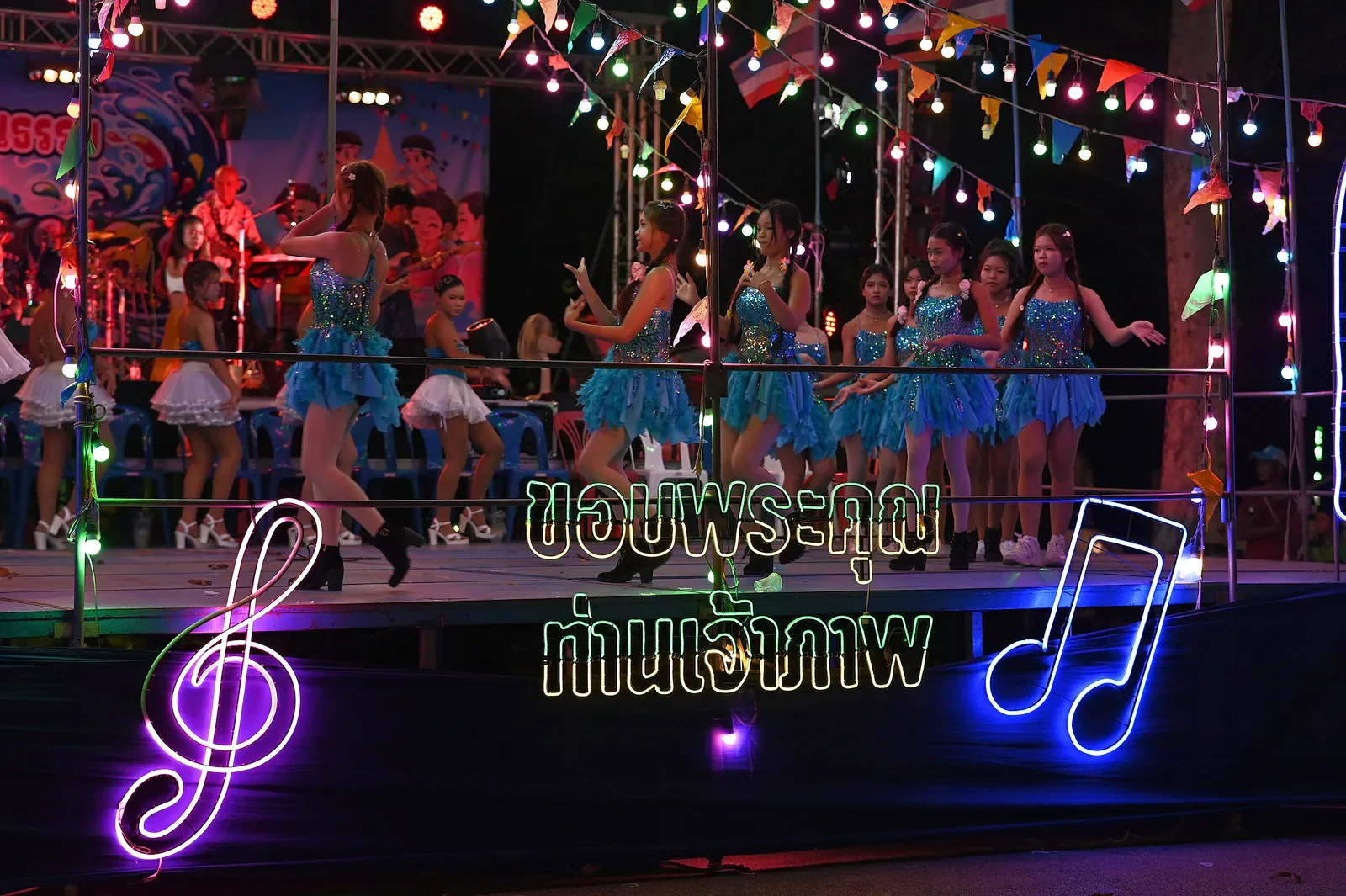
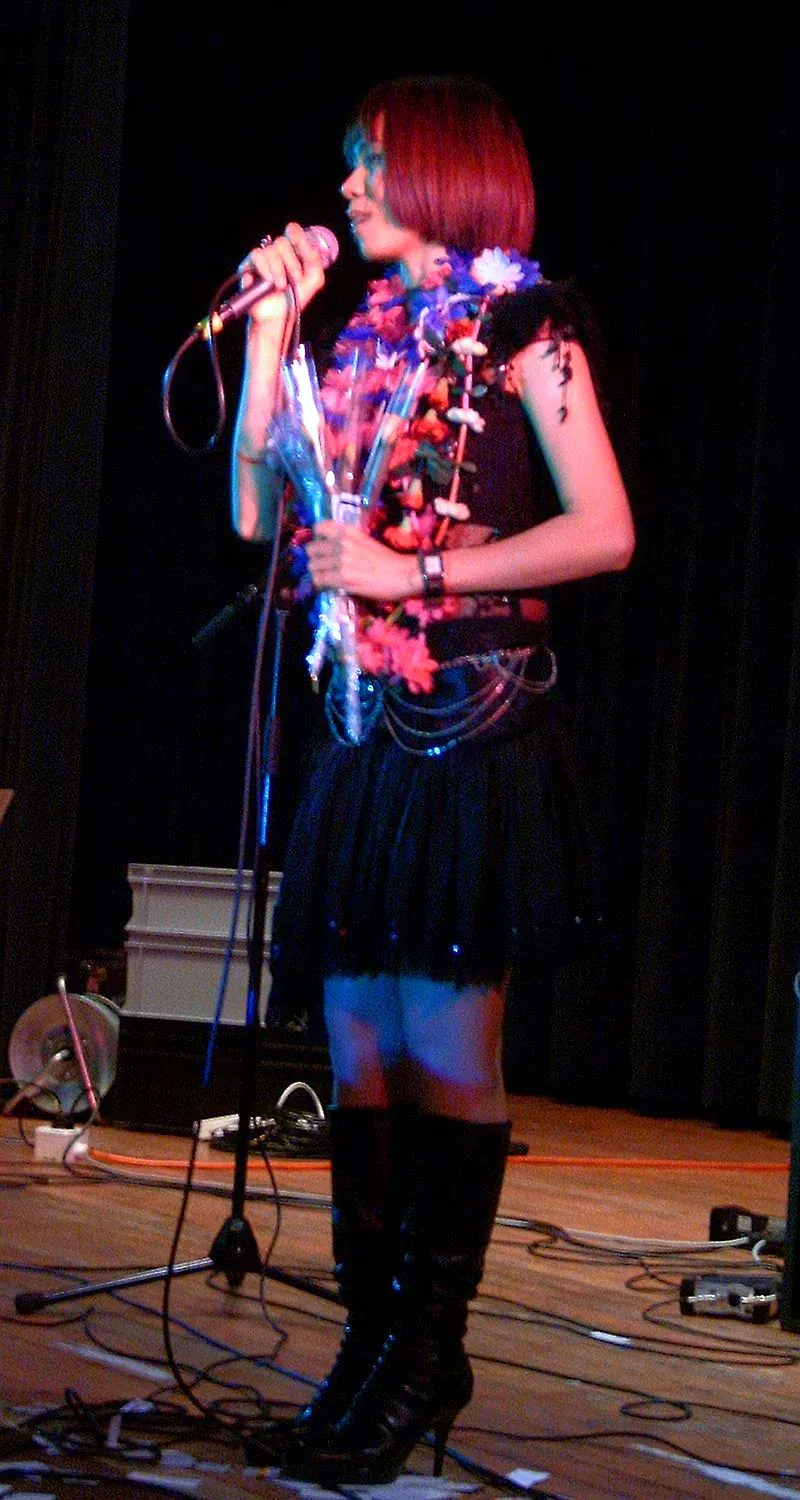
Concerts changed with her. Groups of backup dancers in elaborate Western-influenced costumes, known as haang kreuang, are now an essential part of live luk thung shows. Later stars include Monsit Khamsoi, Jintara Poonlarp and Tai Orathai, and Takkatan Chollada joined the Grammy Gold label in 2006.
Characteristics
The lyrics draw on rural poverty, romantic love, the beauty of the countryside, religious belief, traditional culture and political crisis. Singers deliver them in a distinctive country accent, often in Isan, and make common use of vibrato. Songs are harmonized with Western instruments, mostly brass and electronic keyboards, with the khaen and phin added for local color. Lyrics are poetic and tell stories, more like a ballad than a pop hook, though dance-oriented tracks use faster, more insistent beats.
Instruments and production
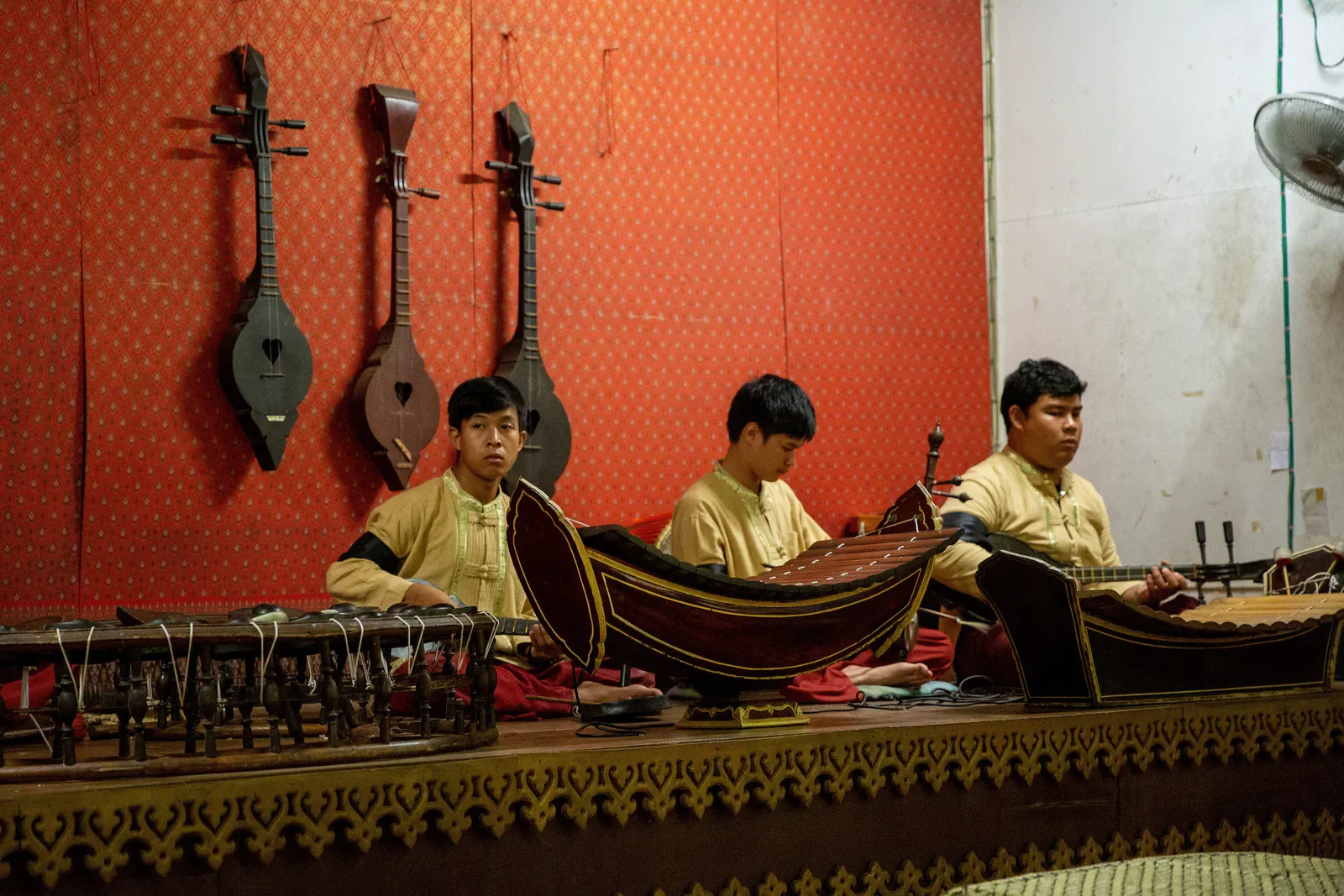
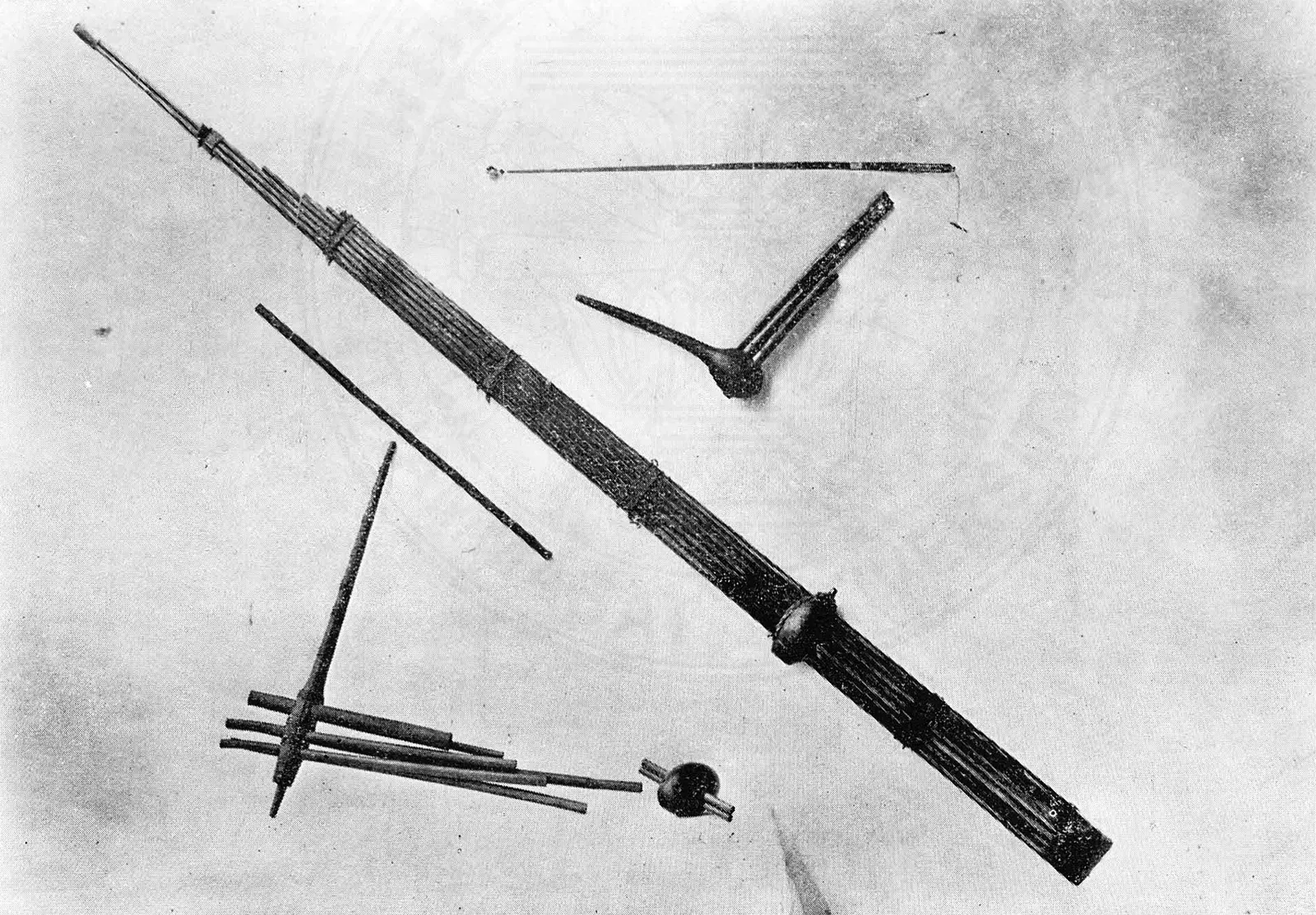
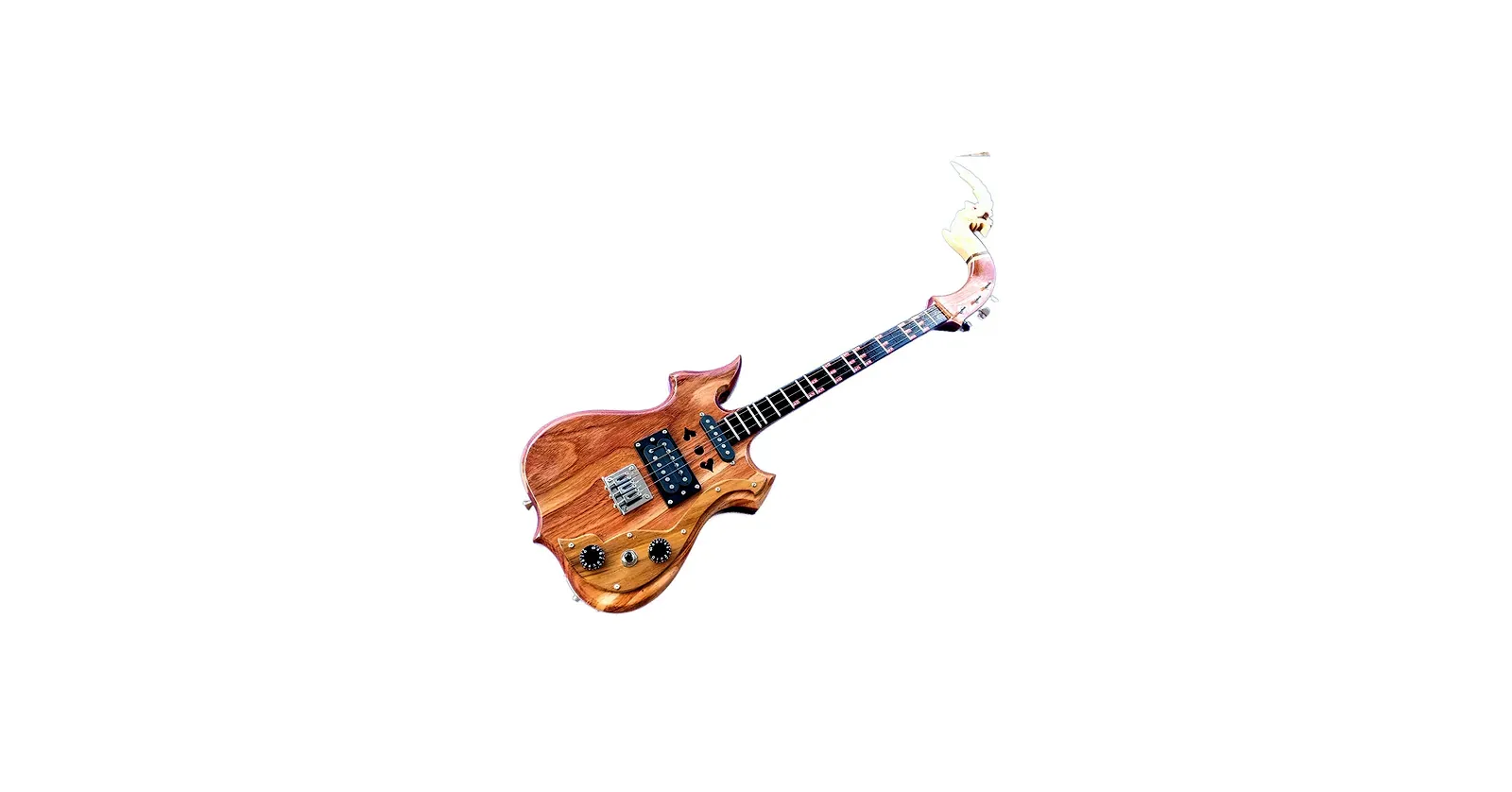
The classic luk thung sound sits between a Thai-language vocal line and a Western dance-band arrangement. A brass section and electronic instruments carry the harmony, and the phin, a three-string Isan lute, appears in an electric form. The khaen, a free-reed mouth organ, is the most recognizable northeastern sound.
The phin has also been rebuilt as an electric instrument.
Mainstream success
Luk thung became a mass medium through radio, television and film. The 1964 television shows gave it national exposure, the 1970 film Monrak Luk Thung spread it further, and Suraphol Sombatcharoen’s recordings remain on sale from Bangkok shopping malls to rural markets. Present-day singers such as Takkatan Chollada release official videos on their own channels.
Culture
Luk thung grew up around temple fairs and markets, and it remains festival music. Ramwong provided its circle-dance roots, and haang kreuang dancers have become its signature stage image. The Thai film Monrak Transistor, released in 2001, used Suraphol Sombatcharoen’s Mai Luem, and a 1983 documentary in the Beats of the Heart series followed his son Surachai Sombatcharoen on tour with a tribute show. In 2001 Suraphol’s grandson Surabodin made his debut on the anniversary of his grandfather’s death, singing Siphok Pi Haeng Khwam Lang.
Legacy
The genre carried rural and northeastern voices into the national mainstream. Its stars still define a type: the Queen and King of Luk Thung, a stage show with dancers, and a repertoire carried across generations by families such as the Sombatcharoens. Its links to mor lam remain close, and the genre sits beside Thai pop and the court tradition of Thai classical music as another strand of Thai music.
Misconceptions
One common idea is that luk thung is traditional folk music passed on in villages. It is a commercial popular genre that came out of Western-influenced Thai song, recorded in studios with brass and electronic instruments.
A second is that luk thung and mor lam are the same thing. Luk thung drew on mor lam and the Isan language, and many singers work in both, but mor lam is the Lao-language vocal tradition of the northeast and luk thung began in central Thailand.
A third is that the name is old. The term luk thung was coined in 1964 on television; before that the songs were known as phleng talat and phleng chiwit.
Frequently asked questions
What does luk thung mean?
Luk thung is Thai for “child of the field”. It names a genre of Thai country music about rural life that emerged after World War II.
Who is the King of Luk Thung?
Suraphol Sombatcharoen, a Suphan Buri singer and composer whose 1954 hit Nam Ta Lao Wieng marked the emergence of luk thung, holds the title. Pumpuang Duangjan is called the Queen of Luk Thung.
What instruments are used in luk thung?
Western brass and electronic instruments carry the harmony, together with Thai traditional instruments such as the khaen and phin.
How is luk thung different from mor lam?
Luk thung began in central Thailand and is sung mostly in Thai with a country accent, while mor lam is the Lao-language tradition of Isan. The two overlap, and many singers perform both.
Sound
Sound sheet
Signature sounds
- Poetic lyrics about rural life, love and social conditions
- Vibrato-heavy vocals in a country accent
- Western brass and electronics joined by khaen and phin
- Choreographed haang kreuang dancers on stage
Techniques
- Vibrato
- Rural-accent delivery
- Brass and electronic arrangement
- Electronic luk thung
Keys and modes
Western major and minor. Measured recordings sit in keys from C to F sharp, in both major and minor.
Tuning
Western equal temperament with traditional khaen and phin added
Vocals
Vibrato-rich singing in a country accent, on themes of rural life, love and politics.
Scenes
Where it happened
Where and when the sound lived: one bar per city on a shared timeline.
Asia
Active scenes
Peak 2, 1964-2025
Home province of Suraphol Sombatcharoen and Pumpuang Duangjan, long treated as the heartland of the genre.
Television and recording center where the luk thung name took hold and Isan singers found national audiences.
Culture
Culture markers
- Ramwong
Circle dance and song style promoted by the state in the 1940s that preceded and fed luk thung.
Dance - Haang kreuang costumes
Backup dancers in fancy Western-influenced outfits are now an essential part of concerts.
Fashion - Pumpuang's disease
Colloquial Thai name for lupus, after the death of Pumpuang Duangjan.
Slang
Media
Key media
- 1970Monrak Luk Thung
by Rangsi Thatnopyak. The film that popularized luk thung nationwide and began the musical film boom.
Film - 1983Two Faces of Thailand: A Musical Portrait
by Beats of the Heart series. Documentary segment following Surachai Sombatcharoen on tour with a tribute to his father.
Film - 2001Monrak Transistor
by Pen-Ek Ratanaruang. Feature film that uses Suraphol Sombatcharoen's Mai Luem and brought the music back into view.
Film
Glossary
Terms on this page
Backup dancers in fancy Western-influenced costumes who are standard at luk thung concerts.
Child of the city, the urban counterpart that split from rural luk thung.
Thai for child of the field, the name given to the genre on television in 1964.
Life music, songs that reflected people's way of life and social concerns.
Market music, the early name for luk thung songs popular at temple markets and festivals.
Western-influenced Thai popular song from which luk thung developed.
State-sponsored Thai circle dance and song style of the 1940s that fed into luk thung.
Southeast Asian family