Thai classical music
Thai classical music is the court and ceremonial ensemble tradition of Thailand, built around the piphat, khrueang sai and mahori ensembles.
Thailand, around 1249
Southeast Asian family
Born
around 1249
Thailand
Subgenres
5
Documented branches
Links
2
Genres it drew on or shaped
Lineage
Family tree
Grew out of
Thailand
Thai classical music
Led to (5)
Timeline
Era by era
From the first sparks to today. Select a dot to read the story behind it.
- Sukhothai and Ayutthaya courts
1249 to 1767
- Golden age under Rama IV to Rama VI
1868 to 1925
- Notation and modernisation
1926 to 1957
- Archives, schools and stage
1958 to today
Eras
Moments
- 1 Sukhothai and Ayutthaya courts, 1249 to 1767
- 2 Golden age under Rama IV to Rama VI, 1868 to 1925
- 3 Notation and modernisation, 1926 to 1957
- 4 Archives, schools and stage, 1958 to today
around 1249
Sukhothai and Ayutthaya courts
Instruments such as the pi appear in the Sukhothai period, and the court ensembles take shape in Ayutthaya, where visitors in 1687 already record mahori music.
1868
Golden age under Rama IV to Rama VI
Royal patronage and court musicians such as Sorn Silapabanleng push piphat, khrueang sai and mahori repertoire to a peak; Prince Narisara adapts piphat into a soft dukdamban sound around 1898.
- 1881Sorn Silapabanleng is bornThe future Luang Pradit Pairoh, later the best-known ranat ek master and composer, is born in Samut Songkhram.
- 1898Piphat dukdamban takes shapePrince Narisara strips the loud, high instruments from piphat to create a soft ensemble for his theatre.
- 1900Sorn joins Prince Bhanurangsi's householdAt about 19 he becomes lead ranat player at Buraphaphirom Palace in Bangkok.
- 1925Sorn receives the title Luang Pradit PairohThe court honour names him a leading performer and composer of the royal ensemble.
1926
Notation and modernisation
A committee writes over 400 pieces into Western staff notation from 1930, while state modernisation campaigns of the 1940s treat the old music as outdated.
- 1930Thai Music Manuscript Committee startsUntil 1942 it writes over 400 pieces of the oral repertoire into Western staff notation.
- 1932Phra Chenduriyang composes the Thai national anthemThe court music adviser writes the Western-style melody after the 1932 revolution; it is adopted in 1939.
- 1954Luang Pradit Pairoh diesHe leaves a large body of pieces and students that carry the court style into the later schools.
1958
Archives, schools and stage
After the 1958 fire at the Fine Arts Department, schools, universities and ensembles such as Fong Naam keep the repertoire alive, and Khon with piphat music is UNESCO-listed in 2018.
- 1958Fine Arts Department fireThe staff-notation manuscripts disappear from Thai society; microfilm copies kept by a visiting researcher later allow a restoration.
- 1985Chulalongkorn University revives piphat dukdambanThe university relaunches the nearly lost soft ensemble and keeps it in its Fine and Applied Arts curriculum.
- 1990Fong Naam records The Piphat: Siamese Classics Vol. 1The first of five sessions for Marco Polo, reissued by Naxos World in 2001.
- 2004The Overture filmA film based on the life of Sorn Silapabanleng is credited with renewing interest in piphat.
- 2018Khon is inscribed by UNESCOThe masked dance drama, played to a piphat ensemble, joins the Representative List of Intangible Cultural Heritage.
Listening path
Anthems
The records that built the sound, grouped by the part they played. Thumbnails come from YouTube; the player loads only when you press play.
- 01
Fong Naam, 1990 · Naxos
Ceremonial piphat piece from Fong Naam's 1990 session, the first of five for Marco Polo.
Start hereAnthem - 02
Fong Naam, 1990 · Naxos
A piphat piece from the same 1990 session, played by oboe, xylophones, gongs and drums.
Start hereAnthem
Facts
| Family | Southeast Asian |
| Origin | Thailand |
| Status | Active |
| Meter | Duple, ching cymbals mark the beat; thao suites move through three tempo levels (sam chan, song chan, chan diao) |
| Subgenres | 5 |
Thai classical music is the court and ceremonial ensemble music of Thailand, shaped in the royal capitals of Sukhothai and Ayutthaya and later Bangkok.
It is an umbrella for three main ensembles: the piphat of xylophones, gong circles, oboe and drums, the quiet string ensemble khrueang sai, and the mixed mahori. All three play one melody together, each instrument decorating it in its own way.
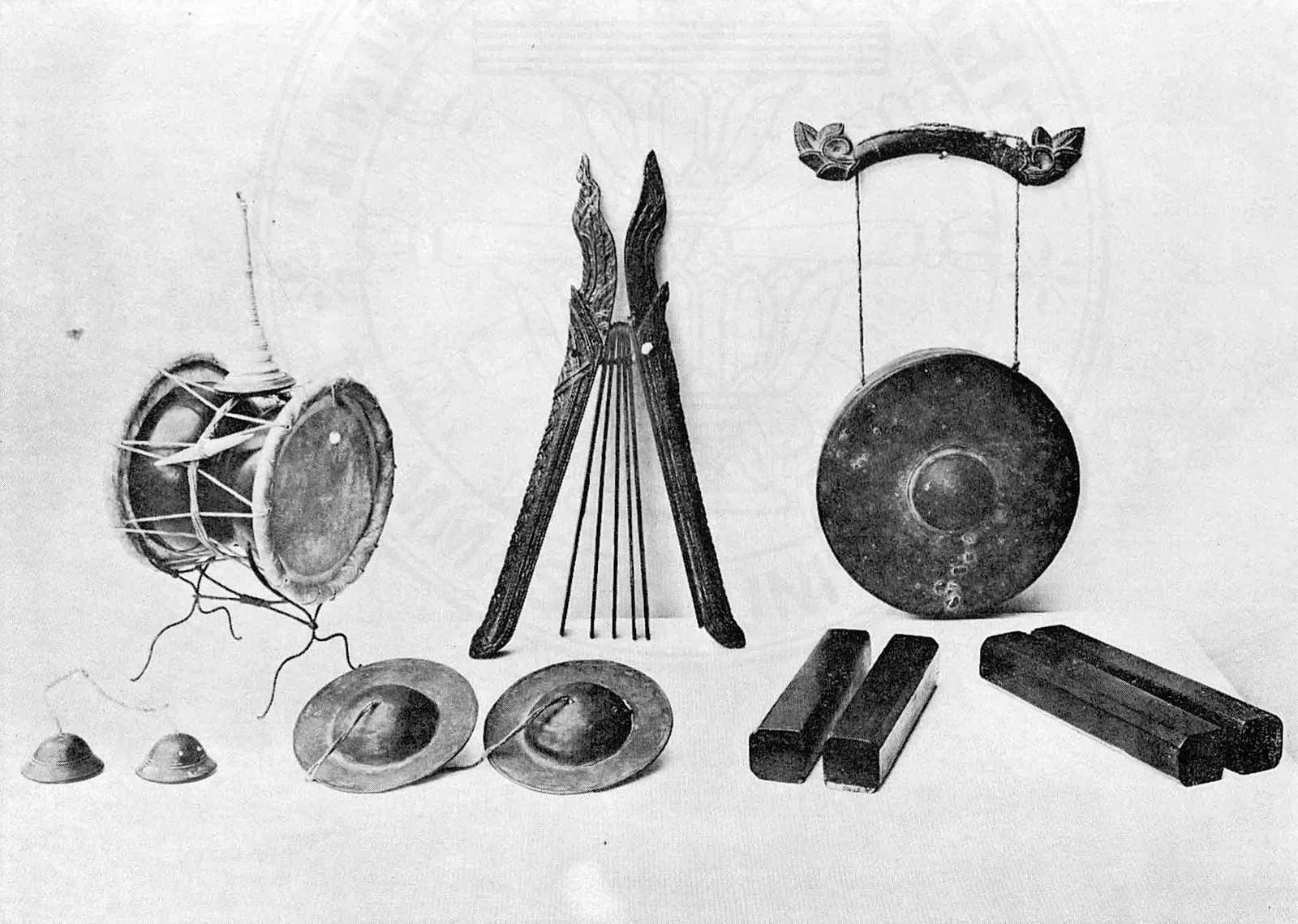
Sukhothai and Ayutthaya courts, to 1767
Instruments such as the pi, the quadruple-reed oboe, are recorded from the Sukhothai period, and the court ensembles took shape in Ayutthaya, the royal capital until 1767. Visitors there in 1687 already describe mahori music. Ayutthaya was also where the Khon dance drama developed, and Khon has kept piphat as its accompaniment ever since.
Golden age, 1868-1925
Royal patronage pushed piphat, khrueang sai and mahori repertoire to a peak. Around 1898 Prince Narisara adapted piphat for his theatre by removing the loudest, highest instruments and softening the mallets, which produced the piphat dukdamban.
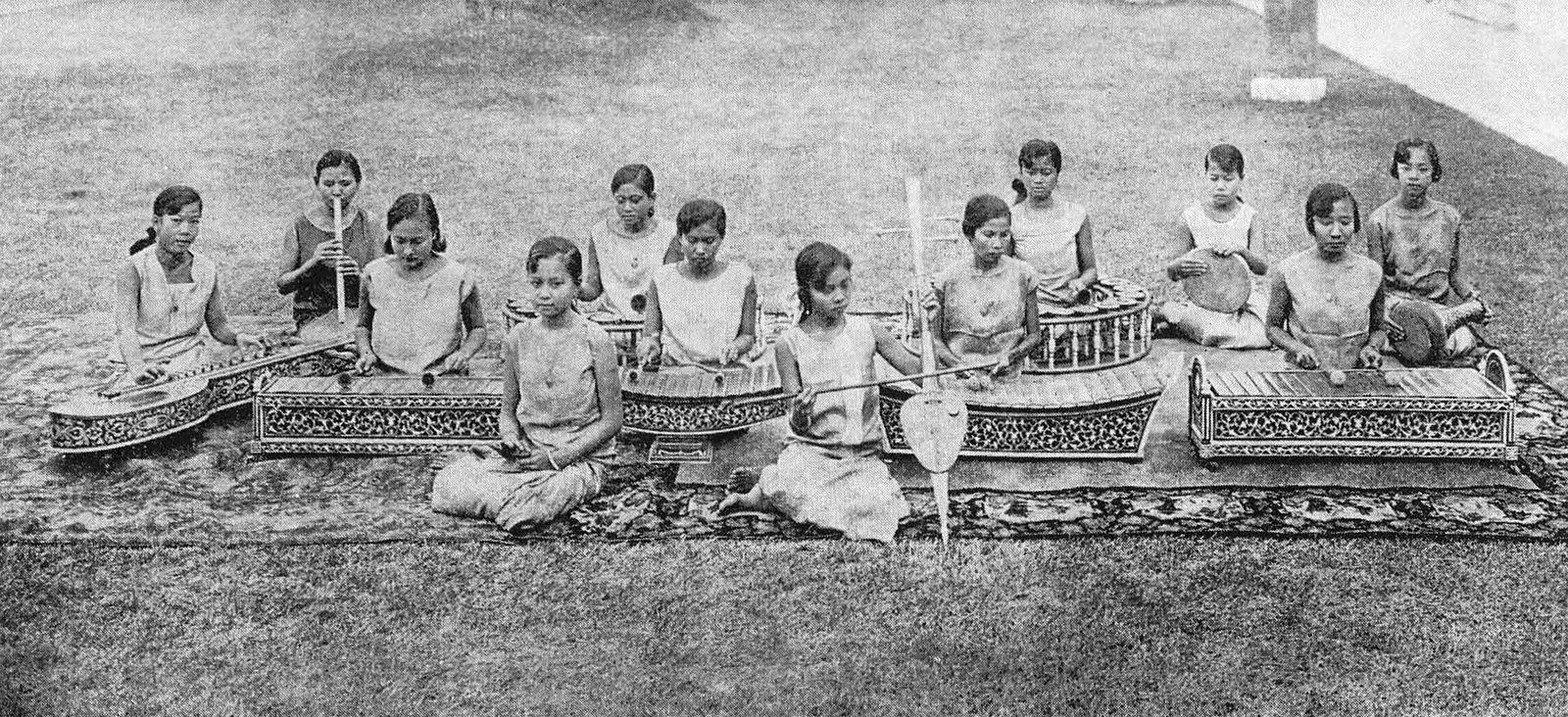
The period’s central figure is Sorn Silapabanleng, born in 1881 in Samut Songkhram. At about 19 he became lead ranat player in the household of Prince Bhanurangsi at Buraphaphirom Palace in Bangkok, and in 1925 he received the title Luang Pradit Pairoh. He composed widely, and when he died in 1954 his students carried his style into the later schools.
Notation and modernisation, 1926-1957
The repertoire had always been passed on by ear. From 1930 to 1942 the Thai Music Manuscript Committee wrote more than 400 pieces into Western staff notation, which ended purely oral transmission. In 1932, after the revolution that ended absolute monarchy, the court music adviser Phra Chenduriyang composed the Western-style melody of the Thai national anthem, adopted in 1939. The state modernisation campaigns of the 1940s treated the old court music as outdated.
Archives, schools and stage, from 1958
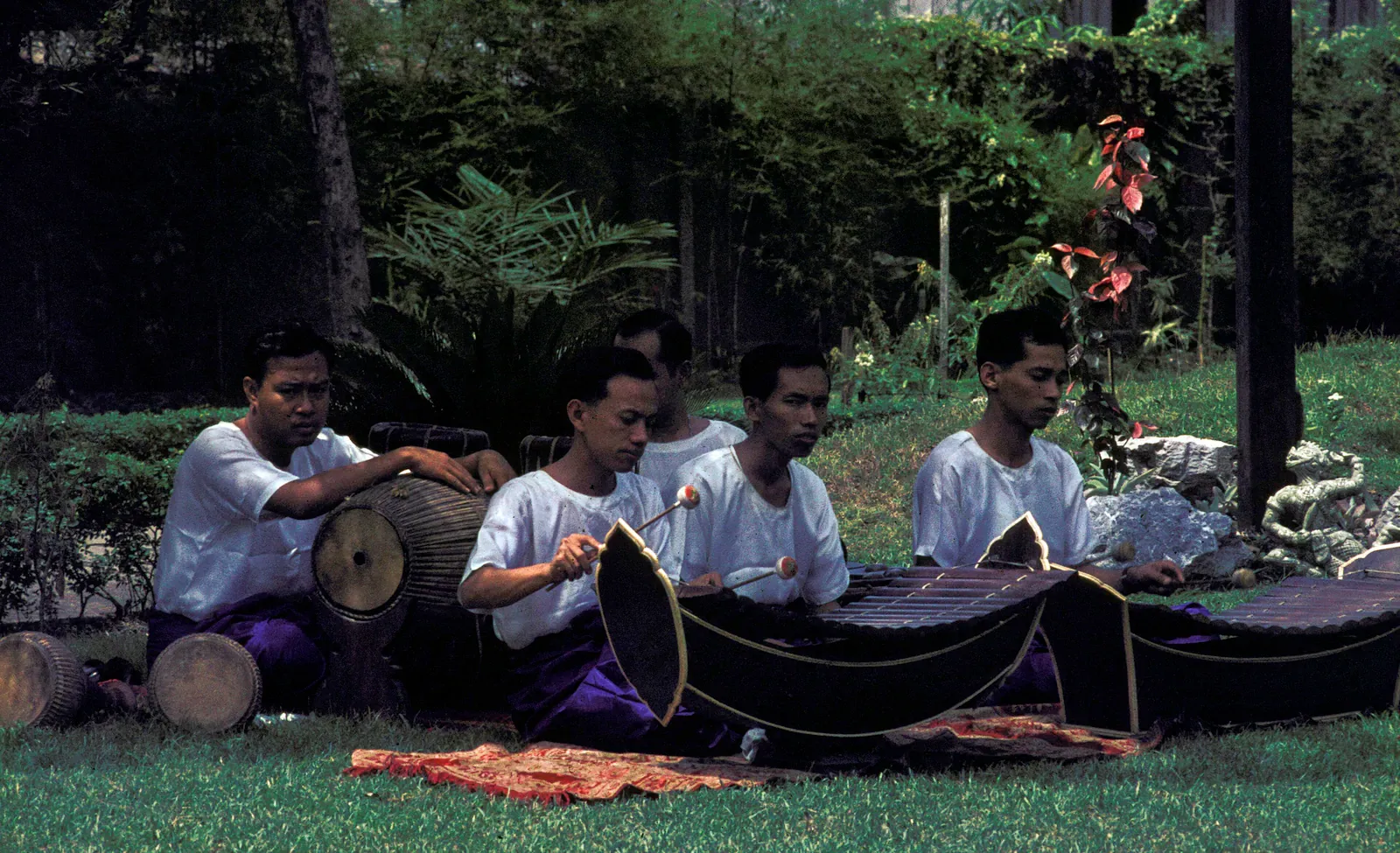
A fire at the Fine Arts Department in 1958 destroyed the staff-notation manuscripts in Thailand. Microfilm copies kept by a visiting researcher later made a restoration possible. Schools and universities then became the main custodians. In 1985 Chulalongkorn University relaunched the nearly lost piphat dukdamban and kept it in its curriculum. The 2004 film The Overture, a fictionalised life of Sorn, is credited with renewing public interest, and in 2018 UNESCO inscribed Khon, played to a piphat ensemble, on its list of intangible cultural heritage.
Characteristics
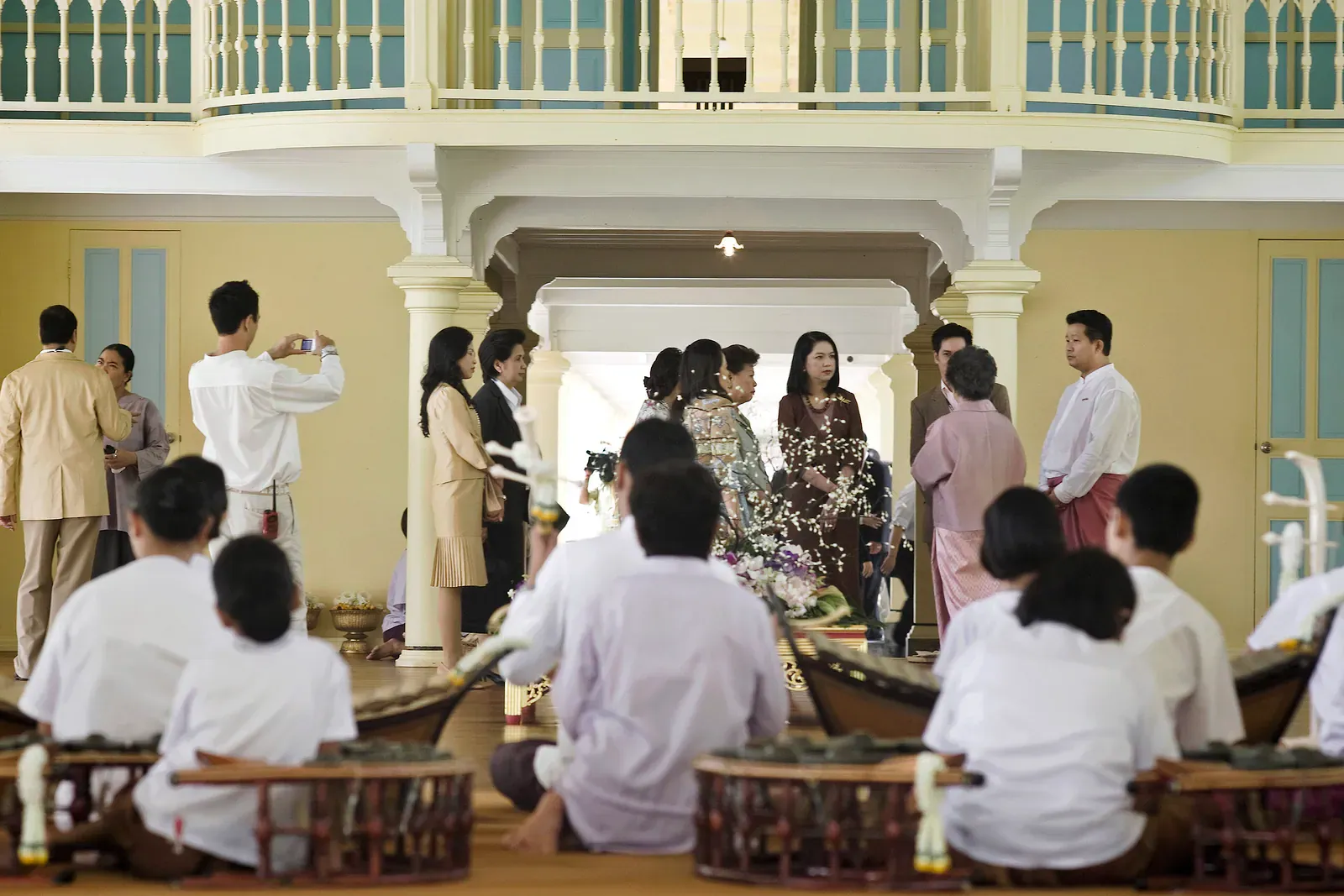
The music is heterophonic: one melody sounds in every instrument at once, and each player varies it according to the possibilities of the instrument. Larger pieces use the thao form, in which a melody is stated three times, slowly, at double speed, then at the fastest level. The ching cymbals mark the beat throughout, and the ensemble is led from the front by the pi nai oboe or the ranat ek.
Instruments and production
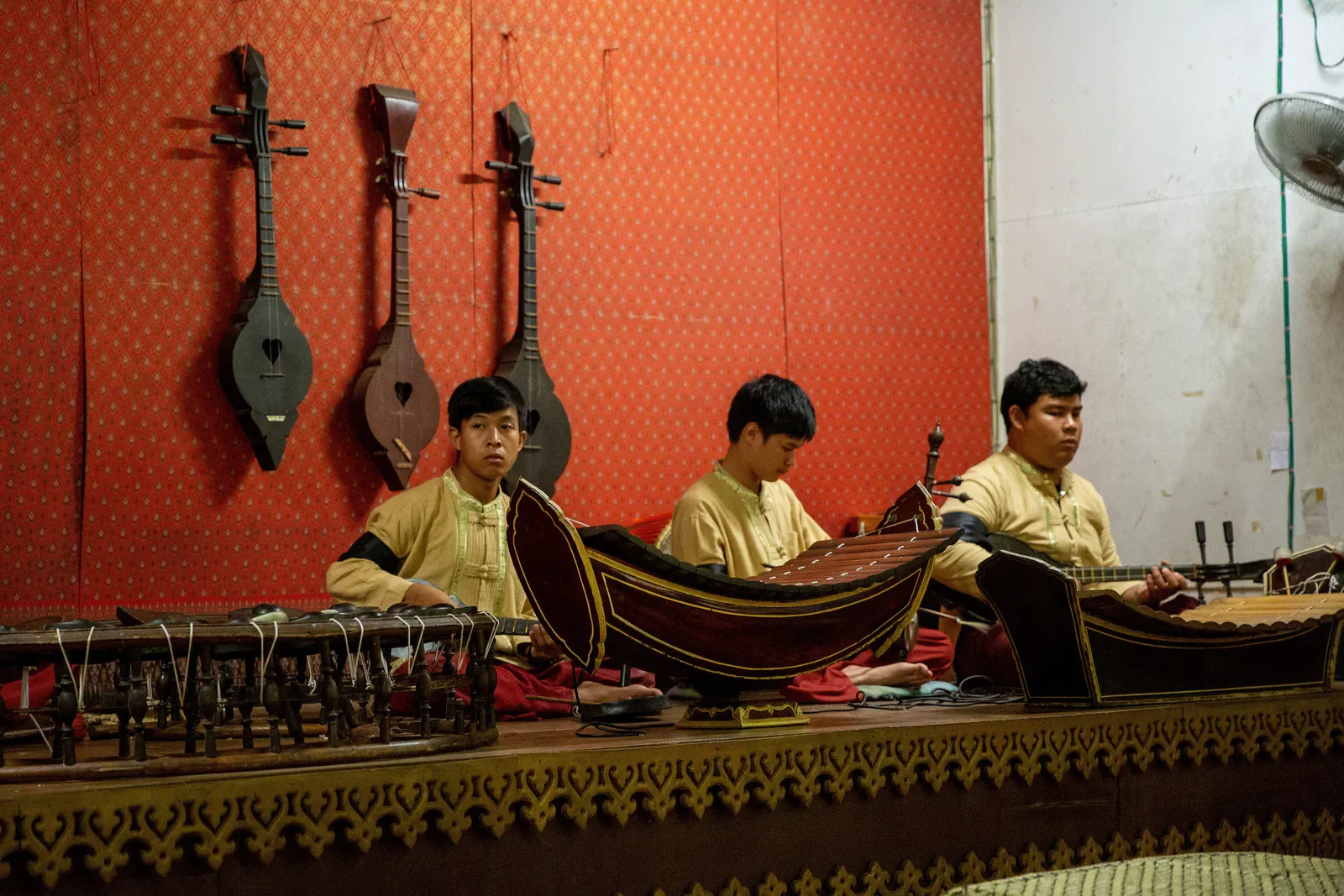
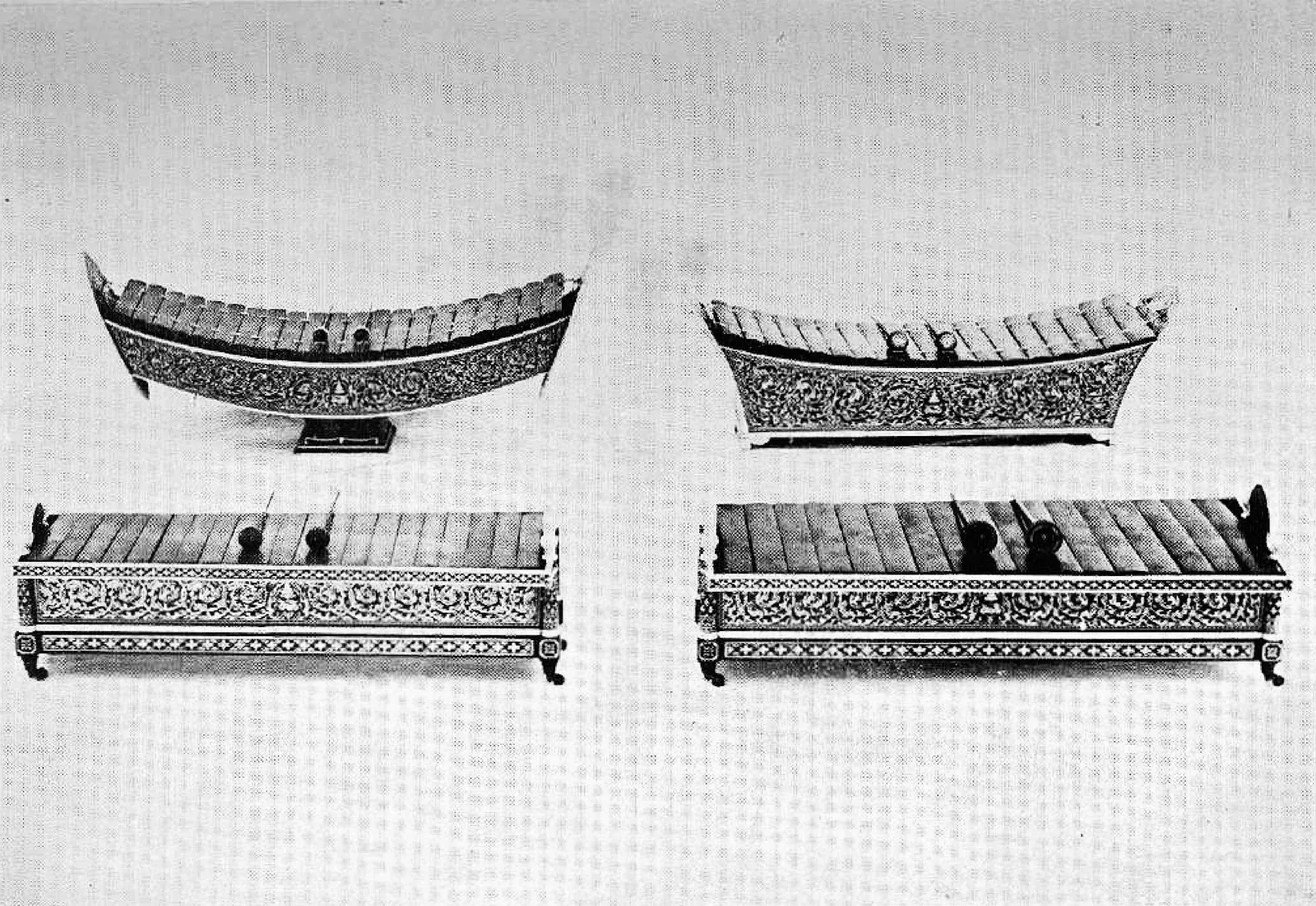
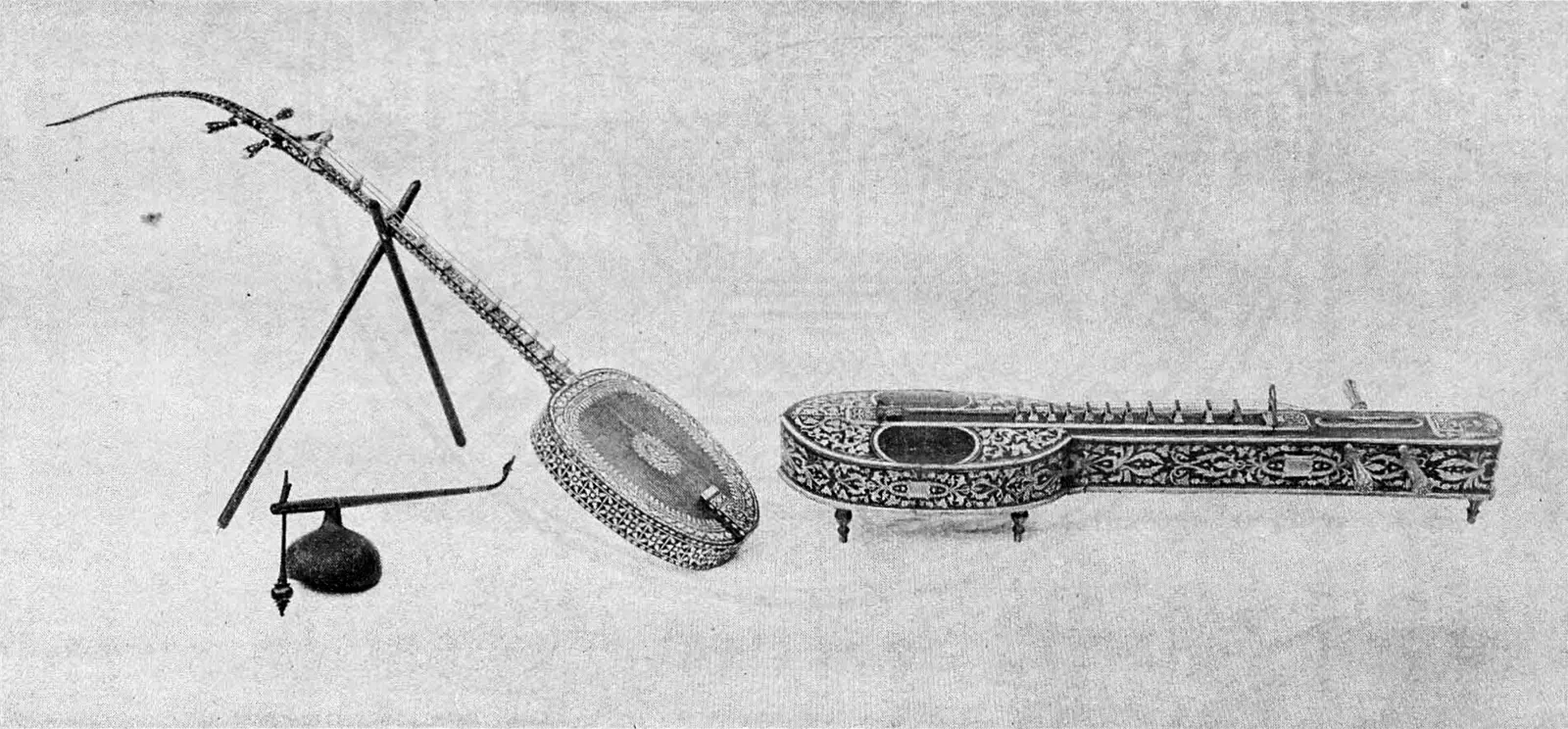
Piphat is built on tuned percussion: the ranat ek, a boat-shaped xylophone, and the khong wong yai, a circle of gongs that carries the main melodic structure. Hard mallets suit outdoor and fast playing, while soft mallets suit slow, indoor pieces. Khrueang sai replaces this with bowed fiddles and the chakhe zither, and mahori adds the three-string saw sam sai.
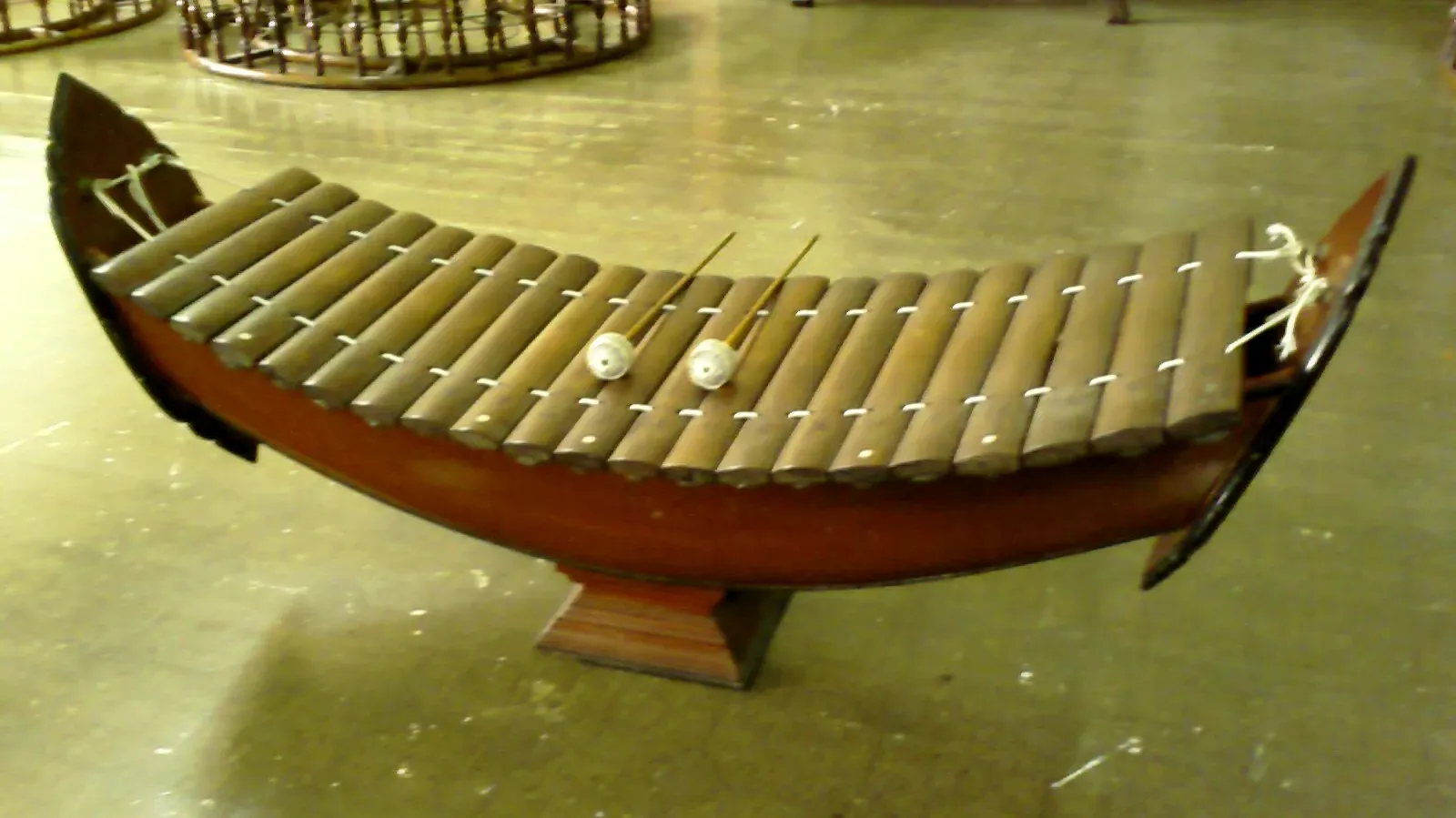
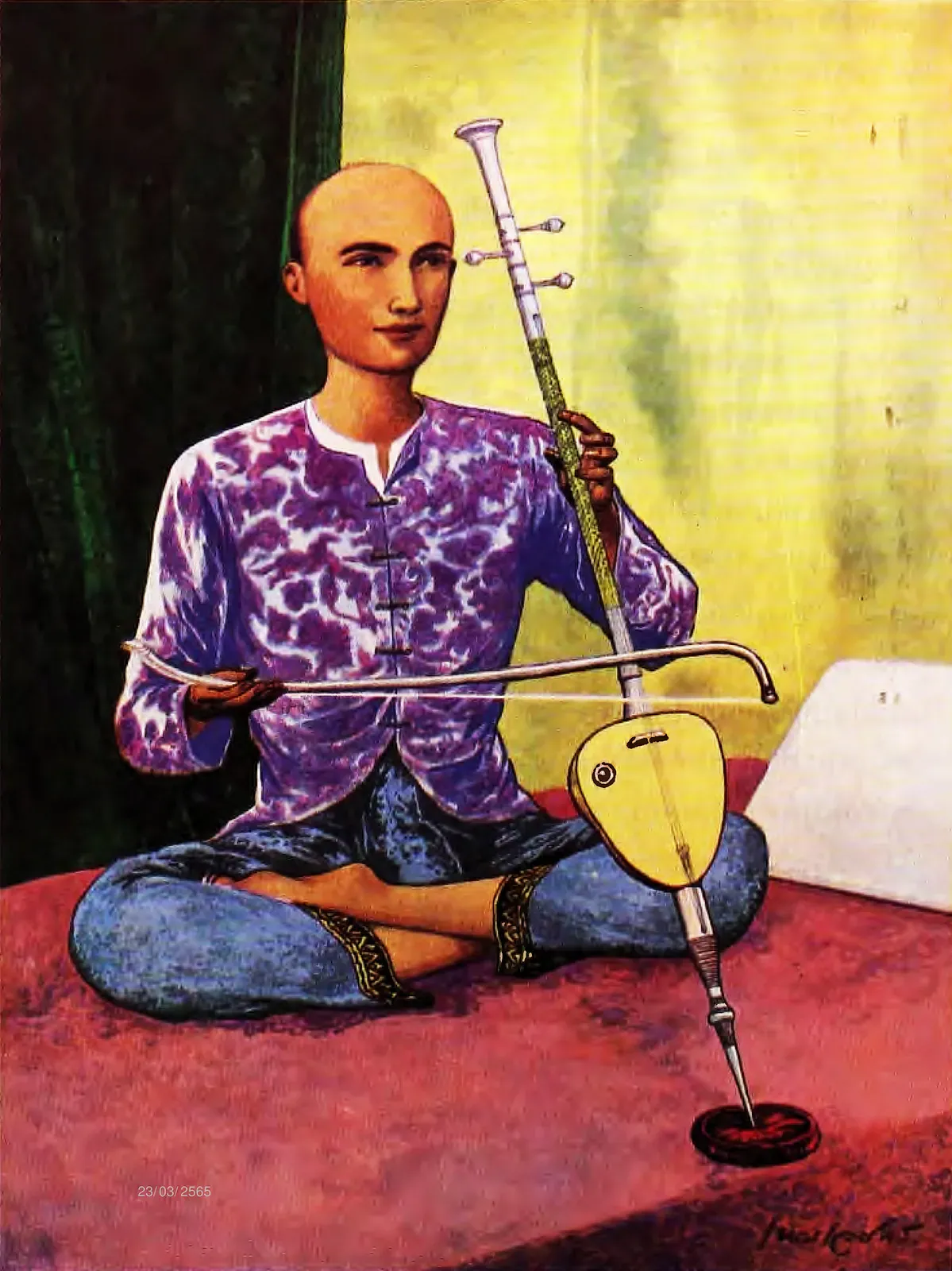
Recording the music was a later matter. Fong Naam, the Bangkok ensemble founded by Boonyong Ketkhong and Bruce Gaston, recorded The Piphat: Siamese Classics Vol. 1 in 1990, the first of five sessions for Marco Polo, later reissued by Naxos in 2001.
Notable recordings
Fong Naam’s 1990 session holds the long ceremonial suites. The ceremonial piece “Sathukarn, Tra Yapakkok, Tra Jomsri” and the long “Cherd Nawk” both come from it. A different record, Royal Court Music of Thailand, was recorded in Bangkok in 1994 by musicians of the Fine Arts Department’s college of dramatic arts and issued by Smithsonian Folkways.
Mainstream success
The music never crossed into the pop charts. It travelled through palaces, temples and theatres, then through conservatory teaching, university ensembles, a handful of recordings for world-music labels, a film and Khon’s heritage listing. The Prasit Thawon Ensemble, led by Master Prasit Thawon, took it to concert stages abroad, including a 1996 concert at the World Music Institute.
Culture
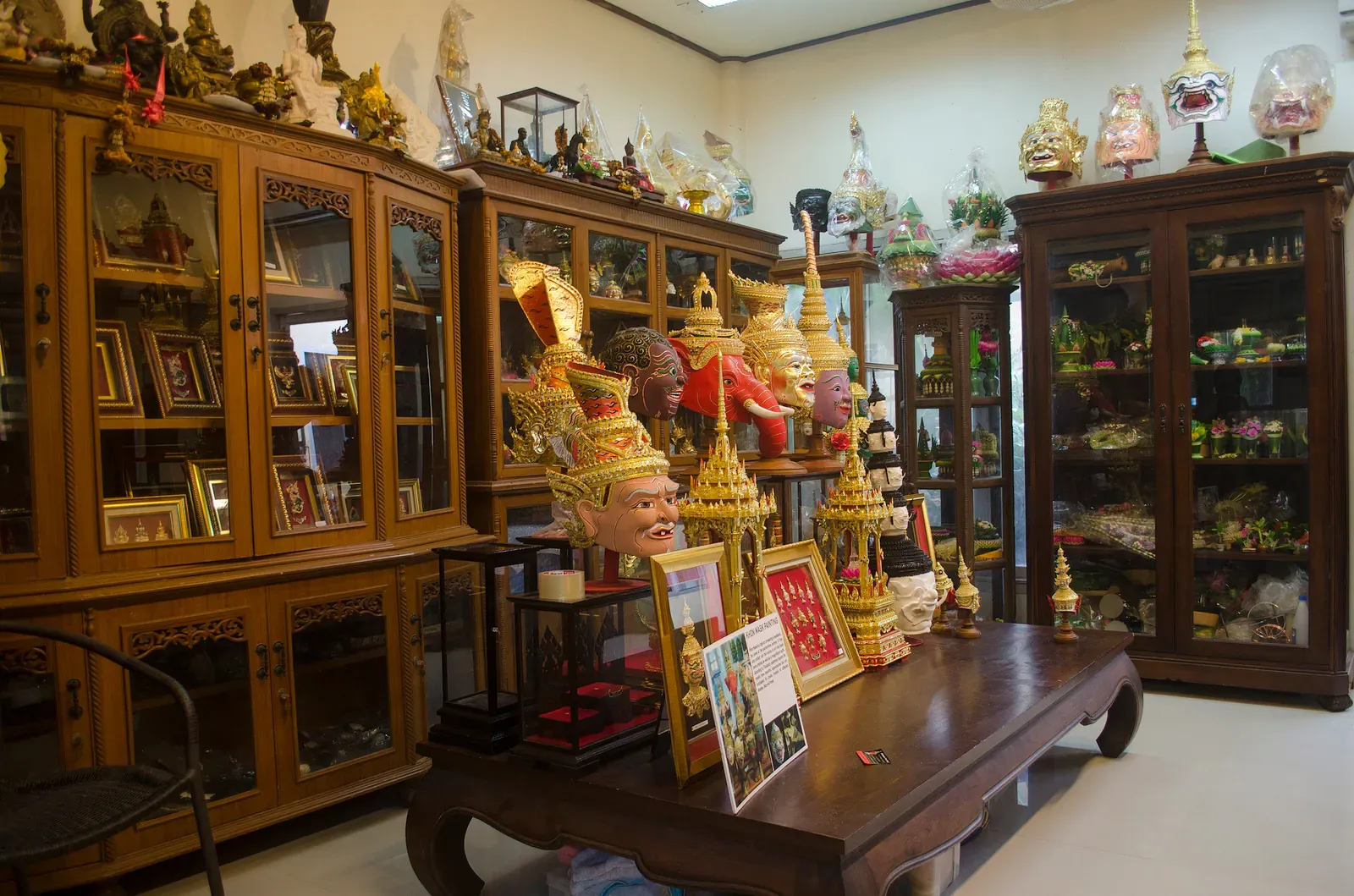
Teaching has a ritual frame. At the wai khru ceremony students honour their teachers and the deity of music, ceremonial pieces are played, and a hand-holding rite at the khong wong yai initiates a new musician. Piphat also plays at funerals, in variants such as nang hong and mon with the pi chawa. Khon, the masked dance drama, keeps the ensemble in front of the public.
Legacy
Sorn’s students carry the court style into the later schools, Chulalongkorn University keeps the soft dukdamban sound, and recordings by Fong Naam and the Prasit Thawon Ensemble hold the long suites in sound. The tradition belongs to the wider Southeast Asian family of gong-chime ensembles and court music, alongside gamelan.
Misconceptions
Thai classical music is not one orchestra. Piphat, khrueang sai and mahori differ in instruments and mood, and even piphat has a loud mai khaeng style, a soft mai nuam style and funeral variants.
It was not always notated. The music was oral until the 1930 committee began writing it in staff notation, and the notated copies in Thailand burned in 1958, so the restoration depended on microfilm.
It is not a museum piece. Universities keep ensembles, Khon is staged with live piphat, and the near-lost soft piphat of Prince Narisara was relaunched in 1985.
Frequently asked questions
What is the piphat ensemble in Thai classical music?
Piphat is the main ensemble of Thai classical music. It combines xylophones such as the ranat ek, gong circles such as the khong wong yai, the pi nai oboe and drums, and it can play in a loud or a soft style.
What is the difference between piphat, khrueang sai and mahori?
Piphat is led by percussion and oboe, khrueang sai by bowed fiddles and the chakhe zither in a quieter sound, and mahori mixes the two and features the saw sam sai fiddle.
Who is Luang Pradit Pairoh?
Luang Pradit Pairoh is the court title of Sorn Silapabanleng, the ranat ek master and composer born in 1881. He received the title in 1925 and died in 1954.
Sound
Sound sheet
Anatomy of a track
| # | Part |
|---|---|
| 1 | Sam chan: melody at the slowest level |
| 2 | Song chan: melody at double speed |
| 3 | Chan diao: variant melody at the fastest level |
Signature sounds
- Ching cymbals marking the beat
- Soft (mai nuam) or loud (mai khaeng) mallet style
- Heterophonic variation of one melody by many instruments
Techniques
- Hard and soft mallets
- Thao three-level suite
- Ching beat pattern
Tuning
Seven-note scale with near-equal steps; bars and gongs are tuned by beeswax and lead weights
Scenes
Where it happened
Where and when the sound lived: one bar per city on a shared timeline.
Asia
Active scenes
Peak 1, 1351-2025
Royal capital where the court ensembles and the Khon dance drama developed.
Capital from 1782 where court music was revived and later codified and taught by the Fine Arts Department.
Venues and places
Bangkok, 1900 to today. Palace of Prince Bhanurangsi where Sorn Silapabanleng served as lead ranat player.
Bangkok, 1985 to today. University home of the revived piphat dukdamban, with historic instruments and recordings.
Culture
Culture markers
- Wai khru
Annual ceremony honouring teachers and the music deity; ceremonial pieces are played and a hand-holding rite at the khong wong yai initiates a musician.
Ritual - Khon
Masked dance drama accompanied by a piphat ensemble, inscribed by UNESCO in 2018.
Dance - Funeral piphat
Piphat variants such as nang hong and mon, with the pi chawa, play at funeral rites.
Ritual
Media
Key media
- 2004The Overture (Hom Rong)
by Ittisoontorn Vichailak. Fictionalised life of Sorn Silapabanleng, credited with a revival of interest in piphat.
Film - 2025The NTS Guide to Thai Piphat
by NTS Radio. A one-hour listening guide with Fong Naam, the Prasit Thawon Ensemble and mahori recordings.
Radio
Glossary
Terms on this page
The main classical ensemble of xylophones, gong circles, oboe and drums, played in a loud (mai khaeng) or soft (mai nuam) style.
The three tempo levels, each melody half as long as the one before.
Suite form that states a melody at three levels: sam chan (slow), song chan (doubled) and chan diao (fast).
Ritual in which students honour teachers and the music deity; a hand-holding rite at the khong wong yai marks the start of a musician.
Literally circle; in music, an ensemble, as in wong piphat.
Southeast Asian family