Mor lam
Mor lam is the Lao-language vocal music of Isan, northeast Thailand, and Laos, built on the khaen mouth organ, tonal singing and improvised verse.
Isan, around 1750
Southeast Asian family
Born
around 1750
Isan
Subgenres
10
Documented branches
Links
11
Genres it drew on or shaped
Tempo
90-170 BPMLineage
Family tree
Grew out of
Isan
Mor lam
Led to (10)
Timeline
Era by era
From the first sparks to today. Select a dot to read the story behind it.
- Lao village and court lam
1750 to 1945
- Stages, Bangkok and wartime
1946 to 1969
- Electric lam plearn and television
1970 to 1989
- Molam boom and lam sing
1990 to 2009
- Reissues, revival and global ears
2010 to 2026
Eras
Moments
- 1 Lao village and court lam, 1750 to 1945
- 2 Stages, Bangkok and wartime, 1946 to 1969
- 3 Electric lam plearn and television, 1970 to 1989
- 4 Molam boom and lam sing, 1990 to 2009
- 5 Reissues, revival and global ears, 2010 to 2026
around 1750
Lao village and court lam
Lam and khap are sung to the khaen across Laos and Isan. Lao music spreads into Siam in the 18th and 19th centuries, and a royal ban on public mor lam follows in the 1860s.
- 1800Lao music spreads into SiamForced population transfers from Laos into Isan and central Thailand carry lam and the khaen across the Mekong.
- 1866King Mongkut bans public mor lamAfter the vice-king Pinklao dies, Mongkut bans public performances, citing a threat to Thai culture; the music stays local.
1946
Stages, Bangkok and wartime
Mor lam reaches Bangkok stages in 1946, lam toei, mor lam mu and mor lam phoen appear, and both sides of the Laotian conflict recruit singers for propaganda.
- 1946Mor lam plays Rajadamnern StadiumThe first major 20th-century mor lam show in Bangkok is staged at the boxing stadium.
- 1960Propaganda mor lamThe USIS in Thailand and both sides of the Laotian conflict hire mor lam singers to insert political messages; the Thai effort fails.
1970
Electric lam plearn and television
Bands plug in and fuse lam with luk thung. Angkanang Kunchai records Isan Lam Plearn, Banyen Rakkaen brings mor lam to national TV, and Pornsak Songsaeng peaks.
- 1972Angkanang Kunchai debuts with Isan Lam PlearnThe 16-year-old singer cuts the single that first fused molam with Bangkok luk thung.
- 1975Lao monarchy ends, communist troupe formedThe Luang Prabang court that fed khap thum loses its patron, and the new government keeps a propaganda lam troupe.
- 1975Isan Lam Plearn albumAngkanang Kunchai with the Ubon-Pattana Band releases the album later reissued by EM Records.
- 1980Mor lam reaches Thai televisionBanyen Rakkaen leads mor lam onto national TV in the 1980s, widening the audience beyond Isan.
- 1986Pornsak Songsaeng peaks with Sao Jan Kang KopHis fame peaks between 1986 and 1988 on the album and its toei title song.
1990
Molam boom and lam sing
Three-minute songs mixing lam, luk thung and pop sell on tape, CD and karaoke VCD. Siriporn Ampaipong and Jintara Poonlarp lead, and mor lam sing medleys fill big stage shows.
- 1991Mo Lam Singing of Northeast ThailandChaweewan Dumnern records a CD for the World Music Library, a document of the older style.
- 1993Chaweewan Dumnern named National Artist
- 1995The molam boomIn the 1990s luk thung singers cannot sell records unless they also perform molam.
- 2000Jah Wobble releases Molam DubThe British bassist records with Laotian singers and players on 30 Hertz Records.
- 2001Siriporn Ampaipong hit album runShe releases eight hit albums between 2001 and 2004.
- 2004Molam: Thai Country Groove from IsanSublime Frequencies issues the first modern electrified 1970s molam outside Thailand.
2010
Reissues, revival and global ears
Sublime Frequencies, Soundway, EM Records and Paradise Bangkok reissue 1970s molam, Khun Narin and Paradise Bangkok tour abroad, and Rasmee updates the form as Isan Soul.
- 2010The Sound of Siam, Vol. 1Soundway compiles Chaweewan Dumnern and other molam and luk thung tracks from 1964 to 1975.
- 2013YouTube finds Khun NarinProducer Josh Marcy spots the Phetchabun band in a video and travels to record them.
- 2014Khun Narin Electric Phin Band albumInnovative Leisure releases the first album on 26 August.
- 201421st Century MolamThe Paradise Bangkok Molam International Band issues its debut on Zudrangma Records.
- 2014EM Records reissues Isan Lam PlearnThe Osaka label opens a Thai series with Paradise Bangkok and Soi 48.
- 2014Banyen Rakkaen named National Artist
- 2017Khaen music on the UNESCO listKhaen music is inscribed on the Representative List of the Intangible Cultural Heritage of Humanity.
- 2018Jintara Poonlarp returns with Tao NgoiThe song becomes a viral hit in 2018 after her move to the Cat 9 studio.
- 2019Rasmee releases RootsRasmee Wayrana records a tribute to molam after her Isan Soul EP and Arom.
Listening path
Anthems
The records that built the sound, grouped by the part they played. Thumbnails come from YouTube; the player loads only when you press play.
- 01
Angkanang Kunchai, 1975
The first fusion of molam with Bangkok luk thung, the base of the electric stage form.
Start hereOrigin - 02
Pornsak Songsaeng, 1986
Hit that made a molam singer a national star in the late 1980s.
Start hereBreakthrough - 03
Banyen Rakkaen, 2001
The Queen of mor lam in electric, dance-ready mode.
Anthem - 04
Jintara Poonlarp, 2012
Fast Isan party lam from R-Siam, typical of the lam sing boom era.
Anthem - 05
The Paradise Bangkok Molam International Band, 2014 · Zudrangma Records
Molam rebuilt as a dance-floor band for clubs and festivals abroad.
Start hereCrossover - 06
Khun Narin, 2016 · Innovative Leisure
Electric phin groove from Phetchabun that psych fans took to.
Crossover - 07
Rasmee Wayrana, 2015
Isan Soul track for her grandmother, with guitar in place of the khaen.
Revival - 08
Jintara Poonlarp, 2018
Comeback hit that filled YouTube.
Revival - 09
Rasmee Wayrana, 2019
A tribute to molam from the album Roots.
Revival
Facts
| Family | Southeast Asian |
| Origin | Isan, Thailand |
| Status | Active |
| Tempo | 90 to 170 BPM |
| Meter | Fast duple, ching on the off-beat |
| Subgenres | 10 |
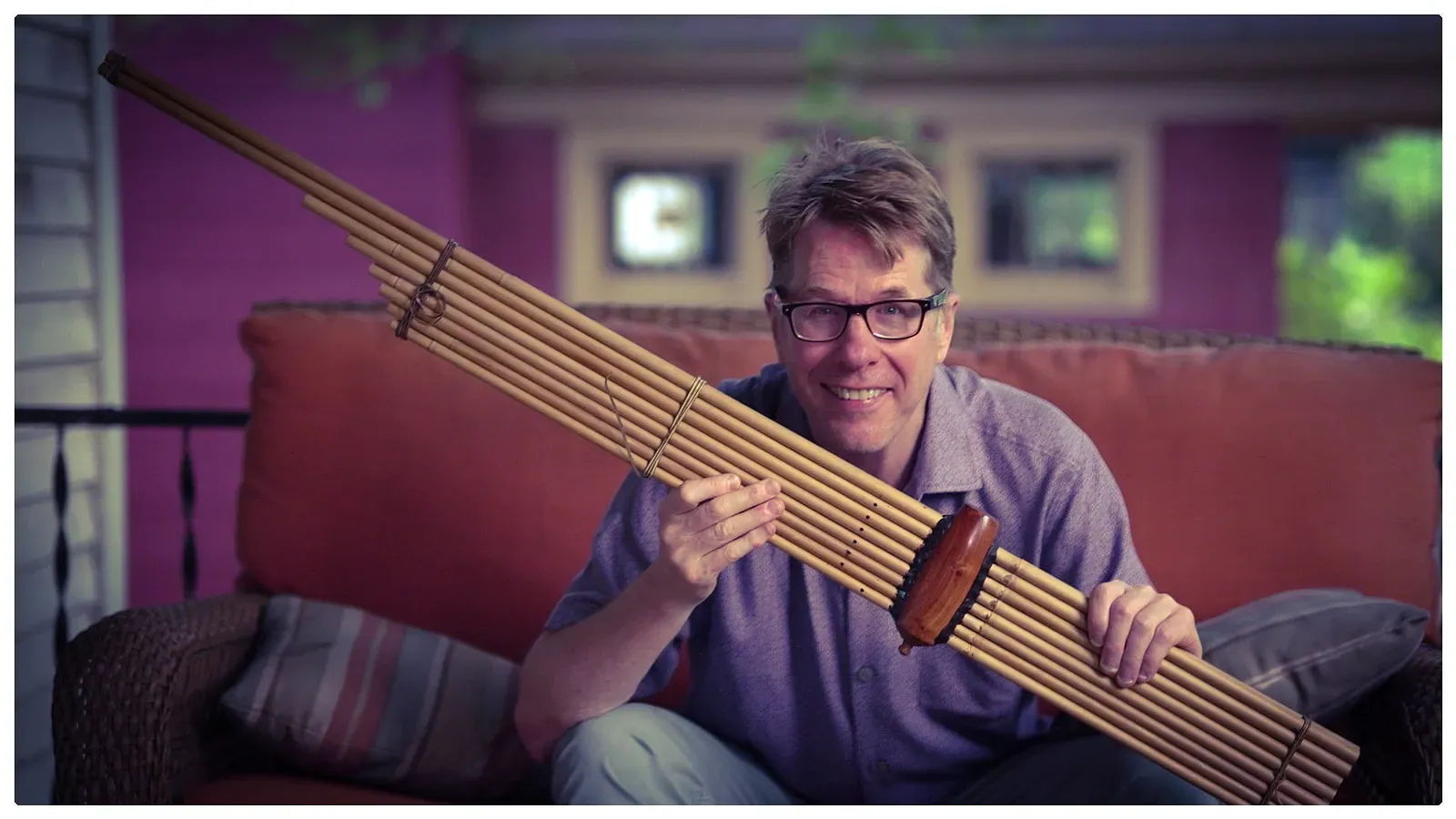
Mor lam (also written molam) is the Lao-language vocal music of Isan, the northeast of Thailand, and of Laos. A mor lam is a master singer, and the style rests on a melody that follows the tones of the words, the bamboo khaen mouth organ and verse improvised on the spot.
It grew from village and court traditions, was electrified in the 1970s and became a mass-market pop form in the 1990s.
Origins
Lam and its northern Lao cousin khap were sung across the Lao lands long before the modern border existed. Singers faced each other in courtship duels or recited stories and Buddhist moral tales to the khaen. Tunes used one of two pentatonic scales, called san and yao, at a pace of roughly four syllables a second.
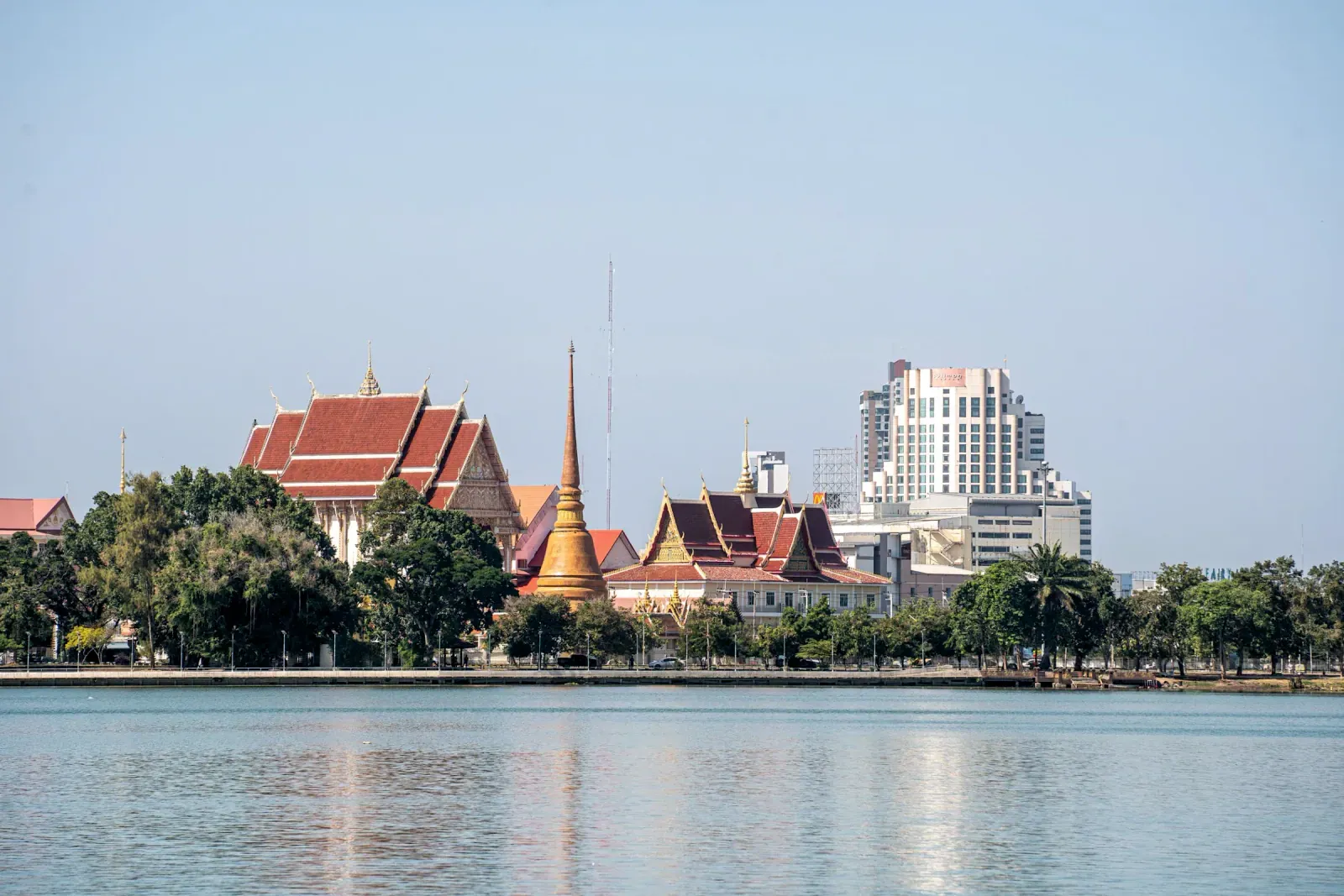
Lao music moved west of the Mekong as populations were moved into Siam in the late 18th and 19th centuries. The vice-king Pinklao admired the style, and after his death in 1866 King Mongkut banned public performance, citing a threat to Thai culture. The ban kept mor lam local: it lived on at temple fairs, weddings and funerals in Isan, a village art rather than a court or capital one.
Regional schools formed on both sides of the river. Khon Kaen singers favoured a recitative style that spread knowledge, while Ubon singers developed a slower, fluent manner for love stories that later came to dominate Isan. In Laos, Savannakhet and Saravane kept their own styles, and a former royal court tradition in Luang Prabang became folk khap thum.
Laos and Isan, to 1945
Before electricity, a troupe was a singer or two and a khaen player, hired for a night. Lam kon pitted a man against a woman in flirtatious debate, and healers used a related form, lam phi fa, in spirit-possession rites. The art was oral, taught from master to student, and judged on wit and memory as much as on voice.
Stages and wartime, 1946-1969
The first major mor lam show of the 20th century was staged at Rajadamnern Stadium in Bangkok in 1946, a sign that Isan’s music had an urban audience. New forms appeared around mid-century. Lam toei was faster and lighter, mor lam mu staged folk opera with several actors, and lam phloen turned celebration into group song and dance.
Politics reached the stage as well. During the Laotian conflict, the American information service in Thailand and both sides in Laos hired mor lam singers to carry political messages, with more success in Laos. After the Lao monarchy ended in 1975, the new government kept a propaganda lam troupe, and the royal patron of khap thum was gone.
Electric lam plearn, 1970-1989
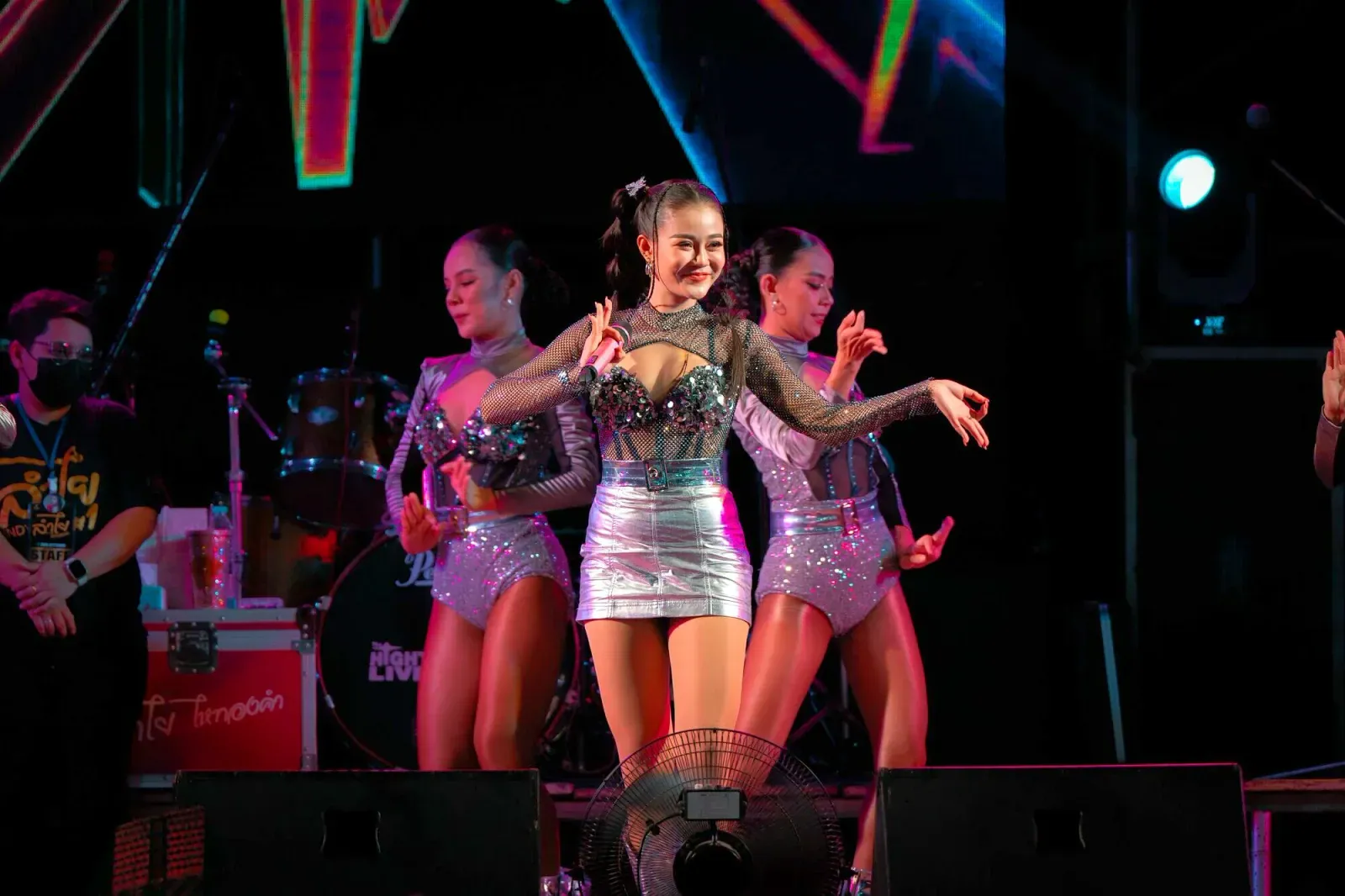
Bands plugged in during the 1970s. In 1972 the 16-year-old Angkanang Kunchai debuted with the single “Isan Lam Plearn”, and the album of the same name with the Ubon-Pattana Band followed in 1975. It was the first recording to fuse mor lam with Bangkok luk thung, using electric guitar, bass, organ and drums behind a lam vocal. The template, called lam plearn, set the sound of the next decade.
Television widened the audience. Banyen Rakkaen, a pupil of the National Artist Chaweewan Dumnern, brought mor lam onto national TV in the 1980s, moving it from Isan villages into Bangkok living rooms. Pornsak Songsaeng, from Khon Kaen, peaked in the late 1980s with the album and title song “Sao Jan Kang Kop”. Isan migrants working in the capital bought the cassettes and made mor lam a link to home.
Molam boom, 1990-2009
In the 1990s mor lam became a pop industry. Songs shrank to about three minutes and mixed lam, luk thung and Western pop, sold on tape, CD and karaoke VCD. Luk thung singers could not sell records unless they also performed molam. Siriporn Ampaipong released eight hit albums between 2001 and 2004, and Jintara Poonlarp became one of the most popular voices in the genre, splitting her output between mor lam and luk thung.
The characteristic stage form was lam sing, a fast medley format whose name comes from the English word “racing” and ties it to Isan motorbike culture.
Revival and reissues, 2010-present
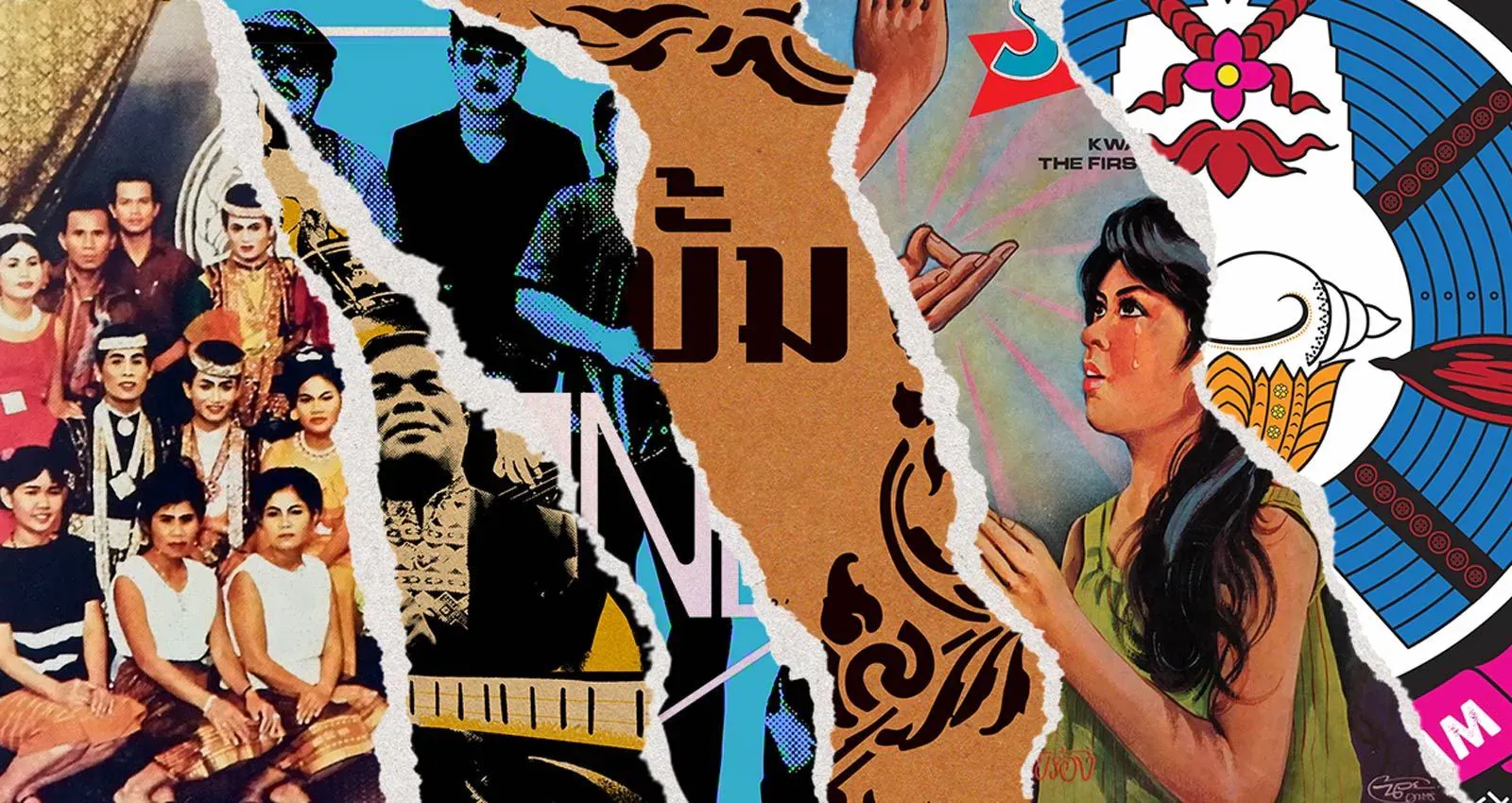
Sublime Frequencies issued “Molam: Thai Country Groove from Isan” in 2004, and the Soundway compilation “The Sound of Siam” (2010) set molam beside luk thung and jazz. Paradise Bangkok and Soi 48 worked with EM Records on a Thai series that reissued “Isan Lam Plearn” in 2014. ZudRangMa Records, Maft Sai’s Bangkok shop and label, became the movement’s hub.
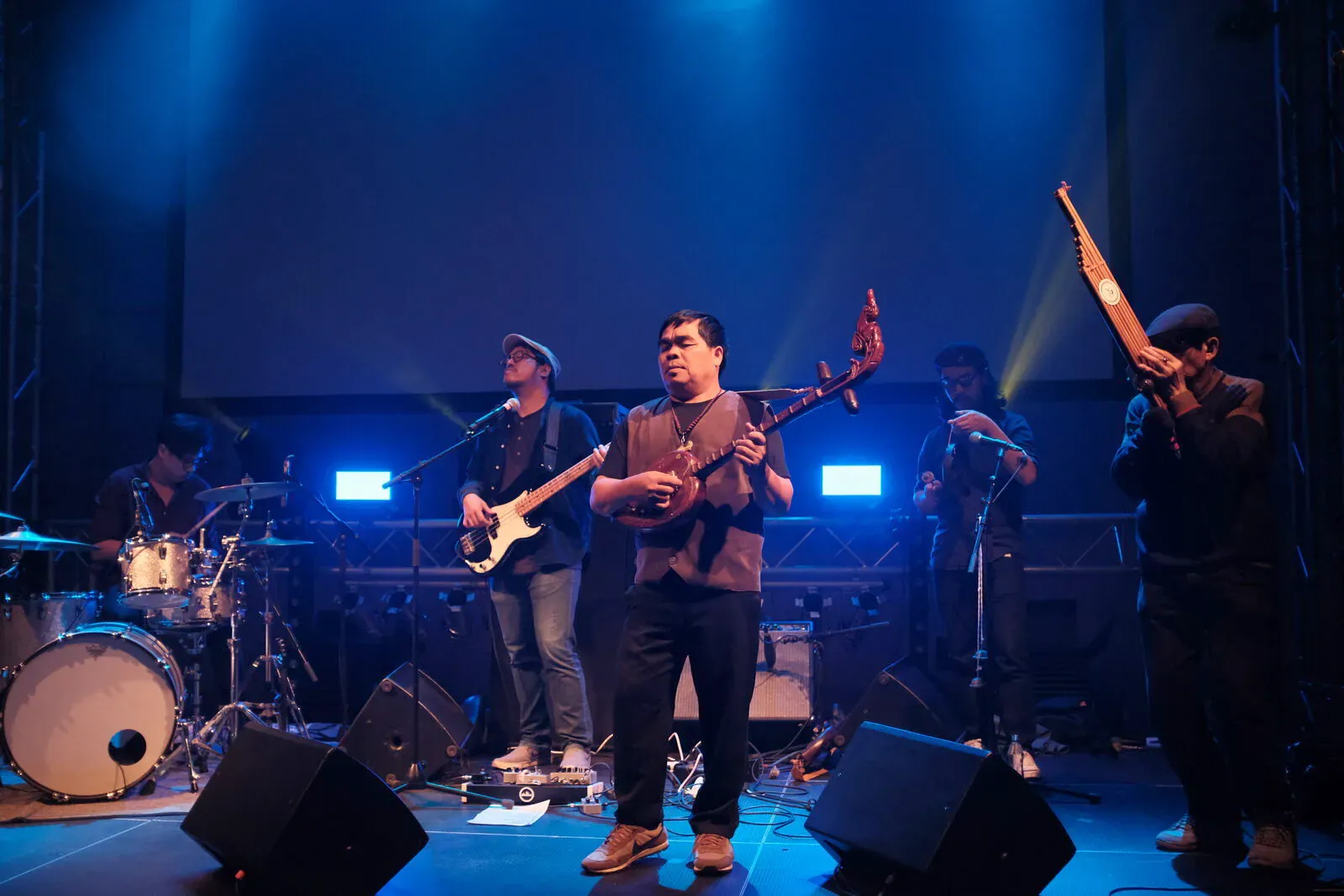
New bands followed. Khun Narin, an electric phin party band from Phetchabun, was found on YouTube in 2013 and released its first album on Innovative Leisure in 2014. The Paradise Bangkok Molam International Band released “21st Century Molam” on ZudRangMa the same year and toured abroad. Rasmee Wayrana mixed molam with soul and African rhythms as “Isan Soul” and recorded the tribute album “Roots” in 2019.
Characteristics
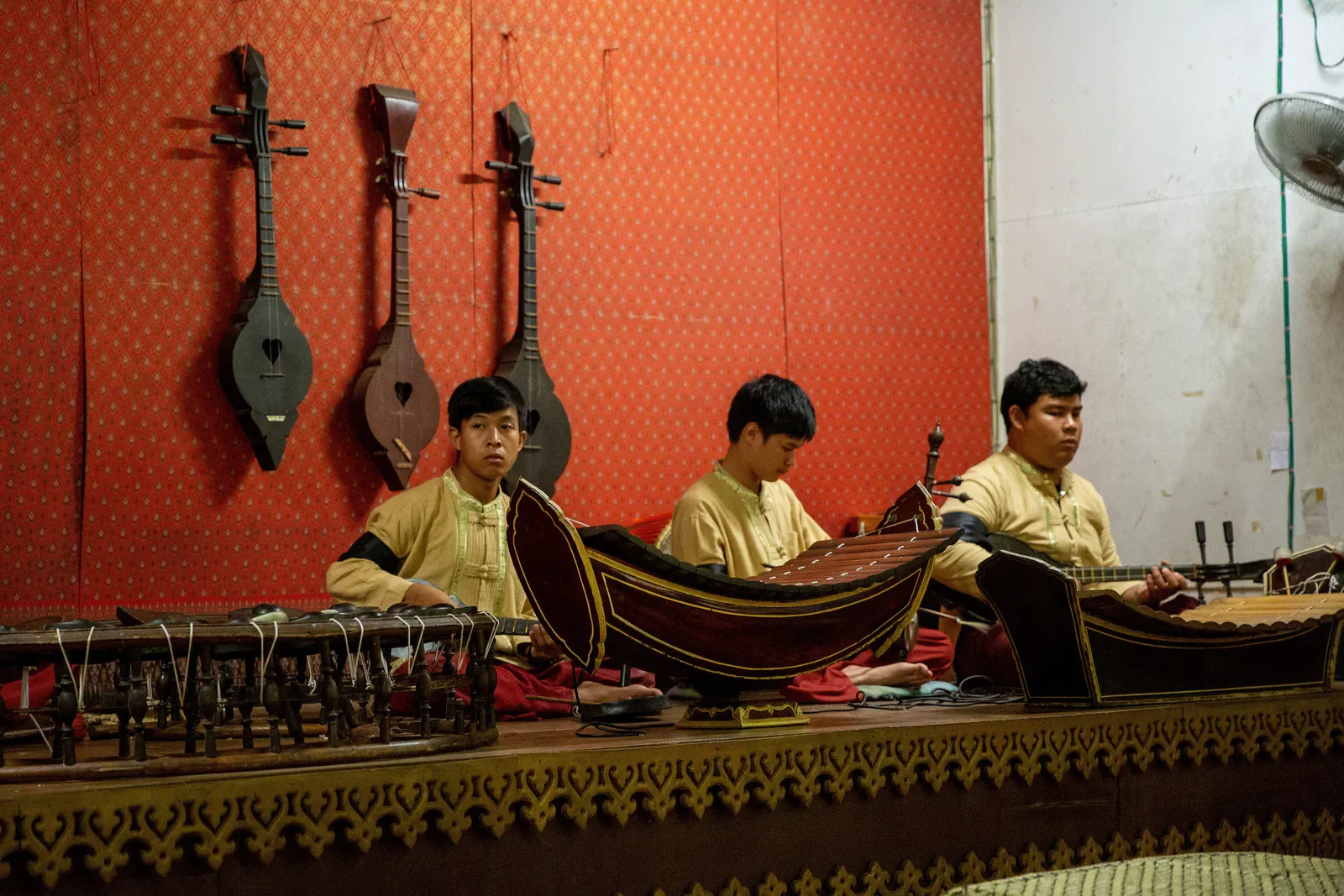
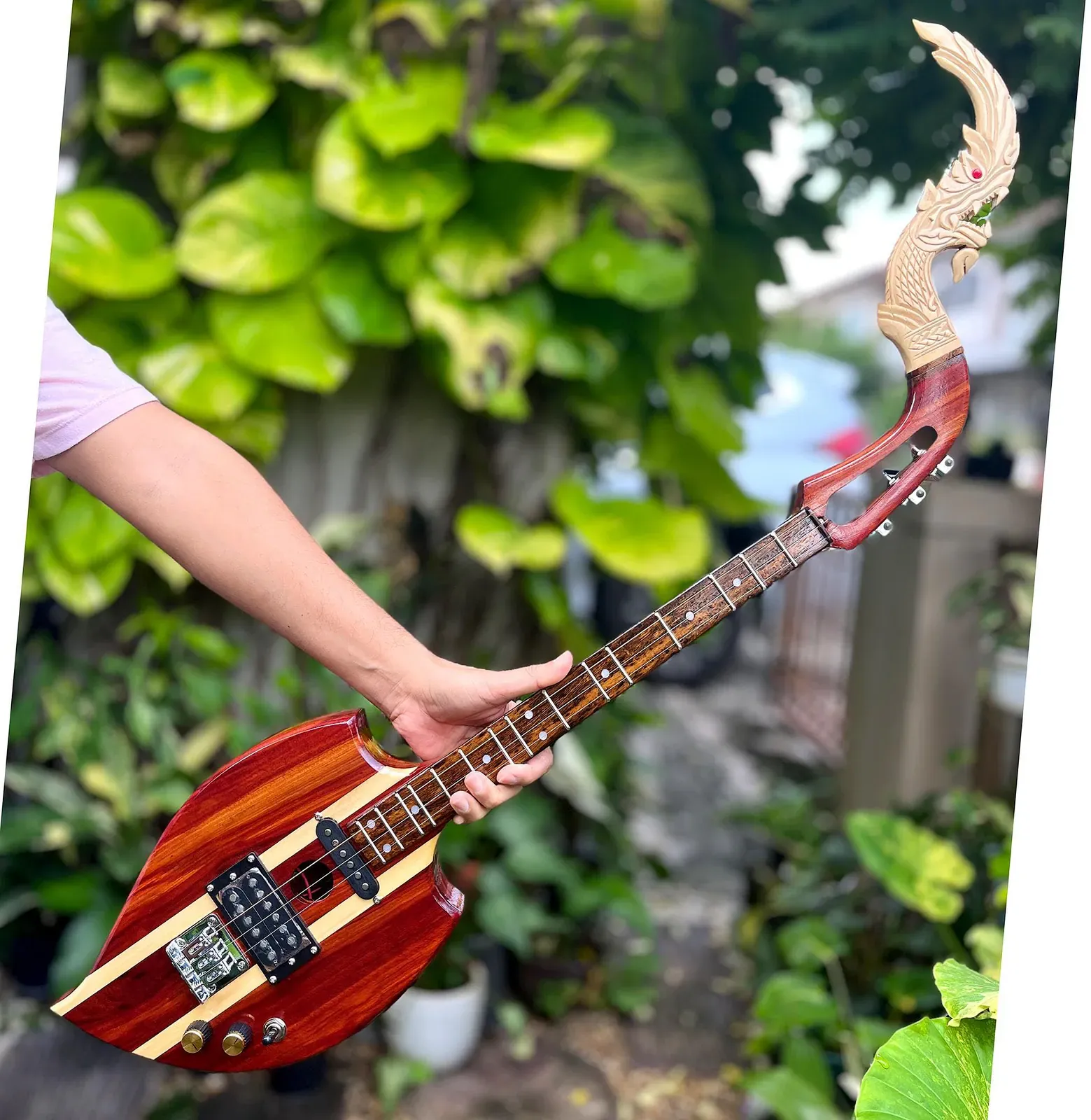
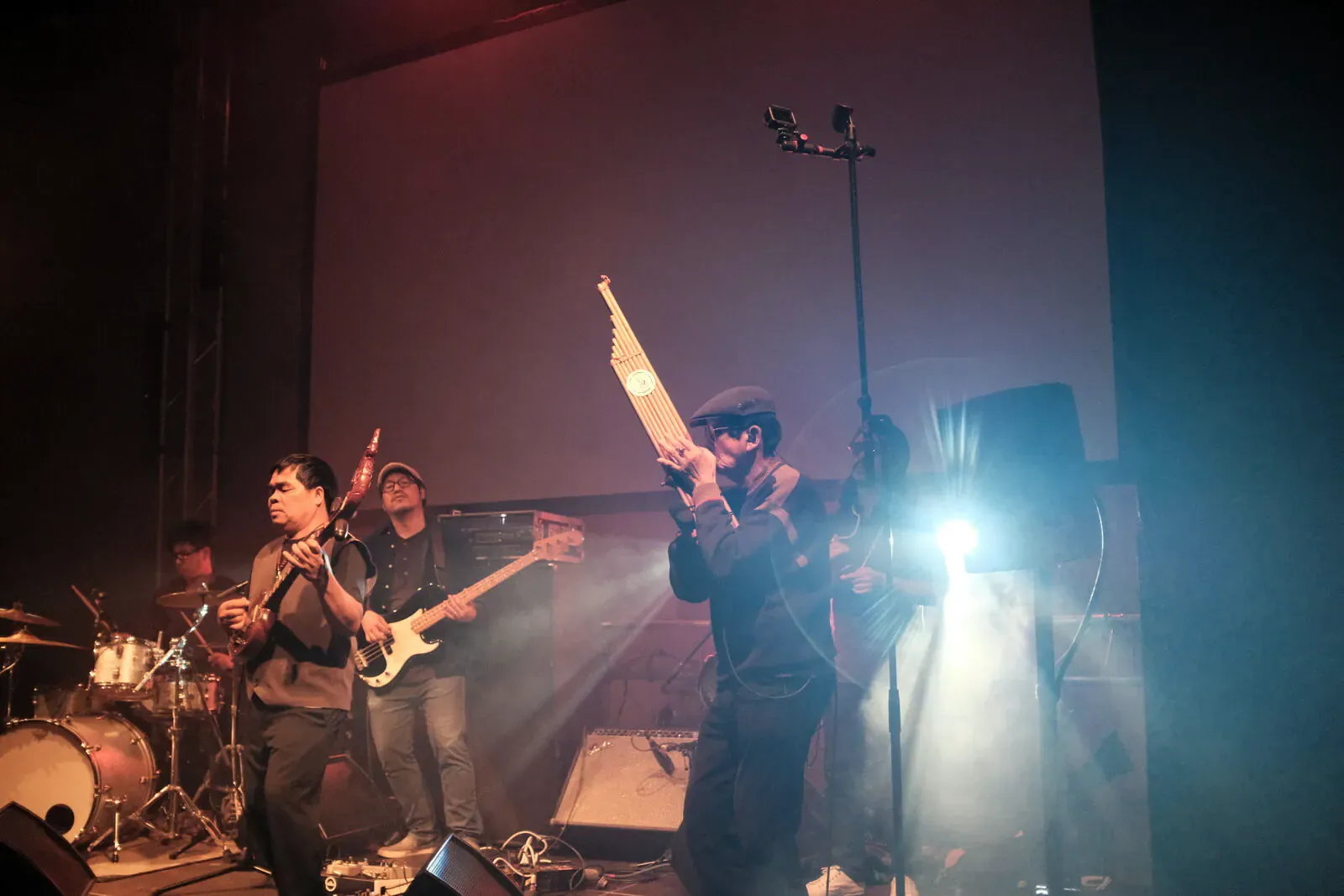
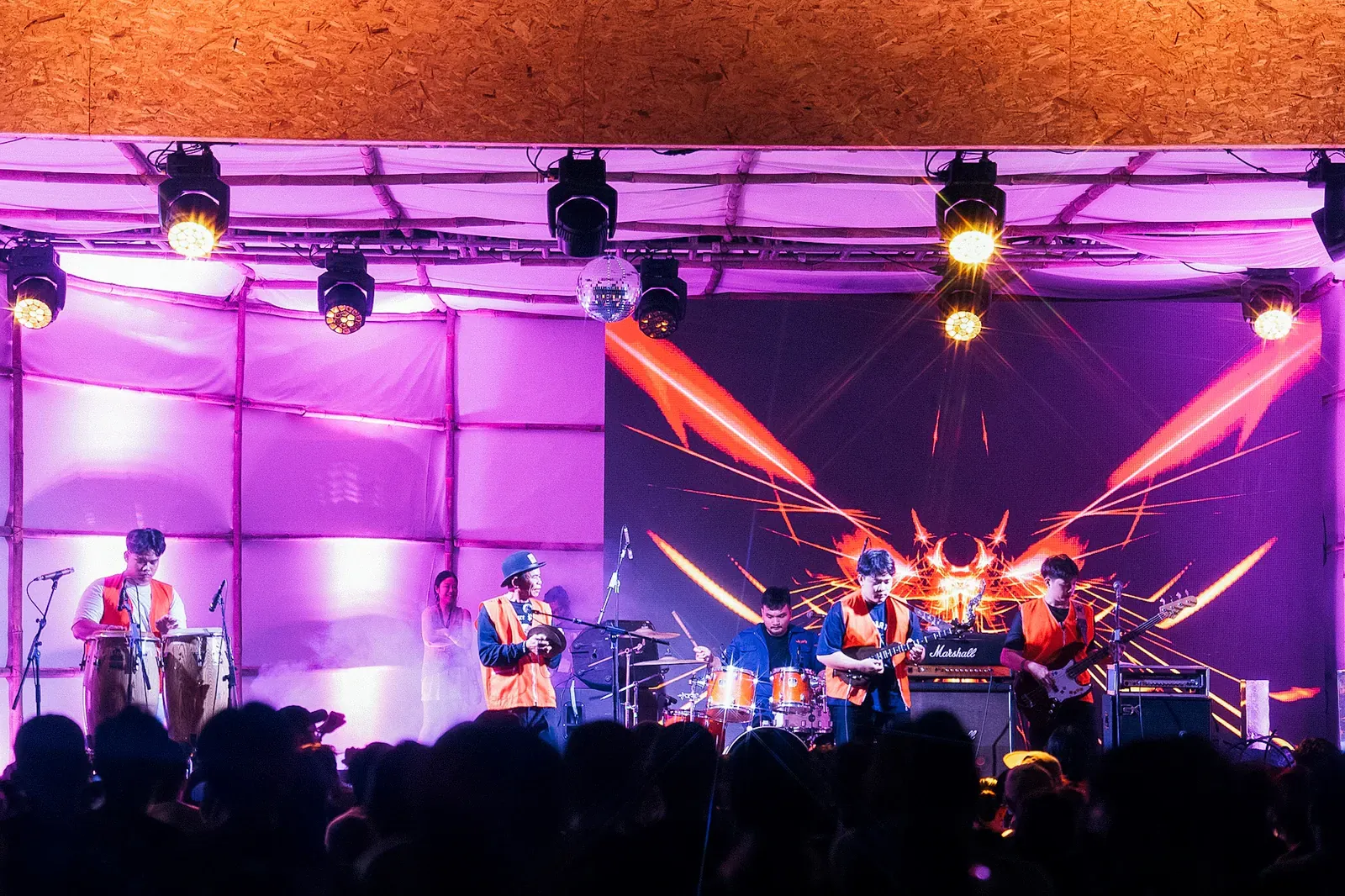
The vocal line follows the tones of Lao words, so melody and meaning are tied together and sung in staccato bursts. The khaen supplies drone and melody, and skilled players use circular breathing to keep a note going. A modern ensemble adds an electric phin lute, bass, guitar, drum kit and congas, with small ching cymbals marking a syncopated off-beat.
A modern song follows a fixed order: a slow introduction (groen), a sung verse, then a fast Isan-language chorus. Between songs, singers tease and joke with the audience in a banter called soi, and a show often opens with the call “o la no”, asking listeners to pay attention.
Mainstream success
Mor lam reached the Thai mainstream twice. The first wave came through 1980s television and the era of Banyen Rakkaen and Pornsak Songsaeng. The second came in the 1990s, when karaoke VCDs and cheap tape put mor lam on every bus and market stall. A late hit followed in 2018, when Jintara Poonlarp’s comeback song “Tao Ngoi” went viral on YouTube after her move to the Cat 9 studio.
Abroad, mor lam reached listeners through compilations, not hits: the reissues of 2004 to 2014 and the touring bands that followed sold it to rock, funk and world-music audiences.
Notable recordings
- “Isan Lam Plearn” (Angkanang Kunchai and the Ubon-Pattana Band, 1975): the first fusion of mor lam and luk thung.
- “Mo Lam Singing of Northeast Thailand” (Chaweewan Dumnern, 1991): a document of the older style by a National Artist.
- “Molam: Thai Country Groove from Isan” (Sublime Frequencies, 2004): the first modern electric molam reissue abroad.
- “Khun Narin’s Electric Phin Band” (Innovative Leisure, 2014) and “21st Century Molam” (ZudRangMa, 2014): the two debuts that took the sound on tour.
Culture
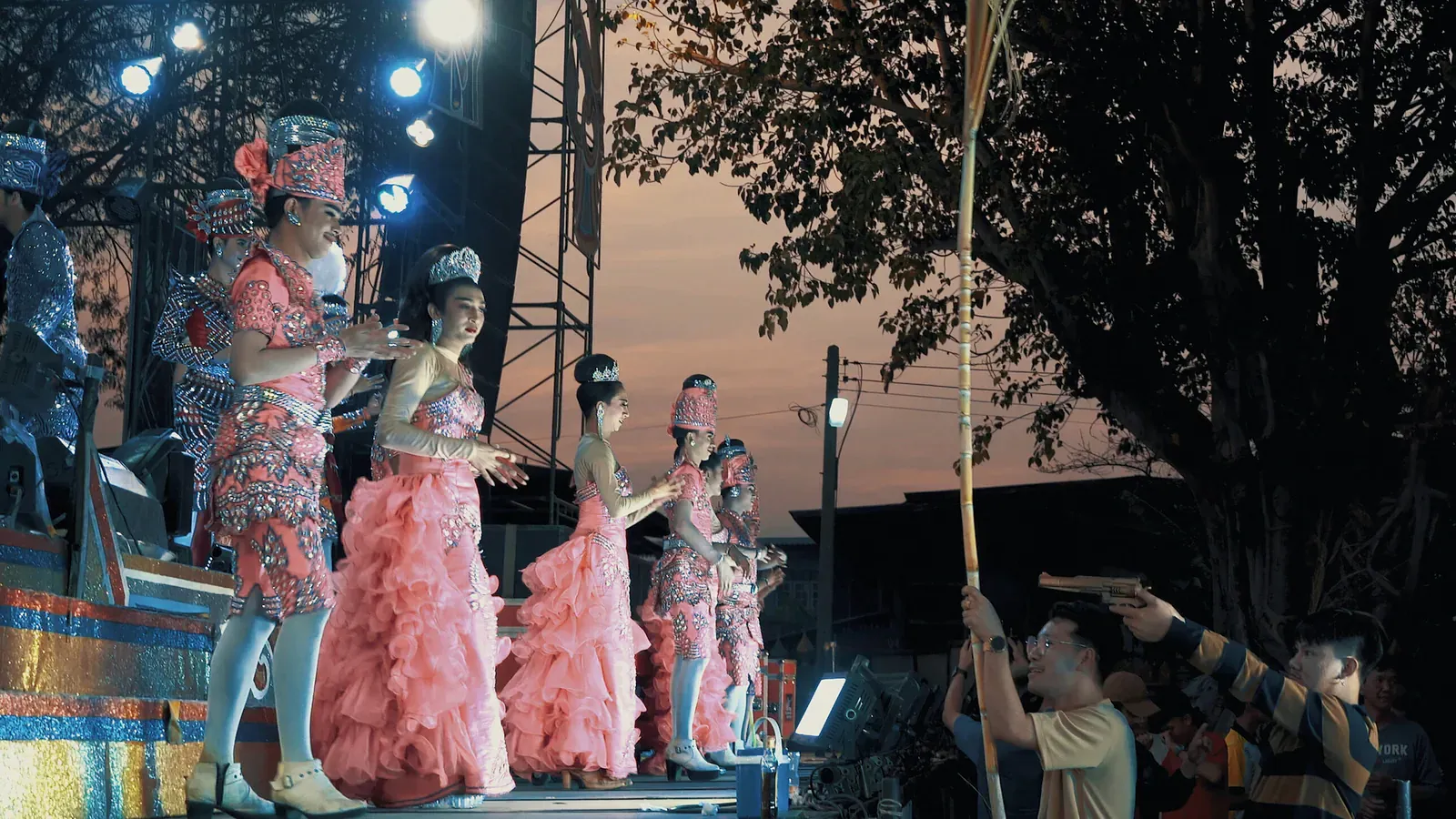
Mor lam is the soundtrack of Isan life. Temple fairs, weddings and funerals still book troupes, and a big show carries a dance troupe and costume changes for the lead singers. Karaoke VCDs add dancers and short films to every album.
Mor lam also carries identity. Isan people speak a Lao dialect, and songs about migrant work in Bangkok, homesickness and rural love gave a region far from the capital a public voice. In 2017 khaen music was added to UNESCO’s Representative List of the Intangible Cultural Heritage of Humanity.
Legacy
Mor lam’s main legacy is the sound of Thai popular music outside Bangkok. It shaped luk thung and was shaped by it in turn, and it now reaches electronic and dance audiences through reissue labels and bands built on 1970s models. Within the wider Southeast Asian music family, which also holds gong ensembles and court music, mor lam stands out as a living vernacular form.
Misconceptions
- Mor lam is only Thai. Its origins and many regional styles are Lao, and the khaen is the national instrument of Laos.
- Mor lam is a type of luk thung. The two are separate traditions that fused in the 1970s: luk thung is Thai country pop, while mor lam grew from Lao-language folk singing.
- The khaen is a flute. It is a free-reed instrument, and the player sounds it on both the in-breath and the out-breath.
Frequently asked questions
What does mor lam mean?
“Mor” means master or expert, and “lam” is the sung style. A mor lam is a master singer, and the term is also used for the genre.
What instruments are used in mor lam?
The khaen mouth organ is the core instrument. Modern groups add an electric phin lute, electric bass, guitar, drums and ching cymbals, and some bands add organ or saxophone.
Where is mor lam from?
Mor lam comes from the Lao-speaking regions of Laos and Isan, northeast Thailand. Isan cities such as Khon Kaen and Ubon Ratchathani produced its main regional singing styles.
Who are the best-known mor lam artists?
Banyen Rakkaen, Chaweewan Dumnern, Angkanang Kunchai, Pornsak Songsaeng, Siriporn Ampaipong and Jintara Poonlarp, and among revival acts Khun Narin and the Paradise Bangkok Molam International Band.
Sound
Sound sheet
Anatomy of a track
| # | Part |
|---|---|
| 1 | Groen: slow khaen-led introduction, often with o la no |
| 2 | Pleng: sung verse, often in central Thai |
| 3 | Lam: Isan-language chorus in speech-tone melody |
| 4 | Sudden shift from slow intro to fast main section |
Signature sounds
- Vocal line bends to the tones of the words
- Khaen drone and melody with circular breathing
- Syncopated ching on the off-beat
- Ornamented repeating bassline
- Two pentatonic scales, san and yao
- Teasing banter and comedy between songs
Drums and percussion
- Drum kit
Techniques
- Tone-matched melody
- Khaen drone and melody
- Slow intro, fast body
Keys and modes
San scale. One of two pentatonic scales of lam; the khaen is played in a mode (lai) of the san or yao family.
Yao scale. The second pentatonic scale family of lam and the khaen.
Tuning
Pitch is not fixed; the singer follows whatever khaen is accompanying.
Vocals
Tone-tied delivery with speech-like rhythm in the older forms, and conversational duets or banter.
Scenes
Where it happened
Where and when the sound lived: one bar per city on a shared timeline.
Asia
Active scenes
Peak 4, 2015-2025
The slower, fluent Ubon lam style came to dominate Isan in the later 20th century.
Isan migrants make mor lam clubs and karaoke bars a link to home, and the capital hosts the media and reissue scene.
Home of Khun Narin, whose electric phin parties were found on YouTube in 2013.
Where Rasmee Wayrana found the soul and African influences behind Isan Soul.
Venues and places
Bangkok, 1946 to today. Boxing stadium that hosted the first major 20th-century mor lam show in Bangkok.
Bangkok, 2009 to today. Sukhumvit bar and live room beside ZudRangMa, home of the Paradise Bangkok molam nights.
Bangkok, 2007 to today. Record shop and label of Maft Sai, base of the Paradise Bangkok reissue work.
Culture
Culture markers
- Lam phi fa
Spirit-possession healing ritual that grew from lam tang yao.
Ritual - Festival and ceremony shows
Temple fairs, weddings and funerals still book mor lam troupes.
Ritual - Dancers and costume changes
Big shows feature a dance troupe and several costume changes for the singers.
Dance - Sing
From English racing, tied to Isan biker culture.
Slang - O la no
Opening exhortation to the listeners to pay attention.
Slang - Traditional dress with electric bands
Banyen Rakkaen often wears traditional clothing while fronting an electrified band.
Fashion - Karaoke VCDs
Albums come with video of dancers, narrative films and sometimes psychedelic studio backdrops.
Artwork
Media
Key media
- 1985Traditional Music of the Lao: Kaen Playing and Mawlam Singing in Northeast Thailand
by Terry E. Miller. The main English study of khaen playing and mawlam singing.
Book - 1998Garland Encyclopedia of World Music, Volume 4: Southeast Asia
by Terry E. Miller and Sean Williams. Reference chapter on Lao and Isan music.
Book - 2004Molam: Thai Country Groove from Isan
by Various. Sublime Frequencies set of 1970s electric molam.
Compilation - 2010The Sound of Siam: Leftfield Luk Thung, Jazz and Molam in Thailand 1964-1975
by Various. 19 tracks including Chaweewan Dumnern.
Compilation - 2018Lam Phloen World-Class: The Essential Banyen Rakkaen
by Banyen Rakkaen. Her early 1970s 7-inch singles.
Compilation - 2025Classic Productions by Surin Phaksiri 2: Molam Gems from the 1960s-80s
by Various. EM Records reissue of first-time molam singles compiled by Soi 48.
Compilation
Glossary
Terms on this page
Slow introduction, often with khaen, that sets out the subject of a modern song.
Lao mouth organ whose pipes join a hardwood wind chest; it is the national instrument of Laos.
Northern Lao term for sung folk styles that Isan does not use.
Celebratory group form of song and dance, ancestor of the 1970s electric stage.
Fast stage form of three-minute songs and medleys, named for racing on motorbikes.
Fast, light-hearted style introduced in the mid-20th century.
Master singer of lam, and by extension the whole genre in Laos and Isan.
Teasing banter between singer and audience between songs.
Southeast Asian family