Southeast Asian music
Southeast Asian music spans gamelan, pinpeat, khaen and kulintang traditions and national pop from dangdut and luk thung to P-pop, over 1,200 years.
154 genres
Since around 800
Genres
154
In this family
Branches
87
Main subgenres
Since
around 800
Indonesia, Thailand, Vietnam, Philippines, Malaysia, Cambodia, Laos, Myanmar (Burma)
Timeline
Era by era
From the first sparks to today. Select a dot to read the story behind it.
- Gong-chime courts and village song
800 to 1919
- Shellac and radio
1920 to 1955
- Golden age of national pop
1956 to 1975
- Exile, cassettes and electric folk
1976 to 1999
- Digging, reissues and P-pop
2000 to today
Eras
Moments
- 1 Gong-chime courts and village song, 800 to 1919
- 2 Shellac and radio, 1920 to 1955
- 3 Golden age of national pop, 1956 to 1975
- 4 Exile, cassettes and electric folk, 1976 to 1999
- 5 Digging, reissues and P-pop, 2000 to today
around 800
Gong-chime courts and village song
Bronze gong ensembles, court orchestras and sung village traditions take shape from Java to Angkor to Ayutthaya, each tied to ritual, theatre and royal patronage.
- 800Borobudur reliefs show early Javanese ensemblesCarved panels at the Central Java temple depict instruments that scholars link to later gamelan.
- 1150Angkor Wat reliefs show Khmer court musicTemple carvings record instruments ancestral to the pinpeat orchestra.
- 1889Javanese gamelan heard at the Paris ExpositionClaude Debussy was among the listeners, an early meeting of Southeast Asian music and European composers.
around 1920
Shellac and radio
78 rpm discs and early radio carry kroncong, Burmese theatre song and Khmer ballads beyond their home towns and start the region's first recording industries.
- 1920Burmese theatre and court songs reach 78 rpmThe earliest documented Burmese 78 rpm recording dates to 1921, made for HMV.
- 1954Remaco founded in JakartaThe company grows into one of Indonesia's largest labels of the 1950s to 1970s.
1956
Golden age of national pop
State and private labels in Surakarta, Jakarta, Phnom Penh, Saigon, Manila and Kuala Lumpur blend local melody with rock, soul and Latin rhythm.
- 1956Lokananta founded in SurakartaIndonesia's state record company begins pressing keroncong, gamelan and regional music.
- 1960P. Ramlee records Getaran JiwaThe ballad from his film Antara Dua Darjat becomes a Malay standard.
- 1964Ros Serey Sothea debuts in Phnom PenhShe becomes the best-known female voice of Cambodian rock.
- 1966Vicor Music founded in ManilaThe independent label becomes a main engine of Filipino pop through the 1970s.
- 1966Champa Battambang opens Royal Khmer TelevisionSinn Sisamouth's song is the first music broadcast by the new station.
- 1967Khanh Ly records live at the Van cafe in SaigonHer Trinh Cong Son songs become the sound of wartime South Vietnam.
- 1968Waldjinah scores with Walang KekekThe Javanese keroncong hit carries the style across Indonesia.
- 1970Rhoma Irama forms SonetaThe group is described as the first dangdut band, adding rock to Malay and Indian film-song roots.
- 1975Fall of Phnom Penh ends Cambodian rockKhmer Rouge rule destroys the scene; Sinn Sisamouth and Ros Serey Sothea are lost.
- 1975Fall of Saigon sends Vietnamese singers into exileKhanh Ly and others rebuild abroad, seeding the overseas V-pop market.
1976
Exile, cassettes and electric folk
War and the Khmer Rouge scatter musicians; cassette markets, karaoke video and electric luk thung and dangdut build mass audiences at home and in diaspora.
- 1978Freddie Aguilar releases AnakThe folk ballad is widely cited as the best-selling Philippine record ever.
- 1984Thuy Nga established in ParisIts Paris By Night video series becomes the main stage for diaspora Vietnamese pop.
- 1985Pumpuang Duangjan electrifies luk thungHer 1985 album Hue Hue! Lor Jang helps launch dance-oriented electronic luk thung.
- 1995Star Music and Grammy Gold launchABS-CBN's Star Music and GMM's luk thung label Grammy Gold both start in 1995.
2000
Digging, reissues and P-pop
Crate-diggers and reissue labels rediscover lost scenes while streaming and TV talent systems push dangdut, molam and Filipino pop to new audiences.
- 2003Sublime Frequencies founded in SeattleIts field recordings and radio collages bring Southeast Asian pop and folk to Western listeners.
- 2012Paradise Bangkok Molam International Band debutsThe Bangkok group, tied to Zudrangma Records, reworks Isan molam for dance floors.
- 2016Planet Lam albumThe band's second album widens the molam revival abroad.
- 2024Soundway issues Ayo Ke DiscoA compilation of 1974-88 disco and funk from around the South China Sea.
- 2024BINI release the Talaarawan EPThe Star Music girl group drives a new wave of Filipino P-pop.
- 2025Freddie Aguilar diesThe Anak singer, a pillar of OPM, dies in Quezon City on 27 May.
- 2025Sublime Frequencies issues Thai and Vietnamese titlesMolam Vol. 2, Music From the Mountain People of Vietnam and Thai Pop Spectacular appear in 2025.
Facts
| Genres in the family | 154 |
| Main branches | 87 |
| Emerged | Ancient |
| Tempo | 60 to 170 BPM |
Southeast Asian music is the traditional and popular music of Indonesia, Malaysia, Thailand, Vietnam, the Philippines, Cambodia, Laos and Myanmar.
Its base is bronze gong ensembles and court orchestras, first pictured on 8th-century temple reliefs in Java, and on that base a century of national pop was built from shellac discs, radio and cassettes. The library holds 154 genres in the family, 87 of them direct branches.
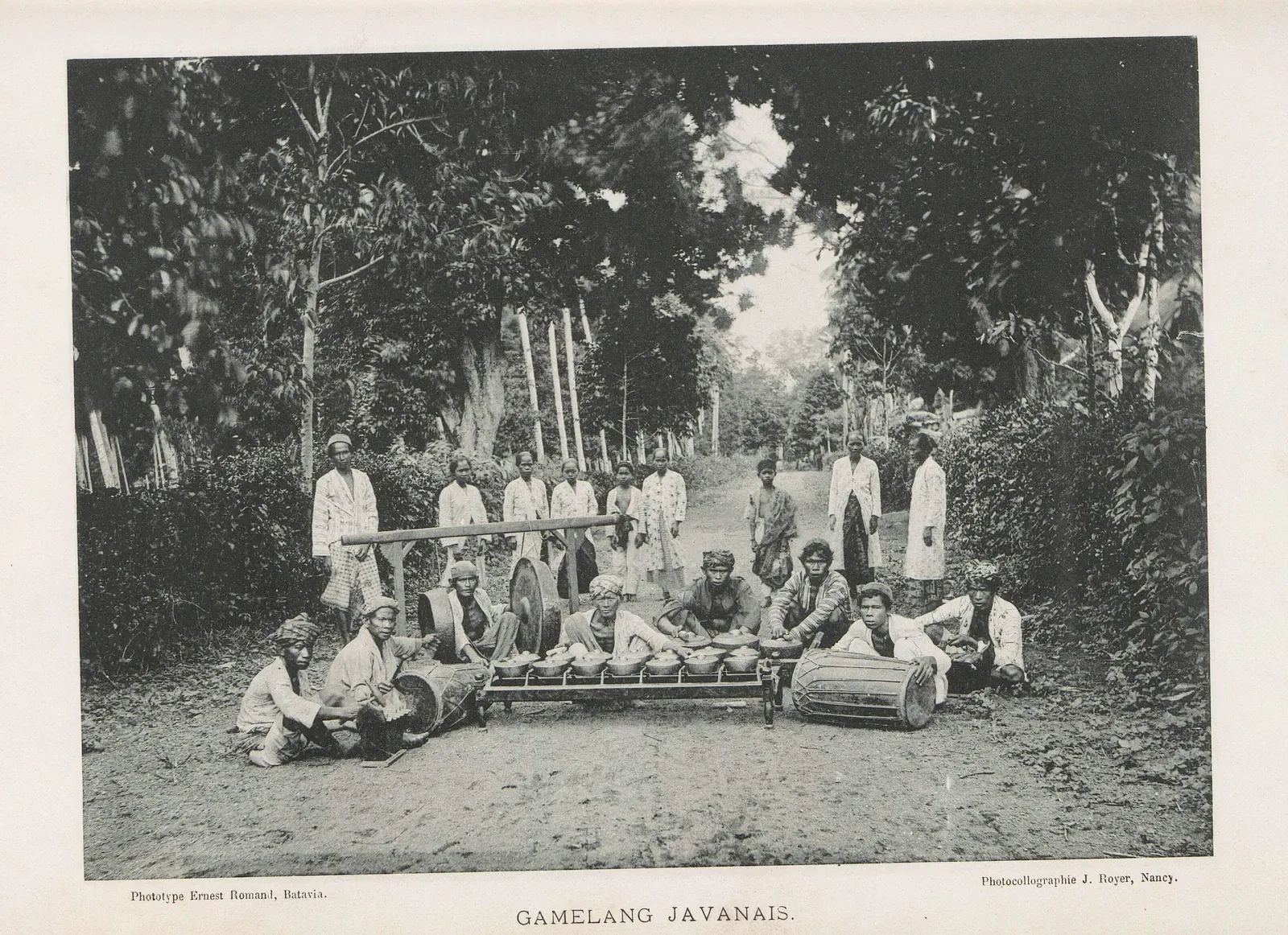
Courts and villages, to 1919
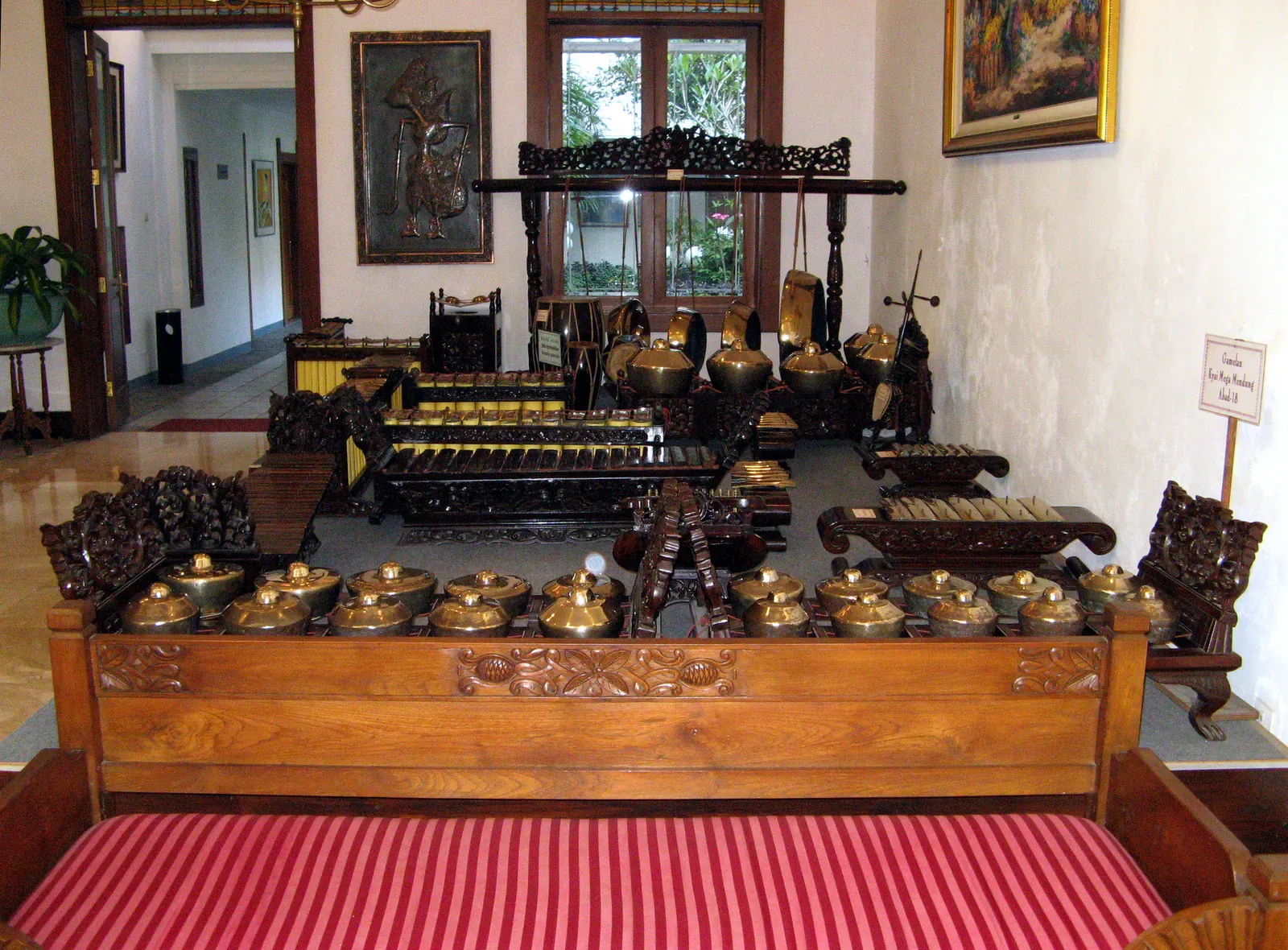
The oldest picture of a Javanese ensemble is in stone. Reliefs at Borobudur in Central Java, carved in the 8th century, show players with lutes, drums, flutes, cymbals, bells and xylophones. The bronze orchestra known as gamelan took its current form later, under the Majapahit empire, and split into three recognizable styles: soft and slow in Central Java, fast and forceful in Bali, flute-led in West Java. UNESCO inscribed gamelan as intangible heritage on 15 December 2021.
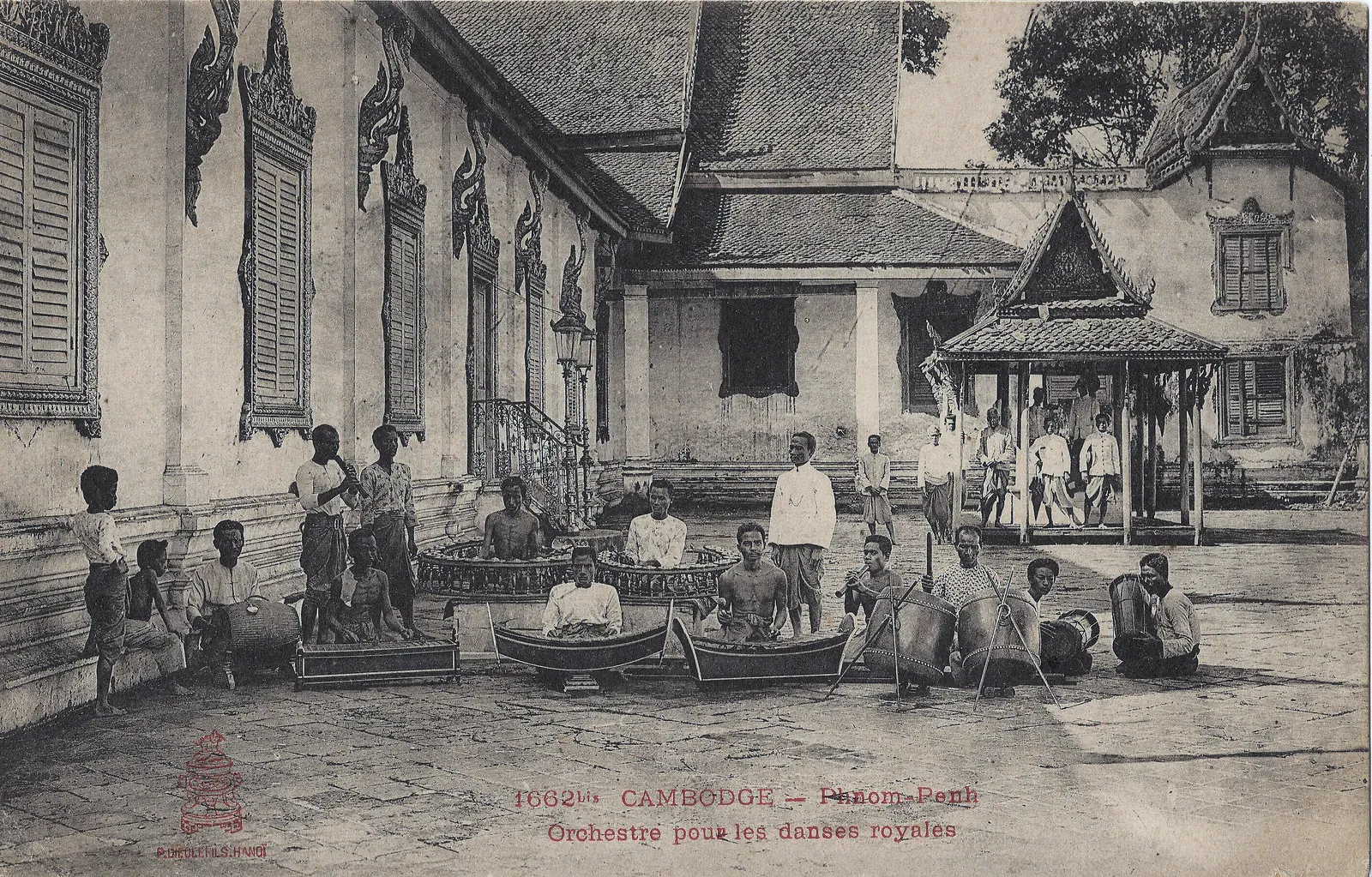
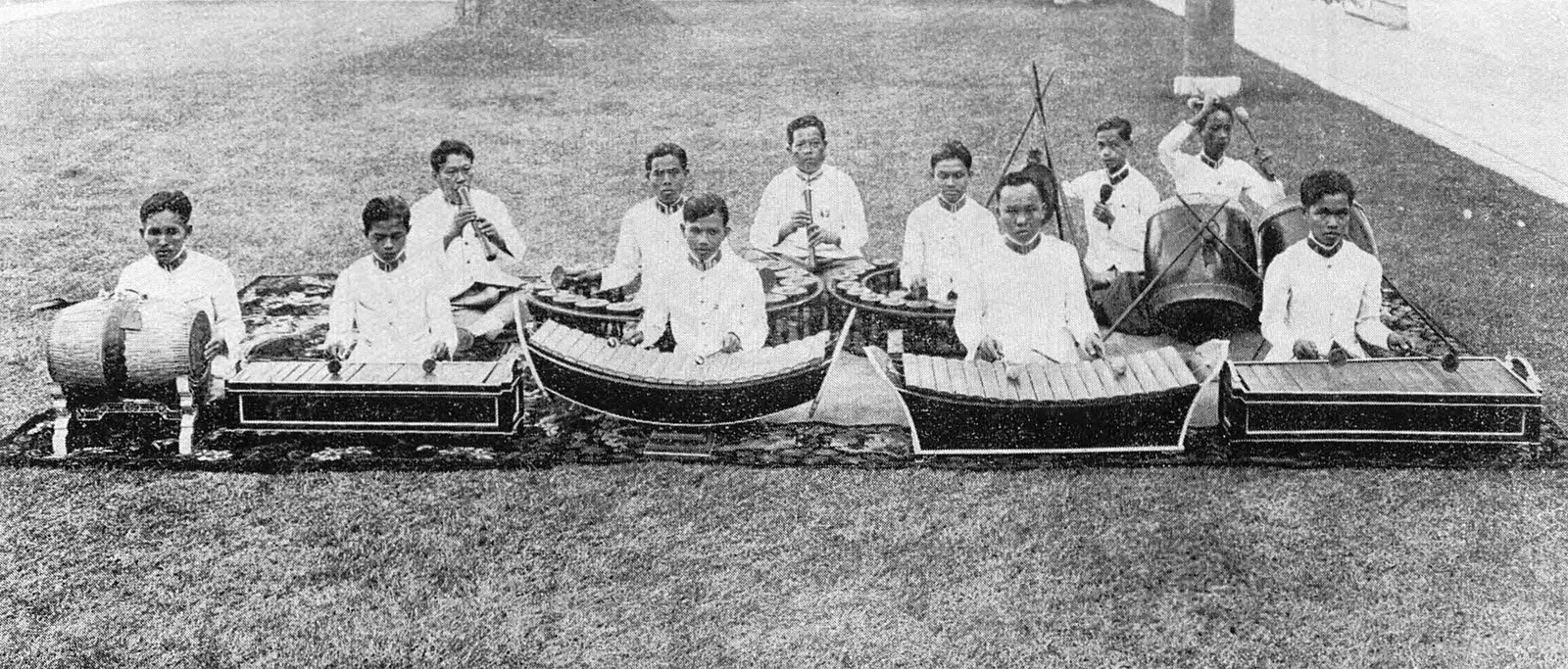
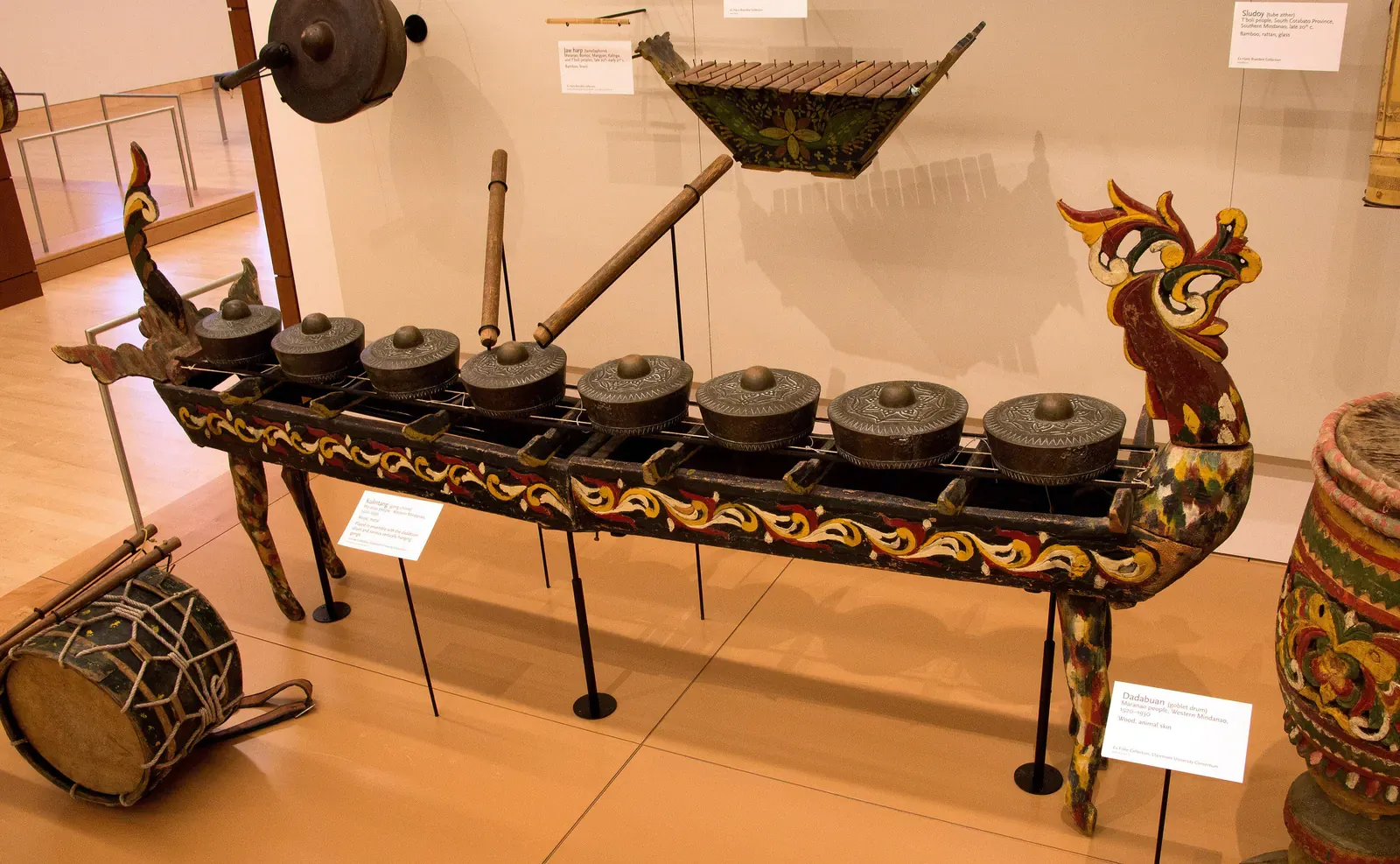
Neighbouring courts built their own gong-chime orchestras. Cambodia has the pinpeat, Thailand the piphat led by the ranat ek xylophone, and the southern Philippines the kulintang, a row of five to nine small bronze gongs played with wooden beaters. Kulintang is described as older than Hindu, Buddhist, Islamic and Christian influence, and it still plays at weddings and healing rites among the Maguindanao, Maranao and Tausug.
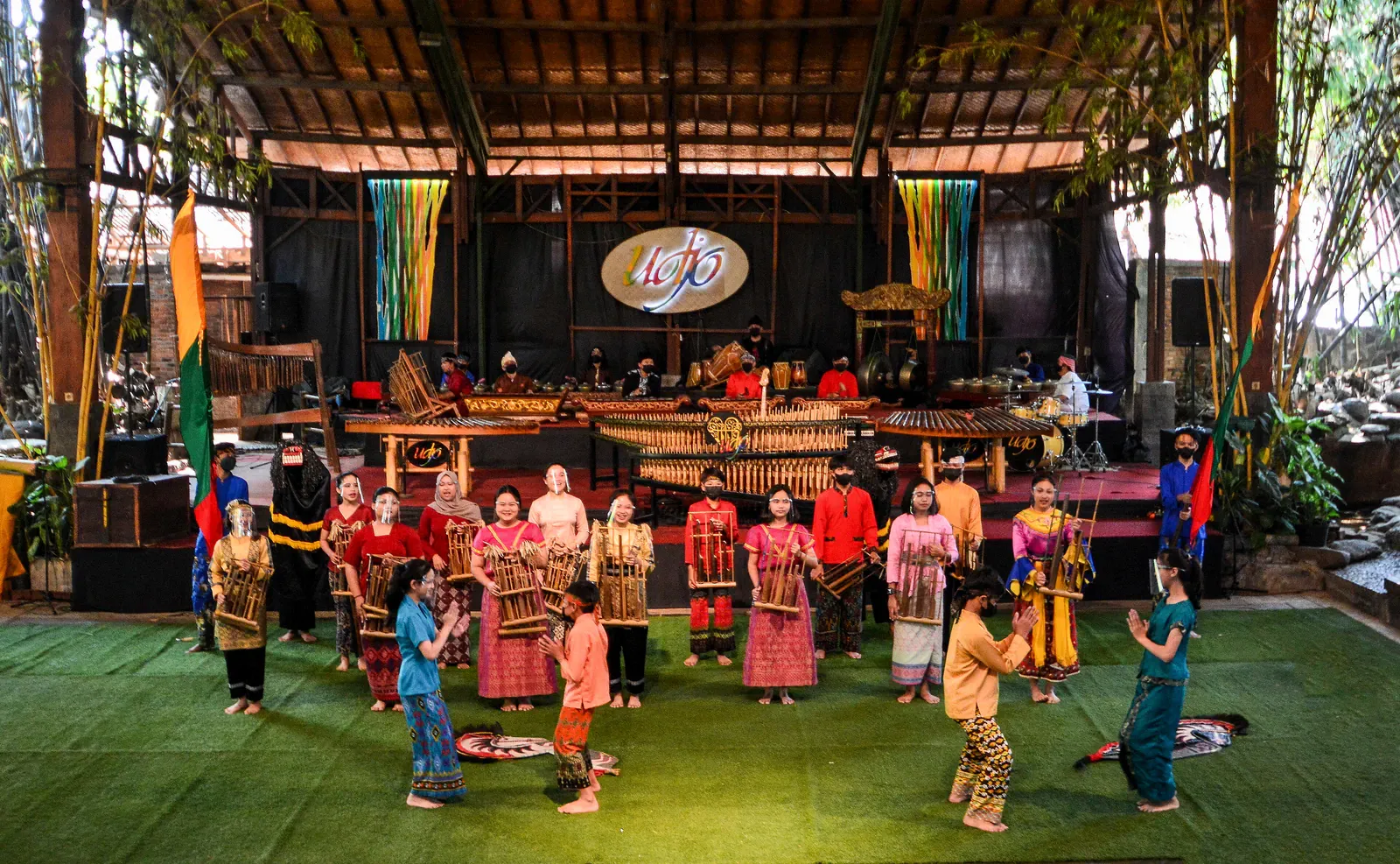
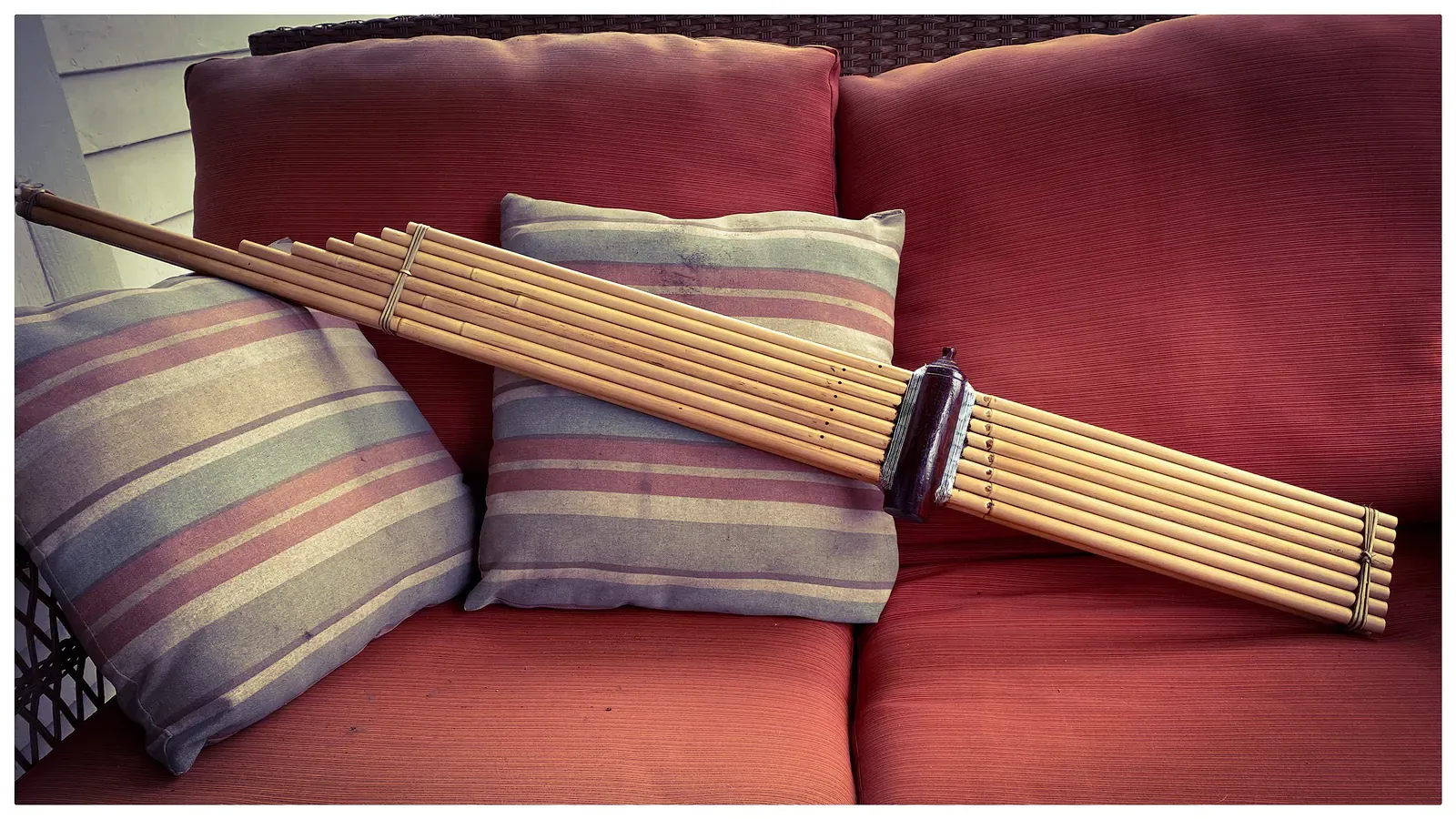
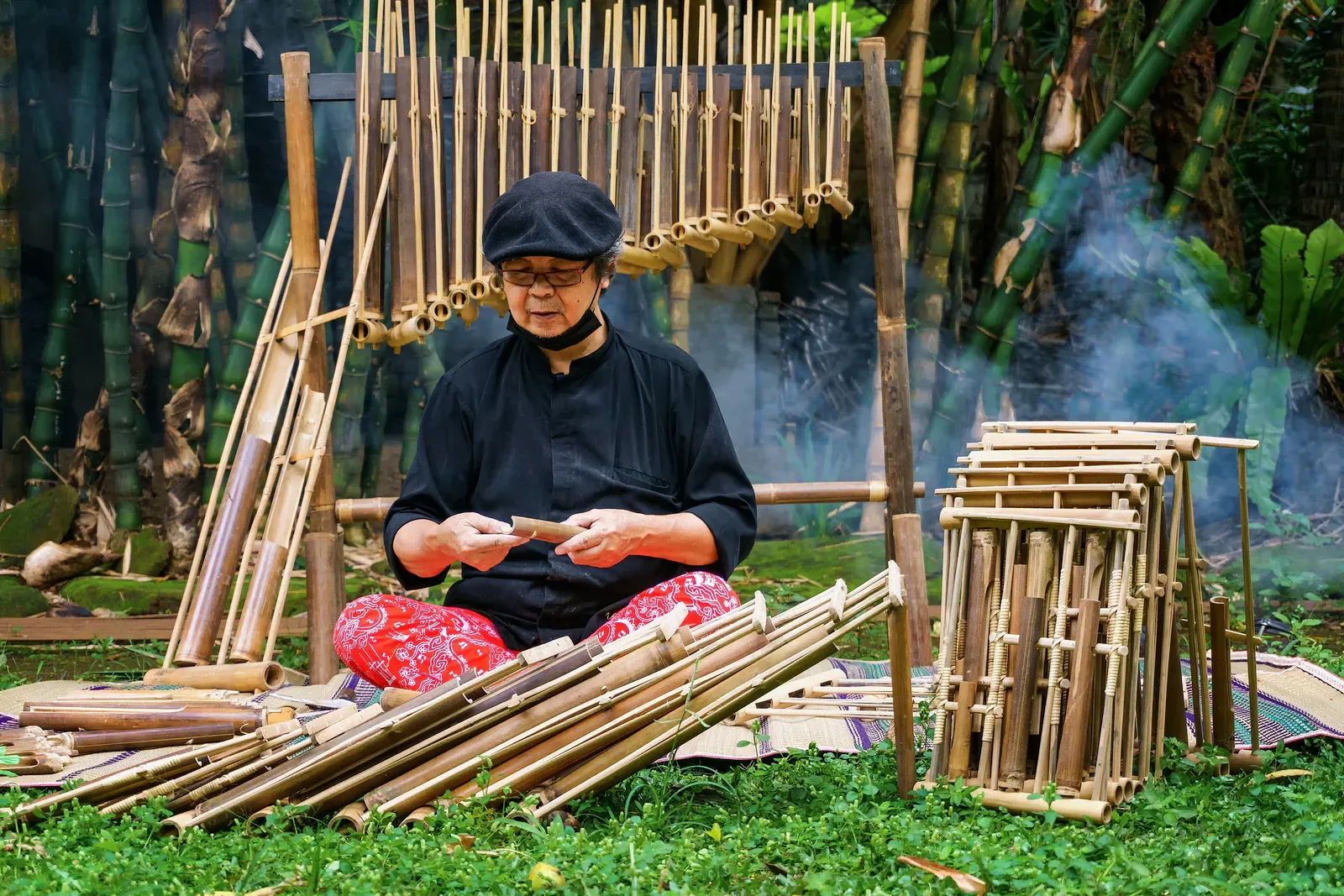
Village music ran on other instruments. The khaen, a free-reed mouth organ of bamboo pipes joined to a hardwood chest, is the national instrument of Laos and accompanies the sung storytelling of mor lam in northeast Thailand and Laos. UNESCO listed Lao khaen music in 2017. In West Java the Sundanese shake bamboo angklung, each player sounding one pitch, a tradition UNESCO listed in 2010.
Shellac and radio, 1920 to 1955
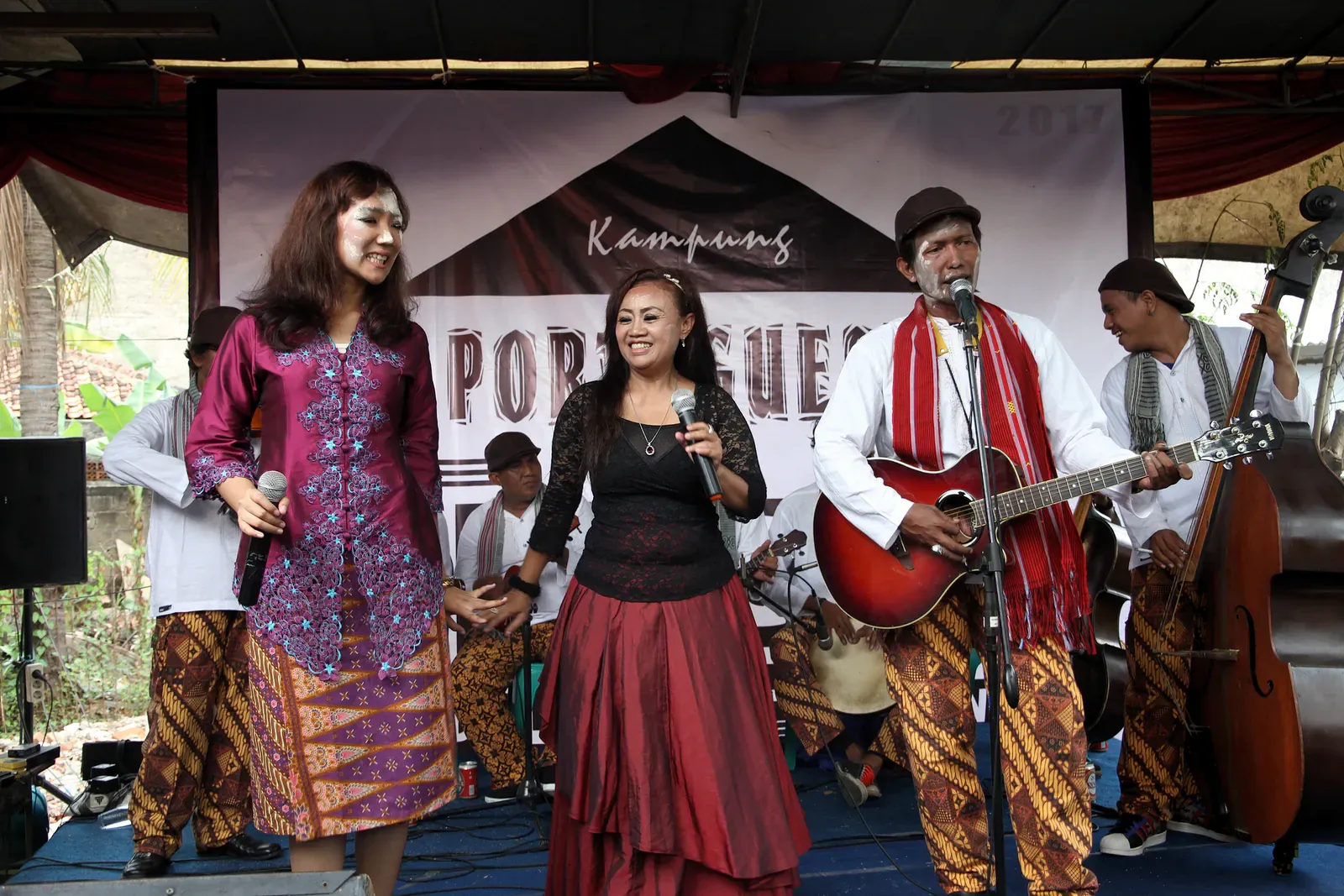
Recording turned local songs into products. Burmese companies pressed theatre and court songs onto 78 rpm discs from the early 1920s, and keroncong spread through the same new media. Keroncong is the Indonesian style led by two small ukulele-like strings, the cuk and the cak, with flute, violin and cello. It is traced to Portuguese contact in 16th-century Java, with the modern form taking shape after 1880, and Indonesia named it national intangible heritage in 2016.
The first national industries followed independence. In Jakarta a couple, Moestari and Titien Soemarni, founded Remaco in 1954 as a vinyl pressing business. In Surakarta, Lokananta opened in 1956 as a state label that grew out of transcribing radio programmes. Between them they gave Indonesia its first mass-produced pop.
Golden age of national pop, 1956 to 1975
Between 1956 and 1975, Surakarta, Jakarta, Phnom Penh, Saigon, Manila and Kuala Lumpur each produced a national pop sound by mixing local melody with rock, soul and Latin rhythm. In Malaysia, P. Ramlee, born in Penang in 1929, sang and directed in Singapore film studios, and his ballad “Getaran Jiwa” (1960) became a Malay standard. In Indonesia, Waldjinah’s “Walang Kekek” (1968) took keroncong across the country, and her album Ratu Kembang Katjang (1967) came out on Lokananta.
Rock was a political act. President Sukarno had banned rock and roll, and in 1965 the authorities detained the band Koes Bersaudara for playing Beatles covers, releasing them on 29 September 1965, the day before the coup attempt. As Koes Plus, the Koeswoyo brothers later recorded for Remaco, and never owned the rights to their songs.
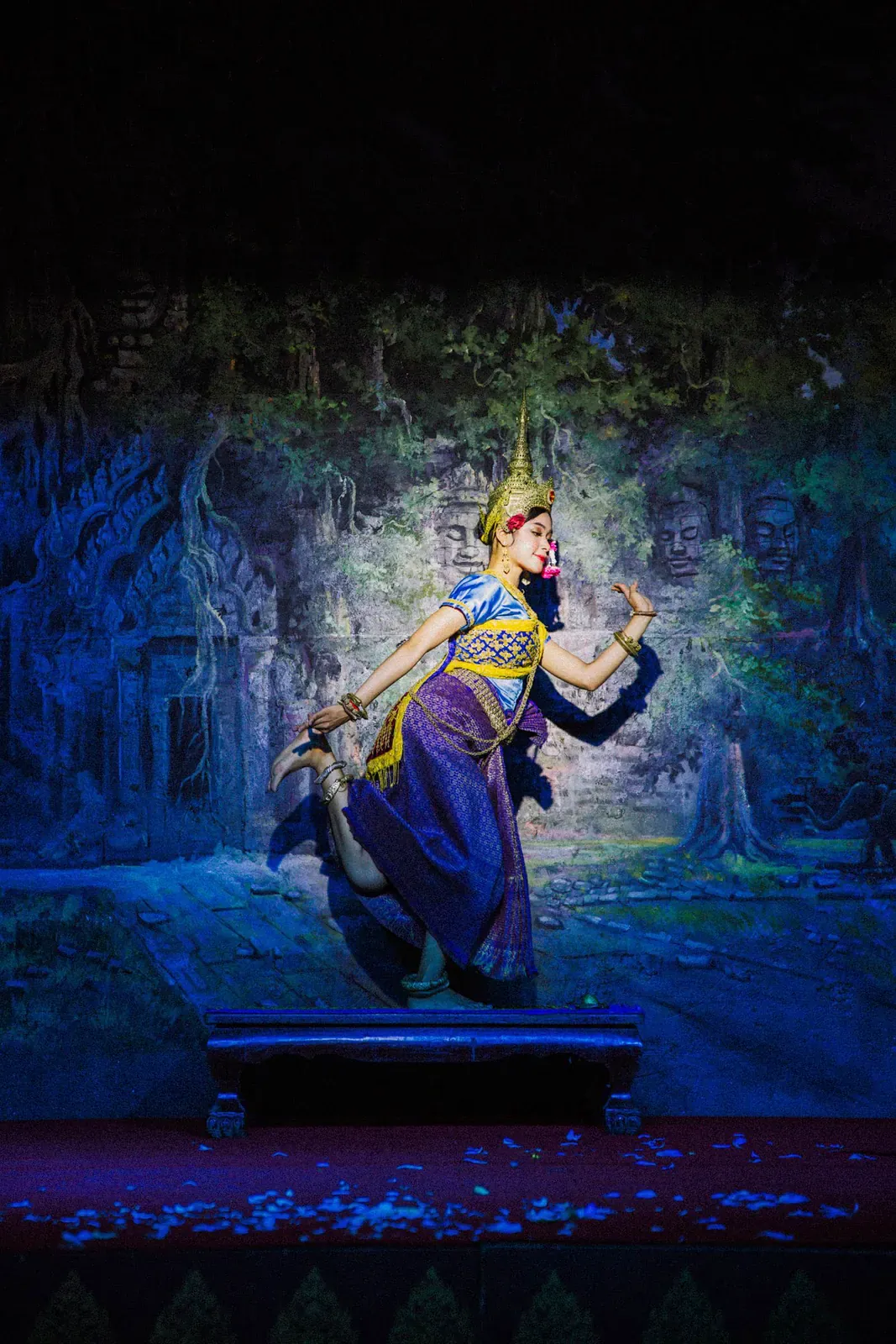
Phnom Penh and Saigon heard the world on the radio. Cambodian musicians took Latin records, French pop and American Armed Forces Radio and made them Khmer. Baksey Cham Krong, formed in 1959, is often called the first Cambodian rock band, and Sinn Sisamouth wrote more than 1,000 songs. Ros Serey Sothea became the leading female voice. In Saigon, Khanh Ly sang the songs of Trinh Cong Son at coffee shops in 1967 and was called “the barefoot diva”. In the Philippines, Vicor Music started in 1966, and Plaka Pilipino ran from 1970 to 1981, recording Nora Aunor and Pilita Corrales.
Dangdut began around 1970. Its name imitates the sound of the tabla drum. It grew out of Orkes Melayu (Malay orchestra) bands, absorbed Hindi film songs from 1950s Jakarta, and found its electric form with Rhoma Irama’s Soneta, formed in 1970 and called the first dangdut group.
Exile, cassettes and electric folk, 1976 to 1999
On 17 April 1975 the Khmer Rouge took Phnom Penh and emptied the city. Many musicians disappeared, and records and master tapes were destroyed. The same month Saigon fell, and Khanh Ly left as a refugee for the United States. The Vietnamese pop industry was rebuilt abroad. In 1984 To Van Lai founded Thuy Nga in Paris, and its Paris By Night video series later moved production to Orange County, California, home to a large Vietnamese community.
The cassette did the rest. Cheap tape, then video CD and karaoke, carried electric folk to mass audiences. In Thailand, luk thung (“child of the fields”), named in 1964 after a television show, told stories of rural poverty and migration, and Pumpuang Duangjan made it danceable. Her 1985 album Hue Hue! Lor Jang is a landmark of “electronic luk thung”. She died of lupus on 13 June 1992, aged 30. Isan, the northeast, is the home of the khaen and mor lam, and much of luk thung’s audience is rural.

In Manila, Freddie Aguilar’s folk ballad “Anak” (1978) became, by one account, the most commercially successful Filipino recording. Rhoma Irama, meanwhile, turned to Islamic themes after a 1975 pilgrimage to Mecca. After campaigning for an Islamic party he was banned from state radio and television by the Suharto government, a ban lifted only in 1988. In Malaysia, Positive Tone launched in 1993 and made Kuala Lumpur a hub for local hip-hop and urban pop before EMI absorbed it in 1998.
Digging, reissues and P-pop, 2000 to now
Crate-diggers found what the war and the tape hiss had hidden. In 1996 the Cambodian Rocks compilation introduced Western listeners to the Phnom Penh sound. In 2003 Sublime Frequencies, founded in Seattle by Alan and Richard Bishop and Hisham Mayet, began issuing radio collages and cassette archives from Thailand, Vietnam, Cambodia and Burma. Bangkok collector Maft Sai founded Zudrangma Records to reissue molam and luk thung, and Soundway Records later compiled Southeast Asian disco and funk on Ayo Ke Disco (2024).
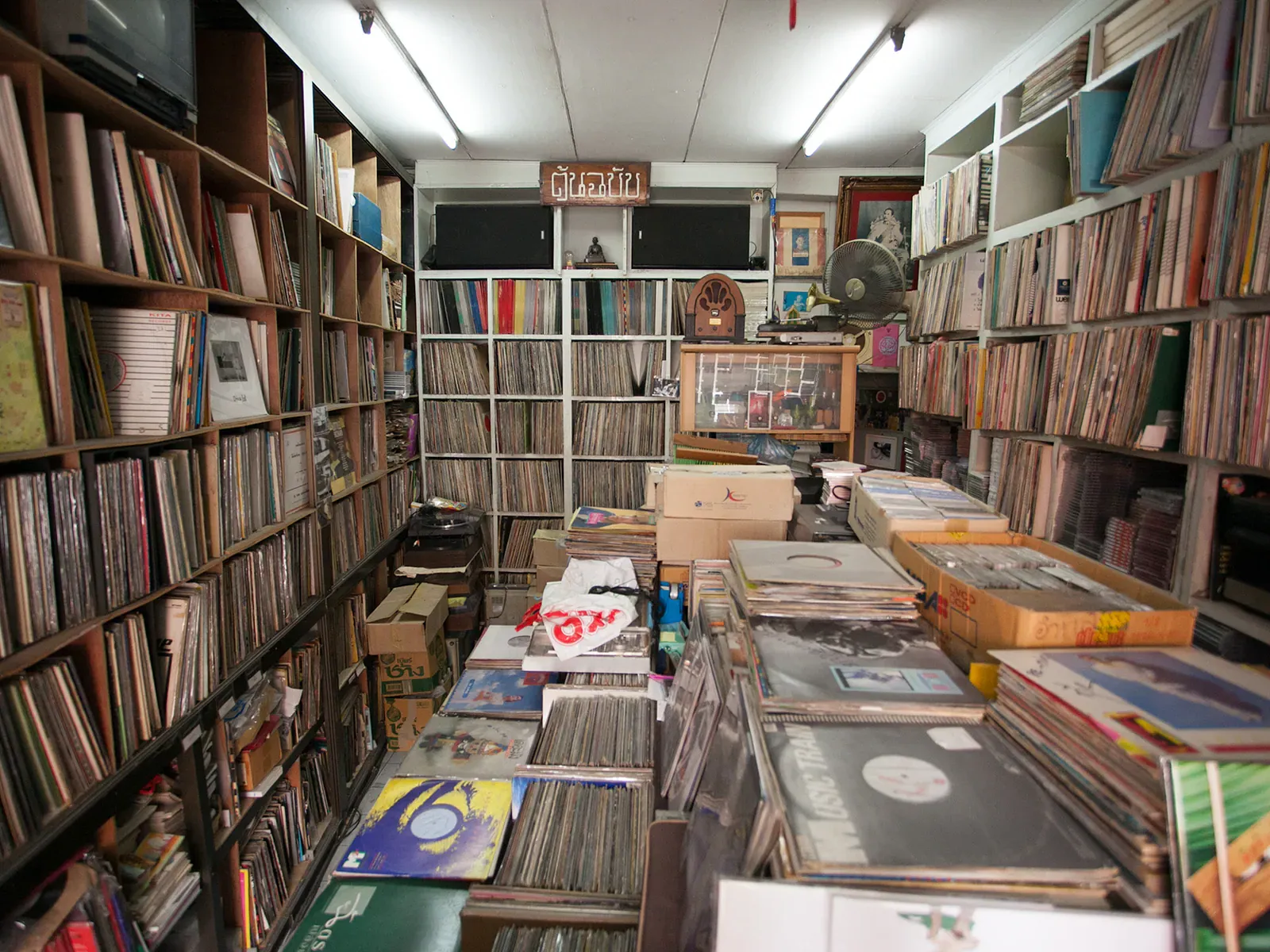
The archives themselves are waking up. Lokananta, bankrupt in 2001, reopened in 2023 as Lokananta Bloc, a creative space in Surakarta. Meanwhile pop kept its commercial centre in the Philippines. Viva Records began in 1986 and Star Music in 1995, and Star Music’s BINI released the Talaarawan EP in 2024. BINI also became the first Filipino act to win Best Asia Act at the MTV Europe Music Awards that year. The family’s open question is whether regional pop can travel without losing the instruments it was built from.
Characteristics
The shared traits are layered, cyclic texture and tuning that does not follow Western equal temperament. In gamelan a slow core melody is elaborated at faster subdivisions, while gongs of different sizes mark nested time cycles. Balinese ensembles add interlocking parts and paired instruments tuned slightly apart, which gives the shimmering beat. Javanese and Balinese tunings fall into five-tone slendro and seven-tone pelog. Sung traditions bend melody to the tones of the language, as in the Thai and Lao mor lam.
Instruments and production
Tuned bronze and wood carry the court repertoires: gongs, metallophones and xylophones, with a hand drum such as the kendang keeping time and cueing dancers. Popular music replaced the court orchestra piece by piece. Keroncong paired two small plucked strings with violin, flute and cello, and dangdut put tabla and gendang drums beside guitars and later synthesizers. Cassette duplication and arranger keyboards loaded with kendang and gamelan samples allowed small touring bands to sound like full orchestras. Later, budots producers such as DJ Love worked in FL Studio, and budots and vinahouse both run on four-on-the-floor patterns near 140 beats per minute.
Culture
Court music was written for rulers and for ritual. Pop was written for migrants. Luk thung and dangdut both found their audience among people who had left villages for Bangkok or Jakarta, and both were sold on cassette long before streaming. Dangdut has political baggage: it has appeared in campaigns and government offices, and critics have argued about its portrayal of women and about Islamic morality. Rhoma Irama’s ban shows how a pop star can become a political problem.
Class and exile shape the rest. Paris By Night was made for refugees and their children, and the company nearly closed in 2010 because of piracy. It survived by moving onto YouTube. Cambodian rock is remembered through survivors: the guitarist Touch Chhatha and the singer Sieng Vannthy lived through the Khmer Rouge years, and modern bands such as Dengue Fever and the Cambodian Space Project keep the songs alive.

Misconceptions
“Gamelan is the sound of Southeast Asia.” Gamelan belongs to Indonesia, and even there it comes in Javanese, Balinese and Sundanese forms with different tuning and tempo. Pinpeat, piphat, kulintang and the khaen traditions are separate systems with their own repertoires.
“Cambodian rock was wiped out in 1975.” The scene was destroyed, and many artists died or disappeared, but not everything was lost. Survivors such as Touch Chhatha and Sieng Vannthy carried the songs out, and the 1996 Cambodian Rocks compilation rebuilt interest from surviving recordings.
“Dangdut is just Indian film music with a local beat.” Its roots include Hindustani, Arabic, Javanese and Malay folk roots, all routed through Orkes Melayu bands. Rhoma Irama’s Soneta added electric guitars and, later, Islamic lyrics, so the style is a local invention, not a copy.
Frequently asked questions
What is Southeast Asian music?
Southeast Asian music is the traditional and popular music of eight countries in the library’s definition: Indonesia, Malaysia, Thailand, Vietnam, the Philippines, Cambodia, Laos and Myanmar. It includes gong-chime ensembles such as gamelan and kulintang, village forms such as mor lam, and national pop from dangdut to P-pop.
What instruments define Southeast Asian music?
The shared core is tuned bronze: gongs, metallophones and xylophones, played in ensembles such as gamelan, pinpeat and piphat. Bamboo instruments like the khaen mouth organ and angklung shakers matter in the countryside, and the kendang and tabla drums drive pop.
What is the difference between dangdut and luk thung?
Dangdut is Indonesian, built on Malay orchestras, tabla drums and Hindi film song. Luk thung is Thai country music, built on rural storytelling and, in its electronic form, on dance rhythm. Both grew on cassette among people who had moved from villages to cities.
Subgenres
Genres in the family
87 main branches. Names with their own page are links.
- Adai-adai
- Anyeint
- Arak
- Asli
- Ayai
- Bai choi
- Balitaw
- Bangsawan
- Bantengan
- Boria
- Byaw
- Ca Hue
- Ca tru
- Cai luong
- Cansaun
- Chapei dong veng
- Chau van
- Cheo
- Cilokaq
3 branches
- Dansa
- Darangen
- Dikir barat
1 branch
- Don ca tai tu
2 branches
- Dondang sayang
1 branch
- Gambang kromong
- Gambus
29 branches
- Gondang
- Harana
- Hat ru
- Hat then
- Hat xam
- Hat xoan
- Ho (Vietnamese folk song)
- Hsaing waing
- Inang
- Jaipongan
- Joget
- Jungle Dutch
2018
- Kakawin
- Kantrum
- Ketuk tilu
1 branch
- Khmer mahori
2 branches
- Kuda lumping
- Kulintang
2 branches
- Kumintang
- Kundiman
- Lam luang
2 branches
- Likay (Lao)
- Likurai
- Luk krung
- Mahagita
2 branches
- Malaysian ghazal
1 branch
10 branches
- Ngam tho
- Nha nhac
- Nhac dan toc cai bien
- Nhac do
- Nhac tien chien
1 branch
- Orkes Melayu
- Peng Lao deum
- Phleng kar
- Phleng phuea chiwit
- Pinpeat
- Qasidah modern
- Quan ho
- Romvong
1 branch
- Rondalla
- Ronggeng
- Space of Gong Culture in the Central Highlands
- Tanjidor
- Tarawangsa
- Tebedai
- Tembang Sunda
1 branch
8 branches
- Trot (Cambodia)
- Tuong
- Vinahouse
- Yike
- Zapin
Sound
What it sounds like
Tempo
- Overall60-170
- Nhac vang75-120
- Mor lam90-170
- Kroncong80-120
- Dangdut100-145
- Dangdut koplo125-145
- Vinahouse125-145
- Budots135-145
- Gamelan60-145
- Luk thung115-140
Drums and percussion
- Kendang
- Tabla
- Skor thom
- Taphon
Synths and software
- Yamaha PSR keyboard
- FL Studio
Techniques
- Colotomy
- Irama
- Kotekan
- Ombak paired tuning
- Cak and cuk interlock
- Koplo kendang syncopation
Keys and modes
Slendro. Five-tone Javanese and Balinese scale with near-equal intervals.
Pelog. Seven-tone scale with uneven intervals, usually played as a five-tone subset.
Tuning
No shared standard: each gamelan is tuned as a set, so no two sets share exact pitches.
Vocals
Female sindhen and male gerong in gamelan; vibrato and ornamented sustained notes in luk thung and keroncong.
Instruments
- Gong ageng
Largest gamelan gong, marking the end of the main musical cycle.
- Saron
Bronze metallophone that carries the core melody in Javanese gamelan.
- Kendang
Double-headed drum that leads tempo and cues in gamelan and kroncong-adjacent styles.
- Khaen
Bamboo mouth organ central to Isan and Lao molam and lam.
- Ranat ek
Thai xylophone leading the piphat court ensemble.
- Kulintang
Row of small gongs from the southern Philippines used in ceremonial ensembles.
- Skor thom
Large Khmer drums used in pinpeat orchestra and ritual music.
- Saung
Burmese arched harp, a classical solo and accompaniment instrument.
Technology that shaped it
- 1963Compact cassette
Cheap tapes drove local pop and dangdut across the region from the 1970s.
- 1993Video CD and karaoke
Karaoke video discs spread luk thung, dangdut and V-pop in the 1990s.
- 2005YouTube
Became the main platform for luk thung and dangdut audiences in the 2010s.
Essential records
- 1960Getaran Jiwa
P. Ramlee. A Malay ballad that became a national standard and is still covered widely.
- 1962Champa Battambang
Sinn Sisamouth. The song that opened Royal Khmer Television and a signature of Cambodian golden-age pop.
- 1967Ghi am truc tiep tai Quan Van
Khanh Ly. Live recording with Trinh Cong Son that defined Saigon protest and love song.
- 1968Walang Kekek
Waldjinah. Javanese keroncong hit that made the style known nationwide.
- 1973Terajana
Rhoma Irama. One of the best-known dangdut songs, a blueprint for rock-inflected dangdut.
- 1974I'm 16
Ros Serey Sothea. Her biggest hit, a high point of Phnom Penh psychedelic pop just before 1975.
- 1978Anak
Freddie Aguilar. Folk ballad credited as the best-selling Philippine record of all time.
- 1985Hue Hue! Lor Jang
Pumpuang Duangjan. Early landmark of electronic luk thung from the genre's queen.
- 2016Planet Lam
The Paradise Bangkok Molam International Band. Brought Isan molam grooves to club and festival audiences abroad.
- 2024Ayo Ke Disco
Various Artists. Curated look at disco and funk scenes of Indonesia, Malaysia, Thailand and the Philippines.
- 2024Araya Lam
The Paradise Bangkok Molam International Band. Band's first album since Planet Lam, vinyl on Zudrangma.
- 2024Talaarawan
BINI. EP of Star Music's P-pop group, including Pantropiko and Salamin, Salamin.
Scenes
Where it happened
Where and when the sound lived: one bar per city on a shared timeline.
Asia
North America
Active scenes
Peak 8, 1966-2025
Home of Lokananta and a centre of keroncong and court gamelan.
Label town for Remaco, Soneta and the dangdut boom of the 1970s.
Pop and luk thung industry hub and base of the molam revival.
Heart of Isan, the molam and khaen tradition shared with Laos.
Cambodian rock capital until the Khmer Rouge takeover.
Vicor, Star Music and Viva built OPM and P-pop here.
Cafes and radio produced the nhac vang and Trinh Cong Son era.
Malay pop and film-song centre after the P. Ramlee years.
Burmese recording industry and rock bands such as Playboy Group started here.
Little Saigon in Orange County, base of Thuy Nga and diaspora V-pop.
Glossary
Terms on this page
Indonesian popular style named for its drum sounds, mixing Malay, Indian film and rock elements.
Indonesian pop style with ukulele-like strings and flute, descended from Portuguese-influenced song.
Thai country song that tells rural and working-class stories.
Isan and Lao sung storytelling accompanied by the khaen, also written mor lam.
Original Pilipino Music, the umbrella name for Filipino pop and rock.
Seven-note gamelan tuning with unequal steps, usually played as five-note subsets.
Cambodian circle dance and its dance-band music.
Five-note gamelan tuning with roughly equal steps.
Families