Campursari
Campursari is a Javanese crossover of gamelan, kroncong and dangdut, popularised by Manthous and Didi Kempot from the late 1980s in Central Java.
Java, around 1958
Southeast Asian family
Born
around 1958
Java
Links
4
Genres it drew on or shaped
Tempo
125-155 BPMLineage
Family tree
Timeline
Era by era
From the first sparks to today. Select a dot to read the story behind it.
- Langgam Jawa and kroncong groundwork
1958 to 1988
- Manthous and Maju Lancar
1988 to 2001
- Congdut and the diaspora
1989 to 2005
- The ambyar revival
2010 to 2020
Eras
Moments
- 1 Langgam Jawa and kroncong groundwork, 1958 to 1988
- 2 Manthous and Maju Lancar, 1988 to 2001
- 3 Congdut and the diaspora, 1989 to 2005
- 4 The ambyar revival, 2010 to 2020
around 1958
Langgam Jawa and kroncong groundwork
Javanese kroncong and langgam singers such as Waldjinah made Javanese-language popular song national, while gamelan and Western instruments still played apart.
- 1958Waldjinah begins singingThe Surakarta singer who later became the best-known voice of Javanese kroncong and langgam begins her career.
- 1968Walang Kekek albumWaldjinah album carries the song that made Javanese kroncong known across Indonesia.
- 1969Manthous joins a Jakarta kroncong orchestraHe plays cello petik in Orkes Keroncong Bintang Jakarta, the start of a session career across kroncong, gambang kromong and pop.
- 1984Didi Kempot begins busking in SurakartaHe plays the streets of his home city until 1986, then moves to Jakarta and records demos.
around 1988
Manthous and Maju Lancar
Manthous put a keyboard into gamelan orchestration and founded Campursari Maju Lancar in Gunungkidul, whose cassettes outsold ordinary langgam and kroncong releases.
- 1988Keyboard enters gamelan orchestrationManthous adds a keyboard to a gamelan line-up, the move later taken as the start of campursari as a named style.
1989
Congdut and the diaspora
Didi Kempot built a kroncong-dangdut hybrid called congdut, found his first large audience among Javanese in the Netherlands and Suriname, then broke through at home in 1999.
- 1989Cidro singleDidi Kempot song of heartbreak is not an immediate hit in Indonesia, but becomes one in the Netherlands and Suriname.
- 1993Campursari Maju Lancar foundedManthous forms the group with relatives and neighbours from Playen, Gunungkidul, mixing langgam Jawa with rock, reggae and gambang kromong colours.
- 1993First Didi Kempot tour of the NetherlandsAudiences there already know Cidro by heart.
- 1996Didi Kempot tours SurinameBetween 1996 and 1998 he records ten albums released only in the Netherlands and Suriname.
- 1999Stasiun Balapan albumThe album with Cidro and Stasiun Balapan sells explosively in Indonesia and turns Didi Kempot into a media figure.
- 2001Manthous suffers a strokeA stroke in mid-2001 ends his run as the leading figure of campursari, though he keeps singing from a wheelchair.
- 2006Campursari nominated at the AMI AwardsCak Diqin and Ami Ds are nominated for best regional-language production at the Anugerah Musik Indonesia.
- 200733-hour non-stop campursari showCampursari Center Indonesia stages a record 33 hours, 33 minutes, 33 seconds show, the first of several marathon records.
around 2010
The ambyar revival
Didi Kempot heartbreak songs reached younger Indonesians in the 2010s, until his death in May 2020.
- 2012Death of ManthousHe dies on 9 March 2012 and his body is taken home to Playen.
- 2020Online charity concert and death of Didi KempotHis April livestream raises Rp7.6 billion for pandemic relief; he dies on 5 May 2020 in Surakarta.
Listening path
Start listening
A short path from an easy way in to the deep end. Thumbnails come from YouTube; the player loads only when you press play.
- 01
Didi Kempot, 1989
The heartbreak ballad that began his career abroad and sets the campursari ballad template: Javanese ngoko lyrics over gamelan-flavoured keyboard and dangdut rhythm.
- 02
Didi Kempot, 1999
The title song of the album that took campursari to a national audience.
Facts
| Family | Southeast Asian |
| Origin | Java, Indonesia |
| Status | Active |
| Tempo | 125 to 155 BPM |
Campursari is a Javanese popular genre that mixes gamelan, langgam Jawa (Javanese-language kroncong song) and dangdut, with keyboard and guitar added to the percussion ensemble. The name is Javanese for a mixture of essences.
It took shape in Central Java and Yogyakarta in the late 1980s and spread to East Java, to Greater Jakarta and Lampung, and to Javanese communities in Suriname and the Netherlands.
Origins
Campursari was not a single invention but a crossover of styles that already existed in Java. Kroncong, a string-led colonial-era song form, had been sung in Javanese as langgam Jawa. Gamelan supplied the tunings and the melodic frame. Dangdut, the Indonesian popular dance style, supplied a drum-driven backbeat. In the 1980s these separate traditions began to appear in one arrangement.
The decisive step was an instrument swap. Manthous, a bass player and session musician from Gunungkidul, put an electronic keyboard into gamelan orchestration around the end of the 1980s. The Western instruments did not take over: they were bent to the local taste for langgam Jawa and gending, the traditional gamelan pieces. That rule still separates campursari from plain Indonesian pop sung in Javanese.
Langgam Jawa and kroncong groundwork
The ground was prepared by singers who made Javanese-language song a national taste. Waldjinah, born in Surakarta, began her career in 1958 and became known as the leading voice of Javanese kroncong. Her album Walang Kekek, from 1968, carried the style across Indonesia. Surakarta, also called Solo, remained the centre of this singing tradition.
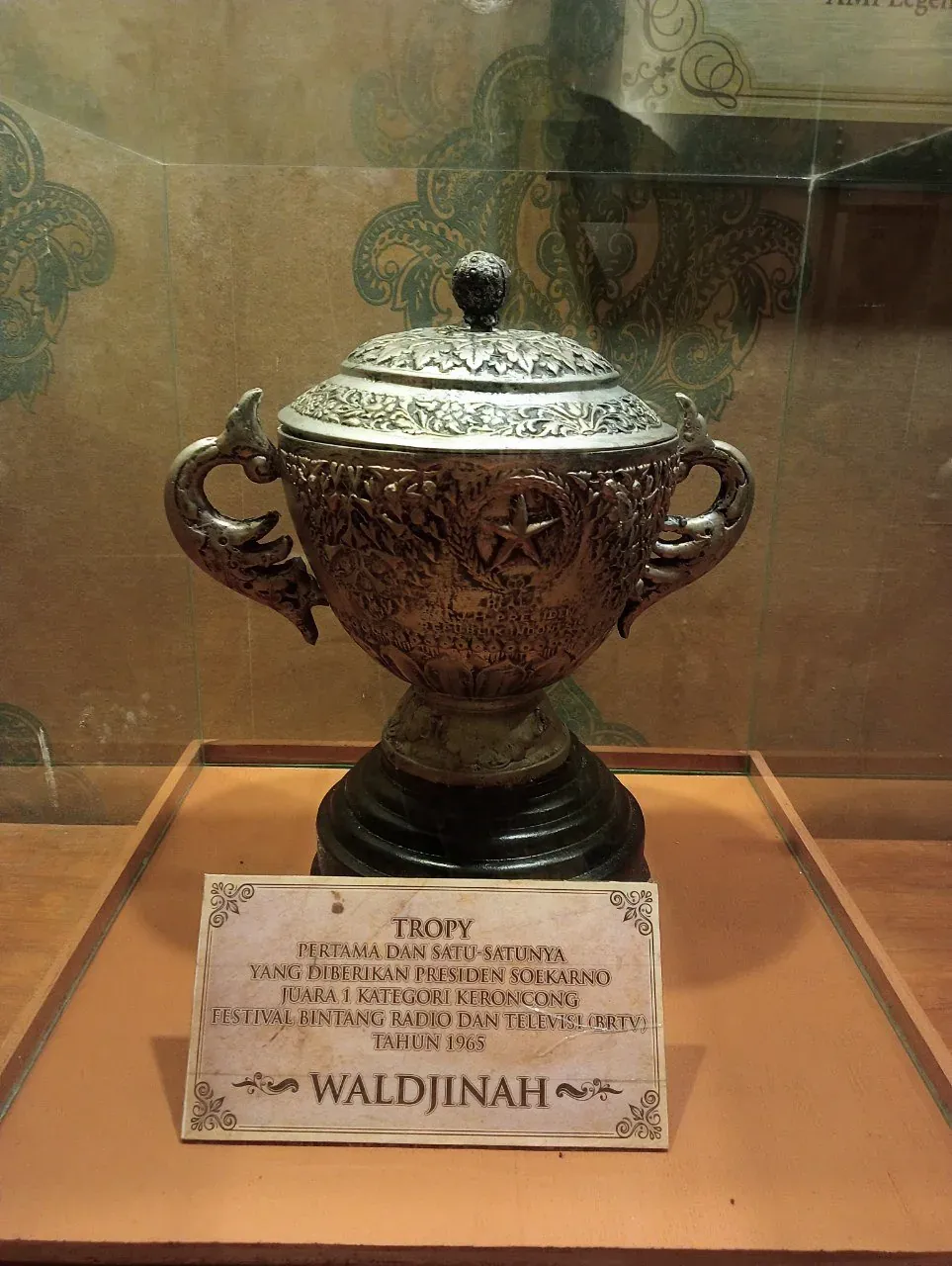
Her work belongs to the langgam Jawa line rather than to campursari proper. It matters because campursari singers inherited its repertoire, its vocal ornaments and its audience.
Manthous and Maju Lancar, 1988-2001
Anto Sugiartono, known as Manthous, was born in 1950 in Playen, Gunungkidul. At sixteen he went to Jakarta and began as a street singer. In 1969 he joined the Orkes Keroncong Bintang Jakarta as a cello petik player, and he later played with the Gambang Kromong group of Benyamin Sueb, with Idris Sardi and as an accompanist to the comedian Bing Slamet. In 1976 he formed Bieb Blues, a funky rock band.
All of this experience went into Campursari Maju Lancar, which he founded in 1993 with relatives and neighbours from Playen. The group mixed langgam Jawa with rock, reggae and gambang kromong colours, and also played purely Javanese pieces such as Kutut Manggung and Bowo Asmorondono, with gamelan coloured by keyboard and bass guitar. Volumes were recorded in Semarang. Each one sold around 50,000 cassettes in the mid-1990s, the highest figure for langgam or kroncong cassettes of the time.
The group’s singers included Sulasmi from Sragen, Minul from Gunungkidul and Sunyahni from Karanganyar. Popular songs included Anting-anting, Nyidamsari, Gandrung and Kutut Manggung. Gethuk, first popularised by Nurafni Octavia, became his best-known composition. Manthous suffered a stroke in mid-2001, began to use a wheelchair in 2002, and kept singing until his death on 9 March 2012.
Congdut and the diaspora, 1989-2005
Didi Kempot, born Didik Prasetyo in Surakarta in 1966, started as a street singer there in 1984. After moving to Jakarta he coined his stage name from Kelompok Penyanyi Trotoar, the sidewalk singer group. He wrote songs on tape, left demos at studios and was eventually called back by Musica Studios. In 1989 he released Cidro. It did not catch on at first, since comic songs ruled the market and Musica lumped him with other Javanese pop singers.
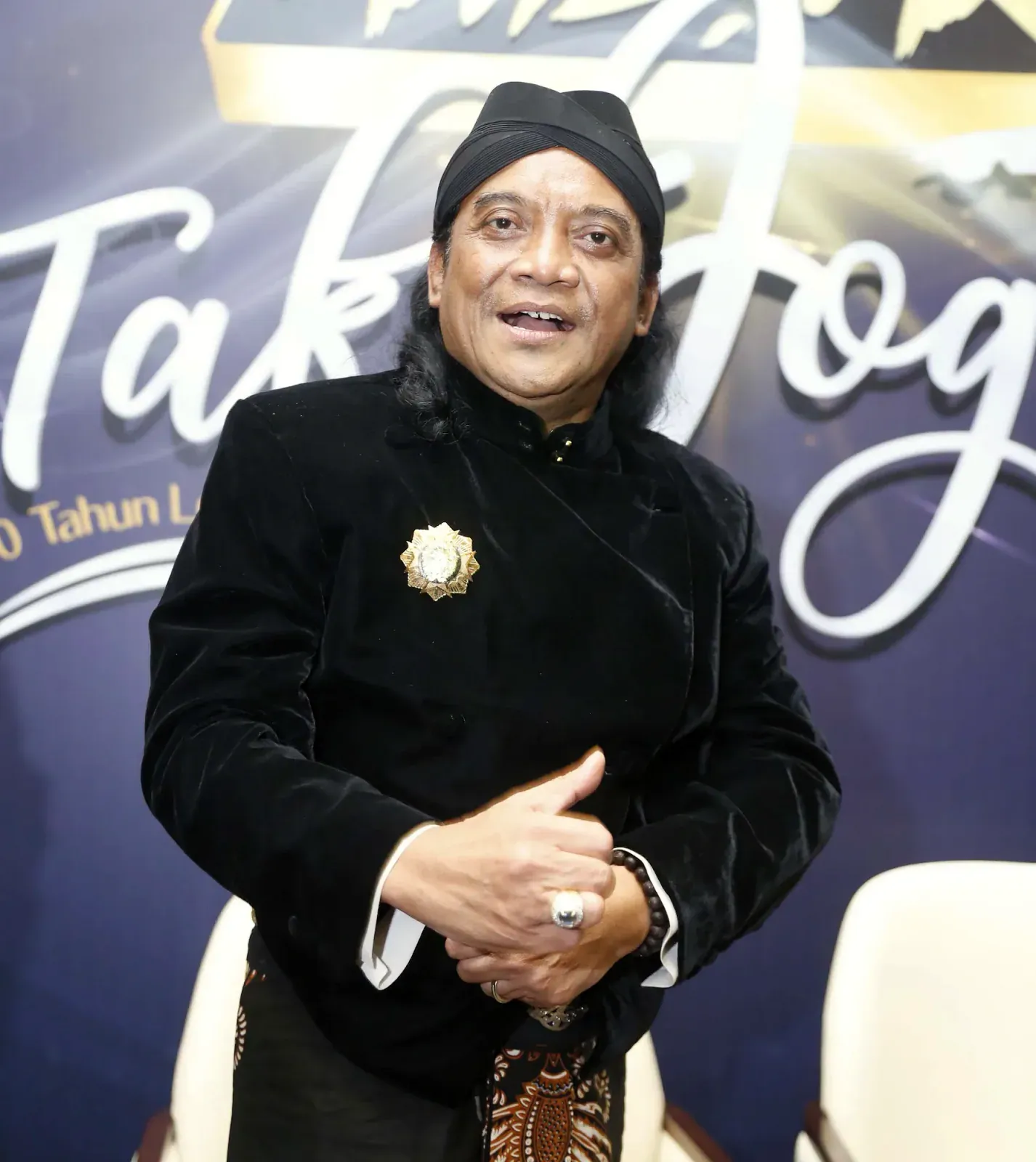
Abroad it worked. Cidro was a hit in the Netherlands and Suriname, where many people of Javanese descent live. He toured the Netherlands for the first time in 1993, returned in 1996 and also played Suriname. From 1996 to 1998 he recorded ten albums that were released only there. He performed in the Netherlands twice and in Suriname eleven times.
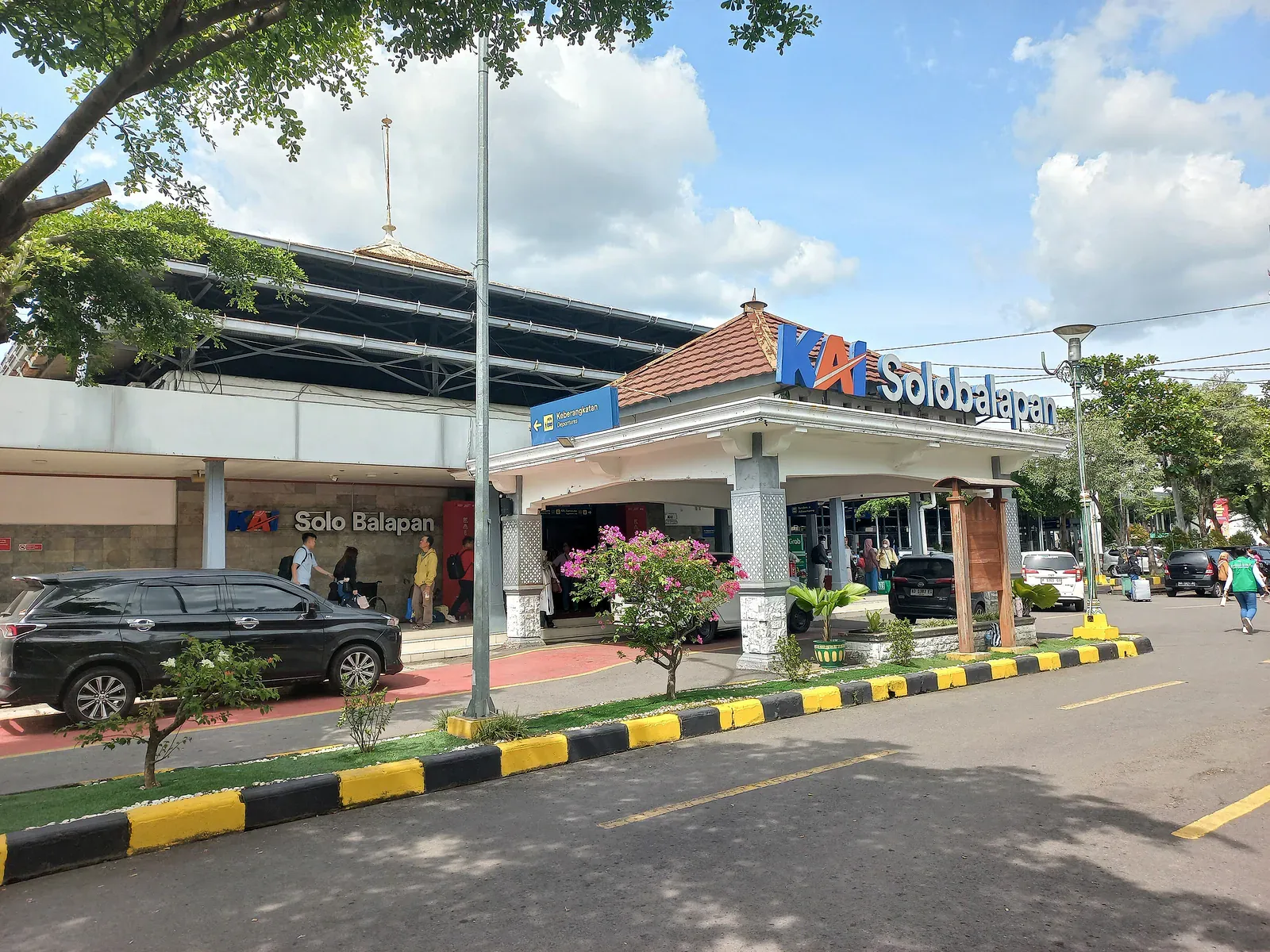
His style is often called congdut, short for keroncong-dangdut: langgam Jawa with the tabla and suling of dangdut, which made the songs livelier and more attractive to young listeners. At home the breakthrough came with the album Stasiun Balapan in 1999. Hits such as Sewu Kutho and Stasiun Balapan had already appeared in the 1990s, and the follow-up Modal Dengkul led to a run of albums in the early 2000s. He once recorded twelve albums in a single year. His lyrics name real places, and the title song is about the main railway station of Surakarta.
The ambyar revival, 2010-2020
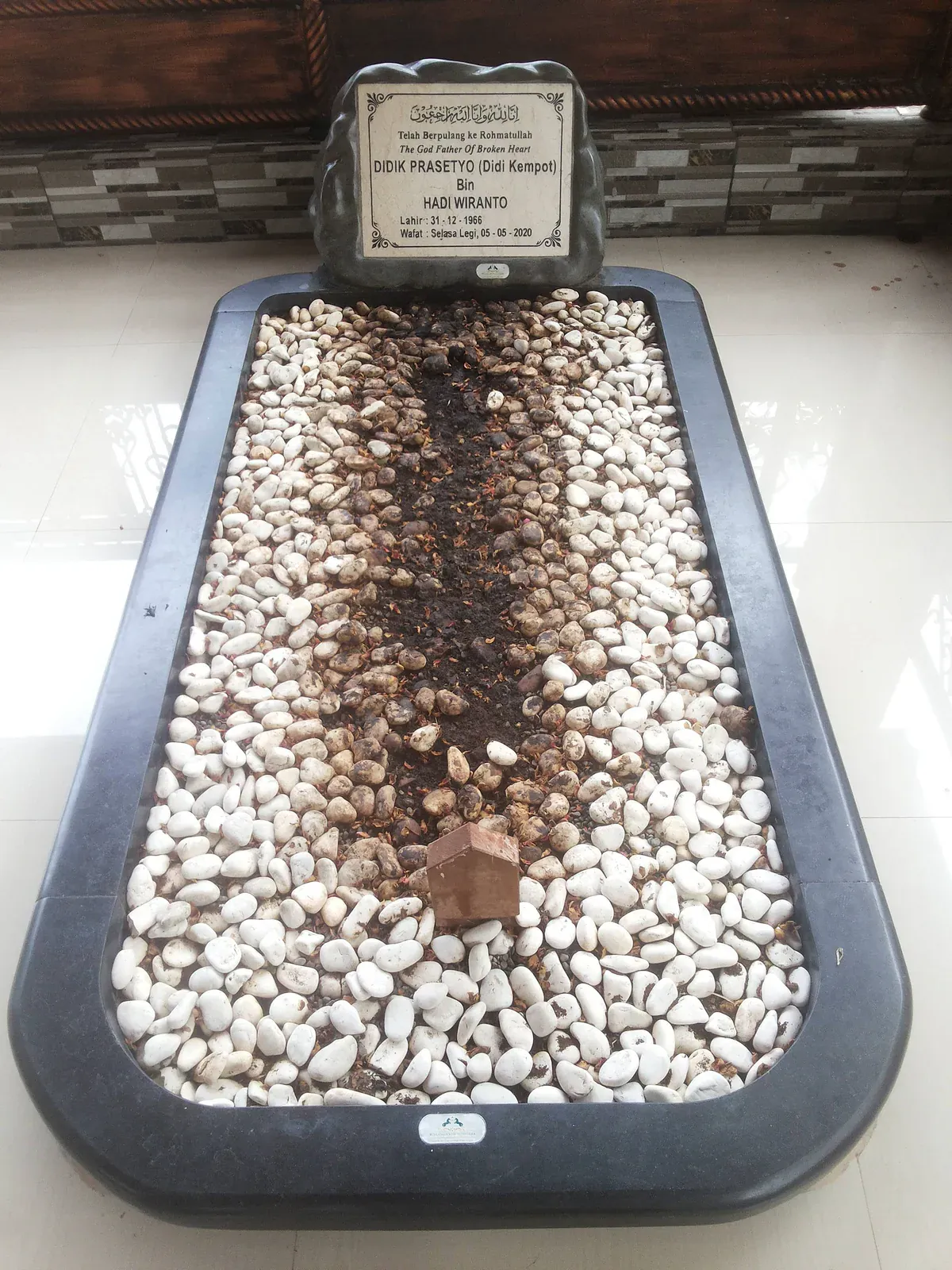
His popularity dipped around the turn of the century and returned in the 2010s, especially among young people. Music researchers have tied this to a wider reappraisal of styles once seen as uncool, such as dangdut and qasidah. He became known as the Godfather of the Broken-Hearted, because most of his songs deal with heartbreak and sad love in Javanese ngoko, the everyday register. Fans took up the word ambyar, meaning shattered, and called themselves Sobat Ambyar.
In April 2020 he streamed a charity concert from his home that raised Rp7.6 billion for people affected by the pandemic, and he released Ojo Mudik, asking fans to stay home during the Eid holiday. He died of cardiac complications on 5 May 2020 in Surakarta.
Characteristics
Three strands run through the style, and a song can lean on any pair. Gamelan with kroncong gives the langgam Jawa sound, as in Kena Goda by Nurhana. Gamelan with dangdut is the second mix. Kroncong with dangdut gives congdut. The voice carries the song: Javanese lyrics, often in the low ngoko register, sung by a solo singer or by a sinden, the female singer of the gamelan tradition. Tempos sit in a mid to fast dance range, and the backbeat comes from kendang or tabla over bass guitar.
Instruments and production
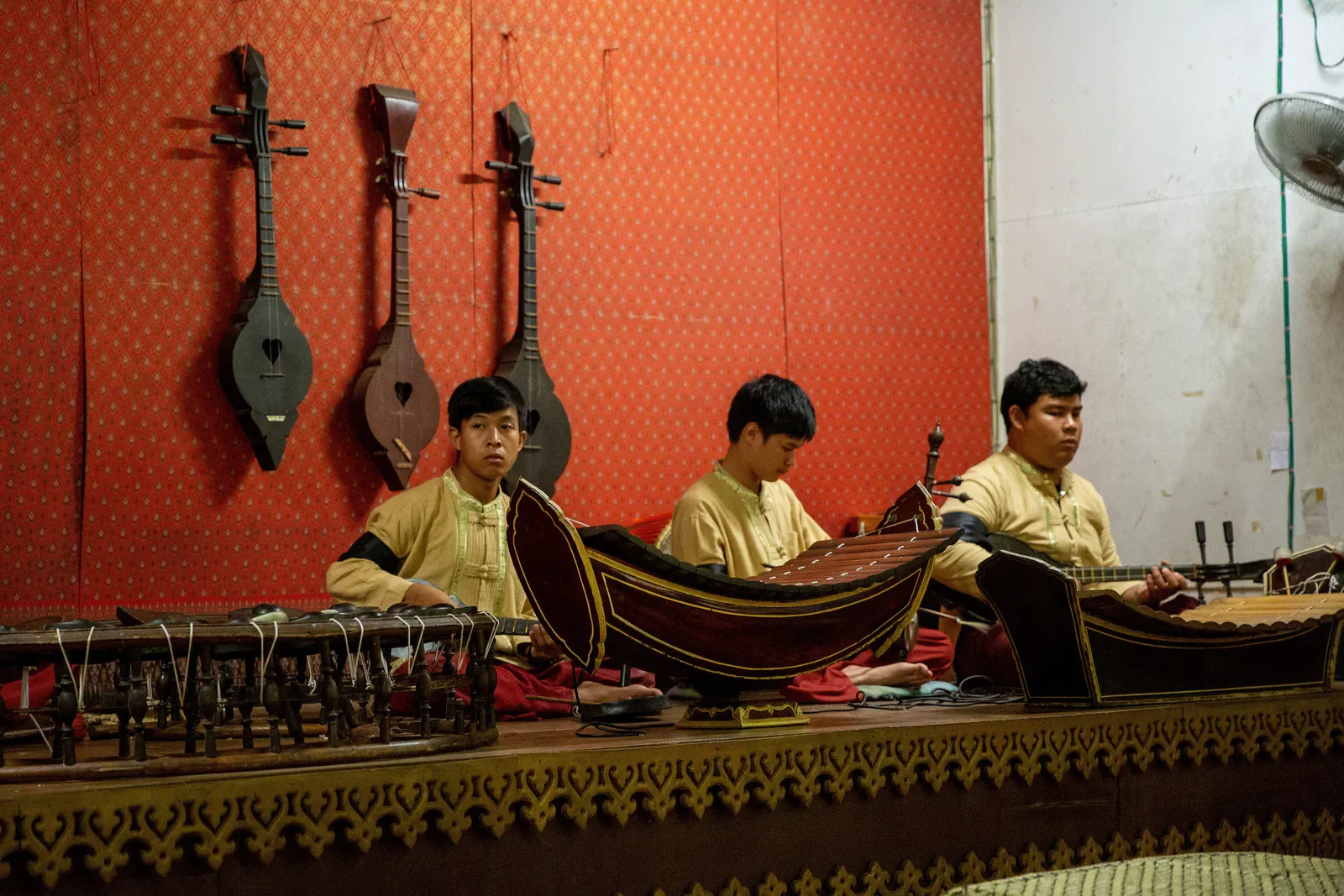
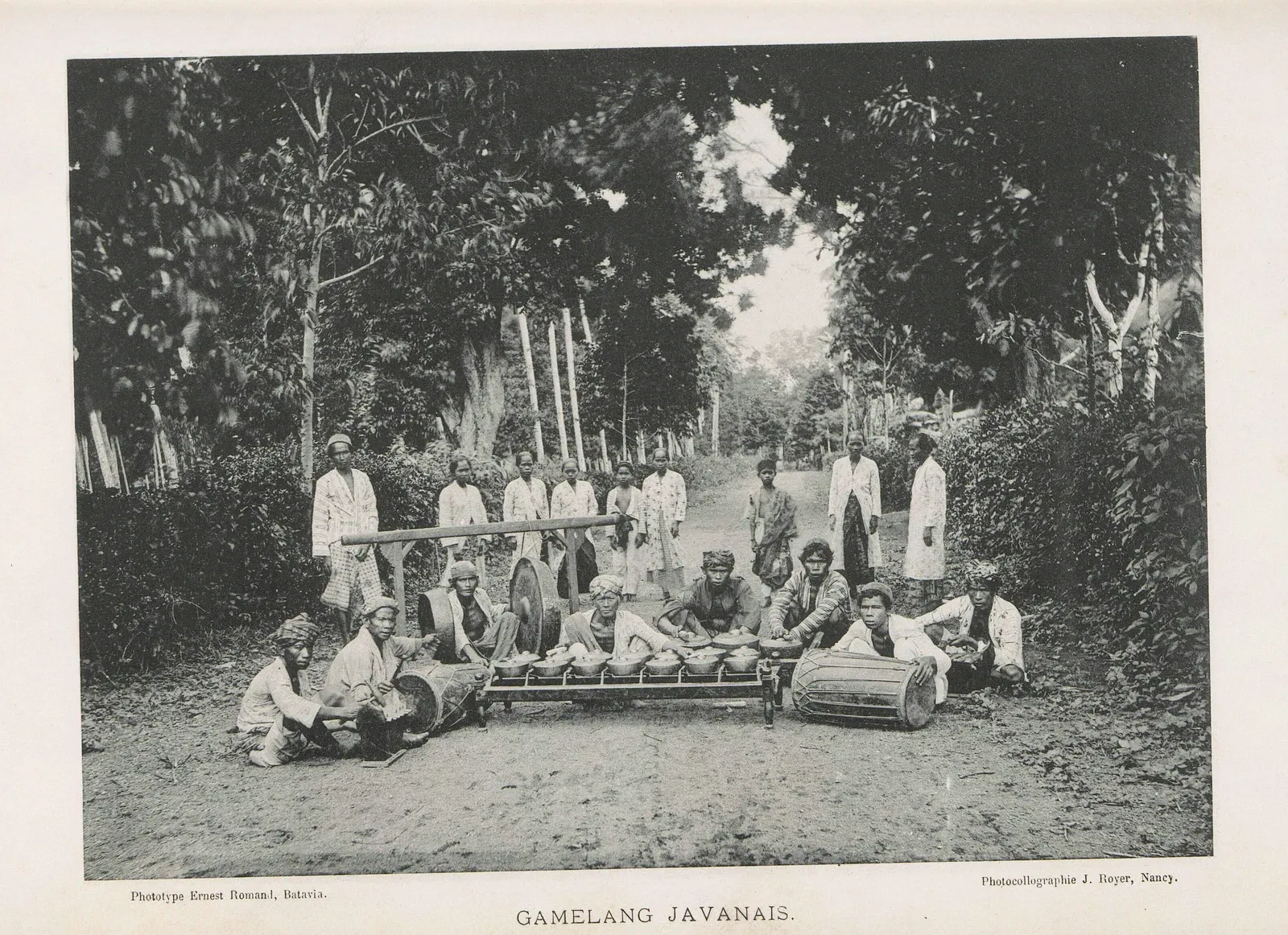
Gamelan is the base: metallophones, gongs and the kendang hand drums, tuned to slendro or pelog. The keyboard doubles or replaces metallophone lines and fills out chords. Bass guitar, guitar, suling and, in congdut, tabla complete the line-up. Guitar and keyboard follow the local scale and form, not the other way round.
Mainstream success
The genre moved from regional cassettes to national media in two steps. Manthous’s cassettes outsold other langgam and kroncong releases in the mid-1990s. Didi Kempot then took the style onto television and into mass sales after 1999. Cak Diqin, who began in campursari in the 1990s, recorded more than 45 albums and was nominated for an AMI award in 2006. He chaired Campursari Center Indonesia, which staged record non-stop shows of 33 hours in 2007, then 66 and 73 hours later. Nurhana and Anik Sunyahni, both popular from the 1990s, also work as sinden in gamelan and wayang performances.
Notable recordings
Cidro shows the template: a plain heartbreak story in everyday Javanese, a campursari arrangement with a dangdut pulse, written in the years of busking in Surakarta and released in 1989. Stasiun Balapan, the title song of the 1999 album, turned a railway station into a place of longing. Kutut Manggung, associated with Manthous and Sunyahni, shows the other pole, a pure Javanese tune with only keyboard and bass guitar added to the gamelan.
Culture
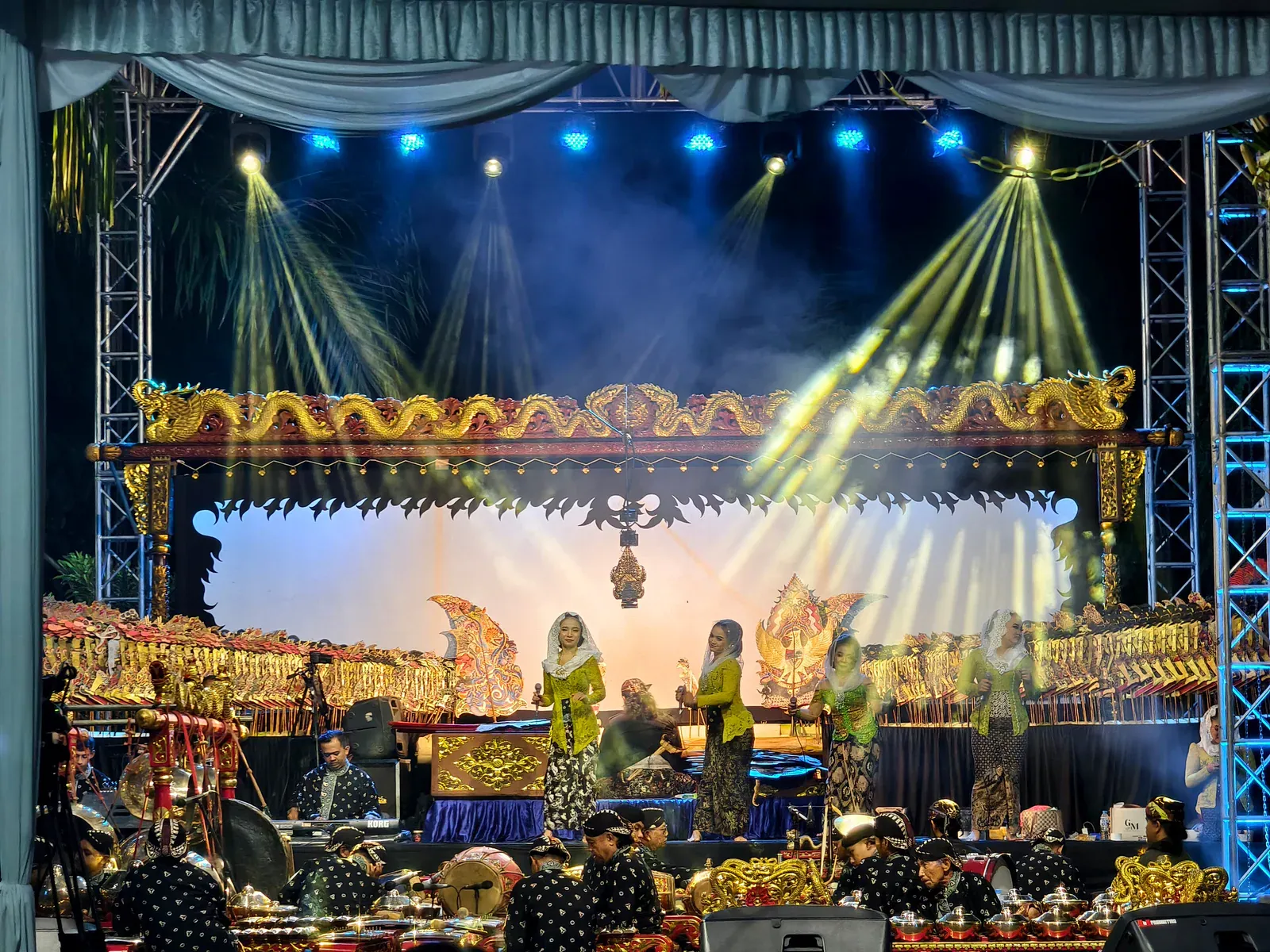
Campursari is performed on stages across Java and wherever Javanese communities live. Its fans formed a community around Didi Kempot, who is revered by Javanese in the Netherlands, where he was given the title Penyanyi Jawa Teladan, model Javanese singer.
Legacy
Campursari moved Javanese language music from the margins into the national charts and kept gamelan present in popular recording. It linked Java to its diaspora in Suriname and the Netherlands, and it passed from the generation of Manthous to that of Didi Kempot and then to younger singers. It belongs to the wider tradition of gamelan and sits beside dangdut in the Southeast Asian family.
Misconceptions
Campursari is sometimes treated as a single formula. It is a label for several crossovers: gamelan with kroncong, gamelan with dangdut and kroncong with dangdut.
Didi Kempot is sometimes said to have been an instant success in Indonesia. Cidro was released in 1989 and did not become popular then; his first big audiences were in the Netherlands and Suriname, and the national breakthrough came with the 1999 album.
The mixture is sometimes dismissed as a betrayal of tradition. Purists did criticise it, but even critics agree that it revitalised traditional music in Java.
Frequently asked questions
What does campursari mean?
Campursari is a Javanese word for a mixture of essences. In music it names the crossover of gamelan, langgam Jawa and dangdut.
Who created campursari?
Manthous is credited with popularising campursari by putting a keyboard into gamelan orchestration at the end of the 1980s and founding Campursari Maju Lancar in 1993. Didi Kempot later made it a mass style.
What is congdut?
Congdut, short for keroncong-dangdut, is a campursari strand that combines langgam Jawa with the tabla and suling of dangdut. Didi Kempot is its best-known figure.
Is campursari the same as dangdut?
No. Dangdut is a separate Indonesian dance style. Campursari borrows its backbeat but keeps gamelan scales, Javanese lyrics and langgam Jawa phrasing at its centre.
Sound
Sound sheet
Signature sounds
- Gamelan-derived melody on keyboard
- Dangdut-style kendang backbeat
- Kroncong-style strings and langgam Jawa phrasing
- Heartbreak lyrics in Javanese ngoko
Drums and percussion
- Kendang
- Tabla
Techniques
- Keyboard in gamelan orchestration
- Sindhenan vocal
- Dangdut backbeat
- Western instruments yielding to local taste
Keys and modes
Slendro. Five-note gamelan tuning, older of the two systems.
Pelog. Seven-note gamelan tuning, often reduced to five pitches in a piece.
Tuning
Gamelan slendro and pelog next to the equal-tempered tuning of keyboards and guitars
Vocals
Javanese, mostly ngoko, sung by solo singers or sinden over themes of love and heartbreak
Scenes
Where it happened
Where and when the sound lived: one bar per city on a shared timeline.
Asia
Latin America
Active scenes
Peak 5, 1996-2025
Home city of Didi Kempot and Waldjinah, and the centre of langgam Jawa singing.
Village base of Manthous and Campursari Maju Lancar.
City where Manthous recorded many volumes of campursari.
Studio city where Manthous worked as a session player and Didi Kempot placed his demos.
Capital of Suriname, home to a large Javanese community that embraced Didi Kempot early.
Culture
Culture markers
- Ambyar
Javanese word for shattered, adopted by fans for the heartbroken mood of Didi Kempot songs.
Slang - Sobat Ambyar
Name of the Didi Kempot fan community, who sing his songs back at concerts.
Slang
Glossary
Terms on this page
Javanese for a mixture of essences, the name of the crossover style.
Short for keroncong-dangdut, the campursari strand that Didi Kempot made popular.
Traditional Javanese gamelan composition.
Javanese-language song form based on kroncong, a main ancestor of campursari.
Low, everyday register of Javanese, used in most Didi Kempot lyrics.
Female singer in a gamelan ensemble; the male equivalent is gerong.
Southeast Asian family