Torres Strait Islander music
Torres Strait Islander music is the song and dance of the Torres Strait Islands: warup drums, hymn harmony and ailan-style blues, hula and pop.
Torres Strait Islands, 1871
Oceanian family
Born
1871
Torres Strait Islands
Subgenres
3
Documented branches
Links
5
Genres it drew on or shaped
Tempo
85-110 BPMLineage
Family tree
Grew out of
Torres Strait Islands
Torres Strait Islander music
Led to (3)
Timeline
Era by era
From the first sparks to today. Select a dot to read the story behind it.
- Missions and the first recordings
1871 to 1938
- Pearling ports and hotel bands
1939 to 1992
- National breakthrough
1993 to 1999
- Awards, ceremonies and hip hop
2000 to today
Eras
Moments
- 1 Missions and the first recordings, 1871 to 1938
- 2 Pearling ports and hotel bands, 1939 to 1992
- 3 National breakthrough, 1993 to 1999
- 4 Awards, ceremonies and hip hop, 2000 to today
1871
Missions and the first recordings
The London Missionary Society reaches Erub in 1871, hymn harmony enters island song, and a Cambridge expedition records dance songs on wax cylinders in 1898.
- 1871The Coming of the LightThe London Missionary Society lands on Erub on 1 July; Christianity and hymn singing spread through the islands and the date is still celebrated.
- 1898Cambridge expedition records island songsHaddon's party captures Malu songs and dance songs on phonograph cylinders, the earliest recordings in the British Library Sound Archive.
- 1921Drums enter church servicesAnglican missionaries, who succeeded the London Missionary Society in 1915, introduce drum accompaniment to hymns.
1939
Pearling ports and hotel bands
Guitars and ukuleles, jazz, hula and country reach Thursday Island, where the Mills Sisters and Seaman Dan perform in hotels and at community events.
- 1972Traditional Music of Torres Strait releasedAn Australian Institute of Aboriginal Studies release presents field recordings whose melodies have changed little since 1898.
- 1983Seaman Dan writes T.I. BluesThe song becomes an unofficial anthem of Thursday Island after the Mills Sisters take it up about a decade later.
- 1988Mills Sisters play Brisbane ExpoThe three sisters, who began touring beyond the Torres Strait in the 1980s, bring island hula and string-band songs to a world fair.
1993
National breakthrough
Frangipani Land, Stylin' Up and a CAAMA traditional album take island music to national audiences and the ARIA Awards.
- 1993Frangipani LandThe Mills Sisters' album, from a repertoire of over 200 songs spanning island love songs, country and reggae.
- 1995Stylin' Up and My Island HomeChristine Anu's debut album on Mushroom wins the ARIA for Best Indigenous Release, and her My Island Home takes the APRA Song of the Year.
- 1995Red Ochre Award to the Mills SistersThe Australia Council honours the group for lifetime achievement in Indigenous arts.
- 1999The Gaba-Gaba Mawi on CAAMATim Gibuma and the Storm's collection of traditional Torres Strait music is nominated for the 2000 ARIA for Best World Music Album.
2000
Awards, ceremonies and hip hop
Seaman Dan records late in life, Christine Anu sings at the Sydney Olympics, and Mau Power adds hip hop to ailan style.
- 2000Seaman Dan's Follow the SunOn his 70th birthday he releases his first album, after years of hotel gigs and community performances.
- 2000Anu sings at the Sydney OlympicsChristine Anu performs a reworked My Island Home at the closing ceremony of the Games.
- 2004Perfect Pearl wins an ARIASeaman Dan takes Best World Music Album; Sailing Home repeats the win in 2009.
- 2014The Show Will Go OnMau Power's second album includes a remake of My Island Home.
- 2018Commonwealth Games openingMau Power and Christine Anu perform My Island Home on the Gold Coast.
Listening path
Start listening
A short path from an easy way in to the deep end. Thumbnails come from YouTube; the player loads only when you press play.
- 01
Christine Anu, 1995
The best-known island voice of the 1990s, singing a Warumpi Band song reworked from an island woman's view.
- 02
Seaman Dan, 2000
The Thursday Island anthem in ailan blues style, sung in a deep baritone.
- 03
Christine Anu, 2000
The rhythmic reworking sung at the Sydney Olympics closing ceremony.
- 04
Seaman Dan, 2016
A late-career blues from An Old Man of the Sea, in the island blues manner.
Facts
| Family | Oceanian |
| Origin | Torres Strait Islands, Australia |
| Emerged | Pre-colonial onwards |
| Status | Active |
| Tempo | 85 to 110 BPM |
| Subgenres | 3 |
Torres Strait Islander music is the song and dance of the Melanesian peoples of the Torres Strait Islands, the chain of islands between Cape York and New Guinea.
It joins island-specific ceremonial dances, accompanied by the warup hourglass drum, with close hymn harmony from the mission era and, since the mid-twentieth century, popular styles played in an island manner known as ailan style. It sits in the Oceanian family, beside Aboriginal Australian music and Polynesian music, but it is a separate tradition with its own peoples, languages and repertoire.
Origins: islands, drums and dance
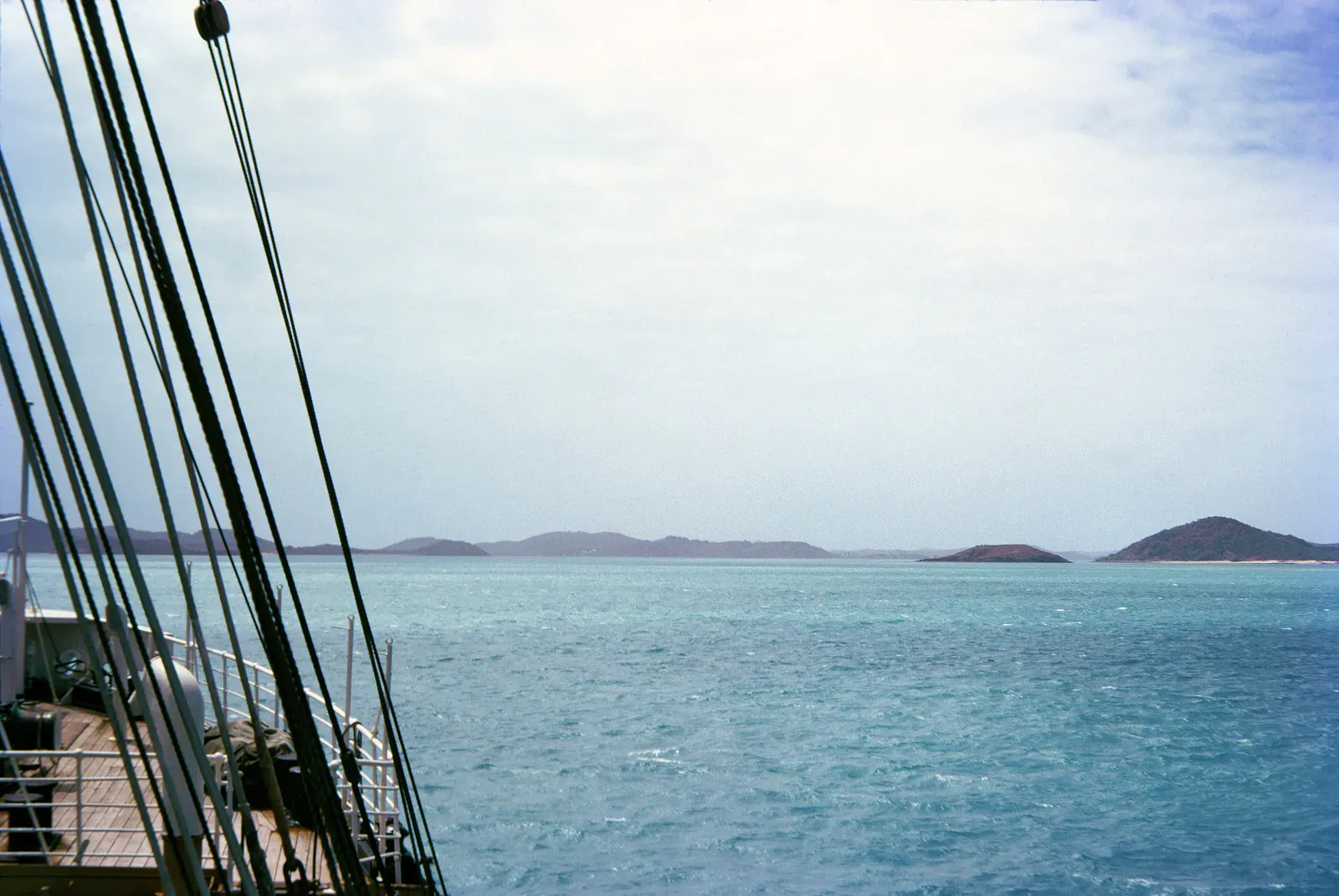
The islands were once a land bridge between Australia and New Guinea. Rising seas flooded it about 12,000 years ago and left roughly 200 islands, of which 17 are inhabited. The people are ethnically distinct from mainland Aboriginal Australians, the core of their culture is Papuan, and they are traditionally seafarers.
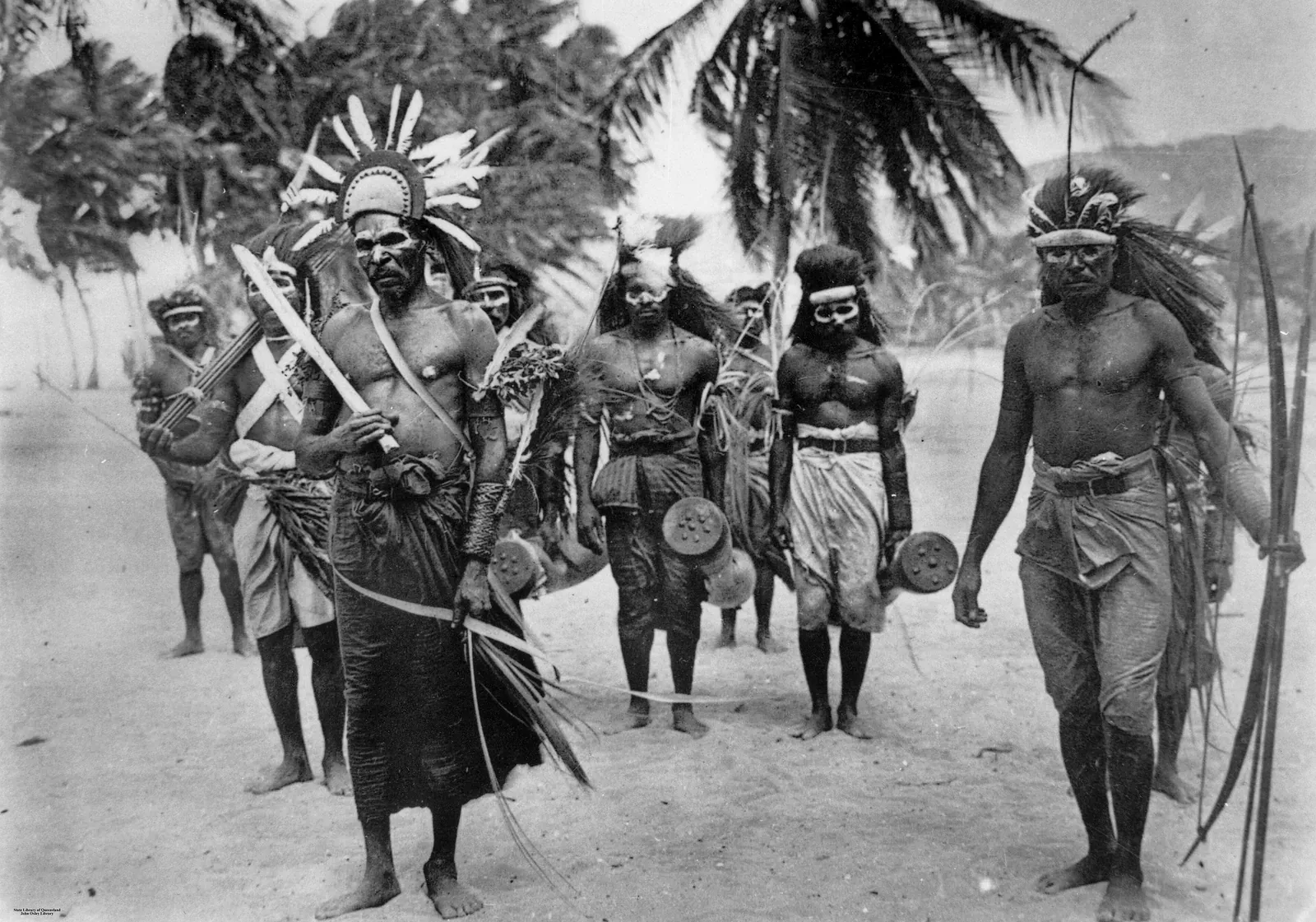
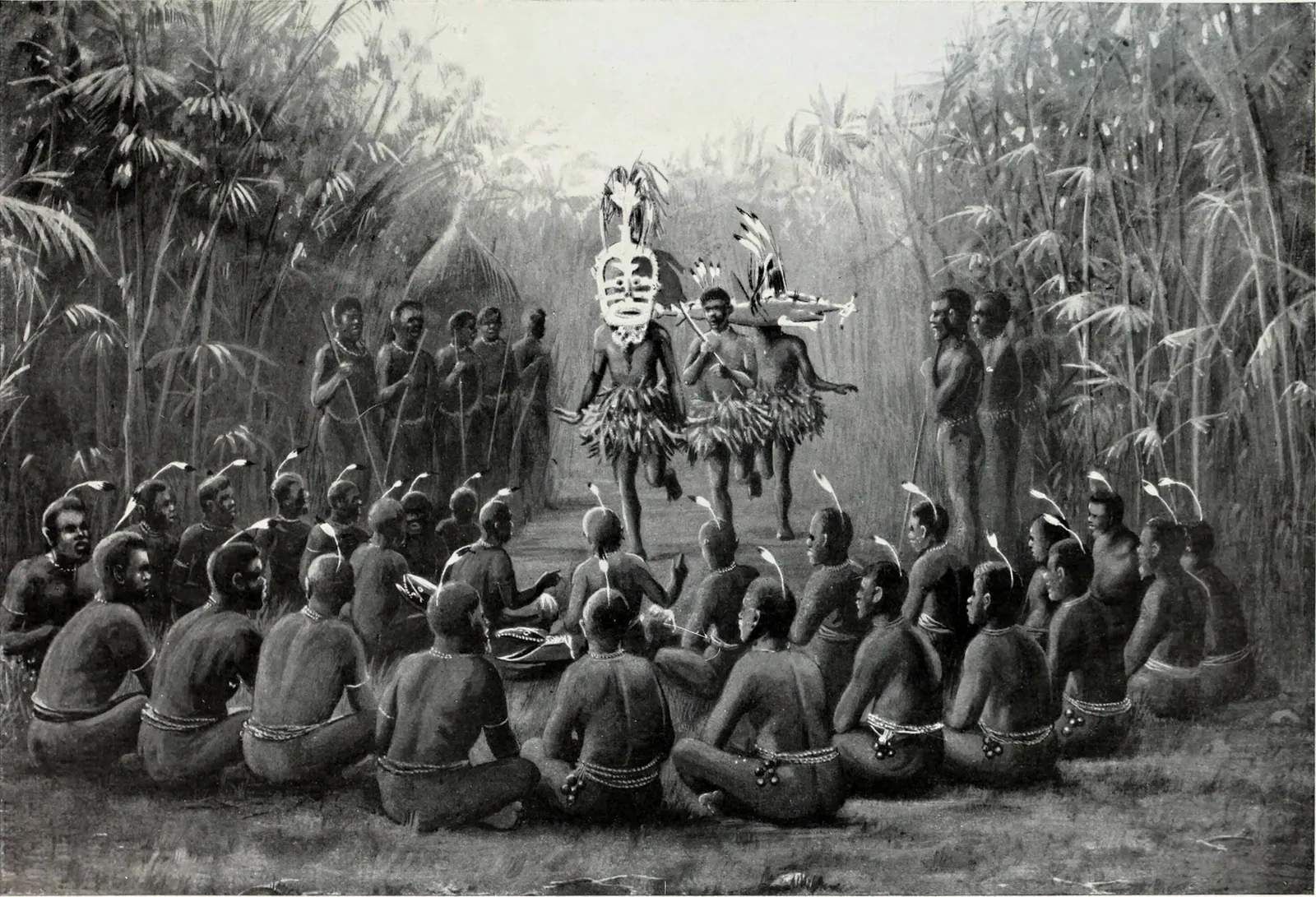
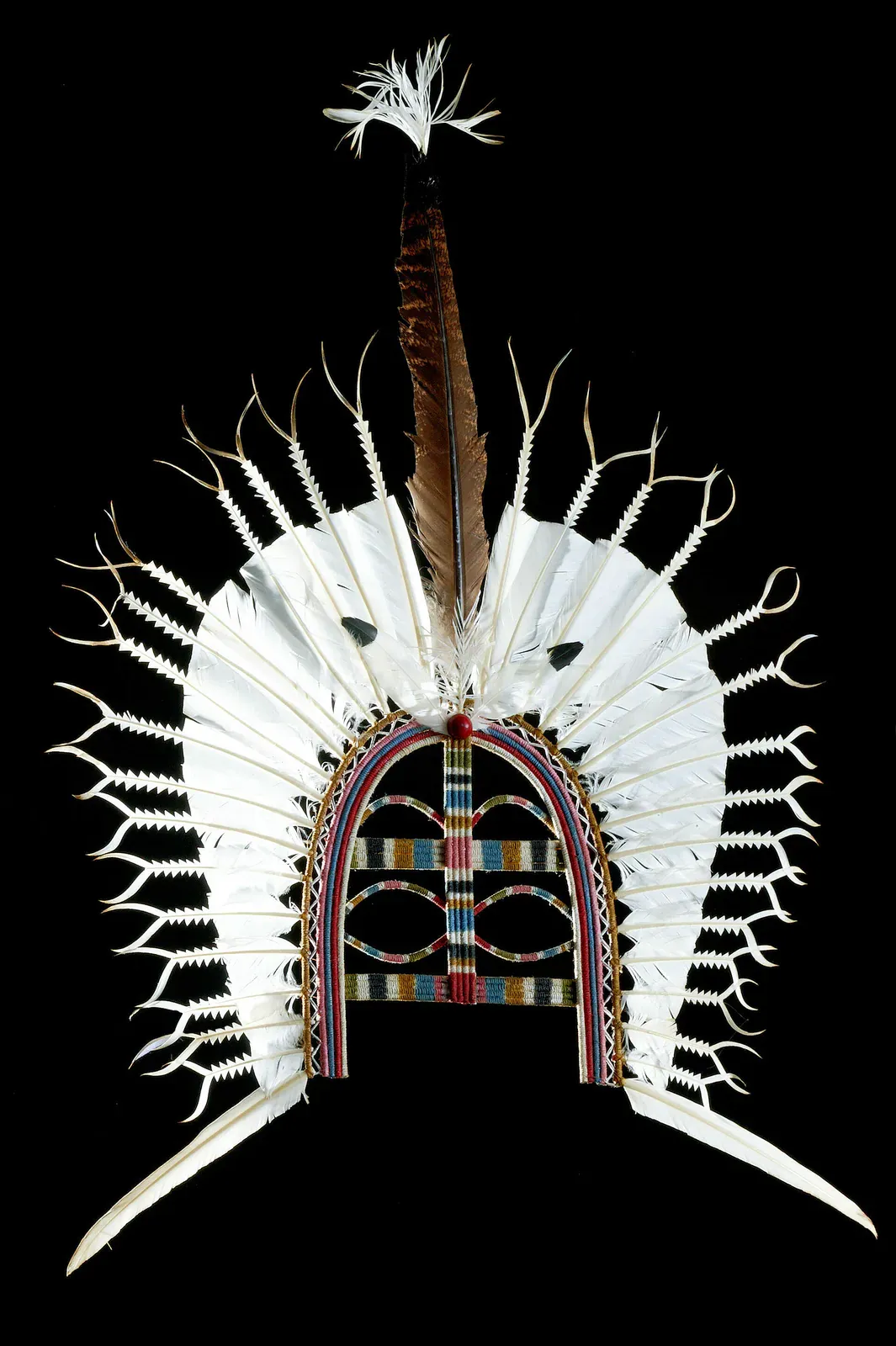
Song and dance are the islands’ literature. Songs cover weather, myths and totemic gods, life at sea and important events, and the dancer acts as storyteller, so the movements illustrate the words. Each island group keeps its own performances. Dance is also competitive and dressed with headdresses called dhari, clappers and hand-held dance machines.
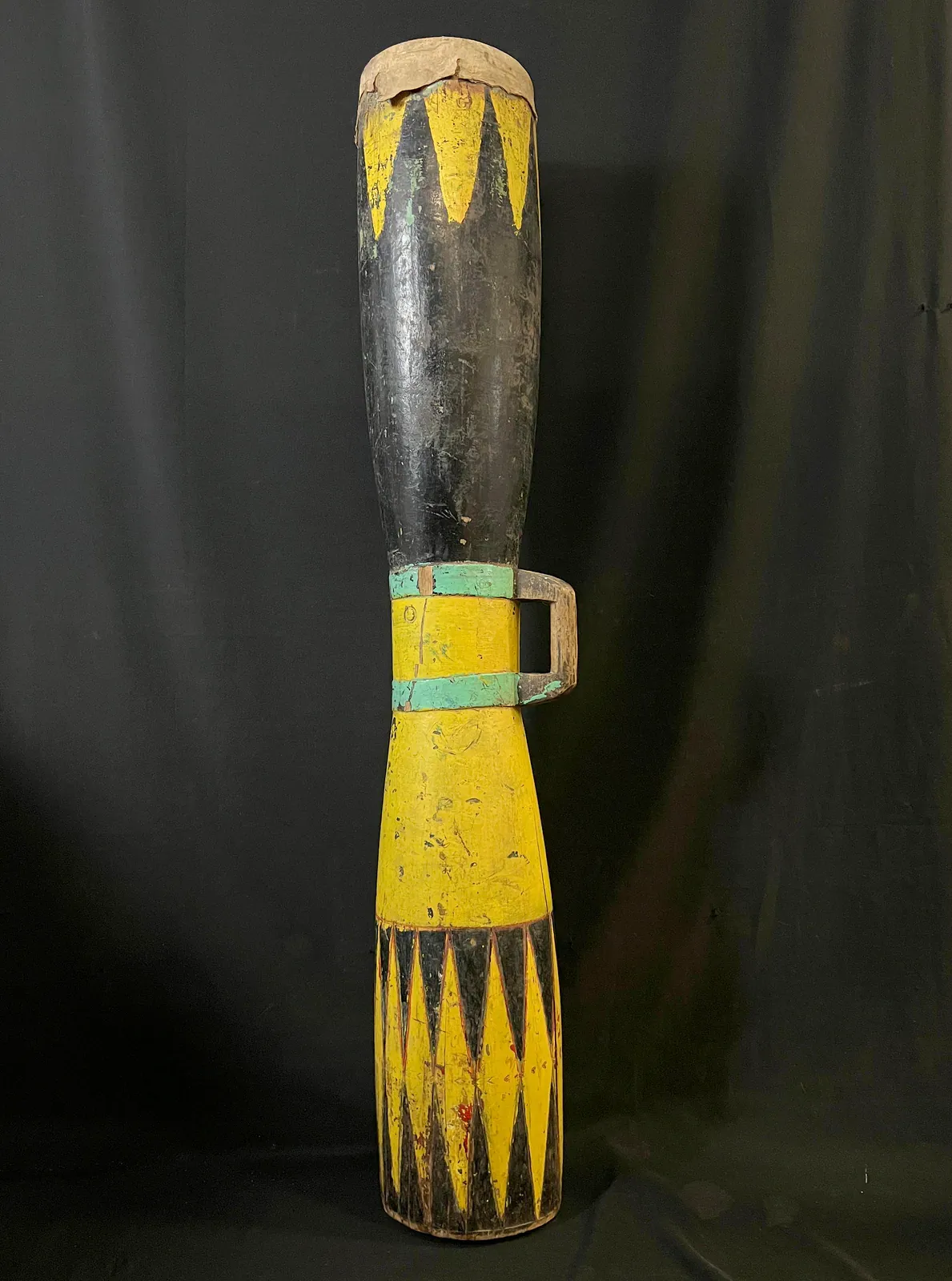
The drum is the central instrument. The warup is hourglass-shaped and the buruburu more cylindrical, while the sacred Malu drum, the wasikor, sits between the two in form. The didgeridoo is not used. Rattles, flutes and pan pipes came from Papua New Guinea, and the conch shell served as a herald.
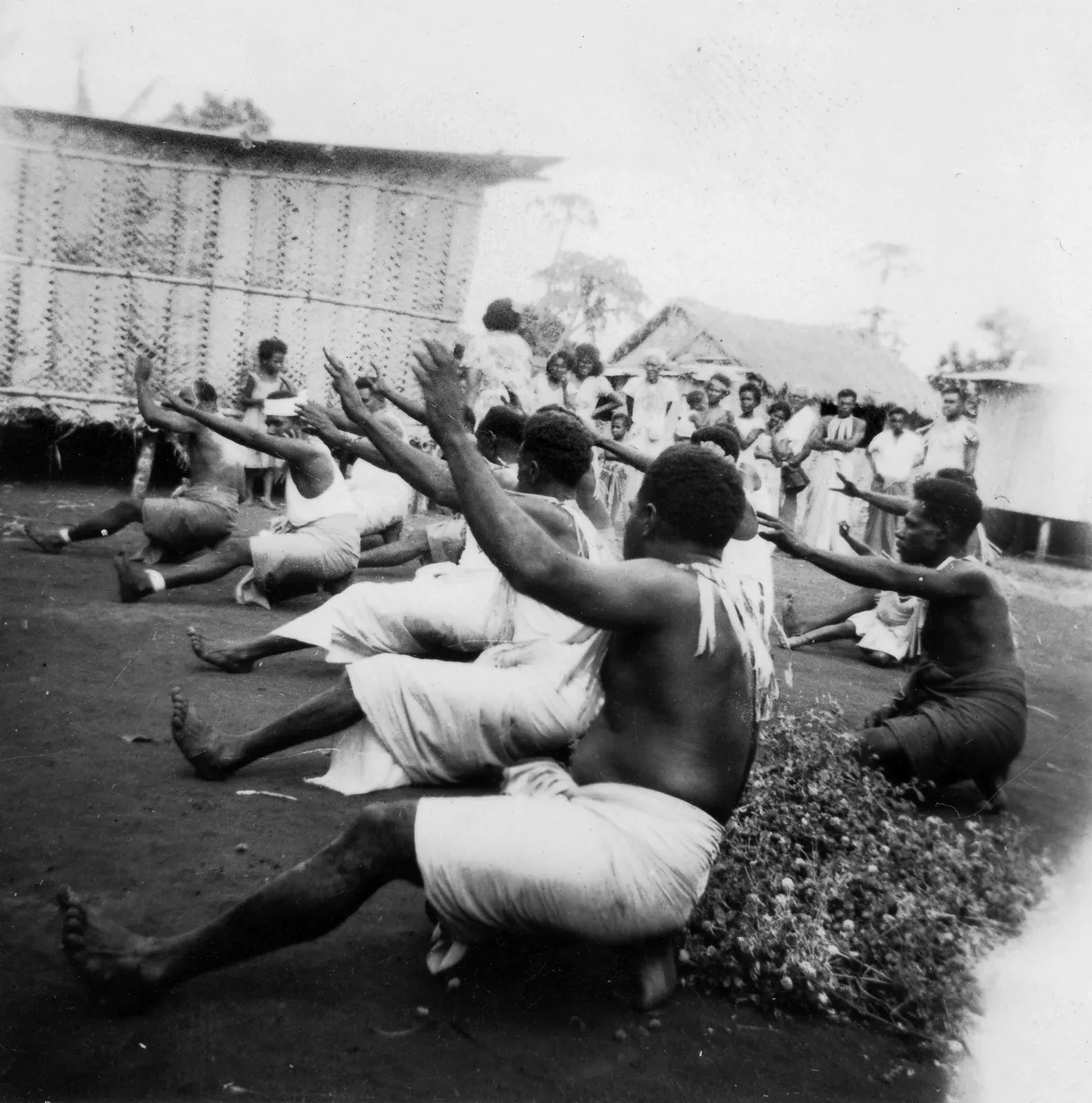
Practice differs by island. Mer, or Murray Island, in the east has the Baizam shark dance and Kab Kar, a ritual in which men and boys dance in set patterns in dhari headdresses with white cockatoo feathers. Saibai in the north-west, strongly influenced by Papua New Guinea, has the Maumatang warrior dance with bows and arrows and an eagle dance with wooden wings. The sit-down dance is performed seated cross-legged with arm and upper-body movement.
Missions and the first recordings, 1871-1938
Christianity arrived with the London Missionary Society, which landed on Erub, or Darnley Island, on 1 July 1871. Islanders call the event the Coming of the Light and still celebrate it every year on that date. Teachers from the Loyalty Islands came too, and Polynesian melodies entered island hymns. The new faith did not end older customs: hymns were translated into Meriam Mer and Kala Lagaw Ya and sung in often spontaneous harmony, with parts frequently assigned by gender, and the older world view carried on as Ailan Kastom. After the London Missionary Society left in 1915, Anglican missionaries brought drums into church services, in 1921.
In 1898 the Cambridge anthropological expedition led by Alfred Haddon, with Charles Myers and Sidney Ray as recordists, used a phonograph on Mer, Mabuiag, Saibai and Yam. Of 141 cylinders, 102 come from the Torres Strait, with Malu songs, dance songs, speeches and stories. It is now the earliest material in the British Library sound archive. A 1972 field release presents songs whose melodies have changed little since.
Pearling ports and hotel bands, 1939-1992
From the middle of the nineteenth century the pearling and shell trade drew workers from Polynesia, Southeast Asia, Japan, Europe and the Americas, and Thursday Island became its port. Island song absorbed Malay and Aboriginal languages, Polynesian melodies and British and American popular songs. After the Second World War many Islanders moved to the mainland, and about two-thirds now live there.
The Mills Sisters, Rita, Cessa and Ina, from Naghir Island, took up music during the war, Rita on guitar, Cessa on ukulele and Ina on tambourine. Their first public appearances were in Thursday Island pubs in the 1950s, began touring beyond the strait in the 1980s and played the Brisbane Expo in 1988. Their repertoire of over 200 songs ran from island love songs to country, blues and reggae, in many Pacific and island languages, and they were known as the Singing Grandmas.
Henry Gibson Dan, known as Seaman Dan, was born on Thursday Island in 1929 and worked as a pearl diver and boat captain. He learned jazz chords from Black American soldiers he heard in Cairns during the war and tuned his guitar down to suit a deep baritone. His songs fuse Australian, Melanesian, North American, African and Polynesian sources, including the Thursday Island style of hula. He wrote T.I. Blues in 1983.
Ailan style
Ailan is the Torres Strait creole word for island. Ailan style is the island manner of playing popular genres, giving ailan blues, country, hula, jazz and folk, all heard as one music. Composers also write new church songs, called ailan kores, and most islands have bands attached to a Christian denomination, using guitars, ukuleles and drums. Songwriters work dance chants into new songs, and a regional project recorded music and dance in 14 communities, from pearling songs to hymns and hip hop.
Mainstream success, 1993-1999
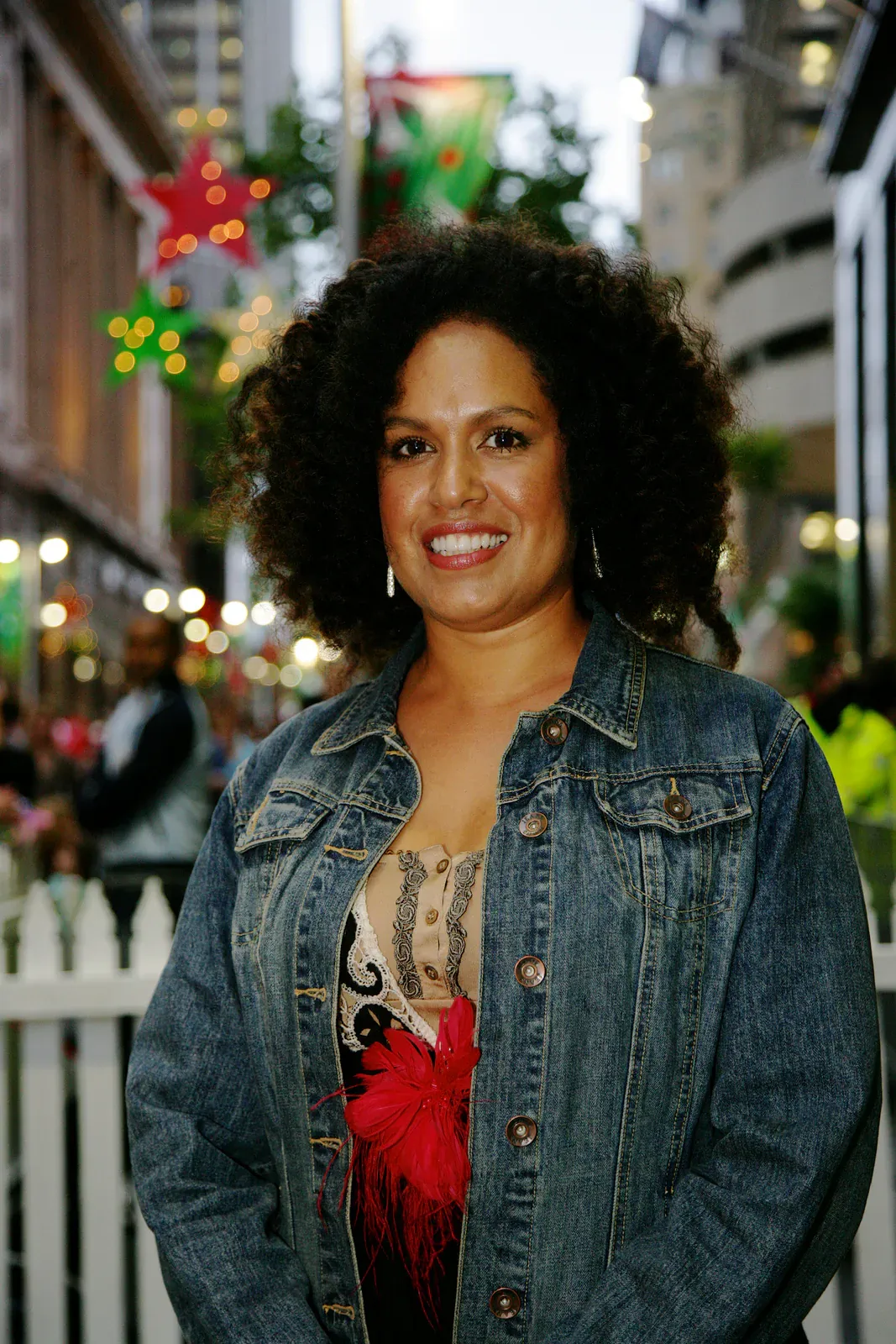
The Mills Sisters’ album Frangipani Land came out in 1993, and in 1995 the Australia Council gave them its Red Ochre Award for lifetime achievement in Indigenous arts. The national breakthrough came the same year with Christine Anu, a singer with family ties to Saibai. Her debut album Stylin’ Up appeared on Mushroom Records in May 1995, went platinum by 2000 and won the ARIA for Best Indigenous Release. Its second single was a version of My Island Home, written by Neil Murray for George Burarrwanga and recorded by the Warumpi Band in 1986. Anu changed some lyrics to reflect her own circumstances, setting island life against city life from a woman’s viewpoint. The single reached number 67 on the national chart, stayed 20 weeks in the top 100, and took the APRA Song of the Year in 1995.
A traditional strand reached the nation too: The Gaba-Gaba Mawi by Tim Gibuma and the Storm, traditional Torres Strait songs released on CAAMA, was nominated for the 2000 ARIA for Best World Music Album.
Notable recordings
My Island Home returned in a reworked form, subtitled Earth Beat, on Anu’s second album Come My Way in 2000. She sang it at the closing ceremony of the Sydney Olympics and the opening of the Paralympics that year, and at the opening of the 2018 Commonwealth Games on the Gold Coast.
Seaman Dan’s recording career began late. T.I. Blues, written in 1983, became a hit for the Mills Sisters about a decade later and is called a signature tune of the Torres Strait. Dan released his first album, Follow the Sun, on his 70th birthday in 2000. Perfect Pearl won the ARIA for Best World Music Album in 2004, and Sailing Home won it again in 2009. He received the Red Ochre Award in 2005, entered the National Indigenous Music Awards Hall of Fame in 2013, and released the late blues Walking Frame Blues on An Old Man of the Sea in 2016. He died in 2020.
Culture
Young people learn dance in schools such as Thursday Island State School, Bamaga and Djarragun College. The tradition has also entered hip hop. Mau Power, a Thursday Island rapper and Seaman Dan’s grandson, was the first Australian rapper to tour from the region. His 2014 album The Show Will Go On included a remake of My Island Home, and he and Anu performed it together at the 2018 Commonwealth Games. Jessie Lloyd’s Ailan Songs Project revives historical island songs with warup and tharam drums, ukulele and kulap seed pods.
Legacy
A small island population absorbed hymns, hula, jazz and hip hop without dropping its own dances. Old song and dance are passed on in schools and on the islands, while new songs in ailan style carry island identity to the mainland, where most Islanders now live.
Misconceptions
One common idea is that Torres Strait Islander music is a kind of Aboriginal music. Islanders are a Melanesian people, ethnically distinct from mainland Aboriginal Australians, and use drums rather than the didgeridoo.
A second idea is that Christianity replaced older song and dance. In practice the churches took in island customs, hymns were sung in island languages with drums, and the cultural identity known as Ailan Kastom continued alongside the new faith.
A third is that My Island Home is a Torres Strait song. Neil Murray wrote it about Elcho Island in Arnhem Land for the Warumpi Band singer George Burarrwanga. Anu made it an island anthem by changing the point of view.
Frequently asked questions
What is ailan style in Torres Strait Islander music?
Ailan style is the island manner of playing popular genres, giving ailan blues, ailan country, ailan hula, ailan jazz and ailan folk. The word comes from the Torres Strait creole for island.
What instruments are used in Torres Strait Islander music?
Warup drums, guitars and ukuleles are the most common, with clappers, rattles and the conch shell. Church bands add voices singing in close, often spontaneous harmony.
Who are the best-known Torres Strait Islander musicians?
Christine Anu, the Mills Sisters, Seaman Dan and Mau Power are the best-known names, from the national breakthrough of the 1990s to the hip hop of the 2010s.
What is the Coming of the Light?
The Coming of the Light is the arrival of Christian missionaries on Erub on 1 July 1871, celebrated each year in every island community.
Sound
Sound sheet
Anatomy of a track
| # | Part |
|---|---|
| 1 | Solo or lead verse |
| 2 | Harmonised chorus |
| 3 | Drum and chant dance section |
Signature sounds
- Close, often improvised vocal harmony with parts assigned by gender
- Warup drum and clappers beneath dance songs
- Island-specific dance repertoires
- Popular genres performed ailan style
Drums and percussion
- Warup
- Tharam
Techniques
- Close vocal harmony
- Ailan style
- Drum-accompanied hymns
- Dance chants in songs
Keys and modes
D major. Island Home and Talk About Love on database readings.
A major and G major. Party and Sunshine on a Rainy Day on database readings.
Tuning
Equal temperament; Seaman Dan tuned his guitar five semitones down for his baritone voice.
Vocals
Harmonised group singing, solo baritone and chant, in English, Torres Strait Creole and island languages.
Scenes
Where it happened
Where and when the sound lived: one bar per city on a shared timeline.
Oceania
Active scenes
Peak 4, 1983-2025
Landing place of the missionaries and origin of the Coming of the Light festival.
Eastern island of the Kab Kar ritual and a main site of the 1898 recordings.
Strongly influenced by Papua New Guinea, with long drums and the Maumatang warrior dance.
Administrative and pearling port, home of the hotel bands and of T.I. Blues.
Culture
Culture markers
- Sit-down dance
Performed seated cross-legged, with every island owning its own songs and dances.
Dance - Kab Kar
Men and boys dance in set patterns in dhari headdresses with white cockatoo feathers.
Dance - Coming of the Light festival
Observed on 1 July in every island community.
Ritual - Dhari headdresses
Sculpted dance headdresses, some with moving parts, relate to clan identity and totems.
Artwork
Media
Key media
- 1972Traditional Music of Torres Strait
by Various. Field recordings of island songs issued by the Australian Institute of Aboriginal Studies.
Compilation - 2008Frangipani Land Forever
by ABC Message Stick. Half-hour documentary on the Mills Sisters directed by Douglas Watkin.
Film
Glossary
Terms on this page
Torres Strait creole word for island, used for the island manner of playing blues, country, hula, jazz and folk.
Newly composed church songs written by island composers.
Sit-down dance performed cross-legged with arm and upper-body movement.
Dance headdress, also spelled dari, often with moving parts.
Ritual dance of the eastern Torres Strait performed in dhari headdresses.
Hourglass-shaped hand drum of the Torres Strait.
Oceanian family