20th-century classical music
20th-century classical music is Western art music of 1900-2000, defined by the break with tonality and a plurality of movements, systems and techniques.
Europe, 1900
Classical family
Born
1900
Europe
Subgenres
12
Documented branches
Links
4
Genres it drew on or shaped
Tempo
60-180 BPMLineage
Family tree
Grew out of
- Late Romantic music
Derived from
Europe, 1900
20th-century classical music
Led to (14)
Timeline
Era by era
From the first sparks to today. Select a dot to read the story behind it.
- The break with tonality
1900 to 1918
- Twelve-tone rows and neoclassicism
1919 to 1944
- Post-war avant-garde
1945 to 1969
- Minimalism and pluralism
1970 to 2000
Eras
Moments
- 1 The break with tonality, 1900 to 1918
- 2 Twelve-tone rows and neoclassicism, 1919 to 1944
- 3 Post-war avant-garde, 1945 to 1969
- 4 Minimalism and pluralism, 1970 to 2000
1900
The break with tonality
Late Romantic writing, Debussy's Impressionism, Schoenberg's atonal expressionism and the primitivism of Stravinsky's Rite of Spring pulled music away from traditional tonality in different directions.
- 1909Schoenberg's atonal Drei KlavierstückeSchoenberg's piano pieces mark his move out of late Romantic tonality into an atonal idiom.
- 1912Pierrot lunaire premiered in BerlinAlbertine Zehme recited the 21 poems on 16 October at the Choralion-Saal; the five-player ensemble became the Pierrot ensemble.
- 1913The Rite of Spring premiere in ParisThe Ballets Russes premiere at the Théâtre des Champs-Élysées on 29 May caused a sensation with its rhythm and dissonance.
1919
Twelve-tone rows and neoclassicism
Schoenberg's twelve-tone method and his Viennese pupils ran alongside neoclassical returns to Baroque and Classical forms, American vernacular styles and Soviet music under socialist realism.
- 1923Twelve-tone technique describedAfter research from 1921, Schoenberg described the method to his associates; the Wind Quintet, Op. 26 (1923-24) was the first large work built on it.
- 1925Berg's Wozzeck premiered in BerlinThe atonal opera opened at the Berlin State Opera on 14 December and carried the Second Viennese idiom onto the stage.
- 1937Shostakovich's Fifth Symphony premieredThe Leningrad premiere on 21 November under Mravinsky drew an ovation of more than half an hour, a landmark of music under Soviet pressure.
- 1941Messiaen's Quartet for the End of Time premieredWritten while Messiaen was a prisoner of war, it was first played by fellow prisoners.
1945
Post-war avant-garde
Darmstadt serialism, tape and electronic studios and Cage's chance procedures made technique itself the subject of composition.
- 1946Darmstadt Summer Courses foundedThe German summer event became a leading forum for new composition and the base of the post-war avant-garde.
- 1952Cage's 4'33" premieredThe silent work for any instrument met shock and controversy and led musicologists to revisit the definition of music.
- 1956Gesang der Jünglinge realised in CologneMade in 1955-56 at the WDR studio, it joined a boy's voice with electronic sound and is often called the first masterpiece of electronic music.
- 1957Computers enter compositionFrom 1957 computers became increasingly important in electronic art music alongside magnetic tape.
- 1962Deutsche Grammophon issues Gesang der JünglingeThe September 1962 album paired it with Kontakte and put studio electronic music on a major classical label.
- 1964Riley's In CShort phrases chosen by the players over a repeated C became an early landmark of minimalism.
1970
Minimalism and pluralism
Repetitive and process-based minimalism, together with eclecticism and polystylism, defined the last quarter of the century after the avant-garde's peak.
- 1976Music for 18 Musicians premiered in New YorkReich's 11-section work, built on a chord each and developed in rehearsal from 1974, became the best-known minimalist ensemble piece.
- 1978ECM releases Music for 18 MusiciansThe first recording, by Reich's own ensemble, was Reich's first of three releases for ECM.
Listening path
Start listening
A short path from an easy way in to the deep end. Thumbnails come from YouTube; the player loads only when you press play.
- 01
Claude Debussy, Berliner Philharmoniker, 1894
The Impressionist work that stands at the threshold of the century; listen for its floating, non-functional harmony.
- 02
Igor Stravinsky, Berliner Philharmoniker, 1913
The ballet whose pounding repeated chords and shifting accents caused a sensation at its Paris premiere.
- 03
Arnold Schoenberg, Pierre Boulez, 1912
Atonal chamber music with a half-spoken vocal line; listen for the five-player ensemble.
- 04
Olivier Messiaen, 1941
Opening movement of the quartet written in a prisoner-of-war camp; listen for the bird-like clarinet and violin.
- 05
Steve Reich, 1976
The minimalist landmark; listen for the pulse and slowly shifting chords of its 11 sections.
Facts
| Family | Classical |
| Origin | Europe |
| Emerged | C. 1900-2000 |
| Status | Historical |
| Tempo | 60 to 180 BPM |
| Meter | Varies |
| Grew out of | Late Romantic music |
| Subgenres | 12 |
20th-century classical music is Western art music written between 1901 and 2000. It began with a widespread break from traditional tonality and had no single dominant style, so it is described by movements and techniques rather than by one sound.
It sits within the classical family and grew out of late Romantic music.
Origins
Around 1900 music was still characteristically late Romantic. Gustav Mahler, Richard Strauss and Jean Sibelius were pushing post-Romantic symphonic writing to its limits, while in France Claude Debussy was developing the style usually called Impressionism, a label he disliked. Maurice Ravel is often grouped with it too, although his music ranges across many styles.
The decisive change came in the first decade of the century, when composers broke with traditional tonality in different ways. The result was a linguistic plurality of competing techniques, schools and kinds of expression. Jazz and folk music also became important sources.
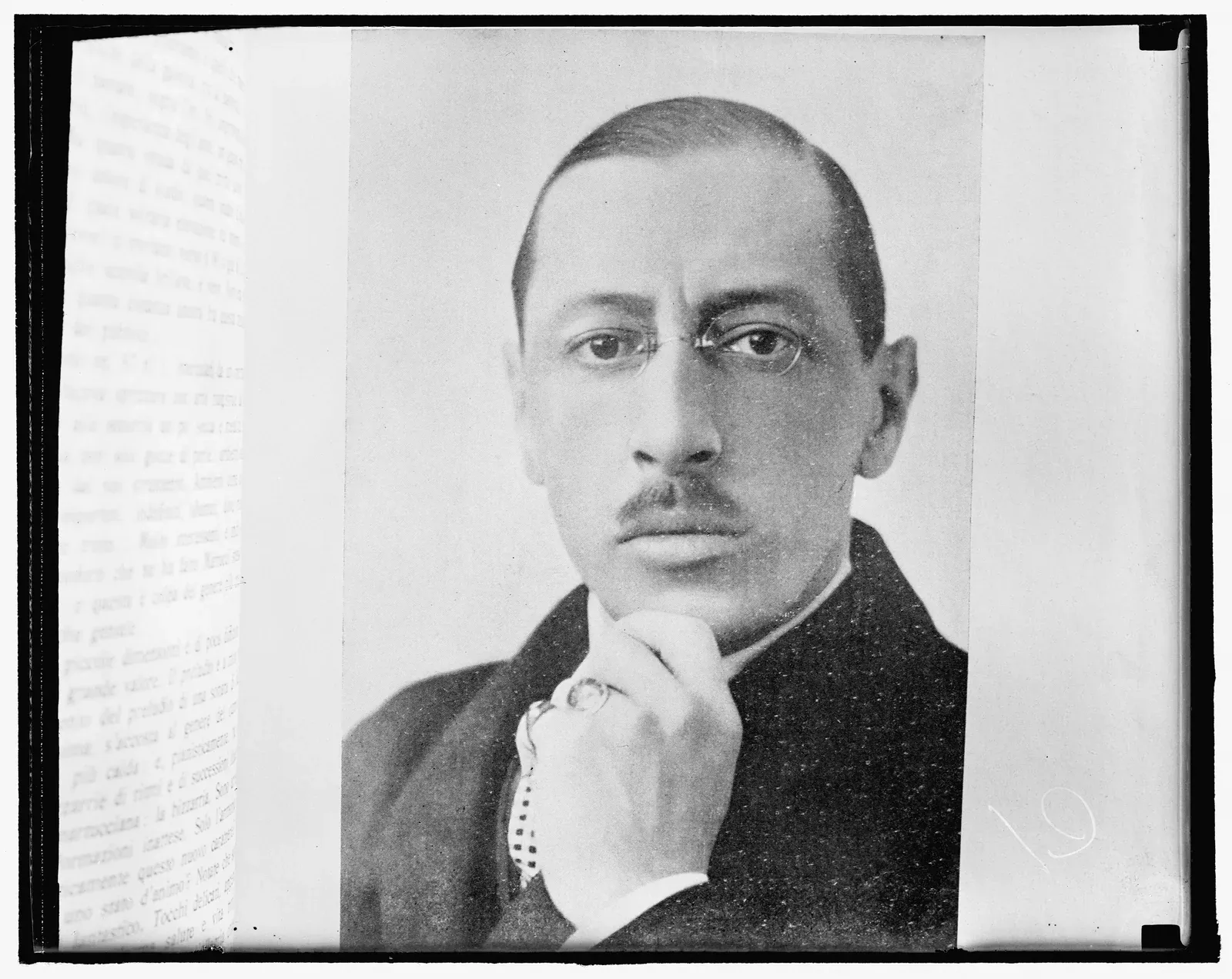
Vienna and Paris, 1900-1918
Arnold Schoenberg moved from the Wagner-influenced style of Verklärte Nacht (1899) to atonality, music without a tonal centre, in works such as the Drei Klavierstücke of 1909 and Pierrot lunaire of 1912. Pierrot lunaire, premiered in Berlin on 16 October 1912 with Albertine Zehme as reciter, set 21 poems for a speaking voice and five instrumentalists: flute, clarinet, violin, cello and piano. That line-up is still called the Pierrot ensemble.
In Paris, Igor Stravinsky wrote The Rite of Spring for Sergei Diaghilev’s Ballets Russes after the successes of The Firebird (1910) and Petrushka (1911). Its premiere at the Théâtre des Champs-Élysées on 29 May 1913 caused a sensation. The score experimented with tonality, metre, rhythm and dissonance, and Stravinsky and Prokofiev were both drawn to primitivism early in their careers.
Between the wars, 1919-1944
In 1921, after several years of research, Schoenberg developed the twelve-tone technique, which uses all twelve pitches in a fixed order. He described it privately to associates in 1923, and the Wind Quintet, Op. 26 (1923-24) was his first large work built entirely on it. His pupils Alban Berg and Anton Webern, with him the Second Viennese School, took the method further. Berg’s Wozzeck, premiered at the Berlin State Opera on 14 December 1925, brought atonality and leitmotifs to the opera stage, while Webern’s strict method later influenced total serialism.
After the First World War many composers turned back to the past instead. Neoclassicism revived the balanced forms of the seventeenth and eighteenth centuries while replacing functional tonality with extended tonality, modality or atonality. Stravinsky’s Pulcinella and Symphony of Psalms, Prokofiev’s Classical Symphony, Ravel’s Le Tombeau de Couperin and Paul Hindemith’s Mathis der Maler are standard examples. Italian Futurists tried to recreate machine sounds, and Charles Ives and Harry Partch explored microtones.
Politics shaped the music too. Dmitri Shostakovich reflected the social impact of communism and had to work within the limits of socialist realism, and his Fifth Symphony, premiered in Leningrad on 21 November 1937, drew an ovation that lasted over half an hour. Olivier Messiaen’s Quartet for the End of Time (1941) was written as a prisoner of war and first played by fellow prisoners.
Post-war avant-garde, 1945-1969
The Darmstadt Summer Courses, founded in 1946, became a leading forum for new composition and gave the post-war avant-garde a home. Boulez and Stockhausen took twelve-tone ideas further into total serialism.
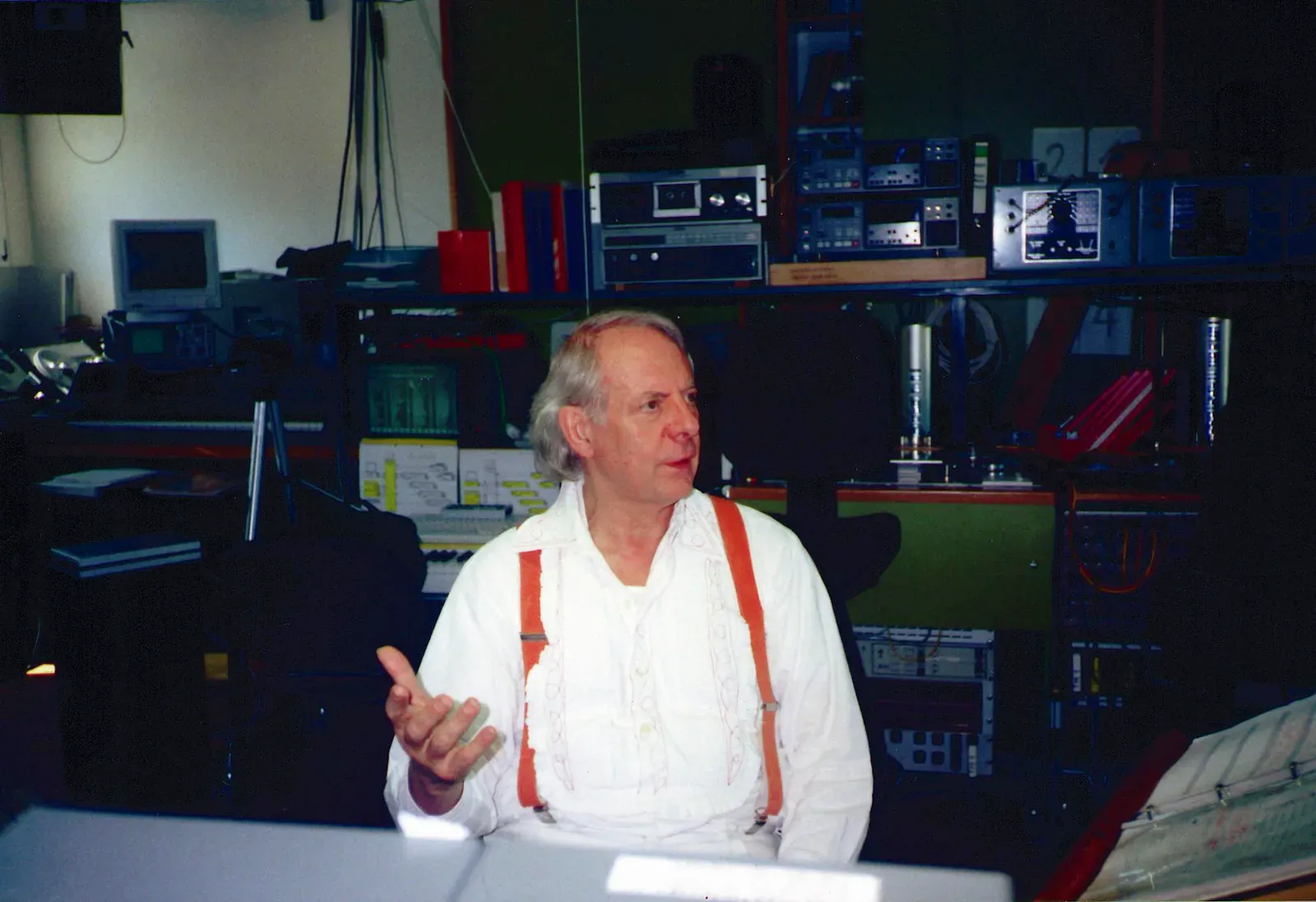
Technology opened another path. From the 1940s Pierre Schaeffer developed musique concrète, composition from recorded sounds. In the 1950s magnetic tape let composers record any sound and manipulate it, and by the early 1950s concrète was contrasted with the purely electronic music of Cologne. Stockhausen’s Gesang der Jünglinge, realised in 1955-56 at the WDR studio, joined the two by combining a boy’s recorded voice with electronically generated sound. From 1957 computers became increasingly important.
In the United States John Cage introduced chance from the early 1950s. He coined the term experimental music for works whose results cannot be foreseen, and used chance in Music of Changes and Imaginary Landscape No. 4, written for twelve radio receivers. Sonatas and Interludes (1946-48) used a prepared piano, and 4’33” premiered in 1952 as three movements of silence in which ambient sound became the music.
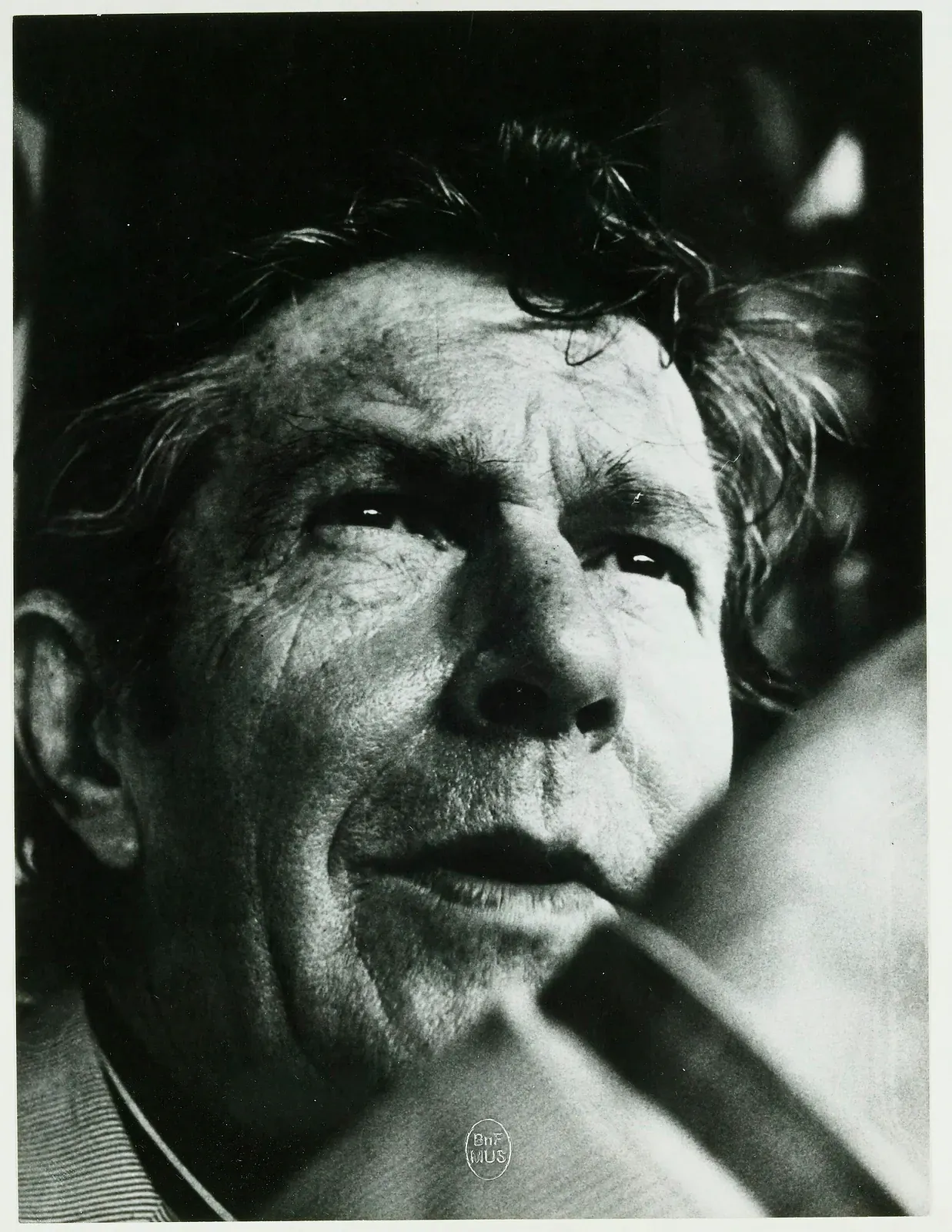
Minimalism and pluralism, 1970-2000
In the 1960s La Monte Young, Terry Riley, Steve Reich and Philip Glass began to strip music down to its basic features, often through repetition. Riley’s In C (1964) let players choose short phrases over a repeated C. Reich’s Piano Phase (1967) and Drumming (1970-71) used phasing, where one phrase drifts against a copy of itself at a slightly faster speed. Glass’s 1 + 1 (1968) expanded short phrases step by step.
In the last quarter of the century eclecticism and polystylism became important, along with movements such as New Complexity and New Simplicity, and postmodern composers reacted against the avant-garde itself.
Characteristics
Plurality means the traits belong to movements, not to every piece. Many works abandon or stretch tonality, through atonality, the twelve-tone method, modality or the extended tonality of neoclassicism. Rhythm and metre turn irregular or are built from repeated, shifting patterns, as in The Rite of Spring and Reich’s phasing. Timbre becomes a compositional resource, from prepared piano to tape. Many movements are defined by a technique: serial, aleatory, process or minimalist.
Instruments and production
The orchestra remained central, alongside smaller groups such as the Pierrot ensemble. Composers also altered instruments, as Cage did by placing objects between the strings of a piano, and used unusual sources such as radios. Microtones, intervals smaller than a semitone, are easy on voices and unfretted strings but impossible on a piano or organ without retuning.
Studio production became a compositional tool. Tape recorders, electronic sound generators and, later, computers meant that a piece could exist only as a recording played through loudspeakers, a form called acousmatic music. Live electronic music instead processed or triggered sound during a performance, and Cage’s Cartridge Music is an early example.
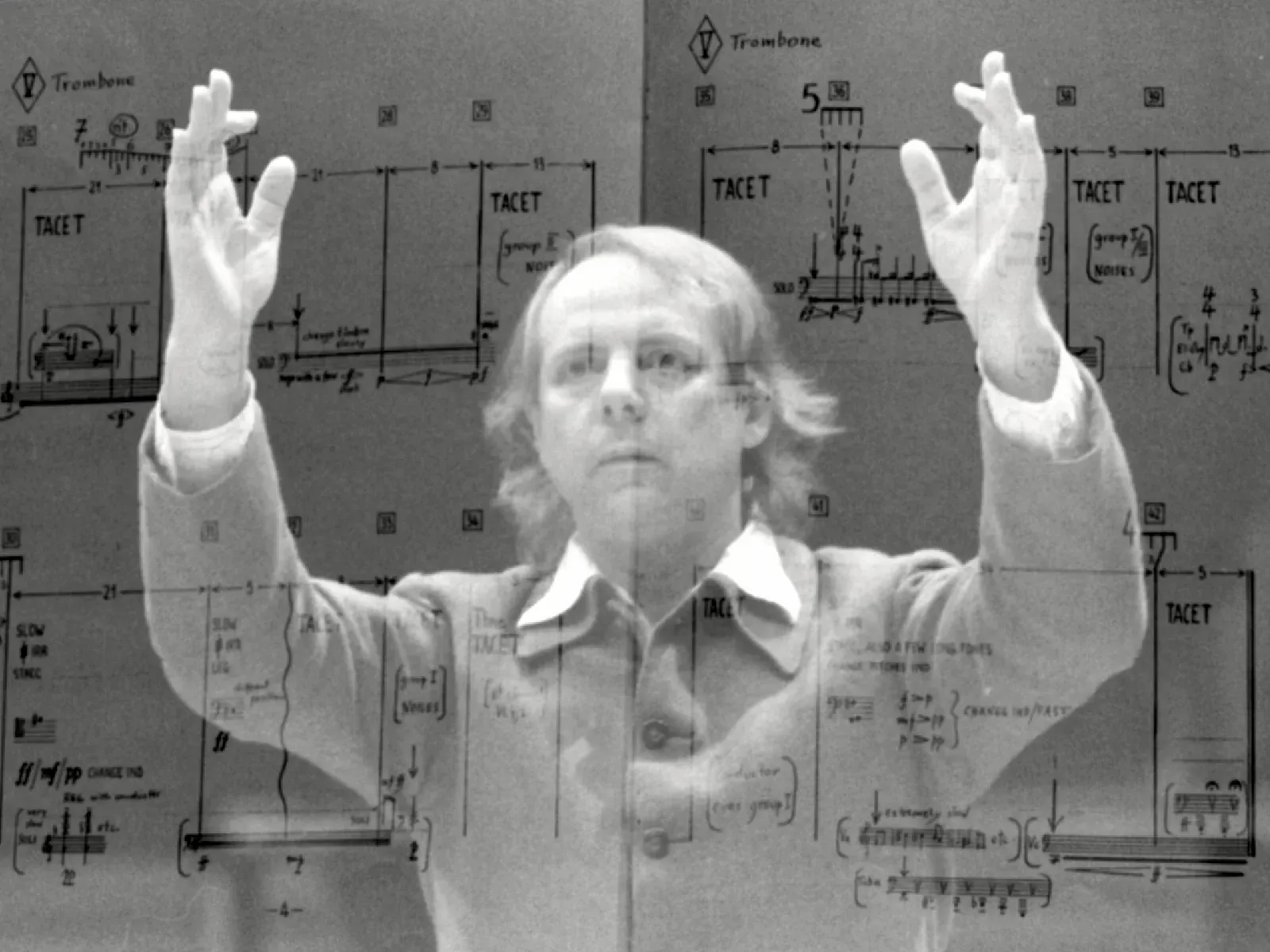
Mainstream success
Art music rarely crossed over in the way popular genres do, but some works reached very large audiences. The Rite of Spring became one of the most recorded works in the classical repertoire, and Shostakovich’s Fifth drew a triumphant response from both the public and official critics. Deutsche Grammophon released Gesang der Jünglinge with Kontakte in September 1962, bringing studio electronic music to a mass classical audience. In 1978 Reich’s Music for 18 Musicians appeared on ECM and made minimalism a recorded success.
The premiere of The Rite of Spring and the first performances of 4’33” met shock and controversy, and the avant-garde’s complexity was often criticised as cut off from listeners.
Notable recordings
Schoenberg’s Pierrot lunaire shows how little the new music needed a large orchestra. Five players and a half-spoken, half-sung voice, a style called Sprechstimme, produce an atonal sound.
Stockhausen’s Gesang der Jünglinge is often called the first masterpiece of electronic music. It was made in Cologne in 1955-56, lasts exactly 13 minutes and 14 seconds, and used the voice of a 12-year-old, Josef Protschka. It was also an early example of spatial sound, originally in five channels, reduced to four and then to stereo for the commercial release by Deutsche Grammophon.
Reich’s Music for 18 Musicians was developed in rehearsals between 1974 and 1976, premiered in New York in 1976, and recorded in 1978. It has 11 sections, each built on a single chord, and.
Culture
Concert culture changed with the music. The Ballets Russes made new composition a theatrical event, with Vaslav Nijinsky’s choreography and Nicholas Roerich’s designs for The Rite of Spring. After the Second World War the Darmstadt Summer Courses, held annually until 1970 and then every two years, gave composers and theorists a shared annual gathering.
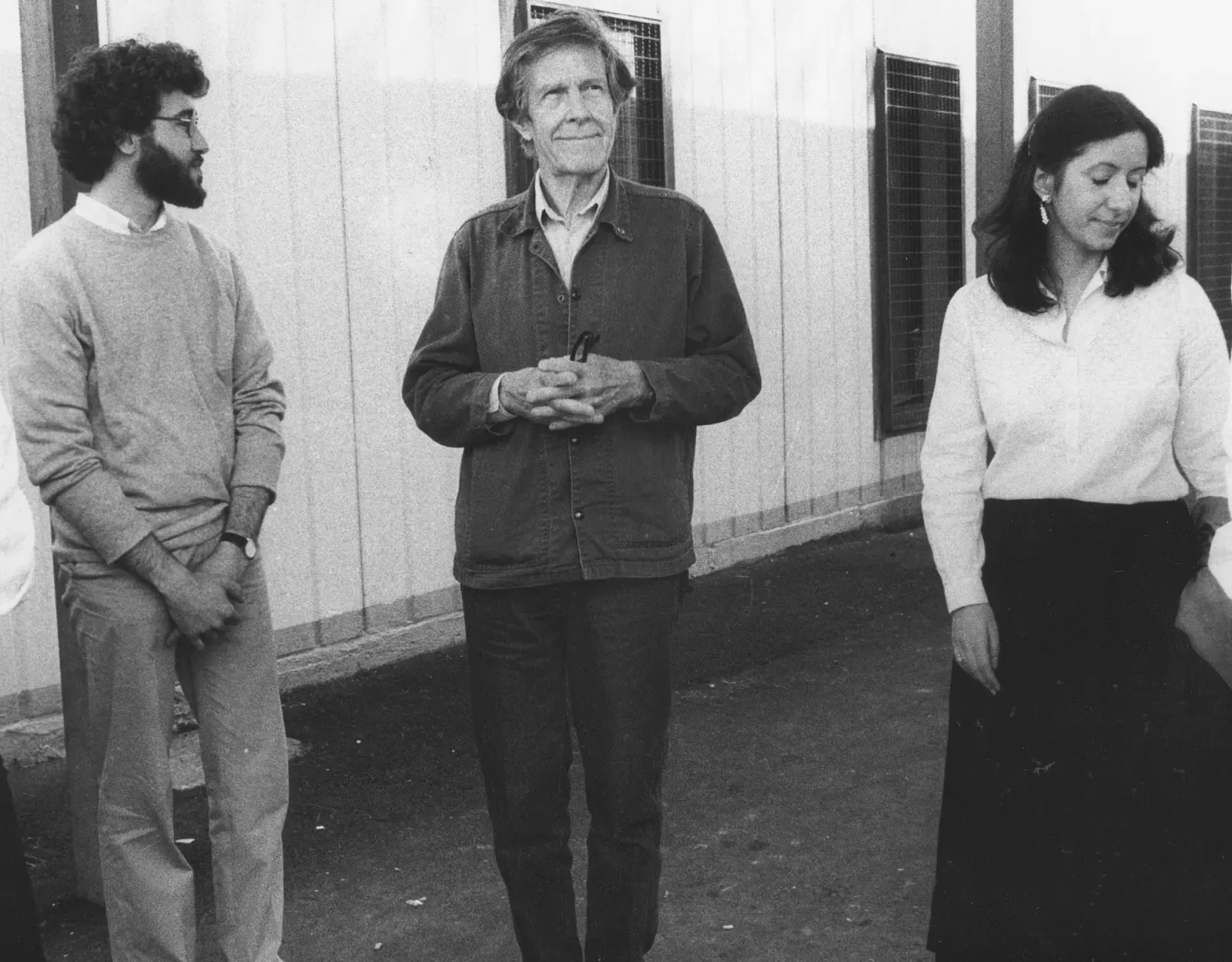
Cage’s work moved the boundary of what counted as music, and musicologists revisited its definition after 4’33”. Political pressure marked another strand, from Soviet socialist realism to Benjamin Britten’s War Requiem, which took up political themes by the composer’s choice.
Legacy
The century left a toolkit that later composers still use: the Pierrot ensemble, the twelve-tone method, tape and electronic composition, chance procedures, phasing and prepared piano. Serialism, minimalism and electroacoustic music grew into separate subgenres.
See also Opera for the stage works of Berg and others, and Baroque music for the era neoclassical composers revisited.
Misconceptions
One myth is that all twentieth-century classical music is atonal. Atonality and the twelve-tone method were one strand among many: neoclassicism, Impressionism, folk-influenced styles, jazz-influenced works and minimalism all kept or reworked tonal materials.
A second is that 4’33” is silence. The score instructs performers not to play, but Cage held that the ambient noises heard during the performance are part of the piece.
Frequently asked questions
What is 20th-century classical music?
20th-century classical music is Western art music written between 1901 and 2000. It has no dominant style and includes Impressionism, expressionism, neoclassicism, serialism, electronic music, aleatory music and minimalism.
Who were the main composers of 20th-century classical music?
Key figures include Claude Debussy, Igor Stravinsky, Arnold Schoenberg, Alban Berg, Anton Webern, Dmitri Shostakovich, Olivier Messiaen, John Cage, Karlheinz Stockhausen and Steve Reich.
What is the twelve-tone technique?
The twelve-tone technique is a method of composing with all twelve pitches in a fixed order. Arnold Schoenberg developed it from 1921 and first described it privately in 1923.
Sound
Sound sheet
Signature sounds
- Atonal or heavily extended harmony
- Irregular and shifting metres
- Technique-defined movements such as serial, chance and process music
- Expanded instrumental and electronic colour
Techniques
- Twelve-tone technique
- Chance procedures
- Phasing
- Tape manipulation
- Prepared piano
Keys and modes
Atonality. No tonal centre; Schoenberg's idiom from the Drei Klavierstücke of 1909.
Extended tonality and modality. Neoclassical composers replaced functional tonality with extended tonality, modality or atonality.
Vocals
Sprechstimme in Pierrot lunaire, and electronically treated voice in works such as Gesang der Jünglinge.
Scenes
Where it happened
Where and when the sound lived: one bar per city on a shared timeline.
Europe
Active scenes
Peak 4, 1955-1999
Schoenberg, Berg and Webern, the Second Viennese School, developed atonality and the twelve-tone technique here.
Debussy's Impressionism, the Ballets Russes premiere of The Rite of Spring and Schaeffer's musique concrète all centred on the city.
Home of the summer courses where post-war serial and experimental composers met.
The WDR studio produced Stockhausen's electronic works such as Gesang der Jünglinge.
Culture
Culture markers
- Ballets Russes premieres
The Rite of Spring was written for the 1913 Paris season, with Nijinsky's choreography and Roerich's designs.
Dance - Darmstadt Summer Courses
Annual lectures and concerts of new music, run yearly until 1970 and then every two years.
Ritual - Pierrot ensemble
Shorthand for the flute, clarinet, violin, cello and piano line-up set by Schoenberg's Pierrot lunaire.
Slang
Glossary
Terms on this page
Music without a tonal centre, the idiom Schoenberg reached around 1909 as he left late Romantic harmony.
Composition from recorded sounds, developed by Pierre Schaeffer and contrasted in the early 1950s with purely electronic music.
Interwar style reviving the balanced forms of the 17th and 18th centuries with extended tonality or atonality.
Reich's process in which two players repeat one phrase at slightly different speeds, drifting out of and back into phase.
A style between speech and song, used by the reciter in Pierrot lunaire.
Schoenberg's method of composing with all twelve pitches in a set order, developed from 1921 and taken up by Berg and Webern.
Classical family