Church music
Church music is Western art music written for Christian worship or liturgical texts, from medieval chant and polyphony to Bach's masses and modern choral works.
Europe, around 900
Classical family
Born
around 900
Europe
Subgenres
15
Documented branches
Links
8
Genres it drew on or shaped
Tempo
60-100 BPMLineage
Family tree
Grew out of
Europe
Church music
Led to (15)
Timeline
Era by era
From the first sparks to today. Select a dot to read the story behind it.
- Chant and early polyphony
900 to 1450
- Renaissance polyphony
1450 to 1600
- Baroque sacred music
1600 to 1750
- Classical and Romantic masses and requiems
1750 to 1900
- Modern sacred music
1900 to today
Eras
Moments
- 1 Chant and early polyphony, 900 to 1450
- 2 Renaissance polyphony, 1450 to 1600
- 3 Baroque sacred music, 1600 to 1750
- 4 Classical and Romantic masses and requiems, 1750 to 1900
- 5 Modern sacred music, 1900 to today
around 900
Chant and early polyphony
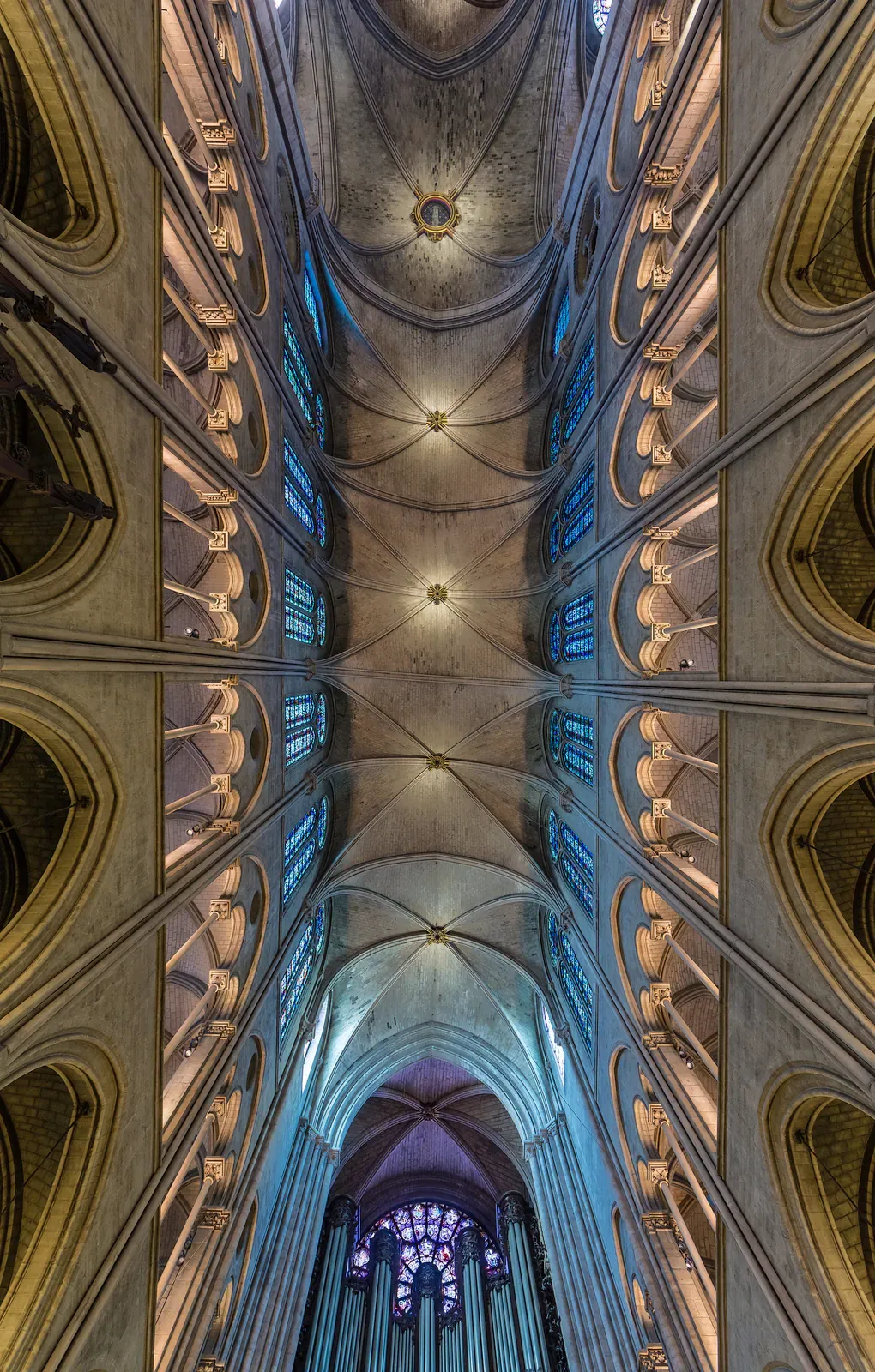
Gregorian chant took shape in western and central Europe in the 9th and 10th centuries, and multi-voice organum around Notre-Dame in Paris began the Western polyphonic tradition.
- 900Gregorian chant takes shapePlainchant develops in western and central Europe in the 9th and 10th centuries, later credited to Pope Gregory I.
- 1160Notre-Dame school of polyphonyLéonin, Pérotin and their circle compile the Magnus Liber Organi, the earliest large body of notated polyphony.
around 1450
Renaissance polyphony
Choirs in Rome, England and Spain sang unaccompanied polyphonic masses and motets by Palestrina, Tallis, Byrd and Victoria, shaped by the Council of Trent and the Reformation.
- 1545Council of Trent opensThe Catholic council sits until 1563 and debates abuses in church polyphony; its decrees mention only lascivious or impure music.
- 1562Missa Papae MarcelliPalestrina's best-known mass, probably written around 1562, becomes a model of clear Renaissance polyphony.
- 1570Spem in aliumTallis writes a 40-part motet for eight choirs of five voices, probably before 1572.
around 1600
Baroque sacred music
Monteverdi's Vespers, Bach's Passions and masses, and Handel's oratorios added soloists, orchestra and continuo to sacred texts for church and concert hall.
- 1610Monteverdi's Vespers publishedVespro della Beata Vergine is published in Venice with a dedication to Pope Paul V dated 1 September 1610.
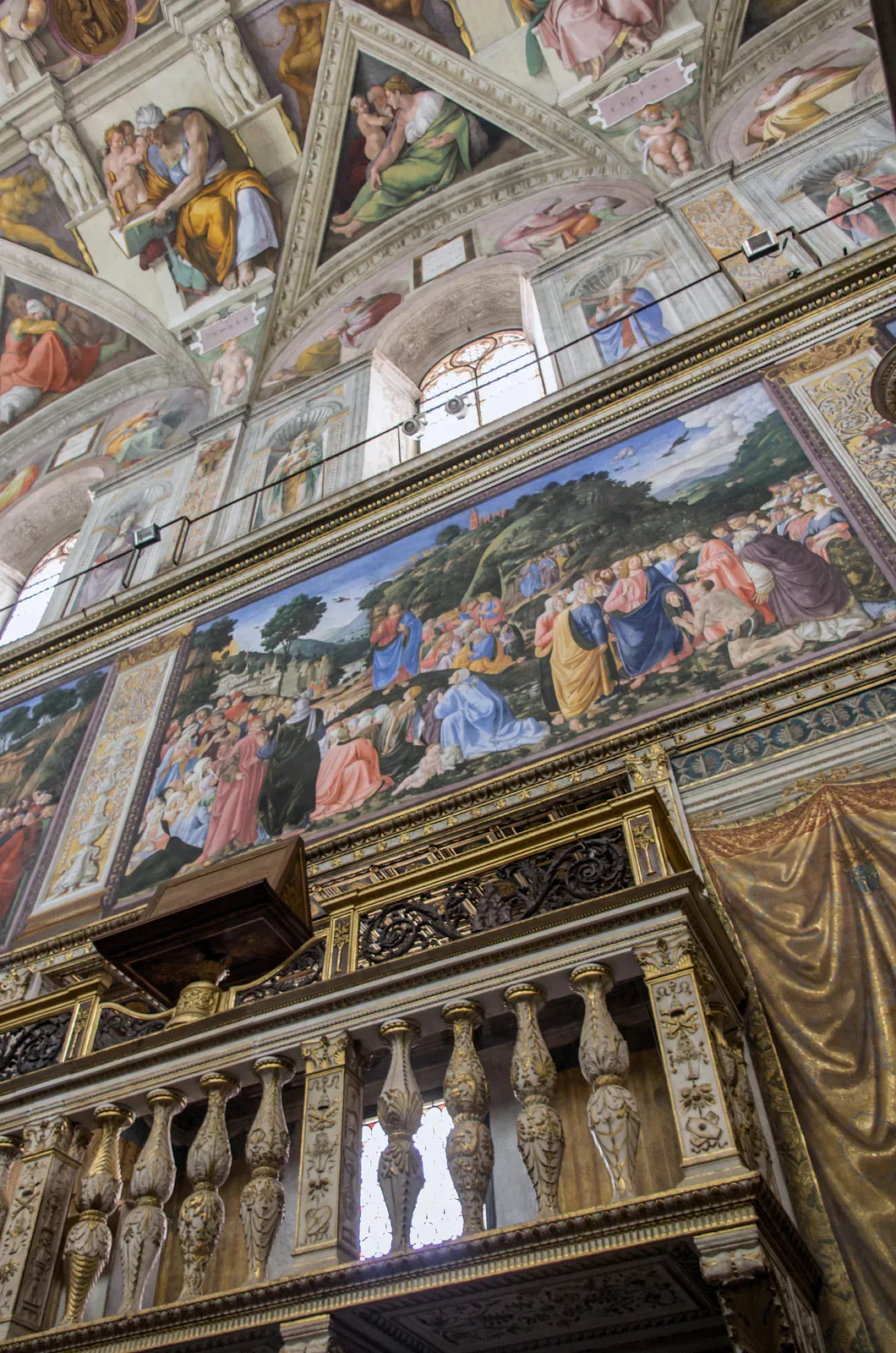
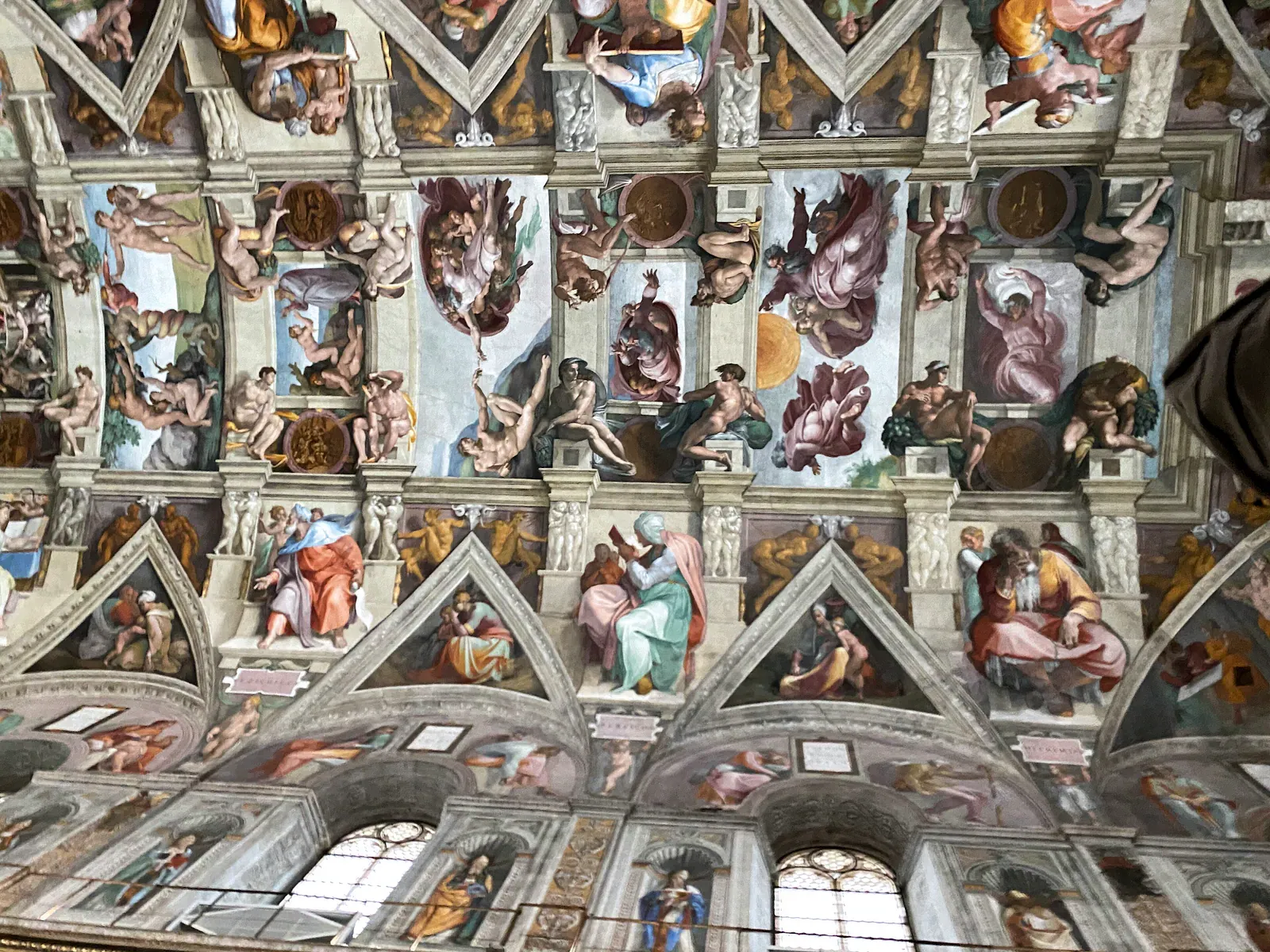
- 1638Allegri's MiserereA setting of Psalm 51 for the Sistine Chapel Tenebrae services, written around 1638 and surrounded by legends of secrecy.
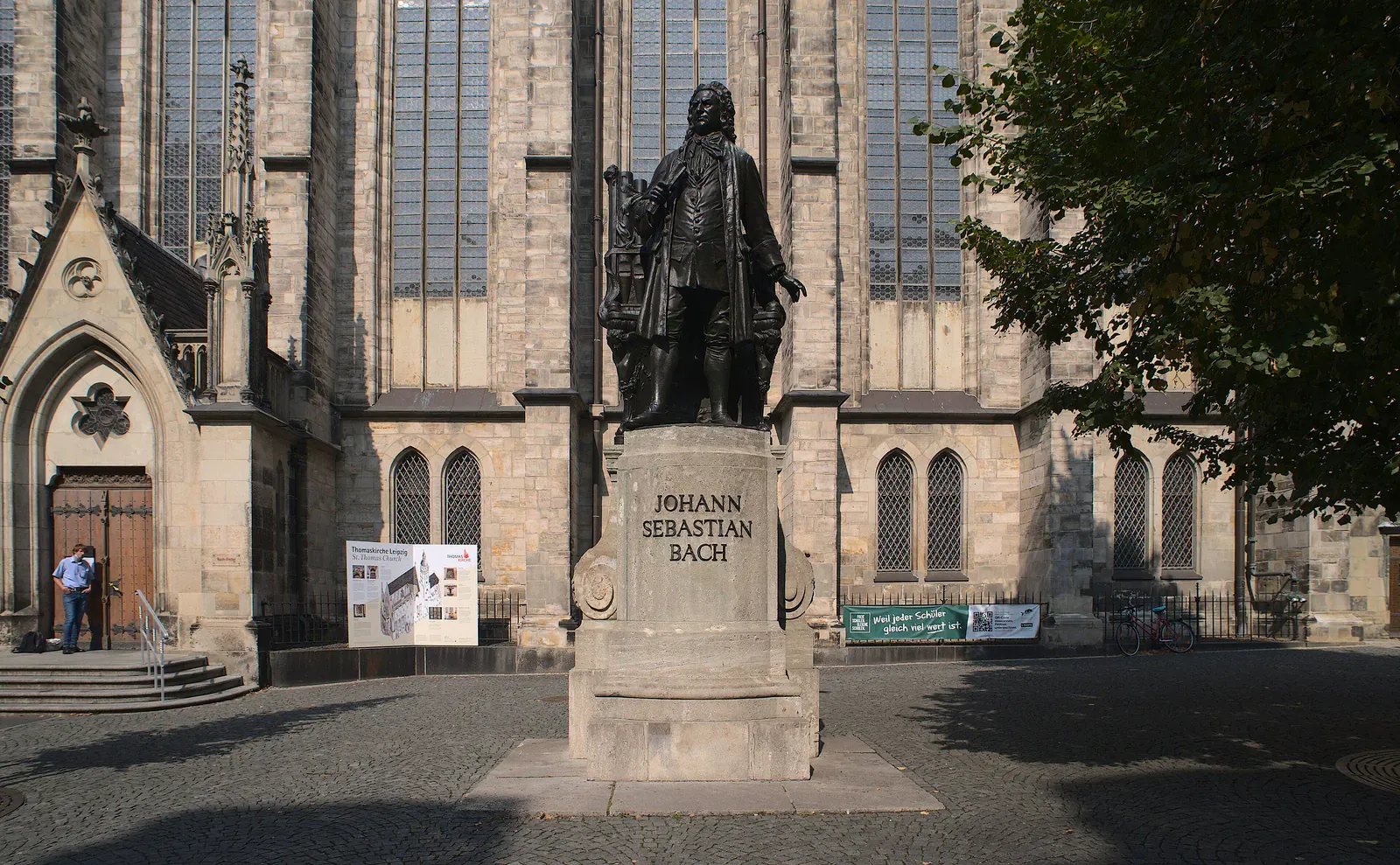
- 1727St Matthew PassionBach writes his Passion for double choir and double orchestra to a libretto by Picander.
- 1742Messiah premieres in DublinHandel's oratorio is first performed on 13 April and later becomes one of the most performed choral works.
- 1749Mass in B minor completedBach completes a full setting of the Mass ordinary, drawing on earlier work, a year before his death.
1750
Classical and Romantic masses and requiems
Mozart's Requiem, Beethoven's Missa solemnis and the requiems of Verdi and Fauré moved the mass towards the concert hall, while the Cecilian Movement pushed for chant and older polyphony in services.
- 1791Mozart's Requiem left unfinishedMozart dies on 5 December with the Requiem incomplete; Eybler and Süssmayr finish it for delivery in 1792.
- 1828Baini's life of PalestrinaThe biography presents Palestrina as the saviour of polyphony from the Council of Trent, a legend historians now reject.
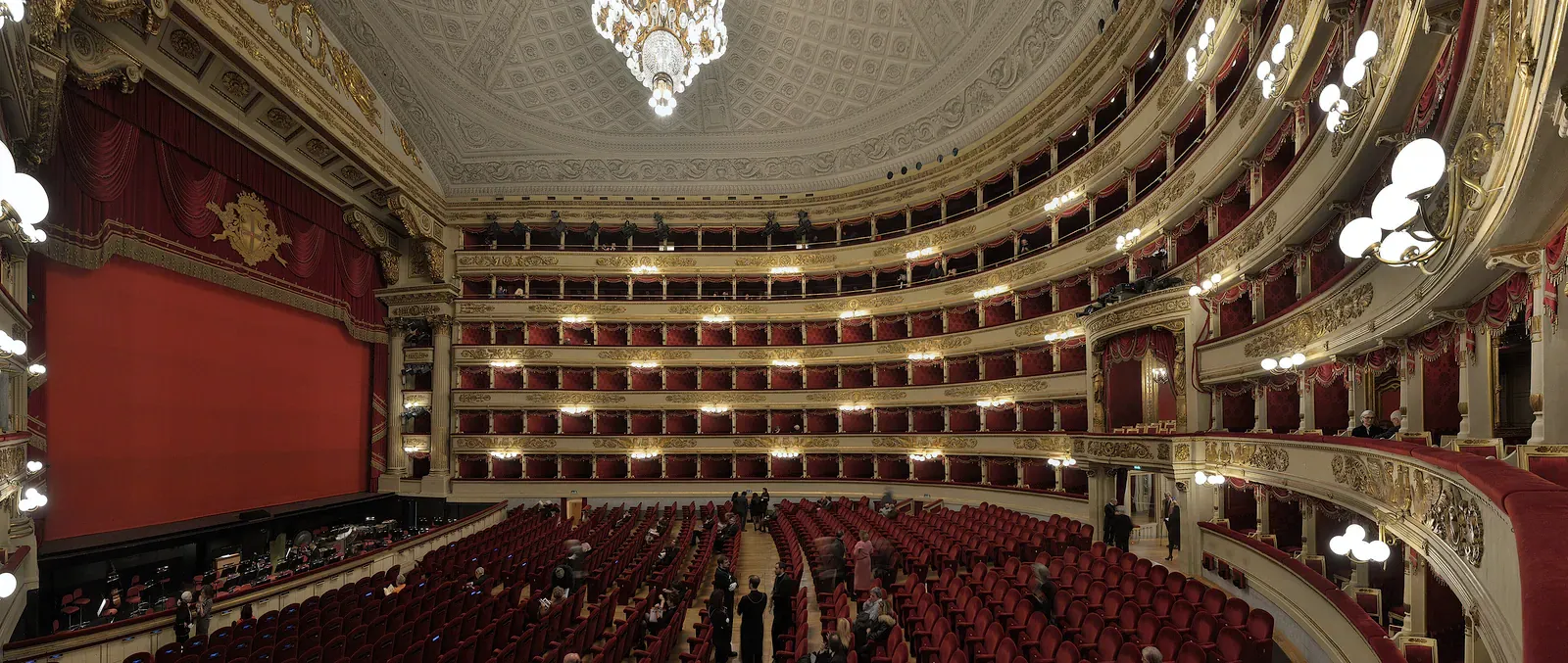
- 1874Verdi's Requiem premieresThe Manzoni Requiem is first performed on 22 May at San Marco in Milan, then repeated at La Scala.
around 1900
Modern sacred music
Twentieth-century and later composers such as Pärt and Tavener wrote spare, chant-inspired works, and specialist ensembles revived medieval and Renaissance repertoire on record.
- 1980Tallis Scholars record the Allegri MiserereRecorded on 22 March 1980 at Merton College Chapel, Oxford, for Gimell, and later named among the greatest recordings by BBC Music Magazine.
- 1997Song for Athene at Diana's funeralTavener's 1993 a cappella piece is sung by the Westminster Abbey Choir on 6 September, bringing new sacred music to a global audience.
Listening path
Start listening
A short path from an easy way in to the deep end. Thumbnails come from YouTube; the player loads only when you press play.
- 01
Stile Antico, 1562
The mass tied to the Council of Trent legend and a model of clear, unaccompanied Renaissance polyphony.
- 02
The Tallis Scholars, 1570
A 40-part motet for eight choirs, the high point of English Renaissance sacred music.
- 03
The Tallis Scholars, 1638
The Sistine Chapel Tenebrae setting that the 1980 Gimell recording made famous.
- 04
Tenebrae and the Academy of Ancient Music, 1742
The best-known chorus of Messiah, the oratorio that carried sacred music to the concert hall.
- 05
Robert Shaw, 1749
The opening of Bach's complete Mass setting, a summit of choir and orchestra writing.
Facts
| Family | Classical |
| Origin | Europe |
| Emerged | Medieval onward |
| Status | Active |
| Tempo | 60 to 100 BPM |
| Meter | 4/4 |
| Subgenres | 13 |
Church music is the Western art music written for Christian worship or set to liturgical texts, within the classical family. It took shape in medieval Europe as plainchant and early polyphony and grew into the mass, requiem, motet, cantata, oratorio, passion, anthem and canticle settings.
Its defining traits are sacred Latin or vernacular text, choral scoring and, from the Baroque on, organ and orchestral support.
Origins
Christian communities sang psalms and hymns from the start, borrowing from Greek music and from the cultures around the eastern Mediterranean, and early church writers disapproved of instruments. The church organ is traditionally dated to the papacy of Vitalian in the 7th century.
The central tradition of the Western church was Gregorian chant, a single unaccompanied line in Latin. It developed in western and central Europe during the 9th and 10th centuries as a synthesis of older Roman and Gallican chant, and later legend credited it to Pope Gregory I. Chant was organised in modes, written in neumes, and became the raw material for everything that followed.
Chant and early polyphony, to about 1450
The step from one voice to several came with organum, in which extra voices were added to a chant melody. Around 1160 to 1250 the singers of Notre-Dame in Paris, known by the names of Léonin and Pérotin, compiled the Magnus Liber Organi and wrote the earliest large body of notated polyphony. Pérotin is the first composer whose four-voice organum survives.
Renaissance polyphony, 1450 to 1600
By the 16th century choirs in Rome, England and Spain sang unaccompanied polyphony in which independent voices entered in turn on the same melodic idea. This is the style of the Renaissance masses and motets of Palestrina, Tallis, Byrd and Victoria. The mass setting became the main large form: a composer set the five fixed texts of the Ordinary, Kyrie, Gloria, Credo, Sanctus and Agnus Dei, while the Proper, which changes with the day, stayed chant or became motets.
The Council of Trent, which sat from 1545 to 1563, debated two problems: secular songs recycled as masses, and imitative writing that buried the words. Its decrees mention only music that is lascivious or impure. A legend grew from the late 16th century that Palestrina’s Missa Papae Marcelli, probably written around 1562, persuaded the council not to ban polyphony. Giuseppe Baini repeated it in his 1828 biography, and historians no longer accept it. The mass is still a model of clear declamation, and it was sung at papal coronations until Paul VI in 1963.
In England Thomas Tallis wrote Spem in alium, a 40-part motet for eight choirs of five voices, probably before 1572 and perhaps for performance in the round.
Baroque sacred music, 1600 to 1750
The Baroque added soloists, orchestra and a continuo line of organ and bass to sacred texts. Monteverdi’s Vespers, published in Venice in 1610 and dedicated to Pope Paul V, ranges across chant, solo song and large ensembles in about 90 minutes. In Rome, Allegri’s Miserere, written around 1638 for the Tenebrae services of the Sistine Chapel, set Psalm 51 for three choirs.
In Protestant Germany the Lutheran chorale gave congregations a hymn tune that composers harmonised and built on. Johann Sebastian Bach wrote the St Matthew Passion in 1727 for double choir and double orchestra, and completed the Mass in B minor in 1749, a full setting of the Mass, much of it reworked from earlier music. George Frideric Handel, who settled in London in 1712, turned to English oratorio. Messiah, first performed in Dublin on 13 April 1742, is an oratorio in practice but not in drama, a reflection on Christ with no characters.
Classical and Romantic masses and requiems, 1750 to 1900
The mass moved increasingly to the concert hall. Mozart’s Requiem was unfinished when he died on 5 December 1791 and was completed by Eybler and Süssmayr for delivery in 1792. Beethoven’s Missa solemnis, composed from 1819 to 1823, ranks beside Bach’s B minor Mass as a peak of the form. Verdi’s Requiem, first performed at San Marco in Milan on 22 May 1874, was judged too operatic for church use and is usually given in concert. Fauré’s Requiem of 1887 to 1890 omits most of the Dies irae.
In the later 19th century the Cecilian Movement, which began in Germany, reacted against this operatic style by pressing for chant reform and for a return to older polyphony in services.
Characteristics
The music follows the liturgy. A mass sets the Ordinary, a requiem is a modified mass for the dead, and the Proper survives as motets and chant. Texts are Latin in the Catholic tradition, but many masses and canticles were written in the vernacular for the Church of England and the Lutheran church. Tempos sit on the slow side of the classical range, from a steady walking pace to the brisk chorus of a Handel oratorio, and the modes of chant gave way to major and minor keys in the Baroque.
Instruments and production
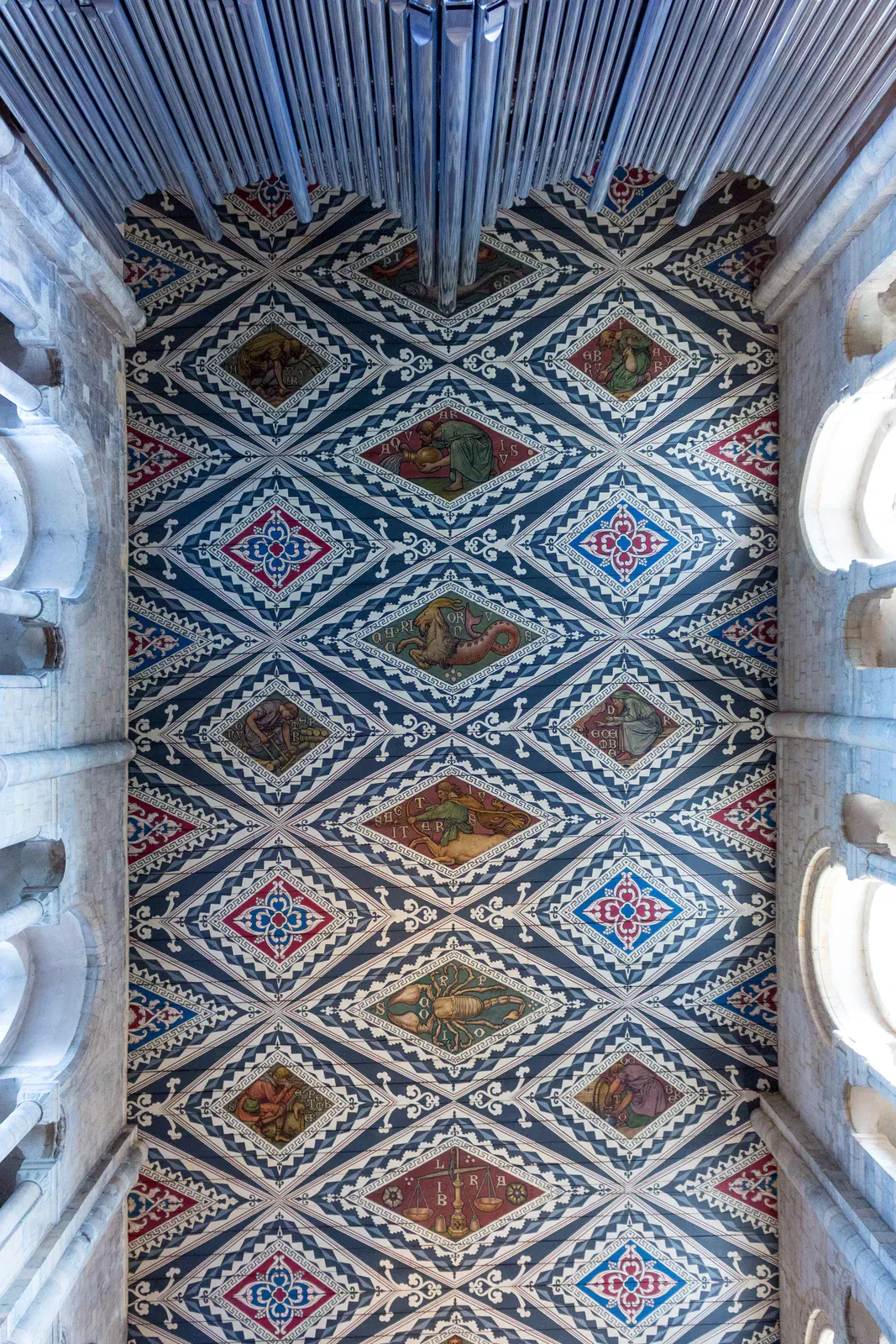
The pipe organ is the instrument of the church, used for accompaniment, preludes and voluntaries. In the Baroque, organ or harpsichord with a bass instrument formed the continuo, and festive movements called for natural trumpets and drums, as in Bach’s B minor Mass, which is scored for five soloists, a five-part choir and an orchestra with extended winds. The Tallis Scholars, founded by Peter Phillips in 1973, record with about ten singers, two to a part, and release on Gimell, the label that began in 1980 to issue their discs.
Mainstream success
Church music reached a wide audience through the concert hall and, later, the record. Messiah began modestly in Dublin and in time became one of the most frequently performed choral works in Western music. The Tallis Scholars’ 1980 recording of Allegri’s Miserere, made at Merton College Chapel in Oxford on 22 March, was later named by BBC Music Magazine among the greatest recordings. A modern piece reached millions in 1997, when the Westminster Abbey Choir sang John Tavener’s Song for Athene at the funeral of Diana, Princess of Wales.
Notable recordings
Allegri’s Miserere gained its mystique from performance tradition. The Sistine singers added improvised ornaments that were not written down, and from this grew a story that the Vatican guarded the score. A letter of Leopold Mozart of 1770 supports another tale, that his fourteen-year-old son wrote the work down from memory after hearing it once. The Miserere was performed in London from about 1735, so the secrecy was overstated.
Mozart’s Requiem is the best-known unfinished work in the form. A patron, Count Franz von Walsegg, commissioned it to mark the first anniversary of his wife’s death, and probably meant to pass it off as his own. Mozart’s widow Constanze was the source of the stories of a mysterious messenger and a requiem written for his own funeral.
Culture
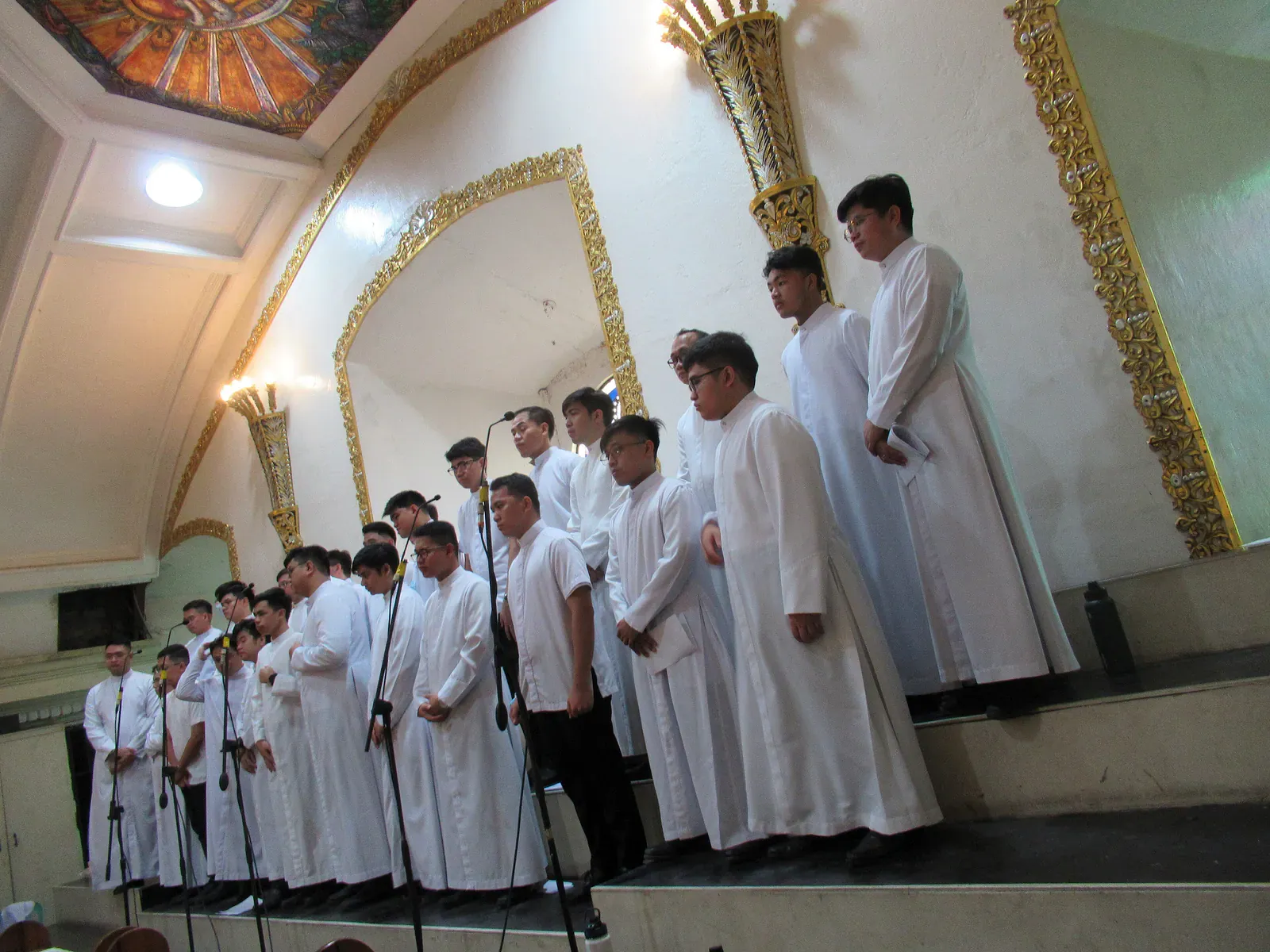
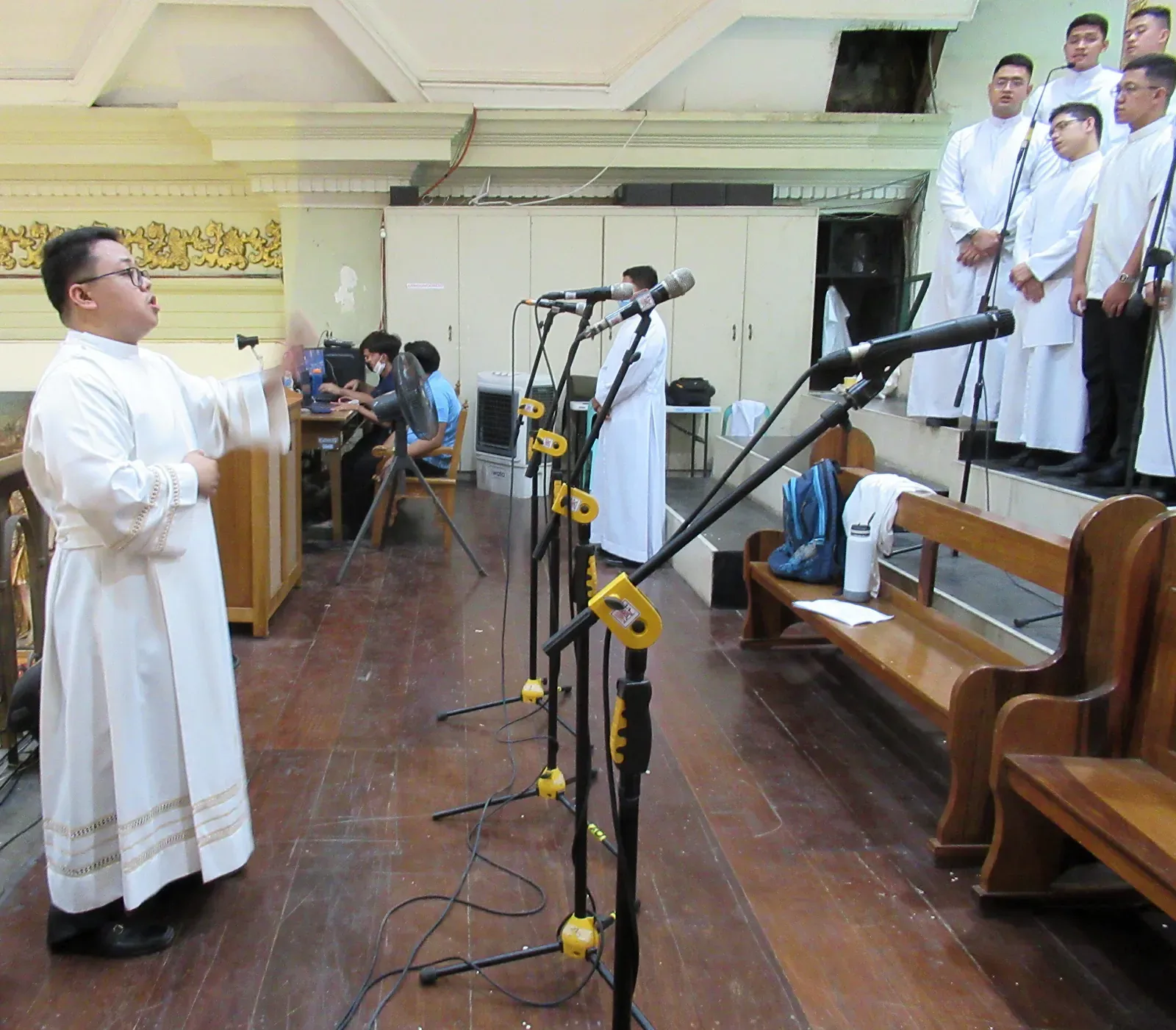
Church music lives inside ritual. In Holy Week the Tenebrae services of the Sistine Chapel were the setting for Allegri’s Miserere. Anglican services build on service settings, psalms, anthems and hymns sung by a church choir, accompanied or a cappella. The requiem has an unbroken line of settings from Ockeghem and Palestrina to Mozart, Verdi, Fauré, Britten and Ligeti.
Legacy
Church music supplied the vocabulary of Western classical music: notation grew out of neumes, polyphony out of organum, and the oratorio and the mass out of the liturgy. It also parented later forms listed beneath it on this site, from the mass to the oratorio and cantata,. In the 20th century composers such as Arvo Pärt and Tavener wrote spare, chant-inspired works that placed the sacred tradition in front of new audiences, and specialist choirs made medieval and Renaissance polyphony a staple of the record catalogue.
Misconceptions
Palestrina did not save polyphony from a ban. The Council of Trent never prohibited it, and the story comes from decades after the council, spread by Jesuit musicians and fixed in print by Baini in 1828. Allegri’s Miserere was not a closely guarded secret. Copies circulated in Rome and the piece was performed in London from about 1735, so the tale of the teenage Mozart stealing it is doubtful. Mozart did not write the whole Requiem; only the Introit was finished, and Eybler and Süssmayr completed the rest, with Süssmayr claiming the Sanctus, Benedictus and Agnus Dei as his own.
Frequently asked questions
What is church music?
Church music is music written for performance in Christian worship, or set to sacred liturgical texts. In the Western art tradition it includes chant, the mass and requiem, the motet, the cantata, the oratorio and the Anglican anthem.
What are the five parts of the mass in church music?
The Ordinary of the Mass has five fixed parts, Kyrie, Gloria, Credo, Sanctus and Agnus Dei. Composers from Palestrina to Bach set these texts, while the Proper, which changes with the day, was left to chant or motets.
Who are the most important composers of church music?
Palestrina, Tallis, Monteverdi, Bach and Handel are the central figures of the tradition, with Mozart, Beethoven, Verdi and Fauré important in later masses and requiems.
Is church music always sung in Latin?
No. Latin was the language of the Catholic rite, but the Church of England and the Lutheran church developed large repertories in English and German, such as the Anglican canticles and the Lutheran chorales.
Sound
Sound sheet
Signature sounds
- Setting of the Mass ordinary
- Choir with organ or orchestra
- Imitative polyphony
- Latin or vernacular liturgical text
Techniques
- Imitative polyphony
- Antiphonal singing
- Organum
- Falsobordone
- Ornamentation
Keys and modes
Church modes. Chant is organised in eight and later twelve modes that shaped Renaissance polyphony.
Vocals
Mixed choir, unaccompanied or with organ or orchestra, often with solo voices in later masses and oratorios.
Scenes
Where it happened
Where and when the sound lived: one bar per city on a shared timeline.
Europe
Active scenes
Peak 4, 1973-2025
The Notre-Dame school produced the first great body of notated polyphony.
The Sistine Chapel choir and Palestrina made Rome the centre of Catholic polyphony.
Bach's Passions were performed in the city's Lutheran churches.
Handel settled in London in 1712 and made English oratorio a national institution.
The Tallis Scholars and the Gimell label were founded here and shaped modern recordings of early sacred music.
Venues and places
Rome, 1514 to today. Its choir sang falsobordone settings in Holy Week and the Allegri Miserere, a practice dating back to at least 1514.
Paris, 1160 to today. Home of the Notre-Dame school of polyphony around 1160 to 1250.
Oxford, 1980 to today. Site of the 1980 Tallis Scholars recording of the Allegri Miserere.
Culture
Culture markers
- Tenebrae in Holy Week
The Sistine Chapel services for which Allegri's Miserere was written.
Ritual - Anglican choral services
Church choirs sing service settings, anthems and psalms, a cappella or with organ.
Ritual - Requiem mass for the dead
Funeral and memorial masses with a long line of settings from Ockeghem to Fauré and beyond.
Ritual
Glossary
Terms on this page
A sacred choral piece on a Latin text, such as Tallis's 40-part Spem in alium.
The five fixed parts of the Mass set by composers: Kyrie, Gloria, Credo, Sanctus and Agnus Dei.
A sacred oratorio setting the Gospel account of Christ's suffering, such as Bach's St Matthew Passion.
Music in which several independent melodic lines sound together, as opposed to single-line plainchant.
The parts of the Mass that change with the day or season, usually sung to chant or set as motets.
The Mass for the Dead, a modified form of the ordinary Mass with a long tradition of musical settings.
Classical family