Early music
Early music is medieval and Renaissance repertory, often extended to the Baroque, plus the period-instrument performance style built to recover it.
Europe, 1726
Classical family
Born
1726
Europe
Subgenres
1
Documented branches
Links
7
Genres it drew on or shaped
Tempo
65-85 BPMLineage
Family tree
Timeline
Era by era
From the first sparks to today. Select a dot to read the story behind it.
- Antiquarian societies
1726 to 1914
- Pioneers and schools
1915 to 1960
- Specialist ensembles
1961 to 1989
- Festivals and crossover
1990 to today
Eras
Moments
- 1 Antiquarian societies, 1726 to 1914
- 2 Pioneers and schools, 1915 to 1960
- 3 Specialist ensembles, 1961 to 1989
- 4 Festivals and crossover, 1990 to today
1726
Antiquarian societies
From the Academy of Ancient Music in 1726, English and Viennese circles studied and performed music at least a century old, mostly as scholarship and private concerts.
- 1726Academy of Ancient Music formedThe original Academy in England defines ancient music as works by composers who lived before the end of the 16th century.
- 1790Van Swieten's house concertsIn Vienna, Baron Gottfried van Swieten presents concerts of older music where Mozart came to know Bach and Handel.
1915
Pioneers and schools
Arnold Dolmetsch's 1915 book, the Schola Cantorum Basiliensis in 1933 and Concentus Musicus Wien in 1953 turned old repertory and instruments into a field of study and performance.
- 1915Dolmetsch publishes his performance guideArnold Dolmetsch's The Interpretation of the Music of the XVIIth and XVIIIth Centuries becomes a milestone for authentic performance.
- 1933Schola Cantorum Basiliensis foundedPaul Sacher founds the Basel school, which becomes a centre of early music teaching and research.
- 1937Boulanger records Monteverdi madrigalsNadia Boulanger presents and records madrigals by Monteverdi in France.
- 1953Concentus Musicus Wien foundedNikolaus and Alice Harnoncourt found the Viennese ensemble, a pioneer of period-instrument performance.
1961
Specialist ensembles
Ensembles such as Musica Reservata, the Early Music Consort, the Monteverdi Choir and the Tallis Scholars made period instruments and small vocal consorts a recording industry, centered on London and Basel.
- 1973Tallis Scholars and Academy of Ancient Music foundedPeter Phillips forms the Tallis Scholars, and Christopher Hogwood founds a new Academy of Ancient Music.
- 1974Hilliard Ensemble formedThe British male vocal quartet begins with medieval and Renaissance repertory and later works with contemporary composers.
- 1980Tallis Scholars record Allegri's MiserereThe Gimell release pairs the Miserere with Palestrina and Mundy.
- 1982A Feather on the Breath of GodGothic Voices, with Emma Kirkby, record Hildegard of Bingen for Hyperion.
- 1985Spem in alium recordedThe Tallis Scholars record Tallis's 40-part motet for Gimell.
1990
Festivals and crossover
Early music festivals, conservatory departments and independent labels made the field a routine part of musical life, and records such as Officium reached beyond classical audiences.
- 1994Officium crosses overThe Hilliard Ensemble and saxophonist Jan Garbarek release Officium on ECM, pairing medieval and Renaissance polyphony with improvisation.
Listening path
Start listening
A short path from an easy way in to the deep end. Thumbnails come from YouTube; the player loads only when you press play.
- 01
The Tallis Scholars, 1980
A Renaissance choral work sung by a group with two singers to a part; listen for the balance of the voices.
- 02
Gothic Voices, 1982
A Hildegard of Bingen chant sung by Gothic Voices.
- 03
The Tallis Scholars, 1985
Forty voices in eight choirs; listen for the layered entries.
- 04
Jordi Savall, 1993
A medieval Iberian song with voices and period instruments.
Facts
| Family | Classical |
| Origin | Europe |
| Emerged | Repertory c. 500-1750; movement 20th century |
| Status | Active |
| Tempo | 65 to 85 BPM |
| Meter | Free to mixed |
| Subgenres | 1 |
Early music is a European art music category that names two things at once: a repertory, mostly the medieval (500-1400) and Renaissance (1400-1600) periods and often the Baroque (1600-1750), and a way of performing it with period instruments and historical sources.
It belongs to the classical tradition, and the term came into use through the 20th-century revival of pieces that had dropped out of regular performance.
Scope and definition
No fixed date range defines the term. The original Academy of Ancient Music, formed in 1726, counted as ancient the work of composers who lived before the end of the 16th century. Brahms and his contemporaries took early music to run from the High Renaissance through the Baroque. Some scholars add the music of ancient Greece and Rome, while a critic such as Michael Kennedy leaves the Baroque out. A British national early music centre defines it as European music written between 1250 and 1750 together with a historically informed approach to playing it.
The working definition most musicians use today is the broadest: any music for which a historically appropriate style must be reconstructed from surviving scores, treatises, instruments and other evidence. Periods have their own pages: medieval music, Renaissance music and Baroque music.
Antiquarian societies, 1726-1914
Interest in older music predates the revival by two centuries. Johann Pepusch’s Academy of Ancient Music of the 1720s studied Palestrina, Victoria, Byrd, Morley and other composers at least a century old. In Vienna in the late 1700s, Baron Gottfried van Swieten gave house concerts of older music at which Mozart developed his love of Bach and Handel, and in England Samuel Wesley promoted Bach’s music at the end of the century.
These circles treated old music as repertory to be studied and played on current instruments. Questions about how it should sound, and on what instruments, did not become a major concern until the 19th century, when Europeans turned to ancient culture more generally.
Pioneers and schools, 1915-1960
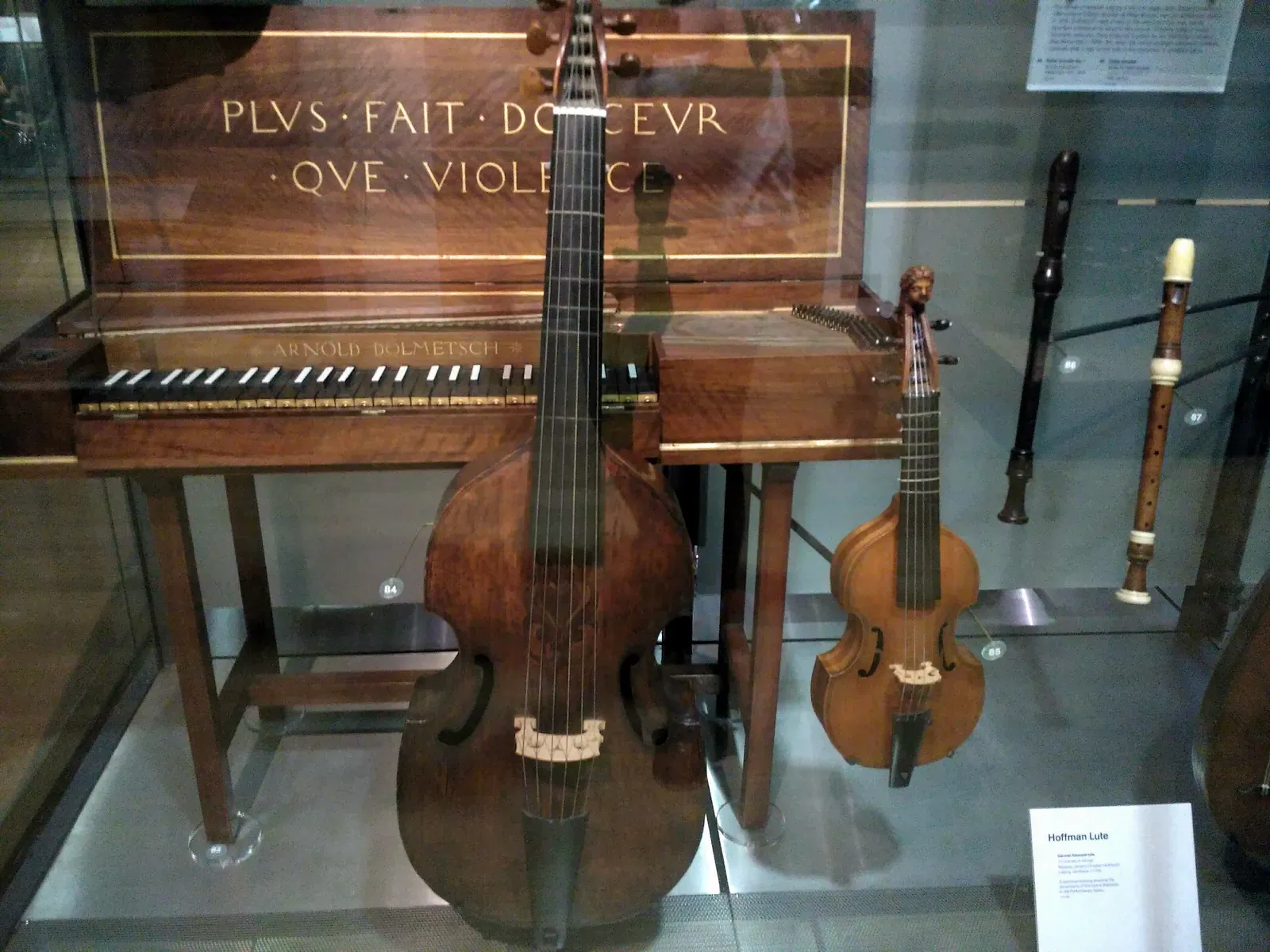
Early in the 20th century, musicologists began preparing performing editions of medieval and Renaissance works, and English cathedral choirs set a new standard for Renaissance choral music. Arnold Dolmetsch, a French-born musician and instrument maker working in England, is widely considered the key figure of the period. His workshop in Haslemere, Surrey, made harpsichords, viols, lutes and recorders, and his 1915 book on interpreting the music of the 17th and 18th centuries became a milestone for authentic performance.
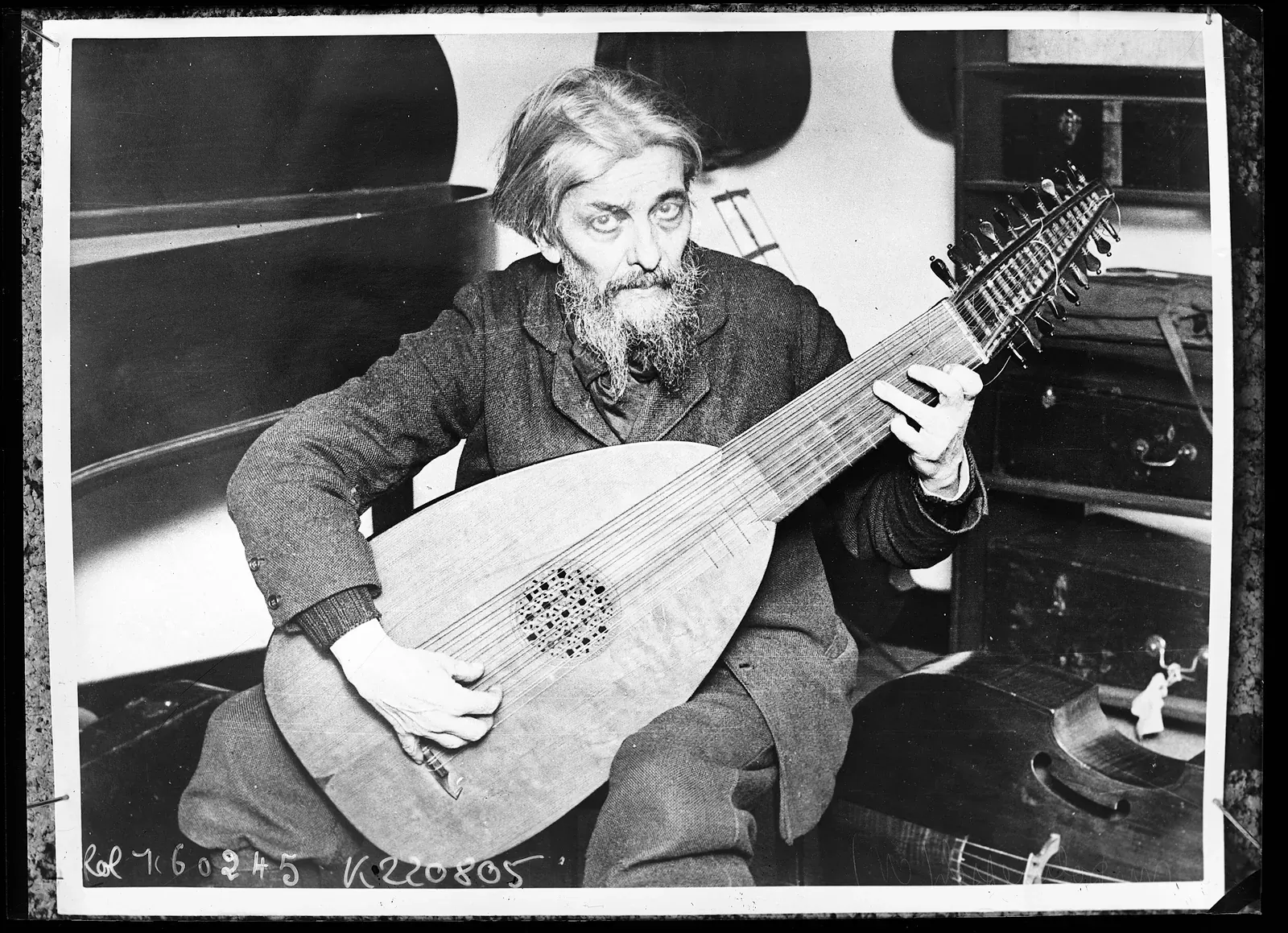
Institutions followed. Paul Sacher founded the Schola Cantorum Basiliensis in Basel in 1933, with specialists such as the singer Max Meili, who contributed to the L’Anthologie Sonore series of early recordings. In 1937 Nadia Boulanger presented and recorded madrigals by Monteverdi in France. In 1953 Nikolaus and Alice Harnoncourt founded Concentus Musicus Wien in Vienna, now recognised as a pioneer of period-instrument performance. By the 1950s the revival was under way.
Specialist ensembles, 1961-1989
The revival was a fully established phenomenon by the end of the 1970s, centered on London and Basel with strong activity in New York, Boston and San Francisco. The pioneer English countertenor Alfred Deller was joined by new groups such as Musica Reservata, David Munrow’s Early Music Consort, the Monteverdi Choir and the English Baroque Soloists. To most listeners the music and its sound seemed fresh and exotic next to the standard classical repertory.
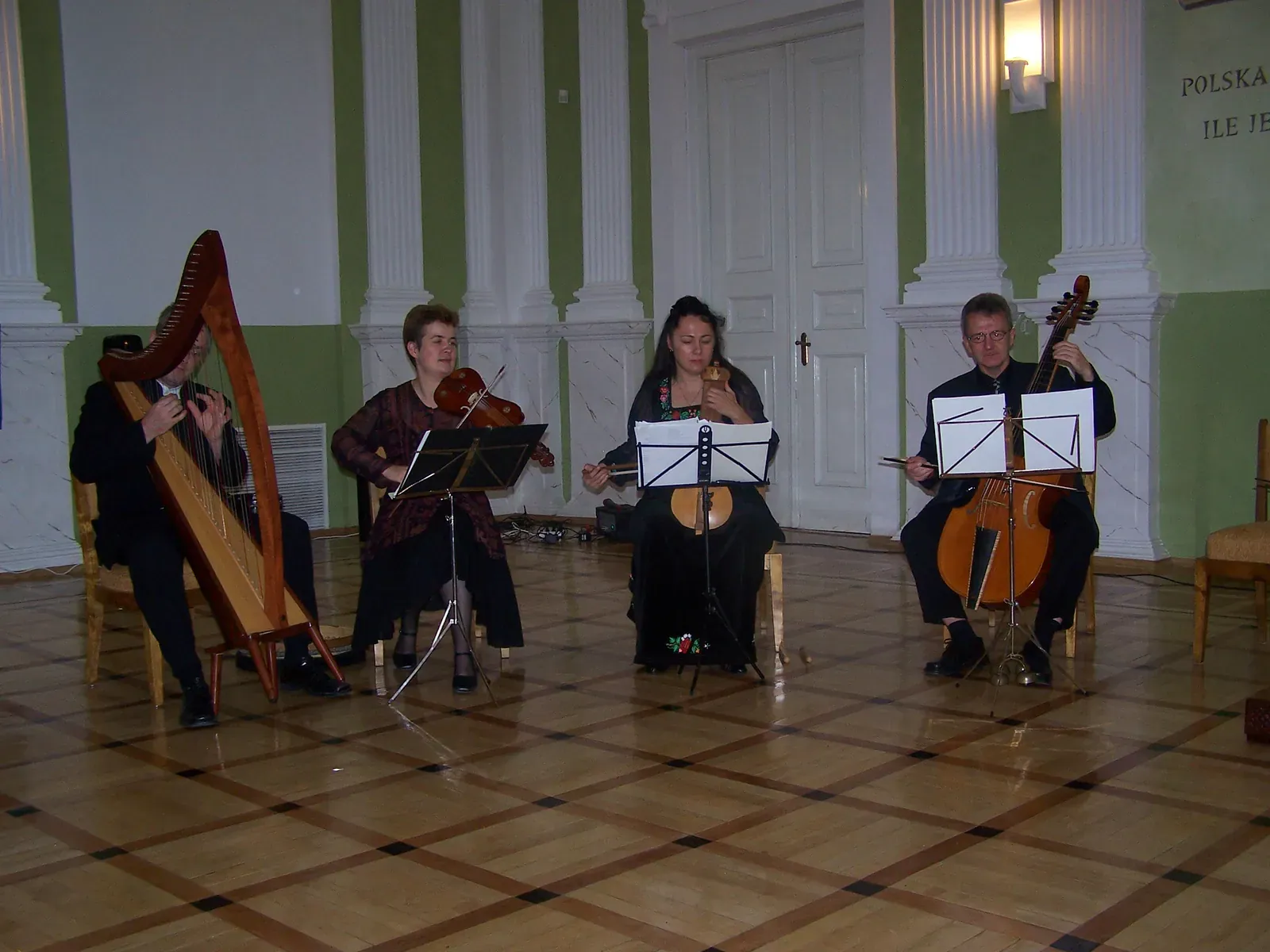
Founding dates cluster in the early 1970s. The Tallis Scholars and Christopher Hogwood’s Academy of Ancient Music both date from 1973, the Hilliard Ensemble from 1974, Sequentia from 1977 and Gothic Voices from 1980. Conductors including Nikolaus Harnoncourt, Gustav Leonhardt, Philippe Herreweghe, Sigiswald Kuijken, Trevor Pinnock and John Eliot Gardiner brought Baroque and early Classical works to a much larger public. Interest first centered on medieval and Renaissance music and early Baroque, then moved to later periods, because the focus was never only repertory but how the music is conceived, learned and performed.
Specialist labels carried the sound. Archiv Produktion, Harmonia Mundi, Hyperion and Gimell recorded much of the period-instrument and early vocal repertory, and later ECM released Officium.
Festivals and crossover, 1990 onward
By the 21st century early music festivals and specialist departments in conservatories had made it an established part of mainstream musical activity. In the United States, the Boston Early Music Festival, Early Music America and programmes at conservatories and universities sustain study and performance. Independent labels such as Harmonia Mundi and Hyperion continue to issue recordings of lesser-known composers.
The 1994 album Officium joined the Hilliard Ensemble with the saxophonist Jan Garbarek in medieval and Renaissance polyphony and improvisation, and reached audiences beyond the classical world. Jordi Savall, a viol player, conductor and composer, has been one of the field’s major figures since the 1970s and is largely responsible for popularising the viol family in contemporary performance and recording.
Characteristics
Historically informed performance, shortened to HIP, rests on two ideas: performance practice, meaning the style and technique of the period, and period instruments or reproductions with timbres and temperaments different from modern ones. Since no recordings exist before the late 19th century, performers work from treatises, tutors, concert reviews and original or urtext editions of scores, then apply the rhythmic alterations and ornamentation of the time.
Notation is partial, which leaves performers many decisions. Renaissance notation is under-prescriptive: accidentals may or may not have been written, and a singer trained in counterpoint knew what to add. Durations can be missing in unmeasured preludes, tablature replaces staff notation for lute and keyboard, cuts and repeats were common, and the instruments of an ensemble up to the early Baroque are often not named. Monteverdi’s L’Orfeo names them only in critical sections. Pitch and temperament are never indicated: pitch could vary by several semitones between cities before the 19th century.
Instruments and production
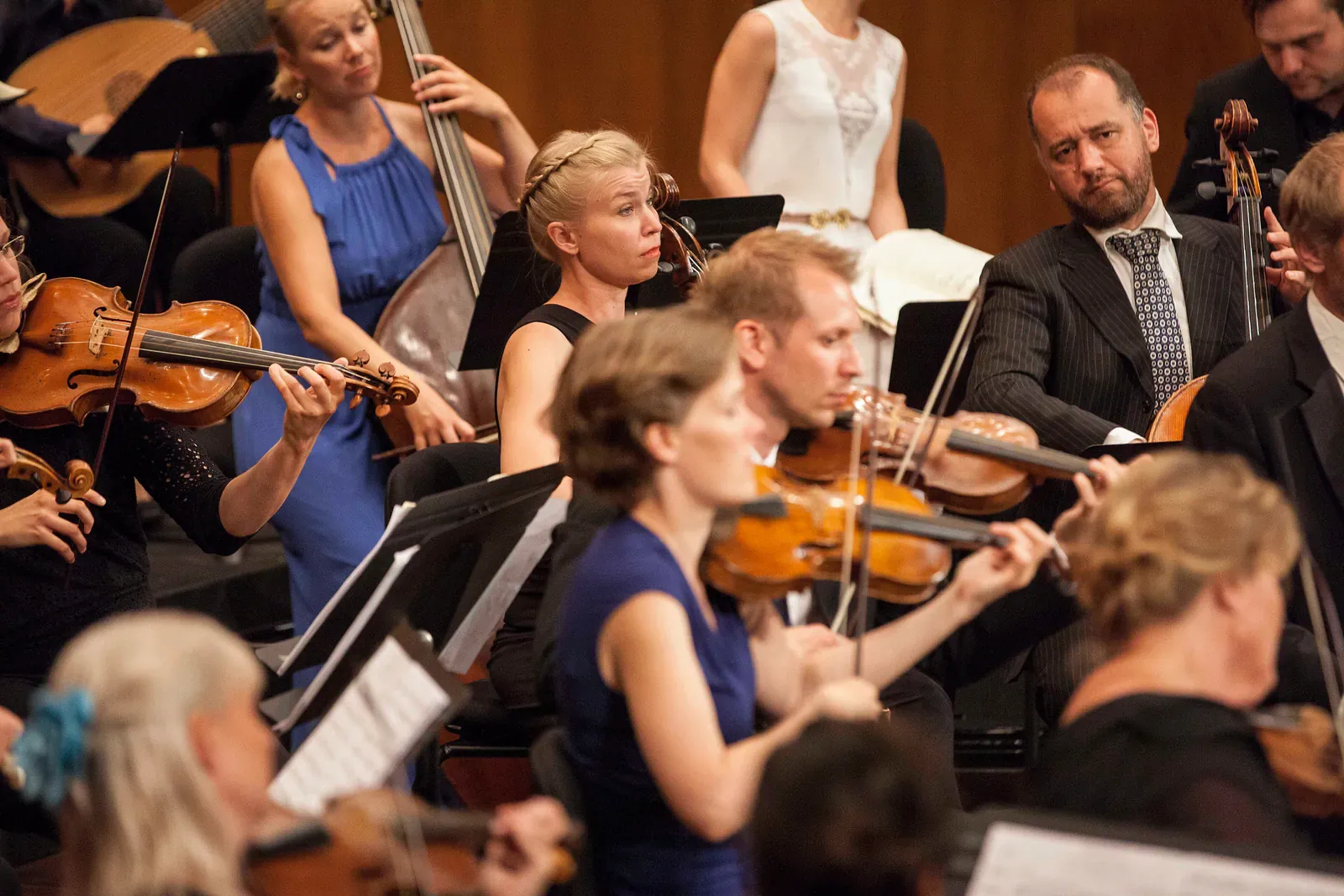
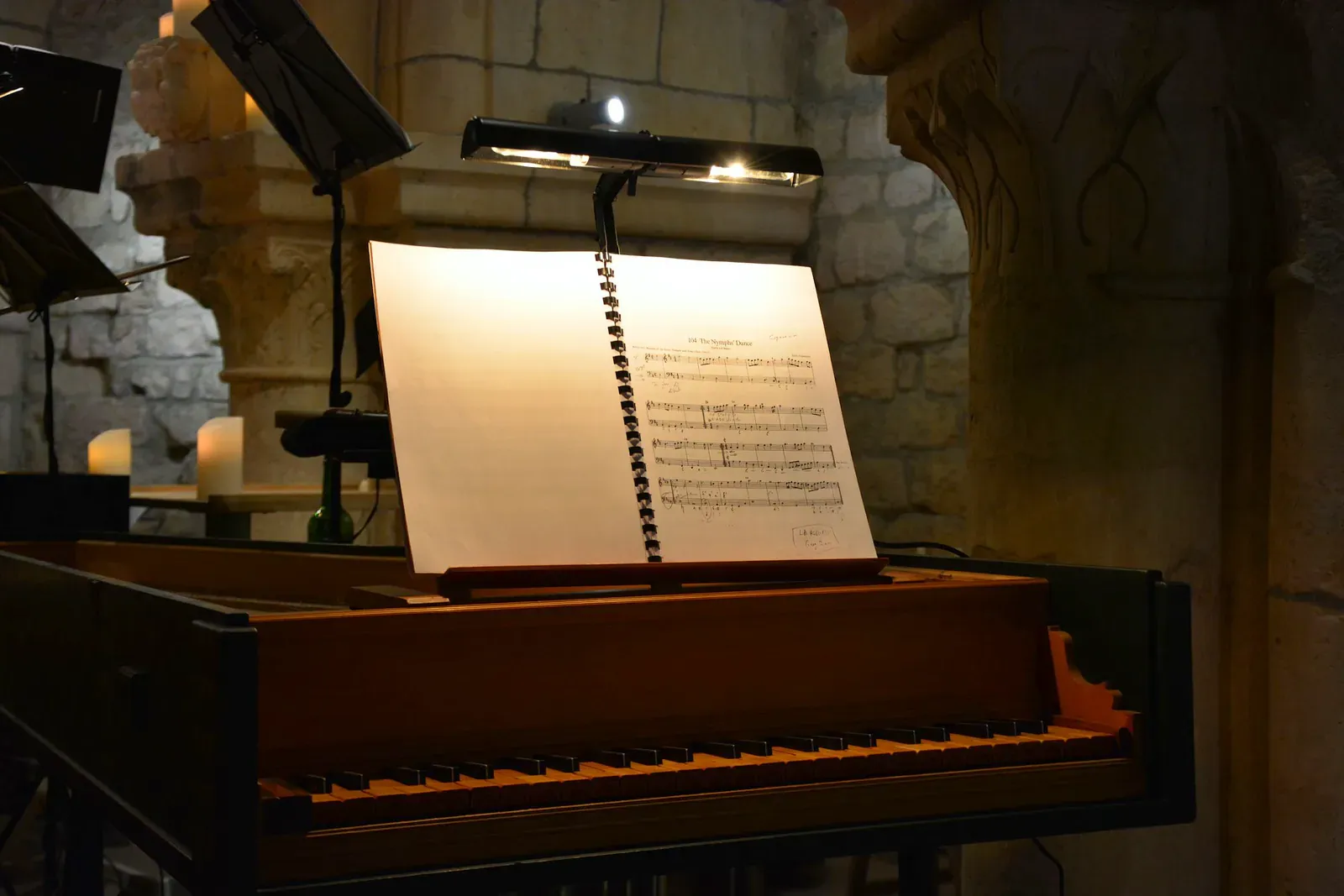
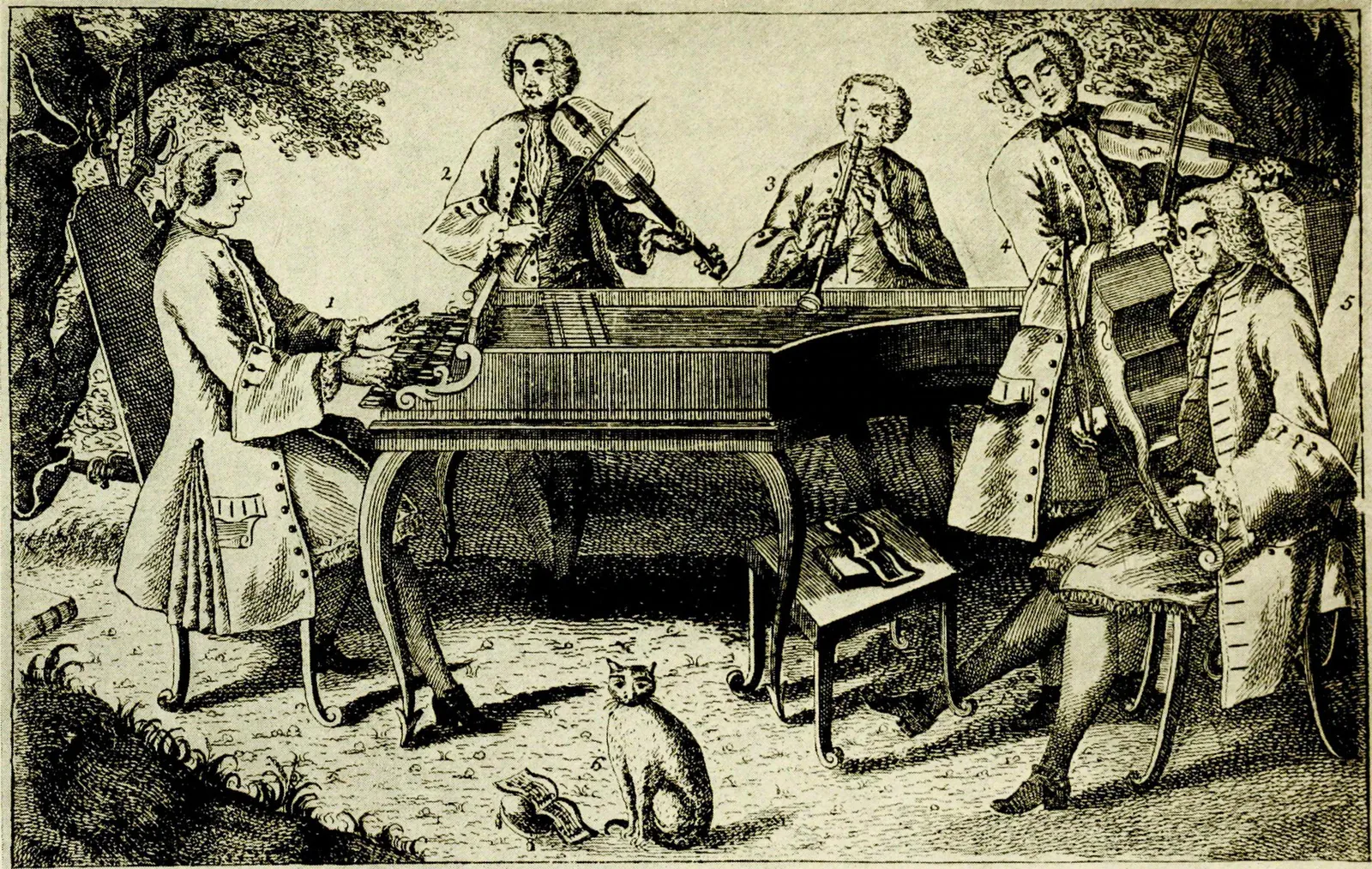
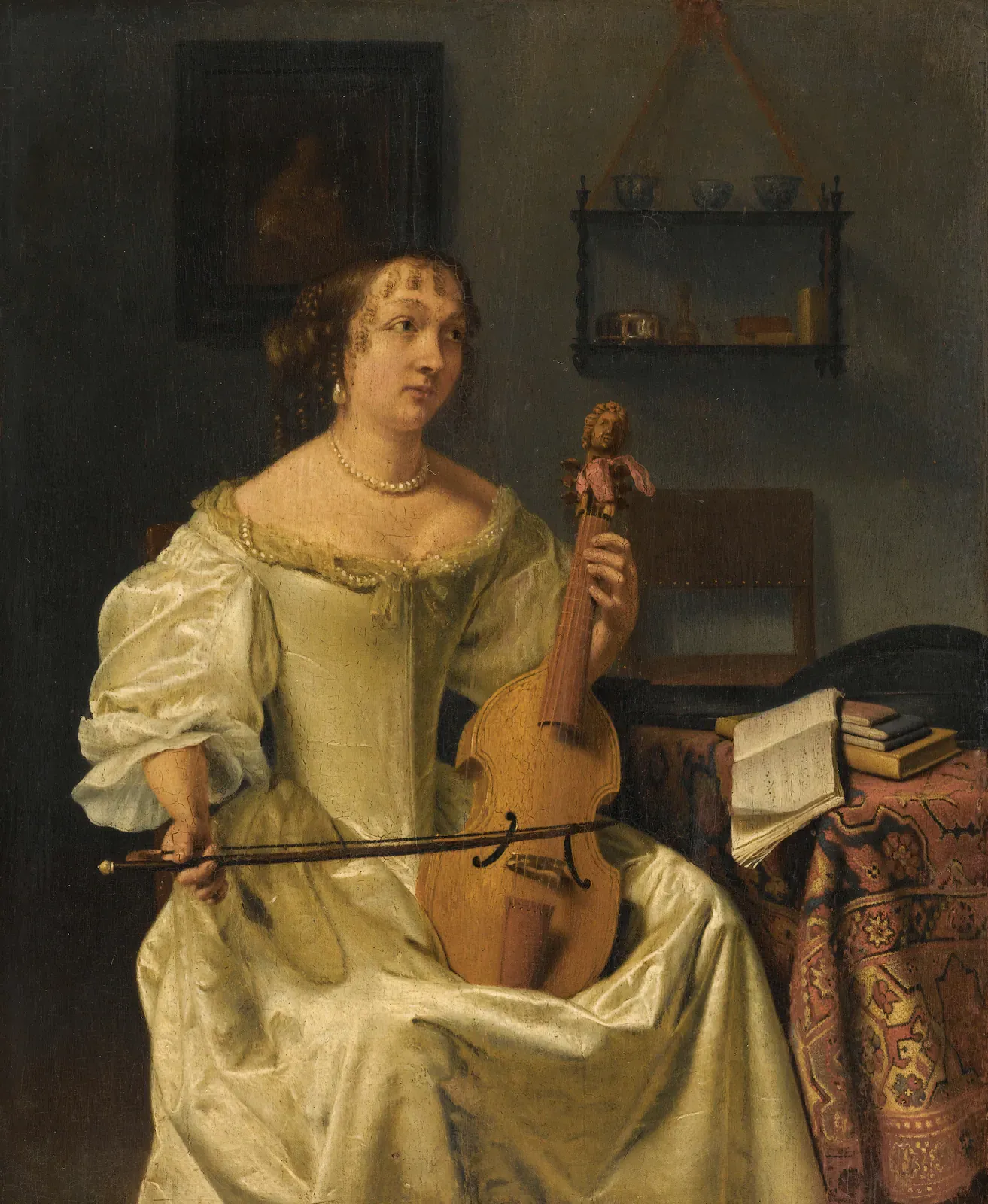
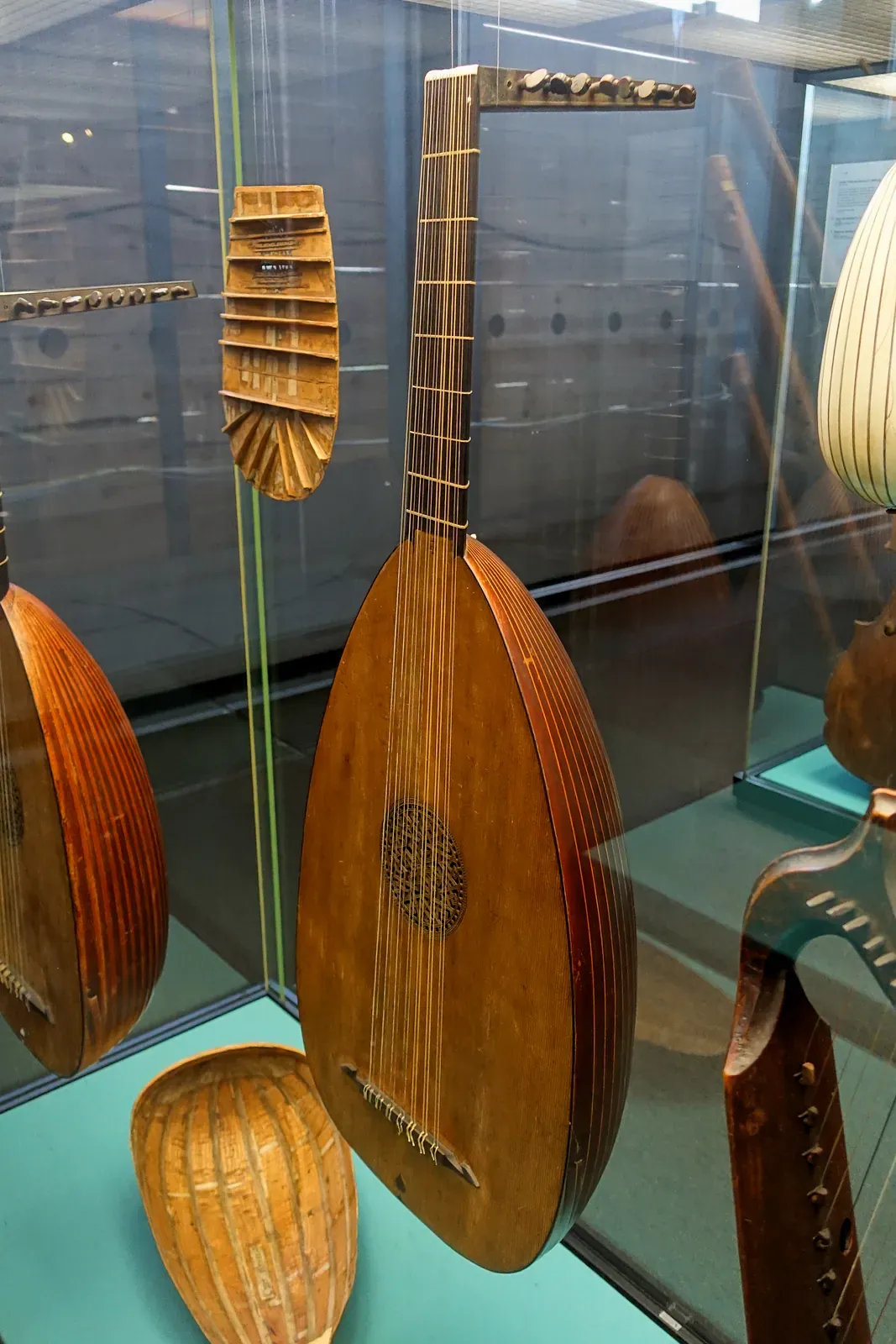
The harpsichord, clavichord and organ returned because Renaissance and Baroque ensembles were commonly directed from the keyboard through continuo. Viols, lutes and recorders came back as complete families, and workshops rebuilt crumhorns, shawms and early woodwinds from surviving examples, with names such as Otto Steinkopf and the Renaissance Workshop Company among them. Museum collections of surviving instruments let researchers study design, tuning and tone.
On the vocal side, advocates favoured a straight tone over continuous vibrato, though many prominent singers use a gentle form for expression. Trillo, a tremolo-like repetition of one note, returned as an ornament of the early Baroque, and the countertenor voice revived for Renaissance polyphony and Baroque opera, with Deller as its modern pioneer. Many vocal ensembles sing with one or two voices per part.
Notable recordings
The Tallis Scholars’ 1980 Gimell release of Allegri’s Miserere, paired with Palestrina and Mundy, and their 1985 recording of Tallis’s 40-part Spem in alium established Renaissance polyphony on disc. Gothic Voices recorded Hildegard of Bingen’s chants for Hyperion in A Feather on the Breath of God in 1982, with Emma Kirkby. Savall’s Cantigas de Santa Maria followed in 1993 with the choir La Capella Reial de Catalunya and Hespèrion XX, and Officium appeared in 1994.
Misconceptions
One myth holds that early music means only the Middle Ages. In use, the term covers the Renaissance and frequently the Baroque, and one national early music organisation counts music up to 1750.
Another is that period performance reproduces how the music sounded. Historical research supplies instruments and some performance details, but much of what is heard depends on the musician’s invention, and critics argue that performance styles in early music have as much to do with current taste as with accurate reproduction. Several revival leaders, including John Eliot Gardiner, have called the word authentic misleading.
A third myth is that period singers use no vibrato at all. Straight tone became a fashion, yet accounts of vocal techniques in 17th- and 18th-century treatises vary by author, and many leading singers use a subtle vibrato.
Frequently asked questions
What counts as early music?
Early music usually means medieval and Renaissance repertory, often with the Baroque, and the historically informed performance style used for it. Exact boundaries differ by institution.
What is historically informed performance?
It is an approach that aims to match the style and manner of a work’s own era, using period instruments or reproductions and evidence from treatises, scores and other documents.
Which instruments are used in early music?
Common instruments are the harpsichord, organ, lute, viol, recorder, shawm and crumhorn, played as originals or modern reproductions.
When did the early music revival begin?
The revival was under way by the 1950s and fully established by the end of the 1970s, with roots in the early 20th-century work of Arnold Dolmetsch and in 18th-century societies for ancient music.
Legacy
The movement changed how classical music is taught, performed, sponsored and sold. Its search for historical style spread from medieval and Renaissance music to later periods, so that period-instrument orchestras now play Classical and Romantic works as well, and it has begun to affect Baroque opera staging.
Sound
Sound sheet
Signature sounds
- Period instruments or reproductions
- One or two voices to a part
- Continuo group led from harpsichord or organ
Techniques
- Straight-tone singing
- Trillo
- Countertenor singing
- Directing from the keyboard
- Improvised ornament and rubato
- Choosing the instruments
Keys and modes
Modal, finals D, E, F and G. Plainchant is diatonic and its modal theory is built on four finals.
Hexachords on C, F and G. Guido's system treats B-flat as part of the scale; other pitches are musica ficta.
Tuning
No standard pitch before the 19th century; reference pitch could differ by several semitones between cities, so ensembles choose pitch and temperament per programme.
Vocals
Small ensembles with one or two singers per part, in straight tone or gentle vibrato; countertenors sing high male parts.
Scenes
Where it happened
Where and when the sound lived: one bar per city on a shared timeline.
Europe
Active scenes
Peak 3, 1960-2025
Home of the Early Music Consort, the Tallis Scholars, the Academy of Ancient Music and Gothic Voices.
Seat of the Schola Cantorum Basiliensis, a teaching and research centre.
Base of Concentus Musicus Wien and its period-instrument Bach and Handel.
Culture
Culture markers
- Reproduction instruments
Workshops rebuild crumhorns, shawms, flutes and keyboards from surviving examples.
Artwork - HIP
Short for historically informed performance, preferred by some musicians over the word authentic.
Slang
Media
Key media
- 1915The Interpretation of the Music of the XVIIth and XVIIIth Centuries
by Arnold Dolmetsch. The book that set out how to play Baroque music from period sources.
Book
Glossary
Terms on this page
Bass line with chords played by harpsichord or organ and a bass instrument, the backbone of Baroque ensembles.
High adult male voice revived in the 20th century for Renaissance and Baroque parts.
Performing old music with the instruments, styles and sources of its own period, also called period or authentic performance.
Accidentals added by singers in performance rather than written in the score.
A tuning system; early composers left the choice of it to the player and never marked it.
A scholarly score that strips later editorial markings.
Classical family