Free Improvisation
Free improvisation is music made without scores, fixed forms or a shared idiom. It formed in London in the mid-1960s and spread through small labels.
United Kingdom, United States, 1965
Experimental family
Born
1965
United Kingdom, United States
Subgenres
5
Documented branches
Links
12
Genres it drew on or shaped
Tempo
75-140 BPMLineage
Family tree
Timeline
Era by era
From the first sparks to today. Select a dot to read the story behind it.
- Collectives in London, Rome and Berlin
1964 to 1969
- Bailey, Parker and the musician-owned label
1970 to 1979
- Books, weeks and workshops
1980 to 1994
- The electroacoustic turn
1995 to 2004
- After the founders
2005 to today
Eras
Moments
- 1 Collectives in London, Rome and Berlin, 1964 to 1969
- 2 Bailey, Parker and the musician-owned label, 1970 to 1979
- 3 Books, weeks and workshops, 1980 to 1994
- 4 The electroacoustic turn, 1995 to 2004
- 5 After the founders, 2005 to today
1964
Collectives in London, Rome and Berlin
AMM, the Spontaneous Music Ensemble, Gruppo Nuova Consonanza and Musica Elettronica Viva start playing without scores, drawing on free jazz, serialism and indeterminacy.
- 1964Gruppo Nuova Consonanza forms in RomeFranco Evangelisti's collective improvises with members such as Ennio Morricone and Frederic Rzewski.
- 1965AMM forms in LondonKeith Rowe, Lou Gare and Eddie Prévost start playing without scores or fixed roles.
- 1965John Stevens and Trevor Watts convene the Spontaneous Music EnsembleThe workshop group grows into a core of British free improvisation.
- 1966SME takes a residency at the Little Theatre ClubSix nights a week from January 1966, a rare chance to try ideas in public.
- 1966AMM release AMMMusicRecorded for Elektra, one of the first records of group improvisation outside jazz.
- 1966Musica Elettronica Viva forms in RomeAmerican composers use live electronics and audience participation.
- 1967Instant Composers Pool founded in AmsterdamHan Bennink, Misha Mengelberg and Willem Breuker start a collective that gives Dutch improvisers a base.
- 1968Peter Brötzmann records Machine GunA landmark of European free jazz that shaped the German free scene.
- 1968Total Music Meeting starts in BerlinA counter-festival to the official Berlin Jazztage, tied to the musicians who formed FMP.
- 1968The Music Improvisation Company formsBailey, Parker, Hugh Davies and Jamie Muir play with electronics until 1971.
- 1969Cornelius Cardew founds the Scratch OrchestraAn open-membership ensemble that plays verbal scores and group improvisations.
- 1969FMP starts in BerlinJost Gebers runs the label, first as a musicians' cooperative and from 1976 on his own.
1970
Bailey, Parker and the musician-owned label
Incus (1970), Emanem (1974), Matchless (1978) and Leo (1979) give the scene its own records. Derek Bailey starts Company in 1976 and Evan Parker develops his solo language.
- 1970Derek Bailey, Evan Parker, Tony Oxley and Michael Walters found IncusThe first musician-owned independent label in the UK.
- 1970The Topography of the LungsThe first numbered Incus release, a trio of Bailey, Parker and Han Bennink.
- 1974Emanem founded in LondonMartin and Madelaine Davidson start a label for free improvisation.
- 1976Derek Bailey launches CompanyPlayers of different backgrounds are paired at random, with no set repertoire.
- 1976Evan Parker issues Saxophone SolosA landmark of solo circular breathing and multiphonics.
- 1978Matchless Recordings foundedEddie Prévost starts the label that releases AMM's records.
1980
Books, weeks and workshops
Bailey's 1980 book and 1992 TV series explain the music to outsiders, Company weeks bring ad hoc line-ups together, and AMM settles into its trio. The SME ends with John Stevens in 1994.
- 1980Bailey publishes Improvisation: Its Nature and Practice in MusicInterviews and history that gave the scene a vocabulary.
1995
The electroacoustic turn
Tokyo and New York players trade instruments for sine waves, feedback and laptops. Erstwhile (1999) becomes the label of record for a quiet, sparse sound.
- 1998Otomo Yoshihide and Sachiko M record Filament 1Sine waves and turntable noise mark the start of the Tokyo electroacoustic strand.
- 1999Jon Abbey founds Erstwhile RecordsThe label becomes the home of electroacoustic improvisation.
2005
After the founders
Derek Bailey dies in 2005, Café Oto opens in 2008, and AMM plays its last concert in 2022. Parker and a younger generation keep the practice going on small labels.
- 2005Derek Bailey diesThe guitarist who named and defended non-idiomatic improvisation dies on 25 December.
- 2022AMM play their last concert at Café OtoThe final show on 30 July ends a 57-year run.
Listening path
Anthems
The records that built the sound, grouped by the part they played. Thumbnails come from YouTube; the player loads only when you press play.
- 01
Musica Elettronica Viva, 1967
Recorded in Cologne in 1967 and first issued in 2001, an open group piece by the Rome collective with live electronics and no score, from the earliest wave of free improvisation.
Origin - 02
The Music Improvisation Company, 1970 · ECM Records
From the ECM album by Bailey, Parker, Hugh Davies and Jamie Muir, an early record of non-idiomatic British improvisation with electronics.
Origin - 03
Peter Brötzmann, 1968
The octet record that became a landmark of European free jazz: a wall of sound that the Berlin and London players shared.
Anthem - 04
Peter Brötzmann, 1969
Brötzmann's sextet with Evan Parker, Derek Bailey, Fred Van Hove and Han Bennink, a meeting point of the German and British schools.
Anthem - 05
Scratch Orchestra, 1971
The Scratch Orchestra's chorus piece by Cornelius Cardew, an open-membership take on group music from the London scene around AMM.
Anthem - 06
AMM, 1980
AMM III, the Rowe and Prévost line-up, in a track from the 1980 album It Had Been an Ordinary Enough Day in Pueblo, Colorado, a good way into the group.
Start hereAnthem - 07
Evan Parker, 1997 · ECM Records
Evan Parker's Electro-Acoustic Ensemble pairs acoustic soloists with live electronic processing, the bridge between the acoustic and the electronic eras.
Start hereAnthem - 08
Otomo Yoshihide, 1998
Otomo and Sachiko M strip improvisation to sine-wave tones and turntable hiss, a key document of the Tokyo electroacoustic scene.
Anthem - 09
Derek Bailey, 2002 · Tzadik
Opening track of the 2002 album Ballads: Bailey takes a film-theme standard and bends it with his non-idiomatic guitar, the friendliest way into his work.
Start hereCrossover - 10
Evan Parker, 2025
Evan Parker with guitarist Bill Nace, recorded live at Café Oto in 2024 and released in 2025: proof that the practice continues with a fresh generation of partners.
Revival
Facts
| Family | Experimental |
| Origin | United Kingdom, United States |
| Emerged | Mid-to-late 1960s |
| Status | Active |
| Tempo | 75 to 140 BPM |
| Meter | free, no fixed meter or tempo; the players set the pace as they go |
| Grew out of | Free jazz |
| Subgenres | 5 |
Free improvisation is music made in the moment without a score, a set form or a shared stylistic language.
It emerged in the mid-1960s, chiefly in London, from free jazz, contemporary composition and indeterminate music, and its defining trait is that players avoid the idioms of jazz, rock or classical music and build each piece from timbre, texture and listening. It belongs to the experimental family.
Origins
Three streams fed the music. Free jazz in the early 1960s had already dropped fixed chord changes, and its European players in particular began to question the American model. Composers such as John Cage and Cornelius Cardew had made indeterminacy and open scores a serious option for concert music. And in provincial England, a few jazz musicians were running out of patience with the idiom. The guitarist Derek Bailey, working in Sheffield with the drummer Tony Oxley and the bassist Gavin Bryars, moved from playing standards towards dissolving them, then relocated to London.
What set the new music apart was less a sound than a rule: nobody would decide beforehand what would be played. In practice that meant dropping the roles of soloist and accompanist, giving up steady pulse unless it arose by chance, and treating a squeak, a scrape or a silence as material equal to a note.
London, Rome and Berlin, 1964-1969
The first groups appeared almost together. Gruppo Nuova Consonanza began in Rome in 1964 under Franco Evangelisti, drawing in Ennio Morricone and Frederic Rzewski. In London in 1965, the guitarist Keith Rowe, the saxophonist Lou Gare and the drummer Eddie Prévost formed AMM, and John Stevens and Trevor Watts began the workshop that became the Spontaneous Music Ensemble. Musica Elettronica Viva followed in Rome in 1966, using live electronics and audience participation.
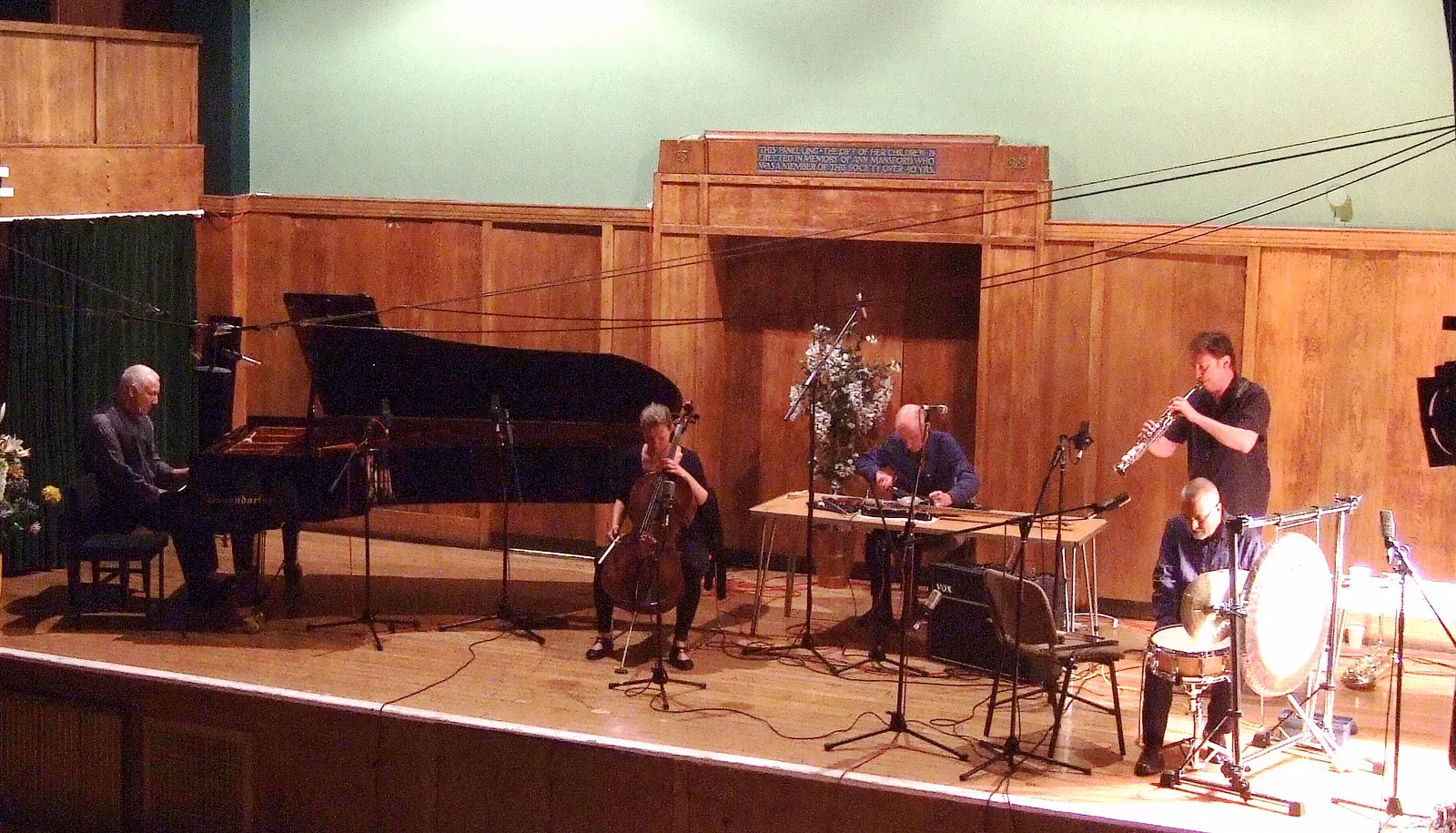
The two London groups worked differently. AMM favoured long, dense, shifting textures; Rowe laid his guitar flat on a table and played it with knives, radio sets and other objects, a method later called tabletop guitar. The Spontaneous Music Ensemble moved towards small, quiet, fast-moving detail, so much so that the style was later nicknamed insect improv. AMM’s first record, AMMMusic, was made for the American label Elektra in 1966.
On the continent the music took a louder form. In Berlin, the saxophonist Peter Brötzmann recorded Machine Gun in 1968, and the Total Music Meeting started the same year as a counter-festival to the official Berlin Jazztage. The cooperative FMP grew from it in 1969. In Amsterdam, Han Bennink, Misha Mengelberg and Willem Breuker founded the Instant Composers Pool in 1967. Bailey, Evan Parker and others played in the Music Improvisation Company from 1968 to 1971, adding electronics from Hugh Davies.
Incus and the musician-owned label, 1970-1979
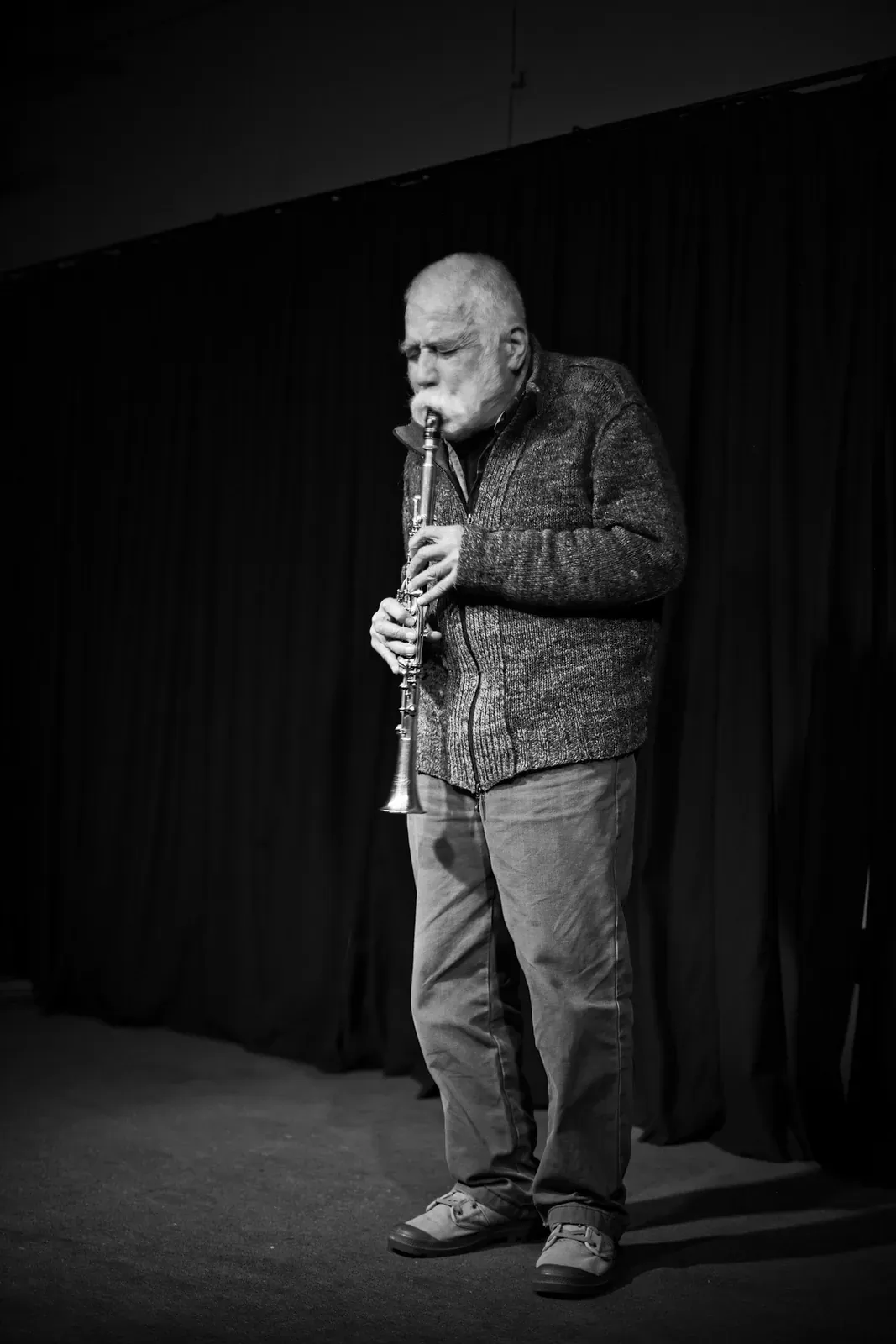
By 1970 the players had a problem: no company wanted the records. Bailey, Parker, Oxley and Michael Walters answered by founding Incus that year, the first musician-owned independent label in Britain. Its first numbered release was The Topography of the Lungs, a trio of Bailey, Parker and Bennink. Martin and Madelaine Davidson started Emanem in London in 1974, and Prévost began Matchless in the late 1970s to issue AMM’s records. Leo Records appeared in 1979 and brought Russian and other eastern European improvisers to western listeners.
Two projects from these years defined what the music could be. In 1976 Bailey launched Company, which paired players of different backgrounds at random with no rehearsal and no repertoire. In the same year Parker issued Saxophone Solos, a set built on circular breathing and multiphonics that showed an improviser could sustain a whole record alone.
Books and workshops, 1980-1994
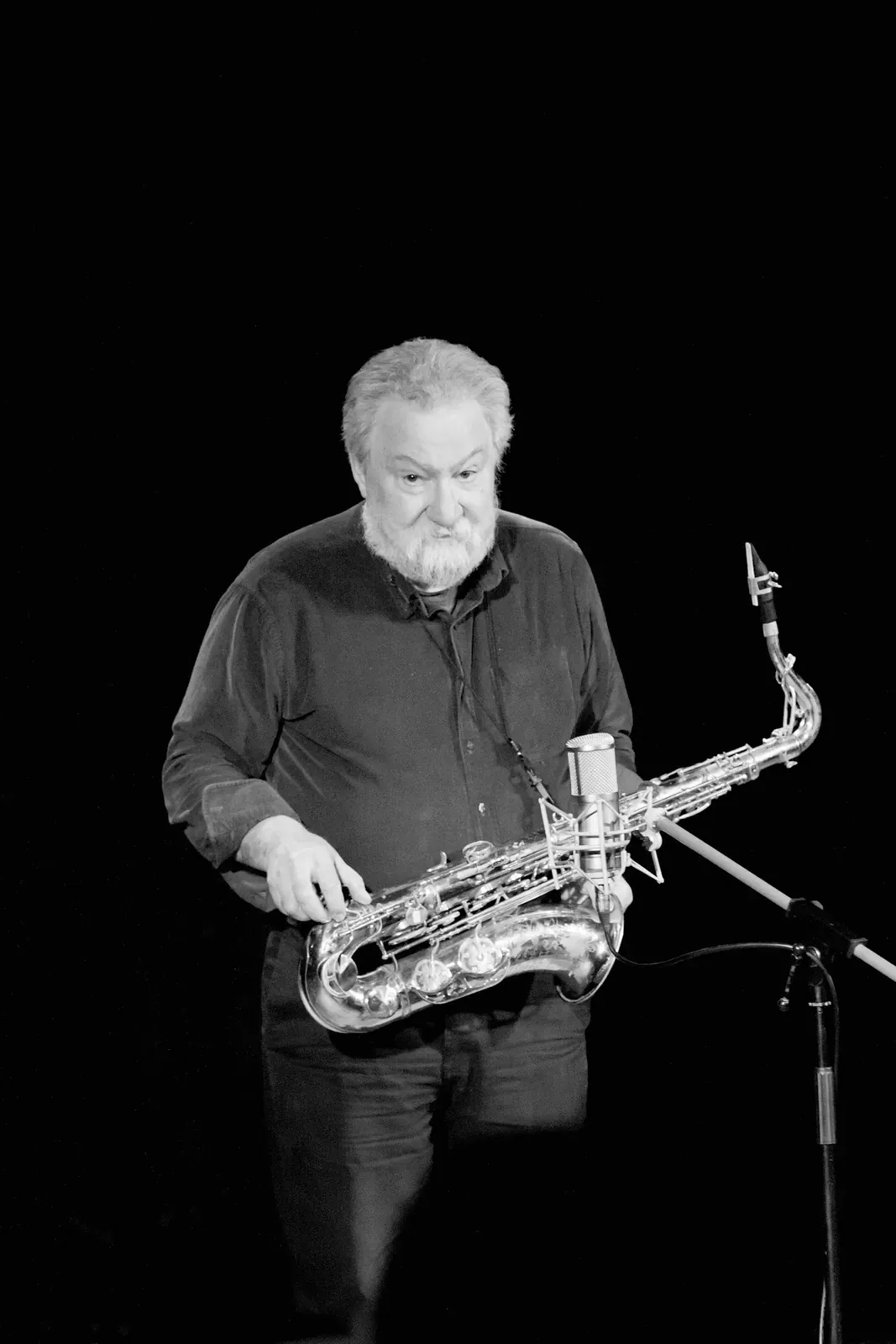
In 1980 Bailey published Improvisation: Its Nature and Practice in Music, based on interviews with improvisers from jazz, Indian classical music, rock and other traditions. It gave the scene a vocabulary and a reading list, and in 1992 Channel 4 broadcast a four-part series, On the Edge, drawn from it. Company turned into an annual gathering of ad hoc line-ups. AMM settled into a core trio around Prévost, whose later book No Sound Is Innocent (1995) set out the group’s ideas. The Spontaneous Music Ensemble continued until John Stevens died in 1994.
Tokyo and New York, 1995-2004
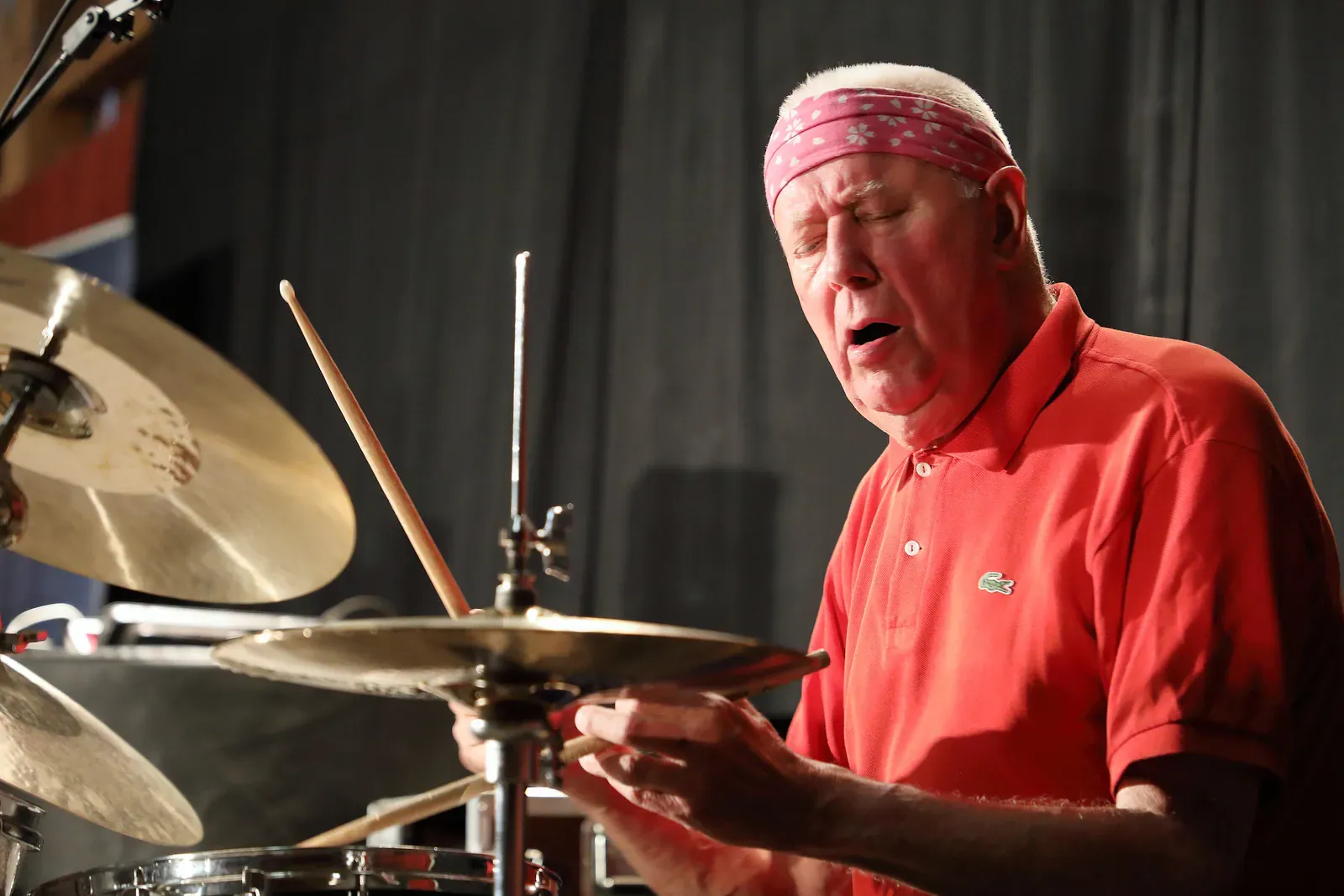
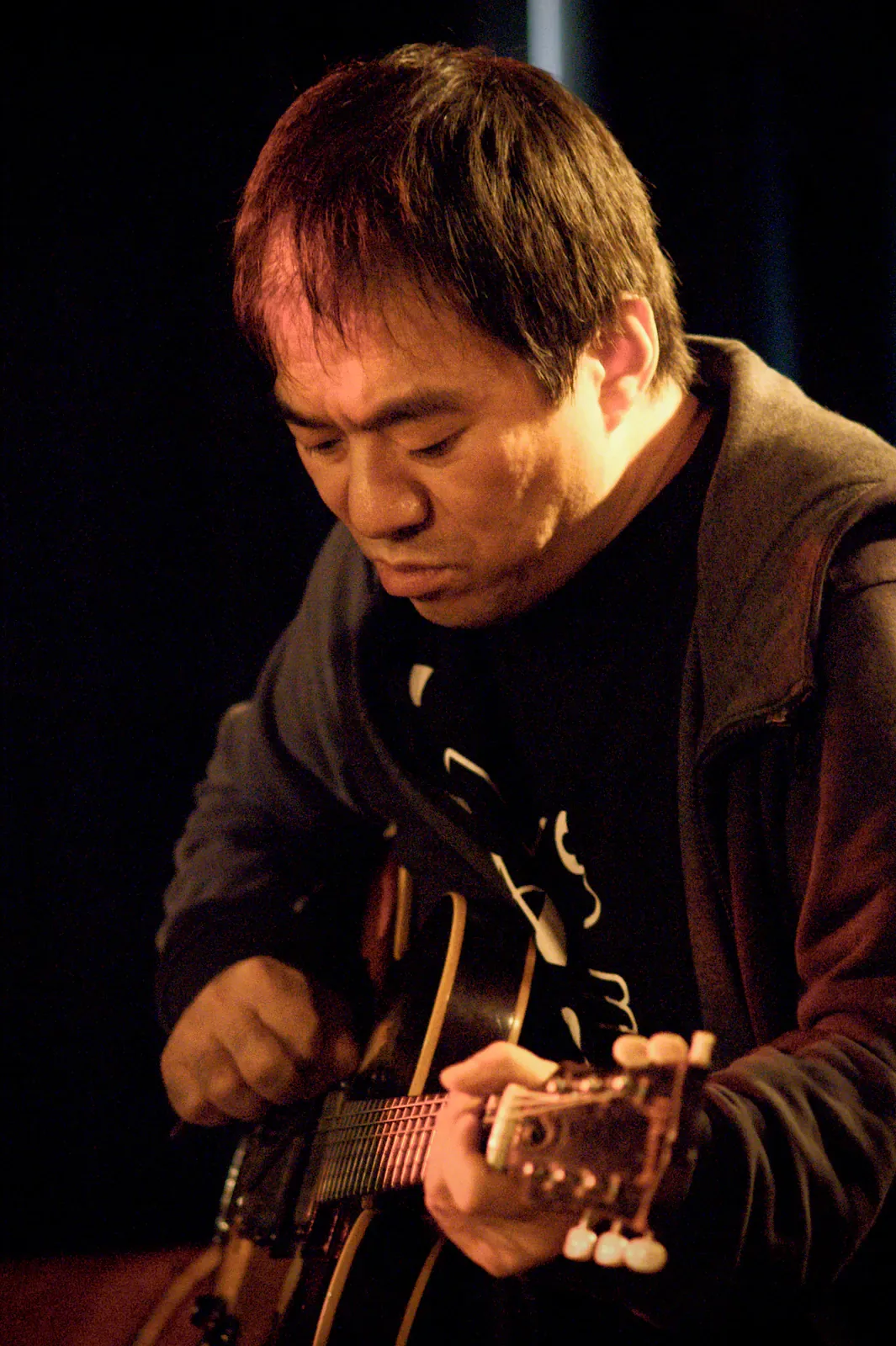
In the late 1990s a younger generation replaced instruments with sine waves, turntable feedback and, later, laptops. Otomo Yoshihide and Sachiko M recorded Filament 1 in 1998 in Tokyo, a landmark of pure tones and near silence. Jon Abbey founded Erstwhile Records in 1999, and it became the main label for this quiet, sparse electroacoustic strand. Evan Parker’s Electro-Acoustic Ensemble released Toward the Margins on ECM in 1997, which brought the approach to a label with a wide classical and jazz audience. Bailey’s 2002 solo album Ballads, which opens with the standard “Laura”, appeared on Tzadik, John Zorn’s New York label.
After the founders, 2005 onward
Derek Bailey died on 25 December 2005. Café Oto opened in Dalston, east London, in 2008 and became the city’s main room for the music, and AMM played their final concert there on 30 July 2022, ending a 57-year run. Parker and a younger generation keep the practice going on small labels.
Characteristics
Free improvisation treats the whole sound world as raw material. Players use extended techniques, such as multiphonics, prepared and amplified objects and feedback, because conventional tone is not a goal. Pitch is rarely organised into a key, rhythm is rarely a steady pulse, and a performance has no predetermined structure. Form emerges from interaction: one player answers, ignores or contradicts another. Silence is a deliberate element, and the quiet style that grew in the 1990s pushed it furthest.
Reception and spread
Free improvisation never crossed into the mainstream, and few of its records sold in large numbers. It spread through institutions that musicians built themselves. Labels such as Incus, Emanem, Leo and FMP issued short runs and sold by mail. Festivals including the Total Music Meeting in Berlin and, in Germany, the Moers festival offered stages. Bailey’s book and television series reached readers outside the circuit, and London’s Resonance FM later broadcast improvised music regularly.
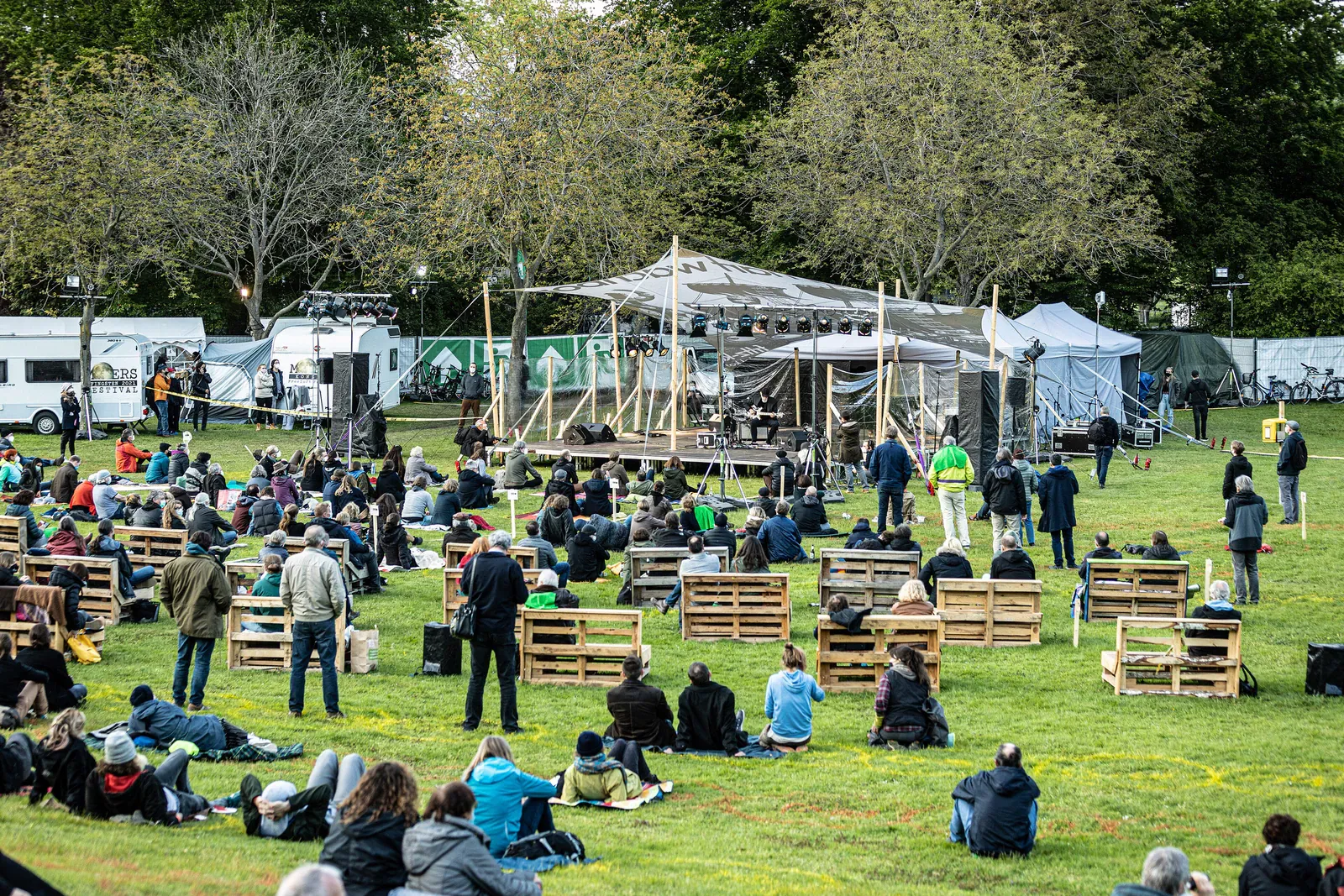
Local scenes formed wherever players met regularly: London, Berlin, Amsterdam, Rome, Tokyo and New York.
Notable recordings
AMMMusic (1966) is an early document of group improvisation outside jazz. Karyobin (1968), by the Spontaneous Music Ensemble, shows the fragile, detailed side of the London style. Parker’s Saxophone Solos (1976) became the reference for solo improvising on a wind instrument. Parker’s Toward the Margins (1997) and Good Morning Good Night (2004), by Sachiko M, Toshimaru Nakamura and Otomo Yoshihide, mark the electroacoustic turn.
Culture
The scene runs on small audiences and low budgets. Players often organise their own concerts and release their own records, and the same names appear as performers, promoters and label owners. Company weeks and Prévost’s open workshop in London, started in 1999, welcome players of any level. Erstwhile packages its records in plain sleeves with no barcode.
Legacy
Free improvisation shaped later experimental, noise and electroacoustic music, and it supplied techniques to rock, jazz and contemporary classical performers. The idea that listeners and players share the making of the music, and that a performance may not be repeatable, remains its main contribution.
Misconceptions
It is not random noise. Players spend years developing individual vocabularies, and in a good performance each gesture responds to what came before.
It is not the same as free jazz. Free jazz grows from jazz and usually keeps its instrumentation, pulse and expressive language; free improvisation aims to be non-idiomatic, and Bailey refused the jazz label for his own work. The two overlap in players and history, and Brötzmann’s Machine Gun sits between them.
It is not “anything goes”. Groups usually have shared conventions, such as listening, restraint or entering and leaving together, even if no one states them.
Frequently asked questions
What is free improvisation in music?
Free improvisation is music created in performance without a score, a fixed form or reliance on an established style. Players decide in real time what to play, in response to each other.
Who started free improvisation?
No single person did. Groups formed almost simultaneously in the mid-1960s, among them AMM and the Spontaneous Music Ensemble in London, Gruppo Nuova Consonanza and Musica Elettronica Viva in Rome. Derek Bailey, Evan Parker and Eddie Prévost became its best-known figures.
How is free improvisation different from free jazz?
Free jazz keeps links to jazz, such as swing-derived rhythm and saxophone-led collective playing. Free improvisation sets out to avoid any specific idiom, and often uses quiet, sparse or electronic sounds that free jazz rarely does.
Where can free improvisation be heard live?
Free improvisation is performed in small venues, with Café Oto in London the best-known example, and at festivals such as the Total Music Meeting and Moers in Germany.
Sound
Sound sheet
Anatomy of a track
| # | Part |
|---|---|
| 1 | Opening: single sounds and probing |
| 2 | Exchange: players answer and shadow each other |
| 3 | Peak: density rises, or the group thins out |
| 4 | Ending: fade or an agreed stop |
Signature sounds
- No fixed pulse, key or chord chart
- Extended techniques and unusual sound sources
- Silence and sparse texture as material
- Equal voices; no soloist or accompanist roles
- Listening and reaction over planned form
- Live electronics, radios or feedback in later groups
Techniques
- Circular breathing and multiphonics
- Tabletop guitar
- Non-idiomatic playing
- Inside-piano playing
- No-input mixing
- Sine wave improvisation
Tuning
No fixed tuning: microtones, overtones, multiphonics and prepared or amplified sound sources replace standard pitch.
Scenes
Where it happened
Where and when the sound lived: one bar per city on a shared timeline.
Europe
North America
Asia
Active scenes
Peak 6, 1998-2025
Home of AMM, the SME, Incus, Company and Café Oto; the centre of the genre for sixty years.
Total Music Meeting and FMP made it the German hub, later the echtzeitmusik scene.
Nuova Consonanza and Musica Elettronica Viva were early collectives mixing composition and improvisation.
The Instant Composers Pool with Han Bennink and Misha Mengelberg anchored a witty Dutch branch.
Otomo Yoshihide, Sachiko M, Toshimaru Nakamura and others built a quiet electronic school in the late 1990s.
Downtown players and small clubs linked free improvisation to jazz, rock and electronics.
Venues and places
London, 1966 to today. Where the SME played a six-nights-a-week residency from January 1966.
London, 1972 to today. AMM recorded At the Roundhouse here in 1972.
Berlin, 1968 to today. A festival of free music held as a counterpoint to the Berliner Jazztage.
New York, 1987 to today. A Downtown New York club where improvisers, jazz and rock players shared bills.
London, 2002 to today. A radio station run by the London Musicians Collective, with regular improvised music shows.
London, 2008 to today. Dalston venue where AMM played their final concert on 30 July 2022.
Culture
Culture markers
- Company week
A gathering where improvisers are paired at random for short sets, with no rehearsal or set material.
Ritual - Open workshop
Eddie Prévost's weekly London workshop, started in 1999, is open to anyone who wants to play.
Ritual - Open-membership orchestra
The Scratch Orchestra let anyone join and play from verbal scores and personal notations.
Ritual - Minimal record sleeves
Erstwhile packages records in plain designs by Friederike Paetzold and Yuko Zama, with no UPC code.
Artwork - Insect improv
A nickname for the quiet, dense, arrhythmic style of the Spontaneous Music Ensemble.
Slang
Media
Key media
- 1980Improvisation: Its Nature and Practice in Music
by Derek Bailey. Interviews with improvisers across traditions, the standard introduction to the field.
Book - 1992On the Edge
by Derek Bailey, Channel 4. A four-part television series on improvisation adapted from Bailey's book.
Film - 1995No Sound Is Innocent
by Eddie Prévost. AMM drummer's account of the group's ideas and politics.
Book - 2002Resonance FM
by London Musicians Collective. A London art-radio station that made a regular home for improvised music broadcasts.
Radio - 2004Derek Bailey and the Story of Free Improvisation
by Ben Watson. A critical biography that doubles as a history of the British scene.
Book
Glossary
Terms on this page
Breathing in through the nose while air leaves the mouth, which lets a wind player hold a note without gaps.
Derek Bailey's format of ad hoc groupings of improvisers with no set material, run as concerts and festival weeks.
Free improvisation that uses electronics, feedback or laptops, often quiet and sparse; the common short form is EAI.
Unusual ways of playing an instrument, such as multiphonics, bowed objects or prepared strings.
The nickname for the very quiet, dense, arrhythmic playing of John Stevens's SME.
Playing that avoids the vocabulary of a style such as jazz, blues or folk.
A Japanese label for the very quiet, sparse electronic improvisation that grew in Tokyo in the late 1990s.
A guitar played flat on a table with objects, bows and electronics instead of fretted notes.
Experimental family