Music of Afghanistan
Music of Afghanistan joins Indian raga, Persian poetry and regional folk traditions, centred on the rubab and the Kabul ustads, sung in Dari and Pashto.
Afghanistan, around 1860
Central Asian and Caucasian family
Born
around 1860
Afghanistan
Subgenres
6
Documented branches
Links
9
Genres it drew on or shaped
Tempo
80-150 BPMLineage
Family tree
Grew out of
Afghanistan
Music of Afghanistan
Led to (6)
Timeline
Era by era
From the first sparks to today. Select a dot to read the story behind it.
- Court and Kharabat
1860 to 1939
- Radio and the ustads
1940 to 1963
- Kabul's pop golden age
1964 to 1978
- War, exile and the first ban
1978 to 2001
- Return and revival
2002 to 2020
- Second ban and diaspora
2021 to today
Eras
Moments
- 1 Court and Kharabat, 1860 to 1939
- 2 Radio and the ustads, 1940 to 1963
- 3 Kabul's pop golden age, 1964 to 1978
- 4 War, exile and the first ban, 1978 to 2001
- 5 Return and revival, 2002 to 2020
- 6 Second ban and diaspora, 2021 to today
around 1860
Court and Kharabat
Amir Sher Ali Khan brings Indian court musicians to Kabul, and the Kharabat quarter becomes the home of ustads who teach Indian classical style in a Persian and Pashtun setting.
- 1860Kharabat quarter founded in KabulAmir Sher Ali Khan gathers Indian musicians near the Bala Hissar, and Kharabat becomes the centre of Afghan classical training.
around 1940
Radio and the ustads
Radio Kabul turns ustads into national voices: Sarahang returns from Patiala training and Mermon Parwin becomes the first woman heard singing on Afghan radio.
- 1940Radio Kabul broadcasts musicState radio becomes the main route by which ustads and singers reach the whole country.
- 1949Sarahang wins a gold medal in KabulMohammad Hussain Sarahang, back from Patiala-style training in India, is honoured with the title Sarahang.
- 1951Mermon Parwin sings Gulfrosh on Radio KabulShe is the first woman heard singing on Afghan radio, which opens broadcasting to women.
around 1964
Kabul's pop golden age
Radio orchestras mix Afghan, Indian and Western instruments, and singers such as Ahmad Zahir and Abdul Rahim Sarban set Persian poetry to pop and jazz arrangements.
- 1976Ahmad Zahir releases Sultan QalbamA song from his Studio Volume 7, now one of the first Zahir tracks new listeners meet.
- 1977Mahwash receives the title UstadShe is the first woman given the master title in Afghan music.
1978
War, exile and the first ban
After the 1978 coup musicians flee, many to Peshawar, and the Taliban prohibit instrumental music from 1996 to 2001, burning instruments and cassettes.
- 1978Saur Revolution blacklists Ahmad ZahirThe new communist government pulls his records from radio, and his cassettes circulate underground.
- 1979Ahmad Zahir dies near the Salang TunnelOfficially a car accident on his 33rd birthday, the death is still disputed.
- 1983Ustad Sarahang dies in KabulThe foremost Afghan ghazal and khayal singer dies of a heart attack.
- 1992Peshawar becomes a refuge for Kabul musiciansFamilies such as the Sakhis move there, and musicians gather at Khalil House.
- 1996Taliban ban public musicInstruments are destroyed, performance is banned, and only unaccompanied religious songs are allowed until 2001.
2002
Return and revival
Exiled singers come home, Afghan Star fills living rooms, and the Afghanistan National Institute of Music teaches Afghan and Western music in Kabul.
- 2003Mahwash and the Kabul Ensemble record Radio KaboulThe album pays tribute to Afghan composers and earns her a BBC Radio 3 World Music Award the same year.
- 2003Farhad Darya releases Salaam AfghanistanHis first album after returning home sells thousands of copies in Kabul.
- 2005Afghan Star begins on TOLOThe talent show runs for fifteen seasons until 2021.
- 2006Homayun Sakhi releases The Art of the Afghan RubabSmithsonian Folkways issues the solo rubab album as Music of Central Asia Vol. 3.
- 2010Afghanistan National Institute of Music opensAhmad Naser Sarmast founds the co-educational school teaching Afghan and Western classical music.
2021
Second ban and diaspora
The Taliban return in August 2021 and again prohibit music, while the national music school relocates to Portugal and Afghan musicians carry the repertoire in Fremont, Hamburg and elsewhere.
- 2021Taliban return and prohibit music againAfter 15 August 2021 the national music school is destroyed and relocated to Portugal, and music is banned at weddings and on air.
Listening path
Anthems
The records that built the sound, grouped by the part they played. Thumbnails come from YouTube; the player loads only when you press play.
- 01
Ahmad Zahir, 1976
From Studio Volume 7, the Zahir song most listeners meet first, carrying his Persian-poetry pop across Afghanistan.
Start hereBreakthrough - 02
Ahmad Zahir, 1977
A Zahir favourite from the Lylee volume, sung at gatherings across the Dari-speaking world.
Anthem - 03
Farhad Darya, 1992
An exile-era love song to Kabul from Begum Jaan that became one of Darya's best-known songs.
Start hereAnthem - 04
Homayun Sakhi, 2006 · Smithsonian Folkways
A rubab piece from Sakhi's Folkways album, the easiest way into Kabul's instrumental tradition.
Start hereCrossover - 05
Farhad Darya, 2003
The title song of his first album after returning home, the first big hit of the post-Taliban era.
Revival - 06
Mahwash, 2003
From Radio Kaboul: Hashem Cheshti's setting of Rumi's verse, sung by the first woman named Ustad.
Revival
Facts
| Family | Central Asian and Caucasian |
| Origin | Afghanistan |
| Emerged | Diverse ethnic traditions, classical genre shaped by Indian musical exchange |
| Status | Active |
| Tempo | 80 to 150 BPM |
| Subgenres | 5 |
Music of Afghanistan is the body of art, popular and folk music made in Afghanistan, with its classical core in Kabul, where Indian raga training met Persian poetry and the rubab lute from the 1860s onward.
It is sung mostly in Dari and Pashto, passed from master to disciple, and has been shaped by radio, war, exile and two official bans on music.
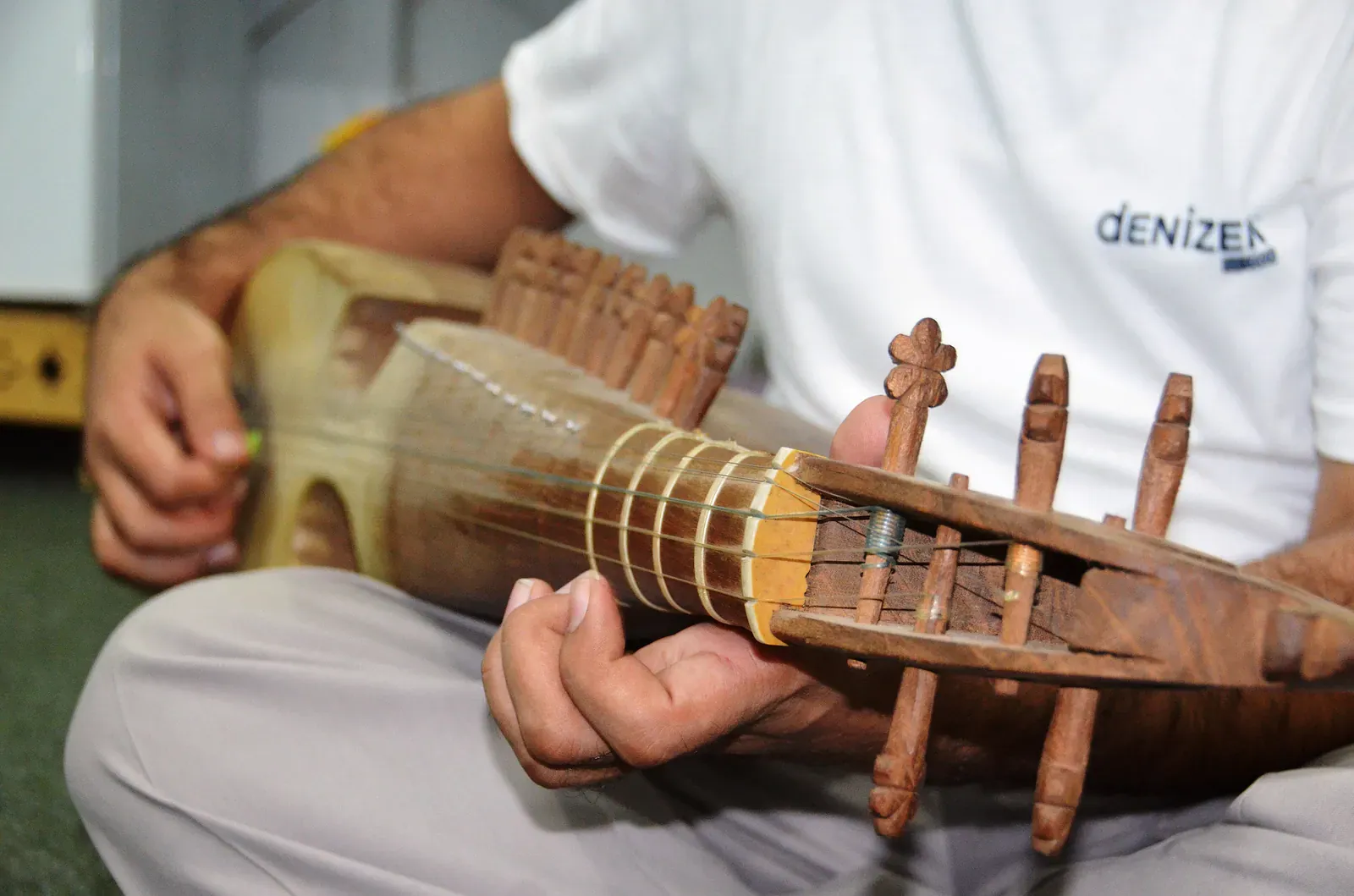
Origins
The classical tradition has a date and an address. Around 1860 Amir Sher Ali Khan gathered Indian court musicians in Kabul, and the quarter they settled near the Bala Hissar became Kharabat, the home of musician families. The name comes from the Persian poetic word for taverns, a reminder that the verses sung there were largely classical Persian love poetry.
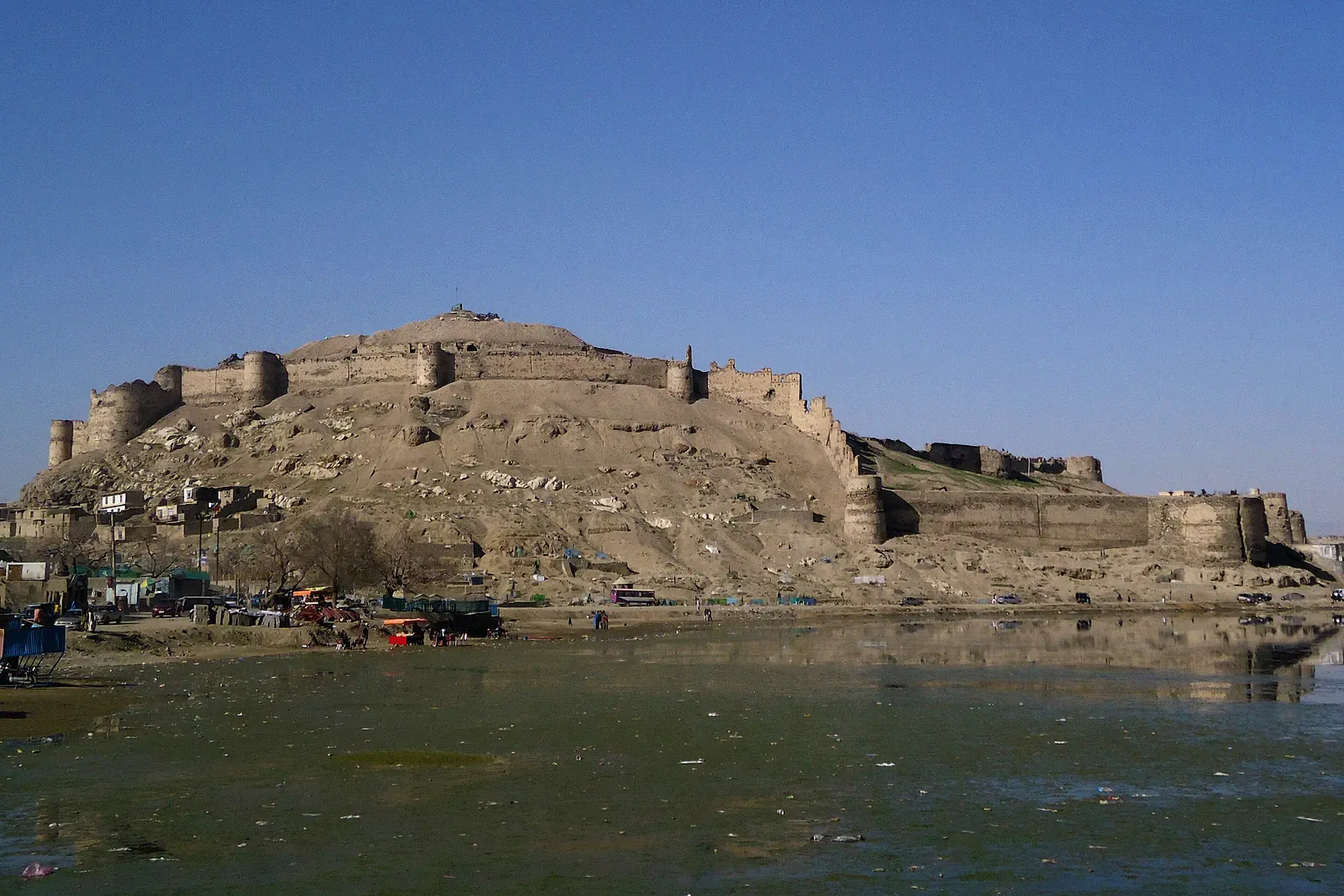
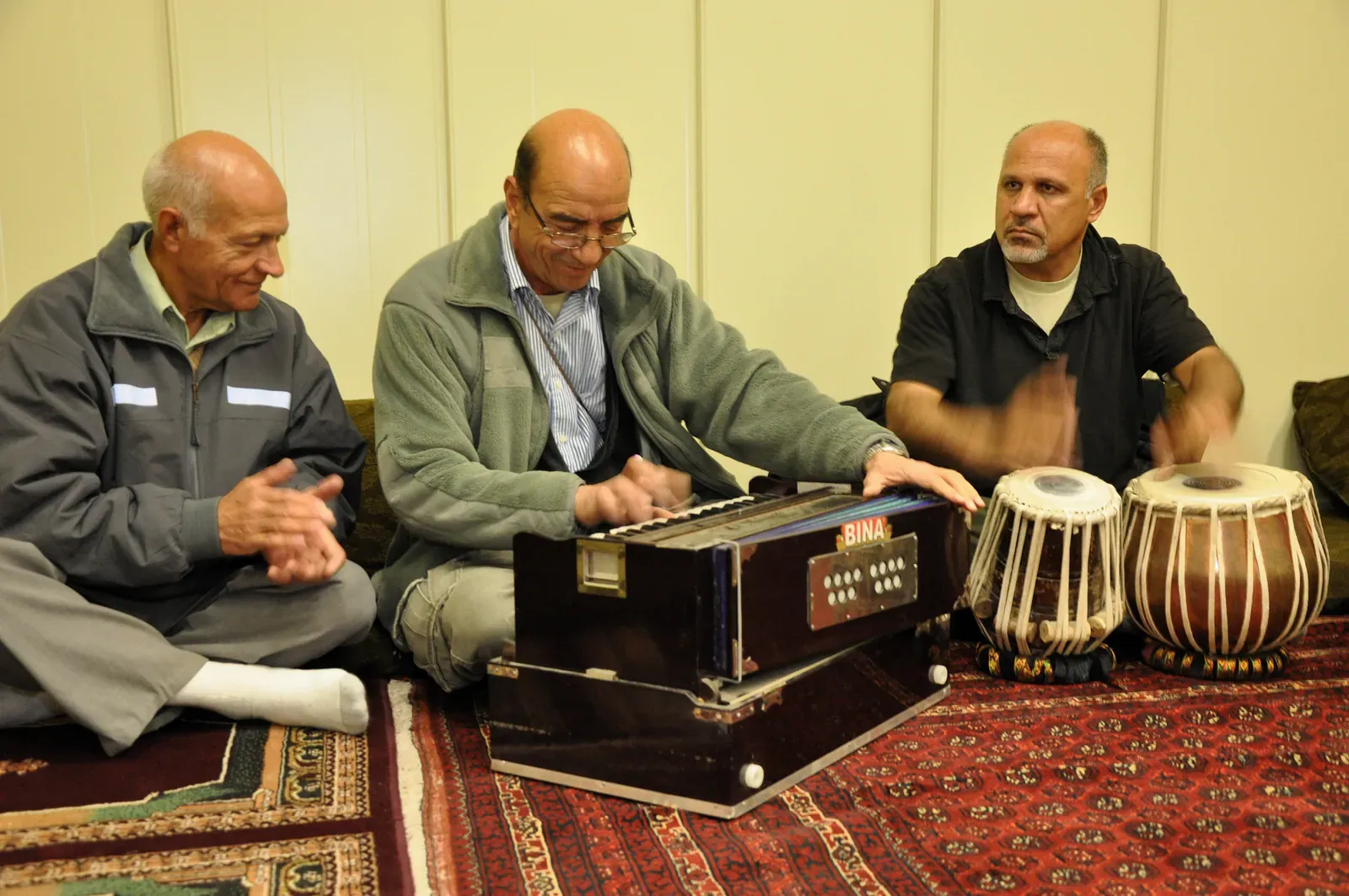
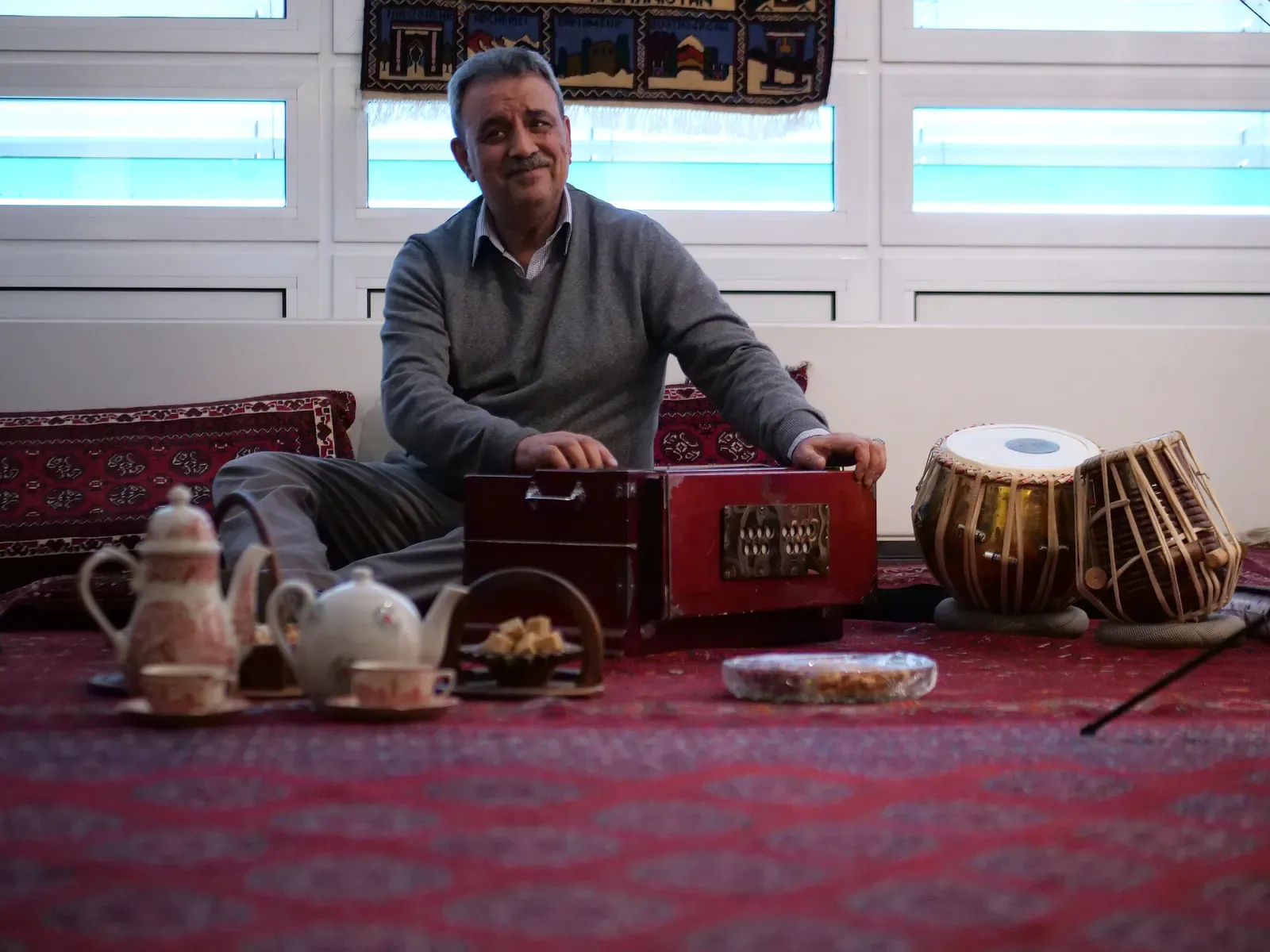
Kharabat worked by ustad-shagird apprenticeship: a master taught a disciple, often within one family, and the repertoire stayed oral. Families such as the Sakhis trace their teaching lineages back to the court of the 1860s. What they taught was an Indian system, raga with tabla and harmonium, set to Persian ghazal text and played on a rubab that already belonged to the region.
Court and Kharabat, about 1860-1939
For roughly eight decades this was an urban, hereditary art, dependent on the court and on private gatherings. The result was a Kabul classical style that was neither purely Indian nor purely Persian: Indian melodic grammar with Persian poetic content.
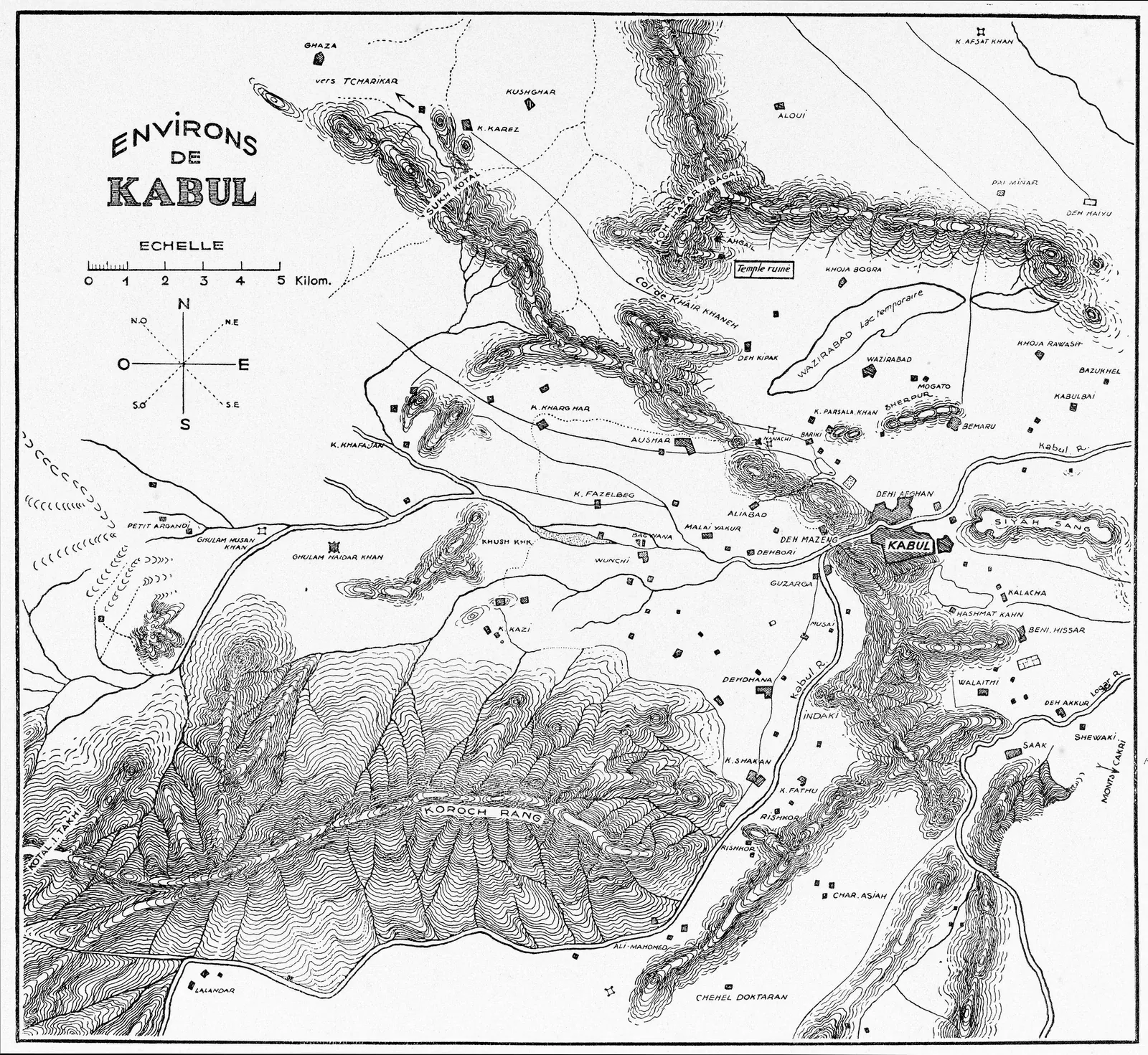
Radio and the ustads, 1940-1963
State radio in Kabul turned local masters into national voices. Mohammad Hussain Sarahang came back from Patiala-style training in India, was honoured with the title Sarahang after a gold medal in Kabul in 1949, and became the foremost Afghan ghazal and khayal singer until his death in 1983. In 1951 Mermon Parwin sang Gulfrosh on Radio Kabul and became the first woman heard singing on Afghan radio, which opened broadcasting to women.
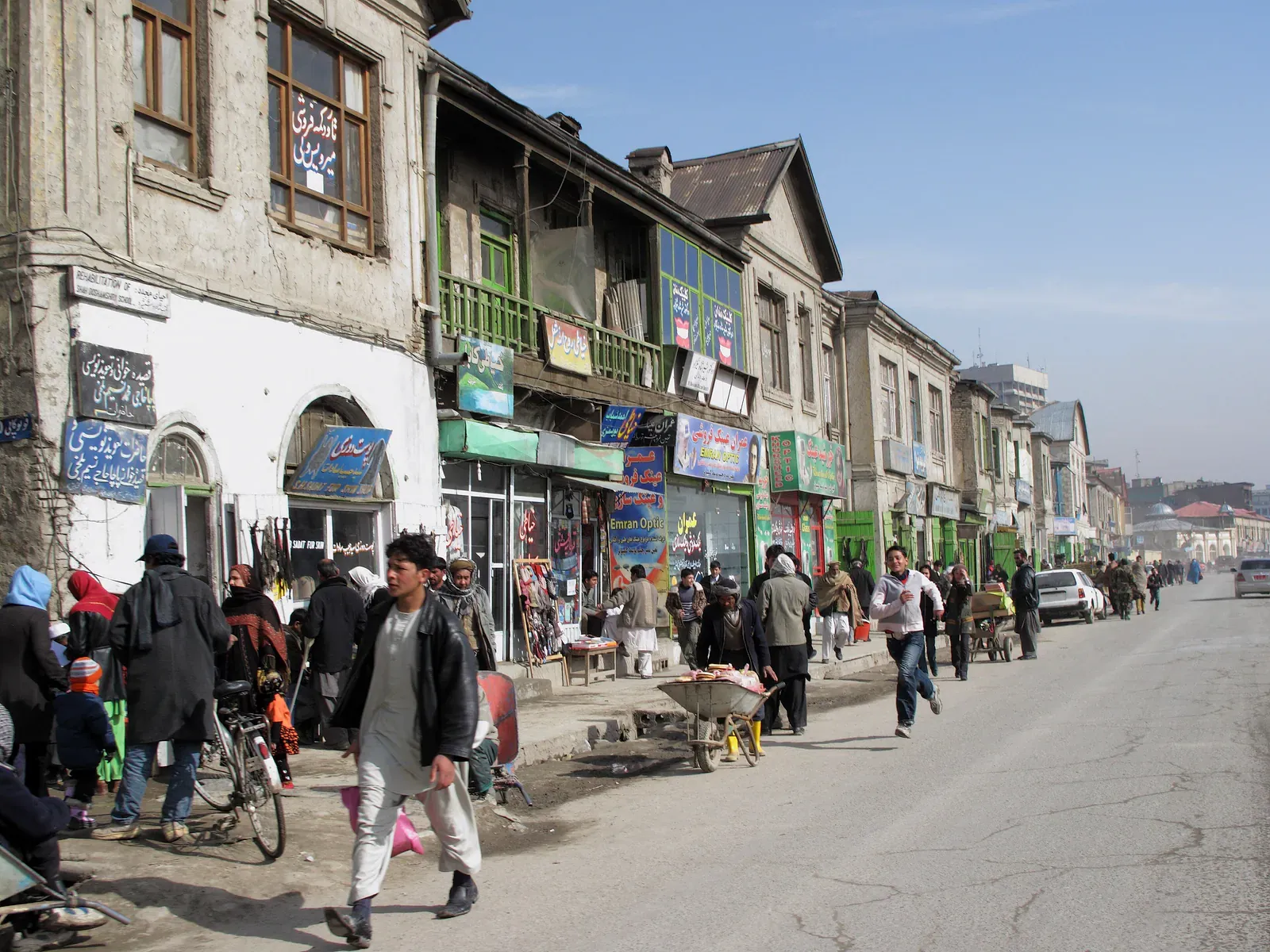
Radio changed who counted as a musician: a voice needed a studio and a national audience, not a court patron.
Kabul’s pop golden age, 1964-1978
By the mid-1960s radio orchestras mixed Afghan, Indian and Western instruments, and a pop and jazz-tinged style grew up beside the classical one. Ahmad Zahir and Abdul Rahim Sarban set Persian poetry to these arrangements. Zahir became the best known: his Studio Volume 7, with the song Sultan Qalbam, appeared in 1976 and the Lylee volume, holding Laily Jan, in 1977. In 1977 Mahwash received the title Ustad, the first woman given the master title in Afghan music.
The new style kept the ghazal text and raga-derived melody and added Western pop rhythm and orchestration.
War, exile and the first ban, 1978-2001
The Saur Revolution of 1978 ended this period. The new government pulled Zahir’s records from radio, his cassettes circulated underground, and in 1979 he died near the Salang Tunnel, officially in a car accident on his 33rd birthday, a death still disputed. Musicians began to leave. By about 1992 Peshawar had become a refuge for Kabul families, among them the Sakhis, and musicians gathered at Khalil House.
In 1996 the Taliban banned public music. Instruments were destroyed, performance was prohibited, and only unaccompanied religious songs were allowed until 2001. Cassettes survived by being copied by hand and carried across borders, which is how Zahir’s recordings outlasted the blacklist.
Return and revival, 2002-2020
After 2001 exiled singers came home. Farhad Darya’s first album after returning, Salaam Afghanistan (2003), sold thousands of copies in Kabul. The same year Mahwash and the Kabul Ensemble recorded Radio Kaboul as a tribute to Afghan composers and won a BBC Radio 3 World Music Award. Afghan Star began on TOLO in 2005, ran for fifteen seasons until 2021.
The classical art was rebuilt as an institution. Ahmad Naser Sarmast founded the Afghanistan National Institute of Music in Kabul in 2010 as a co-educational school teaching Afghan and Western music, and Homayun Sakhi’s Folkways album of 2006 carried the Kabul rubab tradition to listeners abroad.
Second ban and diaspora, 2021 onward
The Taliban returned on 15 August 2021 and again prohibited music. The national music school’s premises were destroyed and the institute relocated to Portugal, now working from Braga; music was banned at weddings and on air. The repertoire continues mainly abroad, in Fremont, Hamburg and other diaspora centres, and through reissues such as the 2022 collection of Radio Afghanistan studio ghazals by Nashenas.
Characteristics
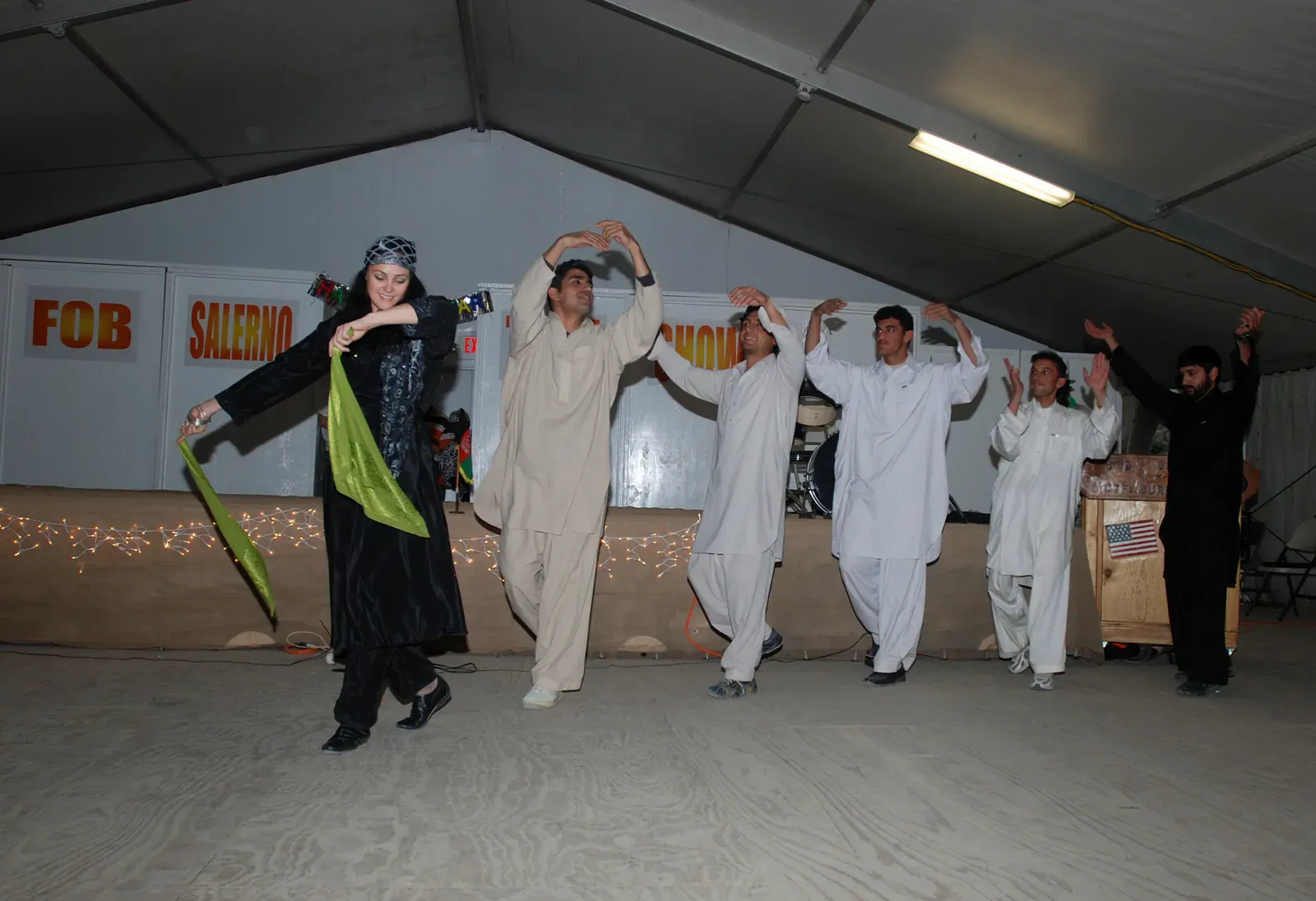
Three habits define the central tradition: a Persian poem sung as a ghazal, a raga-based melody, and teacher-to-pupil transmission. The classical and light-classical styles stress the poem and its mood, with an instrumental ensemble answering and echoing the voice. Folk music differs by region and language and has its own dances, of which the Pashtun attan is the best known.
Instruments and production
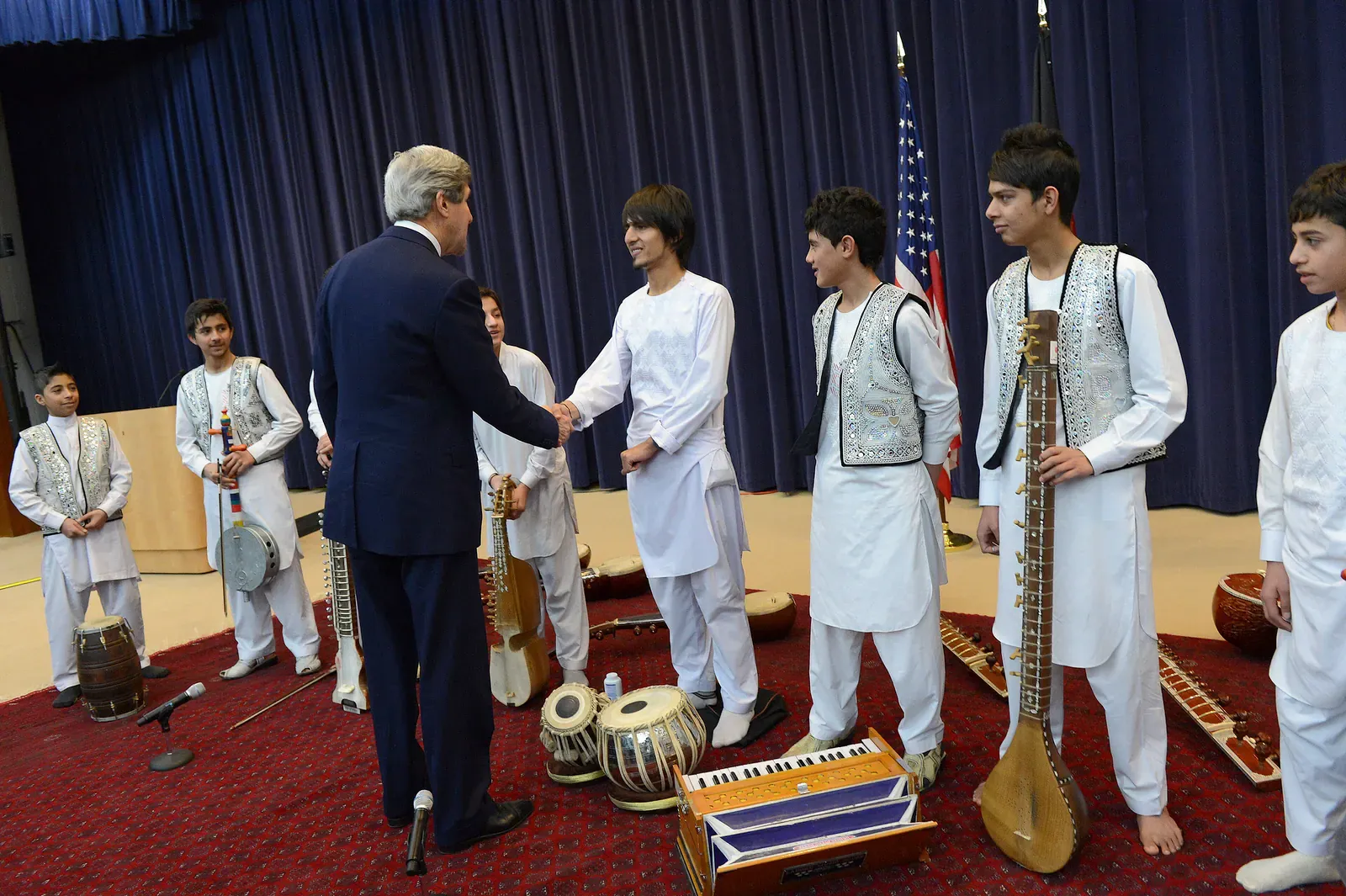
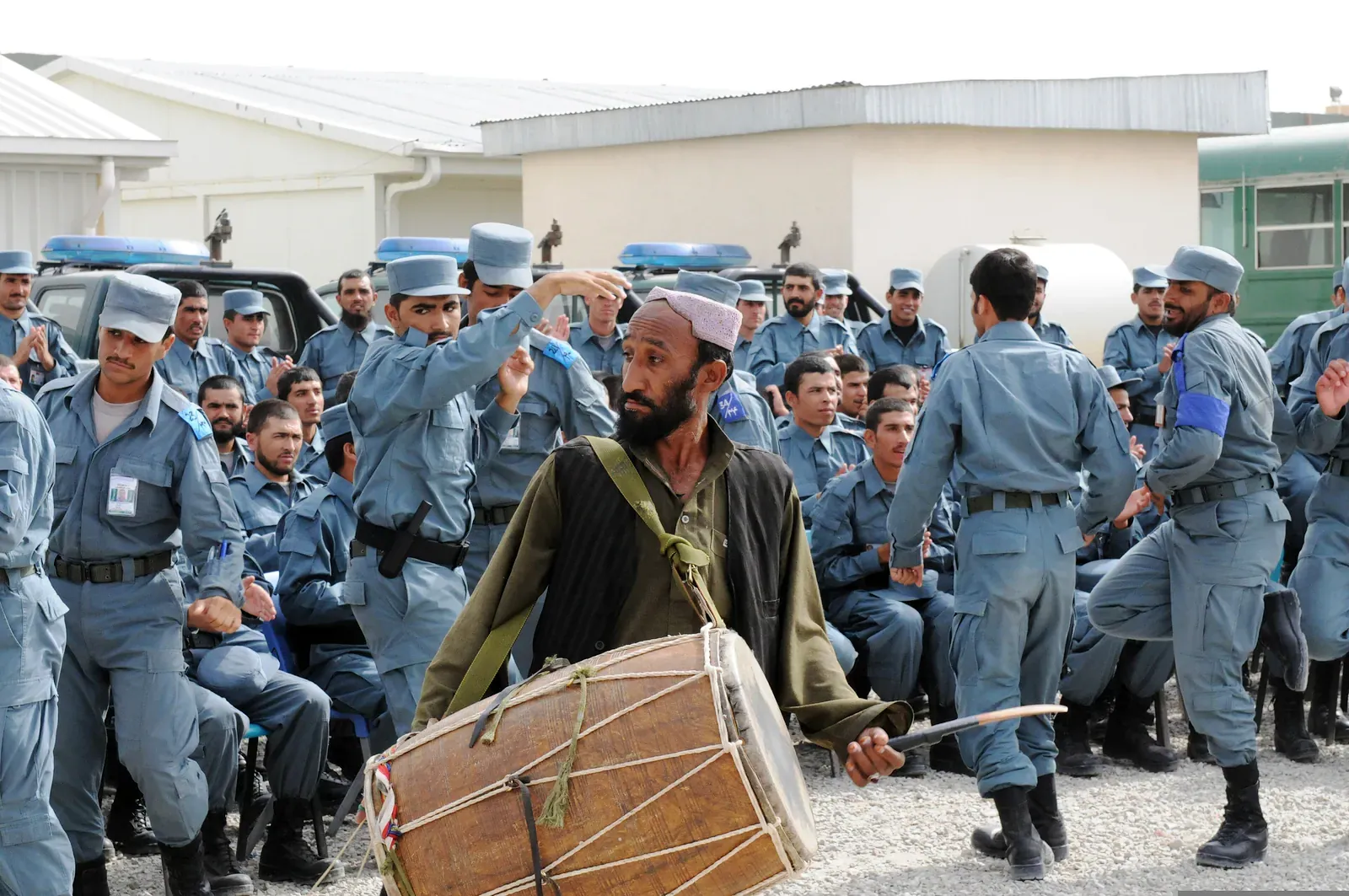
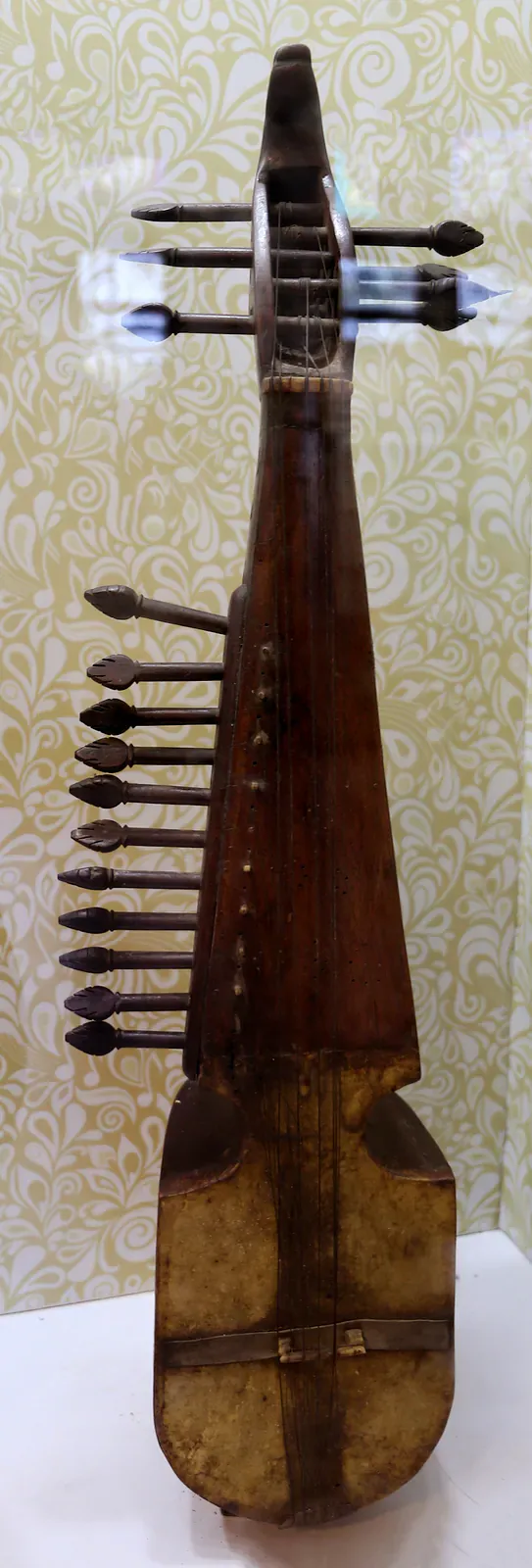
The rubab, one of Afghanistan’s national instruments, is the voice of the classical style. It has a few melody strings, drones and a set of sympathetic strings whose pegs run along the side of the neck. The tabla and harmonium come from the Indian classical and ghazal world and accompany singers. The ghichak, a spike fiddle, belongs to regional folk music, and the dohol drives dance music.
Mainstream success
Afghan music reached a national audience through Radio Kabul, long before commercial pop. Zahir’s records and cassettes made him a leading voice of the 1970s, and his recordings travelled by hand-duplicated tape across borders. After 2001 television gave the same role to Afghan Star and to FM stations such as Arman FM, which played Salaam Afghanistan.
Abroad the music spread through the diaspora and specialist releases rather than charts. The 2009 documentary Afghan Star, on the talent show’s third season, won an award at Sundance, and a 2010 Rough Guide compilation introduced Zahir, Mahwash and Farhad Darya to world-music listeners.
Notable recordings
Sultan Qalbam is the Zahir song most listeners meet first, the clearest example of Persian poetry set with orchestra and Western rhythm. Kabul Jan, an exile-era love song to the city from Farhad Darya’s Begum Jaan, became one of his best-known songs, and Salaam Afghanistan answered it in 2003 as a return. Mahwash’s Mast-o-Ghazalkhan, from Radio Kaboul, is Hashem Cheshti’s setting of verse by Rumi. Kataghani, a rubab piece from Sakhi’s Folkways album, is among the clearest entries into Kabul’s instrumental tradition. Smithsonian Folkways issued that album as the third volume of its Music of Central Asia series, and Strut later reissued Nashenas.
Culture
Weddings and engagement parties are a main social setting for live music, and the attan is danced in a circle to the dohol. The ustad-shagird bond is a social institution as much as a teaching method, and families keep their lineages for generations. Cassette copying acted as a parallel distribution system whenever official channels closed.
Legacy
The Kabul classical style survives through a few families, through institutions rebuilt after 2001 and moved abroad in 2021, and through recordings. The repertoire is now carried on largely outside Afghanistan, by performers in Fremont, Hamburg and elsewhere who learned it from ustads trained in Kabul. It is also related to the wider Central Asian family and shares its raga system with Hindustani classical music.
Misconceptions
One myth holds that music has always been forbidden in Afghan society. Kabul had royal-court musicians from the 1860s, state radio from about 1940, a radio orchestra culture and a pop industry in the 1960s and 1970s, and a national music school from 2010. The bans of 1996 to 2001 and from 2021 are specific, dated interruptions, not a continuous history.
A second myth treats Afghan music as a single folk tradition. In fact the classical Kabul style, the light-classical ghazal, the pop of the 1970s and the regional folk music of Dari-, Pashto- and other language communities are separate strands with different instruments and audiences.
A third myth says the Taliban ban ended Afghan music. During 1996 to 2001 performance was prohibited and instruments were destroyed, but cassettes continued to circulate, exiled musicians gathered in Peshawar, and the repertoire was taught again after 2001.
Frequently asked questions
What is the national instrument of Afghanistan?
The rubab, a plucked lute called the lion of instruments, is one of the country’s national instruments and is the leading voice of the Kabul classical tradition.
What language is Afghan music sung in?
Afghan music is sung mainly in Dari and Pashto, and ghazals set classical Persian poetry, though regional styles use other local languages.
Who was Ahmad Zahir?
Ahmad Zahir was an Afghan singer of the 1970s who set Persian poetry to orchestral pop. His songs such as Sultan Qalbam and Laily Jan are among the most loved in Afghan music, and he died in 1979 in circumstances that remain disputed.
Is music banned in Afghanistan?
Music was banned in public from 1996 to 2001 under the first Taliban government, and was prohibited again after the Taliban returned in August 2021, including at weddings and on air.
Sound
Sound sheet
Signature sounds
- Persian ghazal text sung over rubab or harmonium and tabla
- Raga-based melody tuned with sympathetic strings
- Indian raga mixed with Western pop rhythm in orchestral arrangements
Drums and percussion
- Tabla
Techniques
- Sympathetic string retuning
- Ghazal setting of Persian poetry
- Raga with Western pop rhythm
Keys and modes
Raga Yaman. A raga performed by Kabul singers and rubab players, with the sympathetic strings retuned to it.
Tuning
Three rubab melody strings tuned in fourths, with drones and up to 15 sympathetic strings tuned to the raga
Vocals
Ghazals and folk-pop sung in Dari and Pashto
Scenes
Where it happened
Where and when the sound lived: one bar per city on a shared timeline.
Asia
Europe
North America
Active scenes
Peak 4, 1991-2025
Home of Kharabat, Radio Kabul and the pop golden age; its musicians scattered after 1978 and again in 2021.
Refuge for exiled Afghan musicians during the war years and the first Taliban ban.
Largest Afghan community in the US, home to Mahwash and Homayun Sakhi.
Exile base of Farhad Darya, who recorded his album Begum Jaan there.
New base of the Afghanistan National Institute of Music after its evacuation.
Venues and places
Kabul, 1860 to today. Old quarter where musician families lived, trained students and gave private concerts.
Kabul, 1940 to today. State radio with a live studio that recorded orchestras and made singers national names.
Peshawar, 1992 to today. Gathering place for Afghan musicians in exile in the 1990s.
Kabul, 2010 to 2021. Conservatory teaching Afghan and Western music until it left for Portugal.
Culture
Culture markers
- Attan
Pashtun circle dance at weddings, accompanied by dohol, that speeds up as it goes.
Dance - Ustad-shagird apprenticeship
Families such as the Sakhis trace teaching lineages back to the 1860s Kabul court.
Ritual - Weddings and engagement parties
Private celebrations are a main setting for live music.
Ritual - Cassette copying
Zahir's recordings spread by hand-duplicated tapes across borders and survived the blacklist.
Ritual
Media
Key media
- 2009Afghan Star
by Havana Marking. Documentary on the third season of the talent show, awarded at Sundance.
Film - 2010The Rough Guide to the Music of Afghanistan
by Various. Simon Broughton's World Music Network set featuring Ahmad Zahir, Mahwash, Farhad Darya and Naghma.
Compilation - 2022Life Is a Heavy Burden: Ghazals and Poetry from Afghanistan
by Nashenas. Strut's selection of Radio Afghanistan studio ghazals.
Compilation
Glossary
Terms on this page
Pashtun circle dance that starts slowly and speeds up to a dohol rhythm.
Sung Persian love poem, central to Afghan classical and popular singing.
The old Kabul musicians' quarter, named from the Persian poetic word for taverns.
Extra strings on the rubab tuned to the raga's notes so they ring when the melody strings play.
Master title for a respected teacher-performer; Mahwash was the first woman to receive it.
Teacher-disciple transmission in which a family or master passes the repertoire on orally.
Central Asian and Caucasian family