Nature sounds
Nature sounds are releases built from recordings of surf, rain, storms, birds and whales, begun in the US around 1969 and sold for relaxation and sleep.
United States, 1972
New Age family
Born
1972
United States
Subgenres
2
Documented branches
Links
9
Genres it drew on or shaped
Tempo
55-115 BPMLineage
Family tree
Timeline
Era by era
From the first sparks to today. Select a dot to read the story behind it.
- Birds, films and archives
1889 to 1968
- The natural world on vinyl
1969 to 1979
- Relaxation shelf and nature series
1980 to 2004
- Listening to quiet places
2005 to 2009
- Apps, playlists and sleep loops
2010 to today
Eras
Moments
- 1 Birds, films and archives, 1889 to 1968
- 2 The natural world on vinyl, 1969 to 1979
- 3 Relaxation shelf and nature series, 1980 to 2004
- 4 Listening to quiet places, 2005 to 2009
- 5 Apps, playlists and sleep loops, 2010 to today
1889
Birds, films and archives
Recordists capture single species on disc and film, and Dan Gibson makes nature films, but nobody sells the sound of a place as a record for the listener to live with.
- 1889Ludwig Koch records a birdThe first known recording of a single bird, the start of wildlife sound recording.
- 1968Dan Gibson's Audubon Wildlife TheatreA 78-episode CBC television series of nature film, co-produced by the photographer who later founds Solitudes.
- 1968Krause founds Wild SanctuaryBernie Krause starts recording whole habitats instead of single species.
- 1968Paul Winter hears Roger Payne lecture on whale songThe talk at Rockefeller University starts Winter's long habit of playing with animal voices.
1969
The natural world on vinyl
Irv Teibel's Environments LPs, Roger Payne's humpback record and Beaver and Krause's In a Wild Sanctuary turn recordings of the sea, storms and animals into albums, and the whale record reaches millions through a magazine insert.
- 1969Environments 1: Psychologically Ultimate SeashoreIrv Teibel's Syntonic Research releases a looped Brighton Beach seashore with no music, a sound made to be lived with.
- 1970Songs of the Humpback WhaleRoger Payne's LP of whale songs, released in August, goes on to sell more than 125,000 copies.
- 1970Beaver and Krause: In a Wild SanctuaryA Moog and jazz album that uses natural soundscapes as part of the orchestration.
- 1970Judy Collins: Whales and NightingalesA folk album that closes on humpback whale recordings, bringing the sound to pop listeners.
- 1970Hovhaness: And God Created Great WhalesA work for orchestra and recorded whale song, built on Payne's tapes.
- 1972US Marine Mammal Protection ActWhale song helped fuel the Save the Whales campaign that preceded this law.
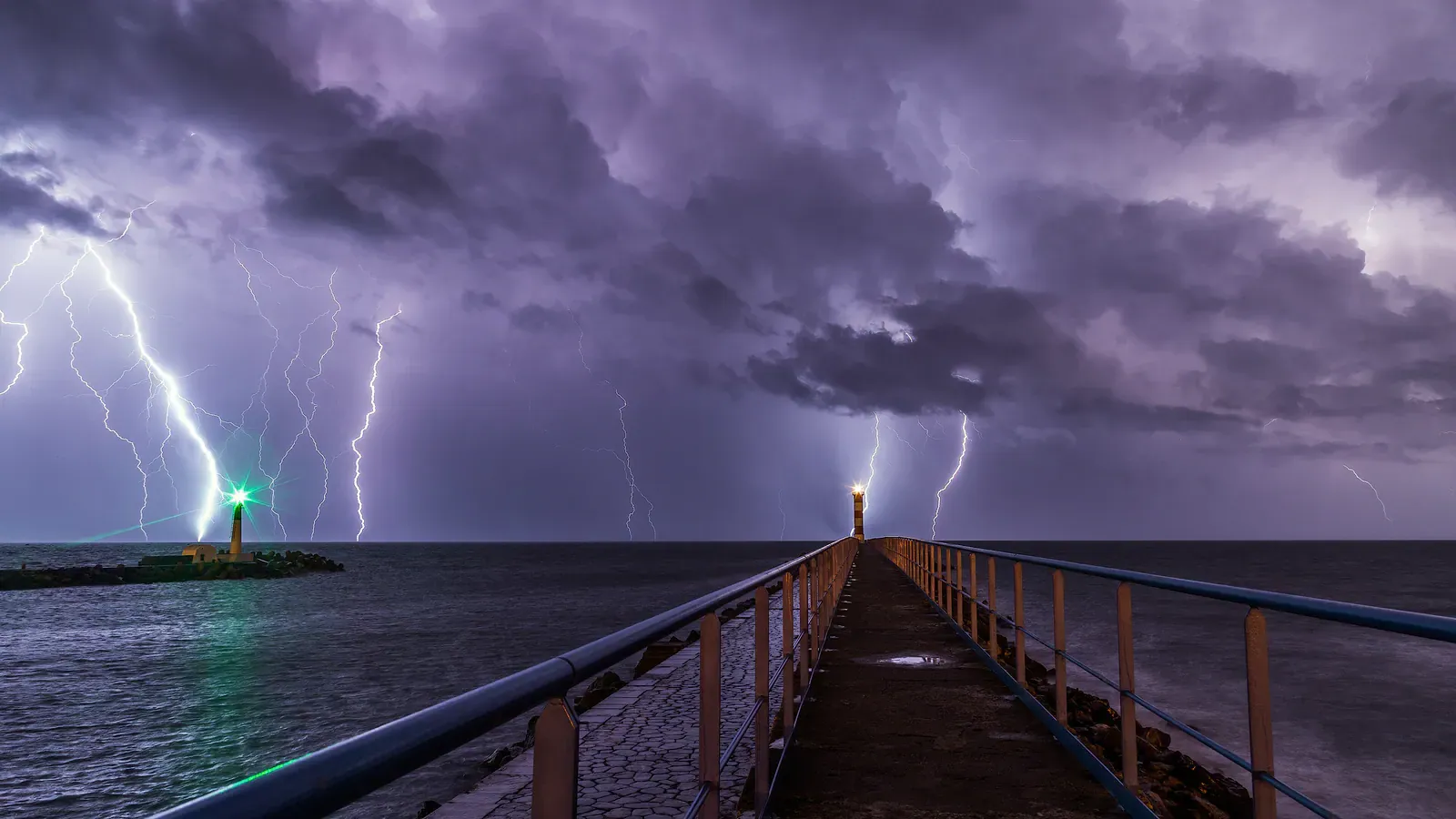
- 1974Environments 4: Ultimate ThunderstormTeibel's series, distributed by Atlantic Records, reaches a storm side that stays one of its best-known titles.
- 1977Voyager Golden Record carries whale songAn excerpt of humpback song leaves the solar system on the two Voyager discs.
- 1978Paul Winter Consort: Common GroundWinter's A&M album ends with live humpback, timber wolf and African fish eagle voices.
- 1978Kate Bush: MovingThe song opens with whale song sampled from Songs of the Humpback Whale.
- 1979National Geographic flexi discA whale-song disc in the January issue goes to about 10.5 million subscribers, the largest single pressing ever made.
1980
Relaxation shelf and nature series
Paul Winter's Living Music label, Dan Gibson's Solitudes and NatureSound Studio fill record shops and nature stores with CDs of rain, loons and birdsong, alone or under soft piano and guitar.
- 1980Living Music foundedPaul Winter starts a label for his music and ecological work.
- 1981Solitudes introducedDan Gibson, aged 59, turns to full-time release of environmental sound albums.
- 1985Humpback sounds guide Humphrey the whaleKrause and Diana Reiss use recorded humpback calls to lead a lost whale out of the Sacramento River Delta.
- 1987Whales AlivePaul Winter and Paul Halley play with humpback whale song, and CDs of Environments appear the same year.
- 1989Lang Elliott founds NatureSound StudioA small Ithaca business for birdsong, frog and insect recordings.
- 1994Order of Canada for Dan GibsonRecognition of his environmental sound work.
2005
Listening to quiet places
Gordon Hempton's Olympic National Park discs and One Square Inch of Silence tie the genre to conservation of natural quiet, while recordings are sold as a way to hear places most listeners will never visit.
- 2005One Square Inch of SilenceGordon Hempton marks a spot in the Hoh Rainforest to defend natural quiet.
around 2010
Apps, playlists and sleep loops
Rain generators, long streaming loops and the 2018 Environments app make nature sounds a daily sleep and focus tool, and a 2017 Numero Group reissue puts the 1970s catalogue back in print.
- 2017Environments back in printThe Numero Group reissues the series in extended digital edits.
- 2018Environments appAll 22 Environments are released as an iOS and Android app.
Listening path
Anthems
The records that built the sound, grouped by the part they played. Thumbnails come from YouTube; the player loads only when you press play.
- 01
Irv Teibel, 1969 · Syntonic Research
Opening side of Environments 1, a looped Brighton Beach seashore that put the sound of a place on a record with no music.
Start hereOrigin - 02
Bernie Krause, 1970
From Beaver and Krause's In a Wild Sanctuary, an early album to use natural soundscapes inside the music.
Origin - 03
Dan Gibson, 1995 · Solitudes
A long storm recording from the Solitudes series, which sold in the millions and put nature sounds on mainstream shelves.
Start hereBreakthrough - 04
Irv Teibel, 1974 · Atlantic Records
A storm side from Environments 4, one of the series' best-known titles and a long-running sleep and masking favourite.
Anthem - 05
Paul Winter, 1987
From Whales Alive, a duet between Paul Halley's organ and humpback song.
Anthem - 06
Gordon Hempton, 2005
An hour of Olympic National Park rain recorded for quiet-place listening.
Anthem - 07
Judy Collins, 1970
A folk ballad about whaling that ends with humpback song, so the whale recordings reached pop and folk listeners.
Crossover - 08
Kate Bush, 1978
Opens with humpback song taken from Songs of the Humpback Whale, an early pop use of the recording.
Crossover - 09
Paul Winter, 1978 · A&M Records
From Common Ground, an album that joins soprano sax and world music to wolf, eagle and whale voices.
Start hereCrossover
Facts
| Family | New Age |
| Origin | United States |
| Emerged | 1970s |
| Status | Active |
| Tempo | 55 to 115 BPM |
| Meter | Free |
| Subgenres | 2 |
Nature sounds are releases built from recordings of the natural world, such as surf, rain, storms, birdsong and whale song, presented alone or under soft piano, guitar or flute.
The form took shape in the United States between 1969 and 1981 and was sold from the start as a tool for relaxation, sleep and masking noise. It sits inside the new age family, next to meditation music.
Origins
Recordists had been capturing animals long before anyone sold the sound of a place. Ludwig Koch recorded a single bird in 1889, and from the late 1940s Dan Gibson made nature films and recorded wildlife for them. What was missing was a record meant to be lived with rather than studied.
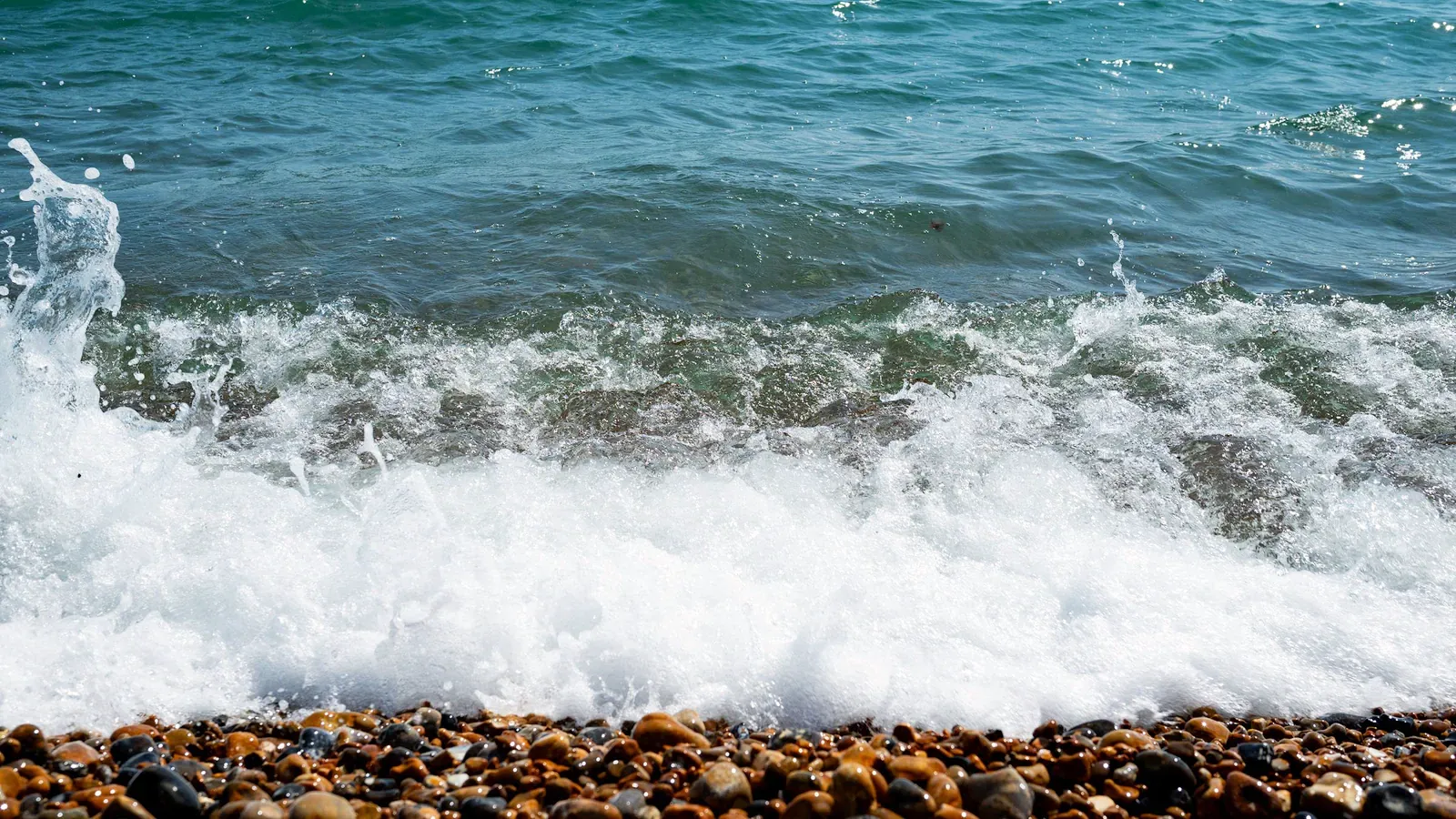
Irv Teibel supplied it in 1969 with Environments 1: Psychologically Ultimate Seashore, released through his company Syntonic Research. It carried a looped seashore, processed with Lou Gerstman on a mainframe at Bell Labs, and no music at all. Teibel pitched it as a mood and sound-masking tool. Sides could be played at slow speed, and the sleeves, which he designed himself, carried his own liner notes.
The natural world on vinyl, 1969-1979
The 1970s brought animal voices to pop listeners. Roger Payne’s Songs of the Humpback Whale reached shops in 1970 on Capitol Records and went on to sell more than 125,000 copies. Judy Collins ended her folk album Whales and Nightingales with the same recordings, and Beaver and Krause’s In a Wild Sanctuary set natural soundscapes inside Moog and jazz arrangements. Bernie Krause had founded Wild Sanctuary in 1968 to record whole habitats rather than single species.
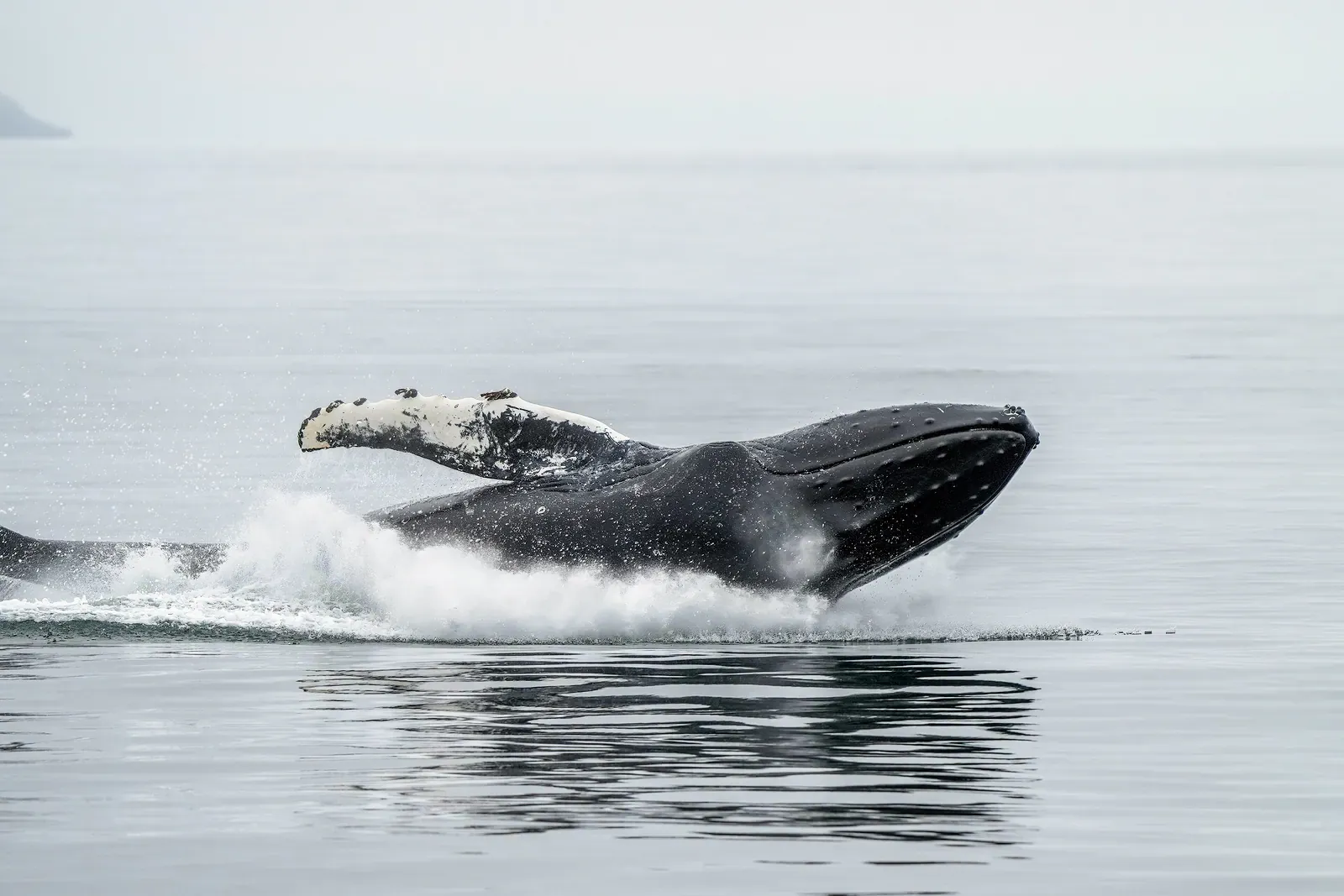
The recordings also moved well beyond record shops. The US Marine Mammal Protection Act passed in 1972, after a public campaign in which whale song played a part. An excerpt of humpback song travelled on the Voyager Golden Records in 1977, and in January 1979 a whale-song flexi disc inserted in National Geographic reached about 10.5 million subscribers, the largest single pressing ever made. Teibel’s series reached Atlantic Records, where Environments 4: Ultimate Thunderstorm appeared in 1974.
Paul Winter pushed in another direction. His Paul Winter Consort played soprano saxophone against recorded wolf, eagle and whale voices, and the 1978 album Common Ground, issued by A&M Records, ended with live humpback, timber wolf and African fish eagle calls. Kate Bush opened her 1978 song “Moving” with whale song taken from the Payne record.
Relaxation shelf and nature series, 1980-2004
In 1980 Winter founded Living Music, and in 1981 Gibson, then 59, left other work to release environmental sound albums full-time as Solitudes. Gibson designed his own parabolic microphone, and the series grew into a catalogue of more than 200 albums that sold in the millions. Tracks ran long and followed a single subject: a thunderstorm, a forest, a coast.

Compact discs changed the format. Three Environments titles appeared on CD in 1987 in extended 60-minute versions, and Winter and Paul Halley released Whales Alive that year, a concerto for whale and organ. In 1989 Lang Elliott started NatureSound Studio in Ithaca for birdsong, frog and insect recordings, which led to book-and-CD sets such as Common Birds and Their Songs in 1998. Rykodisc and similar CD-first labels helped carry the wider relaxation catalogue into record shops and nature stores.

Listening to quiet places, 2005-2009
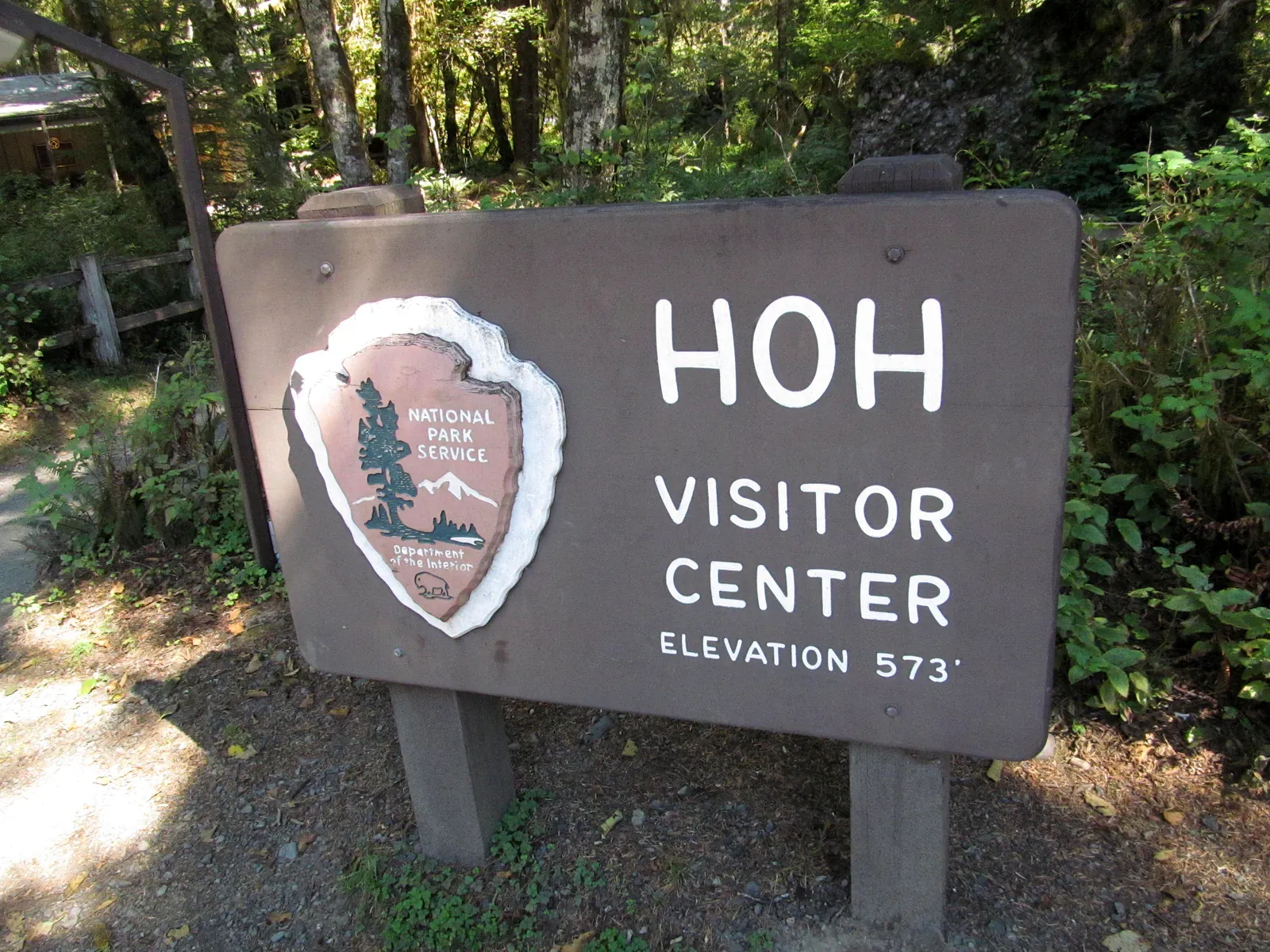
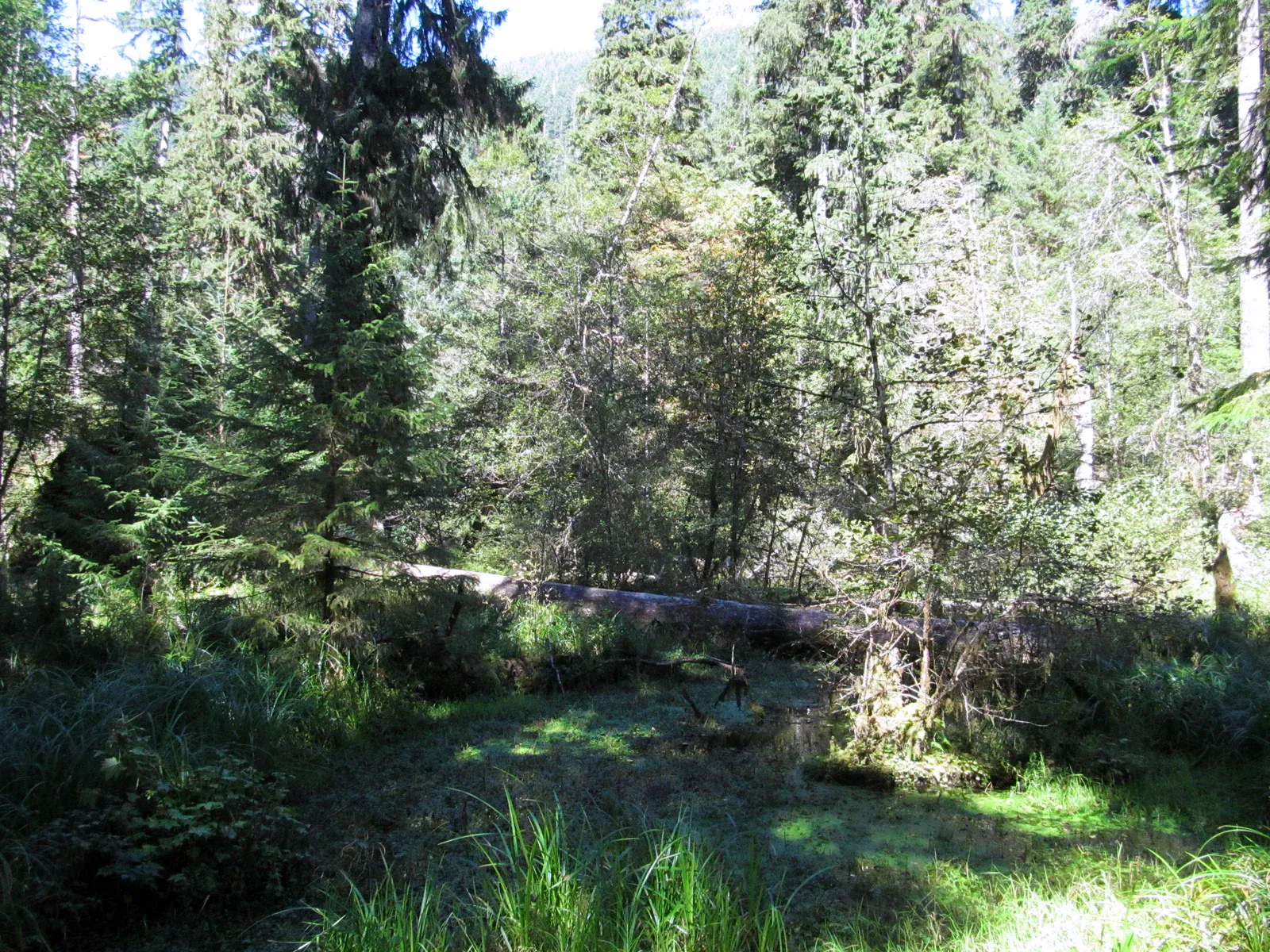
In the 2000s the genre acquired a conservation argument. Gordon Hempton, a sound recordist from Washington State, marked One Square Inch of Silence in the Hoh Rainforest of Olympic National Park in 2005 to defend natural quiet from aircraft and traffic noise. His recordings, including the hour-long Forest Rain, framed the listener as a visitor to a place most people would never reach.
Apps, playlists and sleep loops, 2010 onward
Streaming made the format a daily utility. Rain generators, hour-long loops and playlists turned nature sounds into a sleep and focus tool, and in 2018 all 22 Environments titles were released as an iOS and Android app. The Numero Group had put Teibel’s catalogue back in print the year before. Streaming rain and thunderstorm tracks from producers such as Rainy Mood use the same logic Teibel pitched in 1969: a steady sound that covers the noise around the listener.
Characteristics
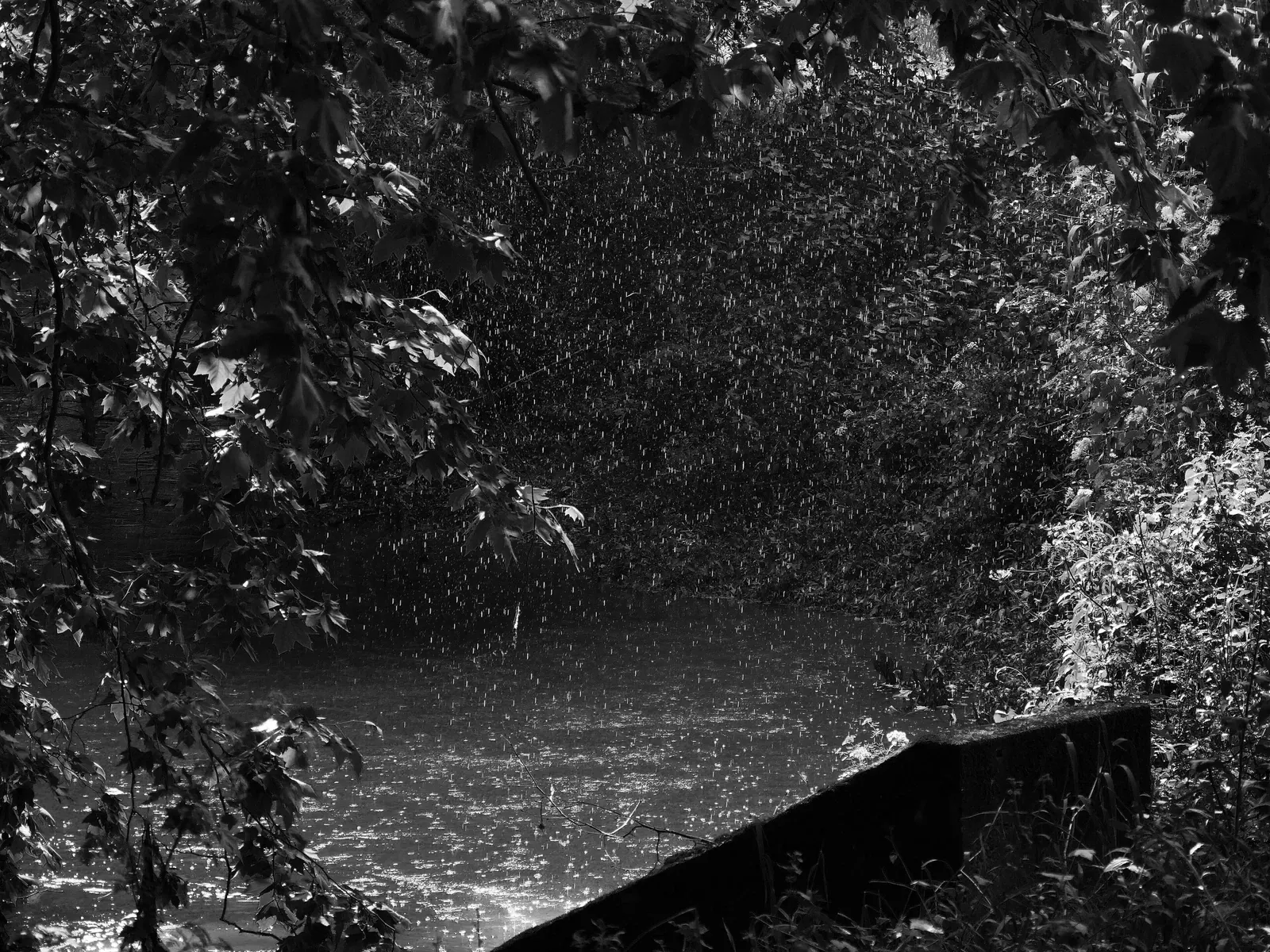
The form depends on a few traits. Tracks are long or looped, often 30 to 60 minutes, with no steady beat in unmixed recordings. Animal calls act as melody, and water, wind and birds are placed wide across the stereo field. When music appears, it is sparse, usually piano, guitar or flute, and the dynamic range is kept very low so nothing wakes a sleeper. The field divides recorded sound into biophony from living things, geophony from weather and water, and anthrophony from people, which recordists try to keep out of a take.
Instruments and production
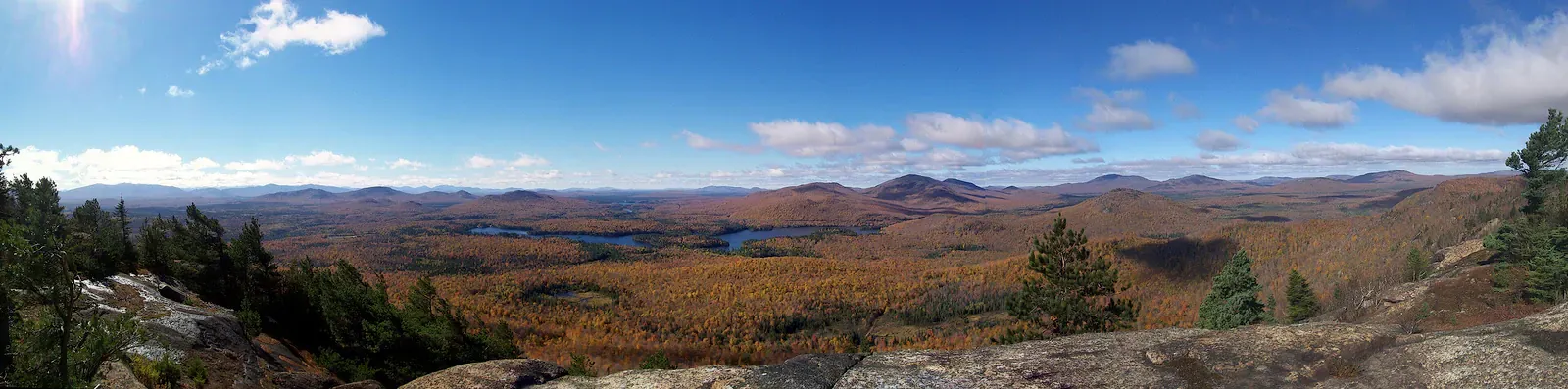
The tools are microphones rather than instruments. Parabolic dishes focus on distant birds, stereo pairs capture the width of a shore or stream, and hydrophones record underwater sound for whales. Some albums add a Moog synthesizer, as on In a Wild Sanctuary, or a soprano saxophone, as with Winter. Looping is the central production trick, a short take repeated without a seam so a track can run for an hour.
Mainstream success
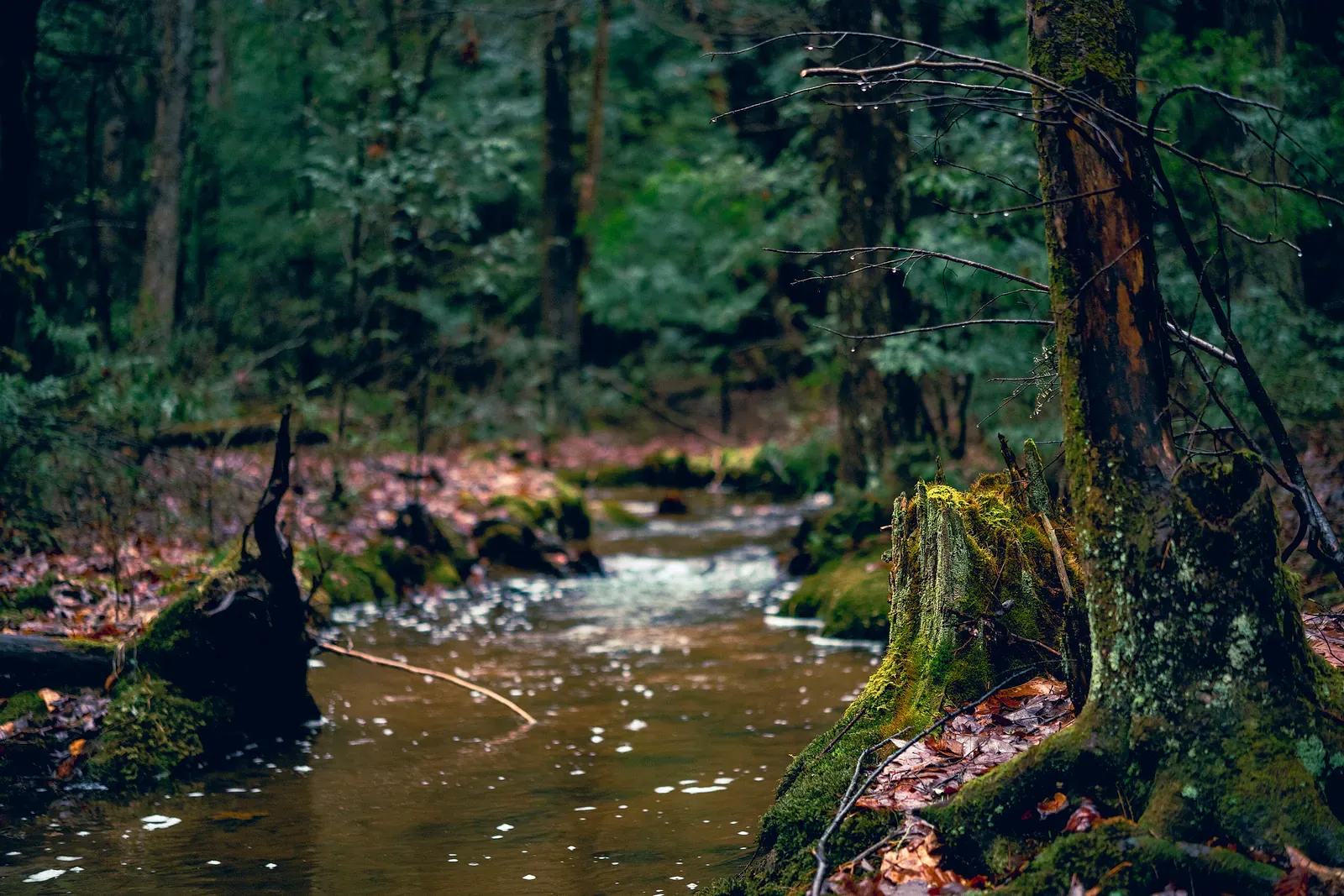
Two moments carried nature sounds into the mainstream. Payne’s whale record and the National Geographic flexi disc reached millions of homes in the 1970s, and Solitudes sold in the millions from the 1980s onward, filling shelves in record shops and nature stores. In its pure form the genre has no singles, tours or radio hits, so its success is counted in catalogue size and long-term use rather than chart positions.
Notable recordings
The Psychologically Ultimate Seashore (1969) remains the reference point for a record made of a single place. Ultimate Thunderstorm (1974) shows how a storm side became a long-running sleep favourite. Wolf Eyes and Concerto for Whale and Organ show Winter’s method of setting players against animals, and Thunderstorm in the Wilderness (1995) shows the Solitudes format at its most typical.
Culture
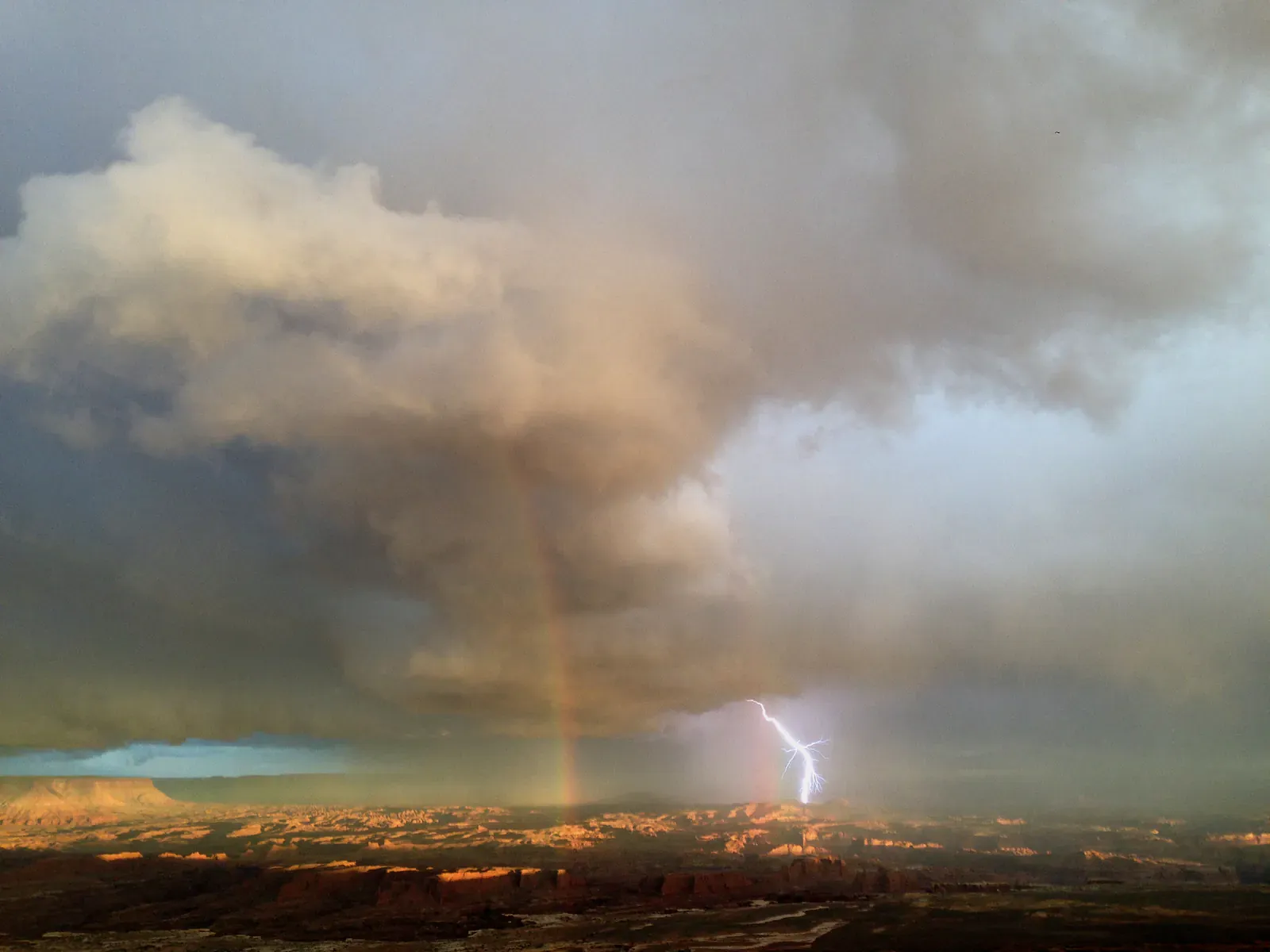
Listeners use the music to sleep, to study and to cover traffic or office noise. The Environments sleeves were designed in a Bauhaus style by Teibel himself, and Paul Winter’s yearly winter solstice concert at the Cathedral of St. John the Divine in New York has run for decades. Krause’s terms biophony and geophony are now standard in the field, and Hempton’s work was documented in the 2010 film Soundtracker.
Legacy
Nature sounds supplied a template that later relaxation, ambient and sleep catalogues followed: long tracks, no hook, and a function stated on the cover. They also tied recording to conservation, from the Save the Whales campaign to protected quiet in national parks.
Misconceptions
Nature sounds are field recordings in the art sense. Experimental field recording and sound art are a separate practice in the experimental family. Nature-sound albums are made for relaxation and sleep, and are edited and looped for that purpose.
The recordings are raw, unprocessed takes. Teibel’s first Environments LP was edited and looped with a computer, and later titles combine, trim and mix material for steady listening.
Whale song only became known through new age music. Payne’s 1970 record and the 1979 National Geographic disc brought it to millions before the new age category existed as a retail section.
Frequently asked questions
What are nature sounds music?
Nature sounds are albums built from recordings of the natural world, such as rain, surf, birds and whale song, sometimes layered with soft instruments. They are made for relaxation, sleep and masking noise.
Who made the first nature sounds record?
Irv Teibel released Environments 1: Psychologically Ultimate Seashore in 1969, a looped seashore with no music. Roger Payne’s Songs of the Humpback Whale followed in 1970.
Are nature sounds part of new age music?
Retailers list nature and environmental recordings as new age subgenres, and the genre belongs to the new age family. Experimental field recording, by contrast, is a separate practice.
Which labels are linked to nature sounds?
Syntonic Research released the Environments series, Solitudes released Dan Gibson’s albums, and Living Music released Paul Winter’s work with animal voices.
Sound
Sound sheet
Signature sounds
- Long or looped tracks, often 30 to 60 minutes
- No steady beat in pure recordings
- Animal calls act as the melody
- Wide stereo placement of water, wind and birds
- Sparse piano, guitar or flute under the recording
- Very low dynamic range for sleep use
Synths and software
- Moog synthesizer
Techniques
- Parabolic microphone recording
- Hydrophone recording
- Seamless looping
- Layering music over recordings
- Animals as soloists
Keys and modes
C, G and D major. Open keys used for the piano and guitar beds under recordings.
Tuning
Recordings are unpitched; instrumental beds use 12-TET at A=440
Vocals
Animal calls take the lead role; human voice is rare
Scenes
Where it happened
Where and when the sound lived: one bar per city on a shared timeline.
North America
Active scenes
Peak 2, 2005-2025
Teibel's Environments, Payne's whale lectures and Winter's Cathedral concerts all run through the city.
Home of Lang Elliott's NatureSound Studio.
Site of One Square Inch of Silence and the Olympic National Park recordings of Gordon Hempton.
Venues and places
New York, 1980 to today. Paul Winter's artist-in-residence home and the site of his Consort solstice celebrations.
Murray Hill, 1969 to today. Where Teibel and Lou Gerstman processed the seashore loop for Environments 1.
New Haven, 1978 to today. A stop on the Common Ground tour where a live wolf appeared on stage.
Ithaca, 1989 to today. Lang Elliott's small business for bird, frog and insect recordings.
Culture
Culture markers
- Environments sleeves
Teibel designed the Bauhaus-style packaging and wrote the liner notes himself.
Artwork - Winter solstice concert
Paul Winter and colleagues celebrate the solstice each year at the Cathedral of St. John the Divine.
Ritual - Sleep and masking use
Rain, surf and storm tracks are played to cover noise and ease sleep.
Ritual - Biophony and geophony
Krause's terms for animal sound and non-living natural sound are now standard in the field.
Slang
Media
Key media
- 1967Land of the Loon
by Dan Gibson. A Canadian film that won best TV film of the year at the Canadian Film Awards.
Film - 1968Audubon Wildlife Theatre
by Dan Gibson. A 78-episode television series co-produced by the photographer who later founded Solitudes.
Film - 1977Voyager Golden Record
by NASA. Carries a humpback whale excerpt among the sounds of Earth.
Compilation - 2009One Square Inch of Silence
by Gordon Hempton and John Grossmann. Hempton's account of the Hoh Rainforest project.
Book - 2010Soundtracker
by Nick Sherman. Documentary about Gordon Hempton's search for natural quiet.
Film
Glossary
Terms on this page
Human-made sound, which nature-sound recordists try to keep out of a take.
The combined sound made by living things in a habitat, a term coined by Bernie Krause.
The burst of birdsong at first light, a staple of nature-sound albums.
Non-biological natural sound such as wind, rain and moving water.
A short recording repeated without a seam so a track can run for an hour or more.
Using a steady sound to cover unwanted noise, one of the uses Teibel pitched for Environments.
The sound of a whole place, as opposed to one species or one event.
New Age family