Solo instrumental new age
Solo instrumental new age is new age music for one acoustic instrument, mostly piano or guitar, shaped by Windham Hill in California from 1976.
United States, 1975
New Age family
Born
1975
United States
Subgenres
4
Documented branches
Links
3
Genres it drew on or shaped
Tempo
70-130 BPMLineage
Family tree
Timeline
Era by era
From the first sparks to today. Select a dot to read the story behind it.
- Cassettes and station wagons
1975 to 1979
- Windham Hill boom
1980 to 1989
- Buyouts and the long tail
1990 to 2007
- Catalogue and legacy
2008 to today
Eras
Moments
- 1 Cassettes and station wagons, 1975 to 1979
- 2 Windham Hill boom, 1980 to 1989
- 3 Buyouts and the long tail, 1990 to 2007
- 4 Catalogue and legacy, 2008 to today
1975
Cassettes and station wagons
Guitarist William Ackerman records for friends, founds Windham Hill in 1976 and sells the first solo guitar albums to bookstores and health food shops around the San Francisco Bay.
- 1976Windham Hill foundedWilliam Ackerman and Anne Robinson start the label in California, selling albums from a station wagon to bookstores and health food stores.
- 1976In Search of the Turtle's NavelAckerman's debut, first pressed for friends and radio, becomes the label's founding solo guitar record.
1980
Windham Hill boom
George Winston's Autumn, Michael Hedges, Liz Story and David Lanz turn solo piano and guitar into a retail category, with its own racks, charts and a seasonal compilation series.
- 1980AutumnGeorge Winston's solo piano album, produced by Ackerman after a demo tape, becomes the best seller of the Windham Hill catalogue and later goes platinum.
- 1981Hedges signs and releases Breakfast in the FieldAckerman hears Michael Hedges at the Varsity Theater in Palo Alto in February and signs him; his first Windham Hill album follows.
- 1982Winter into Spring and DecemberWinston's next two albums also sell in volume, and December reaches triple platinum.
- 1982Label revenue reaches the millionsThe label has grown by over 300 percent and opens offices in Seattle, Los Angeles and later New York.
- 1983Liz Story signs and releases Solid ColorsAckerman signs the pianist, whose jazz-and-classical-trained solo records are often compared with Winston's.
- 1984Aerial BoundariesHedges's second album, much of it recorded straight to two-track master tape, shows the percussive, alternate-tuned side of solo guitar.
- 1985Winter Solstice series beginsWindham Hill starts a holiday compilation series featuring its roster, which runs to 2007.
- 1988Cristofori's Dream tops the New Age chartDavid Lanz's piano album reaches the top of the chart and becomes the Seattle-born pianist's best-known record.
1990
Buyouts and the long tail
BMG buys Windham Hill in stages between 1992 and 1996 while the Winter Solstice series continues to 2007, and solo records move from specialist racks into mainstream catalogues.
- 1992BMG begins buying Windham HillA series of buyouts from 1992 to 1996 ends the label's independence.
- 1996Winston wins the Best New Age Album GrammyGeorge Winston's Forest takes the award at the 38th Annual Grammy Awards.
- 1997Michael Hedges diesThe guitarist dies in a car accident on 2 December and later wins a posthumous Grammy for Oracle.
2008
Catalogue and legacy
Sony absorbs the Windham Hill catalogue, which returns through reissues, while Ackerman produces in Vermont and Winston's death in 2023 closes the label's founding generation.
- 2023George Winston diesThe pianist who made quiet solo piano a mass format dies on 4 June.
Listening path
Start listening
A short path from an easy way in to the deep end. Thumbnails come from YouTube; the player loads only when you press play.
- 01
George Winston, 1980
Listen for a plain folk-style melody over a rolling left hand, the template for the solo piano records that followed.
- 02
Michael Hedges, 1984
Listen for the two-hand tapping and harmonics that make one guitar sound like an ensemble.
- 03
Michael Hedges, 1982
Listen for the percussive guitar side of the genre in concert, recorded two years before Aerial Boundaries.
- 04
David Lanz, 1988
Listen for fast arpeggios under a slow melody, the pianist's best-known piece.
Facts
| Family | New Age |
| Origin | United States |
| Emerged | 1970s to 1980s |
| Status | Active |
| Tempo | 70 to 130 BPM |
| Subgenres | 4 |
Solo instrumental new age is instrumental music for a single acoustic instrument, usually piano or steel-string guitar, recorded in a spacious room with no drums and little or no overdubbing.
It took shape in California from 1976, when guitarist William Ackerman founded Windham Hill Records, and it reached a mass audience in the 1980s through the piano of George Winston and the guitar of Michael Hedges.
The category sits inside the new age family as the home of the lone player. The classically scored strand, with strings and film-style arrangements, is covered separately as neoclassical new age; this page follows the pianists and guitarists who recorded alone.
Origins
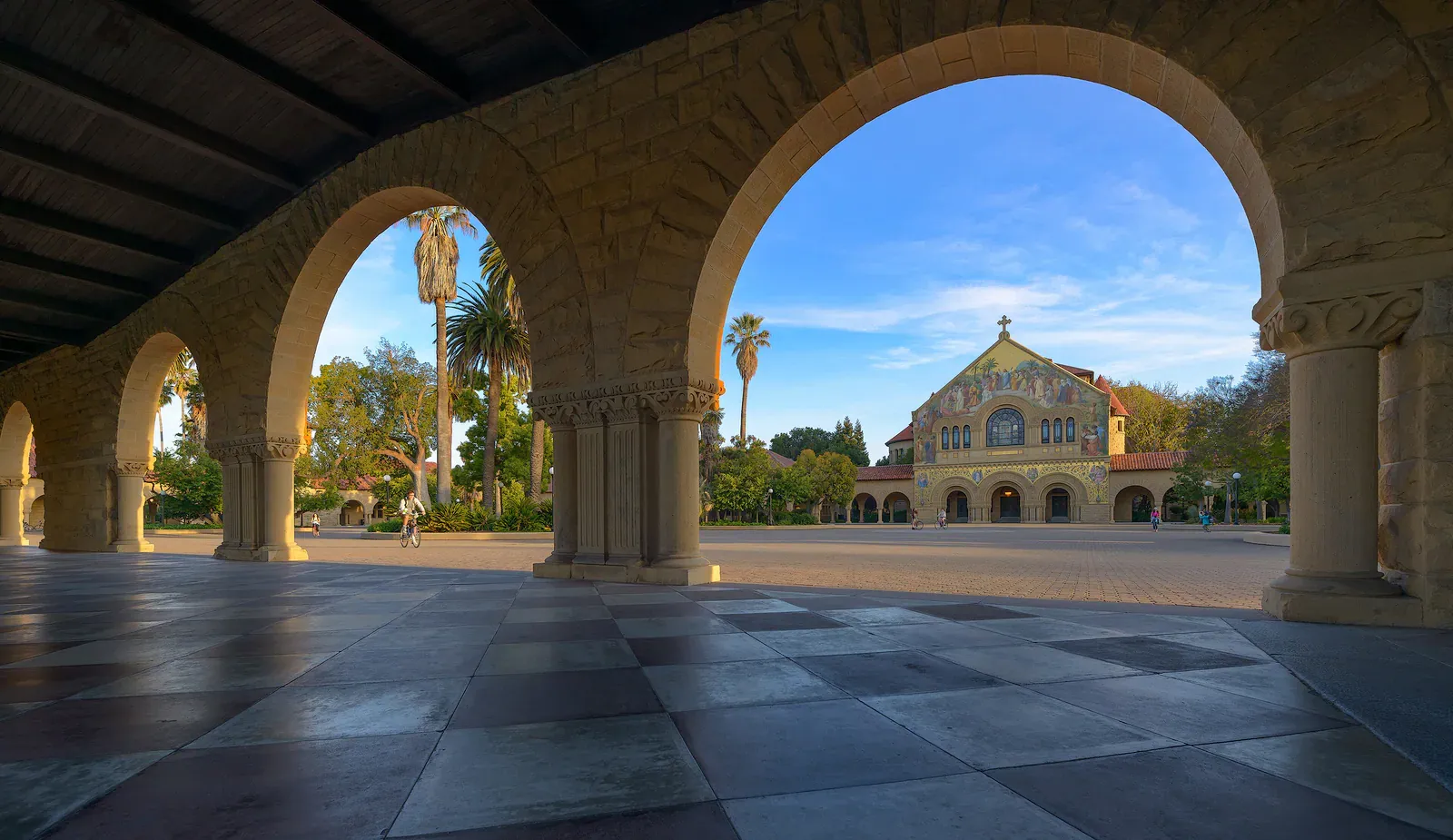
The genre began as a favor to friends. In 1975 Ackerman was a college dropout who played guitar on the Stanford campus, and friends chipped in so that he could record his instrumental pieces on cassette. He gave copies to radio stations, which drew listeners and the interest of California record store owners, and his albums began to sell. In 1976 he and his partner Anne Robinson turned the project into a label, loaded the catalogue into a Volvo station wagon and sold it to bookstores and health food shops along the coast.
Neither the sound nor the sales route came from the music industry. The roots lie in American folk and fingerstyle traditions and in impressionist harmony. Winston, for example, was first recorded by John Fahey for Fahey’s Takoma label, and his debut piano album of 1972 went unnoticed until Windham Hill reissued it later. Ackerman’s own first record, In Search of the Turtle’s Navel, gave the label its founding statement: one guitar and no band.
Windham Hill, 1976-1982
Ackerman invited like-minded players, among them his cousin Alex de Grassi, and Robinson handled design and marketing. The sleeves became part of the product, with a centred nature photograph in a large white field. In 1979 Winston sent Ackerman a demo tape, and the album made from it, Autumn, appeared in 1980 and became the best seller in the catalogue. Autumn and Winter into Spring both went platinum, and the Christmas album December reached triple platinum.
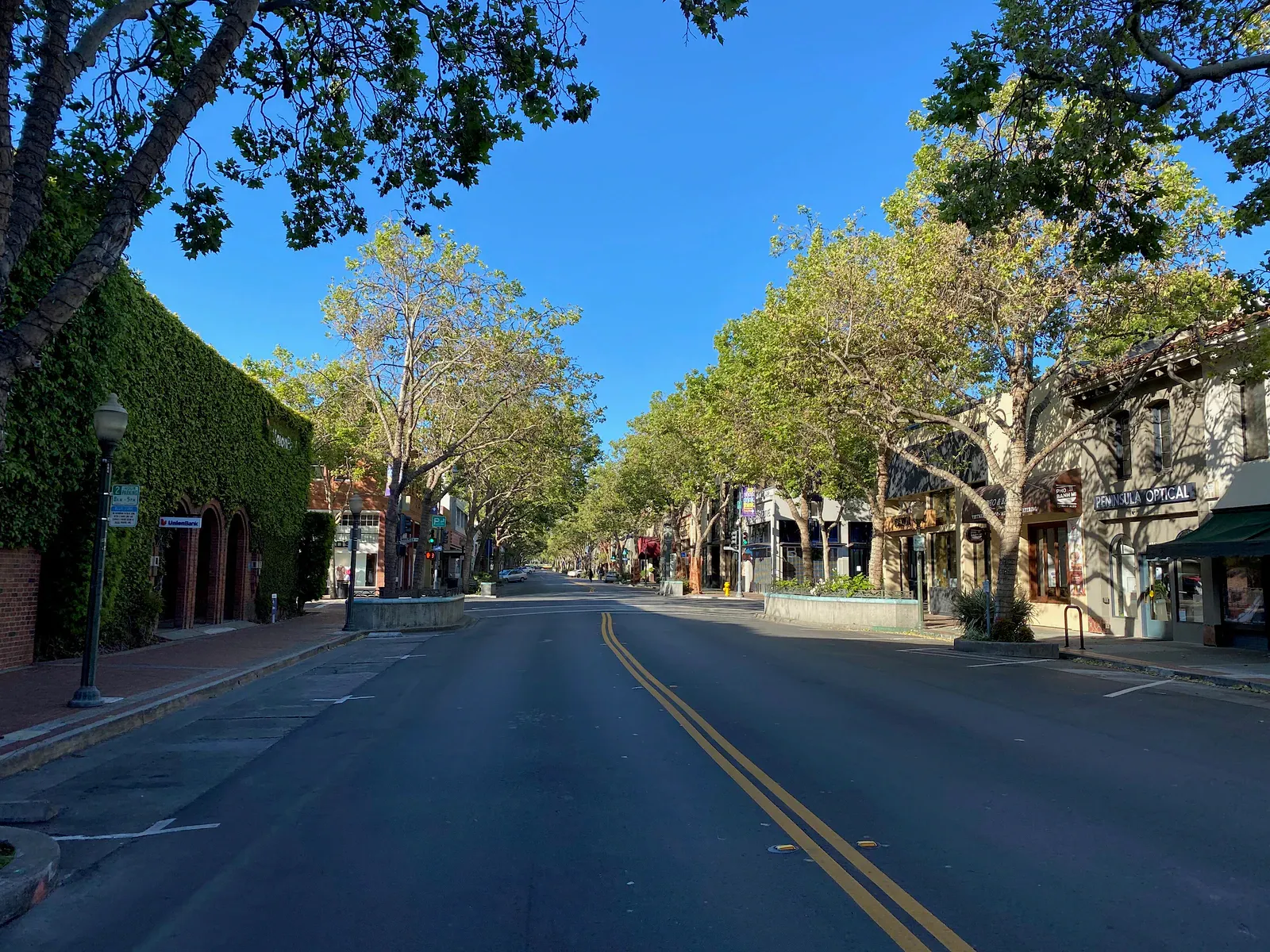
Hedges joined in 1981. Ackerman heard him at the Varsity Theater in Palo Alto in February and signed him on a napkin. His first Windham Hill album, Breakfast in the Field, appeared the same year. By 1982 the label had grown by more than 300 percent, and the success of Autumn and December brought a distribution deal with A&M Records, which helped finance and distribute the records, cassettes and the newly created compact disc catalogue.
Guitar and piano, 1983-1989
In 1983 Ackerman signed the pianist Liz Story, whose first album, Solid Colors, combined classical and jazz training and was often compared with Winston’s. The same year the trade press called the label’s music soft jazz, before later listing it as new age. Tower Records gave Windham Hill a section of its own, and catalogue samplers such as the 1984 sampler became some of the label’s best sellers.
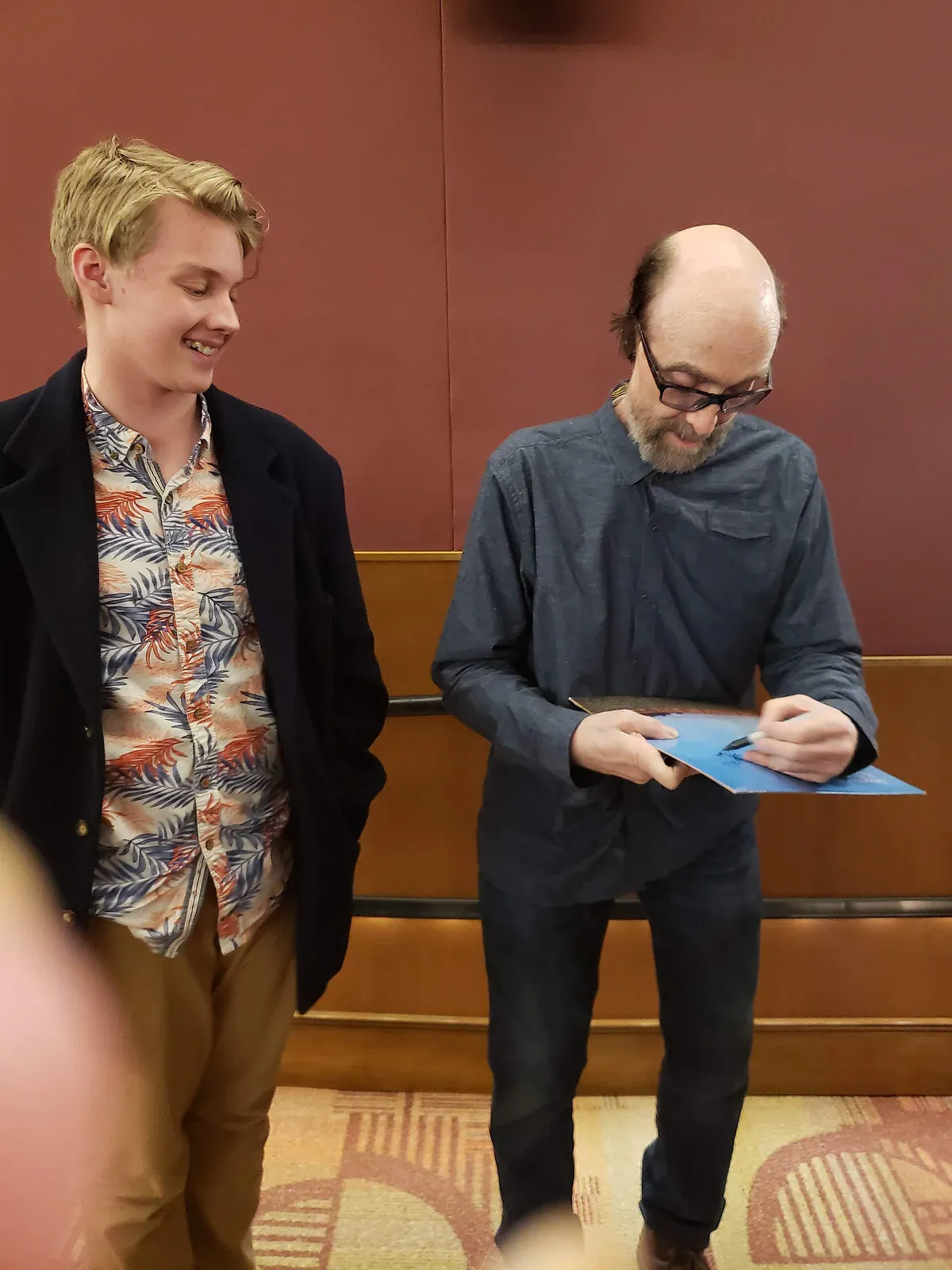
Outside the label, Narada Productions found its own piano star. David Lanz’s Heartsounds, his first solo album, lifted Narada’s profile, and Cristofori’s Dream topped the New Age chart in 1988. Hedges, meanwhile, released Aerial Boundaries in 1984, a guitar record that sounded nothing like background music. In 1985 the label began its Winter Solstice compilations, a holiday series that ran until 2007.
Buyouts and catalogue, 1990-present
BMG bought Windham Hill through a series of buyouts from 1992 to 1996, and the label passed to Sony after BMG merged into it. Winston won the Grammy for Best New Age Album for Forest at the 38th Annual Grammy Awards in 1996. Hedges died in a car accident on 2 December 1997 and later won a posthumous Grammy for his album Oracle. Windham Hill no longer releases new material and instead reissues albums as part of Sony’s Legacy Recordings, while Ackerman has produced independent acoustic musicians at Imaginary Road Studios in Vermont since 1993. Winston died on 4 June 2023.
Characteristics
The genre is defined by what it leaves out. A single acoustic instrument carries melody and harmony, there is no percussion, and the recording favors natural reverb and long decay. Phrasing is improvisatory even when the pieces are composed, and the pace is slow to moderate, with measured tempos from roughly 70 to 130 beats per minute depending on how the beat is felt.
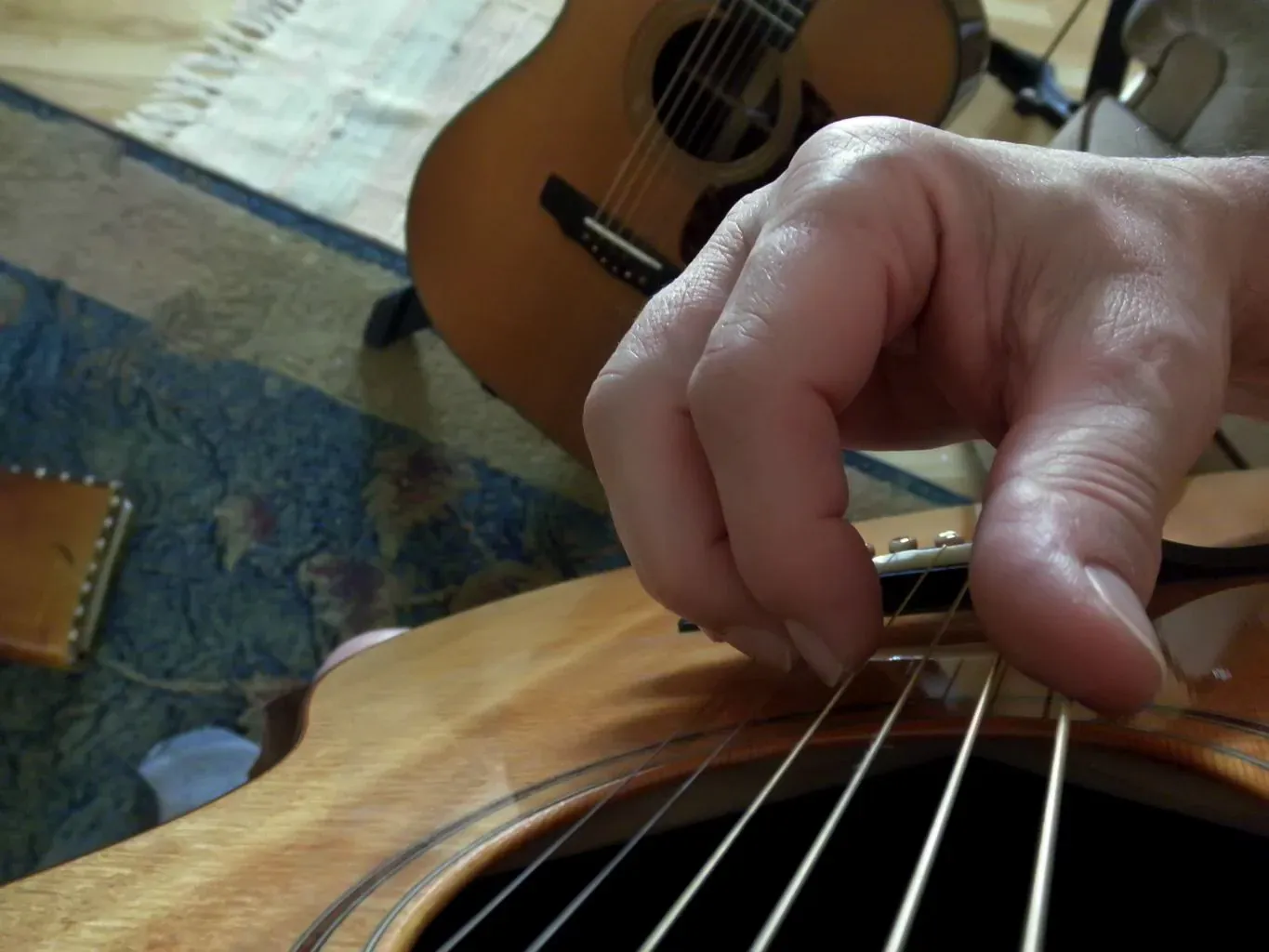
Within that frame the piano and guitar branches diverge. Winston called his melodic approach rural folk piano and kept it separate from his stride playing, inspired by Fats Waller and Teddy Wilson, and his New Orleans rhythm and blues style, drawn from James Booker and Professor Longhair. Hedges wrote almost entirely in alternate tunings and used slap harmonics, hammer-ons with the right hand, melodic hammer-ons and pull-offs with the left, and percussive slapping on the guitar body.
Instruments and production
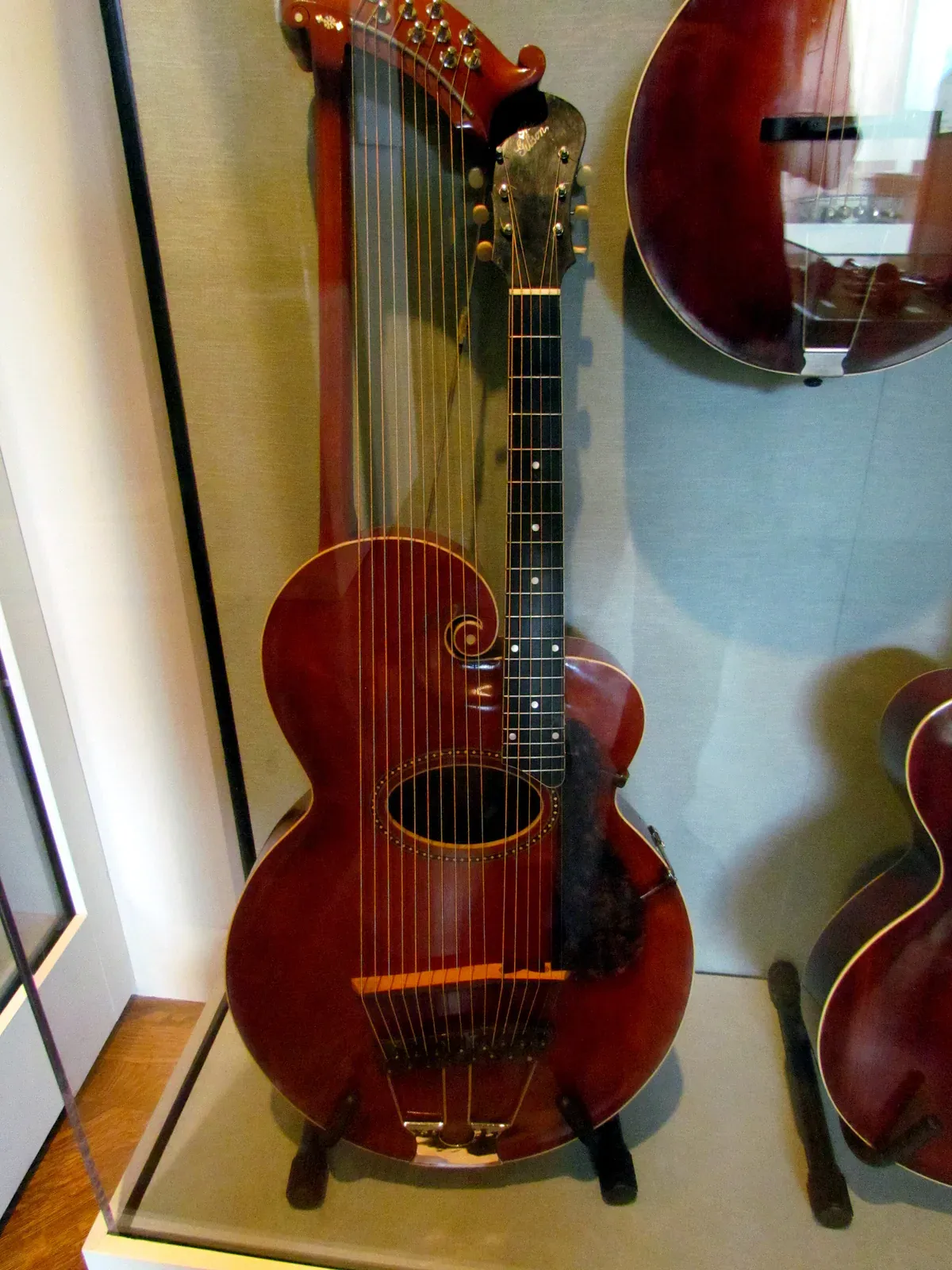
The grand piano is the genre’s main voice, played with a sustain pedal that lets the notes blur into a resonant wash. The steel-string guitar is the second, tuned away from standard tuning to open ring and drone. Hedges played a 1971 Martin D-28 and a custom Ken DuBourg guitar on his early records, and later played harp guitars, instruments with extra bass strings.
Production aims to keep the instrument and the room intact. Much of Aerial Boundaries was recorded directly to two-track master tape. Ackerman booked studios in the Bay Area that prized high fidelity and, later, digital recording and mastering.
Notable recordings
Colors/Dance, the opening piece of Autumn, shows the piano template: a plain melody over a rolling left hand, played slowly. Aerial Boundaries shows the opposite pole, where tapping and harmonics make one guitar sound like an ensemble, and the album also includes a tribute piece to the guitarist Pierre Bensusan. Hedges also recorded Rickover’s Dream, a concert piece captured at the Berklee Performance Center in Boston in 1982. David Lanz’s Cristofori’s Dream puts quick arpeggios beneath a slow melody, the most direct route to the genre’s popular image.
Culture
The cover design of Windham Hill, with its large white borders and centred nature photograph, made the albums recognisable on a shelf. The label’s seasonal compilations, and December in particular, made quiet solo records a holiday ritual. In 2006 many of the early Windham Hill artists, among them de Grassi, Story and Ackerman, performed together at Villa Montalvo in Saratoga, California.
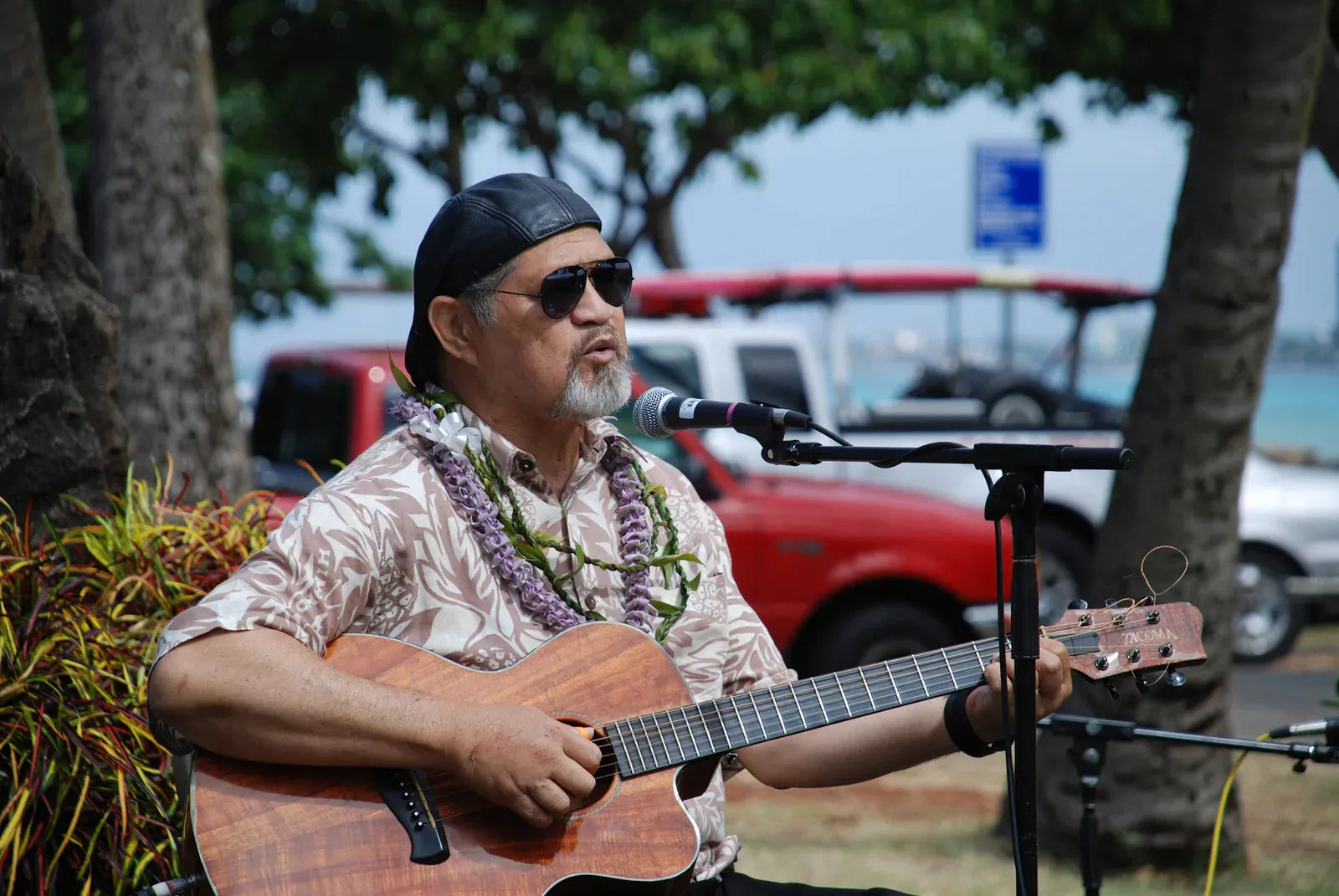
Winston’s interest in Hawaiian slack-key guitar led him to start Dancing Cat Records, a label that later made licensing arrangements with Sony’s Legacy Recordings alongside other acoustic imprints.
Legacy
Solo instrumental new age proved that quiet, unaccompanied music could sell in the millions. Winston’s solo albums have sold more than 15 million copies in total, and seven of them were certified gold or platinum. The retail category it created, instrumental acoustic music with its own section in the record store, shaped how later piano and guitar players were marketed. Today its recordings circulate mostly through reissues and streaming, and the genre’s methods, a single instrument and a resonant room, remain the default for solo piano and fingerstyle guitar records.
Misconceptions
Solo instrumental new age is often equated with piano alone. Guitar was as central: the label began with Ackerman’s guitar, and Hedges recorded for the label from 1981, and de Grassi became one of its best sellers.
The music is also assumed to be casual improvisation. Hedges insisted on the exact duration of sounds and silences in his pieces, and saw himself as a composer who played the guitar, citing Stravinsky, Varese, Webern and Steve Reich among his influences.
Finally, the performers did not always accept the label. Winston said his music was neither new age nor classical, and the trade press first classed the Windham Hill sound as soft jazz.
Frequently asked questions
What is solo instrumental new age?
Solo instrumental new age is a style of new age music built on one acoustic instrument, mostly piano or guitar, played without drums and recorded in a spacious room. It began in California in 1976 with Windham Hill Records.
Who are the main solo instrumental new age artists?
The core names are George Winston, Michael Hedges, William Ackerman, David Lanz and Liz Story. Winston and Hedges brought it to the widest audience.
How does solo instrumental new age differ from neoclassical new age?
Solo instrumental new age centres on one player with a single instrument, while the neoclassical strand adds strings, orchestration and classical forms.
Which label defined solo instrumental new age?
Windham Hill Records, founded in 1976 by William Ackerman and Anne Robinson, released most of the genre’s best-known records. Narada was a second major home, with David Lanz.
Sound
Sound sheet
Anatomy of a track
| # | Part |
|---|---|
| 1 | Opening figure |
| 2 | Theme on the lone instrument |
| 3 | Variation of the same figure |
| 4 | Quiet return and fade |
Signature sounds
- One acoustic instrument with no percussion
- Generous natural reverb
- Improvisatory phrasing
Techniques
- Slap harmonics
- Hammer-ons and pull-offs
- Percussive body slapping
- Folk-style piano melody
Tuning
Alternate guitar tunings, equal-tempered piano
Vocals
Instrumental; Hedges's vocal songs appear on separate albums.
Scenes
Where it happened
Where and when the sound lived: one bar per city on a shared timeline.
North America
Active scenes
Peak 2, 1993-2025
Home of Windham Hill, close to the Stanford campus where Ackerman first played and the Varsity Theater where Hedges was signed.
Ackerman has produced independent acoustic musicians in Vermont since 1993 at Imaginary Road Studios.
Culture
Culture markers
- Windham Hill sleeves
Anne Robinson used a centred nature photograph in a large white field with the title in Avant Garde Gothic.
Artwork - Winter solstice listening
December and the Winter Solstice compilations made quiet solo records a seasonal habit.
Ritual
Media
Key media
- 1984Windham Hill Records Sampler 84
by Various. Catalogue samplers were among the label's best-selling releases and introduced the roster to new listeners.
Compilation - 1985Windham Hill Winter Solstice
by Various. The holiday series that ran from 1985 to 2007 and carried the roster into seasonal playlists.
Compilation
Glossary
Terms on this page
A non-standard tuning of the guitar strings that opens up resonant chords and drones.
A retail and marketing category for calm instrumental music rather than a single musical style.
Winston's own term for his melodic solo piano style, distinct from his stride and New Orleans styles.
A Hedges technique of slapping the strings over a harmonic node to ring out a high overtone.
A grouping for new age records built around one acoustic instrument, usually piano or guitar.
New Age family