Healing music
Healing music is beatless, drone-rich new-age music made with therapeutic intent, from US records of the mid-1970s to sound baths and streaming playlists.
United States, 1975
New Age family
Born
1975
United States
Subgenres
1
Documented branches
Links
5
Genres it drew on or shaped
Tempo
60-80 BPMLineage
Family tree
Timeline
Era by era
From the first sparks to today. Select a dot to read the story behind it.
- Therapy and calm records
1950 to 1974
- The first healing records
1975 to 1981
- Radio, labels and teaching
1982 to 1993
- Frequencies and function
1994 to 2009
- Sound baths and streaming
2010 to today
Eras
Moments
- 1 Therapy and calm records, 1950 to 1974
- 2 The first healing records, 1975 to 1981
- 3 Radio, labels and teaching, 1982 to 1993
- 4 Frequencies and function, 1994 to 2009
- 5 Sound baths and streaming, 2010 to today
1950
Therapy and calm records
Music therapy becomes a profession in the US, and Irv Teibel and Wolff and Hennings sell soothing nature sounds and Tibetan bells as records before the label exists.
- 1839Dove describes binaural beatsHeinrich Wilhelm Dove reports that two slightly different tones, one in each ear, produce a perceived beat.
- 1950US music therapy association foundedThe National Association for Music Therapy forms in New York, the start of music therapy as a clinical profession.
- 1969Environments 1 issuedIrv Teibel releases the Psychologically Ultimate Seashore, the first of a series of processed nature-sound records sold for relaxation.
- 1972Tibetan Bells releasedHenry Wolff and Nancy Hennings issue an album of Tibetan bells and singing bowls, later called the first recording of its kind.
- 1973Hearts of Space begins on KPFAStephen Hill starts a late-night show of slow, spacious music in Berkeley that later names and spreads the style.
- 1973Oster publishes Auditory beats in the brainA Scientific American article brings binaural beats to a general audience and later fuels brainwave entrainment products.
1975
The first healing records
Kay Gardner, Steven Halpern, Iasos and Laraaji issue slow, beatless albums framed as healing, often sold through health stores and by mail rather than record shops.
- 1975Monroe receives first Hemi-Sync patentRobert Monroe patents a binaural-beat audio method; the Monroe Institute later sells Hemi-Sync recordings with claims about altered states.
- 1975Kay Gardner releases Moon CirclesGardner later became known for teaching music as medicine; the album drew on womens spirituality and meditation.
- 1976Steven Halpern issues Spectrum SuiteSeven keynote pieces tied to the colours of the spectrum, sold through health-food stores and yoga circles rather than record shops.
- 1978Iasos releases Angelic MusicIasos presents the album as paradise music; a 1989 study asked people who reported near-death experiences to pick the closest music.
- 1979Soundings of the Planet founded in TucsonDean and Dudley Evenson start a label selling flute and nature-sound tapes under the motto Peace Through Music.
- 1980Laraaji records Day of RadianceEno produces the zither player Laraaji, whose meditative, joyful playing also feeds the sound-healing scene.
1982
Radio, labels and teaching
Hearts of Space reaches national radio, small labels such as Soundings of the Planet grow, and sound healing gets teachers, books and a Grammy category.
- 1982Sound Healers Association foundedJonathan Goldman starts a sound-healing network in Massachusetts that later teaches harmonics and chanting.
- 1983Hearts of Space goes national on NPRShortened to an hour, the programme is syndicated from 1 January 1983, and the label follows in 1984.
- 1987Grammy adds a New Age categoryThe category gives relaxation and healing albums a place in the main music industry awards.
- 1990Gardner publishes Sounding the Inner LandscapeHer book on music as medicine is later used as teaching material in some health programmes.
- 1992Goldman publishes Healing SoundsThe guide to harmonics, vowel toning and overtoning becomes a standard text for sound-healing students.
1994
Frequencies and function
Liquid Mind sells calm as a product, chakra and chant albums spread, and solfeggio and 528 Hz ideas circulate with claims that research does not support.
- 1994Liquid Mind releases Ambience MinimusSlow, beatless albums are marketed openly as tools for calm, and the project becomes a long-running seller.
- 1998American Music Therapy Association formedTwo US music therapy bodies merge, drawing a clear line between clinical music therapy and consumer healing music.
- 1999Horowitz book popularises solfeggio frequenciesHealing Codes for the Biological Apocalypse claims 528 Hz and related tones repair DNA; no evidence supports this.
2010
Sound baths and streaming
Weightless is billed as the most relaxing song, sound baths move into studios and landmarks, 432 Hz series appear, and trials of music for anxiety return mixed results.
- 2011Marconi Union releases WeightlessA commissioned study billed it the most relaxing song ever, a claim resting on a sponsored test rather than clinical research.
- 2013Cochrane review on music and anxietyA review of 26 trials found music listening gave a moderate, inconsistent reduction in anxiety in people with heart disease.
- 2017Singing bowl meditation study publishedAn observational study of 62 people reported lower tension and mood scores after bowl sessions, but it had no control group.
- 2021Jon Hopkins releases Music for Psychedelic TherapyAn album made for supervised psychedelic sessions revives the idea of music written for a therapeutic purpose.
Listening path
Anthems
The records that built the sound, grouped by the part they played. Thumbnails come from YouTube; the player loads only when you press play.
- 01
Irv Teibel, 1969 · Syntonic Research
Processed ocean sound on a record sold for relaxation, years before healing music had a name.
Origin - 02
Henry Wolff and Nancy Hennings, 1972 · Island Records
The side-long bowed bell piece that put singing bowls on Western records.
Origin - 03
Kay Gardner, 1975
From Moon Circles, an early album tied to music as a tool for healing and ritual.
Origin - 04
Steven Halpern, 1976
The opening keynote of the album that set the template of slow, beatless piano and keyboard for relaxation.
Start hereOrigin - 05
Marconi Union, 2011
Billed in a commissioned study as the most relaxing song, it took relaxation music to a mass audience.
Start hereBreakthrough - 06
Iasos, 1978 · Inter-Dimensional Music
Best-known piece by Iasos, picked in a 1989 study as closest to music heard by people reporting near-death experiences.
Anthem - 07
Laraaji, 1980 · E.G. Records
Shimmering zither from Day of Radiance, a bridge between ambient music and meditation practice.
Anthem - 08
Liquid Mind, 1994
Beatless, very slow ambient music sold openly as a tool for calm and sleep.
Start hereAnthem - 09
Dean Evenson, 2002 · Soundings of the Planet
Flute and nature sound from Healing Sanctuary, typical of the label massage and relaxation catalogue.
Anthem - 10
Jon Hopkins, 2021 · Domino
A long ambient work composed to accompany supervised psychedelic sessions, reviving purpose-built therapeutic music.
Revival
Facts
| Family | New Age |
| Origin | United States |
| Emerged | 1970s |
| Status | Active |
| Tempo | 60 to 80 BPM |
| Meter | free |
| Subgenres | 1 |
Healing music is slow, beatless, drone-rich new-age music made or sold with an explicit therapeutic purpose: to reduce stress, accompany bodywork or “balance energy”.
It took shape in the United States in the mid-1970s, mostly in California, and is defined by sustained tones, no percussion and tracks that often run ten minutes or longer. Claims that it benefits health are contested, and this page treats them as claims.
Origins
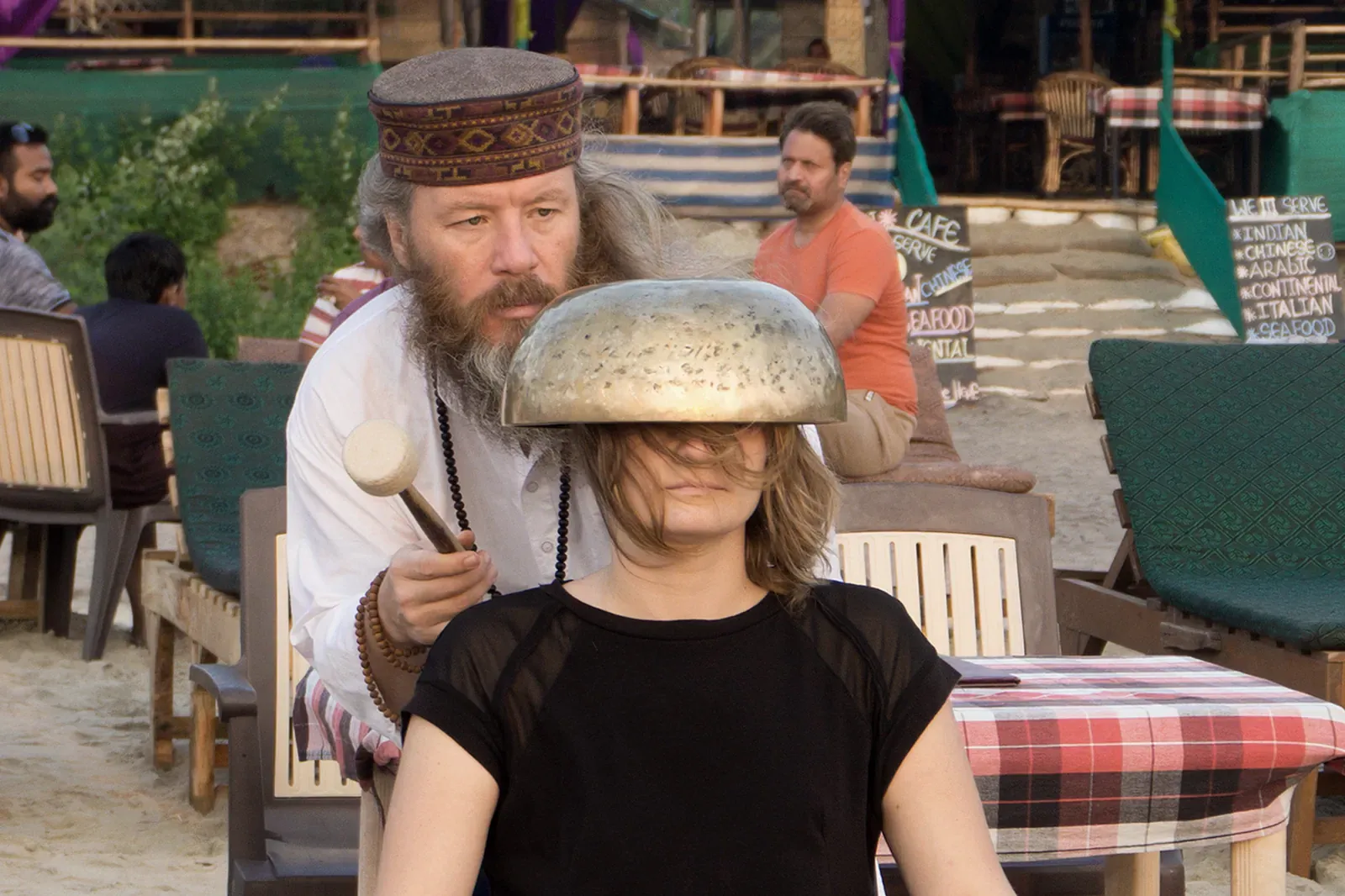
Healing music has no single founding moment. Its parts came from music therapy, nature-sound records, Tibetan bells and California keyboard players. Music therapy became a profession in the United States in 1950, when the National Association for Music Therapy formed in New York. In 1969 Irv Teibel issued Environments 1, a processed seashore recording on Syntonic Research, and sold it as a way to relax. In 1972 Henry Wolff and Nancy Hennings released Tibetan Bells on Island Records, which introduced singing bowls and bowed bells to Western listeners.
In Berkeley, Stephen Hill began a late-night programme of slow, spacious music on the radio station KPFA in 1973. Hearts of Space gave the style a broadcast home and a name, space music and went national on public radio in 1983. The first records made for healing followed in the middle of the decade: Kay Gardner’s Moon Circles in 1975 and Steven Halpern’s Spectrum Suite in 1976. Halpern’s album gave each of seven pieces one keynote and a colour and was sold through health-food stores and yoga circles.
The first healing records, 1975-1981
Iasos, working in Sausalito, released Angelic Music in 1978 on his Inter-Dimensional Music label. In 1979 Dean and Dudley Evenson founded Soundings of the Planet in Tucson, selling flute and nature-sound recordings under the motto Peace Through Music. In 1980 Brian Eno produced the zither player Laraaji’s Day of Radiance, whose shimmering, joyful playing fed both ambient music and the sound-healing scene.
Radio, labels and teaching, 1982-1993
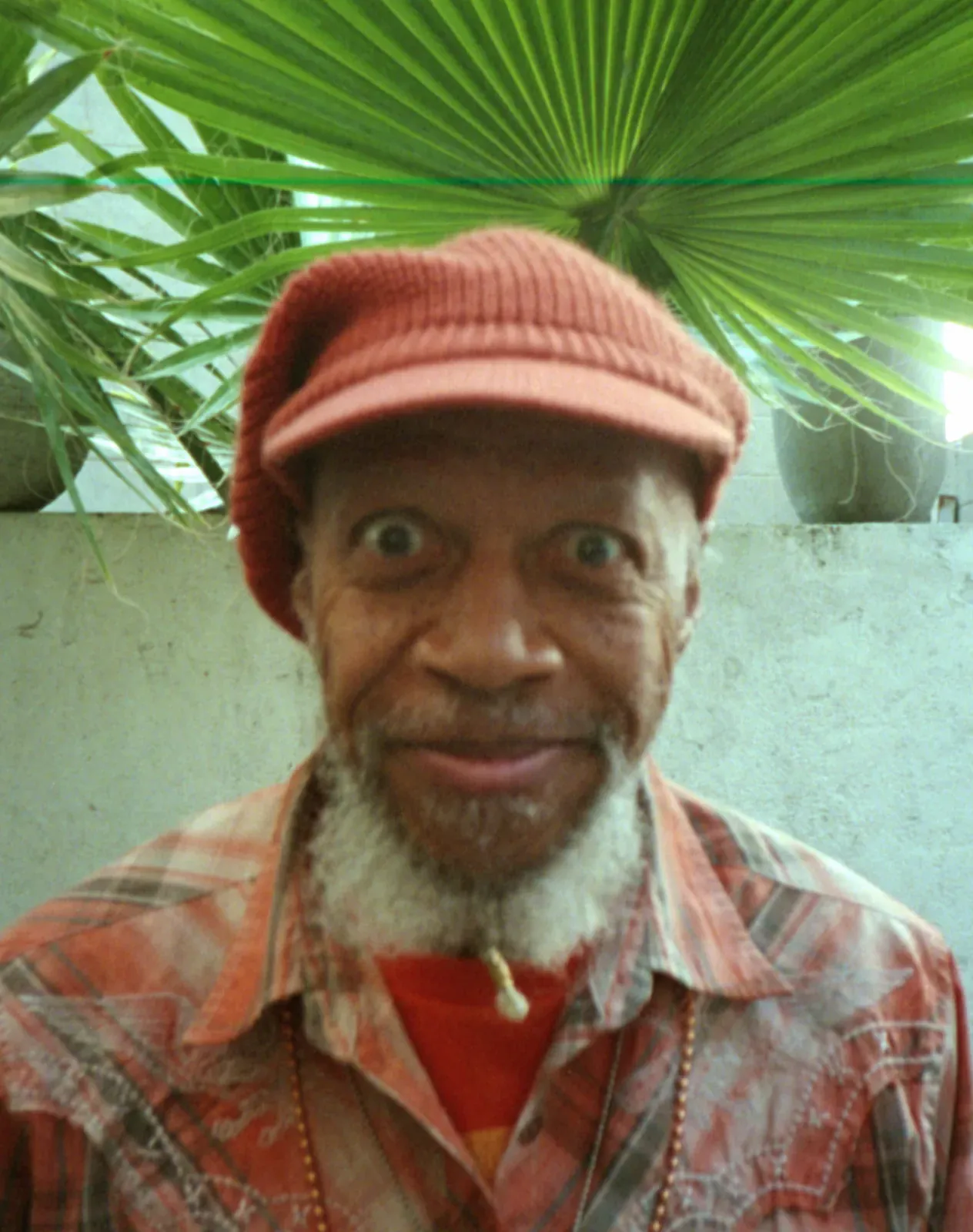
Jonathan Goldman started the Sound Healers Association in Massachusetts in 1982, and his 1992 book Healing Sounds became a standard text on vowel toning and overtoning. The Hearts of Space label followed in 1984. The Grammy Awards added a New Age category in 1987, and Kay Gardner’s 1990 book Sounding the Inner Landscape presented music as medicine.
Frequencies and function, 1994-2009
In 1994 Liquid Mind released Ambience Minimus, slow music marketed openly as a tool for calm and sleep. This era also produced the frequency claims. Leonard Horowitz’s 1999 book Healing Codes for the Biological Apocalypse popularised the solfeggio frequencies, and in particular the claim that 528 Hz repairs DNA. No research supports that claim. In 1998 the two US music therapy bodies merged into the American Music Therapy Association, which drew a clearer line between clinical music therapy and consumer healing music.
Sound baths and streaming, 2010 to the present
Marconi Union released Weightless in 2011, and a commissioned study billed it the most relaxing song ever. The claim rested on a sponsored test, but it carried relaxation music into mass media. Releases retuned from A=440 to 432 Hz also became common, sold on benefits that studies have not established.
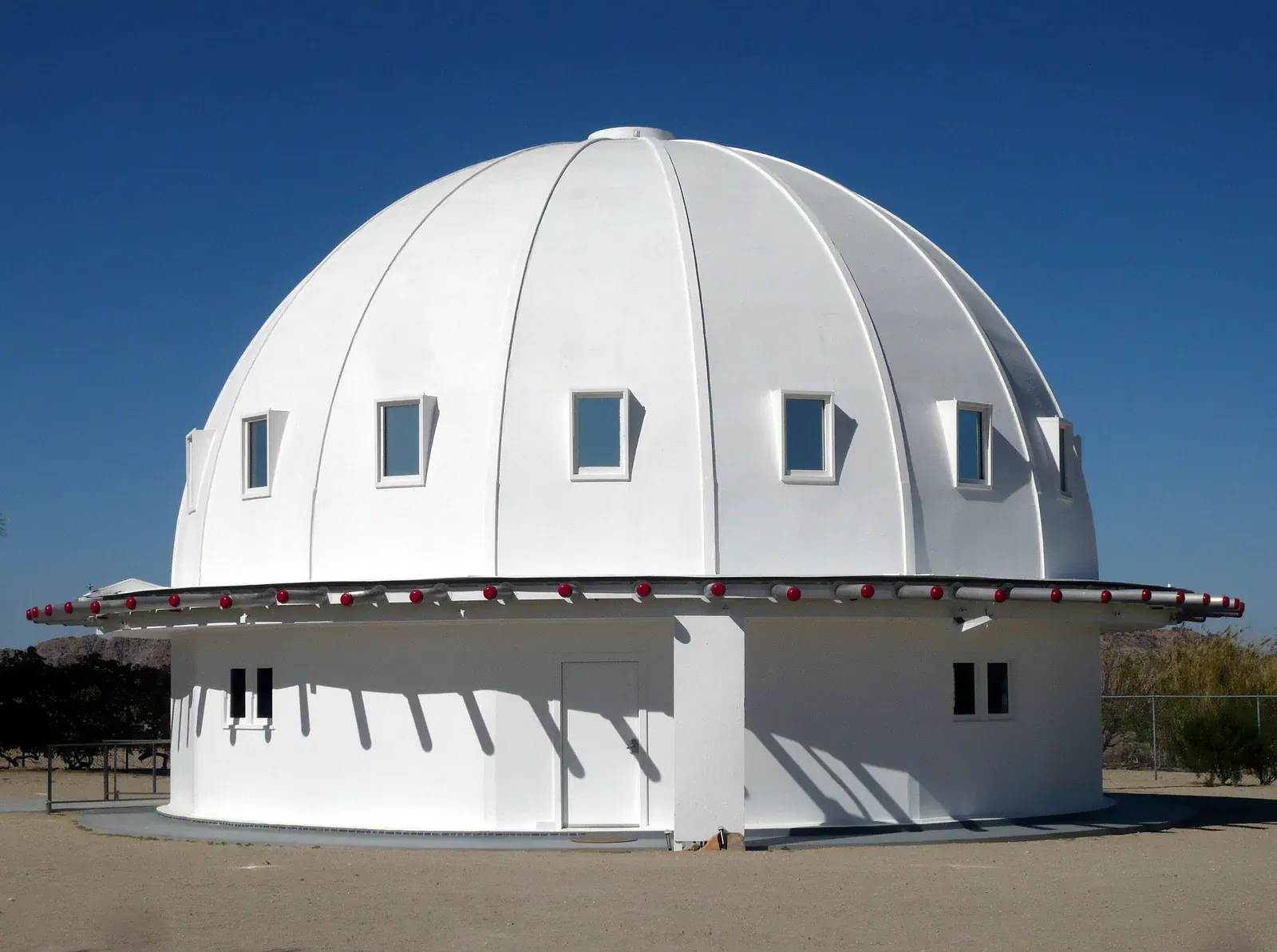
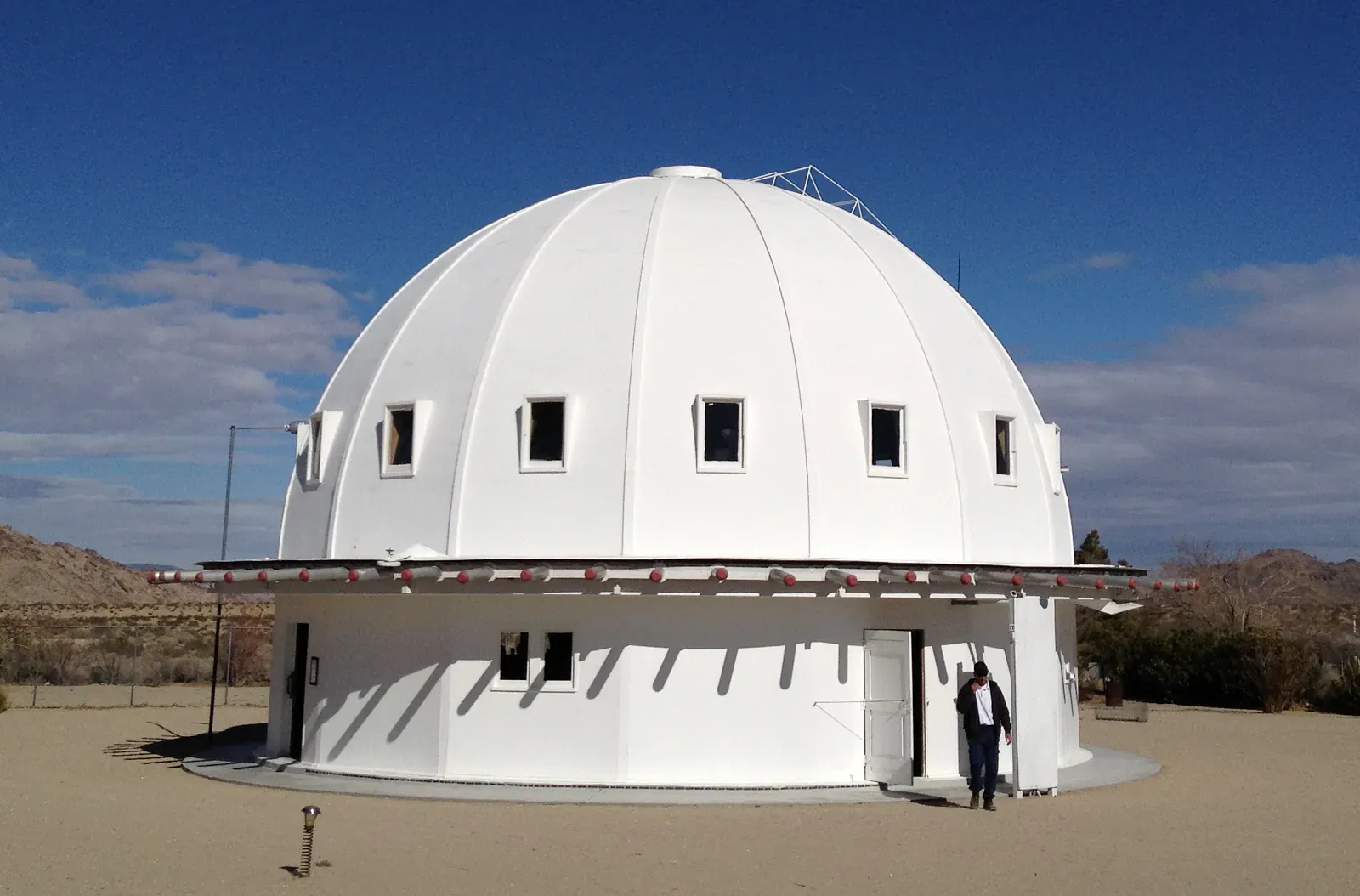
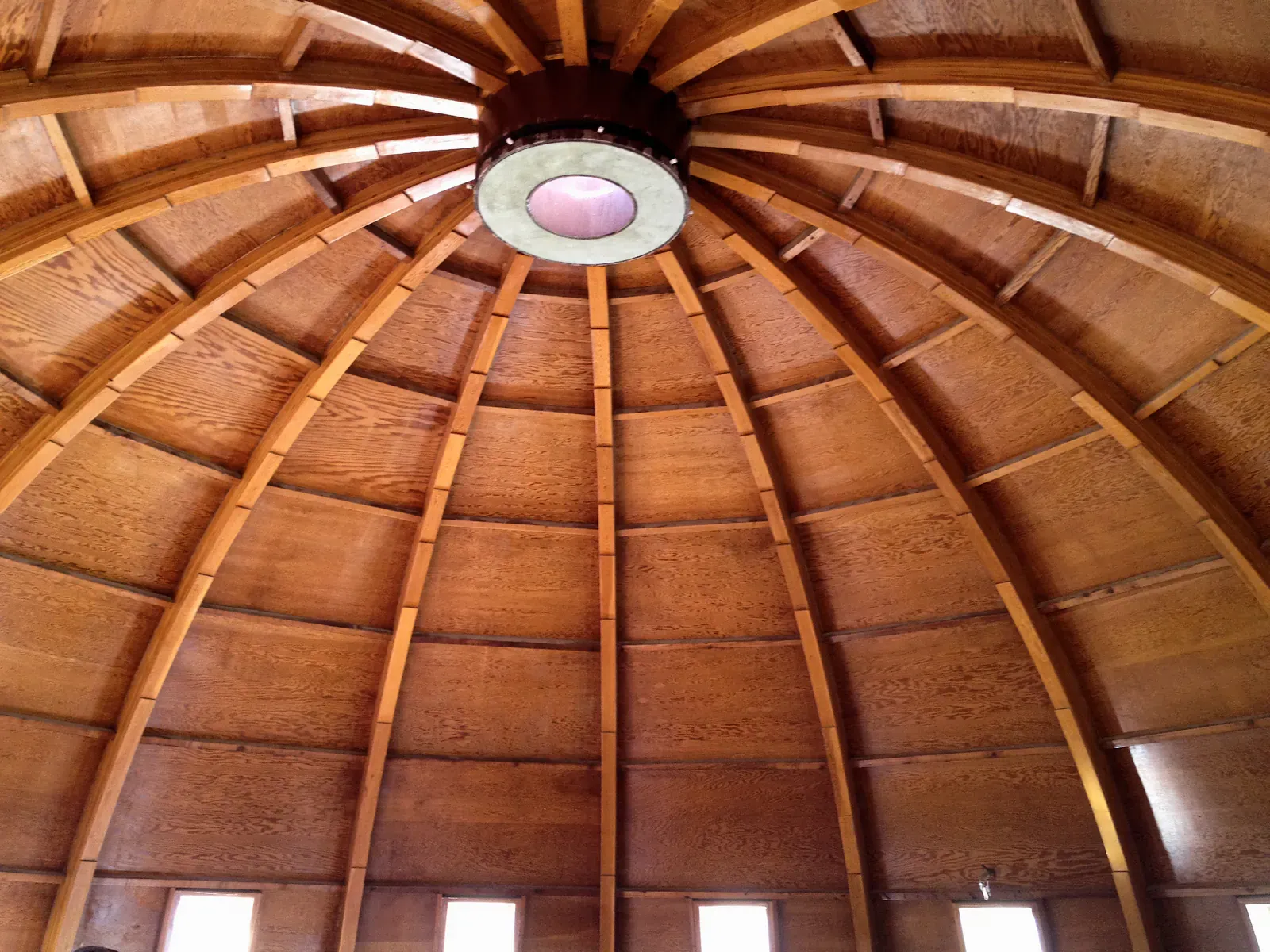
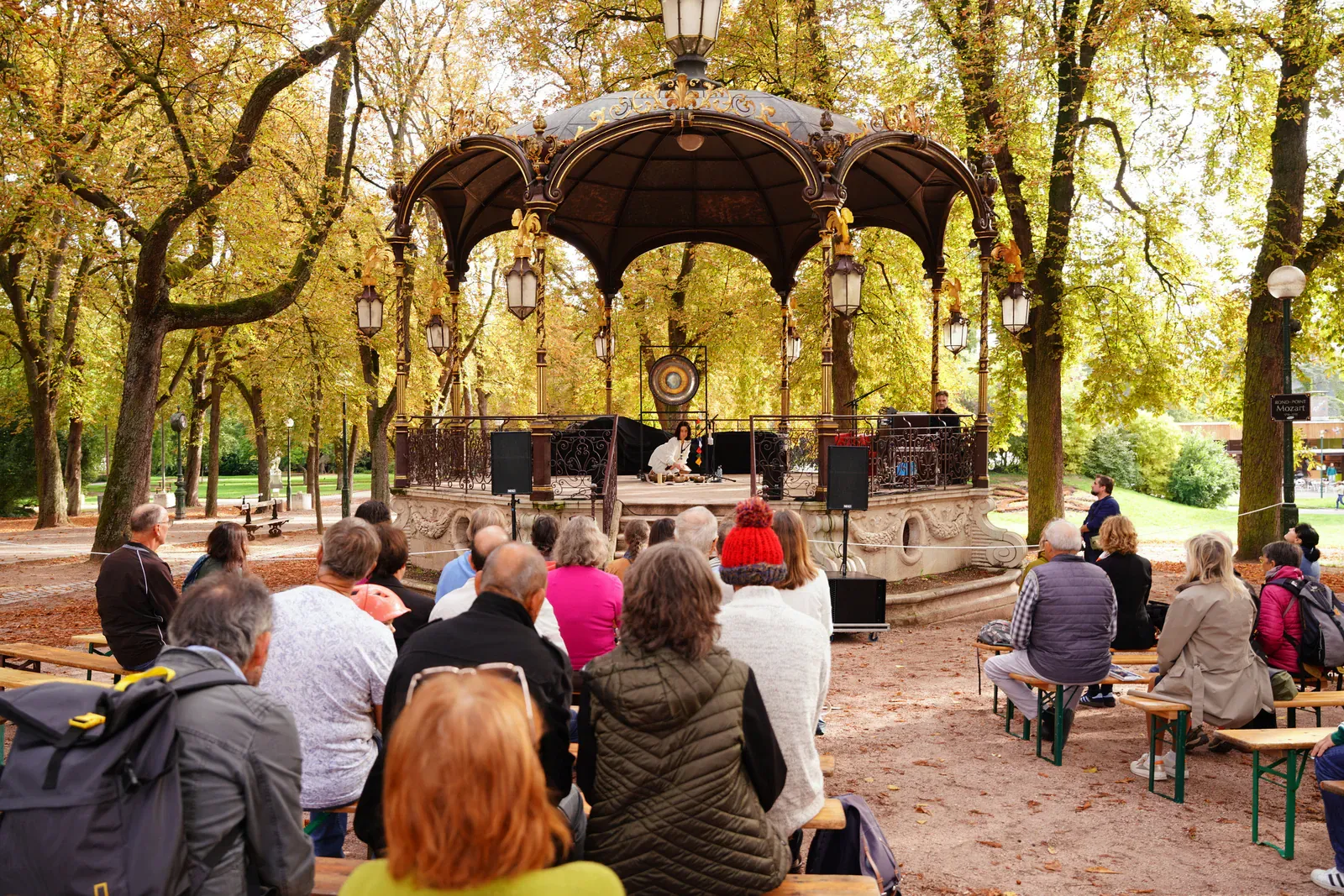
Sound baths, group sessions in which listeners lie down while bowls, gongs and chimes are played, grew in parallel and moved into studios and landmarks. The Integratron, a desert dome near Landers built by the contactee George Van Tassel, now hosts baths with 22 quartz crystal bowls. In 2021 Jon Hopkins released Music for Psychedelic Therapy, an ambient work composed for supervised psychedelic sessions.
Characteristics
The genre is defined by what it leaves out: there is no percussion or rhythmic drive. Where a pulse exists it is slow, often 60 to 80 beats per minute, near a resting heart rate. Pieces begin with a held tone or drone, swell as layers enter, hold a long still middle and ring out. Nature sounds are often mixed underneath, and any vocals are wordless chanted vowels or overtones.
Instruments and production
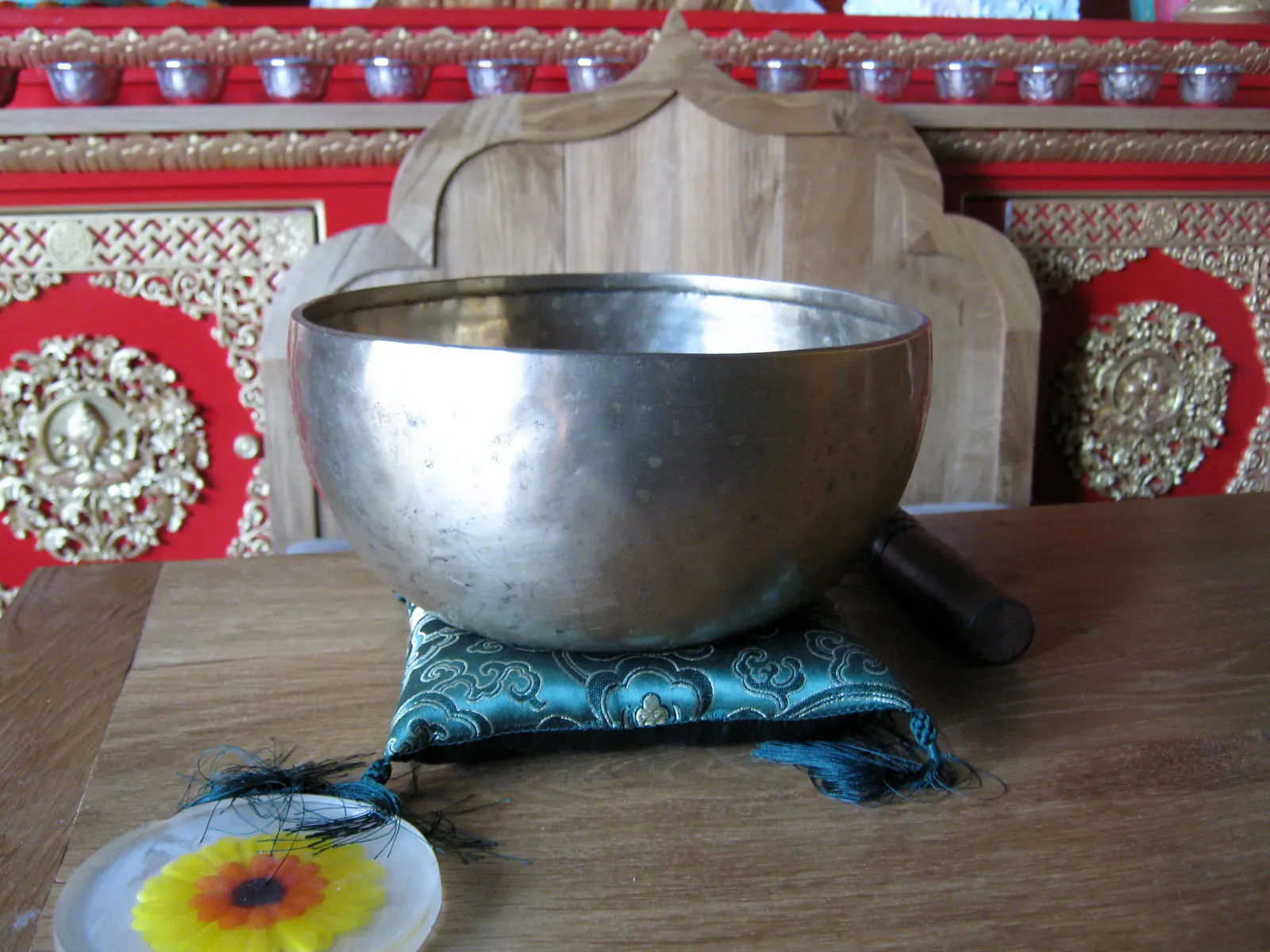
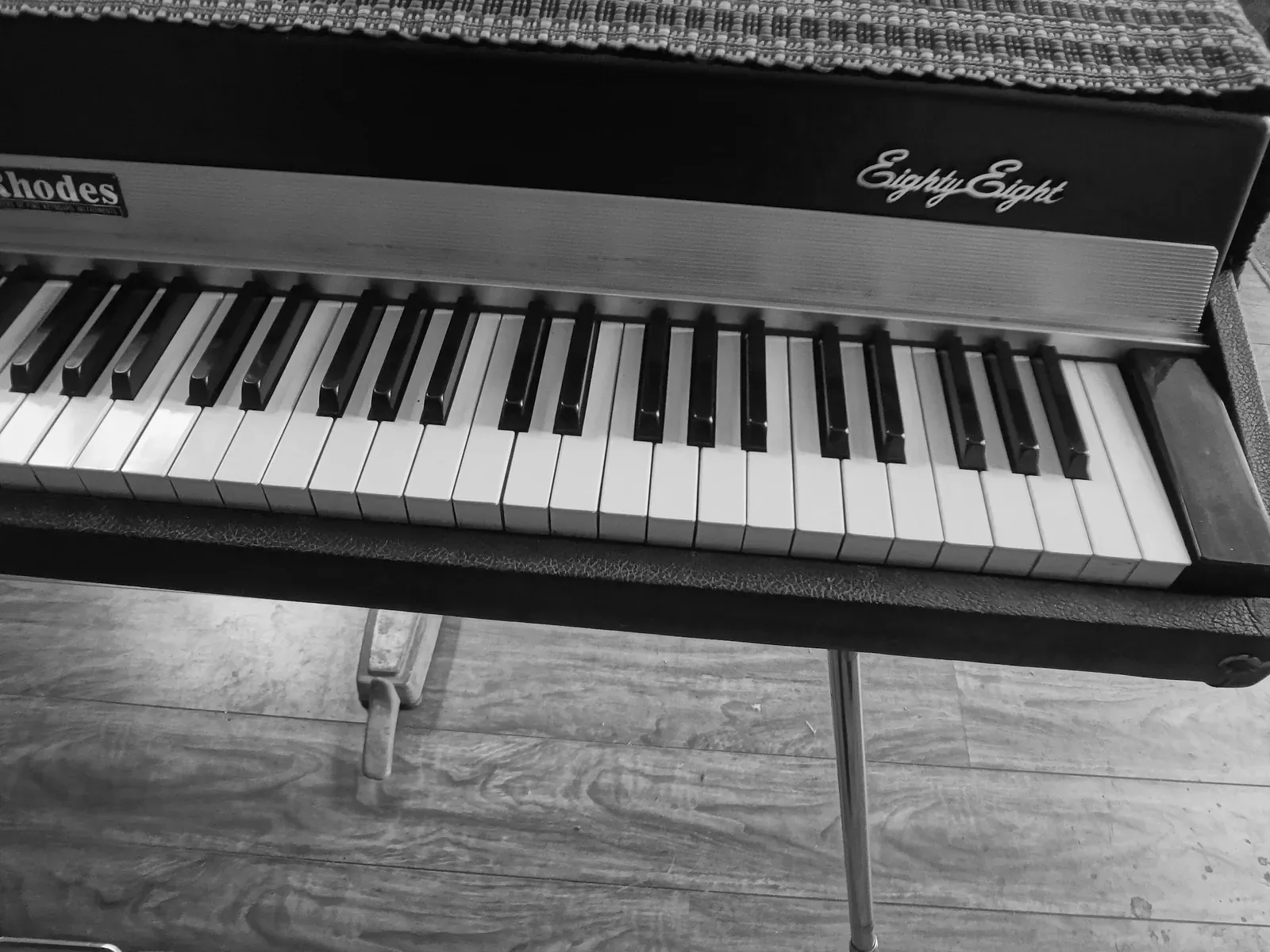
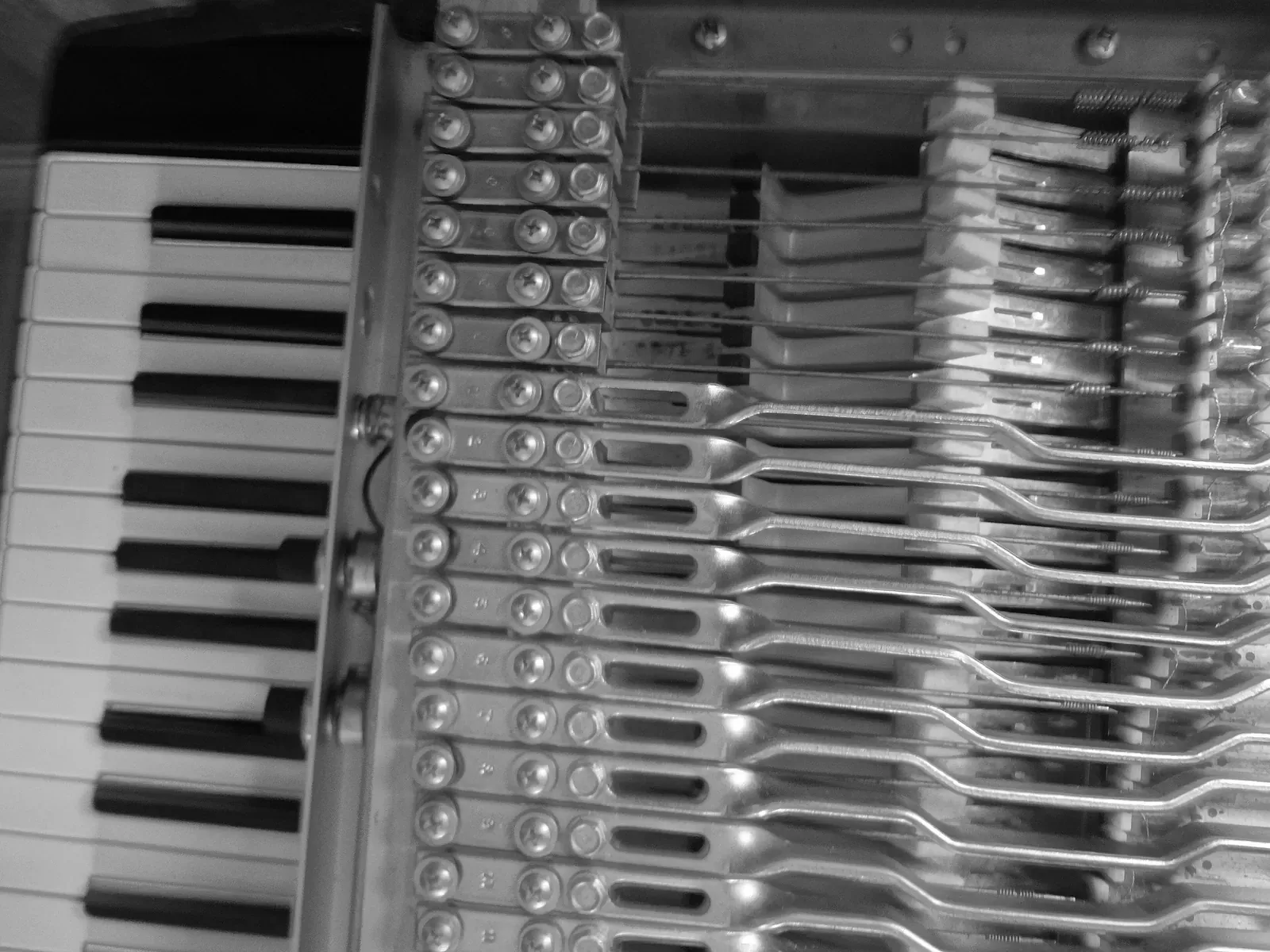
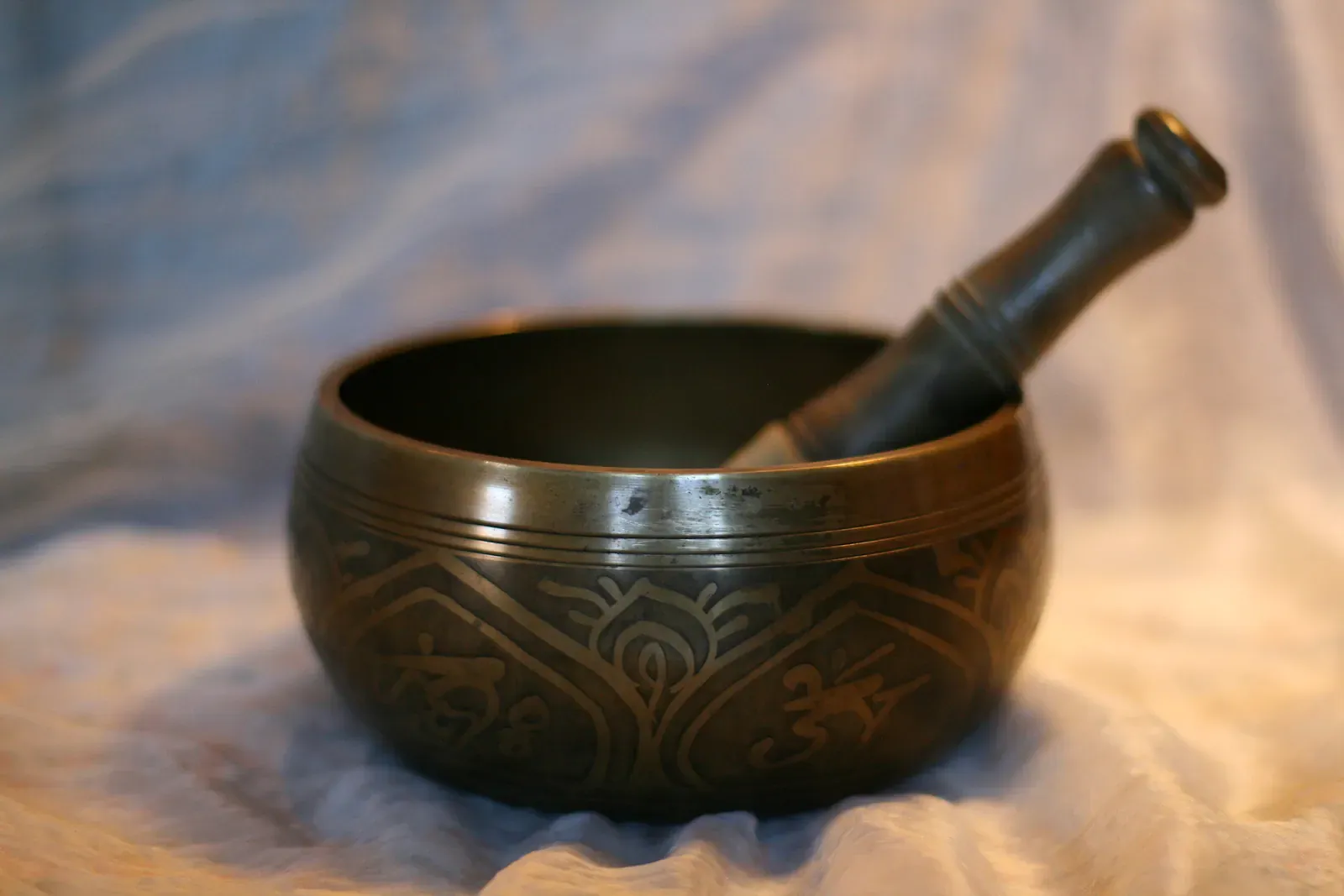
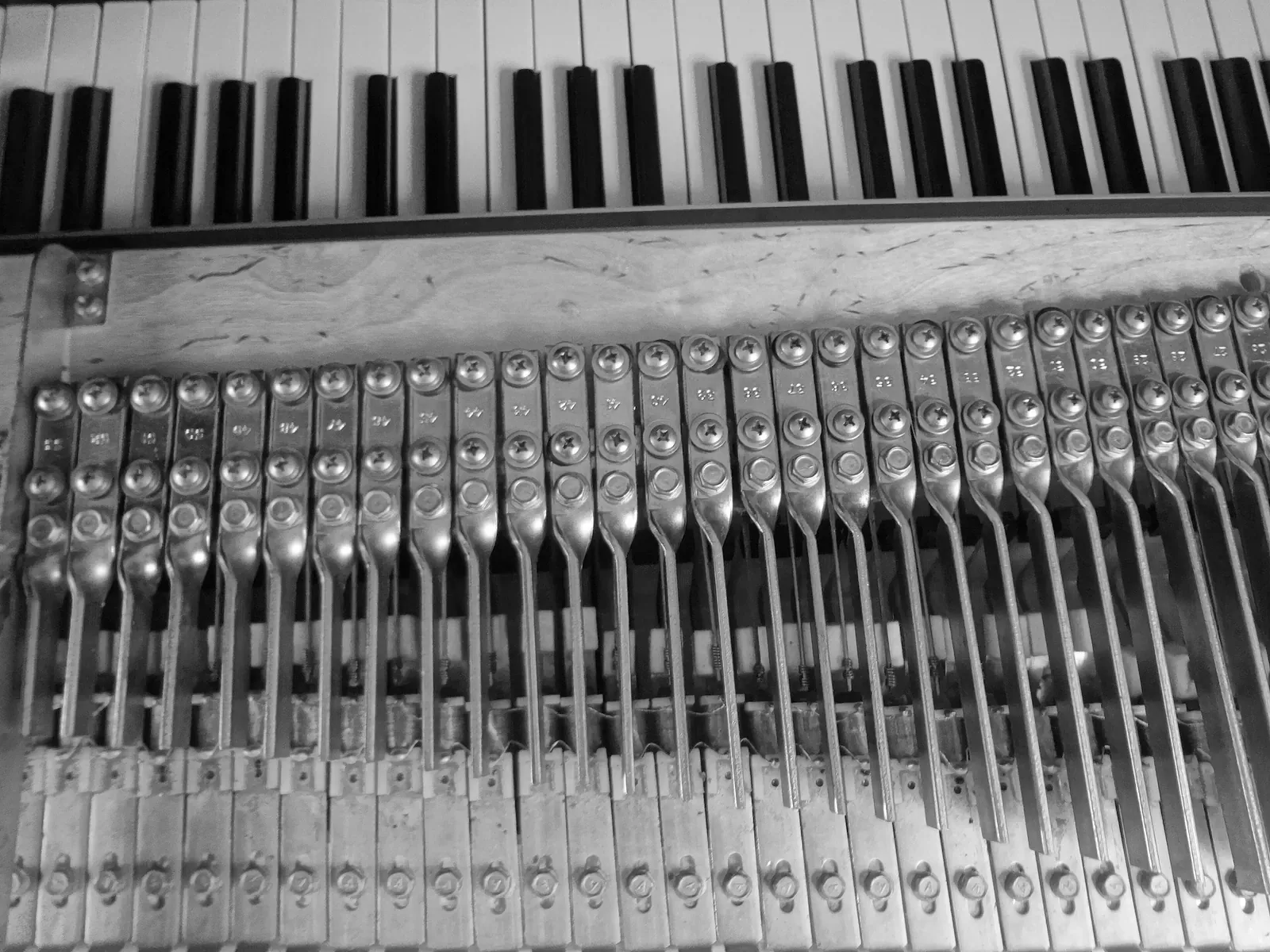
Bowls and bells supply the most recognisable sound. Tibetan singing bowls are struck or rubbed on the rim to give long overtones, and quartz crystal bowls do the same in sound baths. Keyboards supply the other voice: Halpern favoured the Fender Rhodes electric piano for its soft, bell-like tone, and Iasos used synthesizer pads and drones. Bamboo flutes carry slow melodies on Halpern and Evenson records, and the zither gives Laraaji’s work its shimmer.
Binaural-beat layers add two close tones, one in each ear, so that a beat is perceived; Heinrich Wilhelm Dove described the effect in 1839, and Robert Monroe received a patent for an audio method built on it in 1975.
Evidence and claims
A review of 26 trials on music and anxiety in people with heart disease found a moderate, inconsistent reduction in anxiety from listening. A 2017 observational study of 62 people reported lower tension and mood scores after singing bowl sessions, but it had no control group. Reviews of binaural beats and brainwave entrainment are inconclusive. The 528 Hz DNA claim and the claimed benefits of 432 Hz tuning have no scientific support.
Culture
Sound baths are the central ritual. Chakra-keyed albums such as Spectrum Suite assign a keynote and colour to each energy centre, a framework that medical science does not recognise. The Monroe Institute in Virginia uses binaural recordings in residential programmes.
Legacy
Healing music set an early template for functional listening. Neighbouring categories are meditation music and nature sounds. Labels such as Hearts of Space, Soundings of the Planet, Inter-Dimensional Music and Syntonic Research carried much of the early catalogue.
Misconceptions
One myth holds that healing music is an ancient tradition. The recorded genre dates from the 1970s; bowls and chanting have older religious uses, but selling albums as therapy is a modern, mainly American development. Nor is it music therapy, which is clinical use of music by a trained therapist.
Frequently asked questions
What is healing music?
Healing music is slow, beatless, drone-based new-age music made with therapeutic intent, such as stress reduction or accompaniment to bodywork. Its benefits are claimed rather than established.
Does 432 Hz or 528 Hz music heal?
Studies have not established that retuning music to 432 Hz or playing 528 Hz tones heals, though calm music in general can help some listeners relax.
Sound
Sound sheet
Anatomy of a track
| # | Part |
|---|---|
| 1 | Opening tone or drone, no beat |
| 2 | Slow swell as layers enter |
| 3 | Long sustained middle, little change |
| 4 | Gentle fade or ring-out |
Signature sounds
- Sustained tones and drones
- No percussion or rhythmic drive
- Slow tempo, often 60 to 80 beats when a pulse exists
- Nature sounds layered under the music
- Bowls, chimes or soft keyboards
- Track lengths of 10 minutes or more
Techniques
- Sustained drone
- Bowl striking and rubbing
- Nature-sound layering
- Binaural beat layer
- Vowel toning and overtoning
- Slow, beatless tempo
Keys and modes
Single keynote per piece. Spectrum Suite gives each of seven pieces one keynote, C to B, matched to a colour.
Tuning
Mostly 12-tone equal temperament at A=440; some releases retuned to A=432 Hz on unproven claimed benefits.
Vocals
Mostly instrumental; where voices appear they are wordless, chanted vowels or overtones.
Scenes
Where it happened
Where and when the sound lived: one bar per city on a shared timeline.
North America
Active scenes
Peak 5, 2002-2025
Hearts of Space on KPFA, Iasos in Sausalito and Halpern in California made the region the early centre of the style.
Home of Soundings of the Planet, the Evenson flute and nature-sound label.
Jonathan Goldman and Sounds True made Colorado a hub for sound healing teaching and audio publishing.
The Monroe Institute in Virginia produces Hemi-Sync recordings and teaches residential programmes.
The Integratron in the Mojave desert became a destination for crystal-bowl sound baths.
Venues and places
Berkeley, 1973 to today. The listener-supported station where Stephen Hill began Hearts of Space as a late-night show.
Sausalito, 1975 to today. The studio and label base of Iasos in Marin County.
Tucson, 1979 to today. The Evenson label and recording base for flute and nature-sound albums.
Faber, 1985 to today. Residential centre in Virginia that produces and uses Hemi-Sync audio; its work grew from research begun in the 1970s.
Landers, 2002 to today. A 1950s desert dome now hosting sound baths with 22 quartz crystal bowls.
Culture
Culture markers
- Sound bath
Group sessions where listeners lie down while bowls, gongs and chimes are played, offered at studios and landmarks such as the Integratron.
Ritual - Chakra-keyed albums
Records such as Spectrum Suite assign one keynote and colour to each energy centre, a framework not recognised by medical science.
Ritual - 432 Hz
Shorthand for albums retuned from A=440 on claimed benefits that studies have not established.
Slang - Brainwave entrainment
Marketing term for binaural-beat tracks; reviews of the evidence are inconclusive.
Slang
Media
Key media
- 1969Environments
by Irv Teibel. Series of eleven nature-sound albums issued until 1979, now seen as forerunners of relaxation apps.
Compilation - 1973Hearts of Space
by Stephen Hill. The long-running programme of slow, spacious music that gave the style a broadcast home.
Radio - 1990Sounding the Inner Landscape: Music as Medicine
by Kay Gardner. Gardner guide to using music for healing, used in some health teaching.
Book - 1992Healing Sounds: The Power of Harmonics
by Jonathan Goldman. Handbook of vowel toning, overtoning and chakra sound exercises for practitioners.
Book - 1999Healing Codes for the Biological Apocalypse
by Leonard Horowitz. Source of the solfeggio and 528 Hz healing claims that critics say lack scientific support.
Book
Glossary
Terms on this page
A perceived pulse when slightly different tones are played to each ear.
The claim that rhythmic sound makes brain activity follow it; reviews of binaural beats are inconclusive.
Listening to prerecorded music used by medical staff, without a therapist.
Clinical use of music by a trained therapist within a therapeutic relationship.
A bowl that rings or hums when struck or rubbed on the rim.
A set of tones claimed to carry healing powers; the claim has no scientific support.
A group session where bowls, gongs or chimes are played while listeners lie down.
Slow, spacious music, the term Hearts of Space uses for the style.
New Age family