Ethnic fusion
Ethnic fusion blends traditional instruments and voices from many cultures with synthesizers and samplers, a new-age strand from the late 1970s.
United States, United Kingdom, France, 1983
New Age family
Born
1983
United States, United Kingdom, France
Subgenres
6
Documented branches
Links
10
Genres it drew on or shaped
Tempo
55-120 BPMLineage
Family tree
Timeline
Era by era
From the first sparks to today. Select a dot to read the story behind it.
- Nature and Fourth World
1978 to 1982
- Festival and studio
1983 to 1989
- Crossover boom
1990 to 1996
- Chill-out afterlife
1997 to 2026
Eras
Moments
- 1 Nature and Fourth World, 1978 to 1982
- 2 Festival and studio, 1983 to 1989
- 3 Crossover boom, 1990 to 1996
- 4 Chill-out afterlife, 1997 to 2026
1978
Nature and Fourth World
Paul Winter's Consort and Jon Hassell showed that world rhythms, field recordings and electronic processing could share a record.
- 1978Paul Winter Consort releases Common GroundA&M album blending jazz, world rhythms and recorded whales, wolves and eagles.
- 1980Fourth World, Vol. 1: Possible MusicsJon Hassell and Brian Eno define "Fourth World" on Editions EG.
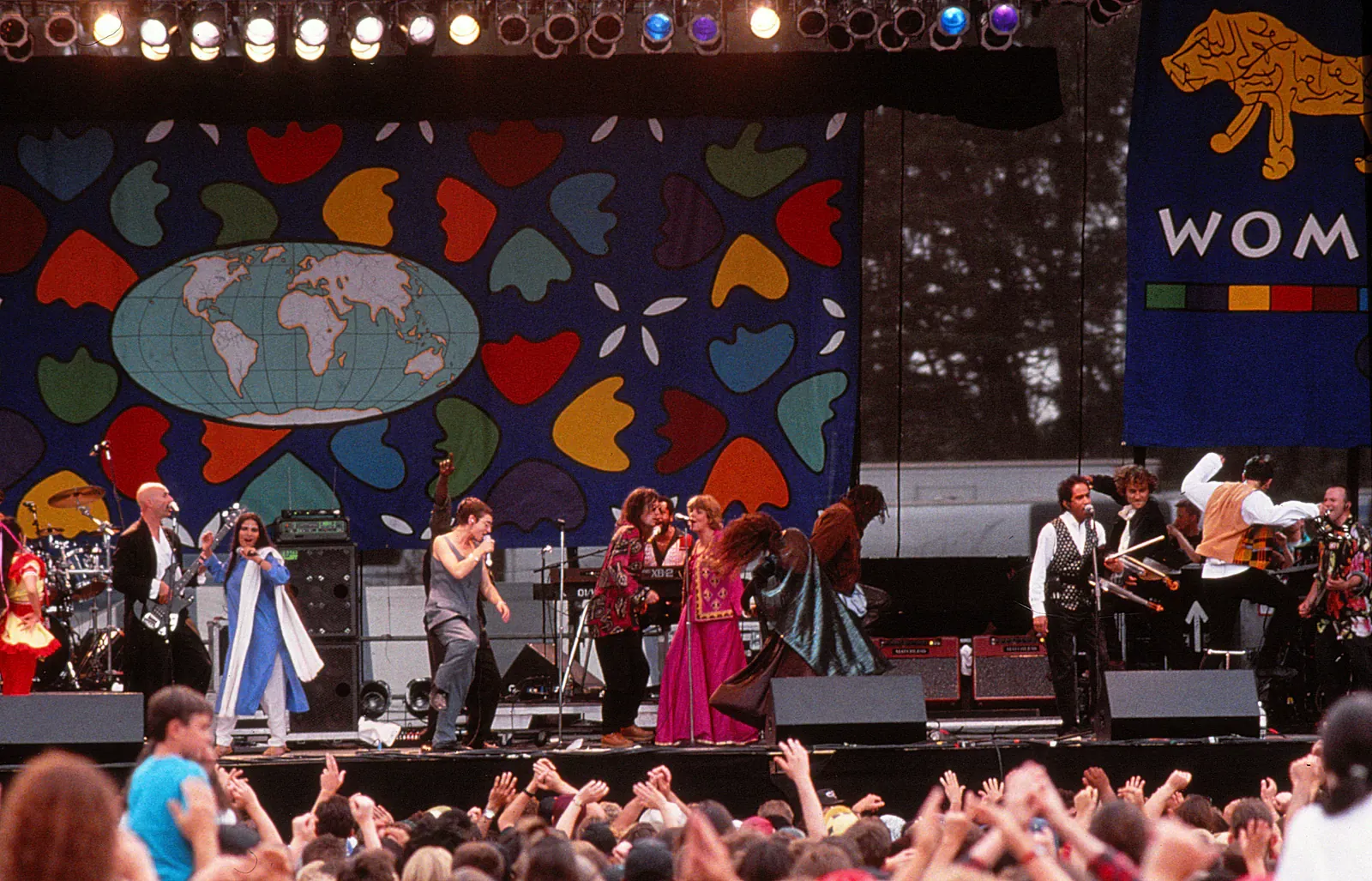
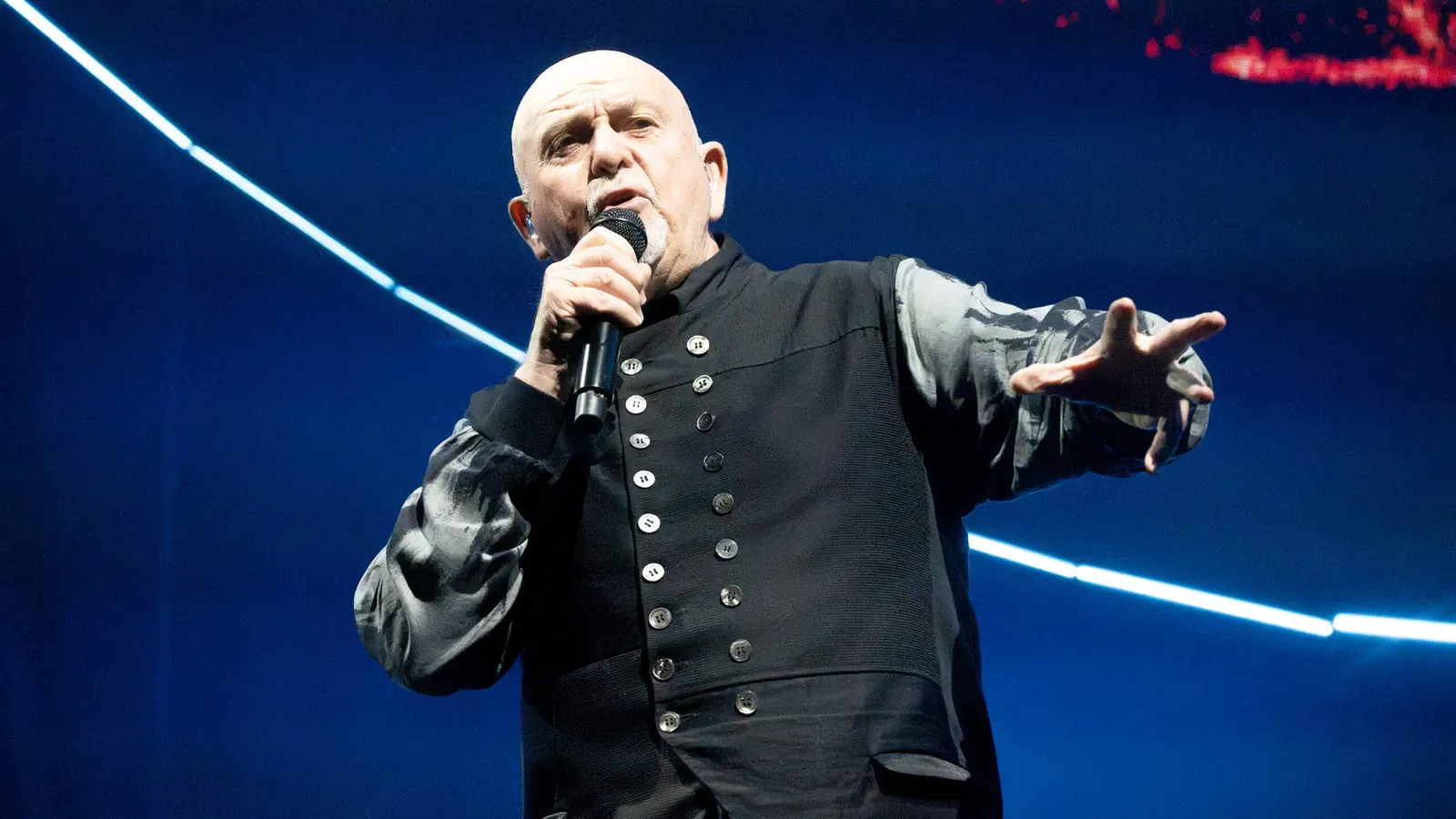
- 1980WOMAD foundedPeter Gabriel and colleagues start the World of Music, Arts and Dance organization.
- 1982First WOMAD festival at Shepton MalletThe Somerset festival puts world musicians in front of rock audiences.
- 1982Missa GaiaPaul Winter's earth mass joins choir, saxophone and animal voices.
1983
Festival and studio
WOMAD, 4AD and the new Real World studio built a Western audience and an infrastructure for cross-cultural records.
- 1983Hearts of Space reaches national public radioThe space-music show gives the style a weekly national airing in the US.
- 1987Industry meeting names "world music"A June 1987 gathering settles the marketing term that shelves this music.
- 1988The Serpent's EggDead Can Dance album with The Host of Seraphim, released by 4AD.
- 1989Real World Records launchesPeter Gabriel's label starts with Passion and Passion - Sources among its first five albums.
- 1989PassionGabriel's score for The Last Temptation of Christ is released on Real World.
1990
Crossover boom
Mustt Mustt, Sadeness, Sweet Lullaby and Yeha-Noha put sampled chants and traditional voices into pop charts and brought the first world-music Grammy.
- 1990Passion wins Grammy for Best New Age AlbumRecognition for a record built on duduk, ney, tabla and samplers.
- 1990PassagesRavi Shankar and Philip Glass release their joint album on Private Music.
- 1990Mustt MusttNusrat Fateh Ali Khan with Michael Brook on Real World, a qawwali-fusion landmark.
- 1990Sadeness (Part I)Enigma's chant single tops charts in many European countries.
- 1991Planet DrumMickey Hart's all-percussion album arrives on Rykodisc.
- 1992First Grammy for Best World Music AlbumPlanet Drum wins the inaugural award.
- 1992Real World buys WOMAD out of troubleGabriel's Real World group buys the festival's name and assets after financial collapse.
- 1992Sweet Lullaby and the Baegu lullabyDeep Forest samples a Solomon Islands lullaby from an ethnomusicologist's field recording, raising credit and royalty questions.
- 1993Into the LabyrinthThe album that made Dead Can Dance 4AD's highest-selling act.
- 1994Chants and Dances of the Native AmericansSacred Spirit's debut sells in millions on Virgin, led by Yeha-Noha.
- 1996Night SongNusrat Fateh Ali Khan and Michael Brook reunite on Real World.
1997
Chill-out afterlife
The sound moved into trance, chill-out and film scoring while pioneers such as Deep Forest, Delerium and Dead Can Dance kept recording.
- 1997KarmaDelerium's Nettwerk album containing Silence.
- 2000Silence remixes reach clubsTiesto and Airscape remixes give the Delerium track a second life in trance.
- 2021Jon Hassell diesThe Fourth World pioneer dies aged 84.
Listening path
Anthems
The records that built the sound, grouped by the part they played. Thumbnails come from YouTube; the player loads only when you press play.
- 01
Paul Winter, 1978 · A&M Records
Title track of the Consort album that set jazz and world rhythms beside whale, wolf and eagle recordings, an early model for new-age world blends.
Origin - 02
Jon Hassell, 1980 · E.G. Records
From Fourth World, Vol. 1, where processed trumpet and synths gave "world fusion" its first coherent sound and a name.
Origin - 03
Enigma, 1990 · Virgin Records
Gregorian chant over a dance beat reached the top of many European charts and made chant-and-groove a mainstream sound.
Start hereBreakthrough - 04
Deep Forest, 1992
A Solomon Islands lullaby sample over a soft electronic bed made sampled-voice world fusion a worldwide hit.
Start hereBreakthrough - 05
Sacred Spirit, 1994 · Virgin Records
Sampled Navajo chant with synth backing sold the Native American flavour of the style to a mass audience.
Breakthrough - 06
Dead Can Dance, 1988 · 4AD
Lisa Gerrard's wordless voice over slow drones, the cinematic template for ethnic-tinged ambient pop.
Anthem - 07
Peter Gabriel, 1989 · Real World Records
Opening theme of Passion, the Grammy-winning score that mixed duduk, drums and synths from many cultures.
Anthem - 08
Ravi Shankar, 1990 · Private Music
Opening of Passages, where Philip Glass and Ravi Shankar built a joint score for Indian and Western players.
Anthem - 09
Nusrat Fateh Ali Khan, 1990 · Real World Records
Qawwali meets Michael Brook's guitar and studio treatment; the Massive Attack remix took it to UK clubs.
Anthem - 10
Mickey Hart, 1991 · Rykodisc
Drum summit from Planet Drum, the album that won the first Grammy for world music.
Anthem - 11
Enigma, 1993 · Virgin Records
Taiwanese Amis chant sample and a pop chorus carried the style onto radio and the Olympic Games.
Crossover - 12
Delerium, 1999 · Nettwerk
Sarah McLachlan's vocal over ethnic-tinged electronics later became a trance staple.
Start hereCrossover
Facts
| Family | New Age |
| Origin | United States, United Kingdom, France |
| Emerged | 1980s |
| Status | Active |
| Tempo | 55 to 120 BPM |
| Meter | Free or 4/4 |
| Subgenres | 6 |
Ethnic fusion is a strand of new-age music that pairs traditional instruments and vocal styles from around the world with synthesizers, samplers and ambient textures.
It took shape in the United States, Britain and France between the late 1970s and the 1980s, and reached the pop charts in the early 1990s. Its defining traits are cross-cultural collaboration, synthesizer beds under acoustic voices and a calm, atmospheric production, usually sold under the “world music” label.
Origins
The idea of mixing world traditions with electronics came from two directions in the late 1970s. In New York, saxophonist Paul Winter and his Consort released Common Ground on A&M in 1978, a jazz and world-rhythm record that wove in recordings of whales, wolves and eagles. Winter became artist in residence at the Cathedral of St. John the Divine in 1980, and his earth mass Missa Gaia, which joins choir, saxophone and animal voices, followed in 1982.
The second direction was more abstract. Trumpeter Jon Hassell processed his horn through electronics and called the result “Fourth World”, a blend of ancient and future sounds with no single home. Fourth World, Vol. 1: Possible Musics, made with Brian Eno and released on Editions EG in 1980, gave the idea a name and a sound. EG Records carried it forward.
Festival and studio, 1983-1989
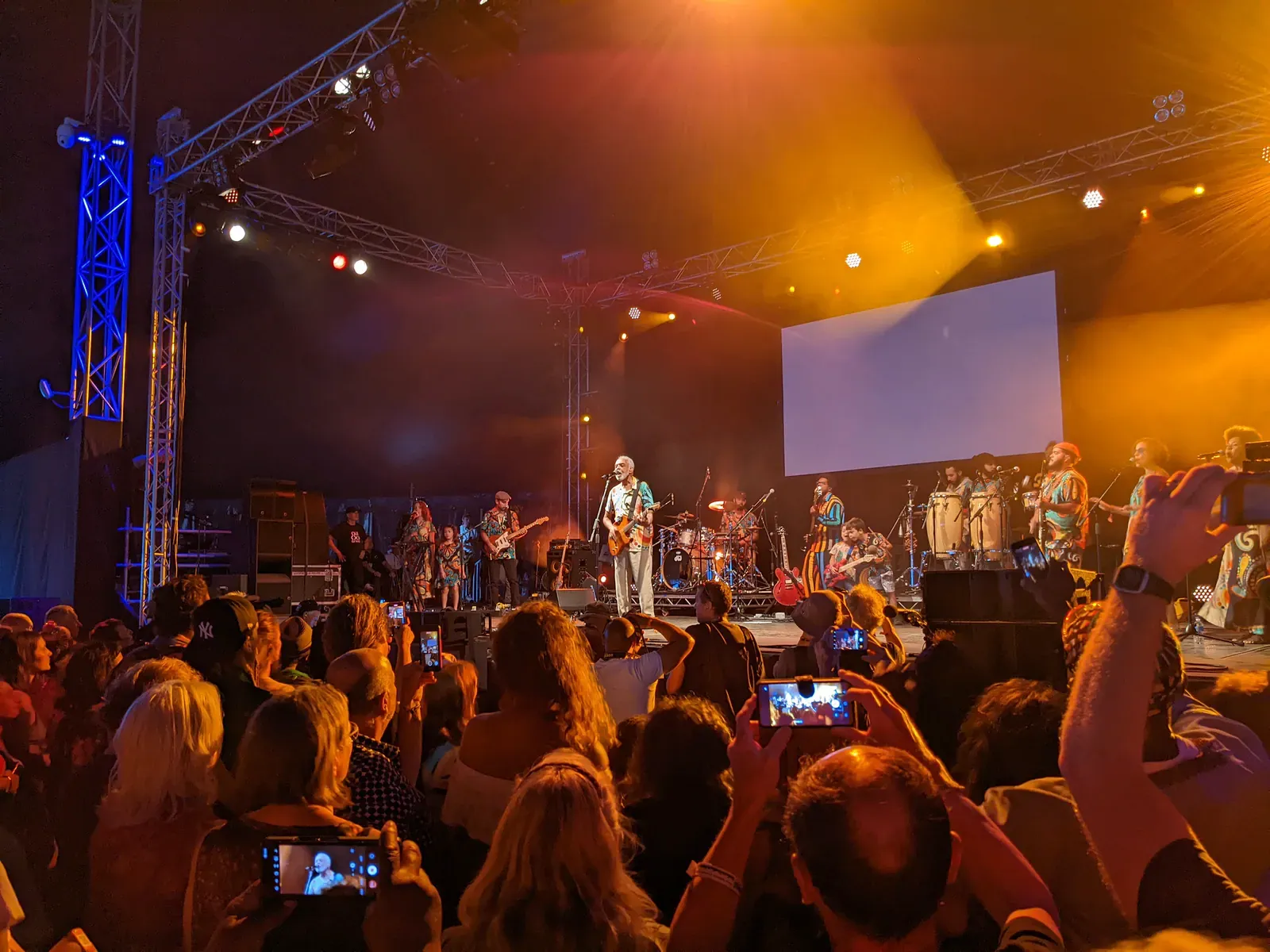
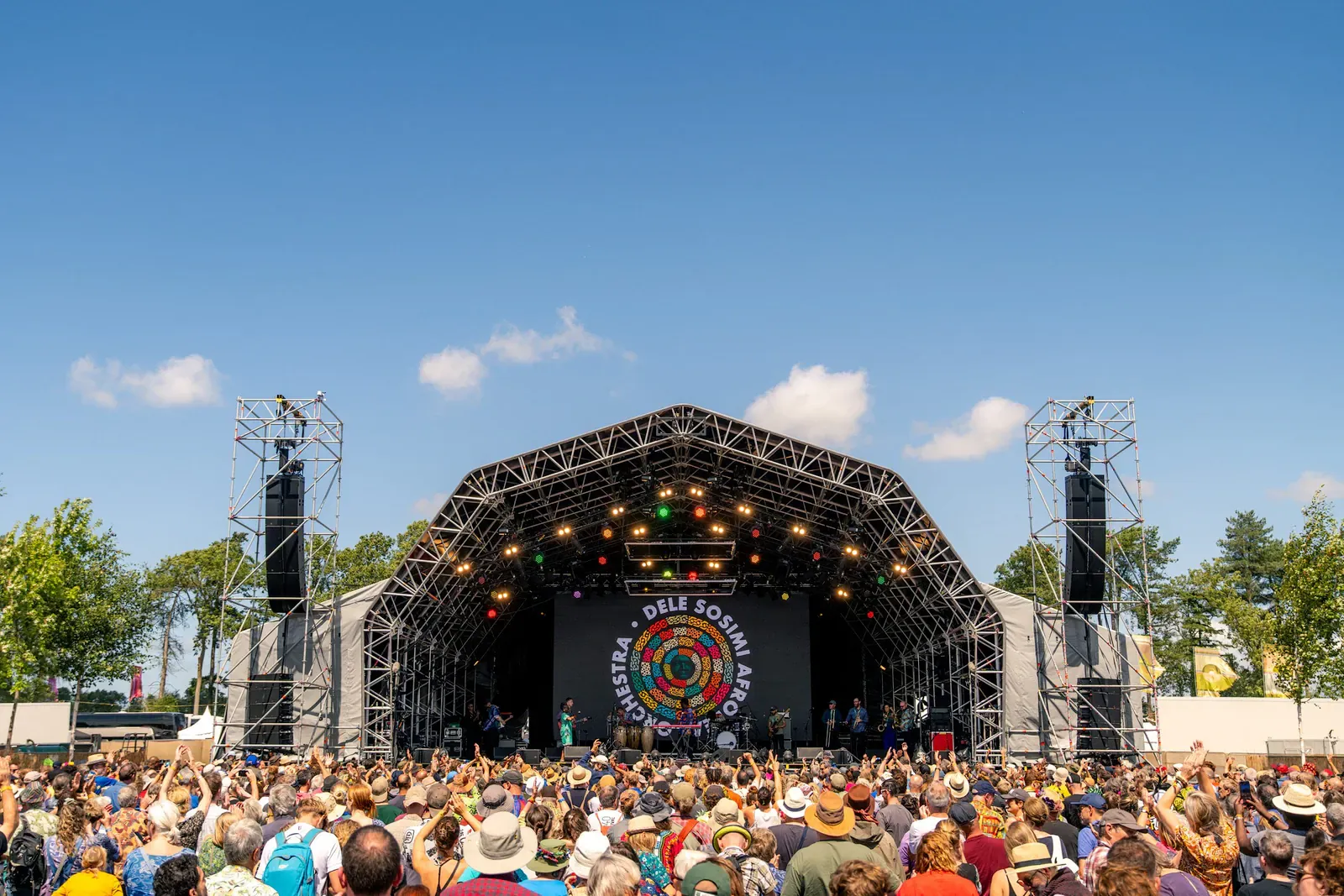
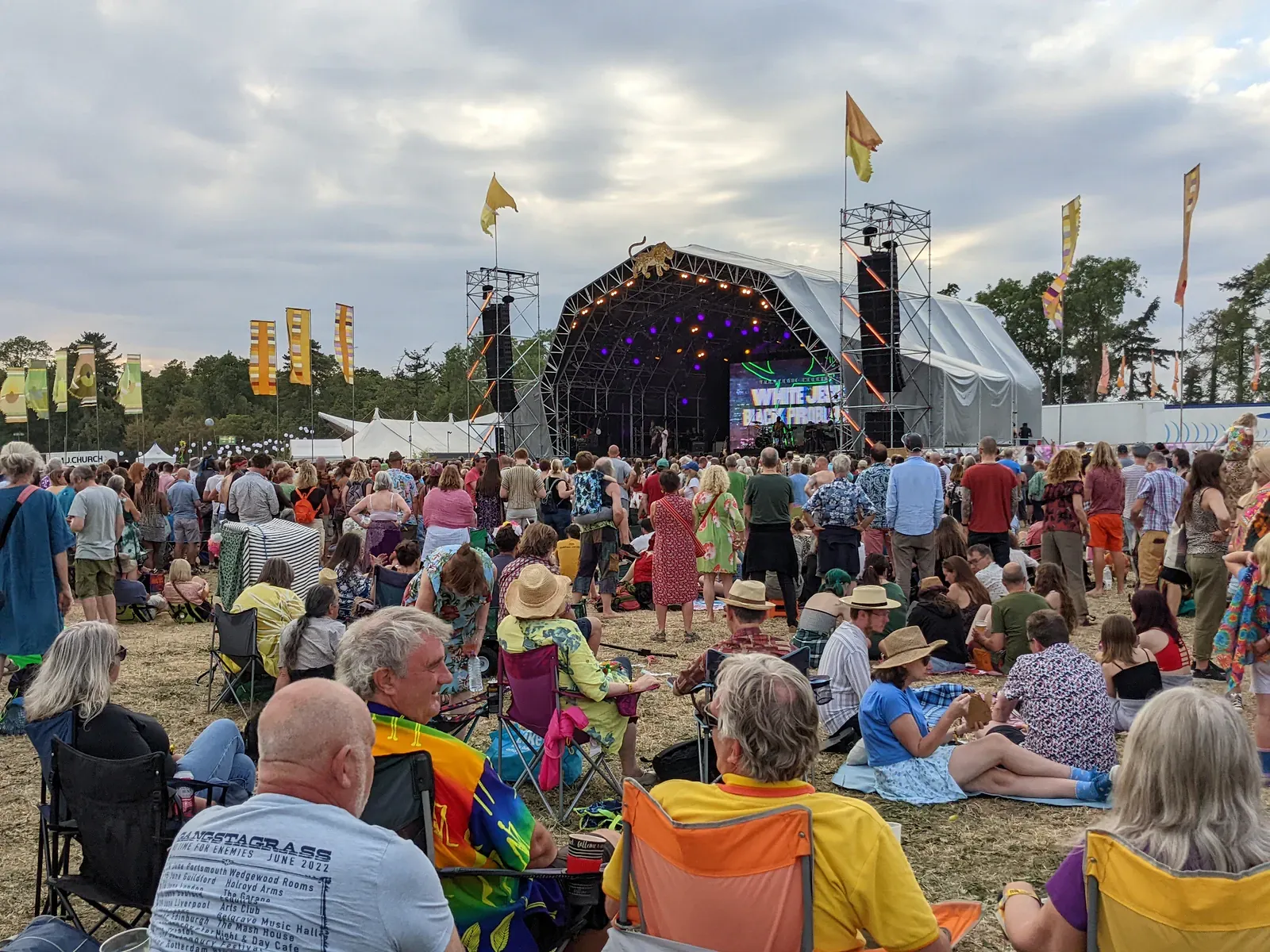
The infrastructure arrived in Britain. Peter Gabriel and colleagues founded WOMAD, the World of Music, Arts and Dance, in 1980, and the first festival ran at Shepton Mallet, Somerset, in 1982. It lost heavily, and a Genesis reunion benefit concert helped rescue the company’s finances. The festival later settled in Reading and then at Charlton Park in Wiltshire.
In the United States, the radio programme Hearts of Space reached national public radio in 1983, giving the style a weekly broadcast. In June 1987 a meeting of industry figures settled on the term “world music” as a shelf label for records like these. In Britain, 4AD released Dead Can Dance, the duo of Brendan Perry and Lisa Gerrard, whose 1988 album The Serpent’s Egg mixed medieval, Middle Eastern and Gaelic influences with a synthesizer-and-percussion backdrop.
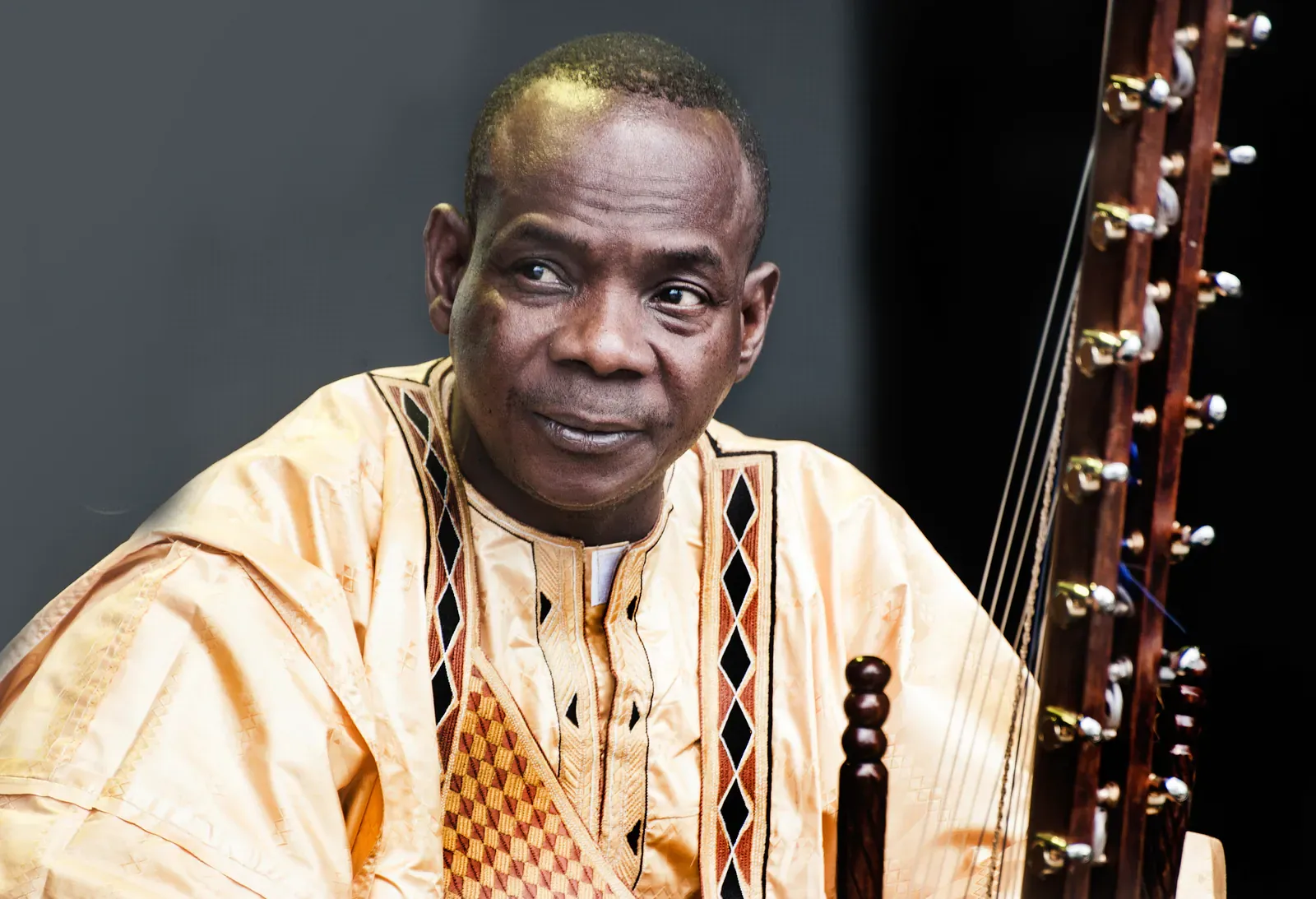
Real World Records launched in 1989 as Gabriel’s label, with a studio complex near Box, Wiltshire, as its base. Among its first releases was Passion, Gabriel’s score for The Last Temptation of Christ, built around duduk, ney, tabla and samplers; it won the Grammy for Best New Age Album in 1990. The Real World catalogue also brought Nusrat Fateh Ali Khan to Western listeners through Mustt Mustt, made with producer Michael Brook.
Crossover boom, 1990-1996
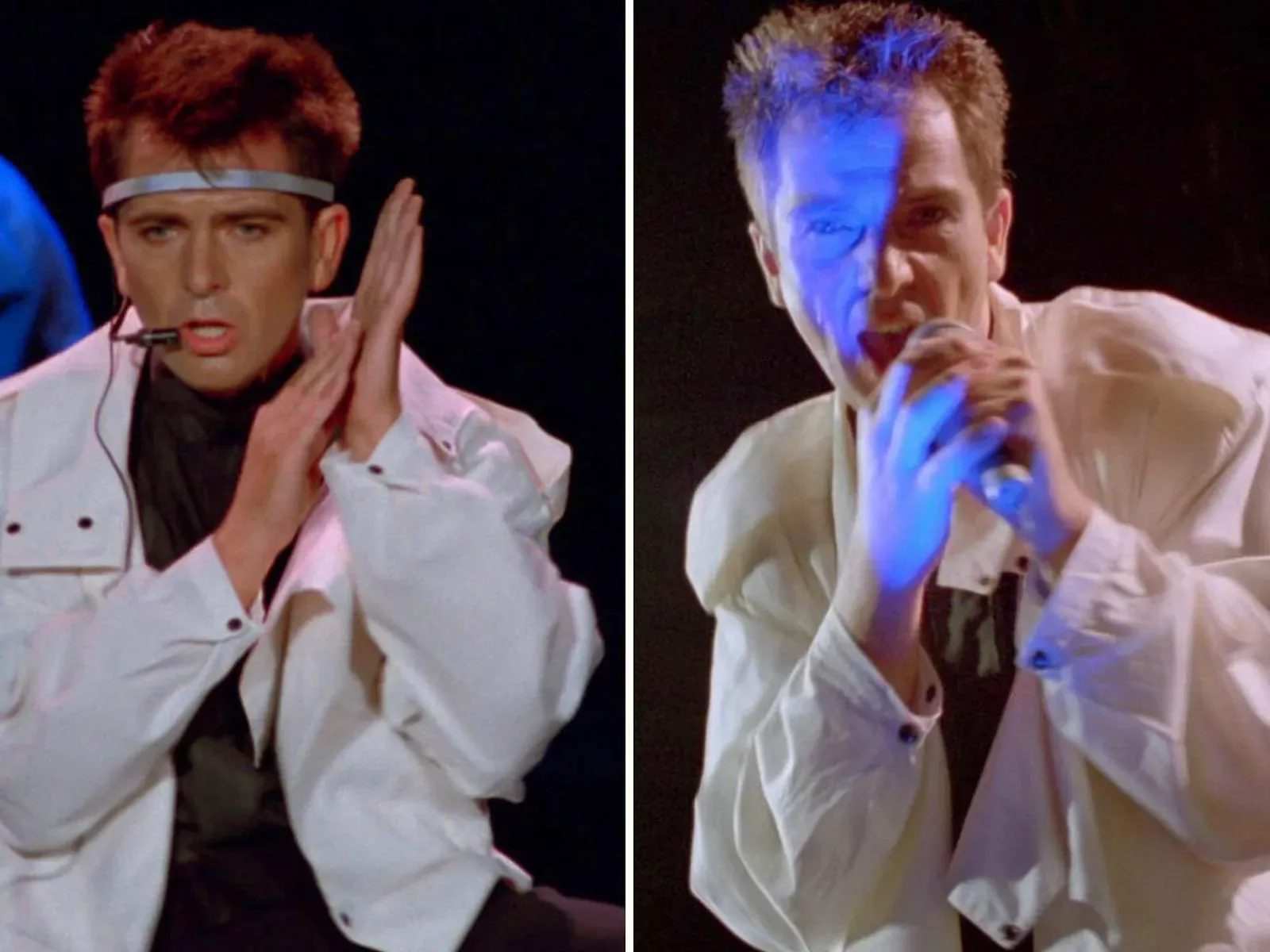
In 1990 the style turned commercial. Ravi Shankar and Philip Glass released Passages on Private Music, a joint album of Indian and minimalist composition. Enigma, the project of producer Michael Cretu, issued Sadeness (Part I) on Virgin in October 1990. Built on sampled Gregorian chant, funk drum samples and whispered French, it reached number one in fourteen countries, including the UK, Germany and France, and number five on the Billboard Hot 100.
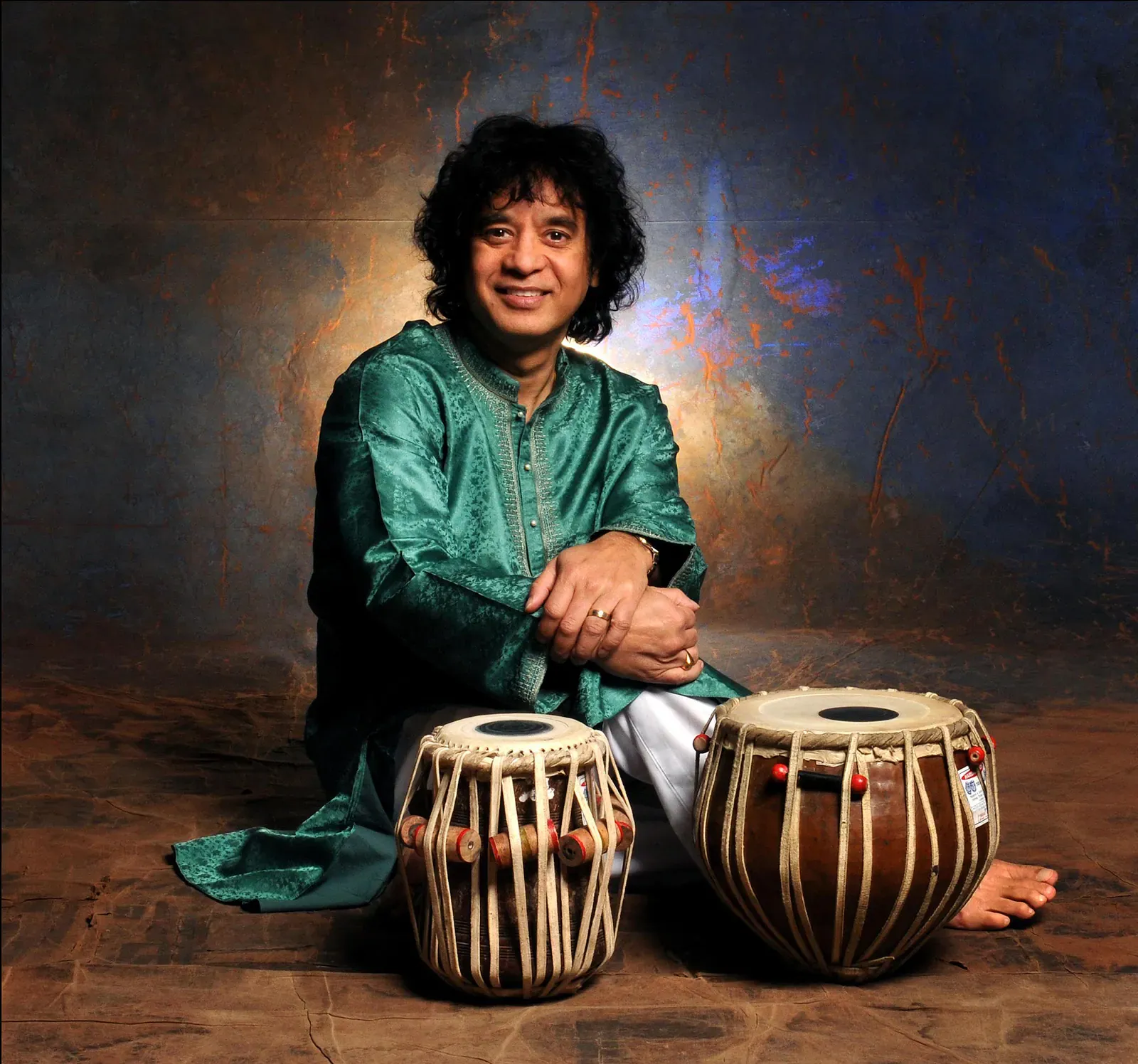
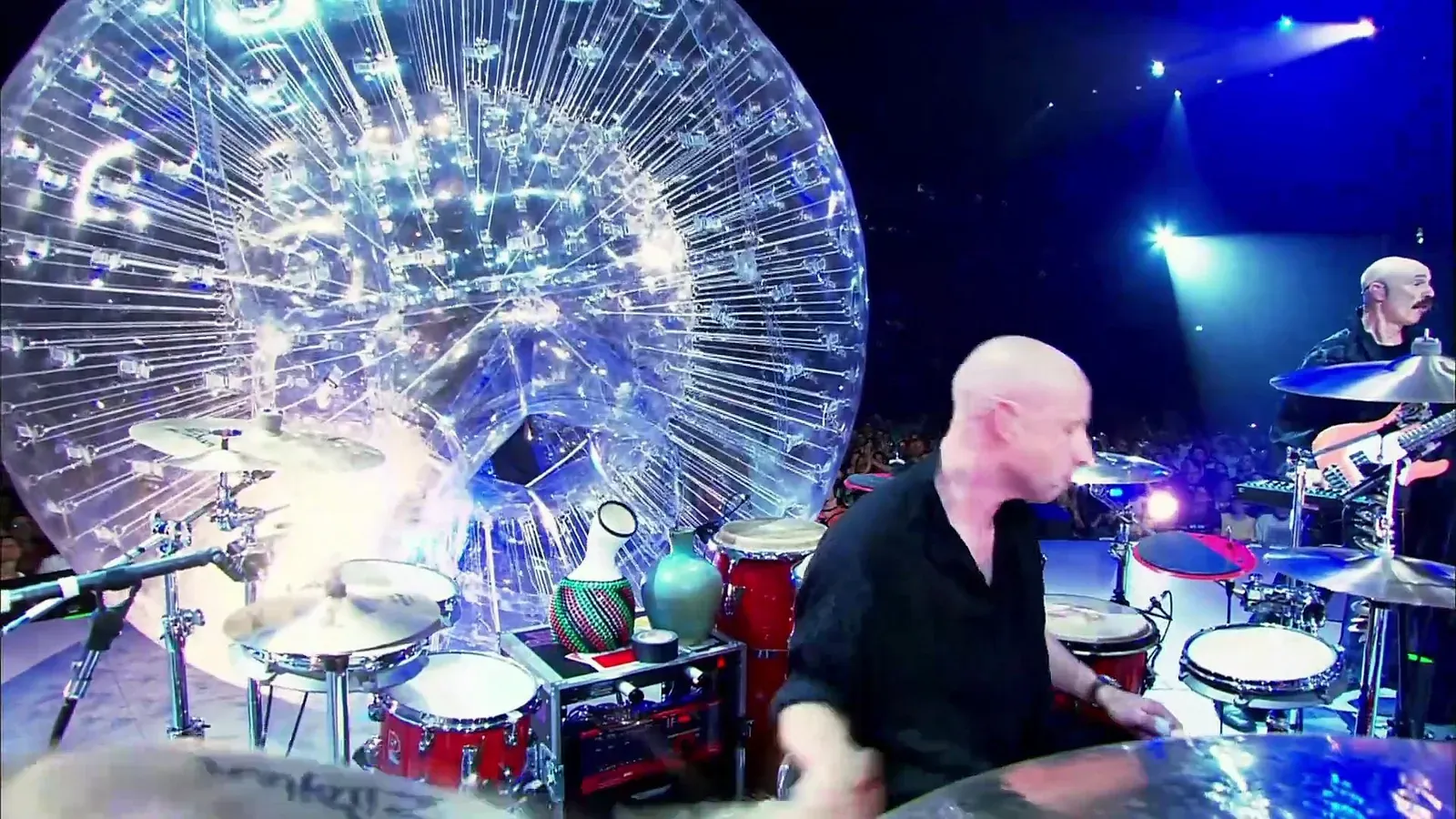
Mickey Hart’s all-percussion Planet Drum followed on Rykodisc in 1991, with Zakir Hussain, Babatunde Olatunji, Sikiru Adepoju and Giovanni Hidalgo. It won the first Grammy for Best World Music Album, awarded in 1992.
French duo Deep Forest released their self-titled debut in 1992, led by Sweet Lullaby, and the album was nominated for a Grammy in 1994. Sacred Spirit’s Chants and Dances of the Native Americans appeared in 1994; its single Yeha-Noha reached number one in France and the album sold in the millions worldwide. Enigma’s Return to Innocence (1993) reached number 4 on the Billboard Hot 100 and number 3 in the UK.
Chill-out afterlife, 1997 to the present
After the mid-1990s the sound moved into other settings. Delerium’s Karma (1997, Nettwerk) contained Silence, with vocals by Sarah McLachlan; trance remixes in 2000 by Tiesto and Airscape took it to clubs. Nettwerk kept the form alive, and the sound was absorbed into film scoring, chill-out compilations and ambient trance. Dead Can Dance continued to record and tour, and Hassell kept working until his death in 2021.
Characteristics
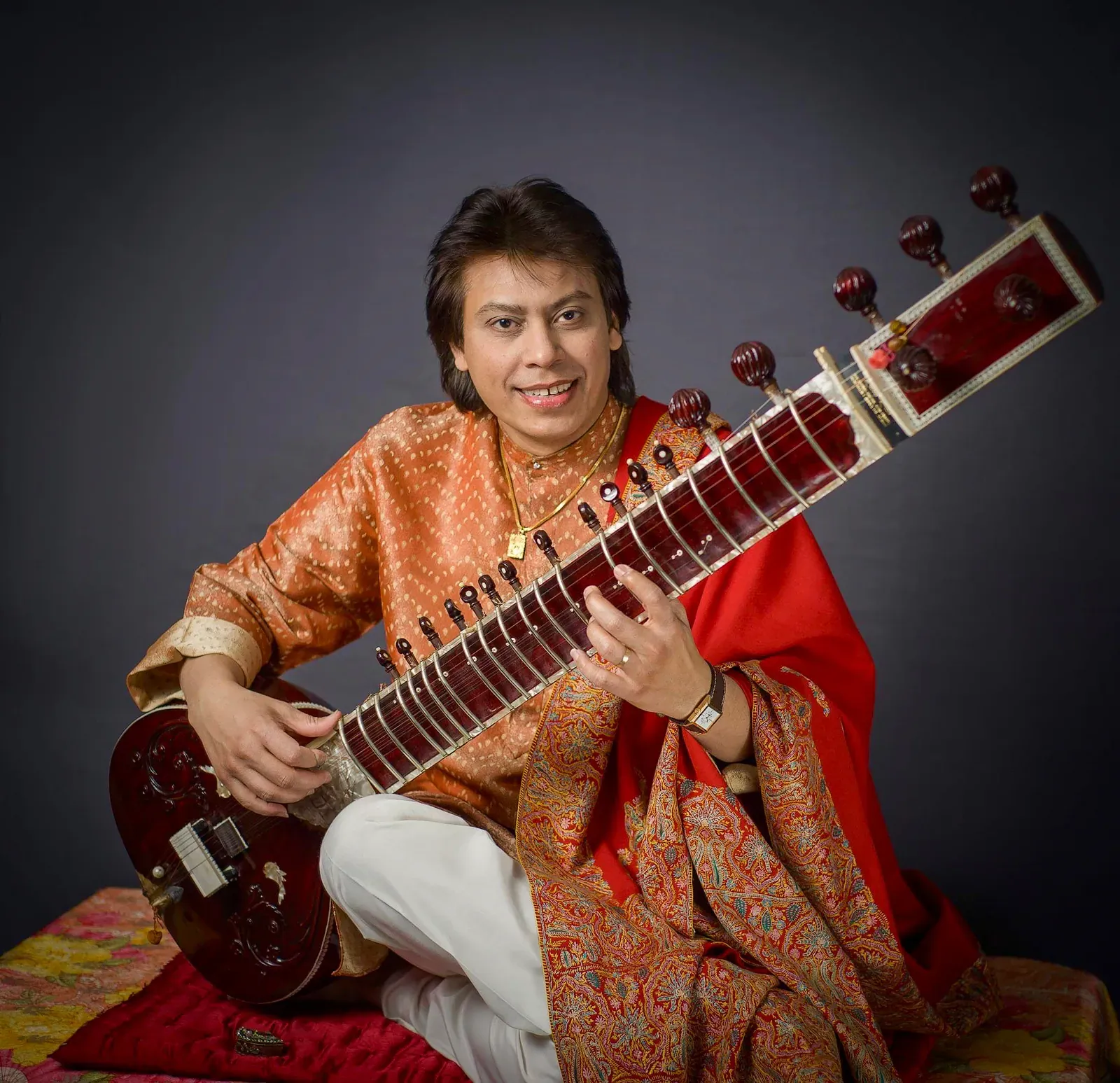
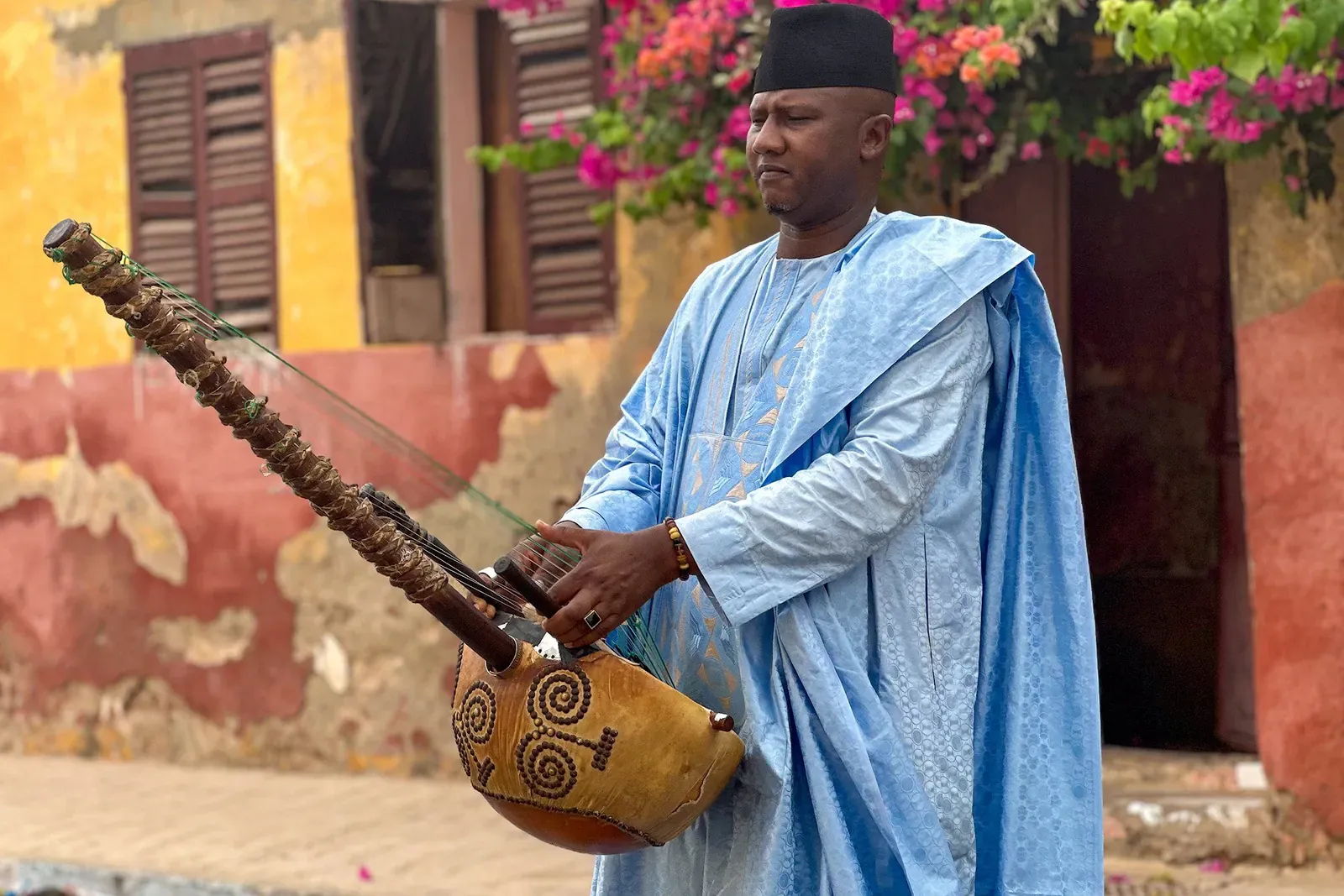
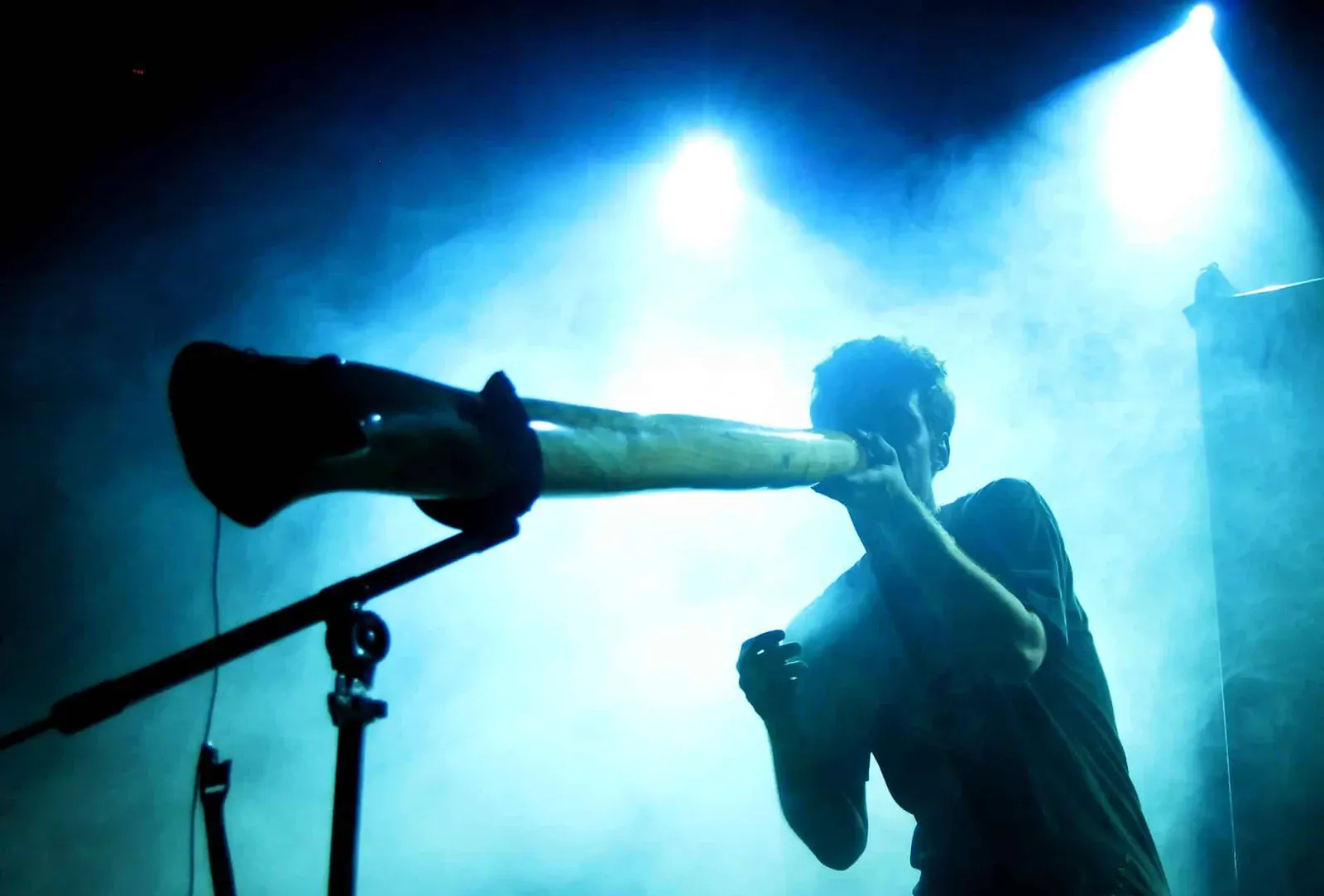
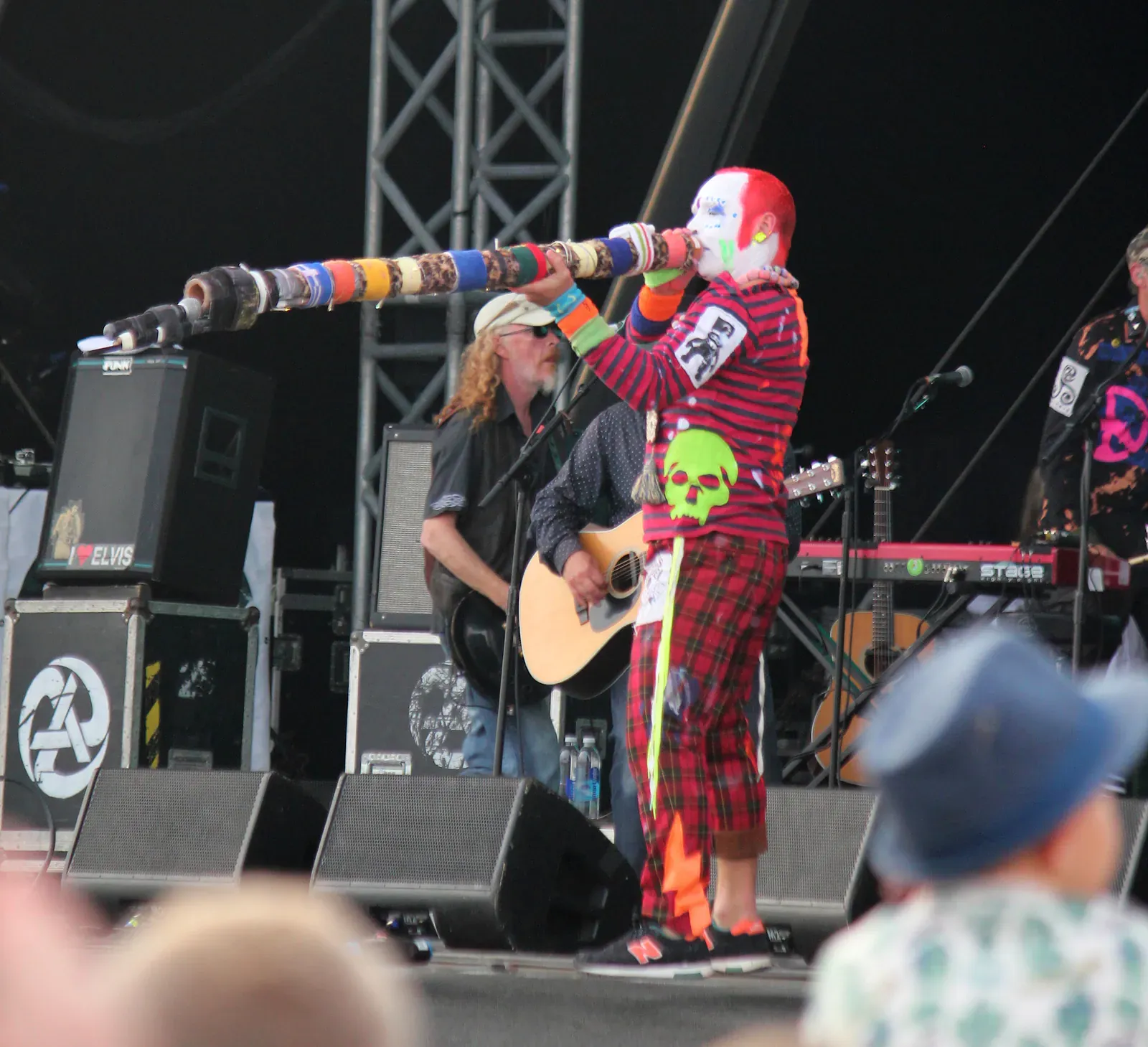
Tracks usually sit on a slow, steady pulse, with a synthesizer pad or sampled drone holding the harmony underneath. The foreground belongs to a traditional voice or instrument: duduk, ney, tabla, yangqin, kora, didgeridoo, frame drum, Tibetan bowls or throat singing. Studio tools shape the result. A Prophet-5 or Fairlight supplies the bed, and an Akai S900 sampler lets a producer loop chants, field recordings and vocal phrases.
Compositions favour long, slowly evolving forms over verses and choruses. The style works in two modes: a collaboration where the traditional musicians record on their own terms, as on Mustt Mustt, and a production-led approach where a producer builds tracks from samples. Much of the debate around the genre concerns the difference between the two.
Mainstream success
Charts and awards came quickly between 1990 and 1994. Sadeness topped charts across Europe, Return to Innocence reached the top five in the UK and US, and the Grammys created a world-music category in 1992. Passion (1990) and Planet Drum (1991) won awards, and Sacred Spirit and Deep Forest sold in the millions.
Notable recordings
Common Ground (Paul Winter Consort, 1978) and Fourth World, Vol. 1: Possible Musics (Hassell and Eno, 1980) define the origins. The Serpent’s Egg (Dead Can Dance, 1988), Passion (Peter Gabriel, 1989) and Mustt Mustt (Nusrat Fateh Ali Khan and Michael Brook, 1990) are the Real World and 4AD high points. MCMXC a.D. (Enigma, 1990), Planet Drum (1991), Deep Forest (1992) and Chants and Dances of the Native Americans (Sacred Spirit, 1994) show the commercial peak. Into the Labyrinth (Dead Can Dance, 1993) made the duo 4AD’s highest-selling act.
Culture
Listeners found the music through festivals, public radio, film soundtracks and the world-music racks of record shops. It overlaps with meditation music, with Native American music in the case of Sacred Spirit, and with Buddhist music in its Tibetan strand.
The central ethical debate is over sampling. Deep Forest’s Sweet Lullaby used a Baegu lullaby from the Solomon Islands, sung by a woman named Afunakwa and recorded by ethnomusicologist Hugo Zemp, without authorisation from the singer, the recordist or the archive label. Enigma’s Return to Innocence opens with an Amis chant from Taiwan recorded in 1988 by Difang and Igay Duana; they sued Cretu and Virgin in 1998 and the case ended in an out-of-court settlement with a promise of full attribution on later releases. A Sacred Spirit track, Ly-O-Lay Ale Loya, was presented as Native American, but its lead vocal was a Sami yoik, and a Sami organisation demanded royalties from the label. The Gregorian chant in Sadeness came from a 1977 recording by the choir Capella Antiqua Munchen.
Legacy
The “world music” shelf label survives, but the specific fusion sound shaped later chill-out, ambient trance and film scoring, and its sampling disputes fed later debate on credit for field recordings. Sub-branches, among them Andean, Native American, Tibetan and techno-tribal new age, grew from the same idea.
Misconceptions
World music and ethnic fusion are often treated as one thing, but world music is a marketing category for recordings from many traditions, while ethnic fusion is a studio-built blend inside new age. A second misconception is that Sadeness uses a live Gregorian choir: the chant was sampled from a modern choir’s album and combined with drum samples from funk and house records. A third is that Sacred Spirit’s music is purely Native American: parts came from Native American sources, but one track used a Sami yoik.
Frequently asked questions
What is ethnic fusion?
Ethnic fusion is new-age music that combines traditional instruments and singing from different cultures with synthesizers and ambient production. It is also called world fusion new age or global fusion.
Who started ethnic fusion music?
Paul Winter’s Common Ground (1978) and Jon Hassell’s Fourth World records (1980) are the two usual starting points. Peter Gabriel’s WOMAD and Real World Records gave the style a festival and a label.
Is Enigma ethnic fusion?
Enigma’s early records, Sadeness and Return to Innocence, use sampled chant over electronic beats and fall inside the style’s commercial wing. Dead Can Dance, Deep Forest and Sacred Spirit are close companions.
What instruments does ethnic fusion use?
Duduk, ney, tabla, yangqin, kora, didgeridoo, frame drums, Tibetan bowls and throat singing sit over synthesizers and samplers.
Sound
Sound sheet
Signature sounds
- Sampled or guest traditional voice as the hook
- Synth drone or pad under acoustic instruments
- Hand percussion over a soft drum-machine groove
- Field recordings of animals or places
- Processed lead instrument with echo and delay
- Wordless or non-English vocals
Drums and percussion
- Tabla
- Akai S900
- Hand drums and percussion kit
Synths and software
- Prophet-5
- Fairlight CMI
- Minimoog
Techniques
- Sampled field vocals
- Processed lead horn
- Chant over drum samples
- Club remix
- Wildlife recordings as ensemble parts
- Freeze-function drones
Keys and modes
Hindustani raga. Mustt Mustt songs were composed to fit particular ragas.
Gregorian chant. Sampled plainchant over a breakbeat in Sadeness.
Vocals
Guest or sampled traditional singers (qawwali, chant, lullaby), often wordless or non-English vocalise.
Scenes
Where it happened
Where and when the sound lived: one bar per city on a shared timeline.
North America
Europe
Active scenes
Peak 5, 1992-2025
Real World Records and its studio in Wiltshire.
Paul Winter's Consort and the recording of Fourth World, Vol. 1.
Dead Can Dance relocated here and recorded for 4AD.
Home country of Deep Forest and a strong market for the style.
Delerium and its label Nettwerk.
Venues and places
New Haven, 1978 to today. Stop on the 1978 Common Ground tour, where a live wolf joined the Consort.
New York, 1980 to today. Where Fourth World, Vol. 1 was recorded.
Toronto, 1980 to today. Site of the live handclap recording Griot on Fourth World, Vol. 1.
Shepton Mallet, 1982 to today. First WOMAD festival.
Box, 1989 to today. Home studio for the Real World label and its collaborations.
Culture
Culture markers
- Fourth World
Hassell's phrase for imagined music that is both primitive and futuristic.
Slang - World music
Retail label that put this style in the same bins as traditional recordings.
Slang - Winter Solstice concert
Paul Winter Consort's annual solstice concerts at the Cathedral of St. John the Divine.
Ritual
Media
Key media
- 1973Hearts of Space
by Stephen Hill. Weekly show that aired contemplative world blends and reached national public radio in 1983.
Radio - 1988The Last Temptation of Christ
by Martin Scorsese. Scorsese film for which Peter Gabriel composed the music that became Passion.
Film - 1989Passion - Sources
by Various. Real World companion of source recordings from the musicians used on Passion.
Compilation - 1991Planet Drum: A Celebration of Percussion and Rhythm
by Mickey Hart. Companion book to the album, covering drum traditions worldwide.
Book
Glossary
Terms on this page
Blend of indigenous sounds with Western pop or new-age elements.
Hassell's term for a unified primitive and futuristic sound combining world ethnic styles with electronic technique.
Singing invented syllables with no literal words, a hallmark of Lisa Gerrard.
Sufi devotional music of South Asia, brought to Western studios by Nusrat Fateh Ali Khan.
Recorded field vocals reused as a hook over electronic beds, as in Sweet Lullaby.
Marketing label for music mostly from non-English-speaking countries, formalised by a 1987 industry meeting.
New Age family