Neoclassical new age
Neoclassical new age is consonant, piano-led instrumental music with classical forms, born on US labels such as Windham Hill and Narada from 1976.
United States, United Kingdom, Germany, 1978
New Age family
Born
1978
United States, United Kingdom, Germany
Subgenres
2
Documented branches
Links
8
Genres it drew on or shaped
Tempo
60-115 BPMLineage
Family tree
Grew out of
Derived from
Influenced by
United States, United Kingdom, Germany, 1978
Neoclassical new age
Led to (2)
Timeline
Era by era
From the first sparks to today. Select a dot to read the story behind it.
- Windham Hill and the solo piano
1976 to 1982
- Record-store bins and a chart
1983 to 1992
- Orchestras and concert films
1993 to 2000
- Film scores and streaming
2001 to today
Eras
Moments
- 1 Windham Hill and the solo piano, 1976 to 1982
- 2 Record-store bins and a chart, 1983 to 1992
- 3 Orchestras and concert films, 1993 to 2000
- 4 Film scores and streaming, 2001 to today
1976
Windham Hill and the solo piano
William Ackerman founds Windham Hill in 1976, and George Winston's Autumn turns quiet, classically shaped solo piano into the label's best seller.
- 1976Windham Hill foundedGuitarist William Ackerman and Anne Robinson start the label in California after Ackerman's self-released album sells through radio and record shops.
- 1980George Winston's AutumnAckerman produces the solo piano album, which becomes the best seller in the Windham Hill catalogue and goes platinum.
- 1981Tower Records adds a new age binThe Mountain View, California store gives the music its own section, and other stores follow by 1985.
- 1982George Winston's DecemberThe winter solo piano album is certified triple platinum in the United States.
1983
Record-store bins and a chart
Narada and Private Music open in 1983 and 1984, a Grammy category follows in 1987, a Billboard chart in 1988, and David Lanz tops it with Cristofori's Dream.
- 1983Narada founded in MilwaukeeJohn Morey turns his new-age mail-order business into a label distributed by MCA.
- 1983Liz Story's Solid ColorsAckerman signs the pianist, whose jazz and classical training set her solo piano apart from the label's guitarists.
- 1984Private Music opensMusician Peter Baumann founds a label as a home for instrumental music, later signing Yanni.
- 1987Grammy for Best New Age AlbumThe category is introduced, and Andreas Vollenweider wins the first award.
- 1988Billboard starts a New Age chartDavid Lanz's Cristofori's Dream tops it the same year.
- 1992BMG buys into Windham HillAckerman sells his half to BMG in 1992 and Robinson sells hers in 1996.
1993
Orchestras and concert films
Yanni films Live at the Acropolis with a full orchestra in 1993, while Ludovico Einaudi releases his first solo piano album, Le onde, in 1996.
- 1993Yanni at the AcropolisThe concert with a sixty-piece orchestra is filmed in September, released in 1994 and becomes a PBS favourite.
- 1996Einaudi's Le ondeHis first solo piano album, based on Virginia Woolf's novel The Waves, finds a mainstream audience in Italy and the UK.
- 1996Winston wins the Grammy for ForestThe award for Best New Age Album goes to the pianist at the 38th ceremony.
2001
Film scores and streaming
Einaudi's I Giorni and Una Mattina spread through film and television, and Windham Hill, closed to new releases since 2007, leaves the genre to Decca and streaming playlists.
- 2004Einaudi's Una MattinaThe album on Decca contains Nuvole Bianche, later used in film and television.
- 2007Windham Hill stops new releasesAfter Sony takes over BMG, the label only reissues albums and compilations.
- 2011I Giorni enters the UK chartRepeated radio and television airings take Einaudi's 2001 piano piece to number 32.
Listening path
Start listening
A short path from an easy way in to the deep end. Thumbnails come from YouTube; the player loads only when you press play.
- 01
George Winston, 1982
Listen for a Pachelbel canon turned into a quiet solo piano piece.
- 02
David Lanz, 1988
A slow, singing piano melody over broken chords, the era's chart topper.
- 03
Yanni, 1994
Piano and keyboards expanded to a full orchestra and band.
- 04
Ludovico Einaudi, 2001
Repeated figures under a simple melody, the minimalist turn of the genre.
- 05
Ludovico Einaudi, 2004
Slow arpeggios over a plain melody, the piece most listeners know.
Neoclassical new age is instrumental music that borrows the forms and instruments of Western art music, mainly piano, strings and small chamber groups, and sets them in a consonant, gently romantic idiom.
It took shape in the United States between 1976 and the mid-1980s on independent labels such as Windham Hill and Narada, and was sold in record stores under the new age heading. Its pieces are tonal, usually through-composed, and built around a plain, singing melody.
This page covers the classically shaped strand of new age. For the wider category, including meditation and nature recordings, see the new age family. The term should not be confused with the early twentieth-century neoclassicism of Stravinsky or with neoclassical metal.
Origins
New age music grew up outside the major labels. Musicians who had little interest from the industry founded small independent companies and sold records in bookstores, health food shops and boutiques, and by mail. The classical-leaning branch followed the same route. William Ackerman, a guitarist who had recorded an album for friends and handed copies to radio stations and record shops, started Windham Hill in California in 1976 with Anne Robinson. The first records were mostly acoustic guitar, but a pianist would soon define the label.
Windham Hill and the solo piano, 1976-1982
George Winston had first been recorded by John Fahey for the Takoma label, and his early album passed with little notice. In 1979 he sent a demo tape to Ackerman, who offered to produce the next record. That album, Autumn (1980), became the best seller in the Windham Hill catalogue and went platinum, as did Winter into Spring. December, released in 1982, was certified triple platinum in the United States.
Winston’s records showed the format. A single pianist, a seasonal or pastoral theme, slow pieces in simple harmony, and covers that matched the mood. His Variations on the Kanon turned a Pachelbel canon into a quiet piano piece, which shows how directly the style drew on the Baroque and Romantic repertoire while keeping its own relaxed pace.
Record-store bins and a chart, 1983-1992
Record retailers began treating the music as its own category: Tower Records in Mountain View added a new age bin in 1981, and by 1985 independent and chain stores were doing the same. Liz Story, who had studied at Juilliard and later with a jazz teacher recommended by Bill Evans, signed with Windham Hill in 1983 and released Solid Colors, a solo piano debut that combined classical and jazz habits. The same year Narada was founded in Milwaukee by John Morey, who had run a mail-order business for new age records since 1979, and the label’s first major piano voice was David Lanz. Peter Baumann, a musician, opened Private Music in 1984 as a home for instrumental music.
The industry formalised the category soon after. A Grammy award for Best New Age Album began in 1987, and Billboard started weekly new age charts in 1988, the year Lanz’s Cristofori’s Dream topped the new age chart. Major labels followed with acquisitions and signings, drawn by low recording costs. In 1992 Ackerman sold his half of Windham Hill to BMG, and Robinson sold hers in 1996.
Orchestras and concert films, 1993-2000
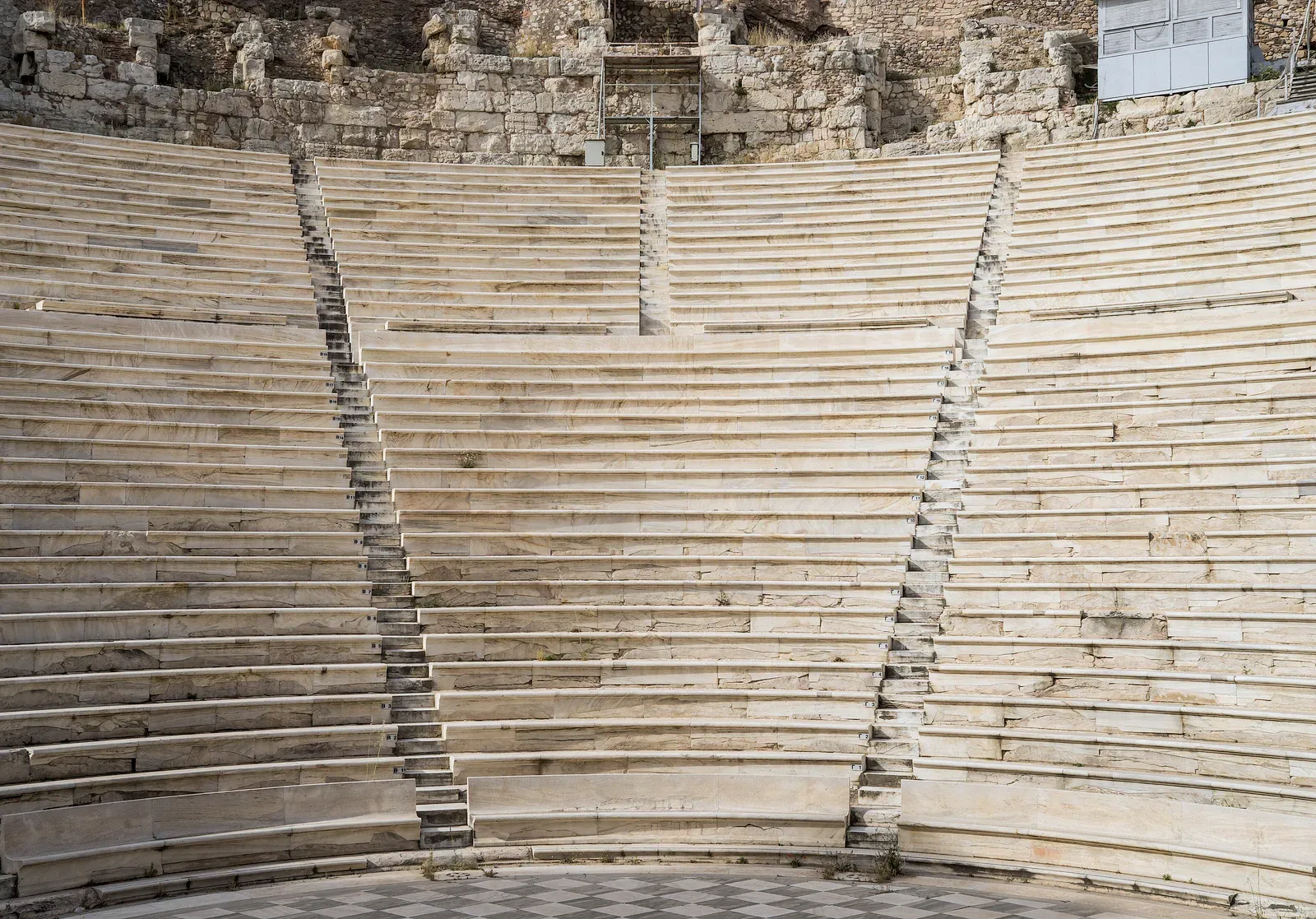
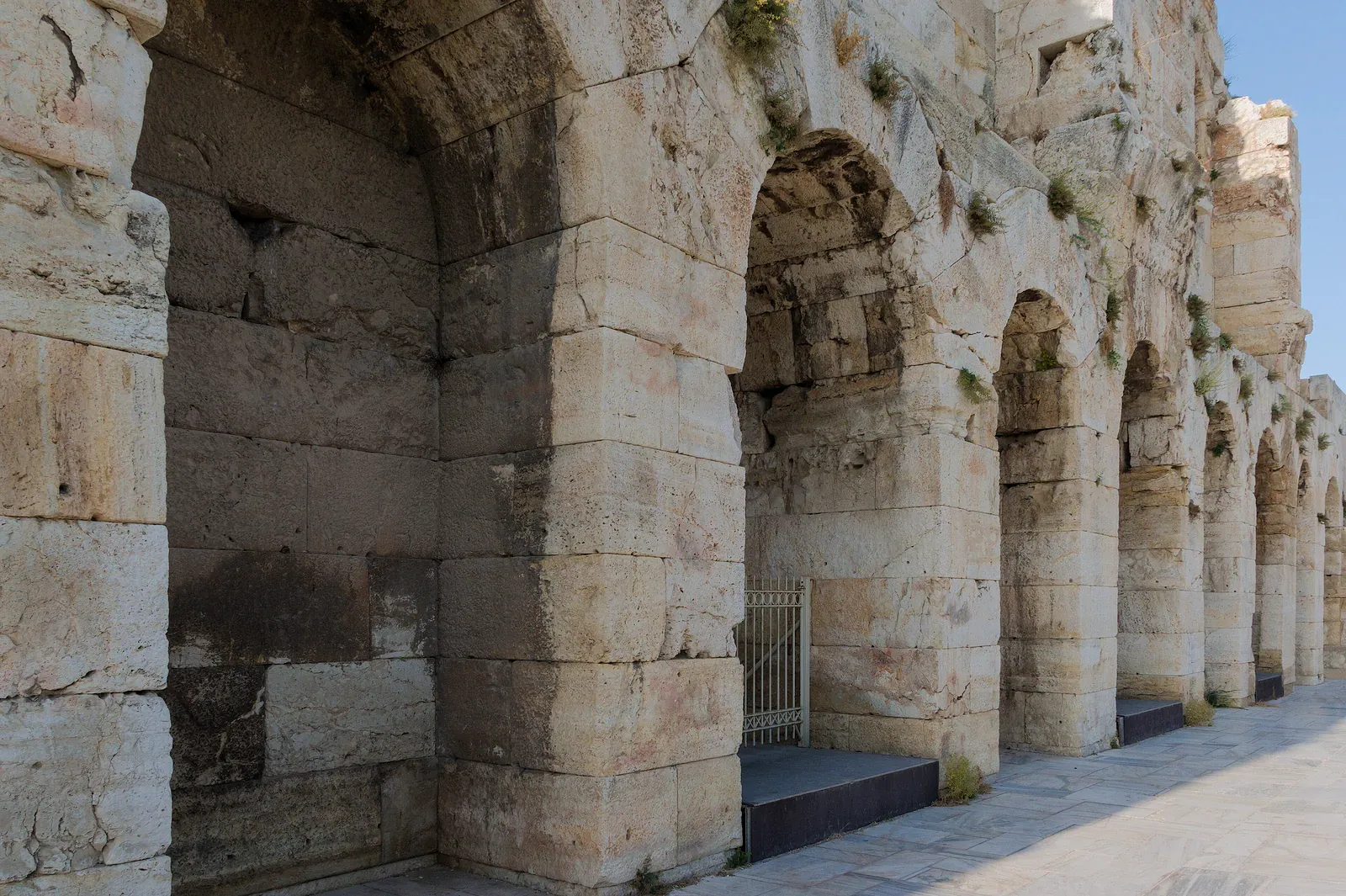
The next step moved the music from living rooms to large stages. Yanni, a Greek keyboardist who had signed with Private Music, filmed Live at the Acropolis in September 1993 at the Herodes Atticus Theatre in Athens. He used a sixty-piece orchestra and a core band, and the concert was released in 1994 and became one of the most popular programmes on American public television. He took similar productions to the Taj Mahal and Beijing’s Forbidden City in 1997.
In Europe, Ludovico Einaudi was coming at the music from the other direction. Trained at the Milan conservatory and a student of Luciano Berio, he had written for orchestras and dance before turning to the piano. His first solo piano album, Le onde (1996), was based on Virginia Woolf’s novel The Waves and reached a broad audience in Italy and Britain. Critics sometimes placed his work closer to new age than to contemporary classical music, and the label was widely used for his records.
Film scores and streaming, 2001-present
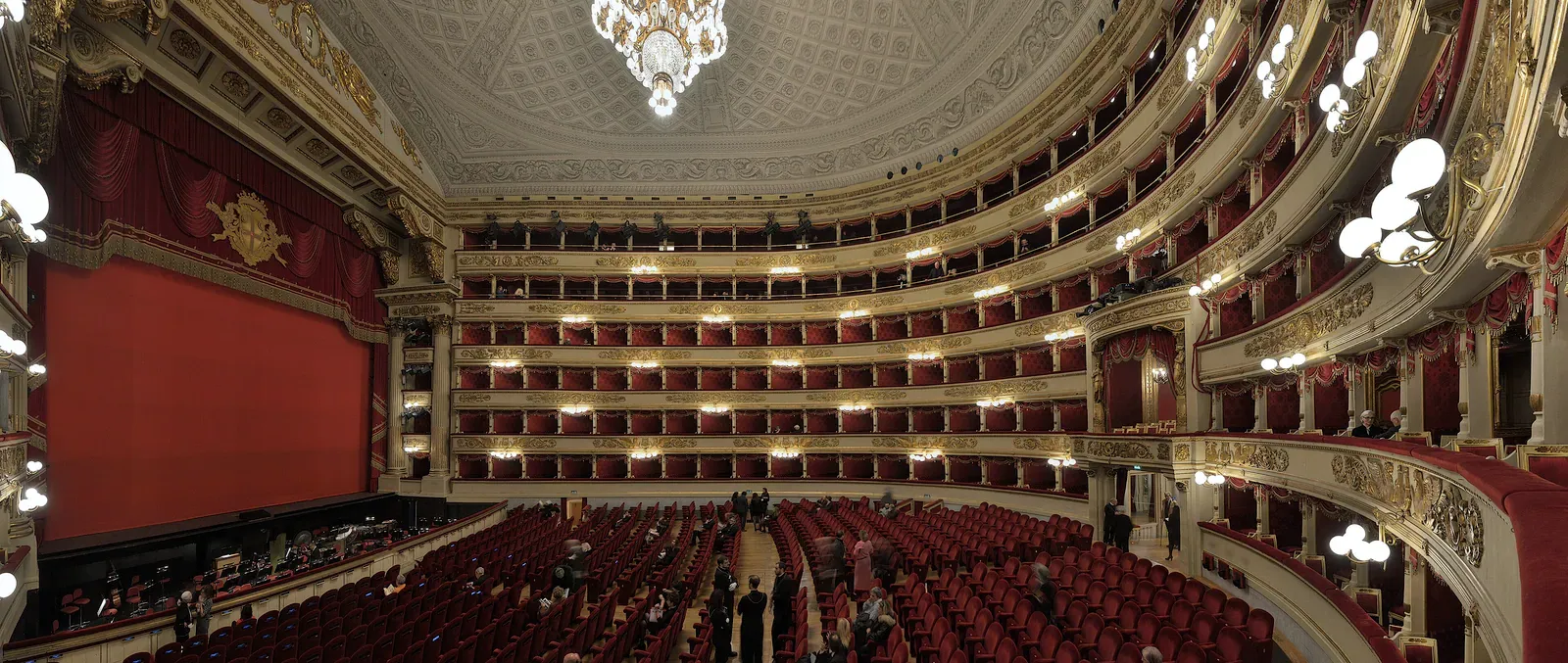
Einaudi’s later albums made the style a standard sound of screen music. I Giorni (2001) was inspired by his travels in Africa, and the title piece reached number 32 on the UK singles chart in 2011 after repeated airings on the BBC. Una Mattina (2004), released on Decca, includes Nuvole Bianche, which has appeared in films and television series. In 2003 he recorded the live album La Scala Concert 03.03.03 at Milan’s opera house, and Divenire (2006) set the piano against the Royal Liverpool Philharmonic.
Windham Hill, meanwhile, changed hands. It has released no new material since Sony’s 2007 acquisition of BMG and only reissues its catalogue. George Winston died in June 2023, the last original Windham Hill artist still working under its parent company.
Characteristics
The music is tonal and consonant, with broken-chord left-hand figures under a melody that is easy to hum. Dynamics are soft and sudden contrasts are rare. Pieces are usually through-composed or built from short repeated motifs, which links the style to minimalism and to the Romantic and impressionist piano repertoire. Tempo is moderate to slow, and many pieces leave their notes to ring in the pedal. There is no singing in the typical case.
Instruments and production
Piano is the lead voice. Strings are added in concert versions and on later albums, as on Divenire, and Yanni builds orchestral textures from layered keyboards. Einaudi has written for harp and invited guest soloists on duduk and kora. Windham Hill’s early records were made in Bay Area studios chosen for clean, high-fidelity sound, later digitally recorded and mastered, which suited the close, resonant piano tone.
Notable recordings
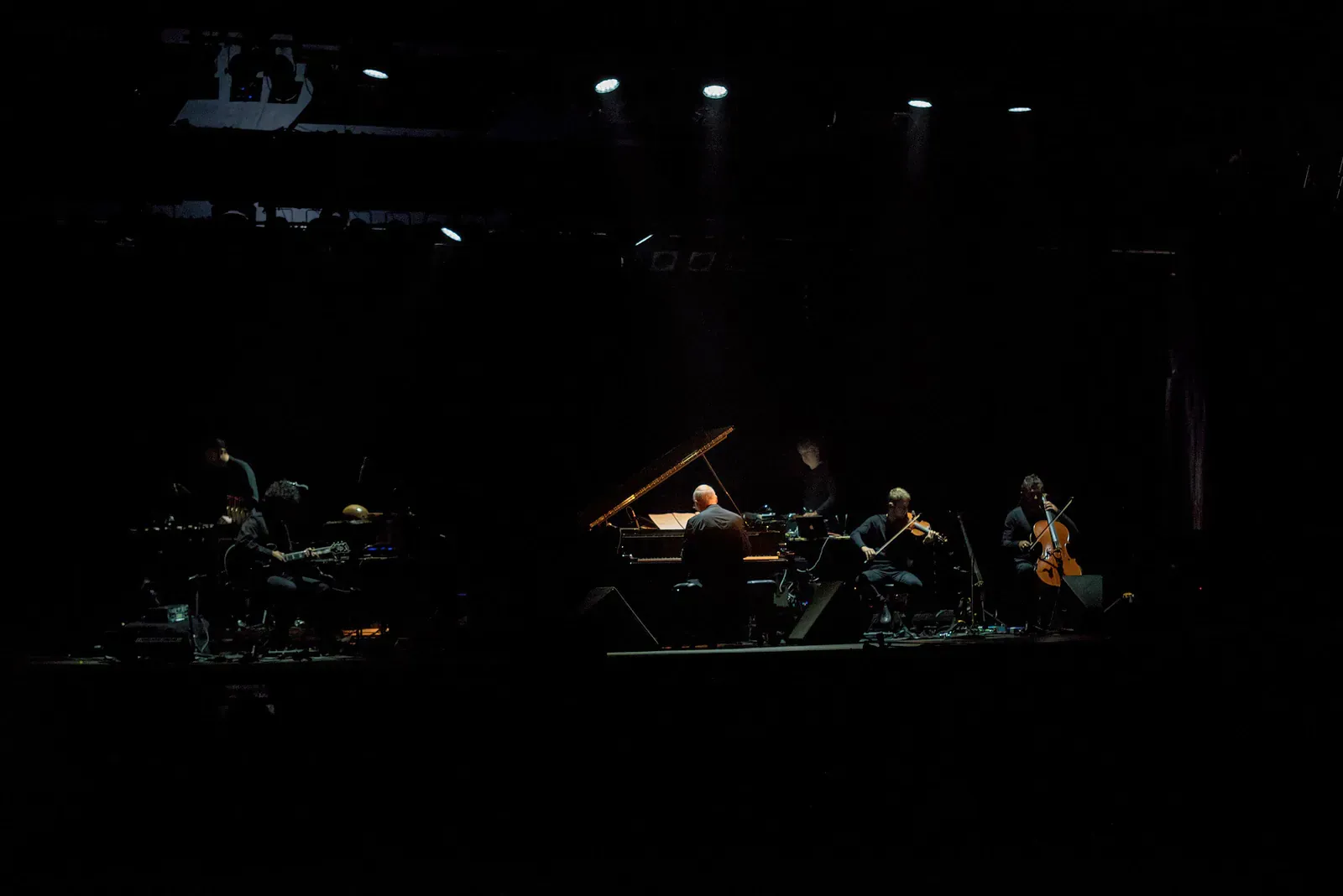
Autumn gave Windham Hill its first large seller and set the pattern of solo piano albums in the catalogue. Cristofori’s Dream, named for the inventor of the piano, was Lanz’s breakthrough and the chart topper of 1988. Live at the Acropolis proved that the style could fill a historic open-air theatre and a television schedule. Nuvole Bianche, from Una Mattina, shows the later minimal form: slow arpeggios under a plain melody, now one of the most-played modern piano pieces.
Culture
Windham Hill’s sleeves were part of the identity: Anne Robinson put a single nature photograph in a large white field, with the title in Avant Garde Gothic, and the albums were sold in loose plastic rather than tight cellophane. Winter and holiday albums became a ritual, from Winston’s December to the Windham Hill Winter Solstice compilations that ran from 1985 to 2007. In Los Angeles the station KTWV switched to an all new-age format in 1987 and called itself a mood service, with announcers not naming the tracks. Einaudi sells scores of his albums and is often cited by many who take up the piano.
Legacy
The style created a market for quiet, melodic instrumental piano that outlived the label system that built it. Streaming playlists for focus and relaxation lean on the same sounds, and the contemporary piano-and-strings sound of film and television scoring continues the form. The category itself remains contested, since many of its artists never accepted the new age label.
Misconceptions
Neoclassical new age is not classical music in the strict sense. Its composers often come from classical or jazz training, but the records were marketed to retail categories, and the genre sits between contemporary classical and popular instrumental music.
It is also not necessarily spiritual or meant for meditation. Most of its artists had no interest in new age spirituality. Yanni said he did not want to relax the audience but to engage them, and David Lanz noted that new age is the only musical category that is not a musical term.
Finally, the label is not a synonym for neoclassicism. That term refers to Stravinsky’s and Prokofiev’s return to Classical-era forms, and has no connection with the Windham Hill and Narada catalogues.
Frequently asked questions
What is neoclassical new age music?
Neoclassical new age is piano-led instrumental music with classical forms and harmony, marketed under the new age category from the late 1970s. Typical examples are George Winston’s December and Ludovico Einaudi’s Nuvole Bianche.
Who are the main neoclassical new age artists?
George Winston, Liz Story and David Lanz defined the American piano sound on Windham Hill and Narada, while Yanni brought it to orchestral stages and Ludovico Einaudi carried it into film music and streaming.
How does neoclassical new age differ from ambient music?
Neoclassical new age is built on melody and conventional harmony played on acoustic instruments, while ambient works with texture and atmosphere and often uses electronics. The two overlap in new age retail categories.
How does it relate to contemporary classical music?
The genre draws on Romantic and minimalist composers, but it is aimed at a popular audience. Contemporary classical music is a concert-hall tradition with a wider range of techniques, covered on the contemporary classical page.
Sound
Sound sheet
Anatomy of a track
| # | Part |
|---|---|
| 1 | Opening motif |
| 2 | Theme stated on piano |
| 3 | Variation with added strings or keyboards |
| 4 | Quiet return and fade |
Signature sounds
- Consonant arpeggiated left hand
- Singing, plainly harmonised melody
- Sustain pedal and soft dynamics
- Occasional strings or synth pad behind the piano
Techniques
- Arpeggiated accompaniment
- Pedalled sustain
- Repeated motifs
- Orchestral overdubbing
Keys and modes
Major and natural minor. Tonal harmony with few chromatic chords, borrowing from romantic and impressionist piano music.
Vocals
Almost entirely instrumental, with occasional wordless voices in film-style arrangements.
Scenes
Where it happened
Where and when the sound lived: one bar per city on a shared timeline.
North America
Europe
Active scenes
Peak 4, 1984-2025
Home of Windham Hill, whose records were sold from a station wagon to bookstores and health food shops.
Narada grew here from a mail-order catalogue into a label with David Lanz and Michael Jones.
Where Private Music signed Yanni and where BMG later moved the Windham Hill office.
Einaudi studied at the conservatory and recorded here before his piano albums reached Britain.
Venues and places
Athens, 1993 to today. The Roman-era theatre below the Acropolis where Yanni filmed his 1993 concert.
Milan, 2003 to today. Einaudi recorded the live album La Scala Concert 03.03.03 in the opera house.
Culture
Culture markers
- Windham Hill sleeves
Anne Robinson used a centred nature photograph in a large white field with the title in Avant Garde Gothic.
Artwork - Winter albums
Winston's December and the Winter Solstice series tied the music to the holiday season.
Ritual - Contemporary instrumental
Lanz, Yanni and others preferred this name to new age, which they felt implied sleepy music.
Slang - Learning the piano
Einaudi sells scores for his albums and is cited by many adults who start playing the piano.
Ritual
Media
Key media
- 1973Hearts of Space
by Stephen Hill. The programme went national on NPR in 1983 and fed the new age audience.
Radio - 1985Windham Hill Winter Solstice
by Various. A holiday series by the label's roster that ran until 2007.
Compilation - 1987The Wave (KTWV)
by Los Angeles radio. The station switched to an all new-age format and called itself a mood service.
Radio
Glossary
Terms on this page
Gary Chappell's term, also used by Billboard for its new age and world music charts.
The name many pianists and keyboardists use for their music instead of new age.
The branding The Wave used in 1987 for its uninterrupted new-age programming.
A retail and marketing category for calm instrumental music, rather than a single musical style.
Music written as a continuous piece without repeating verse and chorus sections.
New Age family