Stoner metal
Stoner metal fuses doom metal with psychedelic and acid rock in slow, fuzzed riffs. It emerged in California in the early 1990s with Kyuss and Sleep.
California, 1991
Metal family
Born
1991
California
Subgenres
3
Documented branches
Links
11
Genres it drew on or shaped
Tempo
65-125 BPMLineage
Family tree
Grew out of
- Doom metal
Derived from
Influenced by
Psychedelic rockAcid rock
California, 1991
Stoner metal
Led to (3)
Timeline
Era by era
From the first sparks to today. Select a dot to read the story behind it.
- Heavy psych roots
1968 to 1989
- California and the first records
1990 to 1994
- Compilations and the European scene
1995 to 1999
- Dopethrone and wider recognition
2000 to 2009
- Reunions and festivals
2010 to today
Eras
Moments
- 1 Heavy psych roots, 1968 to 1989
- 2 California and the first records, 1990 to 1994
- 3 Compilations and the European scene, 1995 to 1999
- 4 Dopethrone and wider recognition, 2000 to 2009
- 5 Reunions and festivals, 2010 to today
around 1968
Heavy psych roots
Black Sabbath, Blue Cheer, Hawkwind and 1970s acid rock supplied the slow, fuzzed riffs that doom metal and later stoner bands reworked.
- 1971Black Sabbath's Master of RealityOften cited as the first stoner rock album, with Sweet Leaf as its signature track.
- 1987Kyuss forms in Palm DesertThe Californian band that grew out of the desert generator-party scene becomes a pioneer of the genre.
1990
California and the first records
Kyuss in Palm Desert, Sleep in San Jose and Monster Magnet in New Jersey joined doom weight to psychedelic grooves; Blues for the Red Sun and Holy Mountain defined the sound.
- 1990Sleep forms in San JoseAl Cisneros, Matt Pike and Chris Hakius start the band that fuses doom with psychedelic groove.
- 1991Monster Magnet's Spine of GodThe New Jersey band's debut is psychedelic and sludgy with fewer metal influences than its Californian peers.
- 1992Kyuss release Blues for the Red SunThe album is hailed as a milestone in heavy music and defines the desert sound.
- 1992Sleep's Holy MountainThe second Sleep album brings wider attention and puts the band beside Kyuss as leaders of the new scene.
- 1993Cathedral's The Ethereal MirrorThe British doom band completes its move toward a psychedelic, stoner-leaning sound.
1995
Compilations and the European scene
Kyuss split in 1995, the Desert Sessions began in 1997, and compilations from Roadrunner and MeteorCity gave the style a name and a network, including new bands in Sweden and Britain.
- 1995Kyuss break upMembers go on to Queens of the Stone Age, Fu Manchu, Unida and other projects.
- 1997Electric Wizard's Come My Fanatics...The English band's second album is counted among the genre's landmarks.
- 1997Burn One Up! Music for StonersA Roadrunner compilation that may be the origin of the term stoner rock.
- 1998Welcome to MeteorCityThe compilation launches MeteorCity Records and introduces Dozer, Lowrider, Goatsnake and Los Natas.
2000
Dopethrone and wider recognition
Electric Wizard's Dopethrone topped one critics' decade list, Dopesmoker finally appeared as intended, and Queens of the Stone Age carried the desert sound into the mainstream.
- 2000Electric Wizard's DopethroneThe album later tops one critics' list of the best records of the 2000s.
- 2003Dopesmoker released as intendedTee Pee issues Sleep's single hour-long track after a record-company dispute kept it unreleased for years.
2010
Reunions and festivals
Sleep reunited and surprise-released The Sciences in 2018 while the style kept a steady underground circuit of labels and festivals.
- 2018Sleep release The SciencesThe reformed band surprise-releases its comeback album.
Listening path
Start listening
A short path from an easy way in to the deep end. Thumbnails come from YouTube; the player loads only when you press play.
- 01
Kyuss, 1992
The desert riff at its most direct; listen for the fuzzed bass-heavy groove.
- 02
Sleep, 1992
A doom-weight riff with a psychedelic swing and a chanted vocal.
- 03
Monster Magnet, 1998
The New Jersey band's biggest hit, a space-rock take on the groove.
- 04
Fu Manchu, 1999
Fast, fuzzy and surf-tinged, the lighter end of the style.
- 05
Electric Wizard, 2000
The title track of a landmark album, crawling and heavily distorted.
Facts
| Family | Metal |
| Origin | California, United States |
| Emerged | Early-to-mid 1990s |
| Status | Active |
| Tempo | 65 to 125 BPM |
| Meter | 4/4 |
| Grew out of | Doom metal |
| Subgenres | 3 |
Stoner metal is a style of heavy music that joins doom metal with psychedelic rock and acid rock.
It emerged in the early 1990s, led by Kyuss in the Californian desert and Sleep in San Jose, and favours slow to mid-tempo, groove-laden riffs, bass-heavy fuzz, melodic vocals and deliberately retro production. Sources use stoner metal, stoner rock and stoner doom largely interchangeably; this page covers the doom-derived metal reading, within the wider metal family, while stoner rock treats the rock-side story.
Origins
The style has no single founding record. Black Sabbath’s Master of Reality (1971), with Sweet Leaf, is often named as the first stoner rock album, and critics have pointed to Blue Cheer, Hawkwind, Deep Purple, Blue Öyster Cult and the 1970s California group Captain Beyond as earlier sources of the long, mind-bending jams and ultra-heavy riffs. The members of Kyuss themselves downplayed the metal link. Josh Homme and John Garcia have pointed instead to punk and hardcore, particularly the sludgy hardcore of Black Flag’s My War. What fused the pieces in the early 1990s was a filter of grunge-era buzz: slow doom weight and acid-rock jams, played through heavily distorted bass-forward amplifiers.
Doom bands were already drifting the same way. Trouble added acid rock elements on its 1990 self-titled album, and the British band Cathedral moved toward a psychedelic, stoner sound across its first three releases, reaching it on The Ethereal Mirror in 1993.
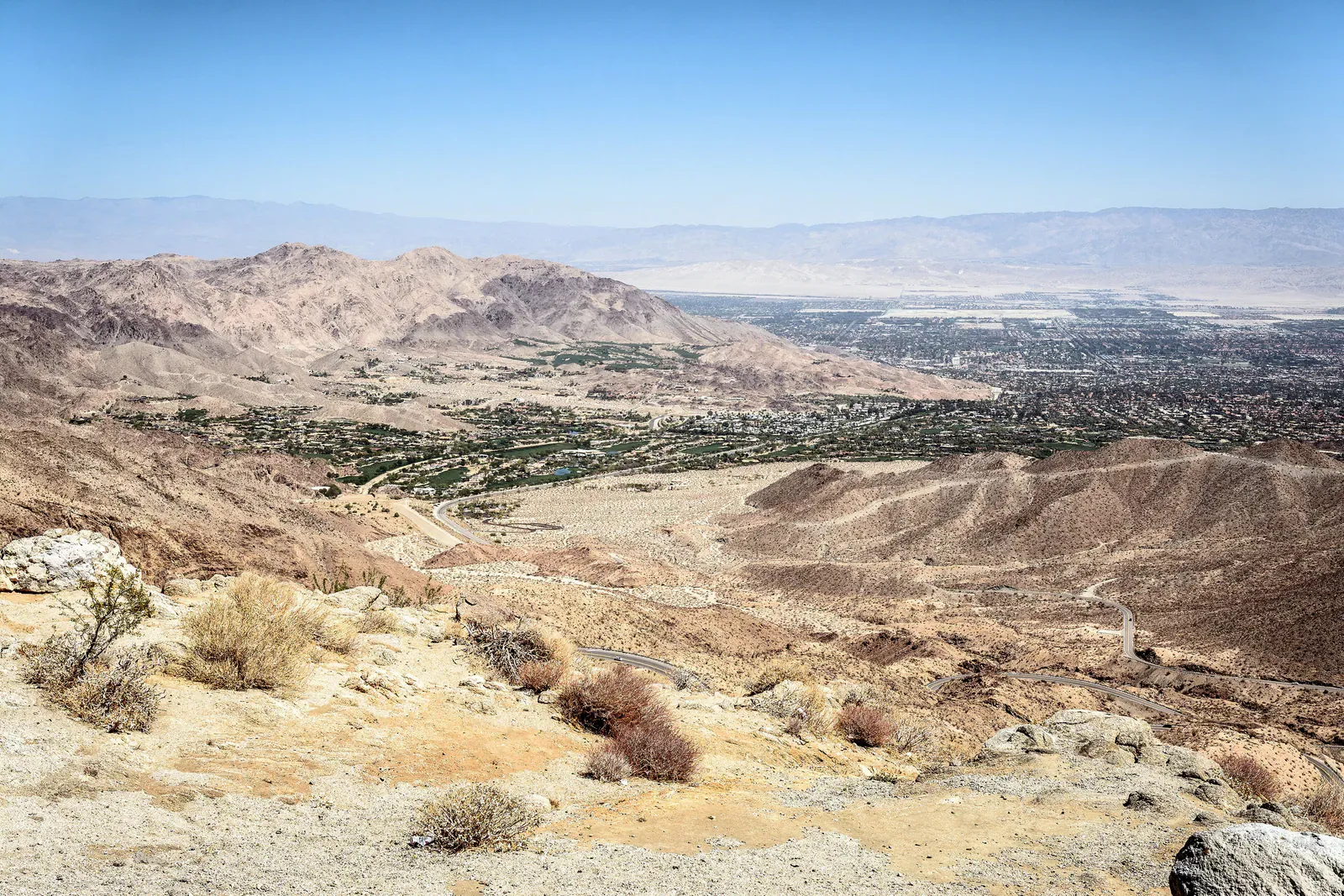
California and the first records, 1990-1994
Kyuss, formed in Palm Desert in 1987, played at generator-powered desert parties and released Blues for the Red Sun in 1992. Critics have called it a major milestone in heavy music, and one review described the sound as melting a hundredweight of hot desert sand into metal. The band’s roots lay in the wider Palm Desert scene, a loose circle of musicians who moved between bands and mixed metal, psychedelia, blues and punk.
Sleep formed in San Jose in 1990 around bassist and vocalist Al Cisneros, guitarist Matt Pike and drummer Chris Hakius. Their second album, Sleep’s Holy Mountain (1992, on Earache), and Kyuss were quickly heralded by the metal press as leaders of the emerging stoner scene. A year before them, Monster Magnet’s Spine of God (1991) offered a New Jersey variant that was psychedelic and sludgy with fewer metal traits. Fu Manchu’s self-titled album of 1994, and the 1994 debuts of Acid King in San Francisco and Acrimony in Britain, extended the same approach.
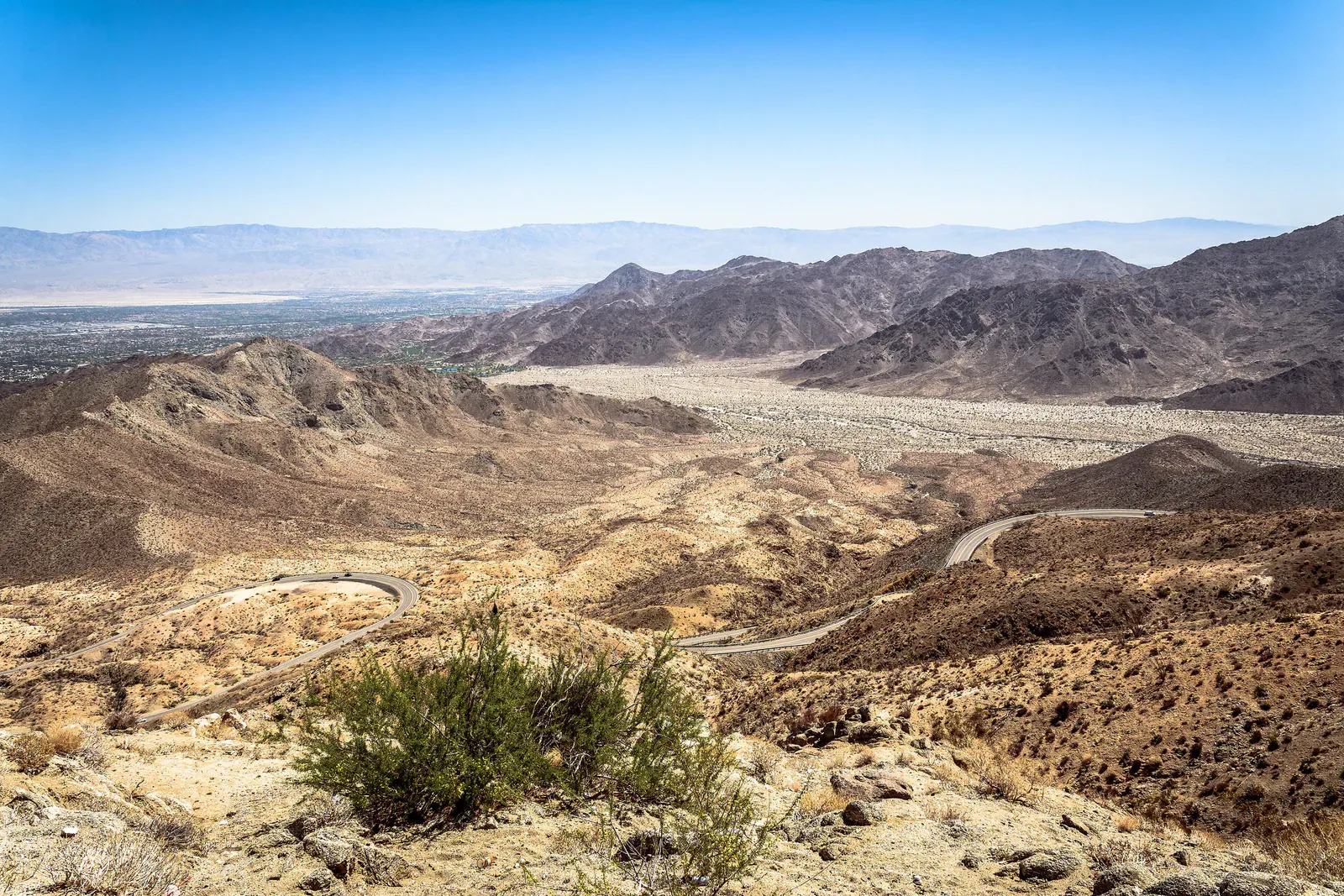
Compilations and the European scene, 1995-1999
Kyuss broke up in 1995, and its members spread across the scene through Queens of the Stone Age, Fu Manchu, Unida and other groups. In August 1997 Homme founded the Desert Sessions at Rancho De La Luna in Joshua Tree, a rotating collective that produced ten albums between 1997 and 2003.
The same year Roadrunner Records issued the compilation Burn One Up! Music for Stoners, whose title may be the origin of the phrase stoner rock. In 1998 the new Albuquerque label MeteorCity, which began as a mail-order shop, released Welcome to MeteorCity. It introduced Dozer, Lowrider, Goatsnake and Los Natas on record and gave fans of a split-up Kyuss a new network. The term desert rock, used for the Californian branch with more hard rock in it, was coined around then by a MeteorCity intern.
In Europe the style found a second home. Dave Wyndorf of Monster Magnet has said that Europe is good for psychedelic music, and Swedish and German bands such as Dozer, Lowrider and Colour Haze emphasised fuzz, groove and 1970s heavy rock. In England, Electric Wizard released Come My Fanatics… in 1997, a doom-heavy landmark from Dorset whose lyrics turn on the occult and witchcraft.
Characteristics
Tempo is slow to mid-tempo, usually between about 65 and 125 beats per minute, with a swung 4/4 groove. A riff is repeated until it becomes the song, and bass guitar is locked to it rather than moving independently. Vocals are mostly melodic or chant-like instead of growled, which separates the style from the extreme end of doom metal. The result is laid-back and hypnotic instead of aggressive.
The boundary with sludge metal is porous. Weedeater, High on Fire and Electric Wizard fuse the two, but sludge generally lacks stoner metal’s relaxed atmosphere and its psychedelia.
Instruments and production
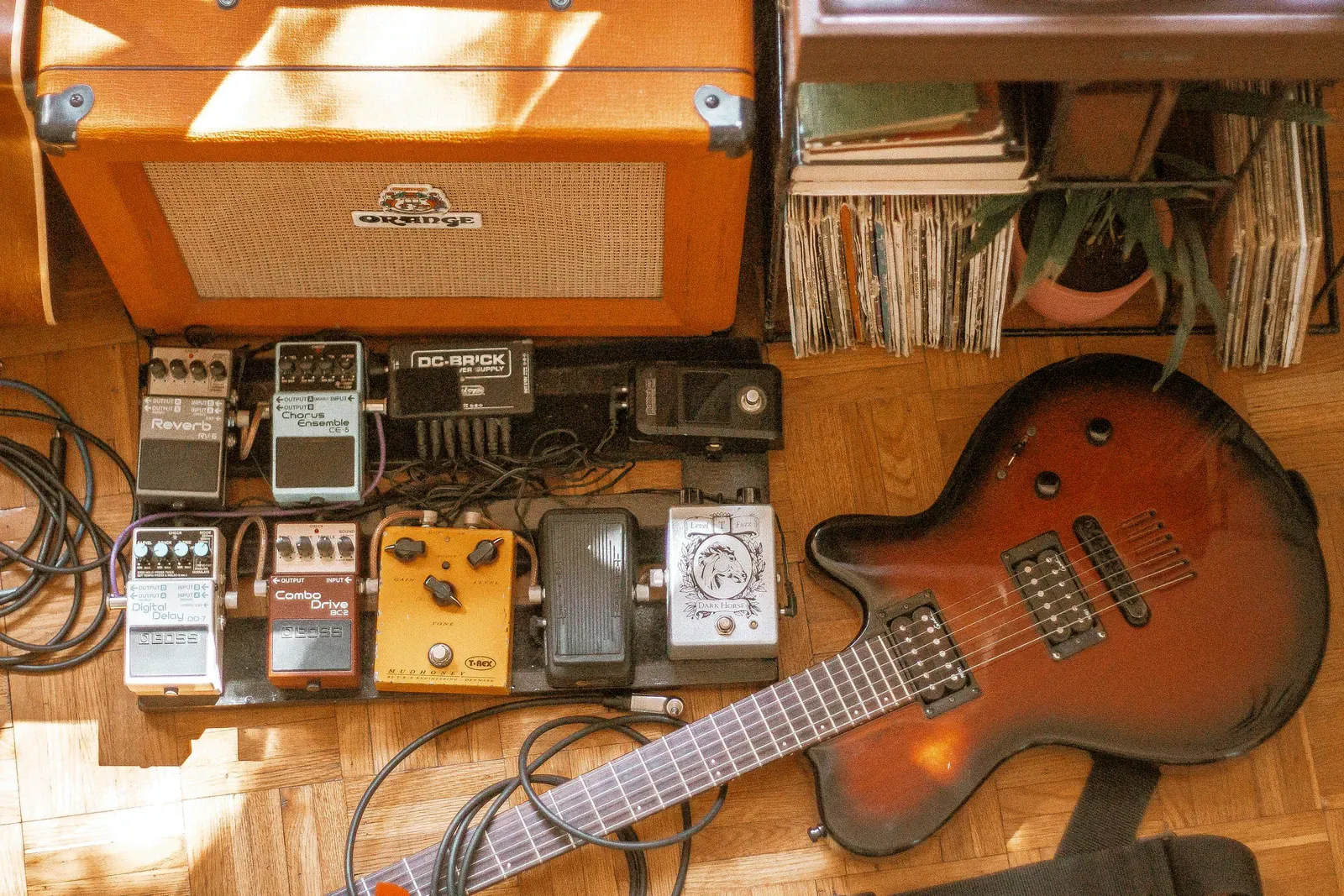
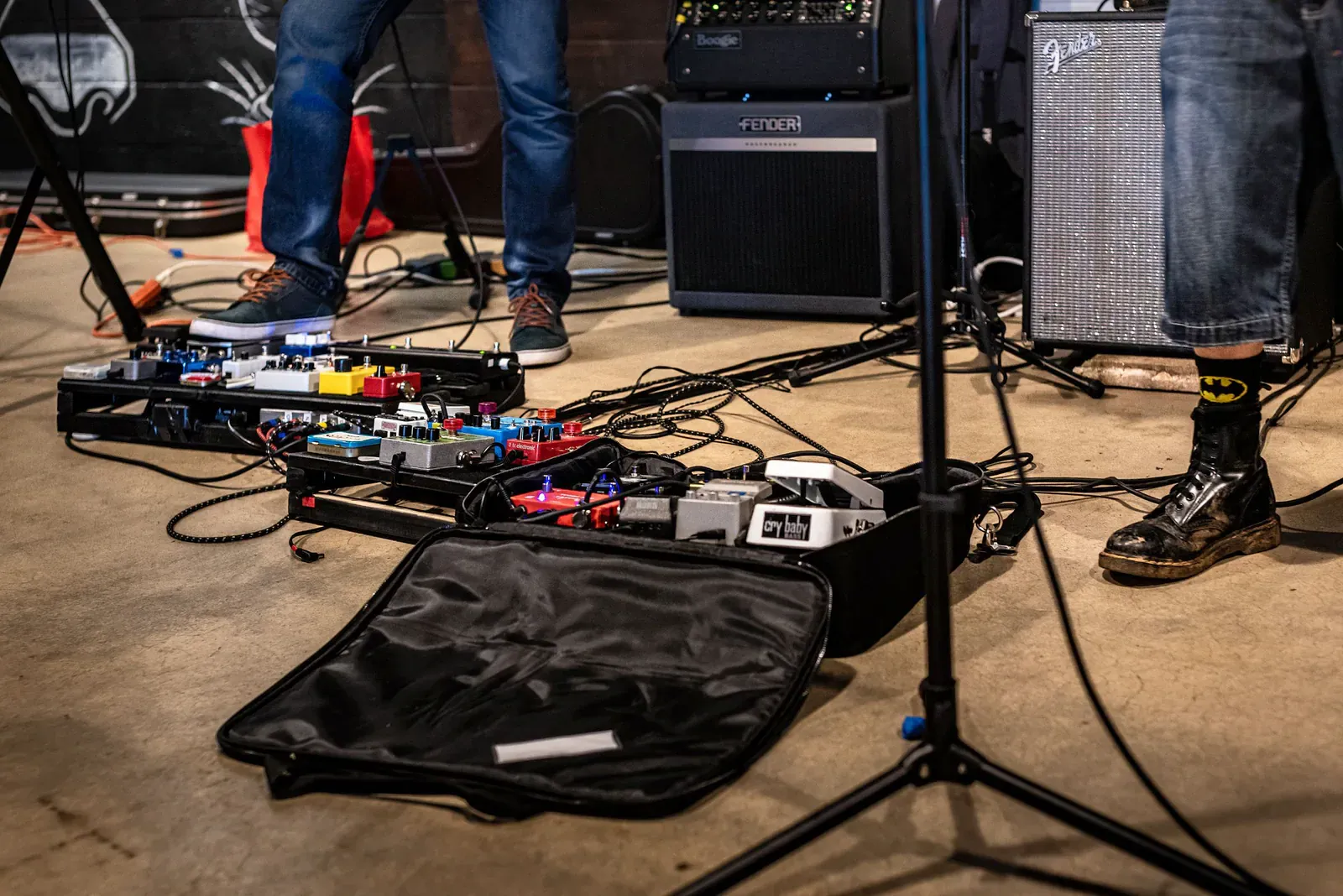
The core line-up is guitar, bass and drums. Guitars are tuned down at least a whole step, with D, C and B standard all common, and run through fuzz pedals into loud tube amplifier stacks in the manner of 1970s heavy rock. Players often feed guitar through bass amplification for a lower, wider tone. Production is deliberately retro, aiming for a warm, saturated sound close to a live room.
Mainstream success
Stoner metal never became a chart genre, and its crossover came through offshoots. Queens of the Stone Age, formed by Josh Homme after Kyuss, released Rated R in June 2000 and brought the desert sound to a wide audience, even though the band rejected the stoner label and preferred desert rock. Songs for the Deaf (2002) put a single at No. 1 on the US Modern Rock Tracks chart. Monster Magnet’s Space Lord was a radio hit in 1998.
Underground recognition came through critics instead. In 2009 Decibel and Terrorizer each published lists of the best albums of the 2000s, and Electric Wizard’s Dopethrone appeared on both, tenth on Decibel’s and first on Terrorizer’s. Small Stone Records of Detroit, founded in 1995, built a catalogue around the style.
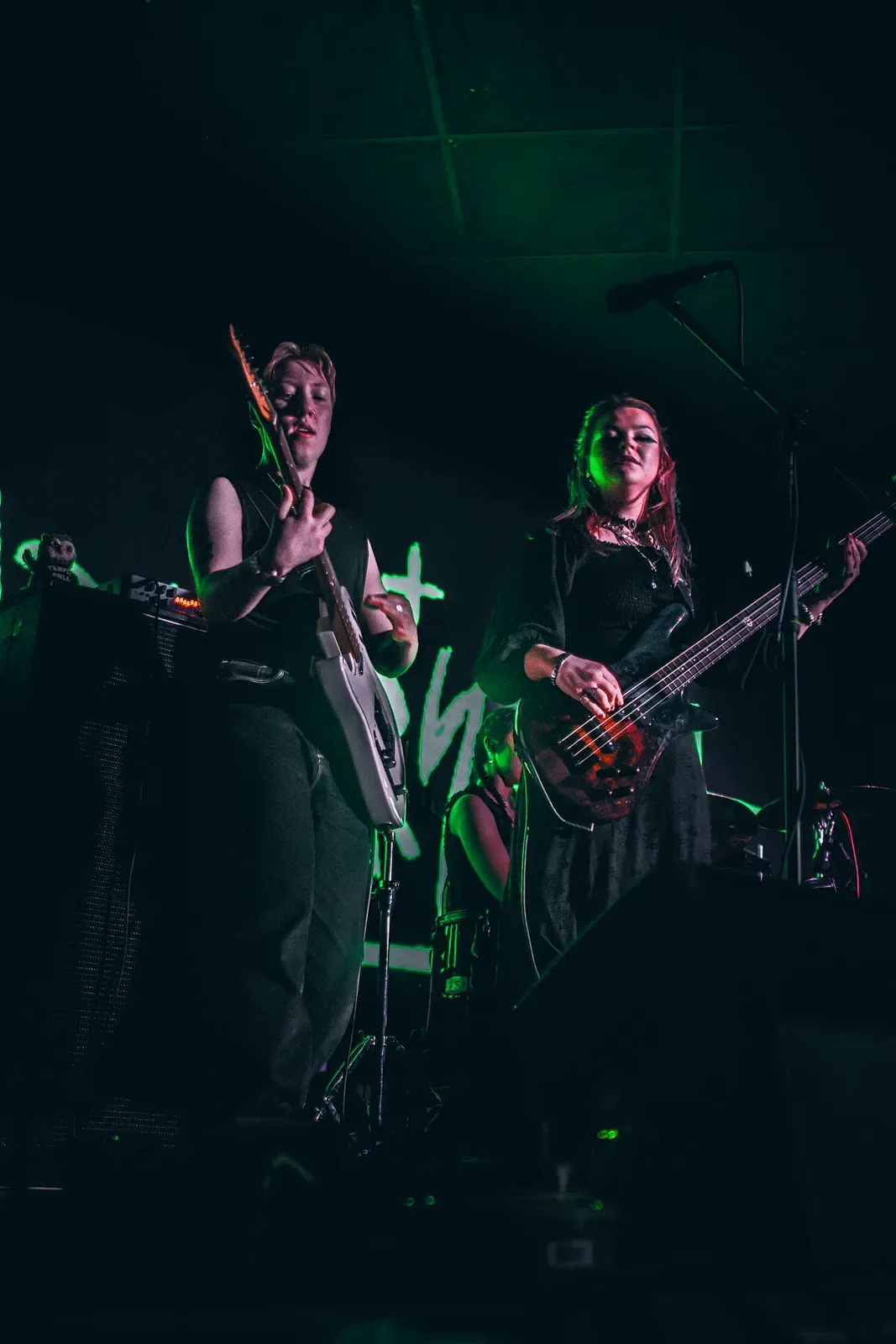
Notable recordings
Sleep’s Dopesmoker is the genre’s best-known extreme. It is a single track of about an hour, recorded live to tape in the summer of 1994 after a US tour. London Records refused to release it, which led to the breakup of Sleep in 1998 and to bootlegs, before a version called Jerusalem appeared in 1999 on The Music Cartel in a form the band disliked. Tee Pee Records released Dopesmoker as intended in 2003.
Electric Wizard’s Dopethrone (2000, Rise Above) is the doom pole of the genre: crawling, saturated and occult-themed, tuned down to B standard on tracks such as Funeralopolis. Kyuss’s Green Machine from Blues for the Red Sun, and Monster Magnet’s Space Lord, mark the more direct, riff-and-hook side.
Culture
Cannabis is part of the identity for many bands. Sleep made it central to its albums and songs, and some bands, among them Electric Wizard, have been known to play shows where band and audience smoke together. Others hold that stoner rock is a style, not a way of life, and some bands resist the label entirely.
Visual culture came from the labels. Frank Kozik, the founder of Man’s Ruin Records in San Francisco, designed most of that label’s artwork, giving the scene a recognisable look. Small Stone in Detroit carried the style into the 2000s, and Rise Above in London, owned by Lee Dorrian of Cathedral, remains a base for British doom and heavy psych.

Legacy
Stoner metal supplied the weight behind later bands across heavy music. Sleep’s members founded High on Fire and Om. Sleep reunited in 2009 and released The Sciences by surprise in 2018, and the 2026 line-up added Dale Crover and Bubba Dupree. Kyuss’s catalogue gained listeners as its members’ other projects succeeded. The style continues on a steady circuit of independent labels such as Rise Above and Small Stone, and its heavier, slower end has its own tag, stoner doom.
Misconceptions
The first assumption is that every band is about cannabis. Some, such as Sleep, built whole records around it; others state that the style does not require the lifestyle, and Matt Pike of High on Fire has said he regards his band as metal first.
The second is that Queens of the Stone Age define the genre. The band came from the Palm Desert scene and broke through in 2000, but it has rejected the stoner label and prefers desert rock, and it moved well away from Kyuss’s sound.
The third is that stoner rock and stoner metal are separate genres with fixed borders. The terms are used largely interchangeably; the difference is emphasis, with more hard rock in the desert branch and more doom weight elsewhere.
Frequently asked questions
What is stoner metal?
Stoner metal is a heavy music style that combines doom metal with psychedelic and acid rock, built on slow to mid-tempo fuzzed riffs, bass-heavy groove and melodic vocals. It emerged in the early 1990s, led by Kyuss and Sleep.
Who started stoner metal?
Kyuss in Palm Desert and Sleep in San Jose are the two bands usually named as pioneers. Both released landmark albums in 1992, Blues for the Red Sun and Sleep’s Holy Mountain, with Monster Magnet’s Spine of God arriving a year earlier.
How fast is stoner metal?
Typical tracks run from about 65 to 125 beats per minute. Electric Wizard’s Funeralopolis sits near the slow end, while Sleep’s Holy Mountain is among the faster readings.
What is the difference between stoner metal and doom metal?
Doom metal is built on slow, heavy, sombre riffing. Stoner metal borrows that weight but adds psychedelic rock, a bluesy groove, a retro sound and a more laid-back mood, and its vocals are usually clean rather than mournful or harsh.
Sound
Sound sheet
Anatomy of a track
| # | Part | Bars |
|---|---|---|
| 1 | Opening riff | 8 |
| 2 | Verse over the riff | 16 |
| 3 | Chorus or hook | 8 |
| 4 | Jam or solo section | 16 |
| 5 | Riff return and outro | 8 |
Signature sounds
- Fuzzed, down-tuned riff repeated as the song's core
- Slow to mid-tempo groove in 4/4
- Bass guitar locked to the riff, often with fuzz
- Melodic or chanted vocals rather than growls
Techniques
- Fuzz-drenched riff repetition
- Guitar through bass amplification
- Wah and feedback solos
- Extended track length
Keys and modes
Minor pentatonic and blues scale. The usual basis for fuzz riffs and solos.
Natural minor (Aeolian). Dark, Sabbath-style riff material.
Tuning
12-TET, often tuned down a whole step or more (D, C or B standard)
Vocals
Melodic clean singing or chant-like delivery, rarely growled.
Scenes
Where it happened
Where and when the sound lived: one bar per city on a shared timeline.
North America
Europe
Active scenes
Peak 5, 1997-2025
Desert generator parties around Kyuss and Fu Manchu started the desert-rock branch.
Home of Sleep and the doom-leaning stoner sound.
Monster Magnet formed here in 1989.
Dorset town where Electric Wizard formed.
Base of MeteorCity, the label and online store that gave the scene a network.
Venues and places
Joshua Tree, 1997 to today. Desert studio where Josh Homme founded the Desert Sessions in August 1997.
Culture
Culture markers
- Cannabis at shows
Some bands, Electric Wizard among them, play shows where band and crowd smoke together, while others say the style is not the lifestyle.
Ritual - Frank Kozik sleeves
Man's Ruin founder Frank Kozik designed most of the label's artwork.
Artwork - Desert rock
A scene label coined around 1998, used for the Californian branch with more hard rock in it.
Slang
Media
Key media
- 1997Burn One Up! Music for Stoners
by Various. Roadrunner compilation that may have given stoner rock its name.
Compilation - 1998Welcome to MeteorCity
by Various. Launched MeteorCity and introduced Dozer, Lowrider, Goatsnake and Los Natas on record.
Compilation - 2002Sucking the 70's
by Various. Small Stone compilation of stoner bands covering 1970s songs.
Compilation
Glossary
Terms on this page
A label for the Californian scene, reportedly coined by a MeteorCity intern around 1998.
A heavy, clipped distortion that gives stoner guitars their buzzing, saturated tone.
A gig in the Californian desert powered by a portable generator, typical of the Palm Desert scene.
A hybrid of stoner and sludge metal, heard in Electric Wizard, High on Fire and Weedeater.
The slowest, heaviest end of the genre, where fuzzed blues riffs meet doom weight.
Metal family