Black metal
Black metal is an extreme metal style from 1980s Britain, Sweden and Switzerland, defined in 1990s Norway by tremolo riffs, blast beats and shrieked vocals.
Newcastle, 1982
Metal family
Born
1982
Newcastle
Subgenres
31
Documented branches
Links
60
Genres it drew on or shaped
Tempo
140-240 BPMLineage
Family tree
Grew out of
Derived from
Derived from
Influenced by
Pushed back against
Newcastle, 1982
Black metal
Led to (33)
Timeline
Era by era
From the first sparks to today. Select a dot to read the story behind it.
- First wave
1981 to 1987
- Underground tape trading
1987 to 1990
- Norwegian second wave
1991 to 1995
- Symphonic spread and the mainstream
1996 to 2006
- Post-black metal and global reach
2007 to 2026
Eras
Moments
- 1 First wave, 1981 to 1987
- 2 Underground tape trading, 1987 to 1990
- 3 Norwegian second wave, 1991 to 1995
- 4 Symphonic spread and the mainstream, 1996 to 2006
- 5 Post-black metal and global reach, 2007 to 2026
1981
First wave
Venom's Black Metal (1982) names the style; Bathory in Sweden, Hellhammer and Celtic Frost in Switzerland add speed, gloom and Satanic imagery. Theatrical metal, not yet a scene.
- 1981Venom's Welcome to HellDebut album on Neat Records brings Satanic imagery and raw speed to heavy metal.
- 1982Venom's Black Metal names the genreReleased 1 November 1982 on Neat Records in Newcastle; the title becomes the style name.
- 1982Hellhammer forms in ZurichTom G. Warrior starts the band in May 1982; it splits in 1984 and becomes Celtic Frost.
- 1983Bathory forms in StockholmFounded by Quorthon in March 1983 in the Vallingby district.
- 1984Hellhammer's Apocalyptic Raids EPThe only Hellhammer release, issued on Noise Records in March 1984.
- 1984Bathory's self-titled debutIssued 2 October 1984 in Sweden and often called a first true black metal album.
- 1984Celtic Frost's Morbid TalesFirst release by the band formed from the ashes of Hellhammer, on Noise Records.
- 1985Celtic Frost's To Mega TherionFirst full-length album, with H. R. Giger cover art, influential on later black and death metal.
1987
Underground tape trading
Bands trade demos by mail. Brazil gets Sarcofago, Norway gets Mayhem and Darkthrone, and the sound shifts from thrash toward extreme speed and raw, lo-fi production.
- 1987Mayhem's Deathcrush EPOslo band releases the EP that sets the template for the Norwegian scene.
- 1987Sarcofago's I.N.R.I.Brazilian debut album that influenced black metal sound and image.
1991
Norwegian second wave
Oslo, Bergen and Telemark bands define the sound: tremolo riffs, blast beats, shrieks, corpse paint. A violent early-1990s fringe of church arsons and killings shapes media coverage.
- 1991Helvete shop opens in OsloMayhem guitarist Euronymous opens the record shop in spring 1991; it becomes the scene hub until early 1993.
- 1991Deathlike Silence Productions startsEuronymous founds the label that issues early Mayhem and Burzum records.
- 1992Church arsons begin in NorwayThe burning of Fantoft Stave Church in June 1992 starts a wave of roughly 50 attacks on churches by 1996.
- 1992Emperor drummer kills a man in LillehammerFaust stabbed Magne Andreassen on 21 August 1992; he was later convicted and served a prison sentence.
- 1993Euronymous is killedMayhem guitarist Euronymous was killed on 10 August 1993 by Varg Vikernes of Burzum.
- 1994Norwegian trials and sentencesVikernes received 21 years in May 1994 for murder and church arsons; other scene members were also convicted.
- 1994Mayhem's De Mysteriis Dom SathanasDebut album on Deathlike Silence, released after the death of its founder.
- 1994Emperor's In the Nightside EclipseSymphonic, keyboard-rich debut on Candlelight Records.
- 1994Darkthrone's Transilvanian HungerPeaceville release, the last of the band's early trilogy.
1996
Symphonic spread and the mainstream
Dimmu Borgir and Cradle of Filth add keyboards and polish and chart. Bigger labels sign scene veterans, while the underground calls it selling out.
- 1996Satyricon's Nemesis DivinaMoonfog Productions album containing Mother North.
- 1997Dimmu Borgir's Enthrone Darkness TriumphantNuclear Blast release that marks the band's international breakthrough.
- 2000Cradle of Filth's MidianMusic for Nations album with the music-television single Her Ghost in the Fog.
2007
Post-black metal and global reach
Alcest and Deafheaven blend shoegaze and post-rock into black metal; Sunbather (2013) is the crossover peak. Scenes spread worldwide and the founders keep touring and recording.
- 2007Dimmu Borgir's In Sorte Diaboli reaches number 1 in NorwayReached number 1 on the Norwegian album chart.
- 2013Deafheaven's SunbatherReleased 11 June 2013, it scored 92 on Metacritic and reached 130 on the Billboard 200.
Listening path
Anthems
The records that built the sound, grouped by the part they played. Thumbnails come from YouTube; the player loads only when you press play.
- 01
Venom, 1982 · Neat Records
Title track of Venom's second album, the record that gave the genre its name with its blasphemous lyrics and raw speed.
Origin - 02
Hellhammer, 1984 · Noise Records
Brutal, murky Swiss riffing from the only Hellhammer EP, a blueprint for the cold, ugly sound that black metal later adopted.
Origin - 03
Celtic Frost, 1984 · Noise Records
Heavy, ritual-paced track from Morbid Tales, the first Celtic Frost release, whose avant-garde ambition shaped later black metal.
Origin - 04
Bathory, 1984
Fast, lo-fi, shrieked track from Bathory's debut that set the template of Scandinavian black metal.
Origin - 05
Dimmu Borgir, 1997 · Nuclear Blast
Orchestral-leaning single from Enthrone Darkness Triumphant that carried symphonic black metal to a wide international metal audience.
Start hereBreakthrough - 06
Mayhem, 1994 · Deathlike Silence Productions
Slow-burning highlight of De Mysteriis Dom Sathanas, the album most often named as the Norwegian scene's defining statement.
Anthem - 07
Darkthrone, 1994 · Peaceville Records
Title track of the album that pushed raw, repetitive tremolo riffs and bare production to an extreme and became a lo-fi reference point.
Anthem - 08
Emperor, 1994 · Candlelight Records
Fast, keyboard-laced epic from In the Nightside Eclipse, a gateway to the symphonic side of the Norwegian scene.
Start hereAnthem - 09
Satyricon, 1996 · Moonfog Productions
Melodic, cold and catchy standout of Nemesis Divina, often the first Satyricon song people hear.
Anthem - 10
Immortal, 2002 · Nuclear Blast
Title track of the 2002 album, a mid-tempo icy anthem from Immortal, among the best-known acts of the Norwegian scene.
Anthem - 11
Cradle of Filth, 2000 · Music for Nations
Gothic, melodic single from Midian with an official video that earned music-television rotation and widened the audience for extreme metal.
Crossover - 12
Deafheaven, 2013
Sunbather opener that fused blast beats and shrieks with shoegaze, reaching indie and mainstream critics and sparking the post-black-metal wave.
Start hereRevival
Facts
| Family | Metal |
| Origin | Newcastle, United Kingdom |
| Emerged | Early-to-mid 1980s |
| Status | Active |
| Tempo | 140 to 240 BPM |
| Meter | 4/4 |
| Grew out of | Thrash metal, Heavy metal |
| Subgenres | 23 |
Black metal is an extreme style of metal built on fast tremolo-picked guitars, blast-beat drums, shrieked vocals and a thin, cold, lo-fi sound.
It takes its name from Venom’s 1982 album Black Metal, developed in Britain, Sweden and Switzerland in the 1980s, and was defined in Norway in the early 1990s. It descends from thrash metal and heavy metal and traded influence with death metal.
Origins
In 1981 Venom, a trio from Newcastle upon Tyne, released Welcome to Hell on Neat Records, mixing speed with openly blasphemous songs. The follow-up, Black Metal, appeared on 1 November 1982 and gave a whole style its name.
Other countries added what Britain lacked. In Stockholm, Quorthon formed Bathory in 1983, and the band’s self-titled 1984 debut was fast, murky and shrieked. In Zurich, Tom G. Warrior’s Hellhammer released one EP, Apocalyptic Raids (Noise Records, 1984), then became Celtic Frost, whose Morbid Tales and To Mega Therion added doom-heavy weight and art-school ambition. These four bands, often called the first wave, supplied the attitude and speed.
Underground tape trading, 1987-1990
The scene was built by post. Fans copied demos onto cassettes, mailed them across borders and swapped fanzines, so a band in Oslo could be heard in Brazil months later. Cheap four-track recorders let teenagers record at home, and the hiss became part of the style.
Brazil’s Sarcofago released I.N.R.I. in 1987. In Norway, Mayhem’s 1987 EP Deathcrush set a template for what followed, and Darkthrone, from Kolbotn, moved from death metal toward the stripped-down sound that would define their name.
The Norwegian second wave, 1991-1995
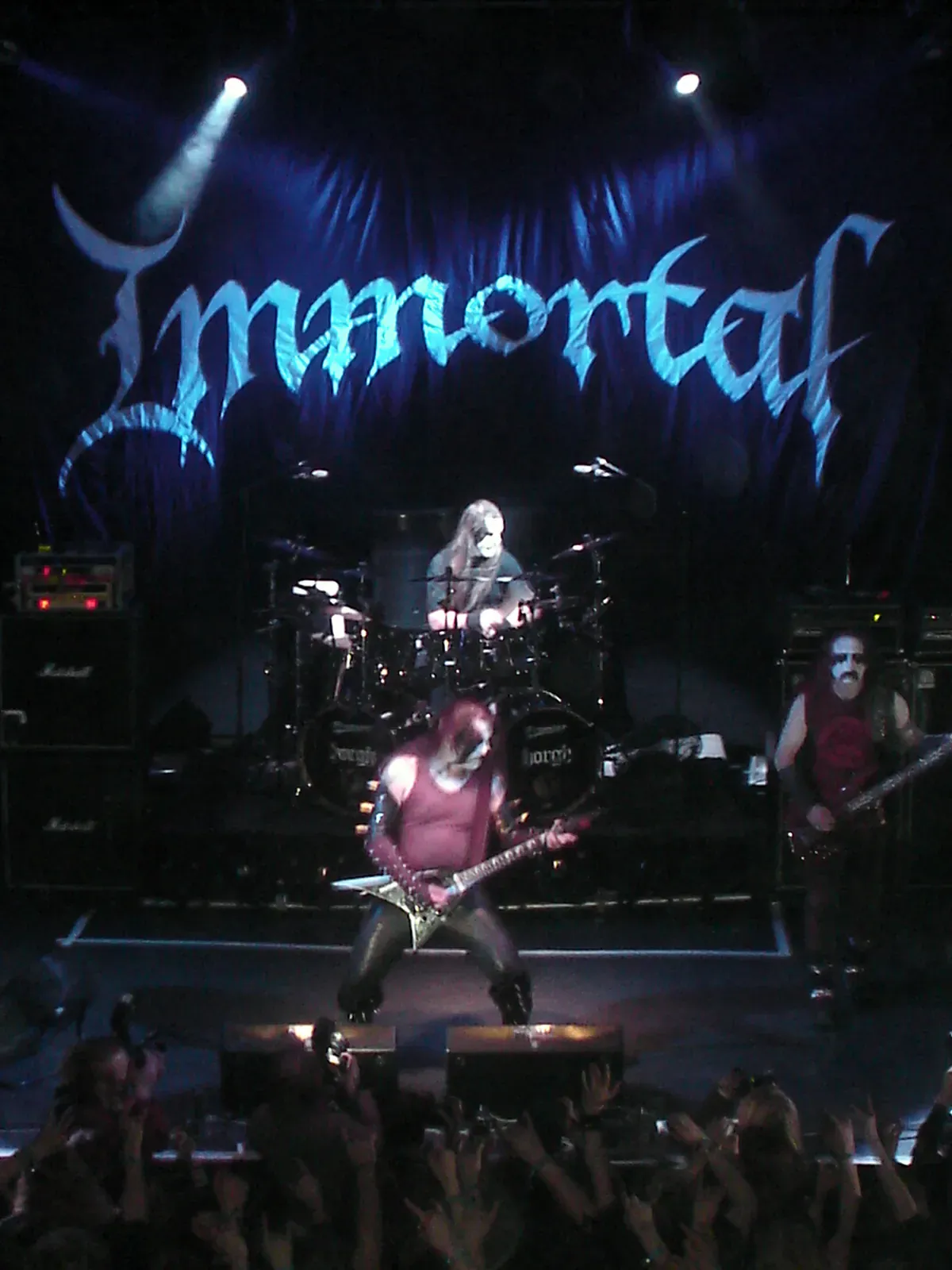
Oslo supplied a meeting place. In spring 1991 Mayhem guitarist Euronymous opened Helvete, a record shop that became the hub of the scene until early 1993, and the same year he started Deathlike Silence Productions. In Bergen, Immortal and Burzum emerged, and many records were cut at Grieghallen studio with producer Eirik “Pytten” Hundvin. Emperor came from Notodden and Dimmu Borgir from Jessheim.
The sound settled into a recognisable form: tremolo-picked minor-key riffs, blast beats, a trebly mix with quiet bass, and shrieked vocals. Mayhem’s De Mysteriis Dom Sathanas (recorded in Bergen, released 1994) is often named the genre’s defining album. Darkthrone’s Transilvanian Hunger came out the same year.
Church arsons and killings
The scene also became known for crime. The burning of the Fantoft stave church near Bergen in June 1992 began a wave of roughly 50 attacks on Norwegian churches by 1996, and some of them were claimed by scene members. On 21 August 1992 Emperor’s drummer Faust stabbed and killed a man, Magne Andreassen, in Lillehammer, and was convicted in 1994. On 10 August 1993 Varg Vikernes of Burzum killed Euronymous. In May 1994 Vikernes received 21 years, the maximum Norwegian sentence, for the murder and for church arsons, and other scene members were also convicted.
These crimes were the acts of a small group within a much larger community, and most black metal artists were never involved.
Symphonic spread, 1996-2006
Black metal reached a wider audience through polish. Emperor’s In the Nightside Eclipse (Candlelight Records, 1994) had already put keyboards and orchestral layers over blast beats. Satyricon’s Nemesis Divina (1996) added melody, and Dimmu Borgir’s Enthrone Darkness Triumphant (Nuclear Blast, 1997) marked the international breakthrough of the symphonic branch. Underground fans read major-label signings as selling out.
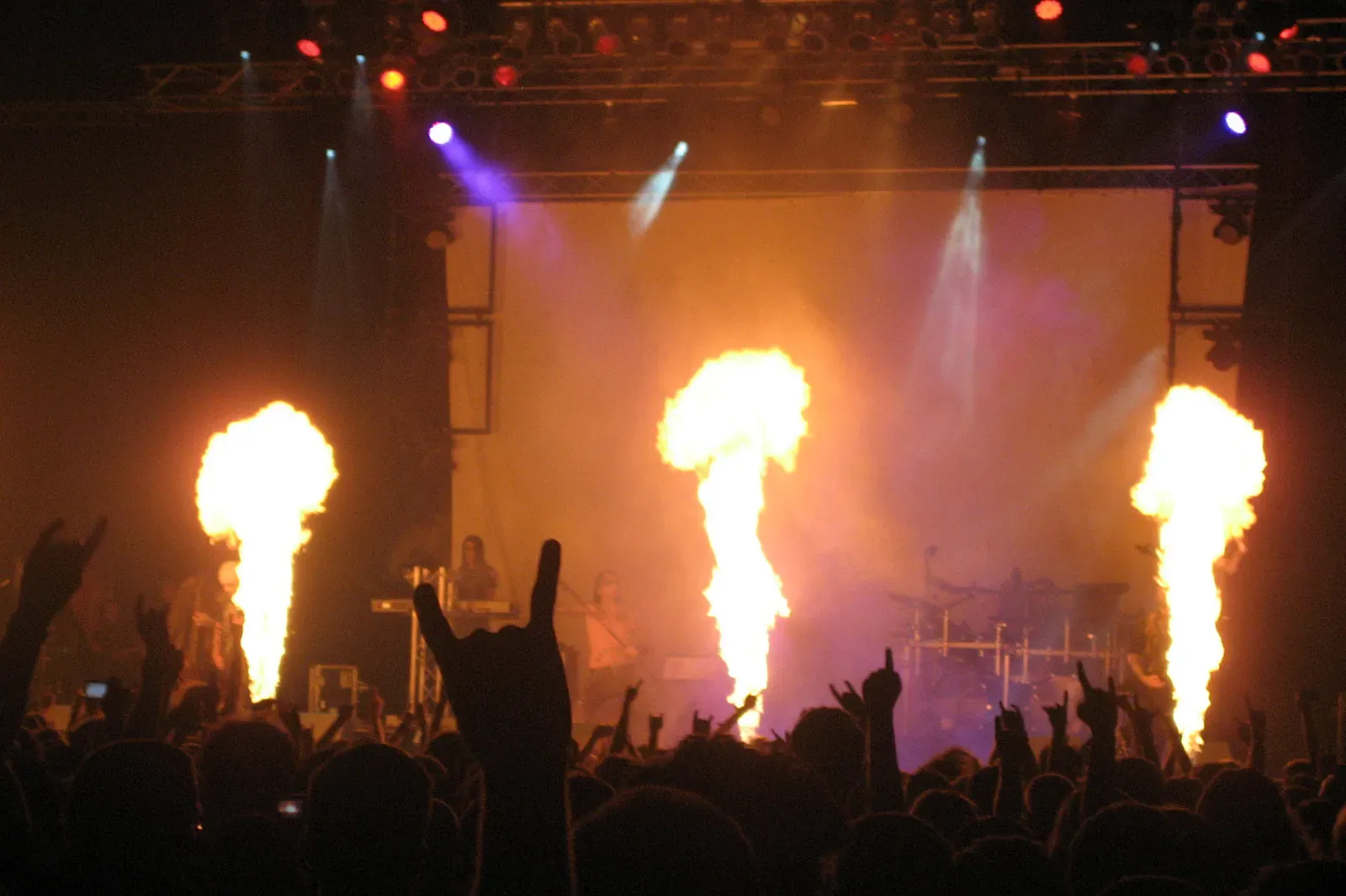
England’s Cradle of Filth took a gothic route. In 2007 Dimmu Borgir’s In Sorte Diaboli reached number 1 on the Norwegian album chart.
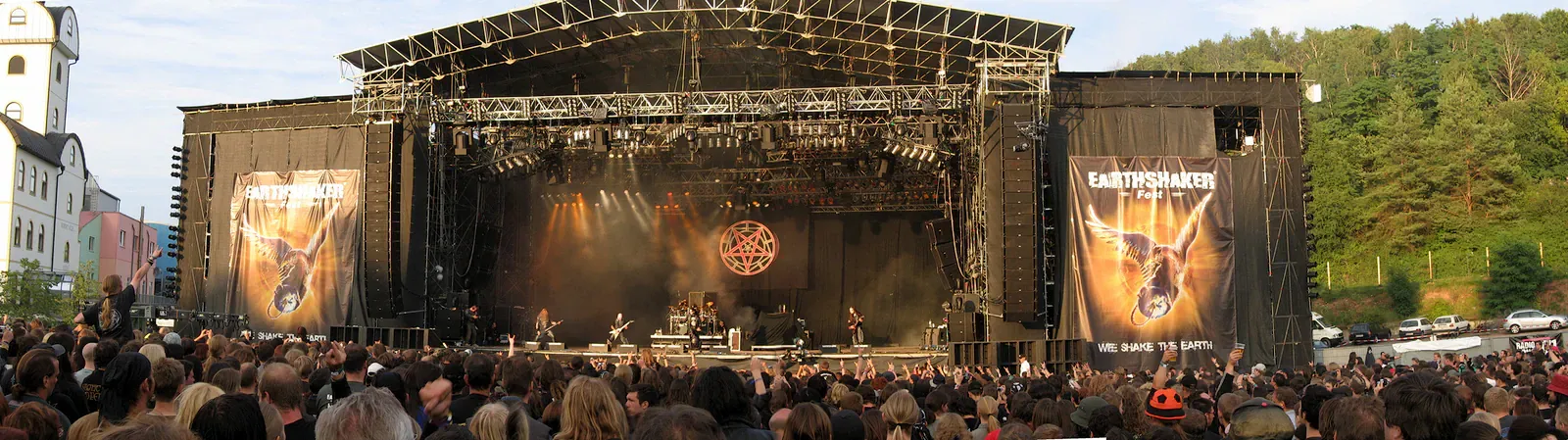
Mainstream success and backlash
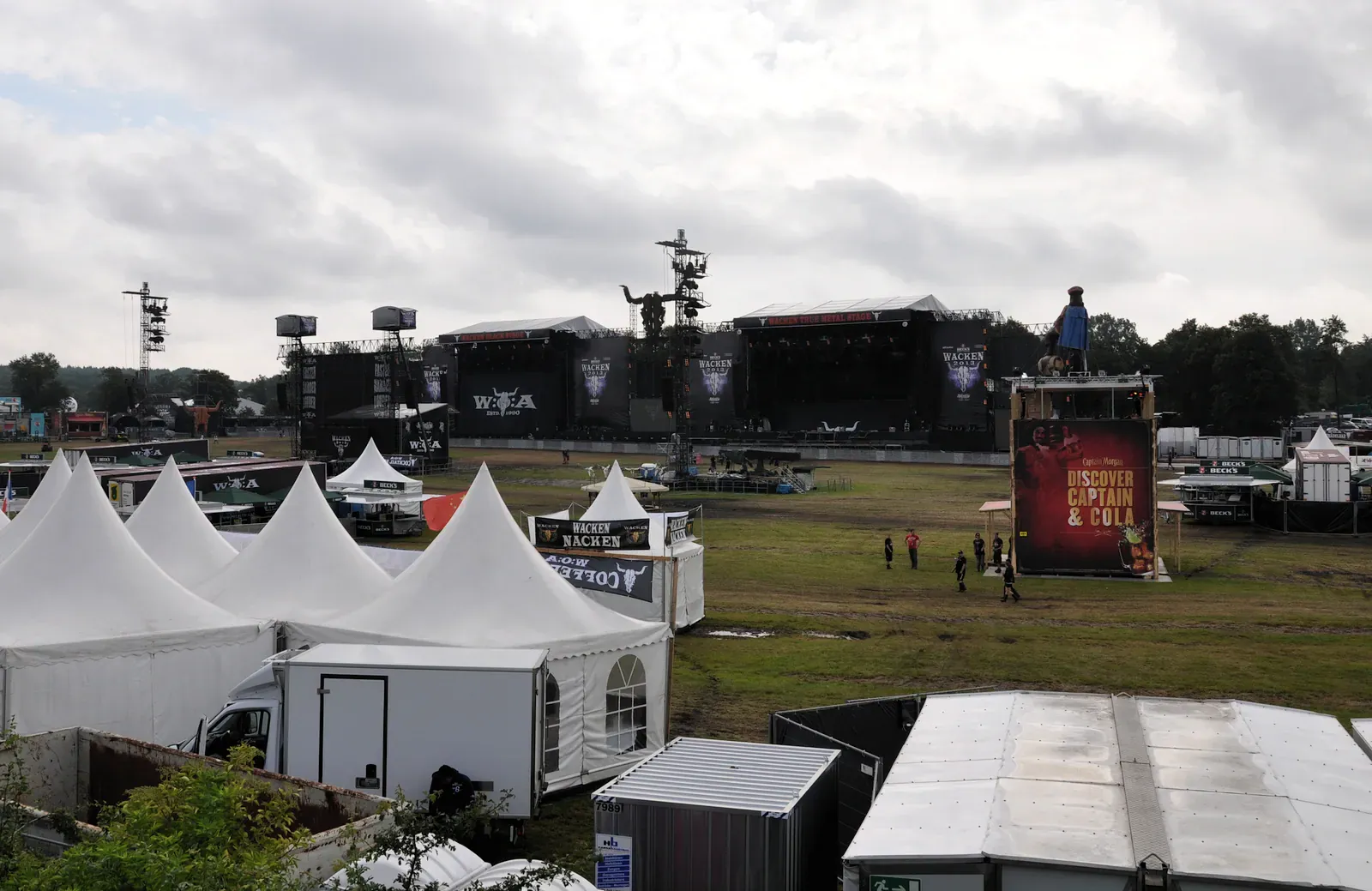
It spread through festivals, music television, the documentary Metal: A Headbanger’s Journey in 2005, and bigger labels. The backlash came from inside: purists defended raw, low-budget sound and treated polish and chart success as betrayal.
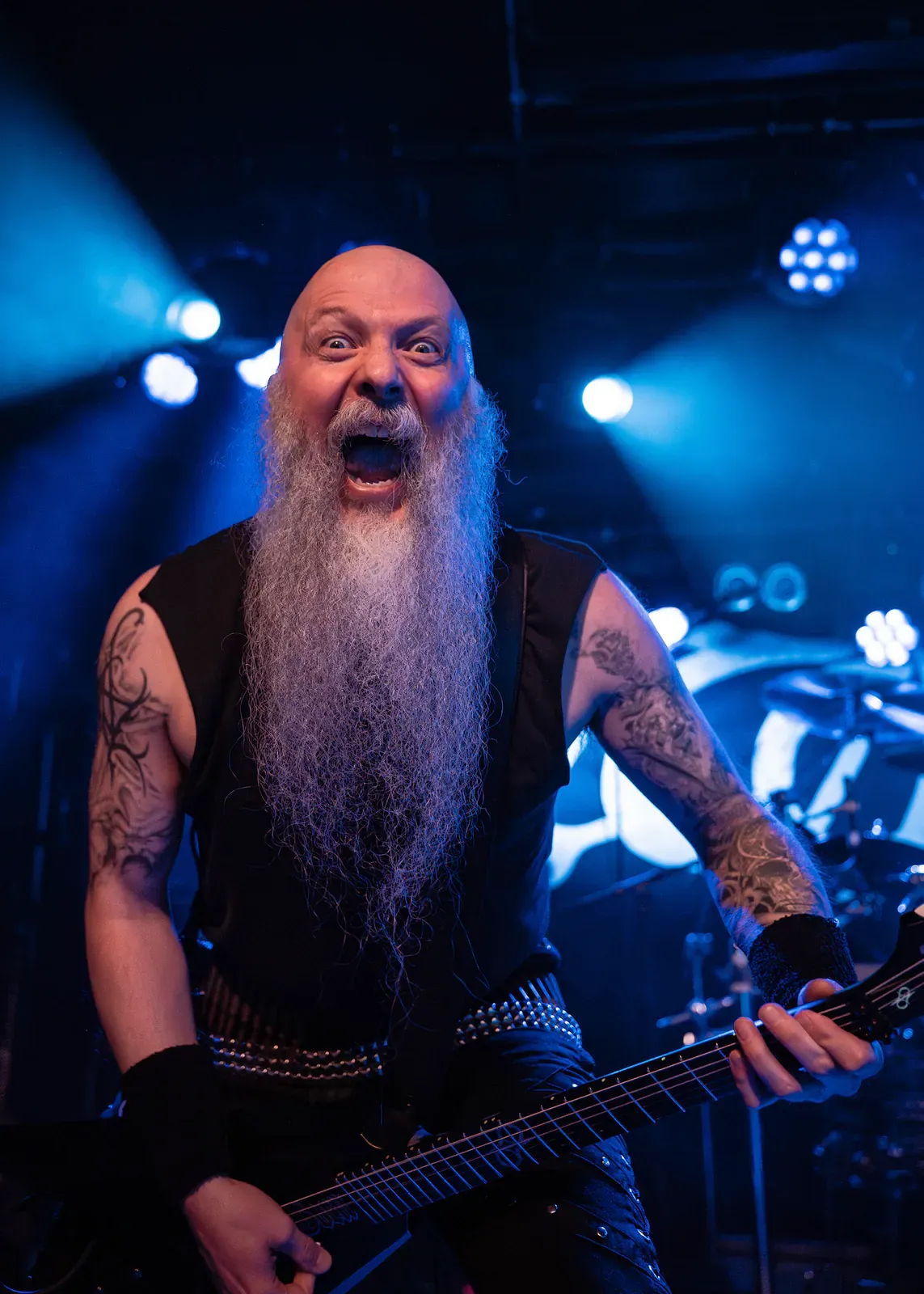
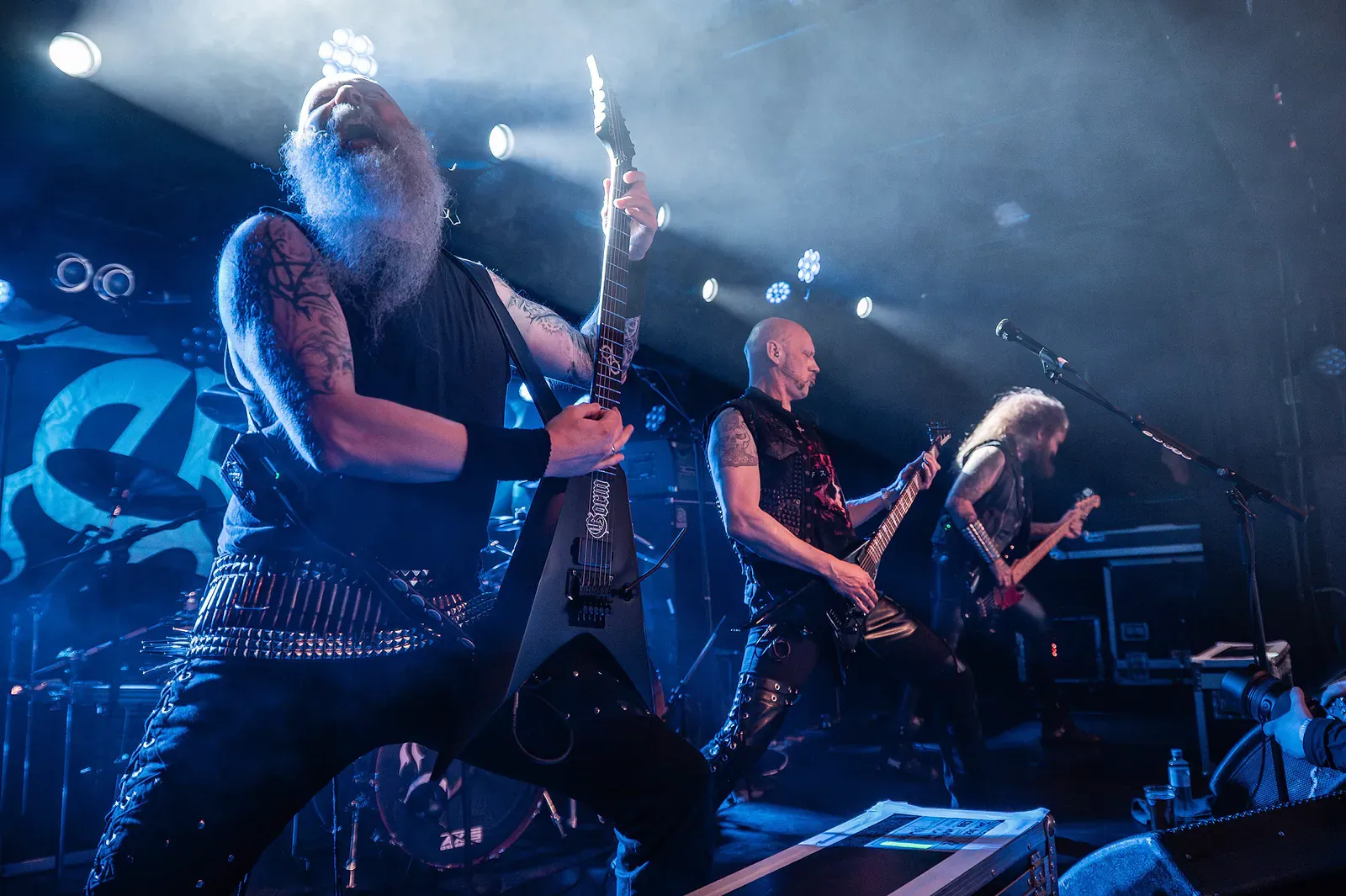
Characteristics
Songs run long and repeat short riffs, often in minor keys with tritone dissonance and open-string drones. Tempos are fast, from mid-paced marches to sustained blast beats. Lyrics cover the occult, anti-Christian ideas, winter, nature and folklore.
Instruments and production
Standard line-ups use guitars, bass, drums and vocals, with keyboards added by the symphonic branch. The thin, trebly mix comes from heavy distortion and from cheap home or small-studio recording. Early Norwegian musicians chose bad equipment on purpose to build an identity apart from polished metal.
Post-black metal and global reach, 2007 onward
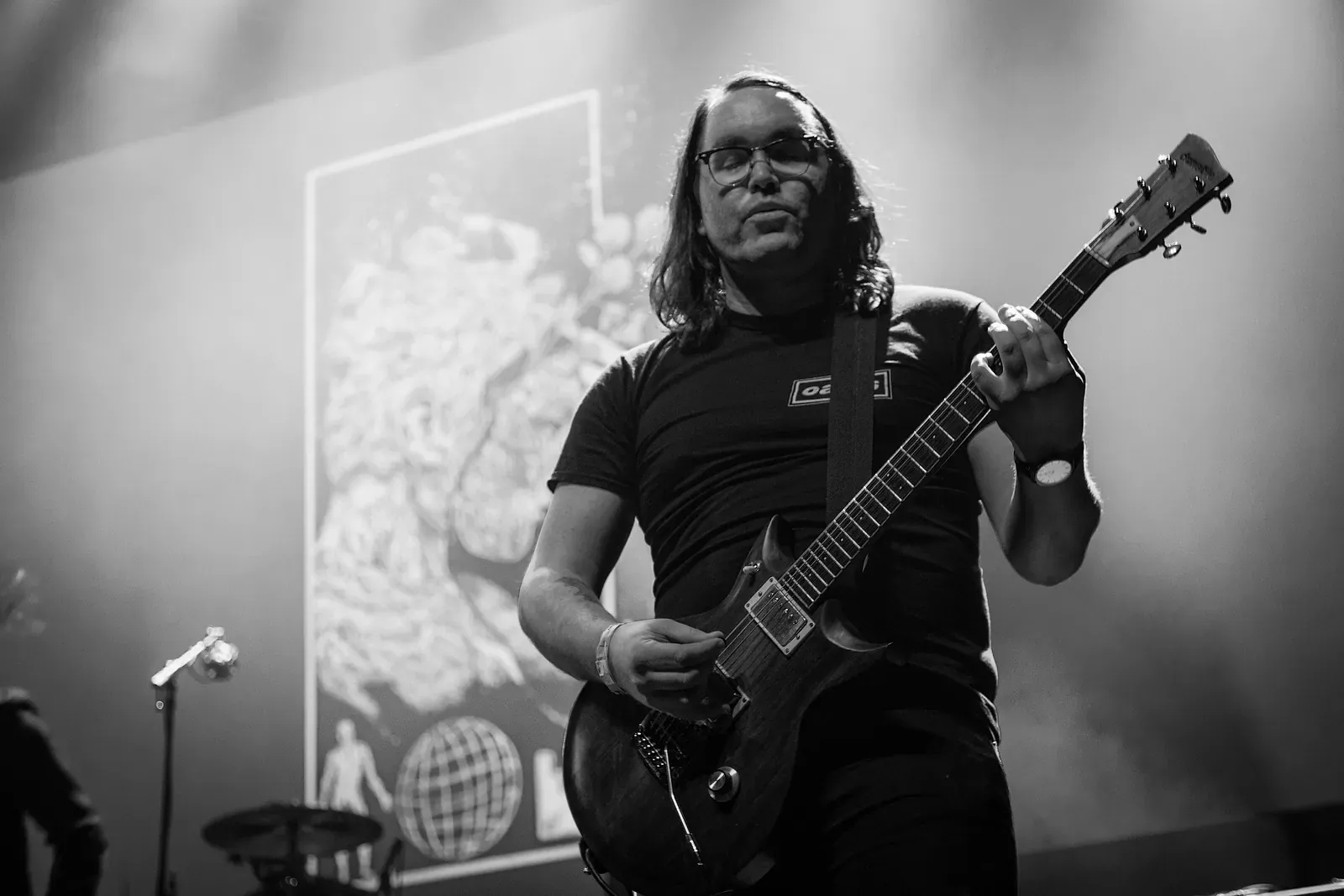
In the 2010s a different crowd arrived. French and American acts such as Alcest and Deafheaven combined black metal’s blast beats and shrieks with shoegaze and post-rock, a blend called blackgaze. Deafheaven formed in San Francisco in 2010, and their 2013 album Sunbather scored 92 on Metacritic and reached 130 on the Billboard 200. Bandcamp helped small acts reach fans directly, and scenes now exist worldwide.
Notable recordings
Mother North. Satyricon’s song from Nemesis Divina (1996) is melodic, cold and catchy.
Mourning Palace. Dimmu Borgir’s single from Enthrone Darkness Triumphant carried orchestral black metal to a wide metal audience in 1997.
Dream House. The opener of Sunbather fuses blast beats and shrieks with shoegaze; it brought black metal to critics who had not listened to it.
Legacy
Black metal’s raw aesthetic and tape-trading ethic shaped later extreme metal and underground music in general. Its branches include atmospheric, depressive, melodic, industrial and avant-garde forms, and its blend with shoegaze produced blackgaze. Scenes now exist on every continent.
Culture
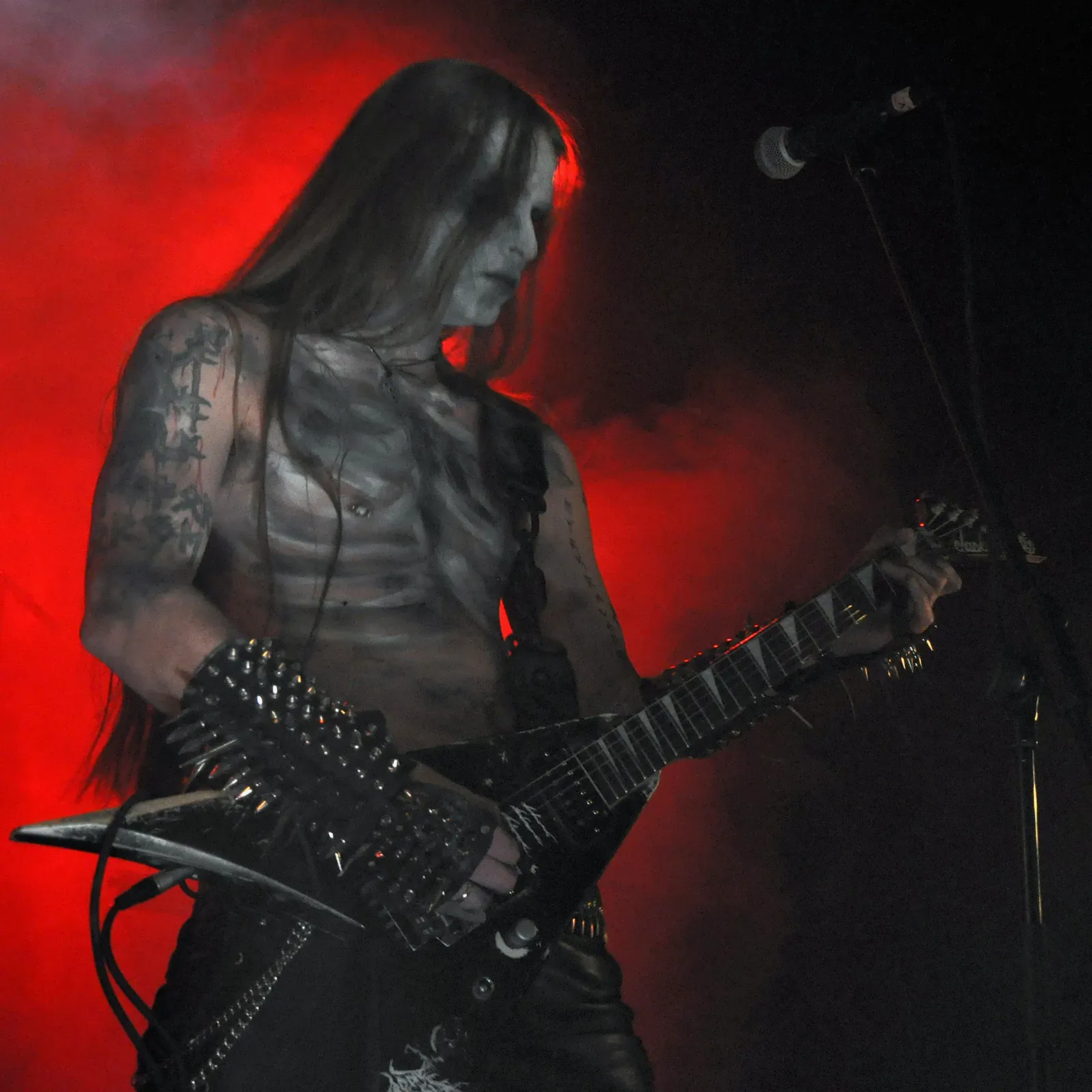
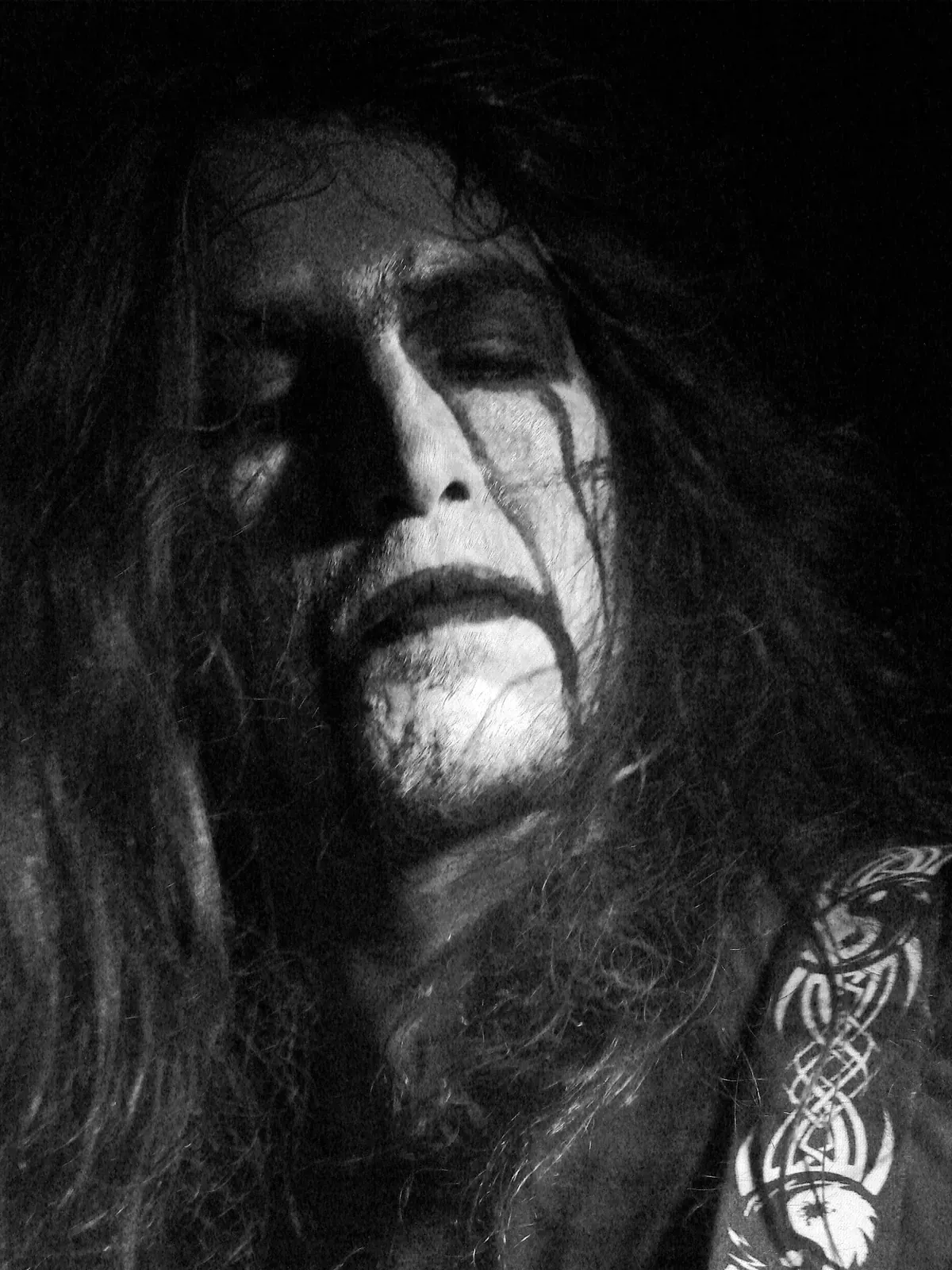
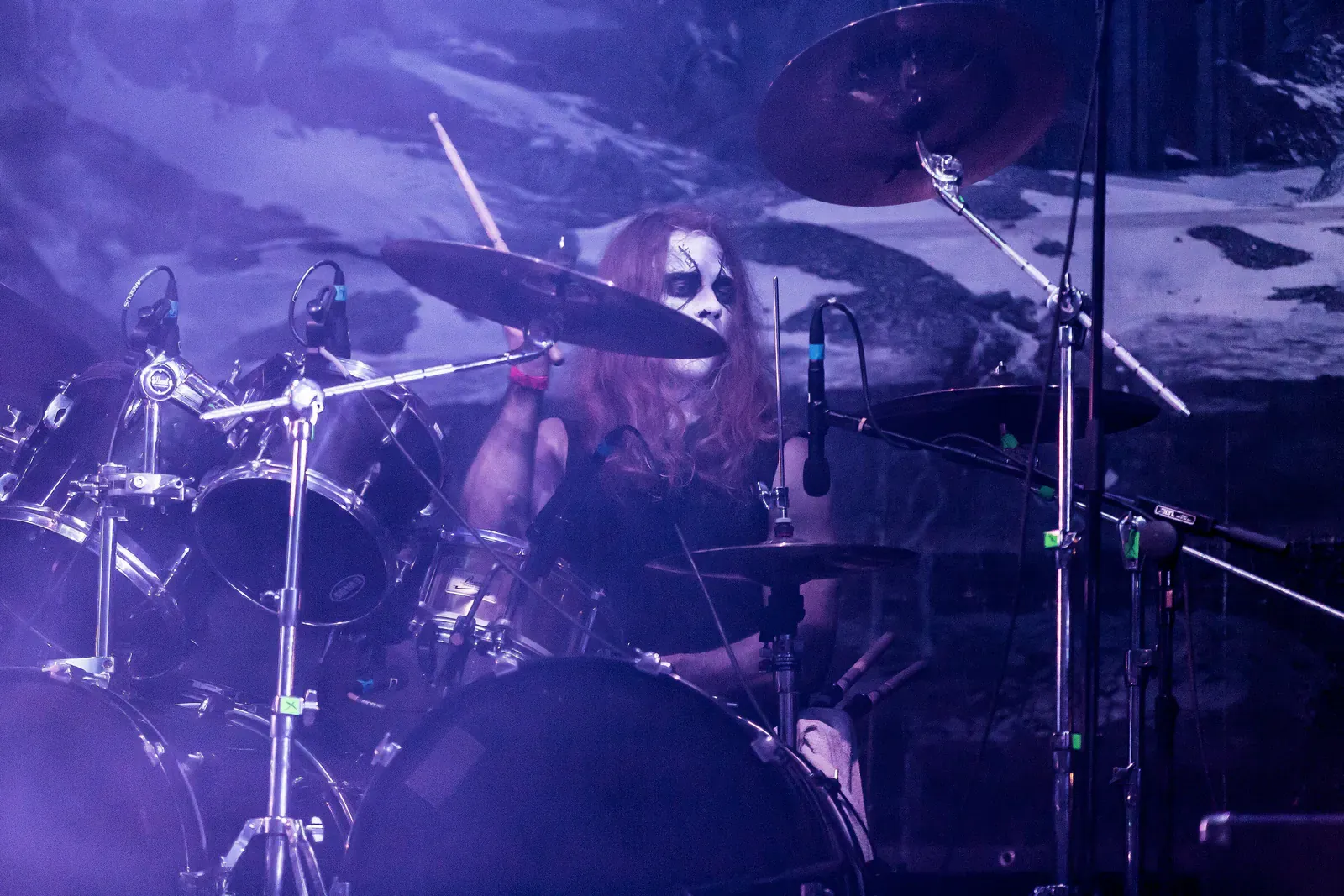
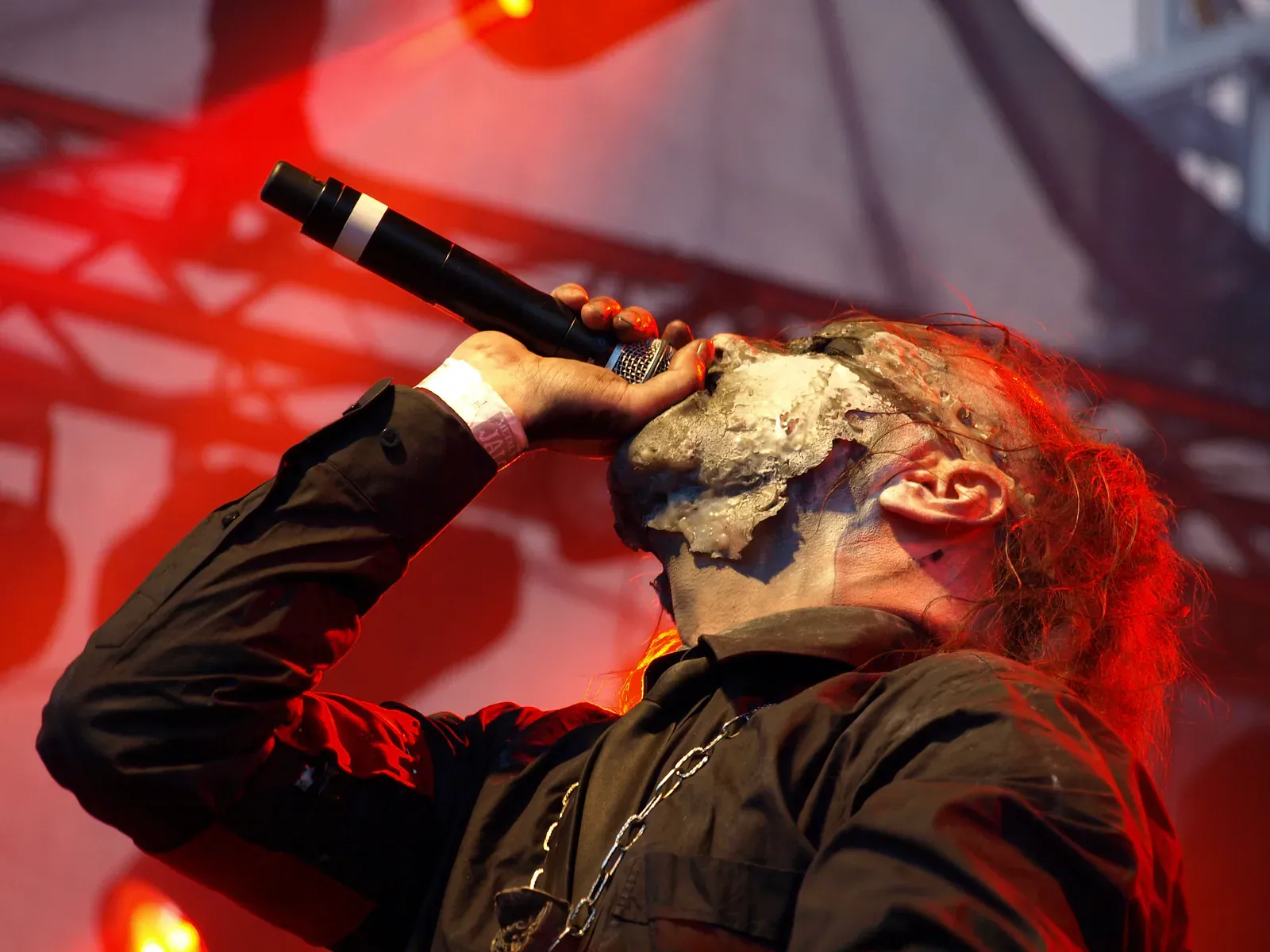
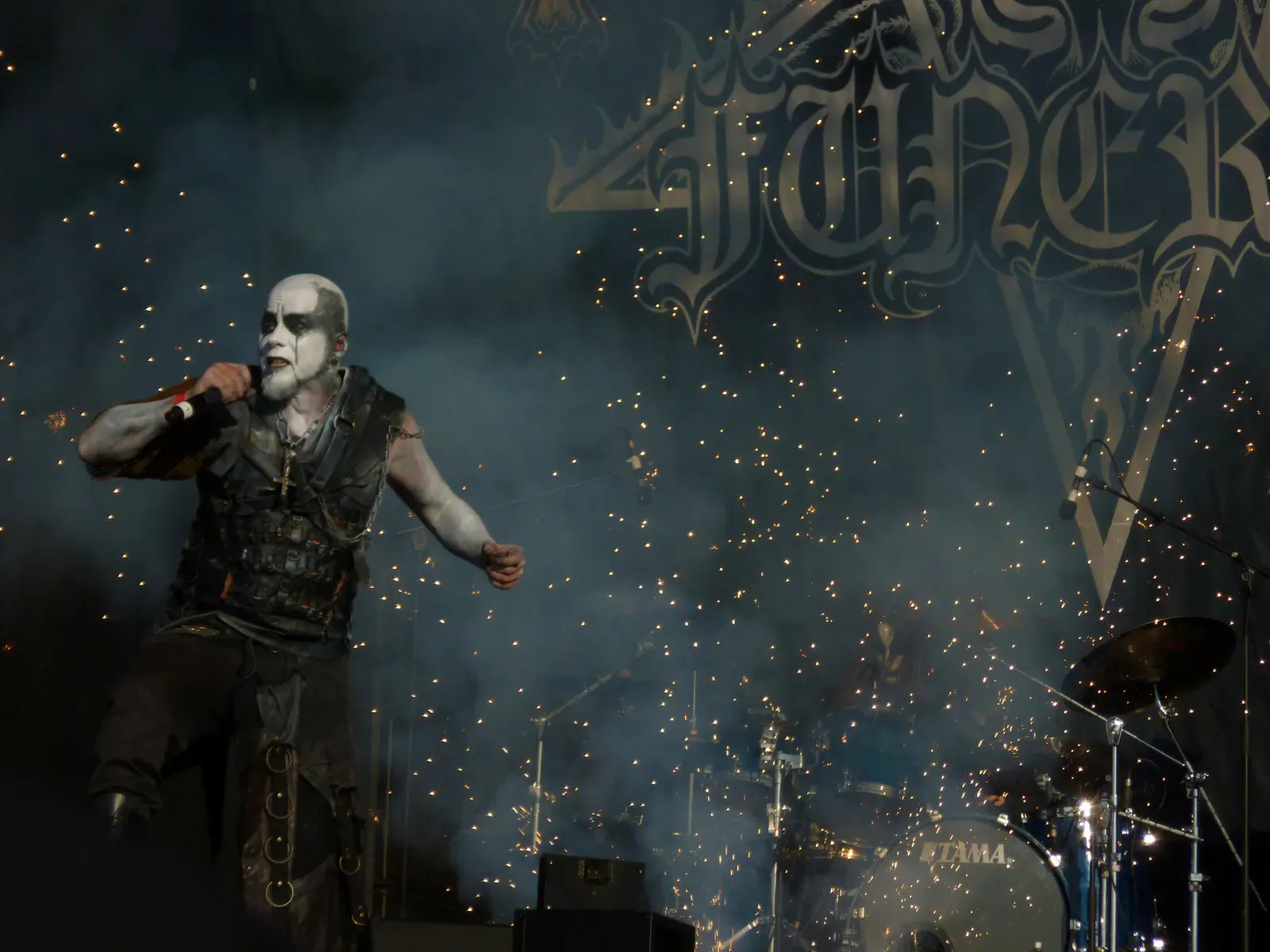
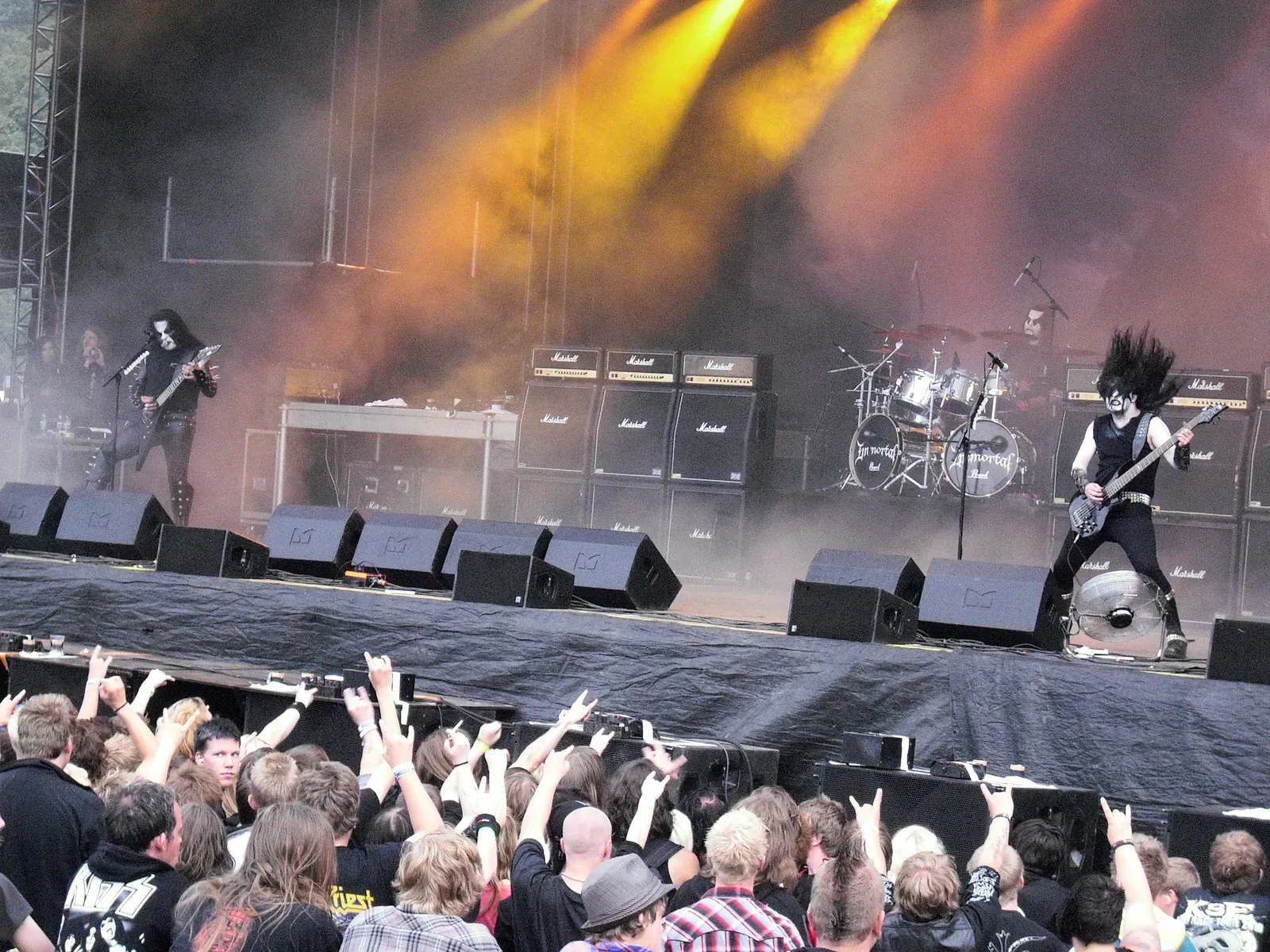
Corpse paint, a white face with black lines, spread from Mayhem to the whole second wave. Spikes, studs, bullet belts and leather marked the early look, and members used dark stage names such as Euronymous or Fenriz. “Kvlt”, a mock-archaic spelling of “cult”, names bands that stay deliberately underground.
Misconceptions
“All black metal is Satanic.” Many bands use occult or anti-Christian imagery, but others write about nature, winter, folklore and history.
“The whole scene burned churches.” Roughly 50 church arsons were recorded in Norway between 1992 and 1996, a few of them linked to scene figures. Most bands and fans were never involved.
“It has always been underground.” Dimmu Borgir topped the Norwegian album chart in 2007, and Deafheaven’s Sunbather made the Billboard 200 in 2013.
Frequently asked questions
What is black metal music?
Black metal is a form of extreme metal with fast tremolo-picked guitars, blast beats, shrieked vocals and lo-fi production. Its themes often include the occult, anti-Christian ideas, winter and nature.
Where did black metal start?
Black metal started in the early 1980s with Venom in Newcastle, Bathory in Stockholm and Hellhammer and Celtic Frost in Zurich. Norway’s Oslo and Bergen scenes defined its best-known sound in 1991 to 1995.
What is corpse paint in black metal?
Corpse paint is black and white face makeup that makes the wearer look dead. Mayhem popularised it, and it became standard for second-wave bands.
Which albums define black metal?
Mayhem’s De Mysteriis Dom Sathanas and Darkthrone’s Transilvanian Hunger (both 1994) represent the raw core, Emperor’s In the Nightside Eclipse and Satyricon’s Nemesis Divina the melodic and symphonic side, and Deafheaven’s Sunbather (2013) the modern crossover.
Sound
Sound sheet
Anatomy of a track
| # | Part | Bars |
|---|---|---|
| 1 | Intro (clean guitar or keyboard) | 8 |
| 2 | Verse riff (tremolo picking, blast beat) | 16 |
| 3 | Mid-tempo or slow break | 8 |
| 4 | Verse riff returns, new variation | 16 |
| 5 | Atmospheric bridge | 8 |
| 6 | Final riff and outro | 16 |
Signature sounds
- Tremolo-picked minor-key riffs
- Blast beats and fast double bass
- Shrieked, raspy vocals
- Thin, trebly lo-fi mix with quiet bass
- Long, repetitive song forms
- Keyboard or acoustic interludes
Drums and percussion
- Double-bass drum kit
Techniques
- Tremolo picking
- Blast beat
- Tritone and dissonant intervals
- Lo-fi home recording
Keys and modes
Natural minor (Aeolian). Minor-key tremolo riffs form the harmonic base of most records.
Phrygian mode. The flat second gives riffs a menacing, descending color.
Harmonic minor. Raised seventh used for exotic, gothic and symphonic melodies.
Tuning
Mostly standard tuning, A=440; low tunings are rare
Vocals
High-pitched shrieks, rasps and snarls; occasional death growls.
Scenes
Where it happened
Where and when the sound lived: one bar per city on a shared timeline.
Europe
North America
Active scenes
Peak 5, 1993
Venom recorded Black Metal here in 1982 and gave the style its name.
Bathory formed in the Vallingby district in 1983 and became the Scandinavian blueprint.
Hellhammer and then Celtic Frost made the gloomy, heavy forerunners of black metal.
Mayhem, the Helvete shop and Deathlike Silence made it the centre of the second wave.
Burzum, Immortal and Gorgoroth emerged, recording at Grieghallen studio.
Emperor formed here and set the symphonic course of the genre.
Dimmu Borgir started here and became one of the best-known acts.
Deafheaven formed here in 2010 and led the American post-black wave.
Venues and places
Wallsend, 1982 to today. Near Newcastle, where Venom recorded Black Metal.
Oslo, 1991 to today. Record shop run by Euronymous, the hub of the early Norwegian scene until early 1993.
Bergen, 1989 to today. Producer Pytten recorded Burzum, Mayhem, Emperor and Immortal here; it closed in 2013.
Culture
Culture markers
- Corpse paint
Black and white face makeup that spread from Mayhem to the whole second wave.
Fashion - Spikes and bullet belts
Leather, studs, bullet belts and combat boots mark the look of the early scene.
Fashion - Monochrome photocopied covers
Stark black and white sleeves with little text matched the raw production.
Artwork - Kvlt
Mock-archaic spelling of "cult" used for deliberately underground, anti-mainstream bands.
Slang - Stage pseudonyms
Members use dark names such as Euronymous, Fenriz or Abbath rather than real ones.
Slang - Tape trading and fanzines
Mail-order demos and zines built the scene before the internet.
Ritual
Media
Key media
- 1984Scandinavian Metal Attack
by Various. Swedish compilation that first released Bathory's early tracks.
Compilation - 1998Lords of Chaos
by Michael Moynihan and Didrik Soderlind. Popular, much-debated account of the Norwegian second wave.
Book - 2005Metal: A Headbanger's Journey
by Sam Dunn. Documentary that gave black metal and its Norwegian history a wider audience.
Film - 2008Until the Light Takes Us
by Aaron Aites and Audrey Ewell. Documentary on the Norwegian scene with interviews with key figures.
Film - 2013Black Metal: Evolution of the Cult
by Dayal Patterson. Oral-history book drawn from interviews with scene musicians.
Book - 2018Lords of Chaos
by Jonas Akerlund. Dramatised feature film about Mayhem and the early Oslo scene.
Film
Glossary
Terms on this page
A fusion of black metal and shoegaze, led by Alcest and Deafheaven.
Very fast drumming that hits snare and bass drum together in rapid alternation.
Black and white face makeup that makes performers look dead, standard in the second wave.
A deliberately raw, murky production style prized by underground fans.
The early-1990s Norwegian scene that fixed the genre sound and image.
Black metal with keyboards and orchestral parts, from Emperor to Dimmu Borgir.
Rapid repeated picking of a note or chord that gives the guitar its shimmering, icy sound.
Metal family