Alternative metal
Alternative metal blends heavy metal with alternative rock and outside styles, with downtuned mid-paced riffs and mixed vocals. It began in the US in the 1980s.
Los Angeles, 1985
Metal family
Born
1985
Los Angeles
Subgenres
4
Documented branches
Links
9
Genres it drew on or shaped
Tempo
70-135 BPMLineage
Family tree
Grew out of
Derived from
Influenced by
Los Angeles, 1985
Alternative metal
Led to (5)
Timeline
Era by era
From the first sparks to today. Select a dot to read the story behind it.
- Funk, punk and art-rock crossovers
1983 to 1989
- Grunge-era breakthrough
1990 to 1996
- Nu metal peak
1997 to 2004
- Decline and persistence
2005 to today
Eras
Moments
- 1 Funk, punk and art-rock crossovers, 1983 to 1989
- 2 Grunge-era breakthrough, 1990 to 1996
- 3 Nu metal peak, 1997 to 2004
- 4 Decline and persistence, 2005 to today
1983
Funk, punk and art-rock crossovers
Faith No More, Jane's Addiction and Soundgarden mix metal with funk, art rock and independent rock in the mid to late 1980s, mostly for alternative rock audiences.
- 1983Faith No More form in San FranciscoThe band, formed under earlier names in 1979, takes its final name in September 1983.
- 1985Jane's Addiction form in Los AngelesPerry Farrell and Eric Avery start a band that mixes art rock, punk and heavy riffs.
- 1988MTV refuses Mountain SongThe video for Jane's Addiction's single contains full frontal nudity and is kept off the channel.
- 1988Mike Patton joins Faith No MoreThe singer from Mr. Bungle takes over and writes the lyrics of The Real Thing within weeks.
- 1989The Real ThingFaith No More's third album, a Grammy nominee that passes 4 million sales worldwide.
1990
Grunge-era breakthrough
After grunge opened the mainstream, alt-metal became the most popular metal style of the decade, carried by Lollapalooza, Helmet's Meantime and Tool's Undertow.
- 1990Epic becomes a top-10 hitThe single released in January 1990 gets heavy MTV airplay; its closing fish shot angers animal rights activists.
- 1990Alternative metal named in the pressA Los Angeles Times writer describes Jane's Addiction and Soundgarden as alternative metal, music that rocks and still reaches a large audience.
- 1991First Lollapalooza tourPerry Farrell's touring festival starts in Phoenix on 18 July and later features Tool, Rage Against the Machine and Alice in Chains.
- 1992Helmet release MeantimeThe major-label debut peaks at number 68 on the Billboard 200 yet becomes a reference point for later bands.
- 1993Tool release UndertowThe debut album reaches gold in 1993 and platinum in 1995 after Lollapalooza exposure.
- 1993Korn formThe band's 1994 debut is widely considered the first nu metal release.
- 1994MTV drops Tool's Prison SexAdam Jones's video on child abuse is judged too graphic and MTV stops showing it after a few airings.
1997
Nu metal peak
A harsher second wave built on hardcore, groove metal, industrial and hip-hop reaches mass audiences through Korn, Limp Bizkit, System of a Down and Deftones.
- 1997Deftones release Around the FurThe second album, recorded in Seattle, is praised for its loud-soft dynamics.
- 1998Korn's Follow the Leader sells 3.6 million in the USKorn and Limp Bizkit sit atop MTV's Total Request Live alongside boy bands.
- 2004Nu metal sales fallKorn, Limp Bizkit and P.O.D. lose album sales while post-grunge acts dominate rock radio.
2005
Decline and persistence
Nu metal sales fall after 2004 and many bands move on, while the alt-metal label survives as a loose descriptor for heavy bands outside other metal categories.
Listening path
Start listening
A short path from an easy way in to the deep end. Thumbnails come from YouTube; the player loads only when you press play.
- 01
Jane's Addiction, 1990
Funk bass, shouted vocals and a drum-driven riff, an early alt-metal radio hit.
- 02
Tool, 1993
Slow bass hook and sudden loud choruses, the single that made Tool known.
- 03
Helmet, 1992
Staccato downtuned riff and clipped vocals, Helmet's best-known song.
- 04
Deftones, 1997
Quiet verse and heavy chorus, the loud-soft shape of the nu metal era.
Facts
| Family | Metal |
| Origin | Los Angeles, United States |
| Emerged | Mid-1980s, mainstream in the 1990s |
| Status | Active |
| Tempo | 70 to 135 BPM |
| Meter | 4/4 |
| Grew out of | Heavy metal |
| Subgenres | 3 |
Alternative metal, also called alt-metal, is a branch of heavy metal that combines the genre with alternative rock and with styles not normally linked to metal.
Its bands favour heavily downtuned, mid-paced guitar riffs, a mix of accessible melodic vocals and harsh ones, and structures that sound unconventional next to other metal styles. The term was in use in the 1980s and became widespread in the 1990s.
Origins
The roots lie in the early to mid-1980s American independent rock scene. Bands such as Fishbone, Faith No More and the Red Hot Chili Peppers began mixing metal with funk, producing funk metal, now seen as an early form of alt-metal. Other pioneers came from hardcore punk. Faith No More, Jane’s Addiction and Soundgarden are regarded as the earliest alternative metal acts, all emerging in the mid to late 1980s and setting the template by mixing heavy metal with other genres.
Throughout the decade these bands appealed mostly to alternative rock fans, since nearly all of them grew out of independent American scenes rather than the metal circuit. They never formed a single scene. What joined them was an openness to experiment while keeping traditional metal weight. Sources of that weight ranged from hardcore punk and noise rock to stoner rock, sludge, groove metal and industrial.
Early bands, 1983-1989
Faith No More took their final name in San Francisco in September 1983. Their fortunes turned after the singer Mike Patton, then with Mr. Bungle, joined in 1988 and wrote the lyrics for The Real Thing within about two weeks. The album came out in June 1989 on Slash, earned a Grammy nomination and eventually sold more than 4 million copies worldwide.
Jane’s Addiction formed in Los Angeles in 1985 around Perry Farrell and Eric Avery, drawing on art rock and progressive rock as well as punk and metal. Their major-label debut Nothing’s Shocking appeared in 1988 and sold only 200,000 to 250,000 copies in its first year, partly because MTV refused to show the video for Mountain Song over full frontal nudity. Touring changed that: after supporting Iggy Pop and the Ramones, the band was headlining clubs and theatres by the end of the run.
Grunge-era breakthrough, 1990-1996
In 1990 a Los Angeles Times critic described Jane’s Addiction and Soundgarden as alternative metal: music that rocks, with an audience many times larger than that of other alternative rock. In the same year Faith No More’s Epic became a top-10 hit, and its video was heavily played on MTV.
The rise of grunge made the form acceptable to a mainstream audience, and alt-metal soon became the most popular metal style of the decade. Lollapalooza helped. Perry Farrell and his partners conceived the touring festival in 1990 as a farewell for Jane’s Addiction, and the first tour began in Phoenix on 18 July 1991. Over the following years it gave exposure to Tool, Rage Against the Machine, Primus, Nine Inch Nails, Soundgarden and Alice in Chains.
Helmet’s Meantime, released on Interscope on 23 June 1992, peaked at number 68 on the Billboard 200 but became one of the most influential metal albums of the decade and went gold in 1994. Helmet’s roots were in the New York noise rock scene (see noise rock), and its drummer later said the band had fallen into the metal tag by accident. Tool’s Undertow in 1993 made the band a leading alternative metal group; it reached gold that year and platinum in 1995, helped by a Lollapalooza run in which the band was moved from the second stage to the main stage.
Many bands of the period rejected the label. Tool’s singer Maynard James Keenan said the press could not tell alternative and metal apart, and Helmet’s members also distanced themselves.
Nu metal peak, 1997-2004
In the later 1990s a harsher second wave arrived. Nu metal leaned on hardcore punk, groove and thrash metal, industrial and hip-hop, and its sound was more standardised than the eccentric first wave. Korn formed in 1993, and its self-titled 1994 debut is widely considered the first nu metal release.
Commercial results were large. Korn’s Follow the Leader (1998) sold 3.6 million copies in the United States and Issues (1999) sold 3.2 million, while Limp Bizkit’s Significant Other and Chocolate Starfish and the Hot Dog Flavored Water sold over seven and six million. Korn and Limp Bizkit regularly led MTV’s Total Request Live next to boy bands. Papa Roach, Disturbed, System of a Down, Linkin Park, Slipknot, Deftones and Staind also found wide audiences.
Some acts widened the sound while staying commercially viable. Mudvayne added progressive elements, and Deftones, formed in Sacramento in 1988, brought in post-hardcore and dream pop influences. The band’s Around the Fur (1997), recorded in Seattle, drew praise for its loud-soft dynamics and its rhythm section, with the drummer using a different snare on almost every track.
Decline and persistence, 2005-present
By 2004 nu metal sales were falling. Korn, Limp Bizkit and P.O.D. sold fewer records, post-grunge bands such as Nickelback took the radio, and many nu metal acts moved to other genres. By the mid 2010s the term alternative metal itself was being described as a relic, no more meaningful than alternative rock.
Characteristics
The central trait is the downtuned, mid-paced chug riff, though funk metal bands often kept a more conventional riffing style drawn from 1980s thrash. Vocals borrow from alternative rock: clean and melodic rather than the shouted or operatic styles of other metal. Later bands alternated between singing, growls and screams, and Korn and Deftones have been described as having bipolar vocals. Songs often shift between quiet verses and heavy choruses.
Related styles include funk metal, rap metal and, later, nu metal, which expanded the alt-metal sound with hip-hop, funk, thrash, hardcore and industrial elements.
Instruments and production
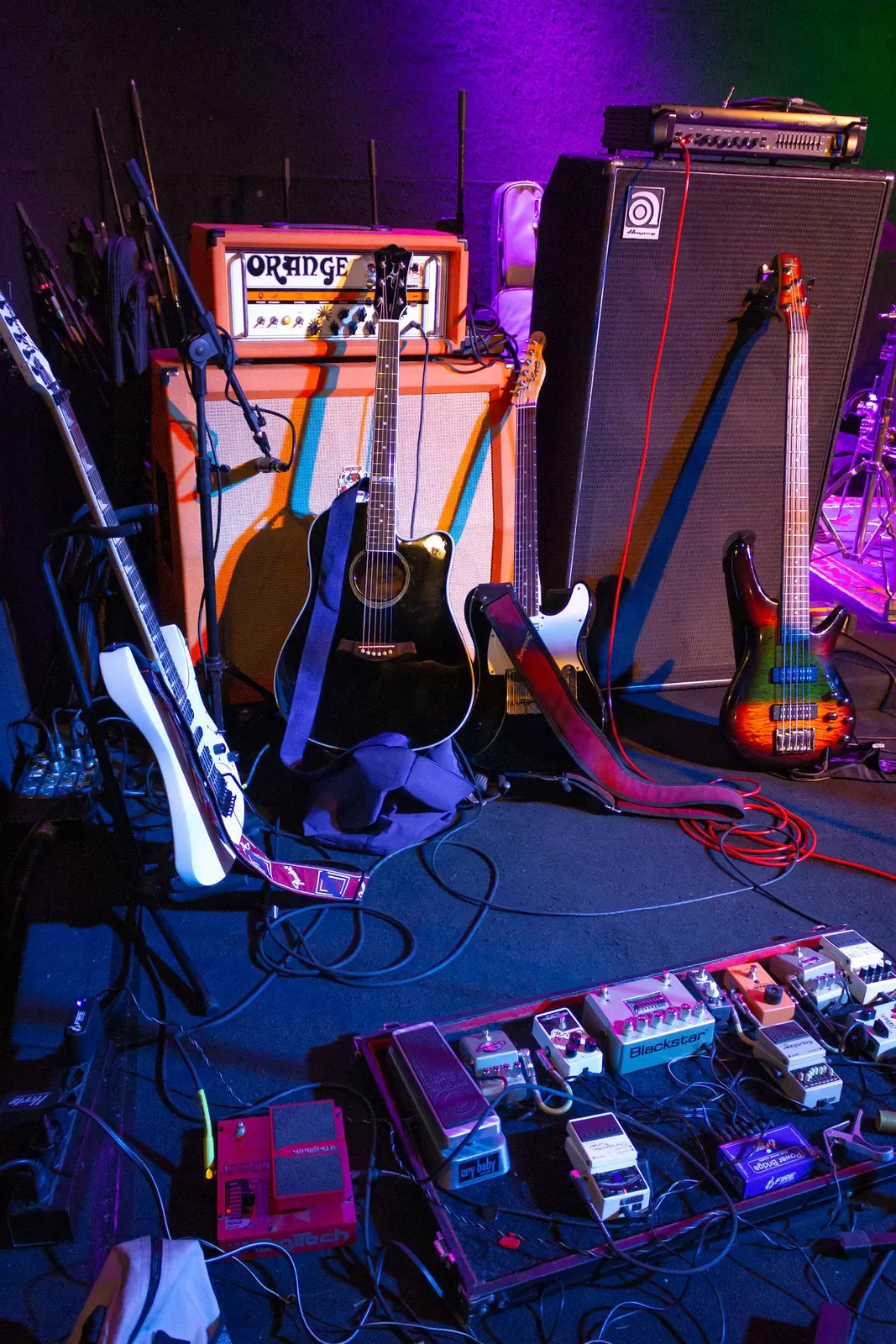
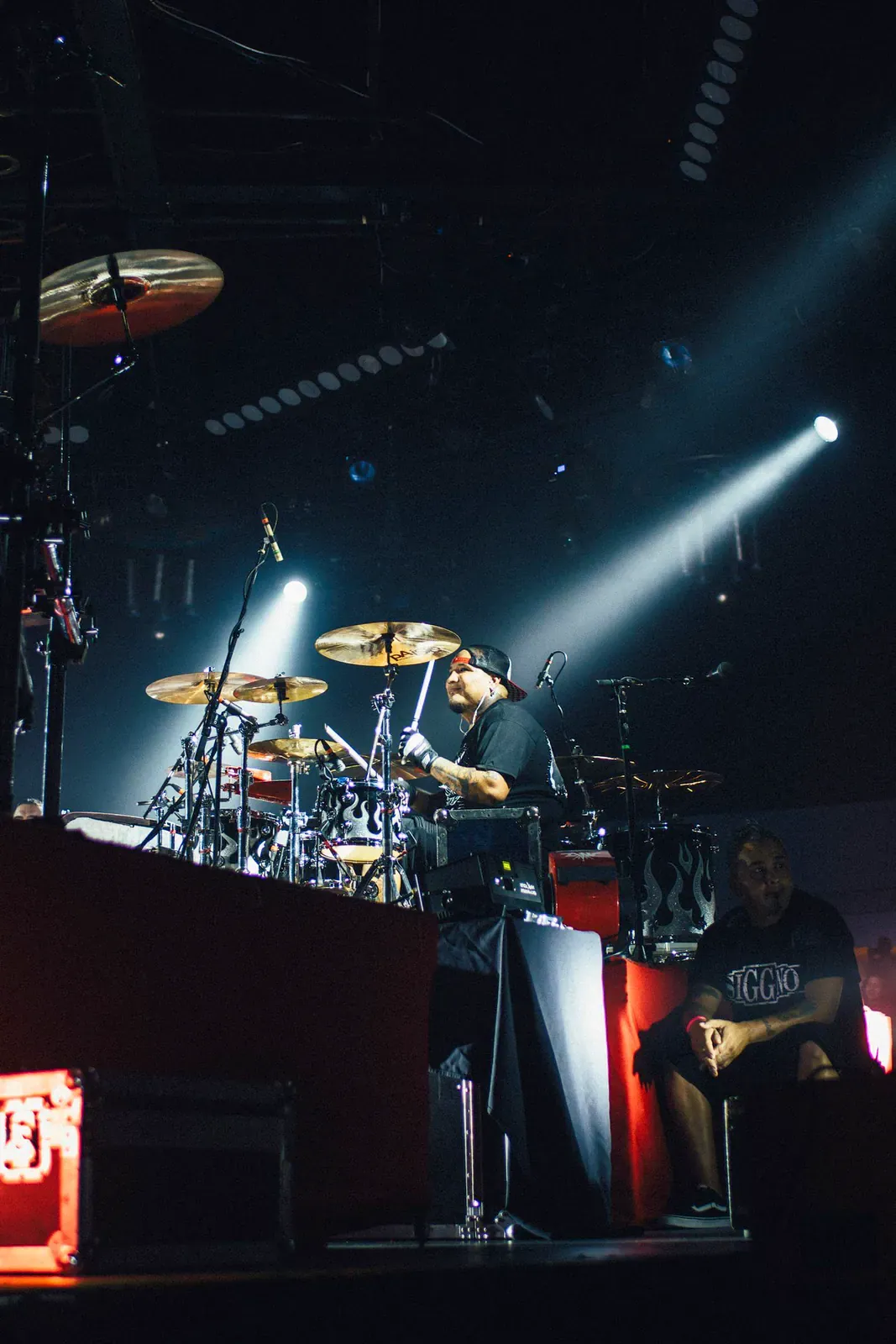
The line-up is standard rock: low-tuned electric guitars, bass and drums, with keyboards or turntables added by bands such as Faith No More and Deftones. Funk-influenced bass playing marks the early bands, while later groups pushed the guitar tone lower and thicker. Drummers favour mid-tempo grooves with room for dynamics.
Notable recordings
Epic by Faith No More joined rapped verses with a metal chorus, and its video’s closing shot of a fish flopping out of water angered animal rights activists. Tool’s Sober, from Undertow, became a hit by March 1994 and won a Billboard award for best video by a new artist. The follow-up single Prison Sex was less welcome: the video, which Adam Jones created, dealt with child abuse and was judged too graphic, and MTV stopped showing it after a few airings. Helmet’s Unsung, the lead single from Meantime, was a hit on the US Modern Rock chart and remains the band’s best-known song.
Culture
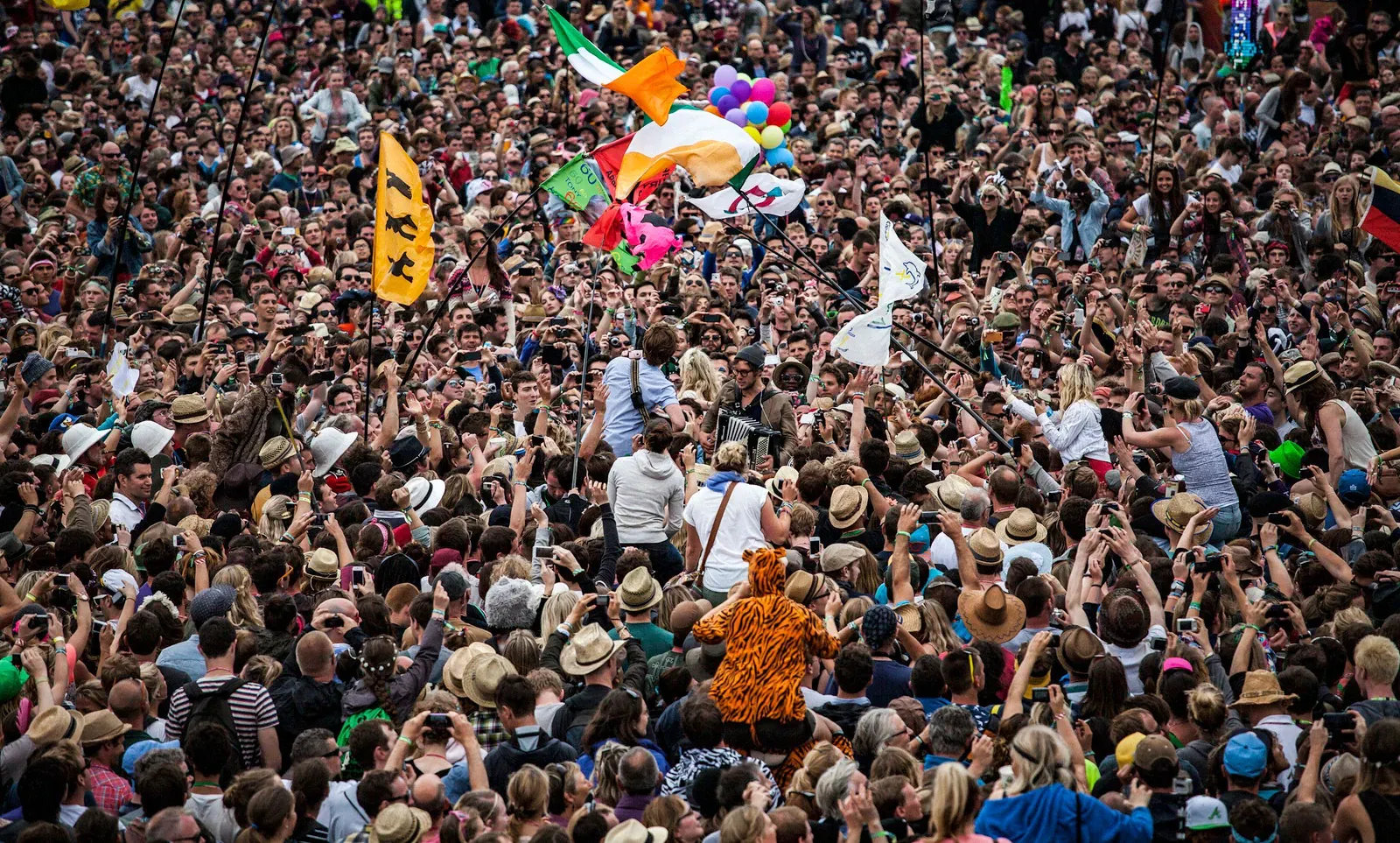
Lollapalooza became the genre’s main meeting point and its template for a touring alternative festival.
Visual art mattered to Tool, whose guitarist Adam Jones made the band’s videos, and Undertow’s cover art was altered for sale at chains such as Wal-Mart. Controversy was routine: MTV refused Jane’s Addiction’s Mountain Song video in 1988 and dropped Tool’s Prison Sex years later.
Legacy
Alt-metal opened a door between independent rock and metal audiences. Labels, journalists and college radio DJs in the early 1990s treated bands such as Faith No More, Soundgarden, Primus, Helmet and Rollins Band as quasi-metal acts, which showed that metal listeners could accept arty variations.
Misconceptions
Alternative metal is not the same as nu metal. Nu metal is a later, more standardised branch that grew out of the Lollapalooza-era scene, and several first-wave bands wanted no part of it. It was also not a distinct scene: the first-wave bands came from hardcore, noise rock, grunge, stoner rock and funk without ever forming a movement. Finally, the bands were not always seen as metal at the time. Faith No More, Soundgarden, Primus, Helmet and Rollins Band were initially marketed as quasi-metal acts, and some of them denied the metal label.
Frequently asked questions
What is alternative metal?
Alternative metal is a style of heavy metal that mixes in alternative rock and other outside genres, with downtuned mid-paced riffs and a blend of melodic and harsh vocals.
Which bands started alternative metal?
Faith No More, Jane’s Addiction and Soundgarden are recognised as some of the earliest alternative metal bands, emerging in the mid to late 1980s alongside Living Colour.
Is nu metal the same as alternative metal?
No. Nu metal is a harsher offshoot that appeared in the late 1990s, adding hip-hop, hardcore and industrial elements to the alt-metal sound.
Which albums define alternative metal?
Frequently cited records include Faith No More’s The Real Thing (1989), Helmet’s Meantime (1992), Tool’s Undertow (1993) and Deftones’ Around the Fur (1997).
Sound
Sound sheet
Anatomy of a track
| # | Part | Bars |
|---|---|---|
| 1 | Intro riff | 8 |
| 2 | Verse (sparse, melodic vocal) | 16 |
| 3 | Chorus (loud, harsh or shouted) | 8 |
| 4 | Bridge or breakdown | 8 |
Signature sounds
- Downtuned mid-paced chug riff
- Loud-soft verse and chorus contrast
- Clean melodic vocal against harsh outbursts
- Outside influences: funk, hip-hop, industrial, post-hardcore
Techniques
- Chug riffing
- Loud-soft dynamics
- Melodic and harsh vocal mix
- Genre blending
Keys and modes
Minor keys on low open strings. Heavy riffs sit on low strings in lowered tunings such as drop D and below.
Tuning
Downtuned guitars, often drop D or lower
Vocals
Clean melodic singing from alternative rock, alternating with growls and screams in later bands.
Scenes
Where it happened
Where and when the sound lived: one bar per city on a shared timeline.
North America
Active scenes
Peak 5, 1989-2025
Home of Faith No More, whose funk-metal-rap mix helped define the early sound.
Base of Jane's Addiction and Tool, and of the circle that founded Lollapalooza.
Helmet's noise-rock background produced the staccato riffing of Meantime.
The grunge scene that gave Soundgarden and Alice in Chains to the first wave.
Deftones' hometown, a base for the band's blend of metal, post-hardcore and dream pop.
Venues and places
Phoenix, 1991 to today. Touring festival whose first date was in Phoenix; it gave early exposure to Tool, Primus and Alice in Chains.
Culture
Culture markers
- Lollapalooza
The touring festival conceived by Perry Farrell gave first-wave bands a mass audience.
Ritual - Tool's surreal videos
Guitarist Adam Jones made the band's videos, including the Prison Sex clip.
Artwork - Censored album art
Undertow's artwork was altered for sale at chains such as Wal-Mart.
Artwork
Glossary
Terms on this page
Short name for alternative metal, in use since the 1980s and common from the 1990s.
Heavily downtuned, palm-muted mid-tempo guitar riff typical of the style.
Early form that mixes metal with funk, from bands such as Faith No More and Primus.
Harsher second wave of alt-metal that added hip-hop, industrial and hardcore elements.
Label for acts that labels marketed to rock and metal fans without being fully metal.
Mix of hip-hop vocals and metal riffs, as in Rage Against the Machine.
Metal family