Gothic metal
Gothic metal fuses heavy metal with the dark, melancholic mood of gothic rock. It began in northern England in the early 1990s out of death-doom.
Yorkshire, 1991
Metal family
Born
1991
Yorkshire
Subgenres
3
Documented branches
Links
12
Genres it drew on or shaped
Tempo
75-140 BPMLineage
Family tree
Grew out of
- Death-doom
Derived from
- Doom metal
Derived from
Influenced by
Gothic rockDark wave
Yorkshire, 1991
Gothic metal
Led to (5)
Timeline
Era by era
From the first sparks to today. Select a dot to read the story behind it.
- Death-doom roots
1988 to 1990
- The Peaceville wave
1991 to 1996
- Symphonic spread
1997 to 2001
- Mainstream crossover
2002 to today
Eras
Moments
- 1 Death-doom roots, 1988 to 1990
- 2 The Peaceville wave, 1991 to 1996
- 3 Symphonic spread, 1997 to 2001
- 4 Mainstream crossover, 2002 to today
1988
Death-doom roots
Paradise Lost form in Halifax in 1988, followed by My Dying Bride and Anathema in 1990. Their death-doom debuts carry the grief and heaviness that gothic metal grows from.
- 1988Paradise Lost form in HalifaxThe Yorkshire band begin as a death-doom act and later give gothic metal its first template.
- 1989Type O Negative form in BrooklynPeter Steele starts the band after his thrash group Carnivore.
- 1990My Dying Bride form in BradfordThe band sign to Peaceville and join Paradise Lost and Anathema, the trio later called the Peaceville Three.
1991
The Peaceville wave
Paradise Lost's Gothic (1991) names the sound, My Dying Bride add violin and romance, and Type O Negative bring a goth-rock slant from Brooklyn. Theatre of Tragedy build a whole album on male growls against female song.
- 1991Paradise Lost release GothicA cleaner guitar sound, keyboards and female vocals mark the move away from pure death-doom; the album is widely named as the first gothic metal record.
- 1991Type O Negative's Slow, Deep and HardA debut of long songs on simple riffs, churchy organ and a deep baritone, issued on Roadrunner.
- 1993My Dying Bride's Turn Loose the SwansA violinist joins and the album brings a strong dark romanticism to doom.
- 1993Type O Negative's Bloody KissesThe breakthrough album with Black No. 1; it later sells close to a million copies in the United States.
- 1995Theatre of Tragedy's debut albumThe Stavanger band release the first full album built on the beauty and the beast contrast of growls and clean female vocals.
1997
Symphonic spread
Norwegian and Dutch bands add choirs, sopranos and orchestral keyboards, while Paradise Lost turn toward electronics and pop with One Second in 1997.
- 1997Paradise Lost's One SecondThe band turns to electronics and catchy choruses, a pop-leaning direction within the genre.
2002
Mainstream crossover
Lacuna Coil's Comalies (2002) and Evanescence's Fallen (2003) bring gothic metal to US charts, and Finnish bands reach the national top ten at home.
- 2002Lacuna Coil's ComaliesThe Milan band's breakthrough album becomes the best seller in Century Media's history and opens the US market to a European gothic metal act.
- 2003Evanescence's FallenAn Arkansas band blending gothic and alternative metal reaches a mass US audience and brings the sound to a wider public.
- 2010Peter Steele diesThe Type O Negative frontman dies in April and the band ends.
Listening path
Start listening
A short path from an easy way in to the deep end. Thumbnails come from YouTube; the player loads only when you press play.
- 01
Paradise Lost, 1992
Heavy riffs with a melodic, mournful lead: the English doom-gothic bridge.
- 02
Type O Negative, 1993
Steele's baritone, organ and goth-rock humour in the American breakthrough.
- 03
Theatre of Tragedy, 1996
Listen for the male growl against clean female vocals.
- 04
Lacuna Coil, 2002
The accessible, radio-friendly Italian take with dual vocals.
Facts
| Family | Metal |
| Origin | Yorkshire, United Kingdom |
| Emerged | Early 1990s |
| Status | Active |
| Tempo | 75 to 140 BPM |
| Meter | 4/4 |
| Grew out of | Death-doom, Doom metal |
| Subgenres | 2 |
Gothic metal is a fusion genre that joins the heaviness of heavy metal with the dark, melancholic atmosphere of gothic rock. It began in the early 1990s in the north of England as an outgrowth of death-doom, the slow blend of death metal and doom metal.
Its marks are keyboards and strings, a contrast between growled and clean or male and female voices, and slow to mid tempos.
Origins
The core of the early movement was three bands signed to Peaceville Records, later called the Peaceville Three: Paradise Lost, My Dying Bride and Anathema. All three had roots in abrasive death metal, and all three took in the bleak, dark sound of Dead Can Dance and the mood of gothic rock. Paradise Lost formed in Halifax in 1988. My Dying Bride formed in Bradford in 1990, and Anathema in Liverpool the same year.
Paradise Lost’s second album, Gothic (1991), is the record most often named as the starting point. It softened the guitar tone, added restrained keyboards and female vocals, and moved faster than the band’s death-doom debut. It charted across Europe, especially in Germany. Shades of God (1992) continued the move, and Icon (1993) added synthesised strings, timpani, piano and female voices. By Draconian Times (1995) the band sat between oppressive goth rock and crunching metal.
Gothic metal grew as part of the wider heavy metal family. It borrowed doom’s weight from the same sources that fed death metal, and its mood from post-punk and gothic rock. The parent family is covered on the metal page.
The Peaceville wave, 1991-1996
My Dying Bride’s Turn Loose the Swans (1993) added a violinist and a strong element of dark romanticism. Their 1995 album The Angel and the Dark River dropped the death growl for clean singing. Anathema’s early EPs were crushing death-doom, and The Silent Enigma (1995), with guitarist Vincent Cavanagh taking over vocals, led them toward a softer sound compared by critics to Pink Floyd.
In the United States, Peter Steele formed Type O Negative in 1989 after his thrash band Carnivore. Their debut Slow, Deep and Hard (1991) used long songs on simple riffs, churchy organ and theatrical vocals. Bloody Kisses (1993), issued by Roadrunner, brought Black No. 1 and sold close to a million copies in the United States. The band’s trademarks were downtuned fuzzy guitars and Steele’s bass-baritone croon, and its goth-rock jokes were aimed as much at the scene as at outsiders.
Elsewhere in Europe, Tiamat in Sweden moved from death metal to the atmospheric Clouds (1993) and Wildhoney (1994). In the Netherlands, The Gathering took the female voice further: after two albums with male growlers, Mandylion (1995) put Anneke van Giersbergen at the front and was widely rated a peak of the genre.
Beauty and the beast, 1995-2001
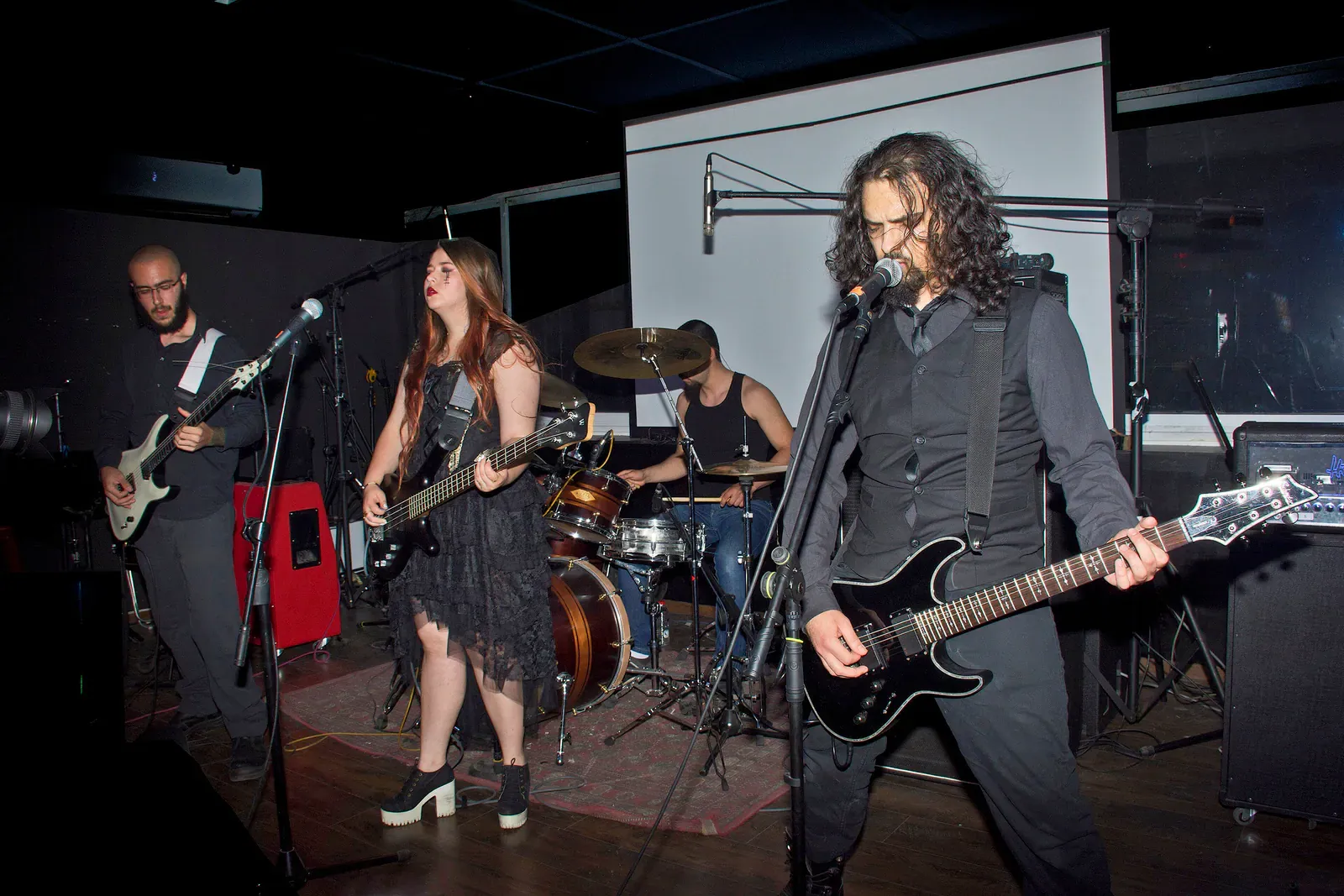
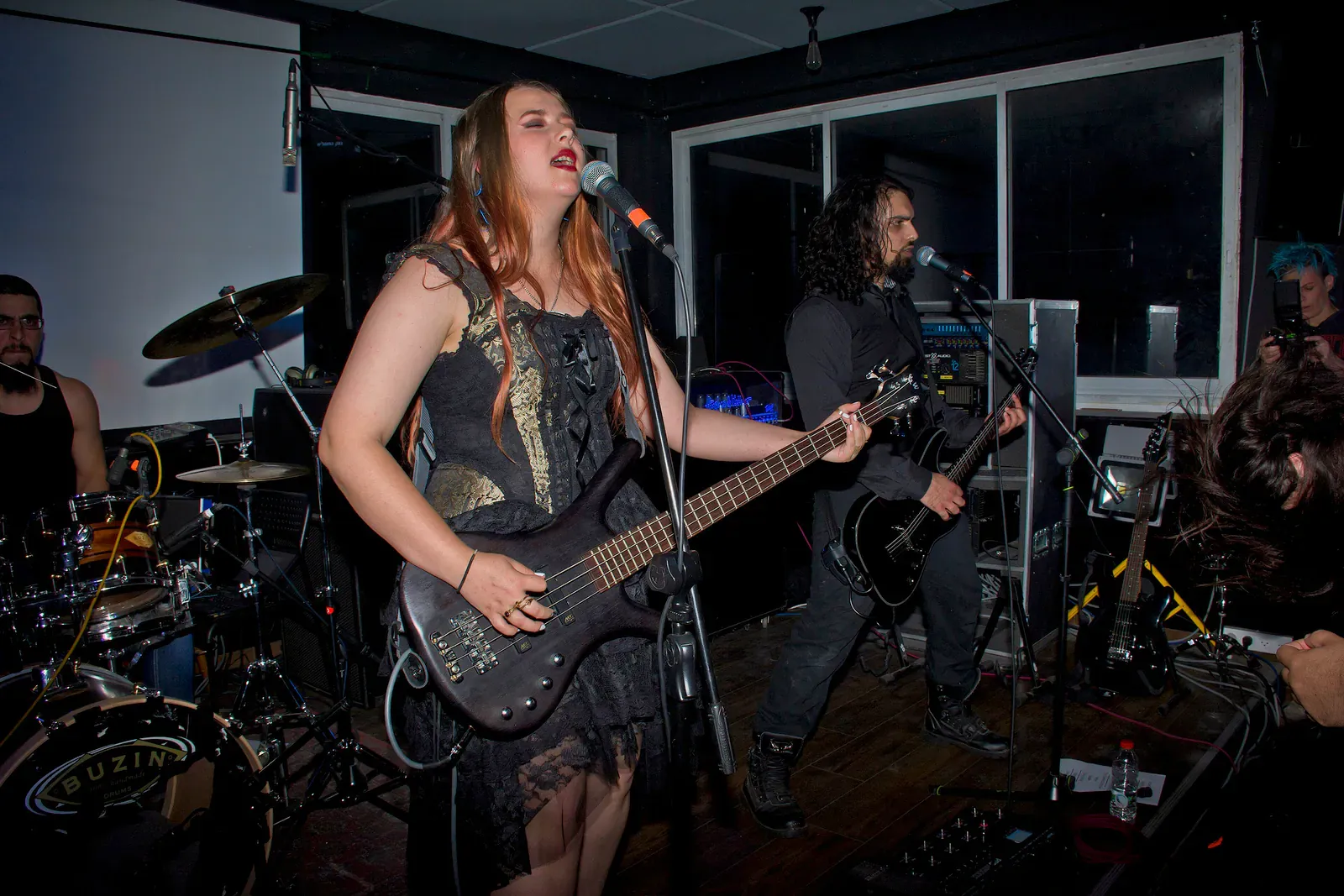
Paradise Lost and The Gathering had already used female voices on some songs, and Celtic Frost had done so in 1985, but Theatre of Tragedy from Stavanger, Norway, built a whole album on the idea. Their self-titled debut (1995) and Velvet Darkness They Fear (1996) set male growls against a clean female singer, the pairing known as beauty and the beast. On Aégis (1998) they swapped the growls for a soft spoken voice and electronic keyboards.
Other Norwegian bands followed: Trail of Tears, Tristania and The Sins of Thy Beloved, all with debut albums in 1998. Tristania used three vocal styles: an operatic soprano, a clean counter-tenor and black metal shrieks. Their second album, Beyond the Veil (1999), added a ten-member choir and violin. This orchestral side became symphonic gothic metal, a variant that also includes Within Temptation and Epica. Cradle of Filth and Moonspell brought the gothic approach to black metal in the mid-1990s.
Paradise Lost went the other way. One Second (1997) adopted electronics and catchy choruses, and later albums pushed guitars further back. The shift divided fans but kept the band’s reputation intact in Europe, where their albums sold strongly.
Mainstream success
The genre’s commercial peak came after 2000. Lacuna Coil from Milan, formed in 1994, released Comalies in 2002 on Century Media. It became the label’s best seller up to then, the highest-selling rock act in Italy, and the first European gothic metal band to reach US radio and sales. Their next album Karmacode debuted at number 28 on the Billboard chart, and Comalies and Karmacode together sold close to a million copies.
In 2003 the Arkansas band Evanescence released Fallen, blending gothic and alternative metal for a mass American audience. Critics split on whether it counted as gothic metal at all, and some bands in the scene rejected the label. Gothic metal also reached the charts at home in Finland, where HIM, The 69 Eyes, Sentenced and others placed singles or albums in the national top ten. Moonspell won Best Portuguese Act at the 2006 MTV Europe Music Awards, and Within Temptation won Best Dutch and Belgian Act in 2007.
Characteristics
Dark atmosphere is the common thread. Gothic metal is not one sound: it ranges from slow and crushing to orchestral and bombastic. Bands such as Artrosis, Ava Inferi and Draconian keep the doom background, while Cradle of Filth, Theatres des Vampires and early Moonspell lean to black metal.
Keyboards matter as much as guitars: the ethereal synths and spooky textures of gothic rock are an essential element of the genre. Vocals vary widely, from the growls and shrieks of Dani Filth and Morten Veland to the baritone of Østen Bergøy and Peter Steele, and from the operatic soprano of Vibeke Stene to screams. Female vocals are neither required nor a mark of the genre.
Lyrics are melodramatic, romantic or bleak. Gothic fiction, a genre that mixes horror and romance, inspires many bands, and lost love is a frequent subject. Other writers prefer personal experience: Anathema, Tiamat and Lacuna Coil’s lyrics deal with real relationships and loss. A few acts, such as Saviour Machine and Virgin Black, write on Christian religious themes.
Instruments and production
Guitars are downtuned and often fuzzy, playing slow riffs. Keyboards supply pads, piano, organ and synthetic strings. Violin appears on My Dying Bride’s early records, and a church-style organ sits behind Type O Negative. Production keeps the guitar heavy while leaving room for the keyboards and the contrasting voices, so that the quiet passages are as important as the loud ones.
Notable recordings
Gothic (1991) set the early template with its mix of doom weight and keyboard colour. Bloody Kisses (1993) is the American counterpart, sardonic where the English bands were solemn. Theatre of Tragedy (1995) is the first full beauty and the beast album, and Mandylion (1995) is the Dutch answer led by a female vocalist. Comalies (2002) is the commercial high point.
Culture
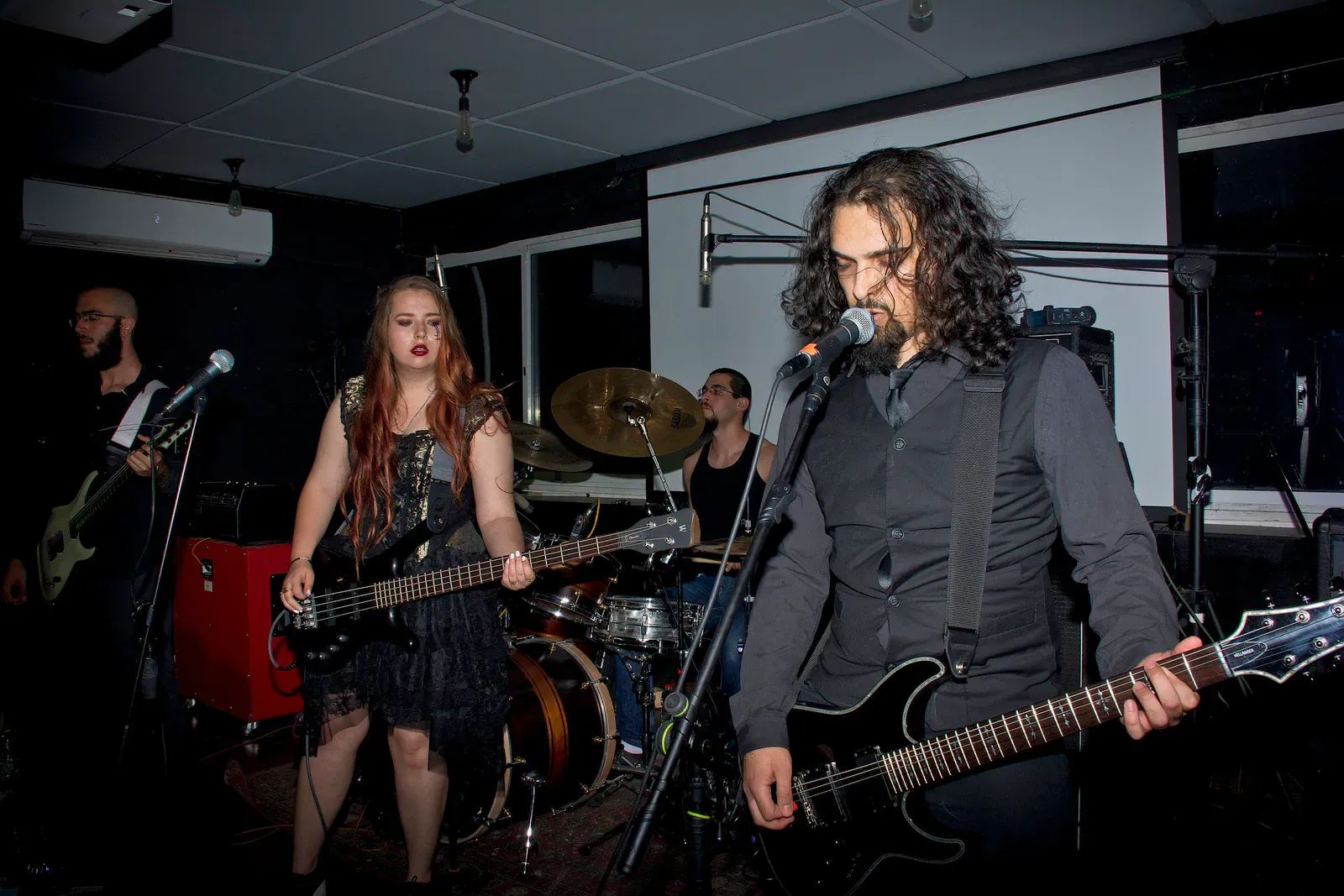
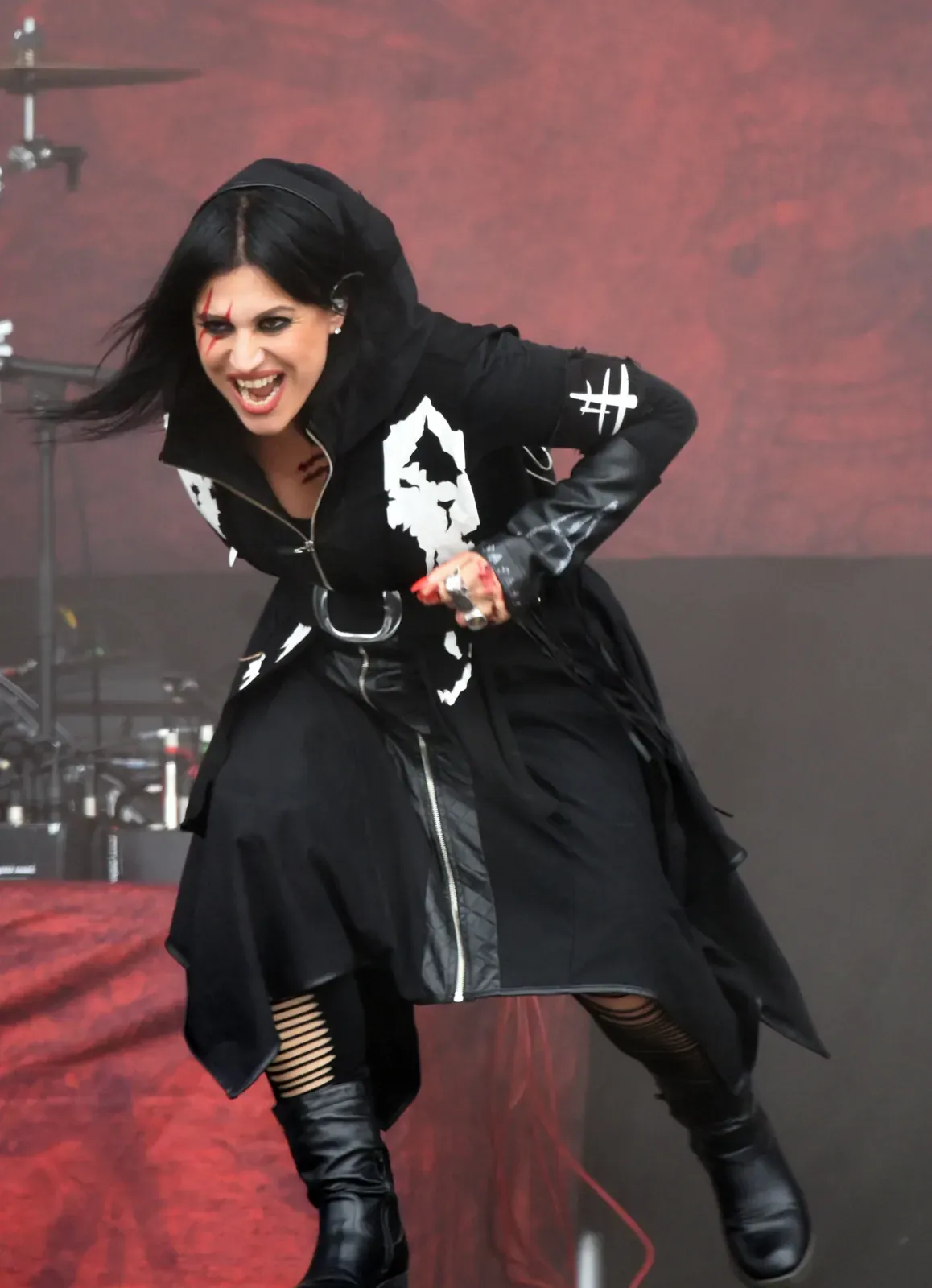
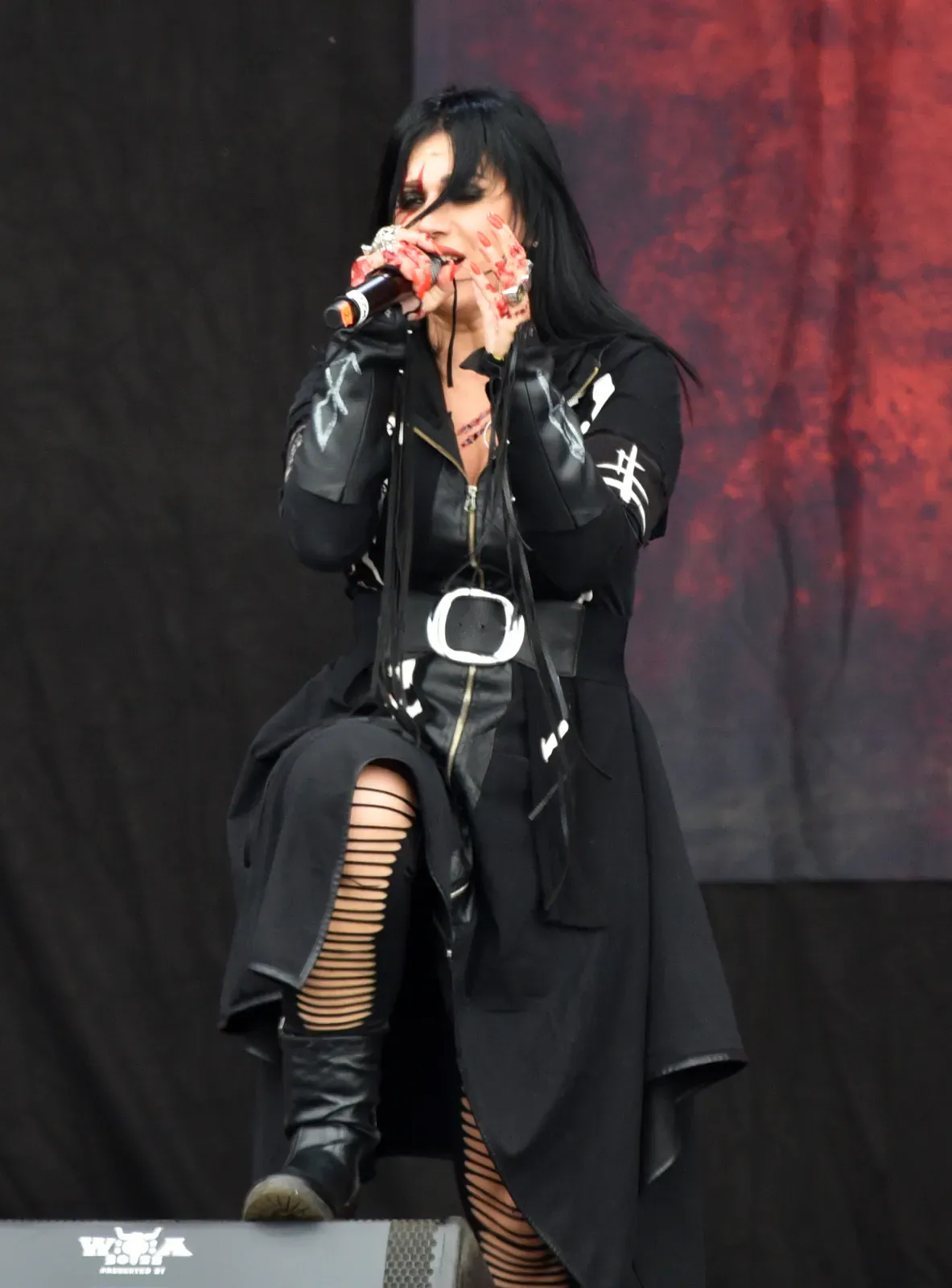
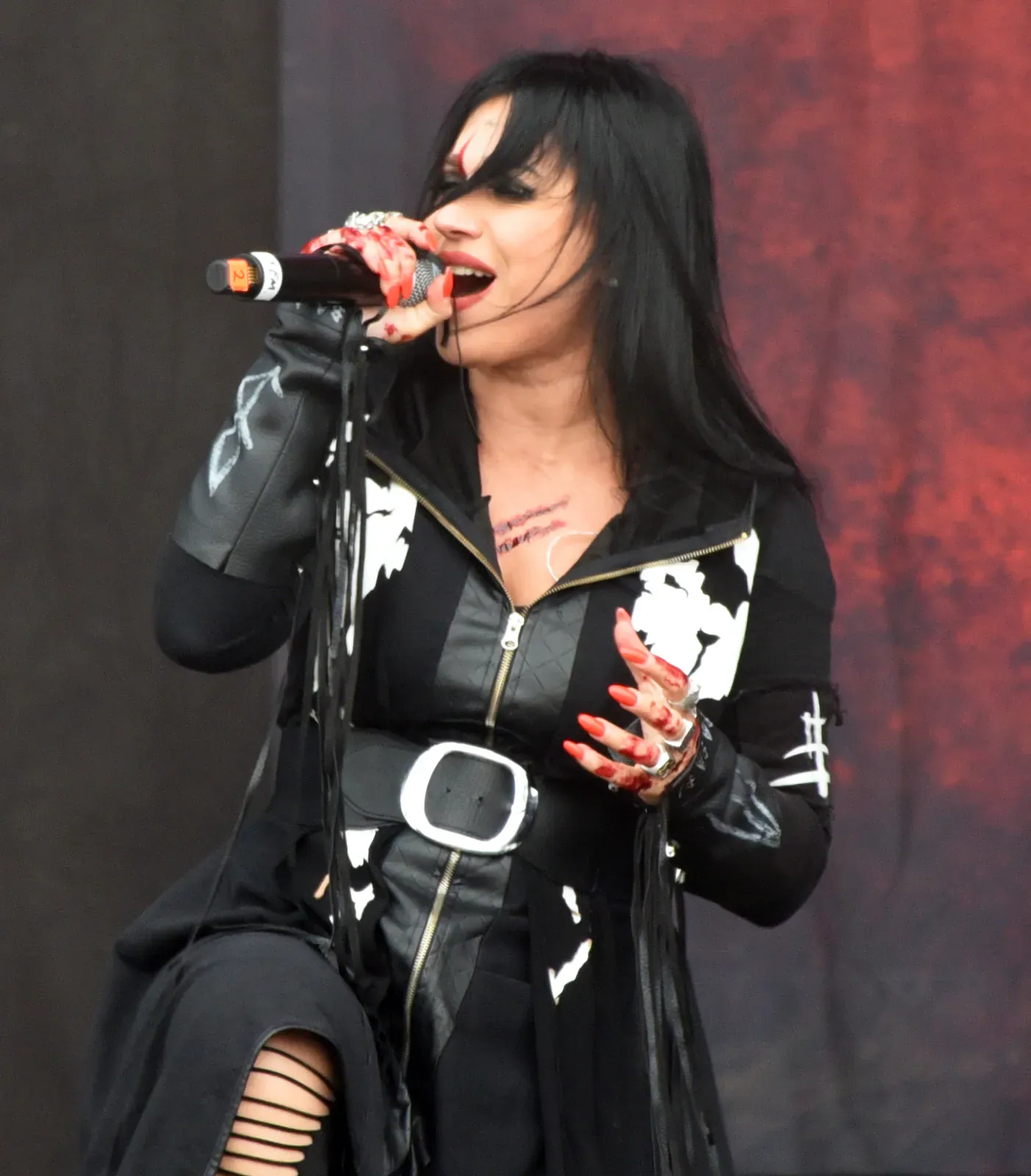
The scene draws on goth fashion: black clothing, lace and Victorian-inspired dress, with theatrical make-up on stage. The genre is known to attract more female fans than other metal subgenres. Some musicians reject the gothic label for their own bands, including members of After Forever and Nightwish, and Liv Kristine of Theatre of Tragedy has noted that not every band with female vocals is a gothic band.
Legacy
Gothic metal gave the mainstream of metal a template for melancholy: keyboards in the mix, a duet of voices and a willingness to slow down. Its branches include symphonic gothic metal and love metal, and its techniques spread into symphonic metal, alternative metal and the crossover acts of the 2000s. Several founders are still active: Paradise Lost, My Dying Bride and Lacuna Coil continue to release records, while Type O Negative ended with Peter Steele’s death in 2010.
Misconceptions
Gothic metal is not the same as goth rock with louder guitars. It started from doom and death metal, and its heaviness comes from that line. It is also not the same as any metal with a female singer: the genre’s own singers have said that female vocals are neither necessary nor defining. A third myth is that the genre began in Scandinavia or Germany because of its later popularity there; the first records came from the north of England, with Paradise Lost, My Dying Bride and Anathema.
Frequently asked questions
What is gothic metal?
Gothic metal is a fusion of heavy metal and gothic rock that began in the early 1990s in northern England. It combines doom-influenced riffs, keyboards and a dark, melancholic mood.
Which band started gothic metal?
Paradise Lost, My Dying Bride and Anathema, the Peaceville Three, pioneered the genre, and Paradise Lost’s 1991 album Gothic is the record most often named as its first landmark.
What is the difference between gothic metal and doom metal?
Doom metal is defined by slow tempos and heaviness. Gothic metal grew out of death-doom but adds goth-rock atmosphere, keyboards and strings, clean singing and, often, a contrast between growled and female voices.
What are the best-known gothic metal bands?
Paradise Lost, My Dying Bride, Anathema, Type O Negative, Theatre of Tragedy, Tristania, The Gathering, Tiamat, Moonspell and Lacuna Coil are the most cited. Evanescence and HIM are often linked to the genre but are debated.
Sound
Sound sheet
Anatomy of a track
| # | Part |
|---|---|
| 1 | Slow doom riff intro |
| 2 | Verse with male growl or baritone |
| 3 | Chorus with clean or female vocal and keyboards |
| 4 | Atmospheric keyboard or violin break |
Signature sounds
- Minor-key keyboard and string pads
- Growl against clean female vocal
- Downtuned, slow riffs
Techniques
- Beauty and the beast vocals
- Growl-to-clean shifts
- Layered keyboard pads
- Slow doom riffing
Keys and modes
Natural minor. Melancholy minor-key riffs and keyboard lines.
Tuning
Downtuned guitars, often drop D or lower
Vocals
Growls, clean baritone crooning and soprano or female lead singing, often combined in one song.
Scenes
Where it happened
Where and when the sound lived: one bar per city on a shared timeline.
Europe
North America
Active scenes
Peak 5, 1994-2025
Home of Paradise Lost, whose Gothic named the sound.
My Dying Bride's base, a core town of the English doom-gothic wave.
Where Type O Negative formed and became the main American act.
Theatre of Tragedy's home, the source of the beauty and the beast style.
Lacuna Coil's base, the leading Italian gothic metal act.
Culture
Culture markers
- Beauty and the beast
Fan and press name for pairing growled male and angelic female voices.
Slang - Dark romantic dress
Black clothing and Victorian-inspired looks borrowed from the goth scene.
Fashion - Gothic fiction imagery
Lyrics and sleeves draw on gothic fiction: love, death, horror and romance.
Artwork
Glossary
Terms on this page
Vocal style pairing male growls with clean, often operatic female singing.
Slow, heavy fusion of death metal and doom metal that gothic metal grew out of.
Post-punk branch with icy synths and dark moods that gothic metal draws its atmosphere from.
Paradise Lost, My Dying Bride and Anathema, the three Peaceville bands at the core of the early English movement.
Variant with orchestral keyboards, choirs and soprano lead vocals.
Metal family