Symphonic metal
Symphonic metal is heavy metal built with orchestra, choir or keyboard orchestration, often with operatic soprano vocals, formed in Europe in the 1990s.
Finland, Netherlands, Italy, Norway, 1993
Metal family
Born
1993
Finland, Netherlands, Italy, Norway
Subgenres
5
Documented branches
Links
10
Genres it drew on or shaped
Tempo
90-180 BPMLineage
Family tree
Grew out of
Derived from
Derived from
Derived from
Finland, Netherlands, Italy, Norway, 1993
Symphonic metal
Led to (5)
Timeline
Era by era
From the first sparks to today. Select a dot to read the story behind it.
- Orchestral roots
1969 to 1989
- Early fusions
1990 to 1996
- Breakthrough
1997 to 2004
- Orchestras and arenas
2005 to today
Eras
Moments
- 1 Orchestral roots, 1969 to 1989
- 2 Early fusions, 1990 to 1996
- 3 Breakthrough, 1997 to 2004
- 4 Orchestras and arenas, 2005 to today
1969
Orchestral roots
Deep Purple, Black Sabbath and Celtic Frost add orchestras, strings and choirs to hard rock and metal, without yet forming a style of their own.
- 1969Concerto for Group and OrchestraDeep Purple perform Jon Lord's 50-minute work with the Royal Philharmonic Orchestra, an early meeting of hard rock and orchestra.
- 1973Strings on Sabbath Bloody SabbathBlack Sabbath close the album with Spiral Architect, one of the earliest metal songs with string arrangements.
- 1985Celtic Frost's To Mega TherionThe album adds orchestration, woodwinds and choral voices to extreme metal and gives Therion its name.
1990
Early fusions
Believer, The Gathering, Theatre of Tragedy and Therion combine extreme metal with synthesizers, female soprano singing and classical composition, culminating in Therion's Theli.
- 1990Believer's Dies IraeThe Sanity Obscure track is an early prototype of the operatic approach later used by Therion and Nightwish.
- 1992The Gathering's Always...One of the first albums to combine death growls, synthesizer leads and female soprano singing.
- 1995Theatre of Tragedy debutThe Norwegian band's self-titled album blends death growls, synthesizer leads and female singing.
- 1996Therion's TheliTherion's live orchestra and classical compositional techniques overtake their death metal roots.
- 1996Nightwish and Within Temptation formTuomas Holopainen founds Nightwish in Kitee, and Sharon den Adel and Robert Westerholt found Within Temptation.
1997
Breakthrough
Debuts by Nightwish, Within Temptation, Rhapsody and Haggard set the template, and Epica and After Forever follow in the early 2000s with operatic female lead vocals.
- 1997Four debuts in one yearHaggard, Nightwish, Rhapsody and Within Temptation all release debut albums, shaping the sound further.
- 1998Nightwish's OceanbornThe second Nightwish album fuses power metal speed with keyboards and Tarja Turunen's operatic soprano.
- 2000Within Temptation's Mother EarthThe second album brings the Dutch band's gothic symphonic sound to a wider audience.
- 2002Epica formsMark Jansen, who left After Forever, founds Epica with soprano Simone Simons.
- 2003Epica's The Phantom AgonyEpica's debut pairs Simone Simons with Mark Jansen's death growls.
- 2004Nightwish's Once and NemoThe album Once and its single Nemo mark the peak of the Turunen era.
2005
Orchestras and arenas
Live orchestra concerts and singer changes at Nightwish carry the style to arenas and festivals worldwide.
- 2005Nightwish part with Tarja TurunenThe band dismisses its founding vocalist, a turning point that later brings Anette Olzon and Floor Jansen.
Listening path
Start listening
A short path from an easy way in to the deep end. Thumbnails come from YouTube; the player loads only when you press play.
- 01
Therion, 1996
An early orchestral and choral piece from Theli; listen for the layered choir over heavy riffs.
- 02
Rhapsody of Fire, 1998
Fast symphonic power metal with a fantasy theme; listen for the keyboard orchestra and choir.
- 03
Within Temptation, 2001
A mid-tempo gothic symphonic song with a soprano lead and a growled male part.
- 04
Nightwish, 2004
The single that brought Nightwish to wide audiences; listen for the soprano over strings and guitars.
- 05
Epica, 2005
Epica's title piece in a live version, with orchestral layers, choir and a soprano and growls.
Facts
| Family | Metal |
| Origin | Finland, Netherlands, Italy, Norway |
| Emerged | Early-to-mid 1990s |
| Status | Active |
| Tempo | 90 to 180 BPM |
| Meter | 4/4 |
| Grew out of | Gothic metal, Neoclassical metal, Power metal |
| Subgenres | 2 |
Symphonic metal is a branch of heavy metal that uses orchestral and classical elements: a real orchestra or choir, keyboards that imitate one, or compositions modelled on classical forms.
It took shape in Europe in the 1990s, in Sweden, the Netherlands, Finland, Norway and Italy, and is closely tied to operatic female lead vocals. Its best-known names are Therion, Nightwish, Within Temptation, Epica and Rhapsody of Fire.
Origins
Orchestras and metal met long before the genre had a name. Deep Purple performed Jon Lord’s Concerto for Group and Orchestra with the Royal Philharmonic in 1969, Black Sabbath added strings to Sabbath Bloody Sabbath in 1973, and Led Zeppelin used hired string and brass players and a Mellotron on Kashmir in 1974. Progressive rock bands such as King Crimson supplied a quasi-orchestral model. In the 1980s Celtic Frost brought orchestration, woodwinds and choral voices into extreme metal on To Mega Therion (1985) and Into the Pandemonium (1987).
The first recognisable prototypes came from the extreme end of the scene. The American band Believer recorded Dies Irae for Sanity Obscure in 1990, an operatic piece that anticipated Therion and Nightwish. The Dutch band The Gathering released Always… in 1992, among the first albums to combine death growls, synthesizer leads and female soprano singing. The Norwegian band Theatre of Tragedy followed in 1995 with a debut that mixed growls, synthesizers and female singing.
Early fusions, 1990-1996
Therion, a Swedish band named after the Celtic Frost album, moved from death metal toward classical composition and a live orchestra. By Theli (1996) the orchestral and choral writing mattered more than the death metal roots, and the album became a reference point for later bands. Other bands worked from different directions: Amorphis added melodic synthesizer leads to death metal, the German band Rage recorded Lingua Mortis with the Prague Symphony Orchestra in 1996, and Rhapsody was founded in Trieste in 1993 as Thundercross, later taking a symphonic power metal course.
Breakthrough, 1997-2004
Four bands released debut albums in 1997 that developed the sound further: Haggard, Nightwish, Rhapsody and Within Temptation. Nightwish, founded in 1996 in Kitee by keyboardist Tuomas Holopainen, guitarist Emppu Vuorinen and singer Tarja Turunen, released Angels Fall First on the Finnish label Spinefarm. Its second album Oceanborn (1998) set a template of fast power metal drumming, keyboard orchestration and a classically trained soprano. Within Temptation, founded in 1996 by Sharon den Adel and Robert Westerholt, reached a wider audience with Mother Earth in 2000 and had sold more than 3.5 million albums by 2016.
Epica, formed in 2002 by Mark Jansen after he left After Forever, with soprano Simone Simons, debuted with The Phantom Agony in 2003. Delain, Leaves’ Eyes, Xandria and Edenbridge appeared in the same years. The genre gathered around powerful female lead vocals and classically trained keyboard playing, combined either with power metal, whose upbeat fantasy themes and stylised keyboard sounds suited it, or with death metal riffs and intense double-bass drumming.
Orchestras and arenas, 2005-present
Nightwish released Once in 2004, including the single Nemo and the long piece Ghost Love Score. In 2005 the band dismissed Turunen, and later singers Anette Olzon and Floor Jansen took the role, showing that the style could outlast its first voice. Within Temptation’s Black Symphony (2008) was a concert with an orchestra and choir. Since then the genre has fed other styles: industrial metal, deathcore and metalcore bands have added symphonic layers, and bands such as Lorna Shore and Imminence use orchestral parts in extreme settings.
Characteristics
The defining feature is orchestral colour. Where a band cannot afford an orchestra, keyboard workstation presets for strings, choirs, pianos and pipe organ supply a pseudo-orchestral sound. Other bands record a real orchestra and choir in the studio and play the parts back as backing tracks live, or build them in a sequencer with virtual instruments.
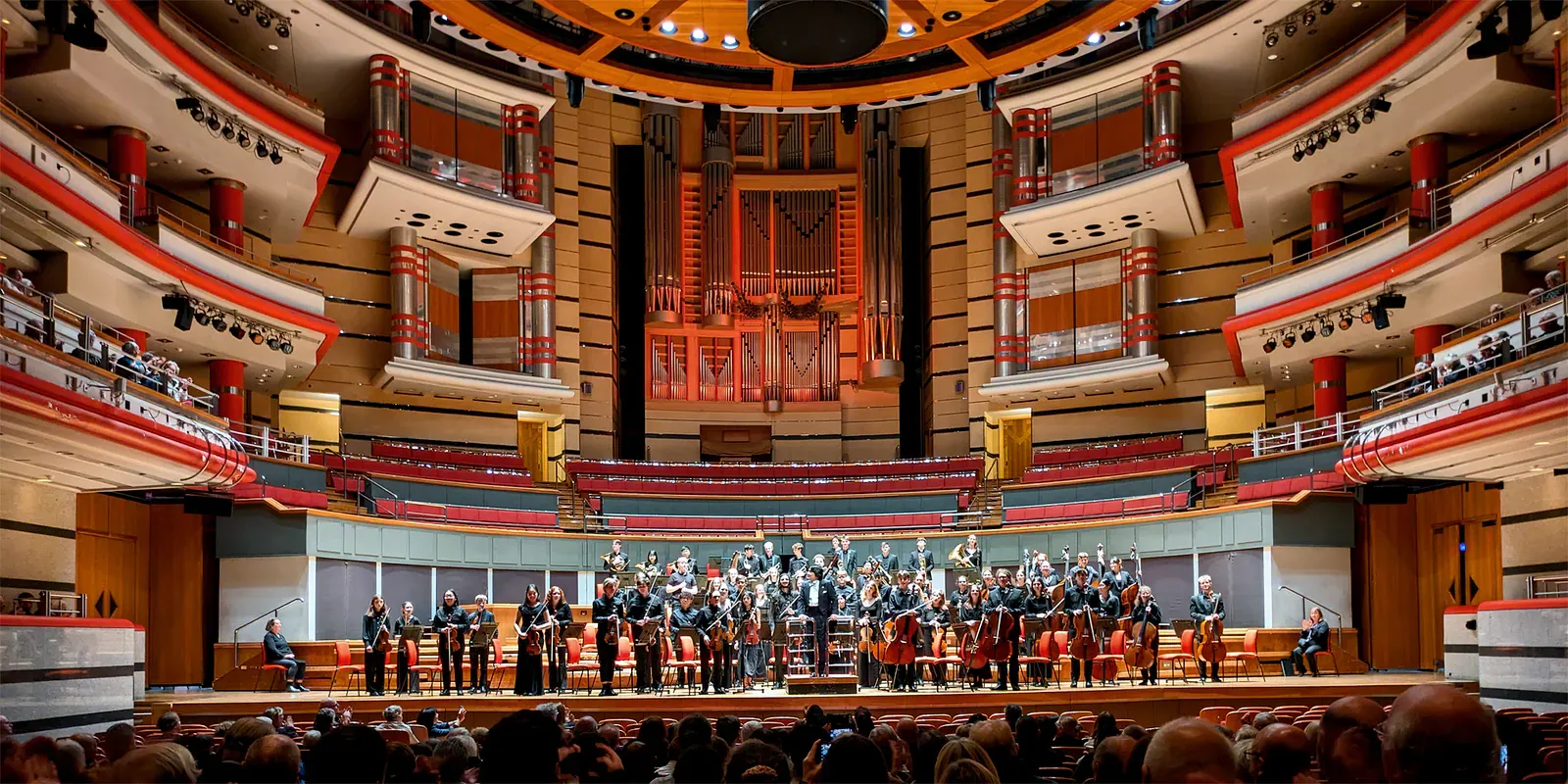
Guitars, bass and drums sometimes play simpler parts under a complex orchestral arrangement, which makes melodies catchier and the style one of the more accessible in metal. Songs are often atmospheric and more upbeat than those of many other metal styles, and morbid themes can still carry major-key fanfares. Lyrics draw on fantasy and mythology, as in power metal and opera, and concept albums modelled on operas or epic poems are common.
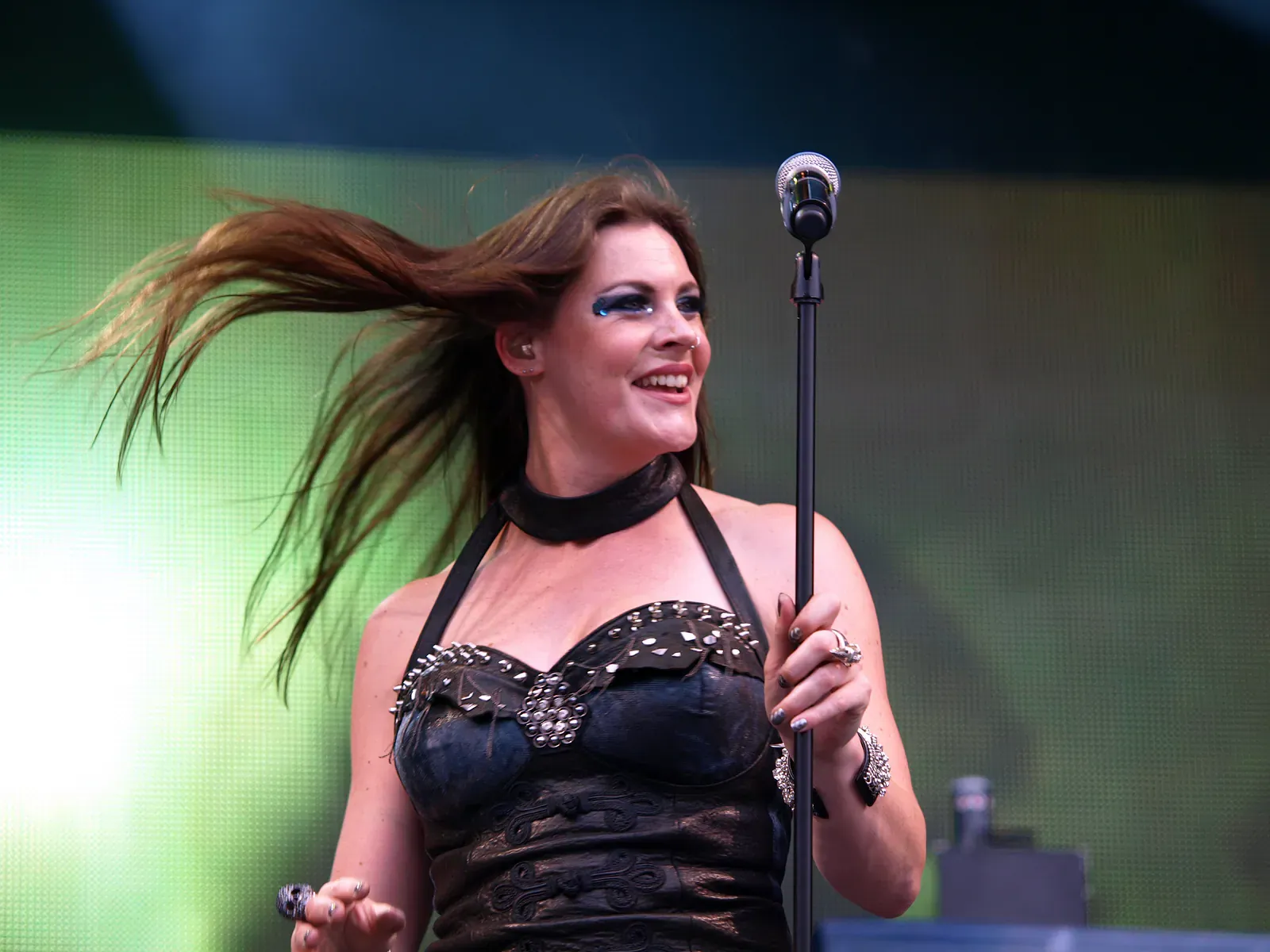
Vocals follow two patterns. A female soprano lead is typical, and bands with classically trained singers are called operatic symphonic metal or opera metal. Male baritone vocals are common in the gothic strand, and growls are less frequent than in other metal styles, with Epica’s Mark Jansen a notable exception. Many bands pair an operatic woman with a male harsh voice, a contrast called beauty and the beast.
Instruments and production
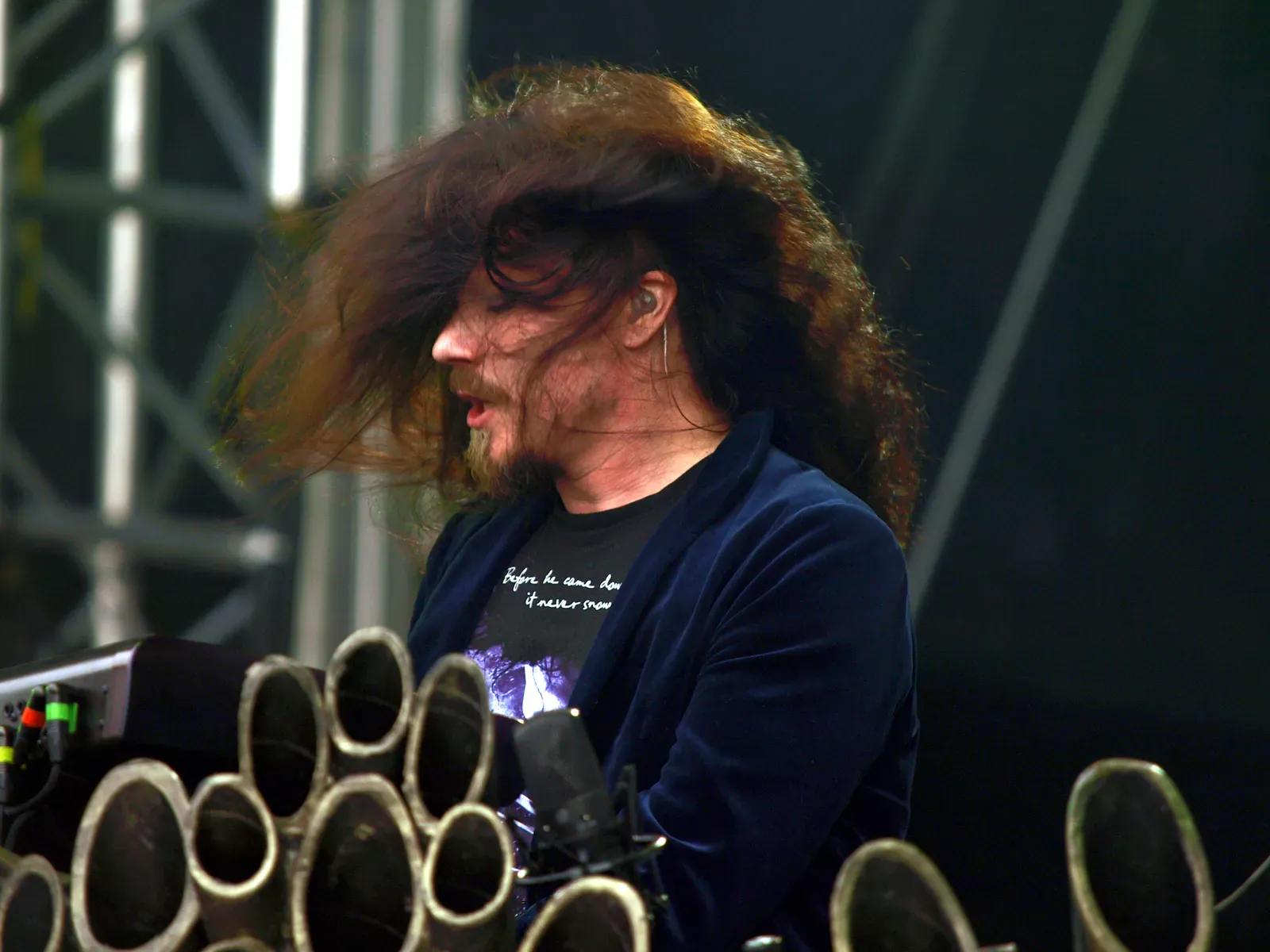
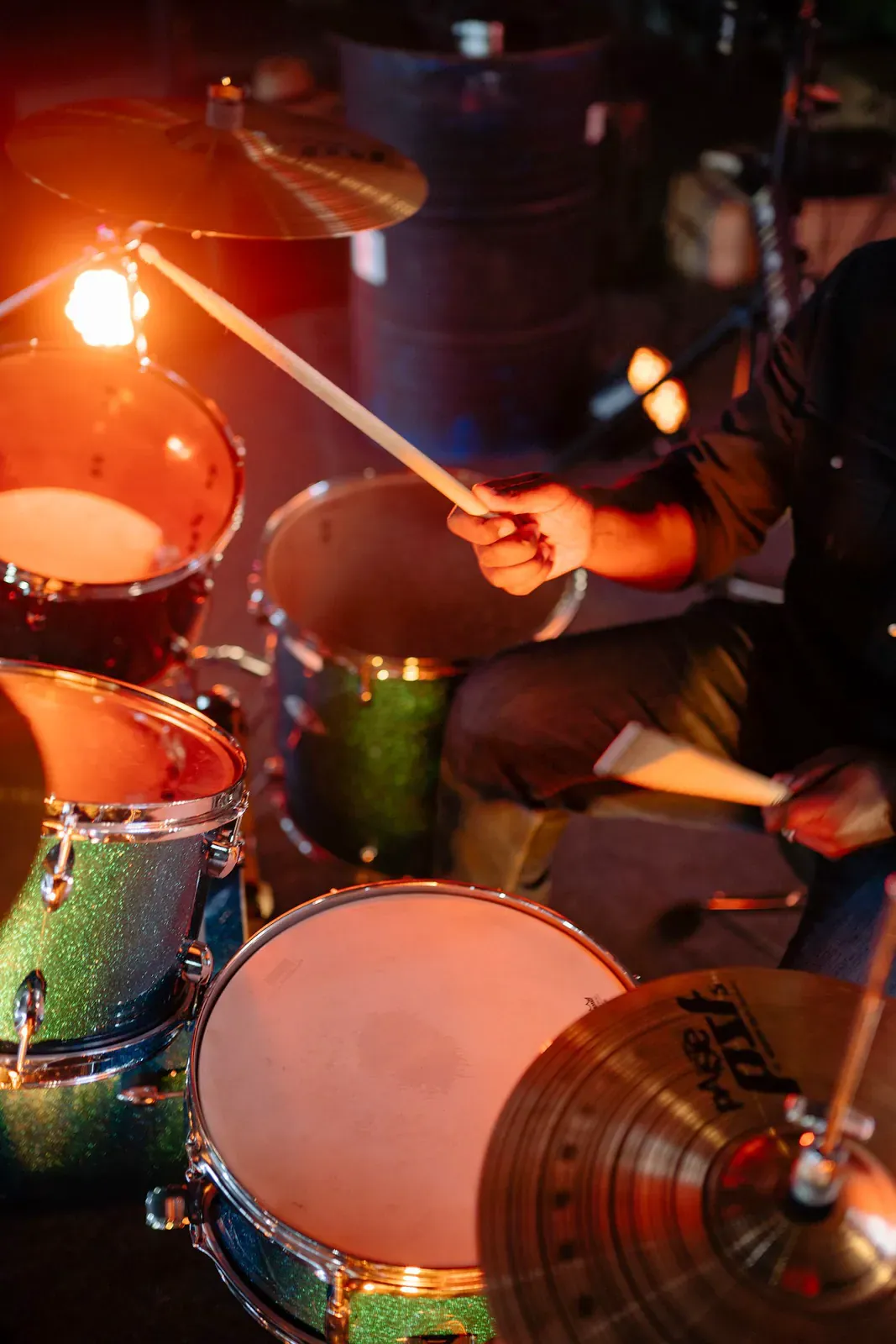
The keyboard is the central instrument and its timbre largely decides the atmosphere. Guitars use the riffing of the host subgenre, whether power metal, gothic metal or death metal, and the drum kit follows it, with double-bass sections in the faster material. Choirs double the chorus lines, and the genre draws on film scores as well as classical music.
Notable recordings
Theli is the album where an orchestra and choir became the centre of a metal band’s music, and its single The Siren of the Woods shows the layered choir over heavy guitars. Emerald Sword, from Rhapsody’s Symphony of Enchanted Lands (1998), shows the fast symphonic power metal strand. Within Temptation’s Ice Queen is a mid-tempo piece with a soprano lead and a growled male part. Nemo made Nightwish known to wide audiences in 2004, and Epica’s Consign to Oblivion (2005) carries orchestral layers, choir, soprano and growls in a long form.
Culture
Fantasy and mythology shape the imagery, from album titles to stage design, and the label opera metal marks bands whose singers have classical training. Female-fronted metal became a common description of the scene, though bands such as Therion and Rhapsody of Fire are led by their composers. Imaginaerum, a fantasy film made with Nightwish’s album of the same name, is an example of the genre’s cinematic ambitions.
Legacy
Symphonic metal carried orchestral writing into the mainstream of heavy music. Labels such as Nuclear Blast built catalogues around Nightwish, Within Temptation, Rhapsody of Fire and Therion. Its recipe of orchestra, choir and soprano now appears across folk metal, gothic metal and deathcore.
Misconceptions
One myth is that the genre is simply female-fronted gothic rock. Female lead vocals are common, but the defining feature is orchestral writing, and Rhapsody of Fire and Therion built theirs on composition and arrangement. A second is that every band uses a real orchestra. Most use keyboard presets or pre-recorded backing, and only some record or tour with live players. A third is that growling is excluded. Death metal vocals appear in Epica and in bands from the symphonic death metal and black metal strands.
Frequently asked questions
What is symphonic metal?
Symphonic metal is heavy metal that integrates orchestral and classical elements: an orchestra, choirs, keyboard orchestration or classical composition, often with an operatic soprano lead.
Who are the most important symphonic metal bands?
Therion, Nightwish, Within Temptation, Epica and Rhapsody of Fire are the most cited, with Haggard, After Forever and Dimmu Borgir also named among the leading examples.
What is the difference between symphonic metal and power metal?
Power metal is defined by fast tempos, melodic riffs and fantasy themes, while symphonic metal is defined by orchestral elements and can be built on top of power metal, gothic metal or death metal. Rhapsody of Fire combines both.
What is beauty and the beast singing?
It is the contrast of an operatic female voice with male growls or harsh vocals, used by bands such as Epica and Theatre of Tragedy.
How fast is symphonic metal?
Typical recordings run from about 90 to 180 BPM, from the mid-tempo Ice Queen to the fast Emerald Sword.
Sound
Sound sheet
Anatomy of a track
| # | Part | Bars |
|---|---|---|
| 1 | Orchestral or choral intro | 8 |
| 2 | Verse with soprano lead | 16 |
| 3 | Chorus with choir | 16 |
| 4 | Instrumental or orchestral interlude | 16 |
| 5 | Final chorus and outro | 16 |
Signature sounds
- Operatic soprano lead
- Choir layered over guitars
- Orchestral intro and interlude
- Major-key fanfares
Drums and percussion
- Double-bass drum kit
Techniques
- Keyboard orchestration
- Beauty and the beast vocals
- Pre-recorded orchestral backing
- Choral layering
Keys and modes
Minor with major-key fanfares. Dark minor verses are often answered by major-key orchestral fanfares.
Tuning
12-TET, A=440, guitars in standard or downtuned
Vocals
Operatic soprano lead, often with male growls or baritone and choir backing
Scenes
Where it happened
Where and when the sound lived: one bar per city on a shared timeline.
Europe
Active scenes
Peak 4, 1996-2025
Home of Rhapsody, founded as Thundercross by Luca Turilli and Alex Staropoli.
Therion's home area, where Christofer Johnsson turned a death metal band into an orchestral one.
Birthplace of Nightwish.
Home of Within Temptation, part of a Dutch scene that also produced The Gathering, After Forever and Epica.
Culture
Culture markers
- Opera metal
Nickname for bands with classically trained lead vocalists.
Slang - Fantasy and mythology themes
Lyrics and concept albums often follow opera or epic-poem models.
Artwork - Female-fronted metal
A common label for bands led by a soprano.
Slang
Media
Key media
- 2008Black Symphony
by Within Temptation. Concert film of Within Temptation with the Metropole Orkest and a choir.
Film - 2012Imaginaerum
by Stobe Harju. Fantasy film made with Nightwish's album of the same name and its score.
Film
Glossary
Terms on this page
A pre-recorded orchestra or choir part played alongside the band, often used live.
A pairing of an operatic female lead with a male growler or harsh vocalist.
Workstation presets that imitate strings, brass and choir where no orchestra is hired.
Classically trained, usually soprano lead singing, which gave the genre the nickname opera metal.
Fast, fantasy-themed power metal with orchestral arrangements, as played by Rhapsody.
Metal family