Kawaii metal
Kawaii metal fuses heavy metal instrumentation with J-pop melodies and idol choreography. It began in Tokyo in 2010 with Babymetal and spread abroad after 2014.
Tokyo, 2010
Metal family
Born
2010
Tokyo
Subgenres
1
Documented branches
Links
10
Genres it drew on or shaped
Tempo
85-205 BPMLineage
Family tree
Grew out of
Derived from
Influenced by
Tokyo, 2010
Kawaii metal
Led to (1)
Timeline
Era by era
From the first sparks to today. Select a dot to read the story behind it.
- Idol sub-unit
2010 to 2012
- Major label and world stage
2013 to 2015
- Arenas and imitators
2016 to 2019
- Hiatuses and hybrids
2020 to today
Eras
Moments
- 1 Idol sub-unit, 2010 to 2012
- 2 Major label and world stage, 2013 to 2015
- 3 Arenas and imitators, 2016 to 2019
- 4 Hiatuses and hybrids, 2020 to today
2010
Idol sub-unit
Babymetal starts in Tokyo as the heavy music club of the idol group Sakura Gakuin, producer Kobametal's plan to merge metal with idol choreography, and plays its first indie-label records and festivals.
- 2010Babymetal debuts inside Sakura GakuinThe trio first performs on 28 November at Sakura Gakuin's first solo concert, as the group's heavy music club.
- 2011Doki Doki MorningThe first Babymetal single appears on Sakura Gakuin's debut album, then as a DVD single on the Juonbu Records sublabel.
- 2012First CD single with Kiba of AkibaThe split single ranks third on the Oricon weekly indie chart in March.
- 2012Youngest act at Summer SonicBabymetal plays Japan's Summer Sonic in August, the youngest act ever to perform at the festival at that time.
2013
Major label and world stage
A Toy's Factory debut, the 2014 self-titled album, a viral Gimme Chocolate!! video and a first world tour carry the sound from Japan to Europe and North America.
- 2013Ijime, Dame, Zettai on a major labelThe 9 January single sells 19,000 copies in week one and enters the Oricon singles chart at number six.
- 2013Kami Band plays everything liveAt the Babymetal Death Match Tour in May the live band performs all the backing music for the first time.
- 2014Self-titled debut albumReleased 26 February, it reaches number four on the Oricon album chart and number 187 on the US Billboard 200.
- 2014Budokan and the first world tourTwo Nippon Budokan shows on 1 and 2 March make them the youngest female act there; a world tour follows.
- 2014Road of Resistance premieres in LondonThe song co-written with DragonForce members Sam Totman and Herman Li debuts at the O2 Academy Brixton in November.
- 2014Necronomidol formsA Tokyo idol group with black metal and dark wave leanings begins as a darker answer to Babymetal.
- 2015Ladybaby's Nippon ManjuThe first single of the group led by wrestler Ladybeard goes viral in July, reaching a million views in two days.
2016
Arenas and imitators
Metal Resistance, Wembley Arena and the Tokyo Dome make the style a touring business, while Ladybaby and Necronomidol show idol metal can be comic or occult.
- 2016Metal Resistance and Wembley ArenaOn 1 April the album makes Babymetal the highest-charting Japanese act in UK chart history; they headline Wembley the next day.
- 2016Two nights at the Tokyo DomeThe Red Night and Black Night shows of 19 and 20 September close the world tour for about 55,000 people each night.
- 2018Yuimetal leavesAfter months of absence for health reasons, Yui Mizuno's departure is announced on 19 October, leaving two members and rotating dancers.
- 2019Metal Galaxy tops the Billboard rock chartReleased 11 October, it makes Babymetal the first Asian act to lead the Billboard Top Rock Albums chart.
2020
Hiatuses and hybrids
Ladybaby pauses in 2020, Necronomidol in 2022, and Babymetal turns to collaborations with Western metal and rock acts, a trio again from 2023.
- 2020Ladybaby suspends activityThe group stops after its final show on 13 January; the compilation Reburn was announced in October 2019.
- 2022Necronomidol goes on hiatusThe group announces a break in 2022 and in 2025 its producer says no return is planned.
- 2025Metal ForthThe first album with Momoko Okazaki as a permanent member has seven collaborations, including Bring Me the Horizon and Electric Callboy.
Listening path
Start listening
A short path from an easy way in to the deep end. Thumbnails come from YouTube; the player loads only when you press play.
- 01
Babymetal, 2011
The first single, with idol choreography and a light metal edge: the easy way in.
- 02
Babymetal, 2013
Folk-tinged fast metal with fox imagery, an early top-ten single.
- 03
Babymetal, 2014
The video that took the genre worldwide: thrash opening, shouted verses and a major-key pop chorus.
- 04
Babymetal, 2015
Power-metal anthem co-written with DragonForce members, filmed live at Saitama Super Arena.
- 05
Ladybaby, 2015
The comic, viral second branch of the genre.
Facts
| Family | Metal |
| Origin | Tokyo, Japan |
| Emerged | Early 2010s |
| Status | Active |
| Tempo | 85 to 205 BPM |
| Meter | 4/4 |
| Grew out of | Heavy metal |
| Subgenres | 1 |
Kawaii metal, also called cute metal, idol metal or J-pop metal, is a Japanese genre that places heavy metal instrumentation under J-pop melodies and the choreography of idol groups. It emerged in Tokyo in the early 2010s, and its lyrics lean on kawaii, meaning cute, lovable and childlike, themes.
The group Babymetal created it and carried it abroad.
Origins
The idea belonged to producer Key Kobayashi, known as Kobametal, a heavy metal fan who began planning a “metal dance unit” in 2009. He wanted something no one had heard before: a mix of metal and Japanese idol culture, with elaborate choreography. He chose the young singer Suzuka Nakamoto as lead vocalist, and choreographer Mikiko built the dance routines.
The unit was formed in 2010 in Tokyo as the heavy music club of the idol group Sakura Gakuin, whose members were schoolgirls who left on graduation. The name joins “baby” and “heavy metal”, and the Japanese pronunciation of Babymetal rhymes with heavy metal. None of the three original members knew metal before joining. Their first appearance was on 28 November 2010 at a Sakura Gakuin concert.
Idol sub-unit, 2010-2012
The first single, Doki Doki Morning, appeared on a Sakura Gakuin album in 2011 and then as a DVD single on the Juonbu Records sublabel of Toy’s Factory. A 2012 split single with the band Kiba of Akiba ranked third on the Oricon weekly indie chart. In August 2012 the trio became the youngest act to play the Summer Sonic festival, and it also played its first show outside Japan, in Singapore. At this stage the live accompaniment was a mime group in skeleton costumes, the Babybones, playing over recorded tracks.
Major label and world stage, 2013-2015
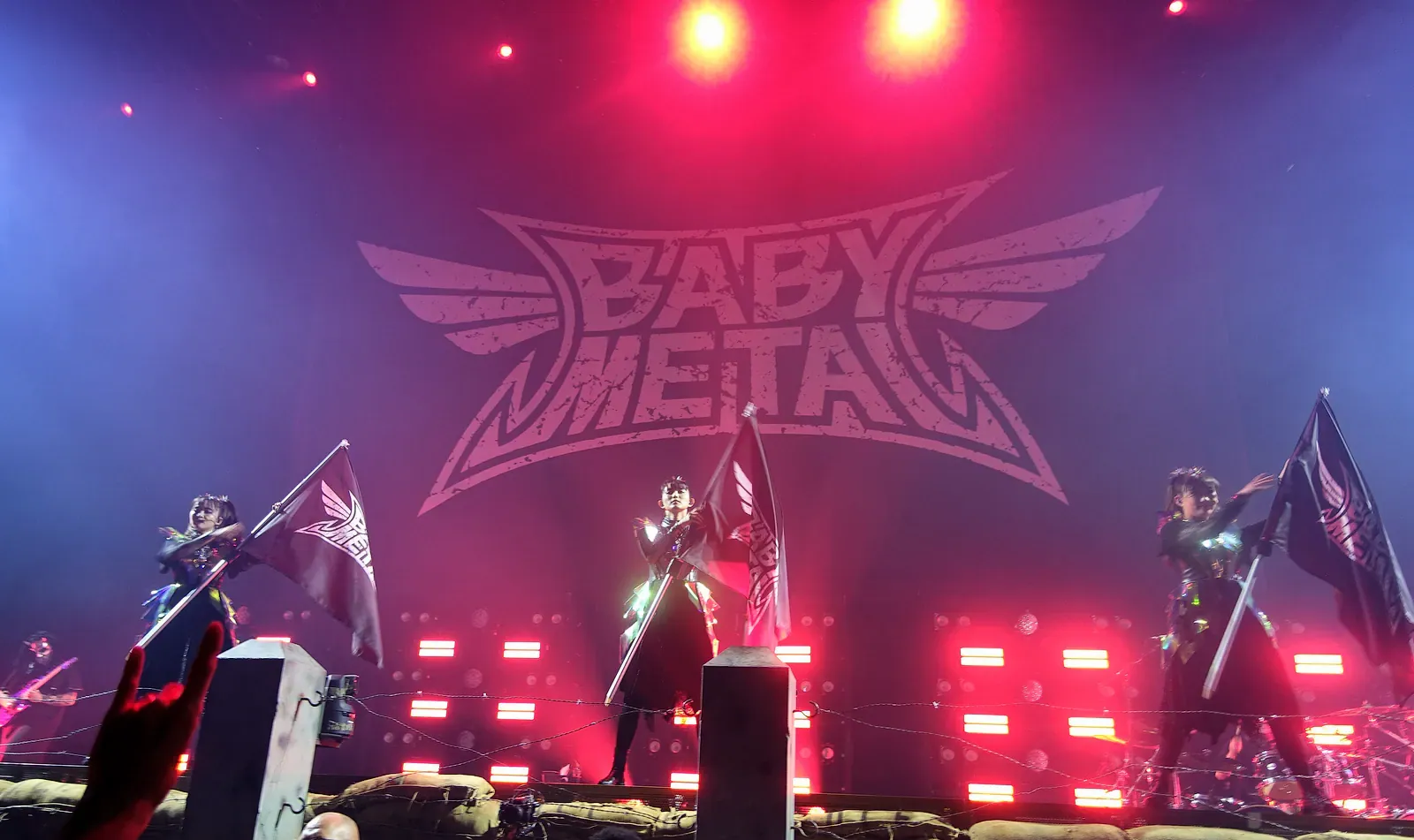
Ijime, Dame, Zettai, an anti-bullying song, was released on 9 January 2013 under the main Toy’s Factory label and entered the Oricon singles chart at number six. Nakamoto graduated from Sakura Gakuin that spring, but management kept Babymetal going as an independent act. In May 2013 a live group, the Kami Band, played all the music at a show for the first time, and by 2014 it had replaced the Babybones.
The self-titled album followed on 26 February 2014. It reached number four on the Oricon album chart and number 187 on the US Billboard 200, rare for a Japanese act, and topped the World Albums chart. Two Budokan shows in March made the trio the youngest female act to play there, and a first world tour followed, with a Sonisphere date in England and a Los Angeles headline show. In November 2014 the band debuted Road of Resistance, co-written with DragonForce members Sam Totman and Herman Li, in London.
Arenas and imitators, 2016-2019
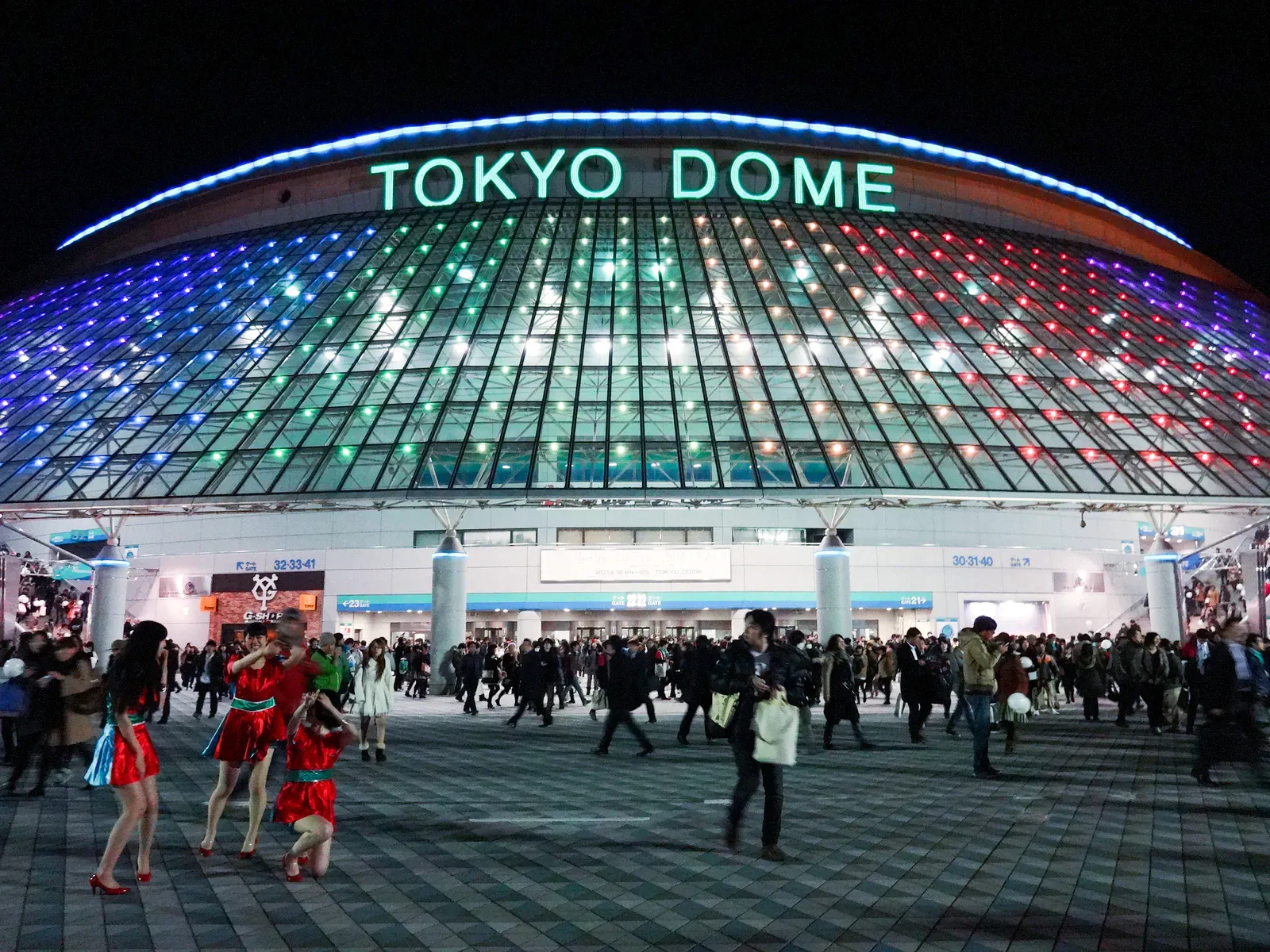
Metal Resistance appeared on 1 April 2016 and made Babymetal the highest-charting Japanese act in UK chart history. The next day they became the first Japanese act to headline Wembley Arena. On 19 and 20 September they played two Tokyo Dome nights to about 55,000 people each. Support slots followed with the Red Hot Chili Peppers, Metallica in Seoul and Korn.
Others entered the style. Ladybaby, a group built around Australian wrestler Ladybeard, went viral in 2015 with Nippon Manju, which reached a million views in two days. Necronomidol, formed in 2014, took the form toward black metal, dark wave and the Cthulhu mythos. In 2018 Yui Mizuno left Babymetal after months of absence for health reasons. In October 2019 the third album, Metal Galaxy, made Babymetal the first Asian act to lead the Billboard Top Rock Albums chart.
Hiatuses and hybrids, 2020 onward
Ladybaby suspended activity in January 2020, and Necronomidol went on hiatus in 2022, with no return planned as of 2025. Babymetal became a trio again when Momoko Okazaki joined permanently in 2023. Their 2025 album Metal Forth has seven collaborations with acts from several countries, among them Bring Me the Horizon and Electric Callboy.
Characteristics
A typical kawaii metal composition pairs the instrumentation of metal with J-pop melodies and an idol look. Critics trace its sound to speed, power, black and industrial metal, joined by pop, rock and electronic dance music. One song often changes style several times, so thrash riffs and screamed shouts give way to a bright major-key chorus and back.
Lyrics are lighter than in most metal, with chocolate, kittens and fun, but they also treat bullying, body image and what a first concert feels like. Over time more English entered the songs, and Metal Resistance, which has a full song in English, leans on positive and collective themes. Researchers note a split audience: metal fans abroad, and mostly male idol fans in Japan.
Instruments and production
The sound rests on electric guitars, bass and a fast drum kit, layered with synthesizers, breakbeats and EDM drops. Awadama Fever, for instance, sets sharp guitars against rapid breakbeats under sugary vocals. The vocal approach is a clear lead voice with little ornament over screamed or shouted backing parts.
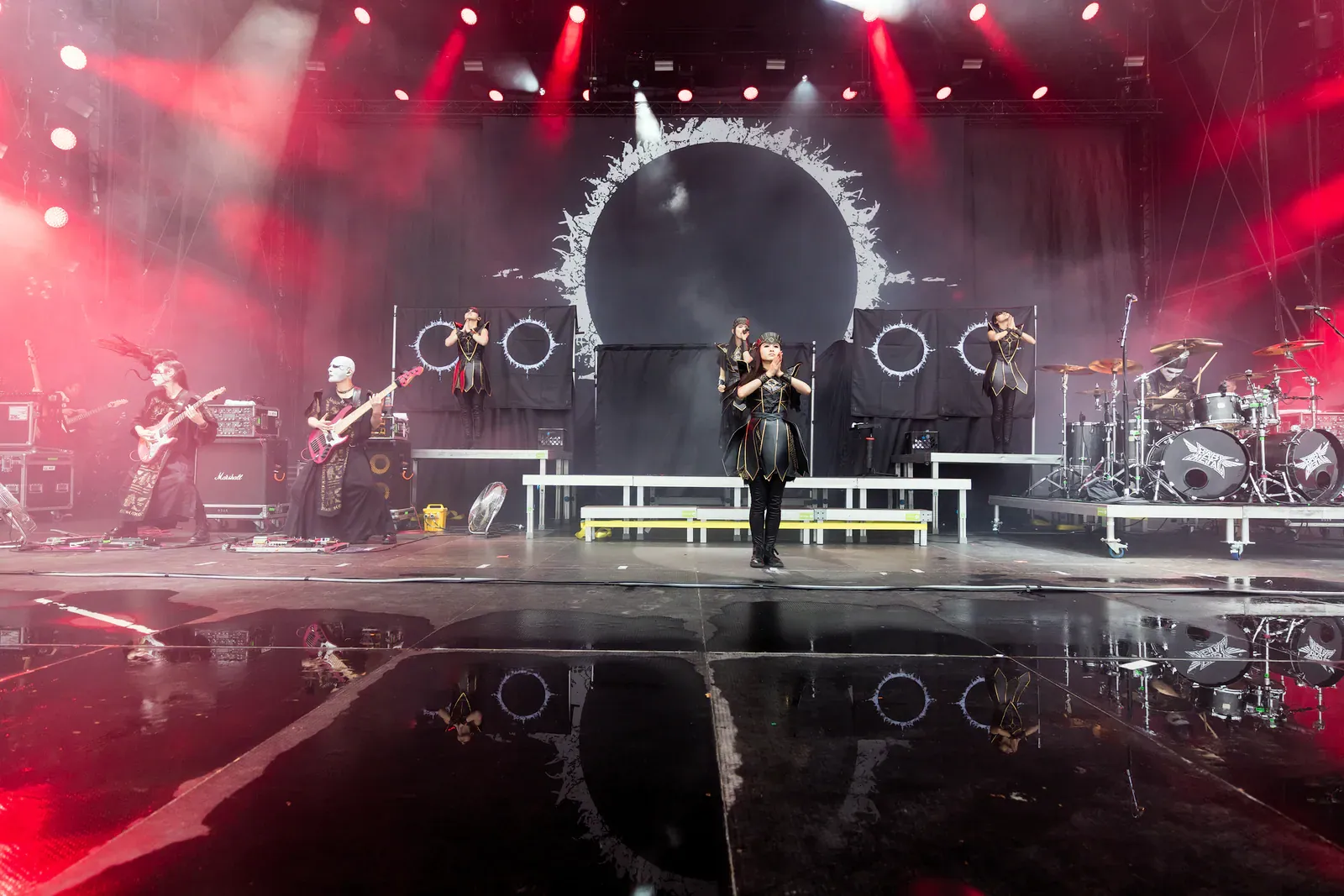
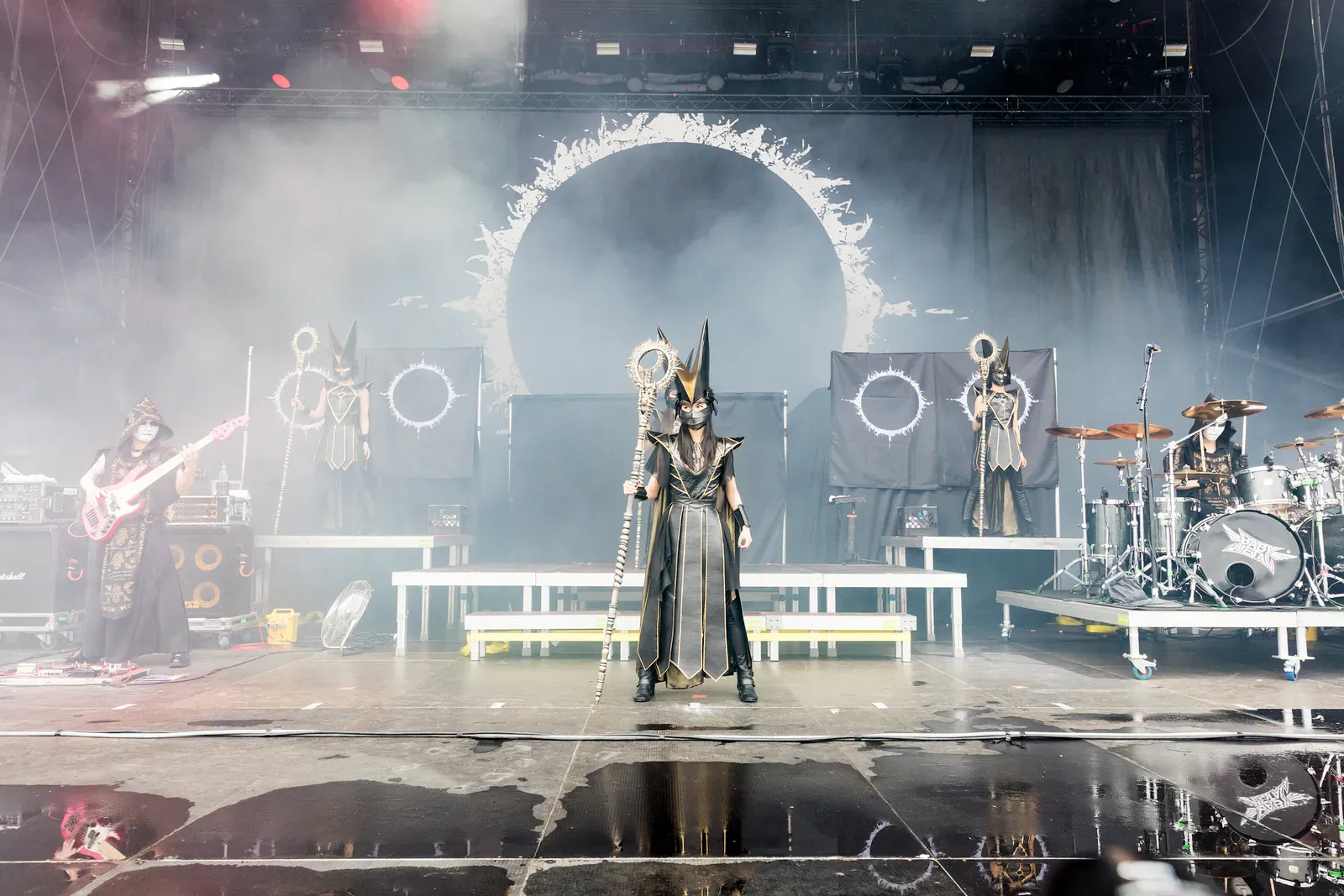
Live, a rotating Kami Band plays everything, in white robes and corpse paint; since 2019 it has been mostly Western players. Its guitarist Leda, credited as Ledametal, also contributed to Metal Resistance. Songwriters came from both worlds: Takeshi Ueda of Mad Capsule Markets composed Gimme Chocolate!!, and Skrillex’s remix was played at Ultra Japan in 2015.
Mainstream success
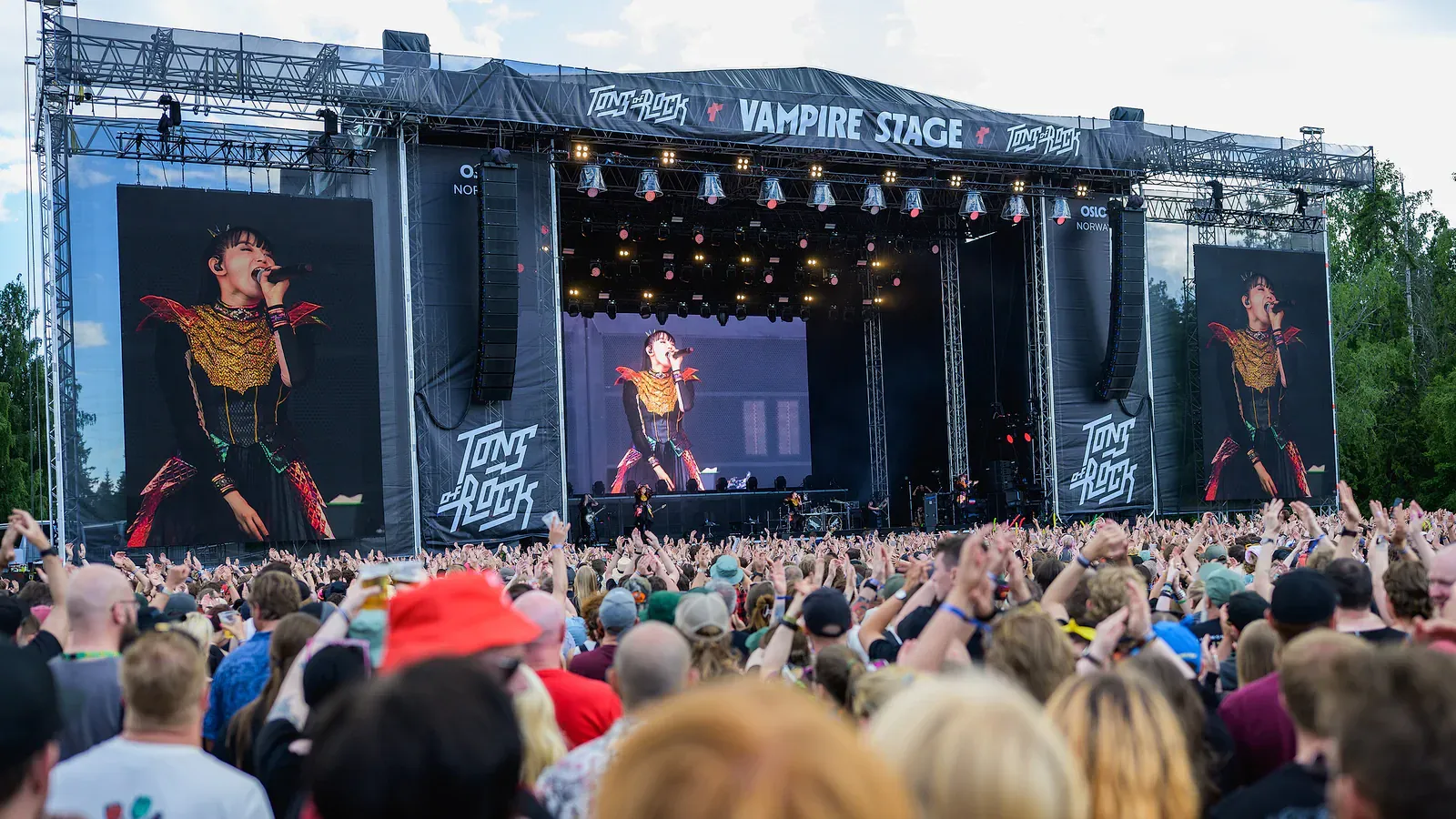
The breakthrough was online. Gimme Chocolate!!, first released on the 2014 album, went viral through its video, which became the group’s most viewed. The song reached number five on Billboard’s World Digital Songs chart. Metal Resistance reached number 39 on the US Billboard 200, the first Japanese album in its top 40 since Kyu Sakamoto in 1963. Metal Hammer readers voted the debut album best of the 21st century in 2016. The group played a main stage at Glastonbury in 2019, a first for a Japanese band, and won the 2020 NHK Kohaku Uta Gassen with its red team.
The reception was not uniform. In 2015 the Download Festival booker had said he would never book the group, yet the trio appeared during DragonForce’s set at the festival that June.
Notable recordings
Gimme Chocolate!! opens with thrash metal, runs shouted verses of onomatopoeia and jumps to a pop chorus in a major key. Its video was filmed at the song’s first live performance in December 2013, with the Babybones playing in skull outfits.
Road of Resistance premiered in London and then appeared as a bonus track on the live album Live at Budokan: Red Night, before a digital release. It is a power metal piece, written with two members of DragonForce, that pulled the group closer to metal audiences.
Nippon Manju, from 2015, shows the comic branch. Ladybaby’s song lists what the group loves about Japan, and its video drew a million views in two days.
Culture
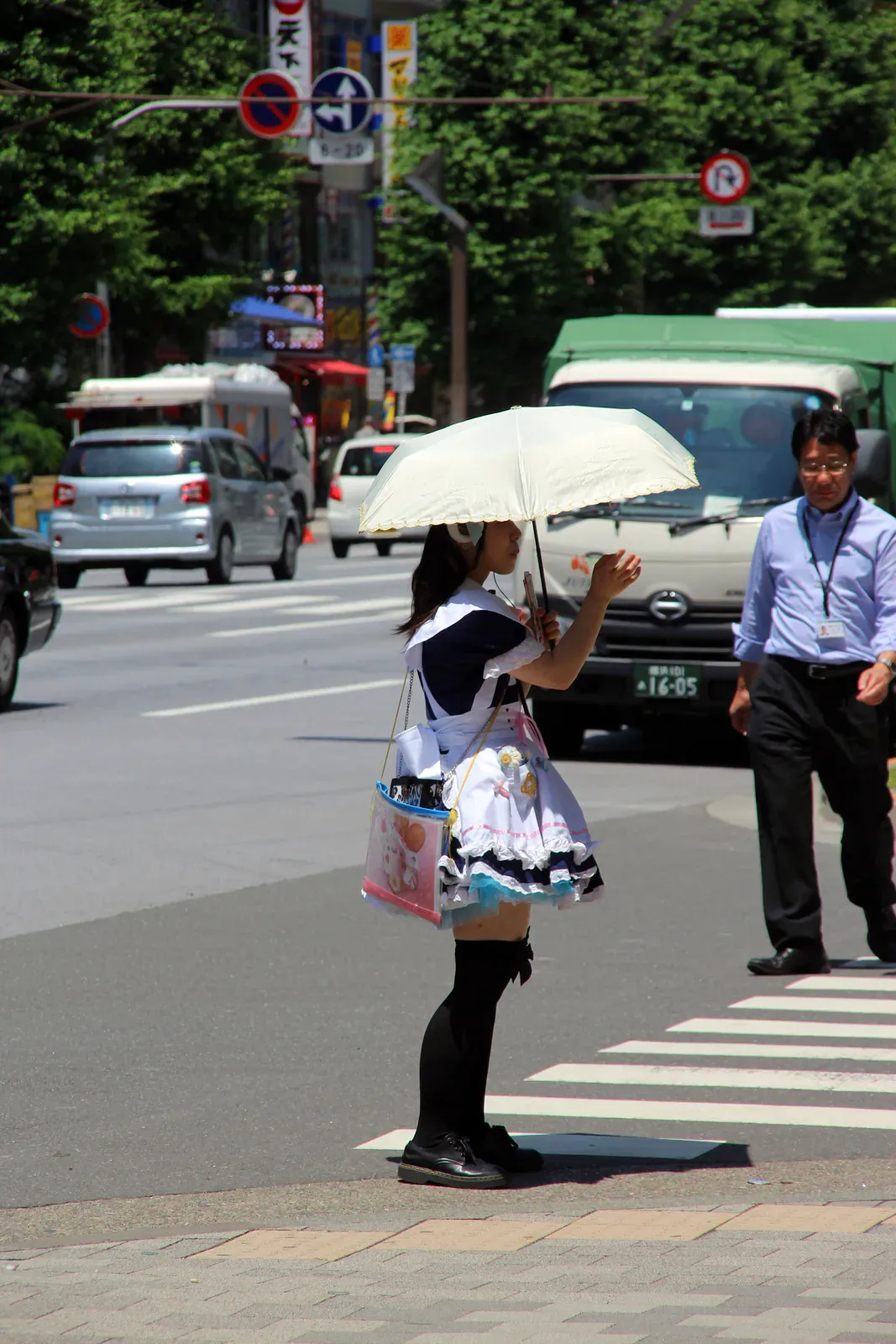
Babymetal use a fox-shaped hand gesture, the kitsune sign, rather than the metal horns. The story goes that the members were shown pictures of the horns and took them for a fox head, and management kept it. Their moshing style is called mosh’sh and is described as a safe, friendly game of push and shove. Costumes draw on Gothic and Punk Lolita styles in red and black. The story world extended into a 2018 graphic novel, Apocrypha: The Legend of Babymetal.
Legacy
Kawaii metal opened a route for metal to new audiences, and groups followed Babymetal in Japan and in South Korea, where the band Pritz formed. The subgenre kawaiicore grew out of it. Within Japan the style sits beside J-pop and idol music, and within metal it draws on heavy metal, thrash metal, power metal and black metal. The parent family is covered under metal.
Misconceptions
One idea is that the music is a novelty with recorded backing. Since May 2013 the Kami Band has performed all the music live, and Babymetal’s albums chart in metal and rock lists. A second is that kawaii metal and Babymetal are the same thing. Ladybaby played a comic version and Necronomidol a dark, occult one, both counted as kawaii metal.
A third idea is that the cute lyrics mean nothing is at stake. Early songs address bullying and body-image pressure, topics the genre’s critics note are missing from most hyper-masculine metal lyrics.
Frequently asked questions
What is kawaii metal?
Kawaii metal is a Japanese genre, begun in the early 2010s, that blends heavy metal instrumentation, J-pop melodies and idol-group choreography with cute lyrical themes.
Who started kawaii metal?
Producer Kobametal and the group Babymetal, formed in Tokyo in 2010, are credited with creating it. International popularity followed in 2014.
Is kawaii metal real metal?
Its backing music is performed by live metal musicians and draws on thrash, power, black and industrial metal. The vocals and structures come from J-pop, which is why it is called a fusion.
Why does Babymetal use a fox sign?
The members mistook the sign of the horns for a fox head, and the band adopted the kitsune sign instead.
Sound
Sound sheet
Signature sounds
- Thrash or power metal riff under a pop chorus
- Choreographed vocal trio with shouted backing parts
- Sudden switches between metal verses and bright major hooks
- EDM breakdowns inside metal arrangements
Techniques
- Thrash and power metal riffing
- Style switching
- Shouted onomatopoeia
- EDM drops and breakbeats
Keys and modes
Metal verses, major-key pop choruses. Songs such as Gimme Chocolate!! jump from thrash riffing to a major-key pop melody and back.
Vocals
A clear lead voice with little ornament over screamed, shouted or chanted backing parts, mostly in Japanese with growing English.
Scenes
Where it happened
Where and when the sound lived: one bar per city on a shared timeline.
Asia
Europe
North America
Active scenes
Peak 3, 2014-2025
Home of Babymetal, Ladybaby and Necronomidol, and of the idol agencies and live houses that feed them.
Site of the Brixton debut of Road of Resistance in 2014 and the Wembley Arena headline show in 2016.
First US headline show at the Fonda Theatre in 2014 and a Forum arena concert in 2019.
Culture
Culture markers
- Red and black Lolita costumes
Stage outfits draw on Gothic and Punk Lolita styles in red and black.
Fashion - Kitsune hand sign
Fans raise the fox sign in place of the metal horns.
Ritual - Idol choreography and mosh'sh
Synchronised dance routines on stage, with a playful pit style in the crowd.
Dance
Media
Key media
- 2018Apocrypha: The Legend of Babymetal
by Z2 Comics. Graphic novel built on the band's fox-god story world.
Book
Glossary
Terms on this page
The Japanese name for the heavy music club, the sub-unit of Sakura Gakuin in which Babymetal began.
Babymetal's live backing band, whose name means God Band, in white robes and corpse paint.
Japanese for cute, lovable or childlike, the aesthetic that sets the genre's themes and costumes.
Fox-shaped hand gesture Babymetal use instead of the metal horns, after mistaking the horns photo for a fox.
Babymetal's name for a gentle, friendly style of pushing in the pit.
Metal family