Speed metal
Speed metal is extremely fast heavy metal from the late 1970s with double bass drumming, virtuoso solos and melodic vocals, bridging the NWOBHM and thrash.
United Kingdom, Germany, United States, 1978
Metal family
Born
1978
United Kingdom, Germany, United States
Links
11
Genres it drew on or shaped
Tempo
140-235 BPMLineage
Family tree
Grew out of
- New wave of British heavy metal
Derived from
Derived from
Influenced by
United Kingdom, Germany, United States, 1978
Speed metal
Led to (8)
Timeline
Era by era
From the first sparks to today. Select a dot to read the story behind it.
- Precursors
1969 to 1977
- NWOBHM and the first speed bands
1978 to 1982
- Thrash, power and the split
1983 to 1989
- Retrospective genre
1990 to today
Eras
Moments
- 1 Precursors, 1969 to 1977
- 2 NWOBHM and the first speed bands, 1978 to 1982
- 3 Thrash, power and the split, 1983 to 1989
- 4 Retrospective genre, 1990 to today
1969
Precursors
Hard rock acts such as Deep Purple and Motorhead pushed tempos and volume, and Judas Priest began moving away from blues, setting the template for faster metal.
- 1970Deep Purple's Speed KingThe opening track of Deep Purple in Rock, with a title that later lent the genre its name, and a fast, loud template for hard rock.
- 1975Motorhead forms in LondonLemmy Kilmister forms a trio that merges punk speed with metal volume.
1978
NWOBHM and the first speed bands
Judas Priest, Motorhead and Venom raised tempos with punk energy, while Exciter in Canada and Accept in Germany built whole sets around speed.
- 1978Judas Priest release ExciterThe track on Stained Class is an early fast metal song with double bass drums and a title that later named a Canadian band.
- 1978Exciter forms in OttawaThe band takes its name from the Judas Priest song and builds a fast, aggressive sound.
- 1979Motorhead's OverkillThe album with its relentless double bass drumming on the title track is released on Bronze.
- 1980Ace of SpadesMotorhead's best-known song and album, released on Bronze.
- 1981Venom's Welcome to HellThe Newcastle band's debut on Neat sets a crude, fast template for later extreme metal.
- 1982Accept's Restless and WildThe album includes Fast as a Shark, a song with a speed intro that many musicians rank among the earliest thrash-like tracks.
1983
Thrash, power and the split
Metallica and Anthrax took speed metal toward thrash, and Helloween and Running Wild added melody and choruses that became power metal.
- 1983Exciter's Heavy Metal ManiacThe debut album of the Ottawa band becomes a reference for fast, raw speed metal.
- 1983Metallica's Kill 'Em AllThe debut album carries speed metal tempos into the American thrash scene.
- 1985Helloween's Walls of JerichoThe Hamburg band's debut on Noise combines speed metal with melodic choruses that anticipate power metal.
1990
Retrospective genre
The label speed metal, applied in the 1980s to what is now called thrash, was redefined in the 1990s for the melodic, virtuosic fast metal of the early years. Veteran bands keep touring and recording.
- 2015Lemmy dies and Motorhead endsLemmy Kilmister dies on 28 December and the band ends after forty years.
Listening path
Start listening
A short path from an easy way in to the deep end. Thumbnails come from YouTube; the player loads only when you press play.
- 01
Judas Priest, 1978
An early metal song at speed from Stained Class, a model for later speed bands.
- 02
Motorhead, 1980
The punk-fast, heavy single that brought speed to a wide audience.
- 03
Accept, 1982
A very fast riff after a screamed intro, a template for German speed metal.
- 04
Exciter, 1983
The title track of the Canadian debut, rawest of the early speed metal albums.
- 05
Metallica, 1983
Speed metal tempos at the point where the style turns into thrash.
Facts
| Family | Metal |
| Origin | United Kingdom, Germany, United States |
| Emerged | Late 1970s to early 1980s |
| Status | Active |
| Tempo | 140 to 235 BPM |
| Meter | 4/4 |
| Grew out of | New wave of British heavy metal, Heavy metal |
Speed metal is a subgenre of heavy metal that emerged in the late 1970s from the new wave of British heavy metal. It is defined by very fast tempos, driving double bass drumming, virtuoso guitar solos and vocals that stay melodic rather than harsh.
It sits between traditional metal and thrash metal, and is usually described as more melodic than thrash and faster than classic heavy metal. It belongs to the wider metal family.
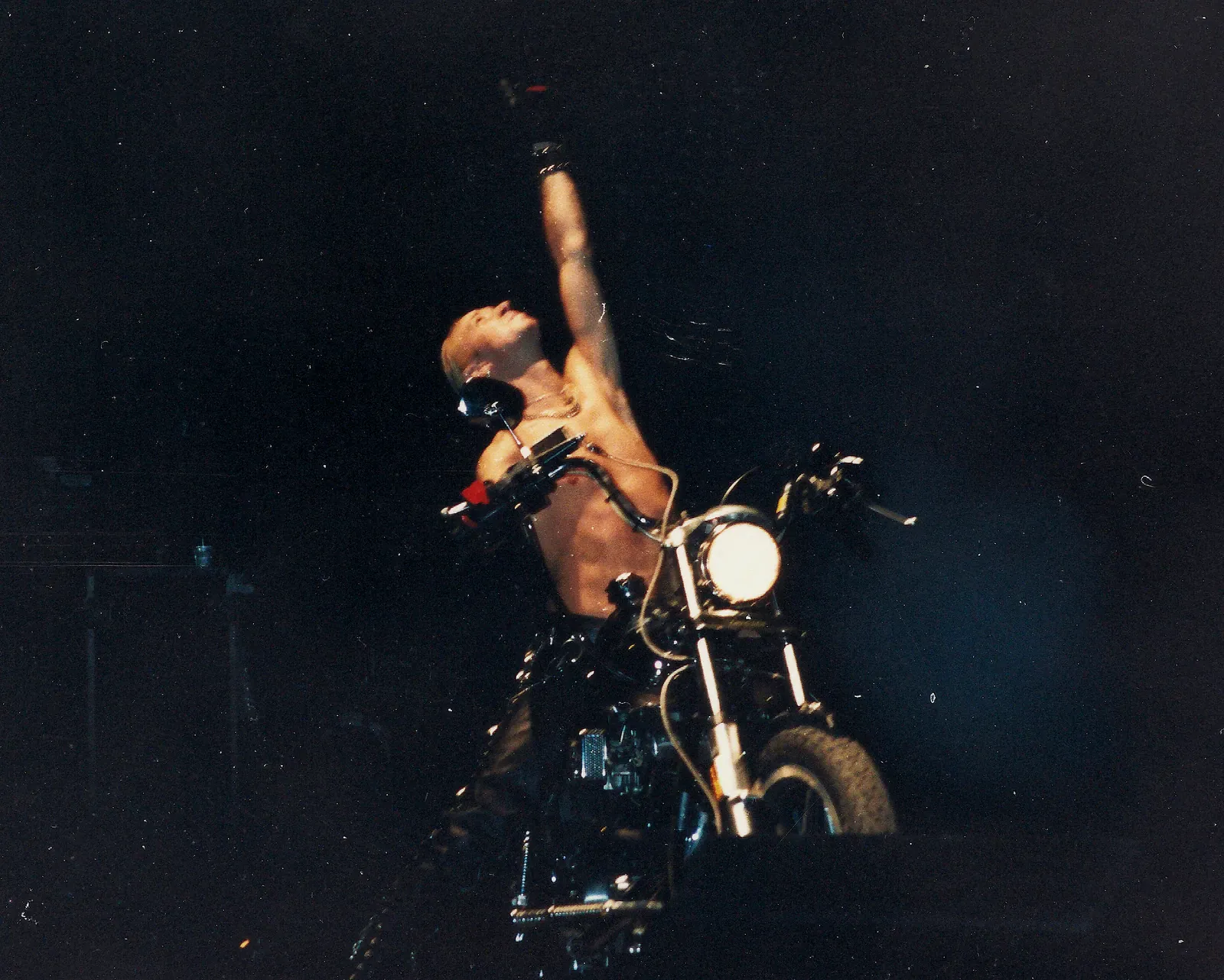
Origins
The word came first, and long before the style. Deep Purple’s Speed King, the opening track of the 1970 album Deep Purple in Rock, was fast, loud and distorted, and its title was later borrowed for the genre. Other early pieces of the template came from Black Sabbath, Budgie, Queen and the Sweet, whose faster hard rock songs fed into the later sound. In the mid-1970s Motörhead, formed in London in 1975 by Lemmy Kilmister, played punk-fast songs at metal volume and is often credited as the first band to play speed metal.
The decisive step came from the new wave of British heavy metal. Bands of that movement dropped the blues of earlier metal, took tempo and attitude from punk, added power chords, fast solos and soaring vocals, and played louder and harder. Judas Priest’s Exciter, on the 1978 album Stained Class, is an early example of a metal song built on speed and double bass drums. Its title was taken by a Canadian band formed in Ottawa the same year, Exciter, which made speed the point of its whole sound.
London, Newcastle and Wallsend, 1975-1981
Motörhead’s Overkill (1979), released on Bronze, opened with a title track that held a double bass drum beat at punk speed for several minutes. The next year Ace of Spades gave the band its best-known song and made fast, heavy riffs a mainstream proposition in Britain.
Venom, from Newcastle, pushed the idea further in a rougher direction. Its debut Welcome to Hell (1981) came out on Neat, a small label in Wallsend, and its follow-up Black Metal (1982) named a genre of its own. Both bands kept the speed and drew on punk, but they dropped the melodic virtuosity that Priest had kept.
Solingen and Ottawa, 1978-1983
Outside Britain, the genre found two homes. Accept, formed in Solingen in 1976, built a hard, precise German style around Udo Dirkschneider’s high, rasping voice and the twin guitars of the band. Fast as a Shark, which opens the 1982 album Restless and Wild with a screamed intro and a very fast riff, became a template for German speed metal and is often cited as an early thrash-like track. The group’s commercial breakthrough followed with Balls to the Wall in 1983. German bands also shaped the German metal scene that grew in the early and mid-1980s.
Exciter’s Heavy Metal Maniac (1983) is a raw debut that became a reference for the Canadian scene described in Canadian heavy metal. Regional differences were noticeable: European bands leaned toward Venom and Motörhead, Japanese bands were more melodic and close to power metal, and North American bands were faster and more aggressive, pointing to thrash.
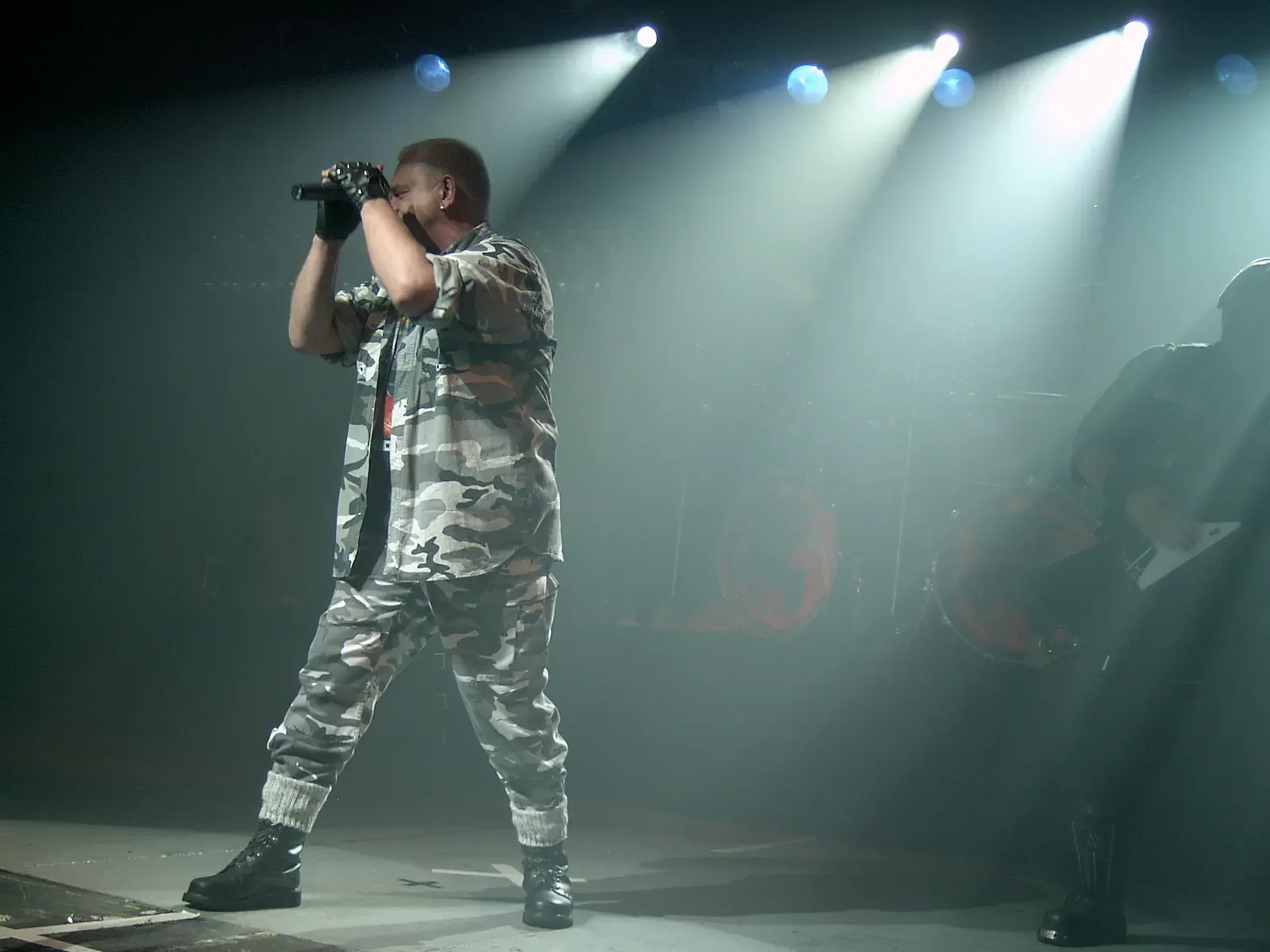
Thrash, power and the split, 1983-1989
By the early 1980s the style was producing its own descendants. Metallica’s Kill ’Em All (1983) carried speed metal tempos into the American thrash scene, and Anthrax and others followed. The same style also pushed melody: Helloween, formed in Hamburg in 1984, released Walls of Jericho on Noise in 1985 with fast songs and bright choruses that pointed to power metal. A few bands moved in a darker direction, with Venom feeding into black metal.
During this split the term itself shifted. In the 1980s “speed metal” was often used for what is now called thrash. The sense used today, melodic, virtuosic fast metal, was fixed retrospectively in the 1990s.
Characteristics
The tempo is the defining trait, usually from about 140 to 235 beats per minute, in 4/4. Drummers keep the kick drum moving in continuous eighth or sixteenth notes, which gave the genre its drive. Riffs are played with strict alternate picking, often in galloping, palm-muted patterns on the low strings, and guitarists trade harmonised twin-lead melodies and long solos. Songs are short and built from a fast intro riff, verses, a chorus and a solo, with short instrumental passages between sections.
Vocals stay clear. Singers such as Rob Halford and Udo Dirkschneider scream in a high range, while Lemmy’s voice was a rough shout. Growled vocals are rare, which is one of the clearest differences from thrash.
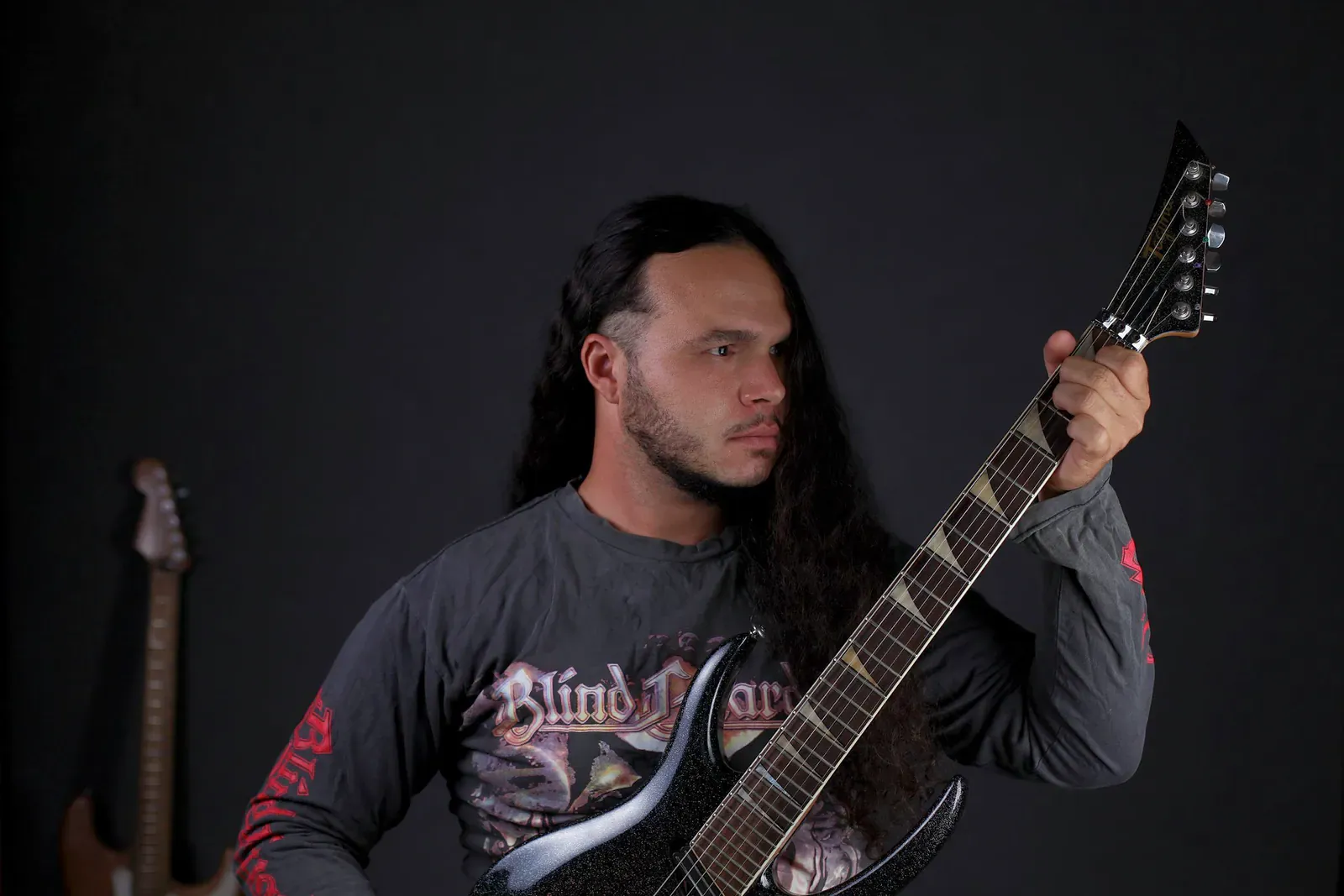
Instruments and production
The core line-up is two guitars, bass and drums. The guitars are played through overdriven tube amplifiers, which keep the riffs crunchy but readable at high speed. Lemmy Kilmister’s bass was overdriven and played with chords, so Motörhead often sounded like a third guitar. The drum kit has two kick drums or a double pedal.
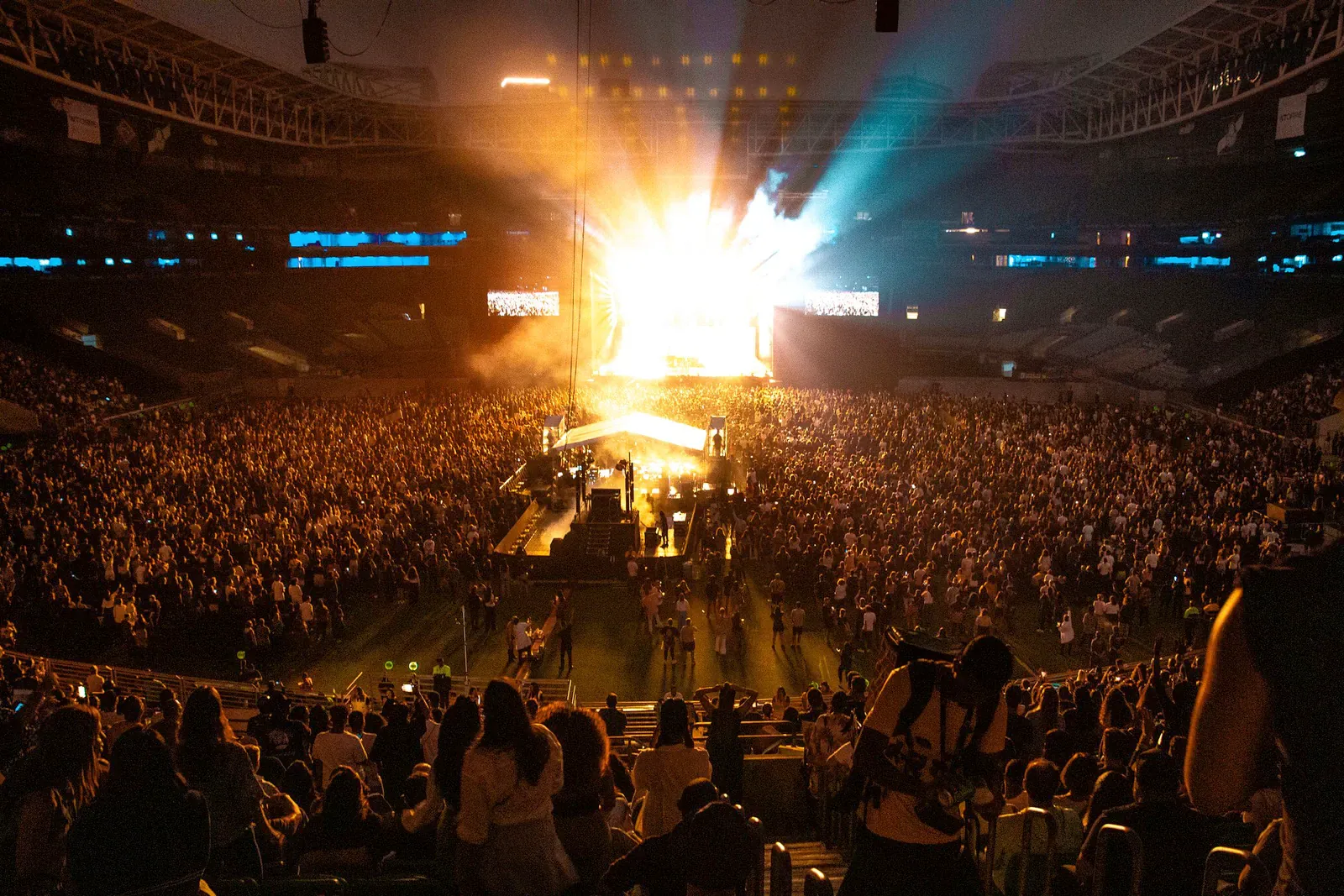
Mainstream success
Speed metal never had a pop moment on the scale of thrash or hair metal, but individual songs reached wide audiences. Ace of Spades is among the best-known metal songs of the era, and Motörhead’s live album No Sleep ’til Hammersmith (1981) reached number one in the UK. Accept turned Balls to the Wall into a gold album in the United States and Canada in the 1980s. Many of the fastest bands stayed small: Exciter and Venom built loyal followings with limited sales.
Notable recordings
Ace of Spades turned the band’s live speed into a three-minute single, built on a thick bass riff, a fast shuffle and a short solo. Fast as a Shark is the opposite kind of record: an intro shouted a cappella before the band comes in at a very fast pace, a surprise that fans of the genre still remember. Exciter’s title track from Heavy Metal Maniac is a plain statement of the style, with a fast riff, a simple chorus and high shouts.
Culture
Fans of the genre dressed in denim vests, leather jackets, bullet belts and sewn-on patches, a look that remained the standard for metal audiences. Headbanging, the rapid movement of the head to the beat, suits fast riffs and has remained the typical way to respond to the music. Motörhead’s tusked skull mascot, Snaggletooth, drawn by Joe Petagno, appeared on many sleeves and became a symbol of the band. Two works document the culture: Ian Christe’s book Sound of the Beast discusses the line between speed and thrash, and the 2010 documentary Lemmy portrays the Motörhead frontman.
Legacy
Speed metal is the direct link between traditional heavy metal and both thrash and power metal. Its tempo, double bass drumming and harmonised solos can be heard in the work of Metallica, Helloween and many other bands. Several early bands are still active. Accept returned in 2010 with Mark Tornillo as singer on Blood of the Nations and released Humanoid in 2024. Motörhead ended in December 2015, when Lemmy Kilmister died on the 28th.
Misconceptions
Speed metal is not simply thrash metal under another name, although the two terms overlapped for years. Thrash relies on long, heavy rhythmic breaks and harsh vocals, while speed metal is cleaner, more melodic and closer to classic metal, though some writers call it a subset of thrash. It is also not just a matter of tempo: it is the combination of speed with melody, solos and clear singing that sets it apart. And although Motörhead is often credited as the first speed metal band, Lemmy always described the band as a rock and roll group, so the label applies to its sound more than its self-image.
Frequently asked questions
What is speed metal?
Speed metal is a fast, technically demanding style of heavy metal from the late 1970s, with double bass drumming, virtuoso guitar solos and melodic vocals.
What is the difference between speed metal and thrash metal?
Speed metal is more melodic and cleaner, with clear singing and long solos. Thrash metal is heavier on rhythmic breaks and uses harsher vocals. In the 1980s the two terms were often used for the same bands.
Who were the first speed metal bands?
Motörhead is often credited as the first. Judas Priest, Exciter, Accept and Venom followed in the late 1970s and early 1980s.
How fast is speed metal?
Typical songs run from about 140 to 235 beats per minute, faster than classic heavy metal.
Which bands came out of speed metal?
Thrash metal bands such as Metallica and Anthrax, and power metal bands such as Helloween, grew out of its tempos and melodic style.
Sound
Sound sheet
Anatomy of a track
| # | Part | Bars |
|---|---|---|
| 1 | Intro riff | 8 |
| 2 | Verse | 16 |
| 3 | Chorus | 8 |
| 4 | Guitar solo | 16 |
| 5 | Final chorus and outro | 8 |
Signature sounds
- Fast alternate-picked power-chord riffs
- Continuous double bass drum patterns
- Harmonised twin-lead solos
- Shouted or high clean vocals
Drums and percussion
- Double bass drum kit
Techniques
- Alternate picking
- Double bass drumming
- Harmonised twin-lead solos
- Palm-muted gallop riffs
Keys and modes
Natural minor. Riffs usually sit in the minor key, often on the open low strings.
Phrygian mode. A flattened second adds a darker colour to some riffs and solos.
Tuning
Standard tuning, A=440 (some bands tune a step down)
Vocals
High clean screams (Udo Dirkschneider, Rob Halford) or gravelly shouts (Lemmy); harsh growls are rare.
Scenes
Where it happened
Where and when the sound lived: one bar per city on a shared timeline.
Europe
North America
Active scenes
Peak 4, 1978-2025
Where Motorhead formed and where the NWOBHM crowds filled pubs and halls.
Home of Venom and the Neat label in nearby Wallsend.
Accept's hometown, the start of the German metal scene.
Where Exciter formed and recorded its early albums.
Culture
Culture markers
- Headbanging
Fast riffs drive rapid head movement in the crowd.
Ritual - Denim and leather
Denim vests, leather jackets, bullet belts and patches are the standard look of the audience.
Fashion - Snaggletooth
Motorhead's tusked skull mascot, drawn by Joe Petagno, appears on many of its sleeves.
Artwork
Media
Key media
- 2003Sound of the Beast
by Ian Christe. A history of heavy metal that discusses the line between speed metal and thrash.
Book - 2010Lemmy
by Greg Olliver and Wes Orshoski. Documentary portrait of the Motorhead frontman.
Film
Glossary
Terms on this page
Strict down-up picking used for fast riffs and solos.
Playing the kick drum with two pedals or two drums for rapid, continuous patterns.
The new wave of British heavy metal, the late 1970s movement from which speed metal grew.
Resting the picking hand on the strings to produce a tight, chugging tone.
Two guitarists playing harmonised melodies or trading solos.
Metal family