Post-metal
Post-metal is heavy music built on atmosphere and slow crescendos instead of verse and chorus, formed in the early 1990s by Neurosis and Godflesh.
Oakland/Berkeley, 1992
Metal family
Born
1992
Oakland/Berkeley
Subgenres
3
Documented branches
Links
17
Genres it drew on or shaped
Tempo
70-125 BPMLineage
Family tree
Grew out of
Derived from
- Doom metal
Derived from
Influenced by
Oakland/Berkeley, 1992
Post-metal
Led to (3)
Timeline
Era by era
From the first sparks to today. Select a dot to read the story behind it.
- Hardcore and industrial roots
1985 to 1995
- Through Silver in Blood and the new labels
1996 to 2001
- Isis and the global spread
2002 to 2009
- Blackgaze and wider recognition
2010 to today
Eras
Moments
- 1 Hardcore and industrial roots, 1985 to 1995
- 2 Through Silver in Blood and the new labels, 1996 to 2001
- 3 Isis and the global spread, 2002 to 2009
- 4 Blackgaze and wider recognition, 2010 to today
1985
Hardcore and industrial roots
Neurosis in Oakland and Godflesh in Birmingham turned hardcore, doom and industrial heaviness into expansive, textural music, and Souls at Zero and Pure (both 1992) are often named the first post-metal records.
- 1985Neurosis forms in OaklandScott Kelly, Dave Edwardson and Jason Roeder start Neurosis as a crust punk band, with a keyboardist and a visual artist joining by 1990.
- 1988Godflesh forms in BirminghamJustin Broadrick and G. C. Green begin a duo that joins metal riffs to a drum machine and later widens into long, noisy structures.
- 1991Earth's Extra-Capsular ExtractionThe Seattle drone band's debut release is later credited as an influence on post-metal.
- 1992Souls at ZeroNeurosis's third album brings doom, post-punk and industrial elements into hardcore, and is often counted among the first post-metal records.
- 1992Godflesh's PureReleased in April on Earache, the album stretches Godflesh's sound into longer structures and billowing noise.
- 1993Hydra Head Records is foundedAaron Turner starts the label in New Mexico; it later issues early records by Pelican and Jesu.
1996
Through Silver in Blood and the new labels
Neurosis released Through Silver in Blood in 1996, Hydra Head Records and Relapse put out slower, more abstract heavy music, and Neurosis launched Neurot Recordings in 1999.
- 1996Through Silver in BloodNeurosis's fifth album, released in April on Relapse, is credited with effectively inventing the genre; its twelve-minute Purify is the signature track.
- 1997Isis forms in BostonAaron Turner co-founds the band, whose five studio albums keep one lineup.
- 1999Neurosis founds Neurot RecordingsThe band's own label opens and later signs Belgian band Amenra and a range of sludge, post-rock and noise acts.
2002
Isis and the global spread
Isis's Oceanic (2002) became the template for a wave of bands: Pelican in Chicago, Cult of Luna in Umea, Russian Circles, Amenra in Belgium, Boris in Japan, and black metal variants such as Agalloch and Wolves in the Throne Room.
- 2002OceanicIsis's second album, released in September, is regarded as a classic of the genre for its multilayered washes of sound.
- 2003Pelican's AustralasiaThe Chicago instrumental quartet debuts on Hydra Head with an album inspired by Neurosis, Godflesh and Mogwai.
- 2006Somewhere Along the HighwayCult of Luna's fourth album, on Earache, includes the 15-minute Dark City, Dead Man and carries Isis's influence.
2010
Blackgaze and wider recognition
Isis split in 2010, while Deafheaven's Sunbather (2013) brought black metal and shoegaze to a wide critical audience and inspired a new wave of bands.
- 2010Isis disbandsThe Boston band splits in June, shortly before a split EP with the Melvins is released.
- 2013Deafheaven's SunbatherThe San Francisco band's second album, on Deathwish, blends black metal with shoegaze and is among the most celebrated releases of the year, nicknamed blackgaze.
Listening path
Start listening
A short path from an easy way in to the deep end. Thumbnails come from YouTube; the player loads only when you press play.
- 01
Neurosis, 1996
The official video for a heavy, rhythm-driven track from Through Silver in Blood, shot by the band's own visual artist.
- 02
Isis, 2009
The title track of the band's final album, a slow, layered build.
- 03
Cult of Luna, 2006
A fifteen-minute slow burn that shows the Swedish take on the form.
- 04
Deafheaven, 2013
The opener of Sunbather, with tremolo guitars and shoegaze melodies over blast beats.
Facts
| Family | Metal |
| Origin | Oakland/Berkeley, United States |
| Emerged | 1990s |
| Status | Active |
| Tempo | 70 to 125 BPM |
| Meter | 4/4 |
| Grew out of | Sludge metal, Doom metal |
Post-metal is a form of heavy music rooted in metal that replaces riffs and choruses with atmosphere, texture and slow-building crescendos. It emerged in the early 1990s, led by Neurosis in Oakland and Godflesh in Birmingham, and draws on sludge metal, doom, post-rock and post-hardcore.
Songs are long and loosely layered, guitars are saturated with effects, and vocals are often screamed or growled and treated as one more instrument.
Origins
The groundwork came from bands that joined heavy music to an avant-garde sensibility in the 1980s and early 1990s: the Melvins, Swans, Godflesh, Helmet and Tool among them. Most came from hardcore punk and post-punk circles, and their mix of sonic violence and experiment fitted no single genre.
Two albums released in 1992 are often named the first post-metal records. Neurosis, formed in Oakland in 1985 as a crust punk band, turned to doom, post-punk and industrial influences on Souls at Zero. Godflesh, the Birmingham duo of Justin Broadrick and G. C. Green, had made a harsh industrial metal with a drum machine on Streetcleaner (1989), then stretched its structures into long stretches of noise on Pure. The name post-metal borrows its prefix from post-rock and post-hardcore: a way of going beyond a style’s conventions while keeping its attitudes.
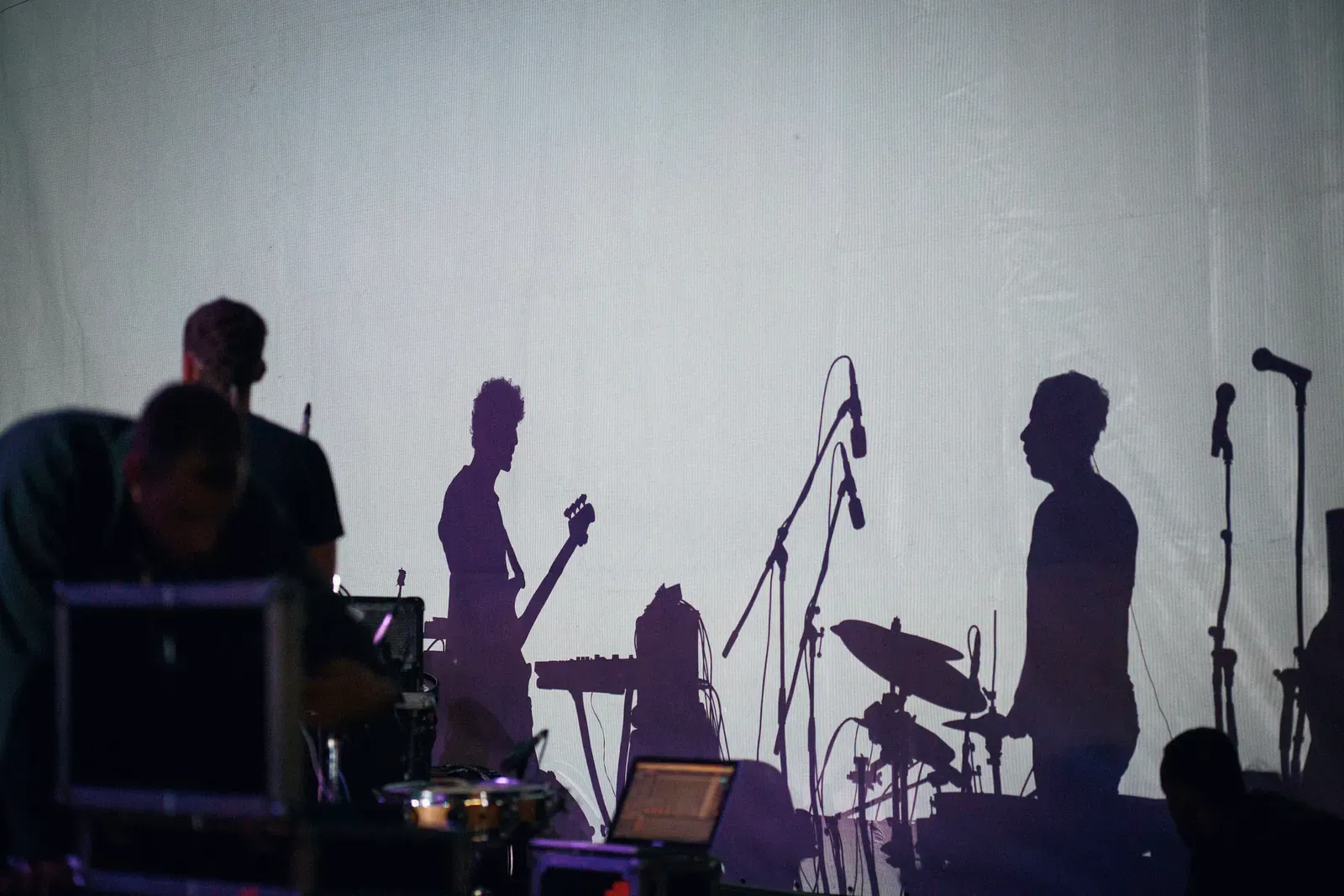
Oakland and Birmingham, 1985-1995
Neurosis added a keyboardist and a visual artist by 1990 and spent the early 1990s turning its hardcore into trance-like dynamics. Live, the band played over psychedelic film projections, including footage from the film Altered States on the tour for Through Silver in Blood. The band’s lineup stabilised in 1995 with keyboardist Noah Landis, and the same year it formed the experimental project Tribes of Neurot.
Earth’s 1991 debut release, a drone-heavy record from Seattle, and the late 1990s noisecore of Botch and Coalesce fed the same current. Converge’s longer songs, starting with the closing track of Jane Doe (2001), tied them to it as well.
Through Silver in Blood and the new labels, 1996-2001
Neurosis’s fifth album, Through Silver in Blood, was released in April 1996 on Relapse and is credited with effectively inventing the genre. Its twelve-minute Purify is the signature track. In these years Hydra Head Records in New Mexico and Relapse began issuing slower, more bass-heavy and abstract music that sat closer to post-rock than to conventional metal. Neurosis opened its own label, Neurot Recordings, in 1999.
Isis and the global spread, 2002-2009
Aaron Turner, who had founded Hydra Head in 1993, co-founded Isis in Boston in 1997. Oceanic (2002), with its buzzing, multilayered washes of sound that ebb and surge, became the model for a wave of bands. Pelican, an instrumental quartet from Chicago, released Australasia on Hydra Head in 2003. Justin Broadrick formed Jesu after Godflesh ended, bringing in shoegaze and slowcore.
Black metal supplied a second influence. Agalloch, formed in 1995, and Wolves in the Throne Room set black metal speed against slower, more ethereal passages. The sound crossed borders: Boris in Japan, Cult of Luna in Umea, Amenra in Belgium on Neurot, and Year of No Light in France. Cult of Luna’s Somewhere Along the Highway (2006, on Earache) carried Isis’s influence into Sweden. Isis released its final album, Wavering Radiant, in 2009 and split in June 2010.
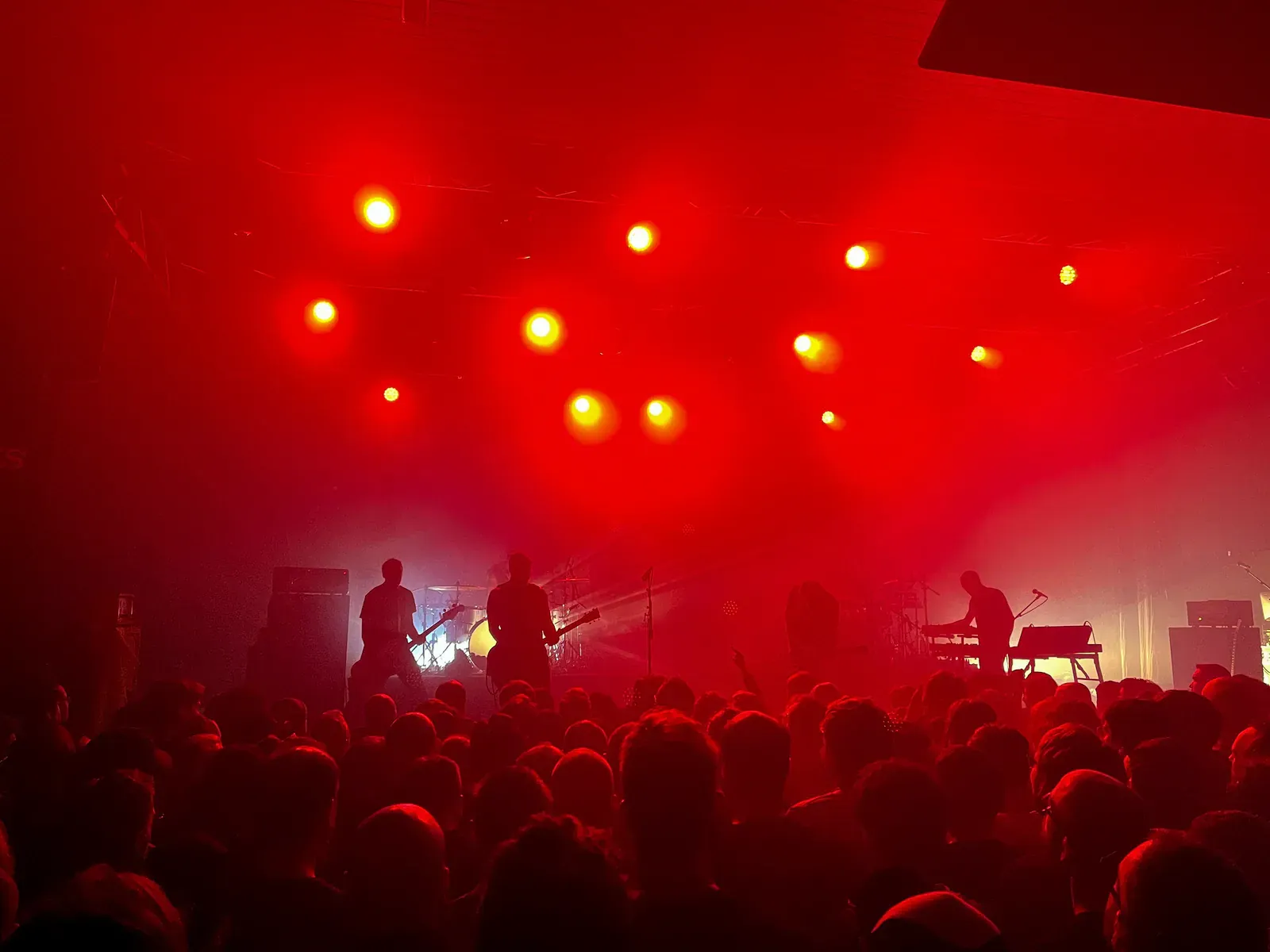
Blackgaze and wider recognition, 2010-present
Deafheaven’s Sunbather, released in 2013 on Deathwish, joined caustic black metal to the melodic, blissful side of shoegaze. It was among the most celebrated records of the year and divided fans of conventional black metal, and the fusion was nicknamed blackgaze, a term first tied to the French musician Neige of Alcest. It inspired a new generation, among them Ghost Bath, Harakiri for the Sky and the recent work of Oathbreaker.
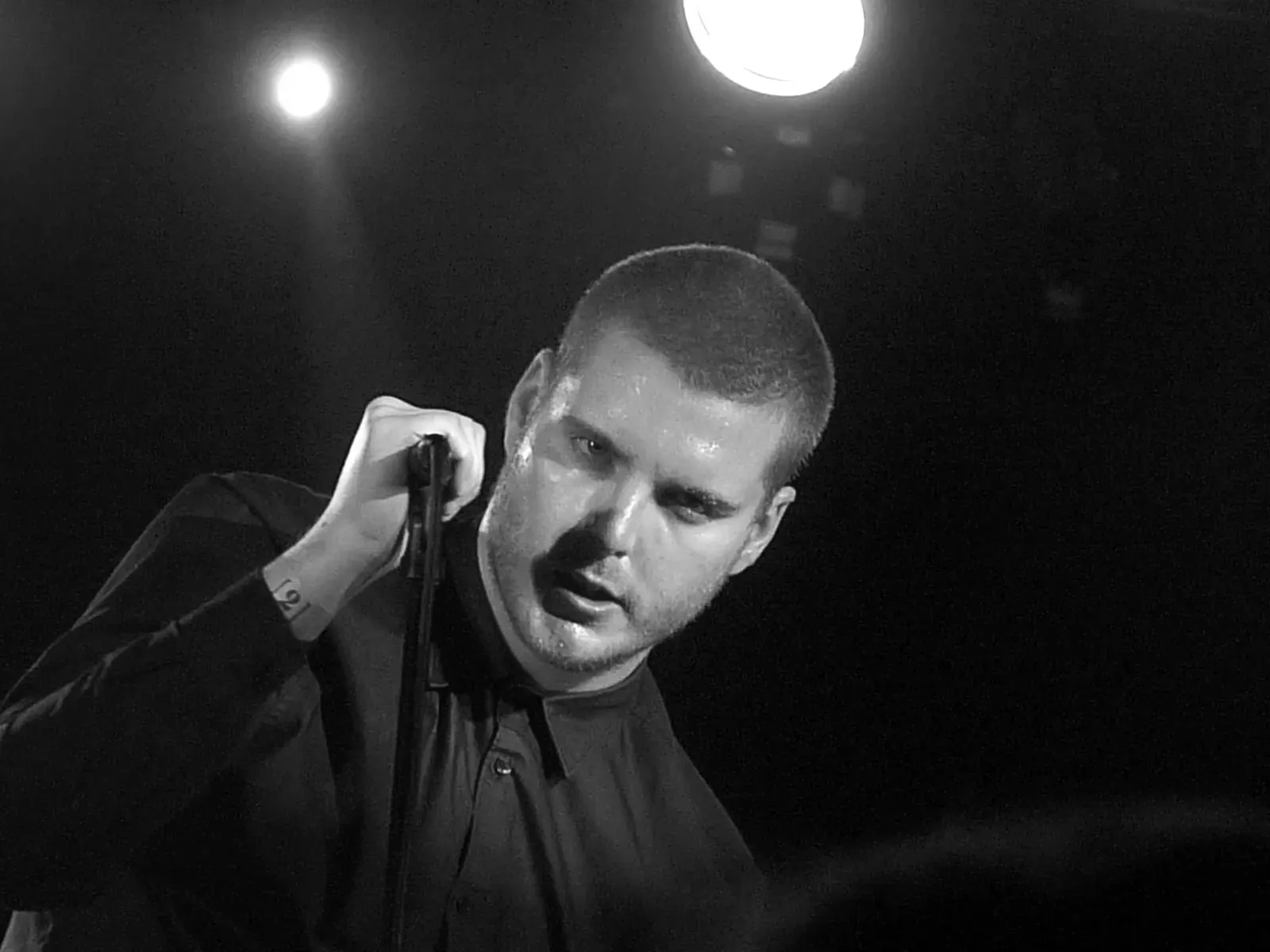
Characteristics
Post-metal is generally heavy, dark and aggressive but explores approaches alien to standard metal. Songs usually run long and build on repeated themes toward a peak. Isis’s Aaron Turner said the verse-chorus form had been done and redone and seemed pointless to follow when there were so many other directions to explore. Many bands play instrumentals, and where there are vocals they tend to be screamed or growled and mixed as another instrument.
The term covers sounds that differ widely: the best Neurosis albums do not sound like the best of Isis. The genre cannot always be separated from doom metal, modern black metal or progressive metal, taking in all of these elements without being entirely any one of them.
Instruments and production
Guitars, down-tuned and run through delay, reverb and distortion, carry most of the sound, with a bass-forward mix and a patient, tom-heavy drum style. Keyboards, samplers and electronics add ambient layers, and some bands, such as Godflesh, use a drum machine. Around 2005, Isis’s two guitarists used Gibson Les Paul guitars with Mesa Boogie preamps.
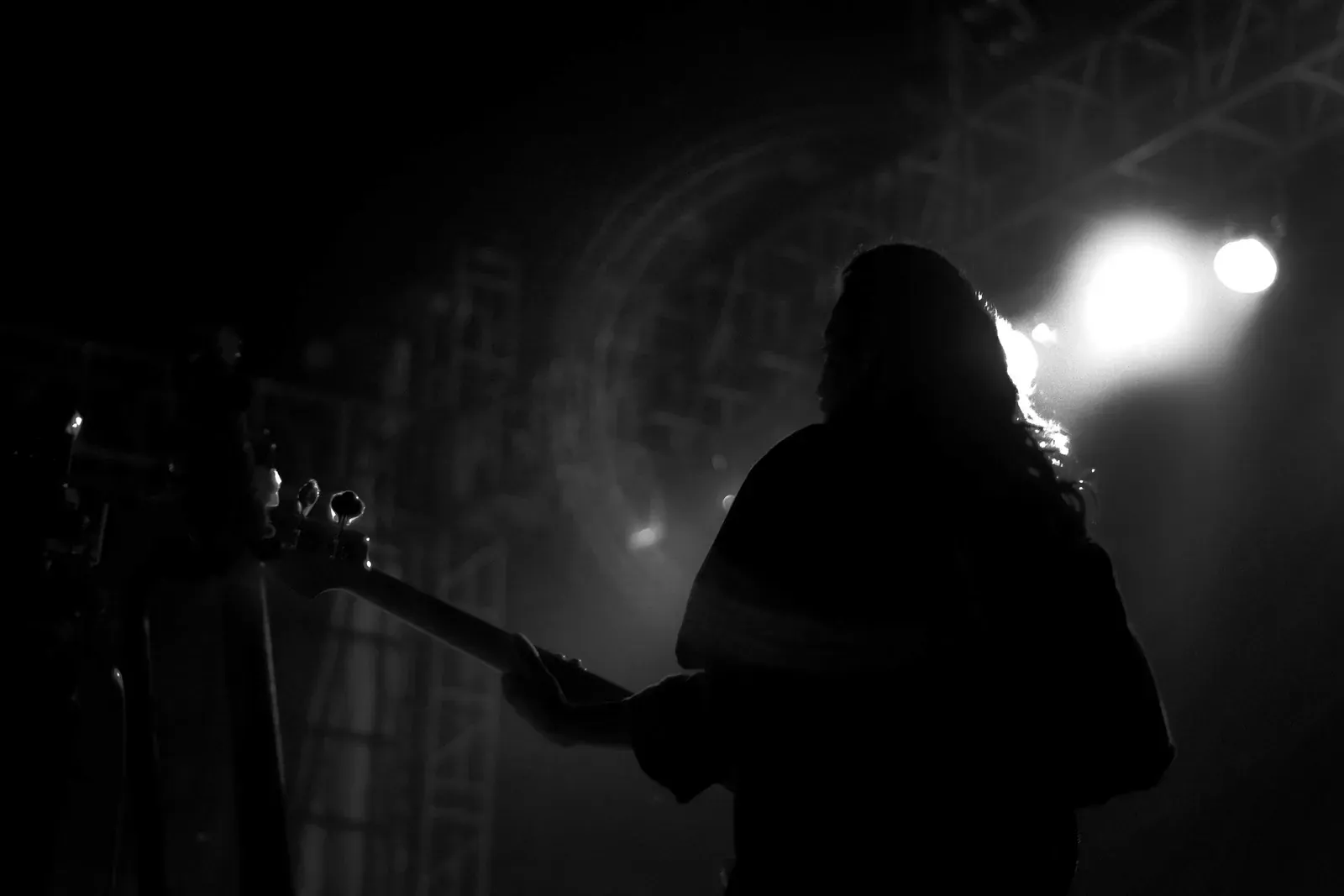
Notable recordings
Through Silver in Blood is the genre’s reference album: long songs that surge and recede, built by a band that treated live film and ritual as part of its identity. Oceanic is its counterpart for the 2000s, with fewer overt hardcore elements and a more fluid, ebbing structure. Sunbather is the best-known blend of black metal and shoegaze, opening with the nine-minute Dream House, whose tremolo guitars and melodies sit over blast beats.
Culture
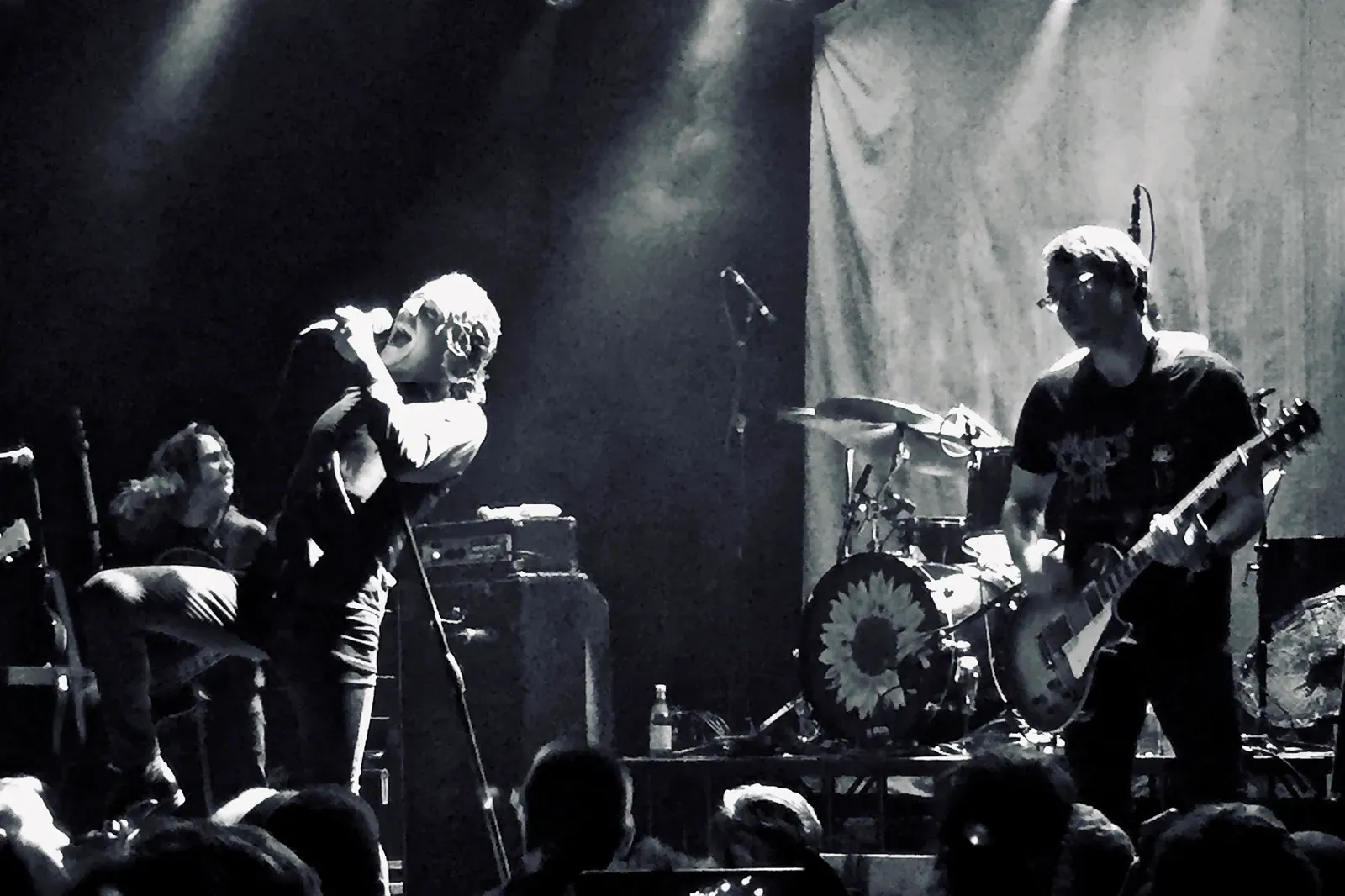
Post-metal drew a different crowd from classic metal. A 2005 report on a Pelican show in New York described a crowd in cropped hair and tight jeans rather than long hair and black clothing, and the scene has been called a global community on the fringes of the underground. Pelican guitarist Trevor de Brauw said in 2007 that he felt an affinity with metal but did not think of the band as a metal band.
Legacy
The style fed back into several scenes. Atmospheric sludge, post-black metal and blackgaze are its principal offshoots, filed under sludge metal and black metal with post-metal as a secondary parent. The influence of Neurosis, Godflesh and Isis can also be heard in industrial metal and in drone metal acts such as Sunn O))) and Boris, who have collaborated. In 2026 Neurosis returned with a twelfth album after a long hiatus, with Aaron Turner as a new member.
Misconceptions
One myth is that post-metal is simply metal without vocals. Many bands are instrumental, but Neurosis, Isis and Cult of Luna all use harsh vocals, usually placed like another instrument. A second is that the name denotes time. Unlike post-punk, the prefix describes going beyond a style’s structures rather than following one event. A third holds that Neurosis copied Isis or the other way round; Turner has admitted early Isis releases were compared to Neurosis, but from Oceanic onwards Isis was the band being imitated.
Frequently asked questions
What is post-metal?
Post-metal is a style of heavy music that uses long songs, crescendos, layered guitars and atmosphere in place of verse-chorus structures. It grew out of sludge metal, doom, hardcore and post-rock in the early 1990s.
Who invented post-metal?
Neurosis and Godflesh are credited with starting it, and Neurosis’s Souls at Zero and Godflesh’s Pure, both released in 1992, are often named the first post-metal records.
What is the best post-metal album to start with?
Neurosis’s Through Silver in Blood (1996) and Isis’s Oceanic (2002) are the two most cited reference points, with Deafheaven’s Sunbather (2013) for the black metal and shoegaze branch.
What is the difference between post-metal and sludge metal?
Sludge metal marries hardcore ferocity to the heaviness of doom. Post-metal adds atmosphere, ambient and post-rock structure, with long builds and often fewer or no vocals.
Is post-metal the same as blackgaze?
No. Blackgaze is one offshoot that combines black metal with shoegaze, and Deafheaven is the best-known example. Post-metal is the wider genre.
Sound
Sound sheet
Anatomy of a track
| # | Part | Bars |
|---|---|---|
| 1 | Quiet or ambient intro | 16 |
| 2 | Slow build on a repeated theme | 32 |
| 3 | Heavy peak | 16 |
| 4 | Decay or ambient outro | 16 |
Signature sounds
- Crescendo-based song forms
- Layered, effect-heavy guitars
- Vocals used as another instrument
- Long instrumental passages
Drums and percussion
- Acoustic drum kit
- Drum machine
Techniques
- Crescendo building
- Effect layering
- Tremolo picking
- Dynamic contrast
Keys and modes
Minor keys and drones. Dark, brooding harmony, often built on sustained notes and repeated riffs.
Tuning
Down-tuned guitars and bass, commonly drop D and lower
Vocals
Screamed or growled, often placed like another instrument; many bands are instrumental
Scenes
Where it happened
Where and when the sound lived: one bar per city on a shared timeline.
North America
Europe
Active scenes
Peak 4, 1998-2025
Home of Neurosis, whose records and live visuals set the genre's model.
Godflesh, and later Jesu, grew out of Justin Broadrick's work here.
Isis played here as the center of the 2000s wave, with Aaron Turner's Hydra Head label alongside.
Cult of Luna built the Swedish branch of the genre here.
Culture
Culture markers
- Live film projections
Neurosis toured with a visual artist from 1991, projecting psychedelic imagery including footage from Altered States, until 2012.
Artwork - Indie-style crowds
A 2005 Pelican show in New York drew a crowd in cropped hair and tight jeans rather than long hair and black clothes.
Fashion - Blackgaze
The nickname for Deafheaven's black metal and shoegaze blend, which divided fans of conventional extreme metal.
Slang
Glossary
Terms on this page
Sludge metal slowed and layered with ambient and post-rock textures, close to early post-metal.
A nickname for black metal fused with shoegaze, popularized by Deafheaven and Alcest.
A song that builds gradually on repeated themes to a heavy peak, in place of verse-chorus form.
A label for post-metal that stresses its link to shoegaze textures.
Prefix for going beyond a style's conventions without leaving its attitudes, as in post-rock and post-hardcore.
Metal family